
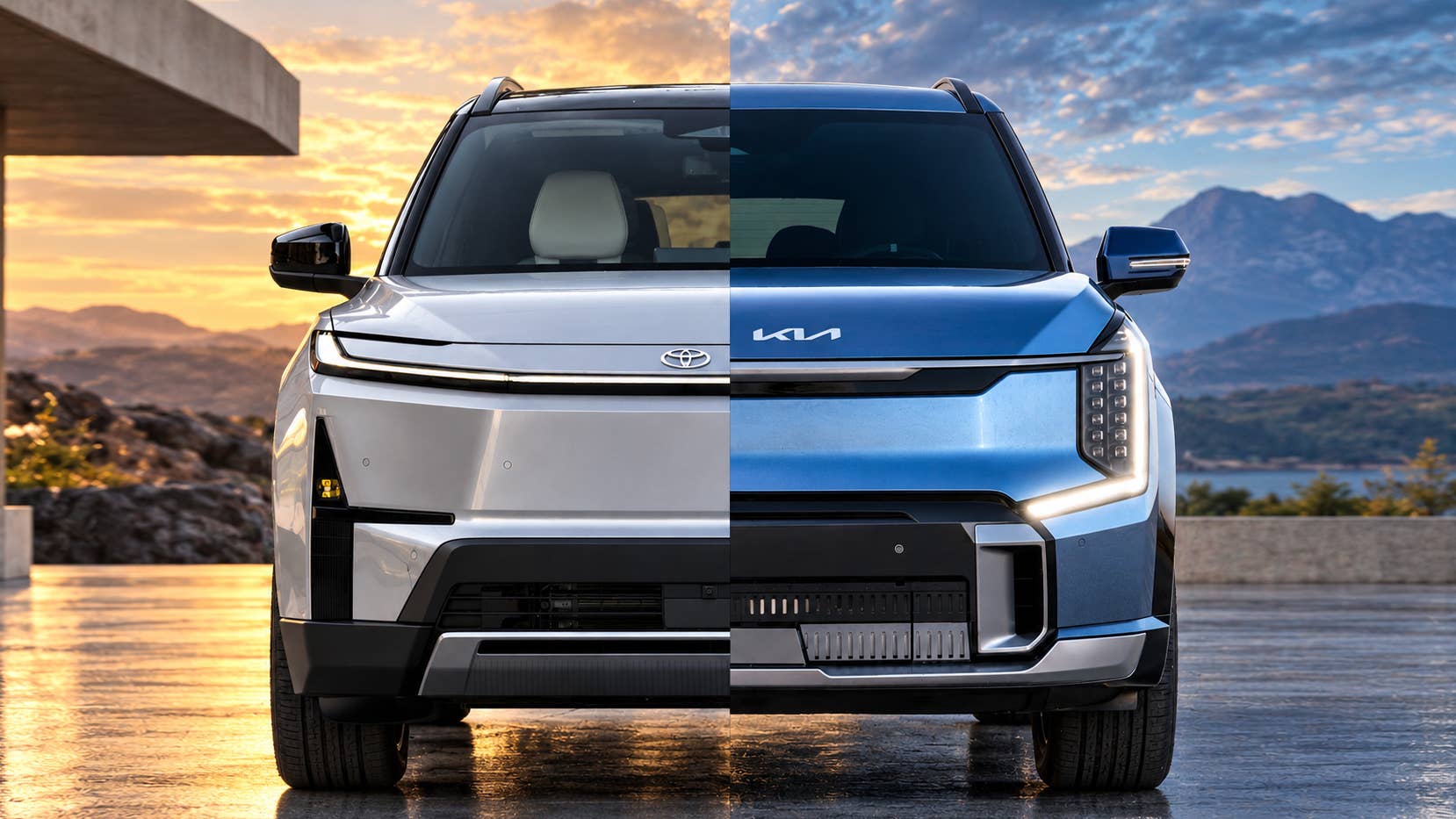
Toyota and Kia are two of America’s top automakers if you’re after a high-value package. Each still has a range that starts at well under $25,000, but they also offer spacious three-row family vehicles that are loaded with features. While Toyota remains more trusted, Kia’s growth has been especially impressive in the U.S. over the last few years. Here, we’ll look at five key differences between these brands that can help you decide between them.
1. Toyota Leads For Reliability, But It’s Close
Kristen Brown
Kristen Brown
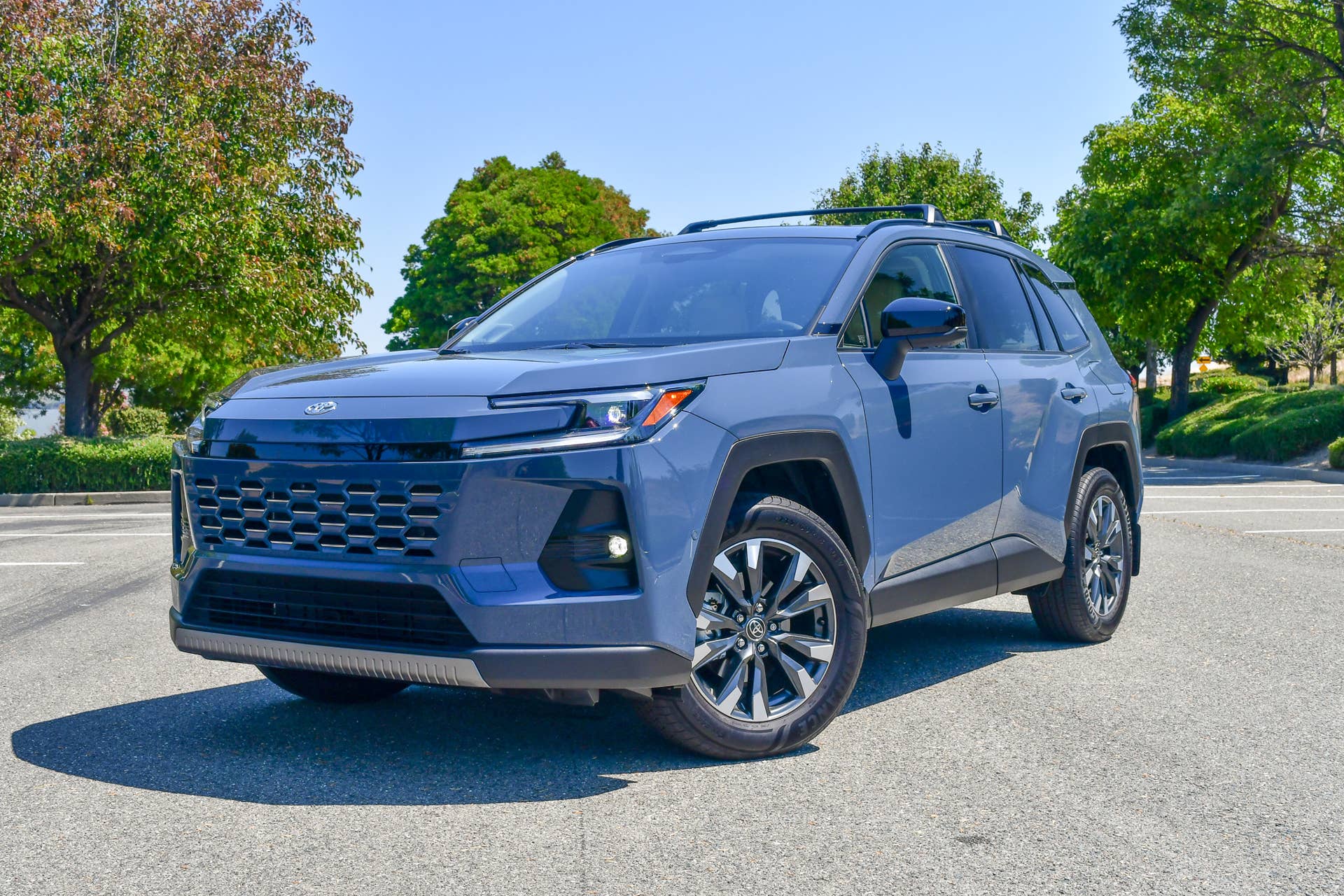
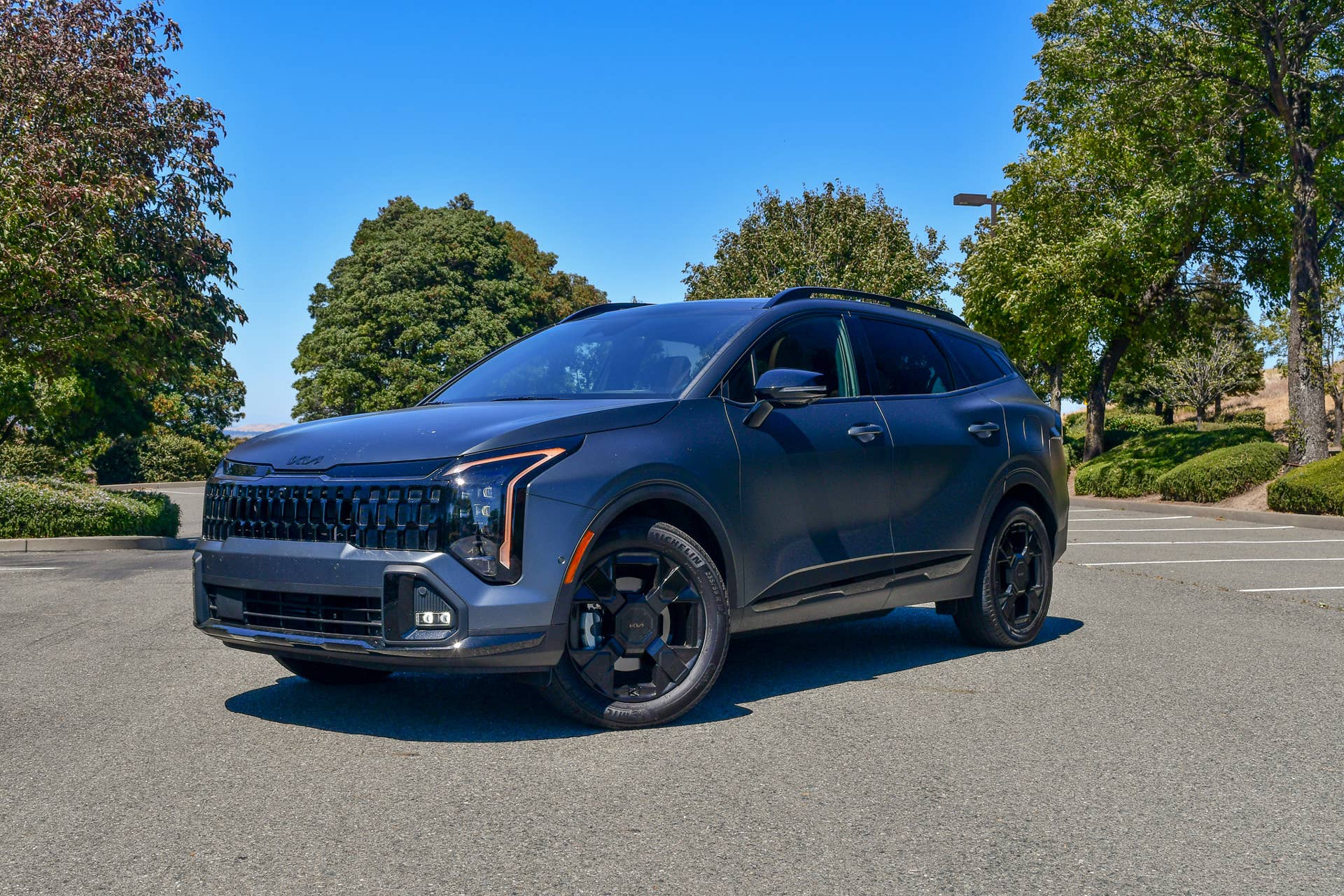
Kia’s reliability ratings have steadily improved in recent years, to the point where it actually beats Toyota in some segments. Overall, though, Toyota still has the edge. It’s ahead of Kia in the predicted reliability ratings published by Consumer Reports and JD Power’s Vehicle Dependability Study, but Kia beat Toyota in JD Power’s Initial Quality Study.
| Kia Reliability Ratings | Toyota Reliability Ratings | Winner | |
| Consumer Reports | 10th out of 26 brands | 1st out of 26 brands | Toyota |
| JD Power Vehicle Dependability Study | 9th out of 28 brands | 8th out of 28 brands | Toyota |
| JD Power Initial Quality Study | 11th out of 27 brands | 15th out of 27 brands | Kia |
In our own analysis of Toyota vs. Kia reliability, Toyota’s star model was the enduring Camry. But in other segments, Kia was ahead, including the three-row midsize crossover segment, where the Telluride outranked the Grand Highlander.
Reliability standards for the Kia are now close enough to Toyota that we wouldn’t make this the sole reason for choosing one automaker over the other.
2. Kia Vs. Toyota Warranties: One Is Unbeatable
Toyota
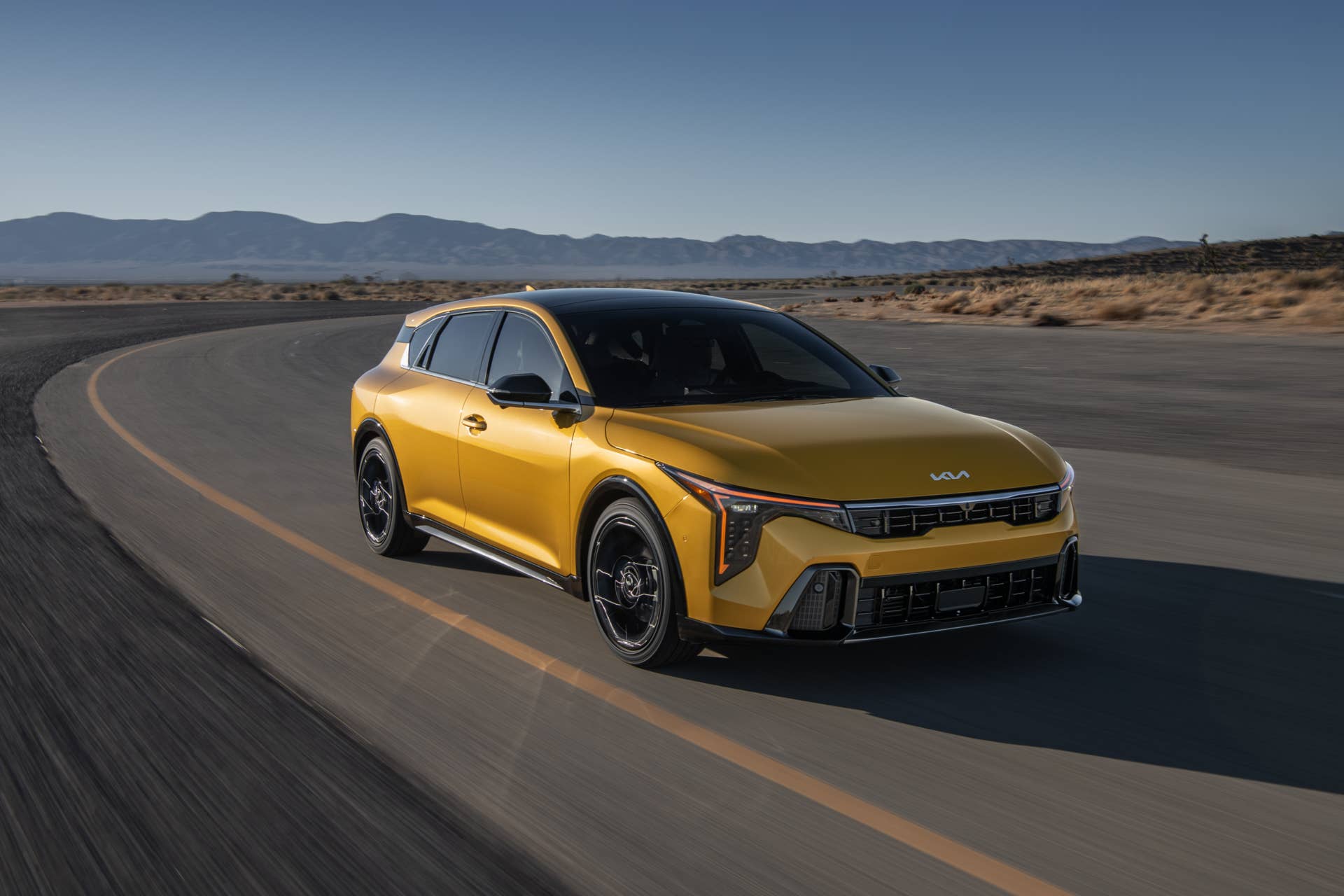
Kia
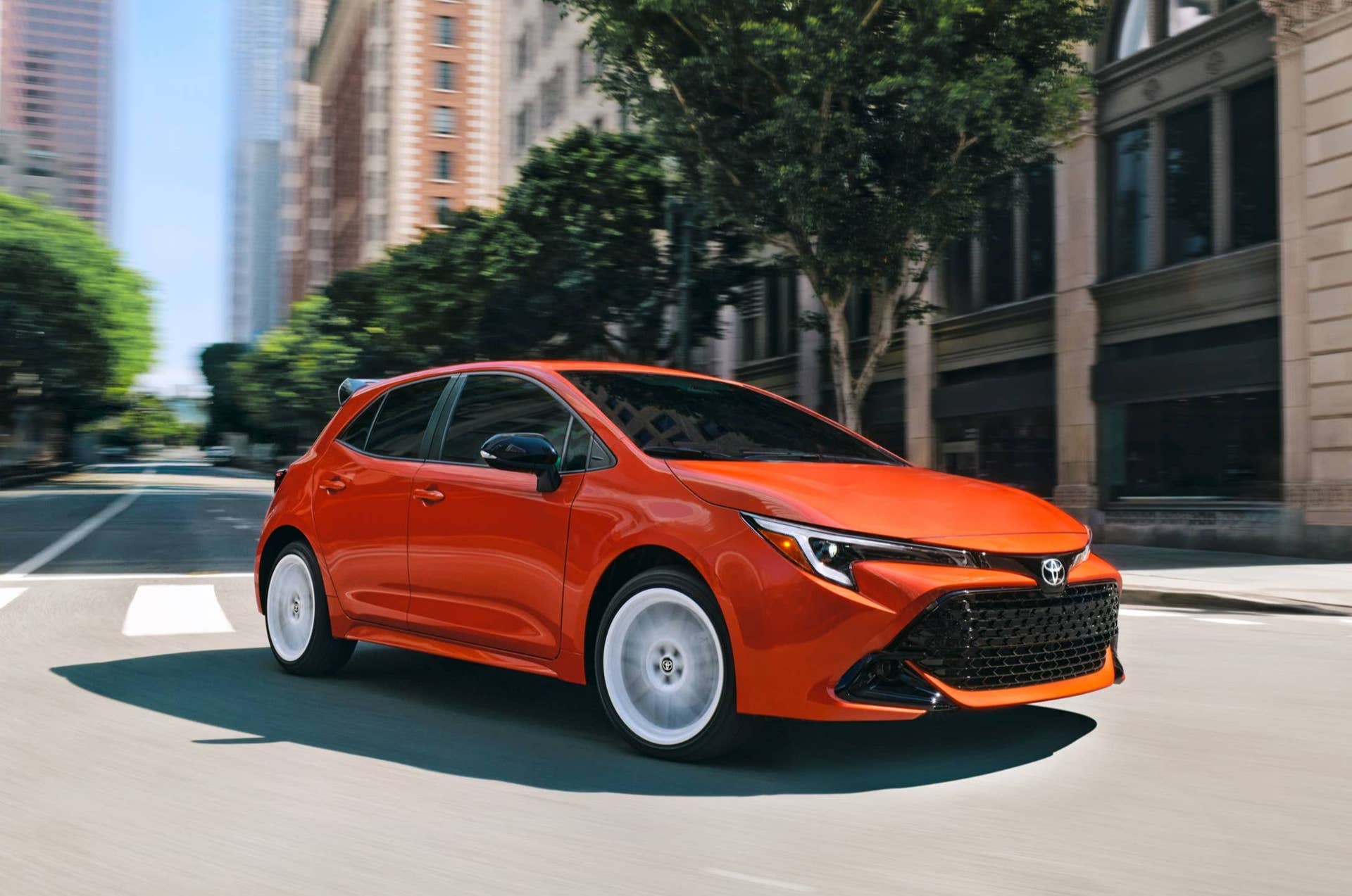
If something goes wrong with your vehicle, it helps to have a comprehensive warranty in place. Kia is well ahead of Toyota and most other mainstream brands in this area, as its warranty coverage is very generous. Here’s a look at how the two brands compare.
| Kia | Toyota | |
| Basic Warranty | 5-year/60,000-mile | 3-year/36,000-mile |
| Powertrain Warranty | 10-year/100,000-mile | 5-year/60,000-mile |
| Anti-Perforation Warranty | 5-year/100,000-mile | 5-year/unlimited miles |
| EV Battery Warranty | 10-year/100,000-mile | 10-year/150,000-mile |
Toyota offers unlimited miles over the course of its anti-perforation warranty, beating Kia’s 100,000 miles. For EV batteries, Toyota also has an extra 50,000 miles of coverage. But Kia’s basic and powertrain warranties are much more comprehensive, with customers covered for double the length of time for powertrain-related defects.
Toyota does have one other advantage, though. Its vehicles enjoy two years or 25,000 miles of complimentary scheduled maintenance, which Kia does not offer.
3. Toyota’s Resale Values Dominate
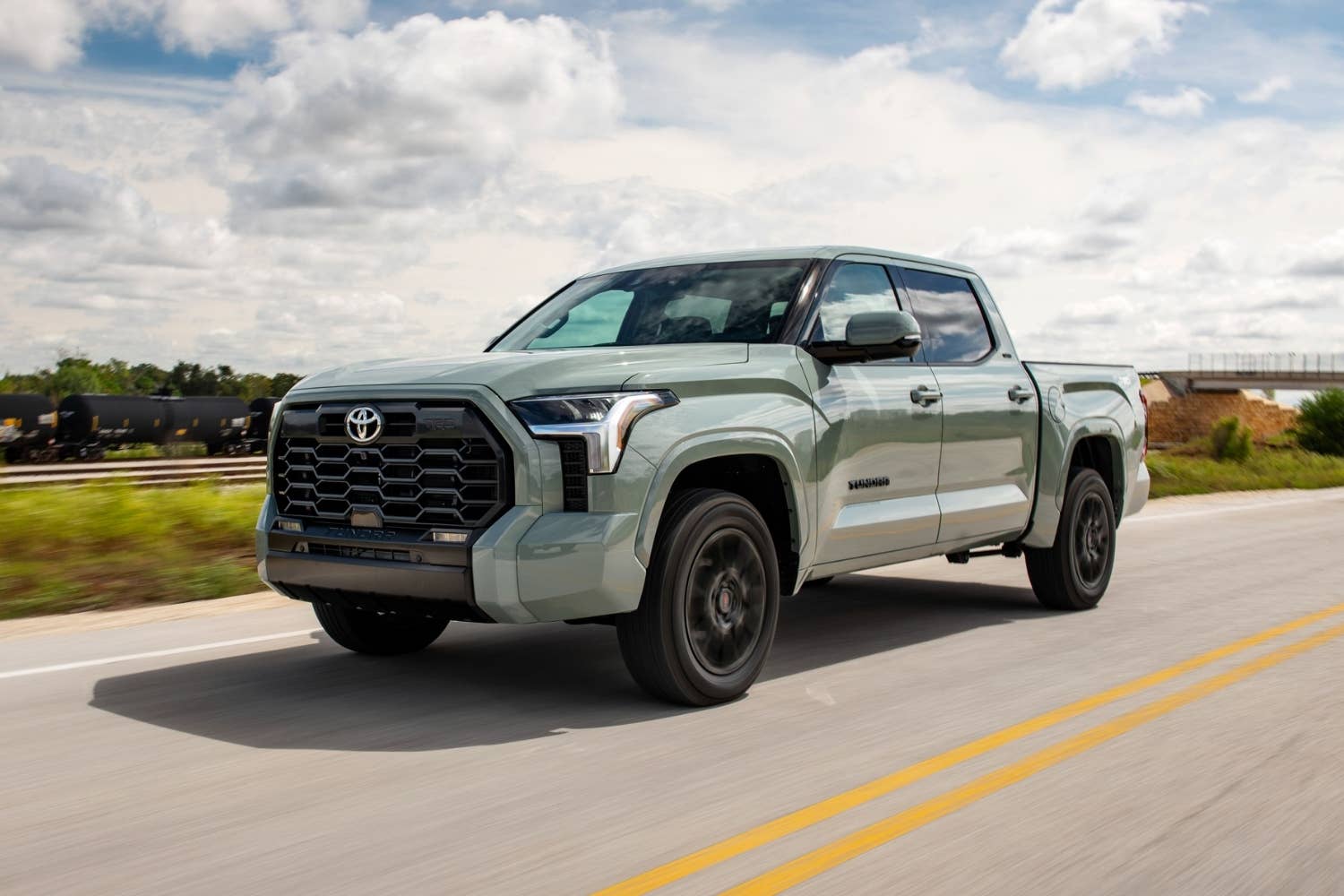
Toyota
Thanks to a strong reputation for quality vehicles and solid long-term reliability, Toyota’s resale values lead the industry in the United States. The automaker’s long product life cycles and conservative engineering standards keep complexity low, while boosting durability. This also contributes to vehicles customers can easily trust.
Kia’s resale values are far lower and more in line with industry averages. The Korean automaker typically produces more tech-heavy vehicles and has had a wider range of EVs on sale for several years now, which have kept its overall resale values lower. It also does not have the same reputation for reliability, although this is gradually changing.
| Kia | Toyota | |
| 5-year resale value | 51.4% | 64.9% |
| Rank among mainstream automakers | 11th | 1st |
According to CarEdge data, Toyotas will retain almost 65% of their value after five years. Japanese brands dominate the list, with the top 4 brands being Toyota, Subaru, Honda, and Mazda. Kia is ahead of Nissan, though, which has a five-year average resale value of 49.7%.
If you’re buying a used car, a Kia can typically be a better deal than an equivalent Toyota, as it sheds its value more rapidly.
4. Kias Have Better Tech and More Standard Features
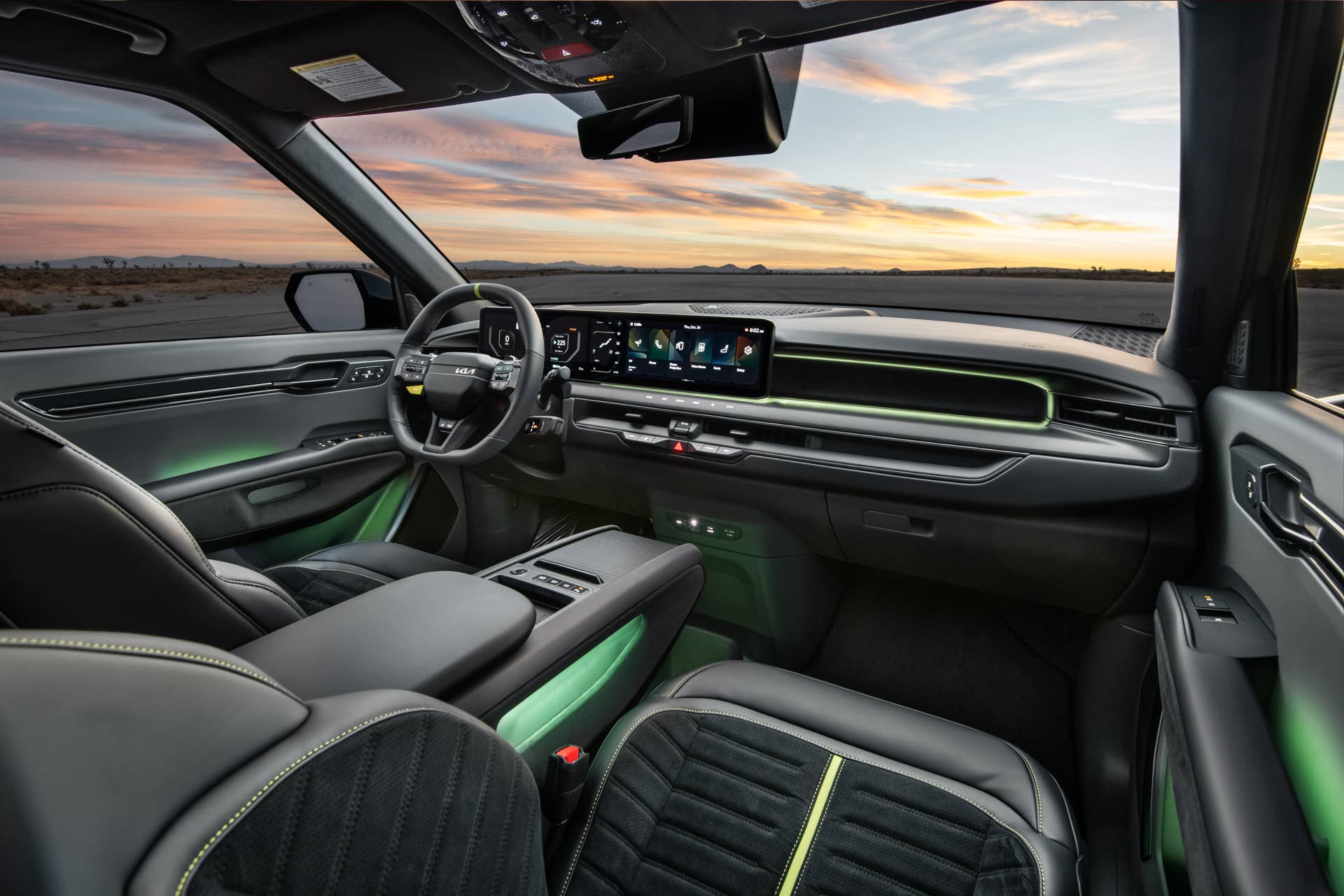
Kia
Climb inside a new Kia Telluride, and you may think you’ve stepped into a luxury car if you haven’t checked the badge. The technology is advanced, comfort features are plentiful, and top trims have some surprisingly deluxe materials. That SUV’s rival, the Toyota Grand Highlander, isn’t at all bad, but it lacks the wow factor of the Kia. This same trend occurs throughout these brands’ lineups. The Kia K4 makes the Toyota Corolla look dated, while an EV6 is a far more eye-catching vehicle than the bZ or bZ Woodland.
On the showroom floor, Kias impress with their progressive designs and modern features, but they also offer more bang for your buck than the equivalent Toyota a lot of the time. The Seltos, Sportage, Telluride, K4, and K5 are all cheaper than the equivalent Toyotas, to mention a few. Take the Telluride, for instance, which starts at $39,190—a full $3,070 less than the Grand Highlander, which is actually the older vehicle. The second Telluride trim, the Telluride S, still undercuts the base Grand Highlander LE.
If you had around $42,000 to spend on a midsize three-row crossover, here’s what each of these models offer.
| Kia Telluride S | Toyota Grand Highlander LE | |
| Base price | $42,090 | $42,260 |
| Engine | 2.5L I4 Turbo (274 hp) | 2.4L I4 Turbo (265 hp) |
| Wheels | 20-inch alloys | 18-inch alloys |
| Power sunroof | S | N/A |
| Power-adjustable driver’s seat | S | S |
| Heated front seats | S | N/A |
| Tri-zone auto climate control | S | S |
| Touchscreen | 12.3 inches | 12.3 inches |
| Speakers | 8 | 6 |
| Power liftgate | S (with hands-free) | S |
For slightly less money, the newer Telluride offers more power and a few desirable extra features, like heated front seats and a power sunroof.
Is Kia better than Toyota because it has more features at a lower price? For some, that will be the case, while other buyers will sacrifice the best tech for the peace of mind that often comes with purchasing a Toyota.
5. Each Brand Has Vehicles the Other Doesn’t
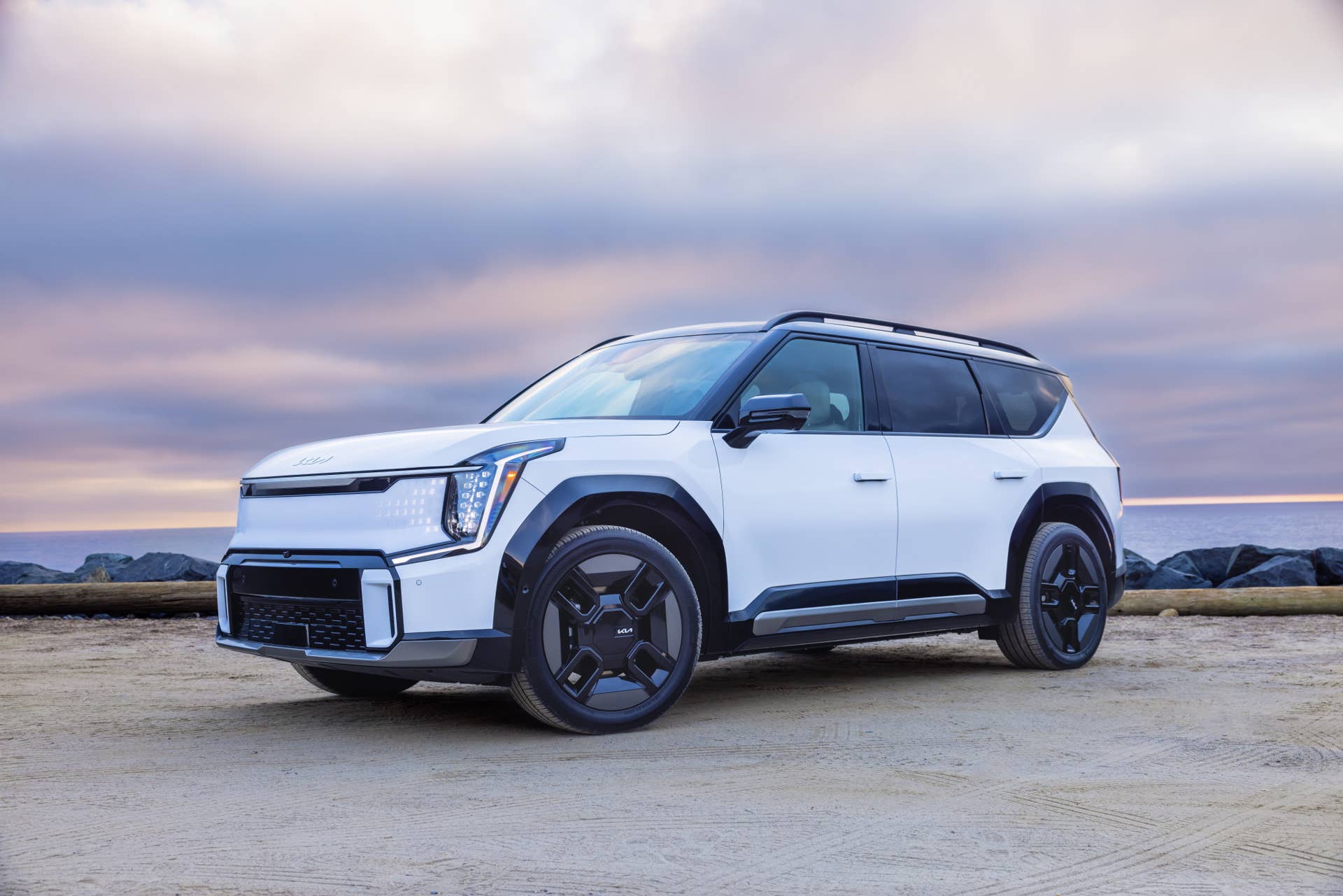
Kia
Amos Kwon
Toyota
Toyota’s lineup is nearly unmatched in its variety. From small subcompacts to large three-row off-roaders, it has almost every base covered. Even so, Kia sells a few vehicle types not available from Toyota. Here’s a look at the vehicles sold by each automaker that the other doesn’t have.
| Kia-Exclusive Models | Toyota-Exclusive Models |
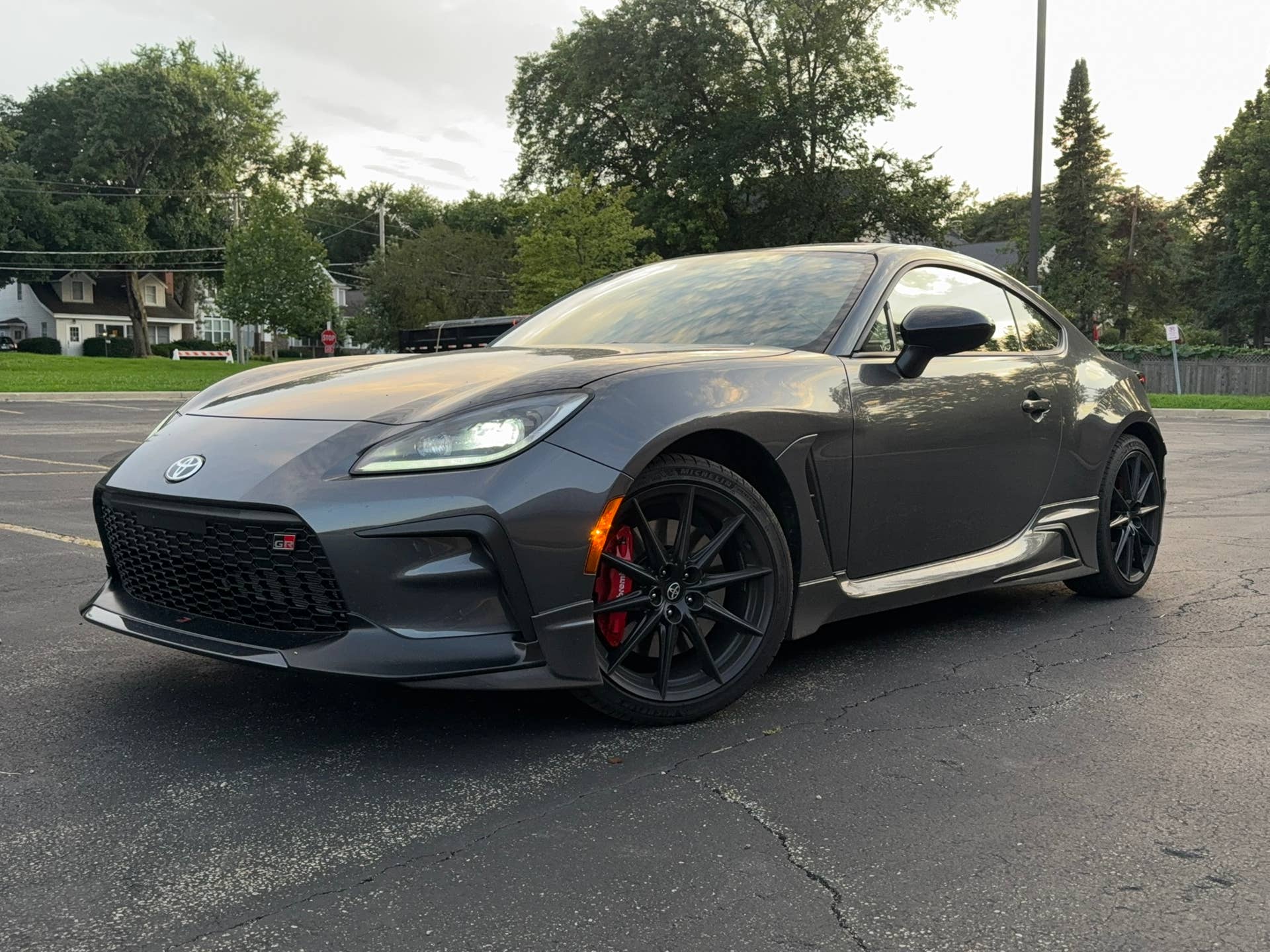
| Electric three-row SUV: EV9 | Sports cars: GR86, GR Supra |
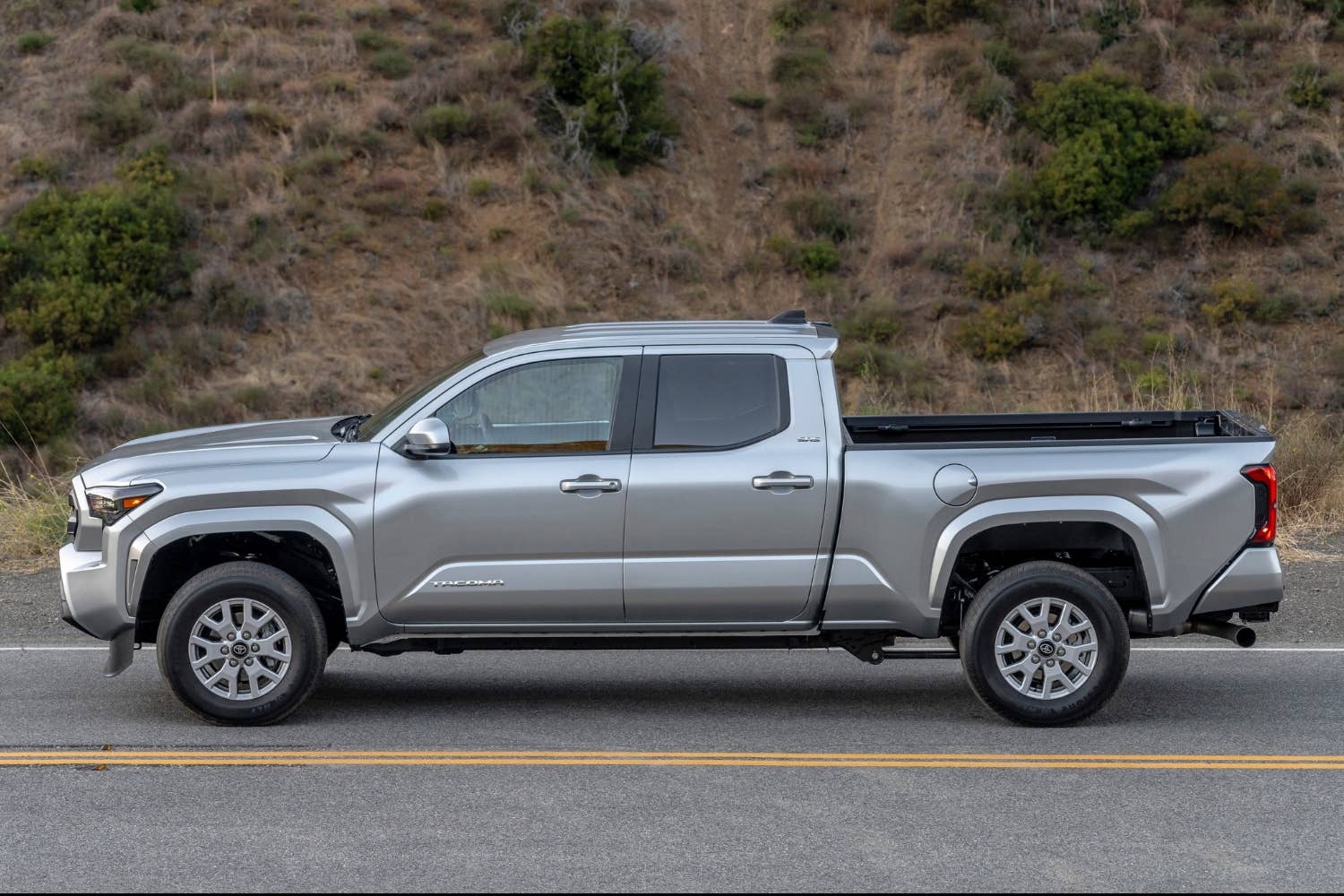
| Sub-$35,000 three-row SUV: Sorento | Pickup trucks: Tacoma, Tundra |
| Sub-$35,000 EV: EV3 | Large sedan: Crown |
| Non-hybrid minivan: Carnival | Off-road/body-on-frame SUVs and trucks: TRD variants of 4Runner, Sequoia, Tacoma, and Tundra |
| Hybrid midsize sedan: Camry | |
| Hybrid hatchback: Prius | |
| Two-row midsize SUV: bZ Woodland, 4Runner, Land Cruiser, and Crown Signia |
Kia places considerable focus on low pricing, with its sedans, SUVs, and EVs all starting cheaper than the equivalent Toyotas. But Toyota has a much broader overall lineup. Either way, if you’re looking for a vehicle type in one of the categories mentioned above, only one brand has that category covered.
Final Thoughts
Toyota
Kia
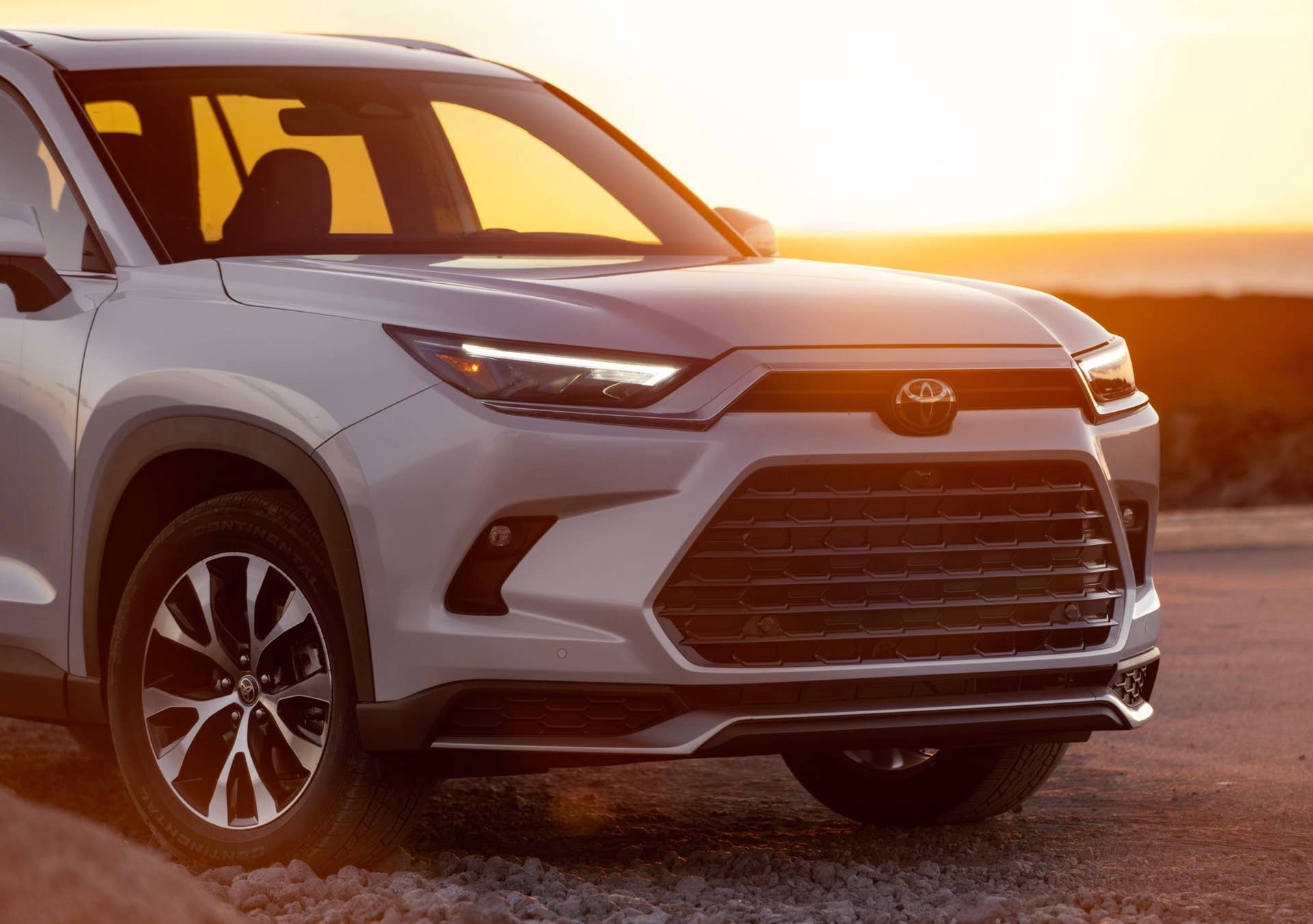
There’s no clear winner or loser between these brands, and they’re not on comparable trajectories. Toyota has expanded its range and introduced more EVs in recent years, but it has never strayed from its core values of affordability and reliability. This has kept sales and resale values consistently high.
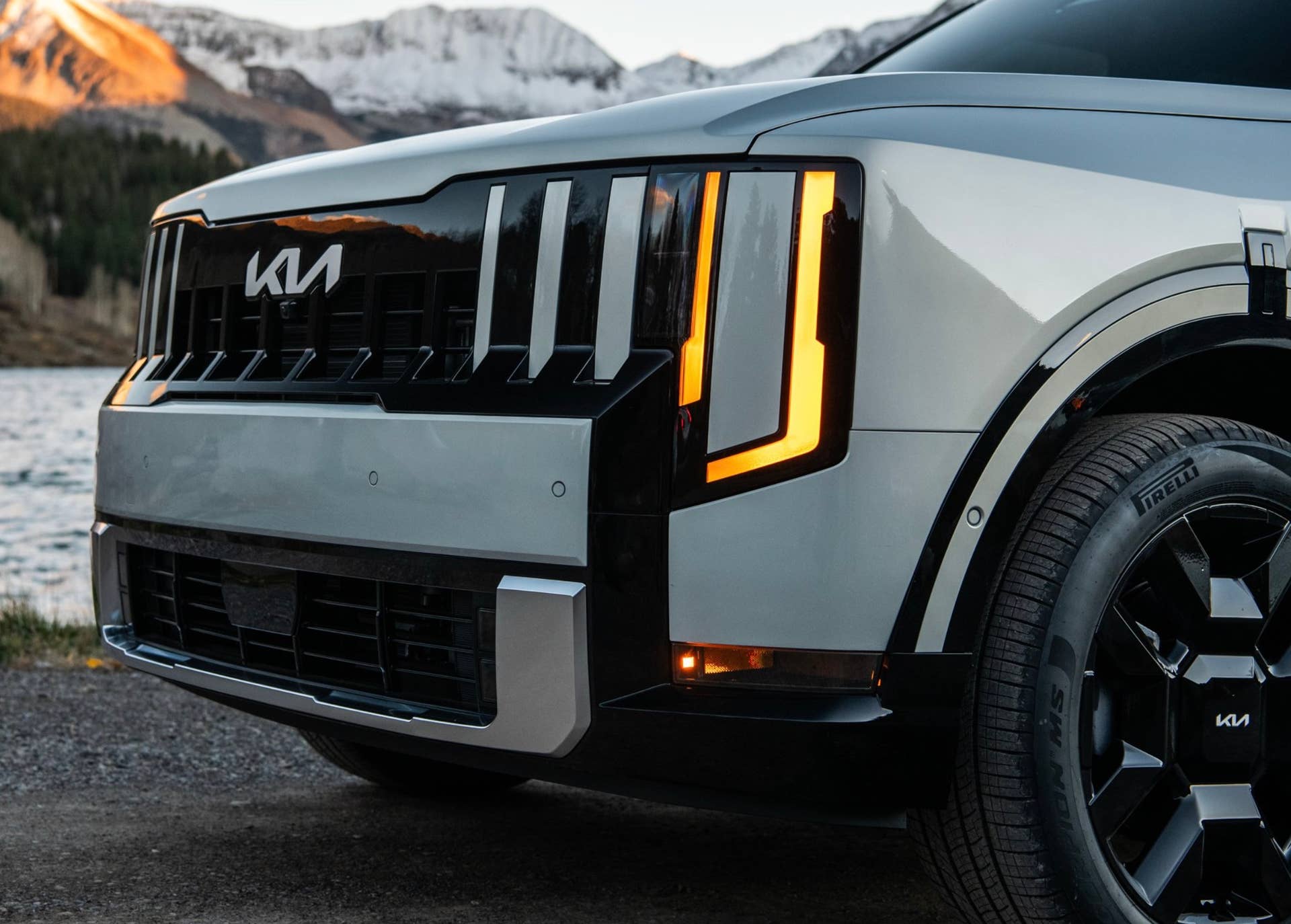
Kia, meanwhile, is still some way off Toyota’s overall impact, but it is making meaningful inroads and experiencing rapid growth. The brand just accomplished its best-ever U.S. sales month in August 2026. Its reliability ratings are decent and improving, and it has positioned itself as a more daring automaker in terms of design and tech.
Choosing a Kia or Toyota comes down to what you value most. Kia stands tall in the areas of design, lower initial costs, features, and warranty coverage. Toyota leads in reliability, a broader lineup, and resale values.
About the author

Karl Furlong
Senior Editor, Autoblog