

Suzuki left the United States market in 2012
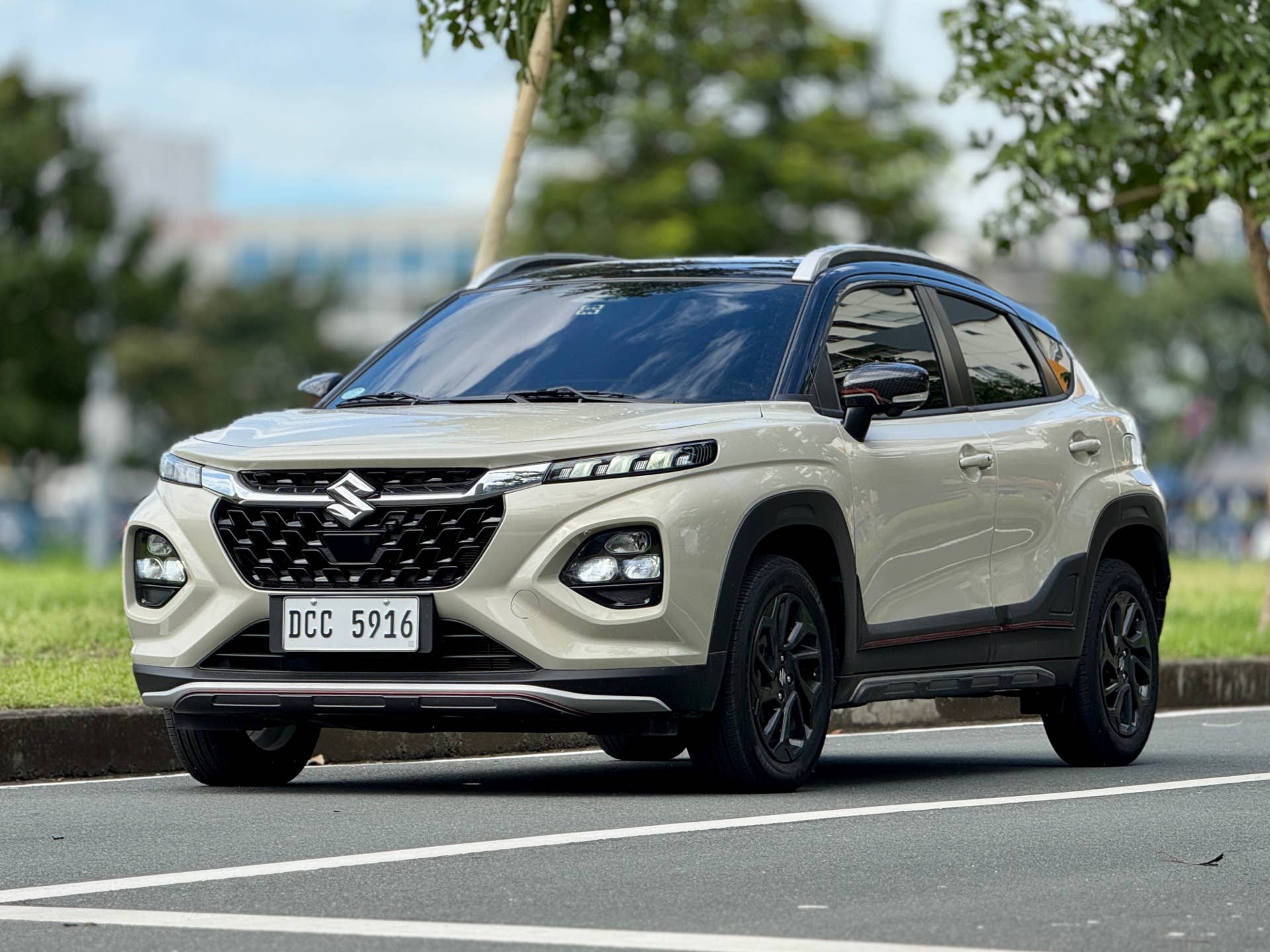
It’s been nearly 14 years since Suzuki took its leave from the United States automotive market for a variety of reasons. Coming down to brass tacks, Suzuki wasn’t selling enough vehicles, largely due to its limited lineup that consisted of small models in a market that favored large vehicles. The manufacturer’s sales peaked in 2007, with just over 100,000 vehicles sold. Five years later, American Suzuki Motor Corporation filed for Chapter 11 bankruptcy, marking the end of the automotive brand in the United States.
Jacob Oliva/Autoblog

Suzuki
Suzuki
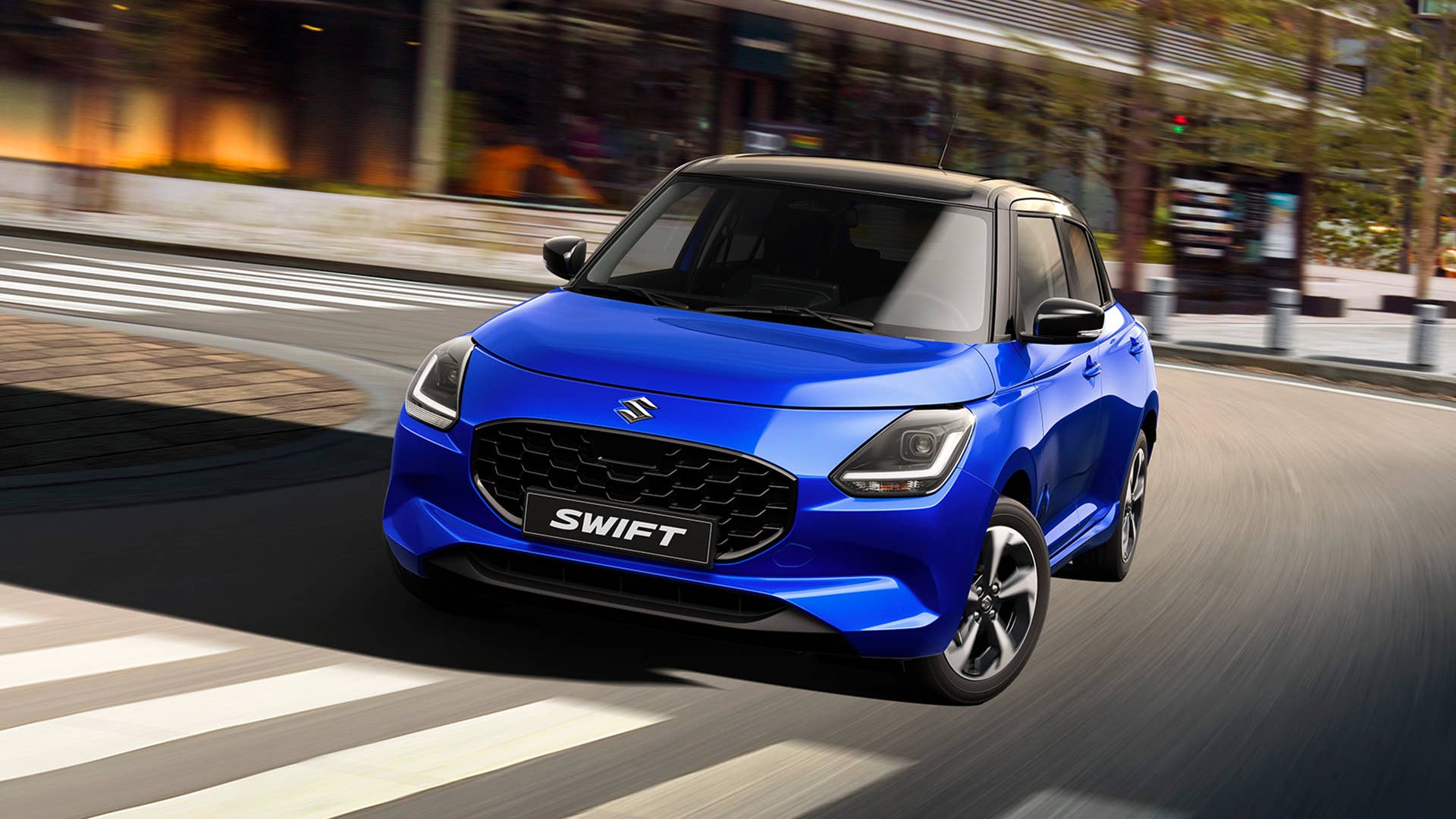
While it no longer sells cars in the United States, you can still find Suzuki products throughout the nation in the form of motorcycles, ATVs, and marine engines. Over the past few months, however, there’s been talk of bringing kei cars – very small cars popular in Japan – to the United States to offer American consumers a smaller, more affordable vehicle. Considering small vehicles are Suzuki’s bread and butter in foreign markets, kei cars could open the door for the Japanese automaker to return to the United States.
Kei cars could provide an avenue for Suzuki’s revival
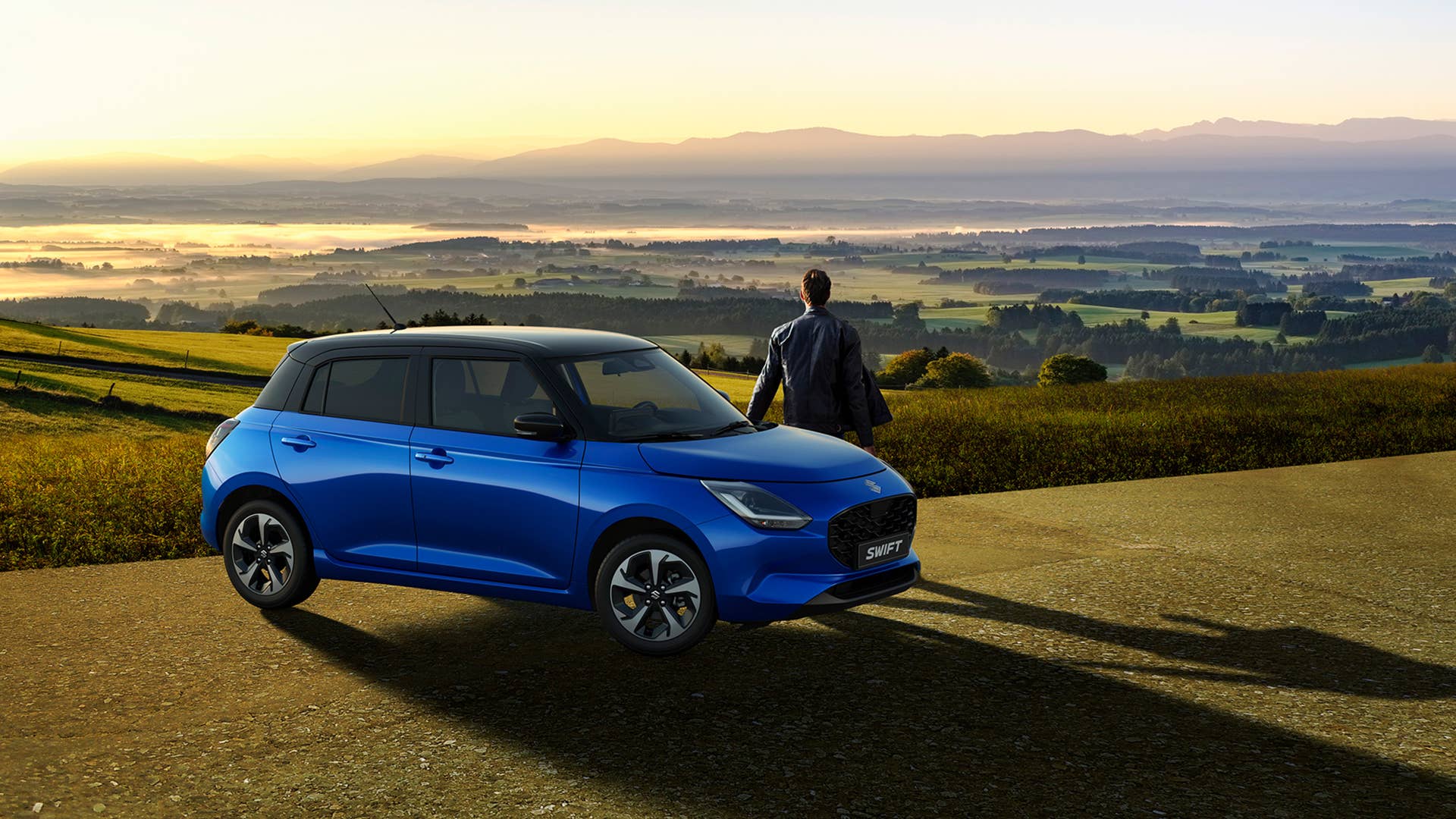
There’s no denying that the average car payment has ballooned significantly over the past few years, ranging from $700 to over $1,000, depending on your source. Regardless of whether you’re on the low or high end of the range, that kind of payment is unsustainable and will only continue to rise. The introduction of kei cars could present Suzuki with an avenue to return to the United States auto market, albeit with some compromises.
Suzuki
Kei cars, translated from Japanese to literally mean “light motor vehicle,” have size restrictions in Japan that result in some rather unique designs. To comply with these standards, kei cars can’t be more than 11.2 feet long, 4.9 feet wide, and 6.6 feet tall. Engine power is also limited to 660cc.
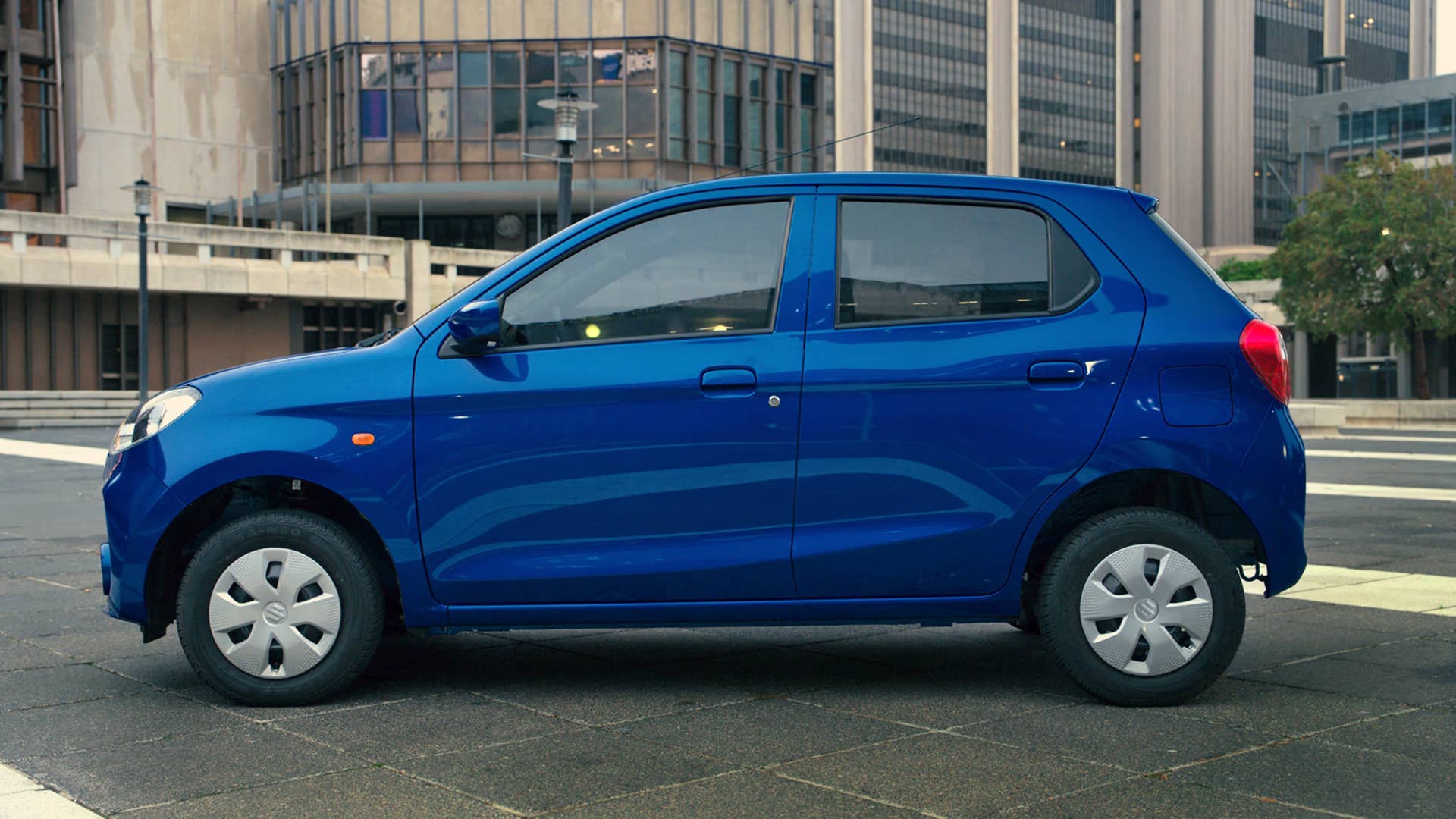
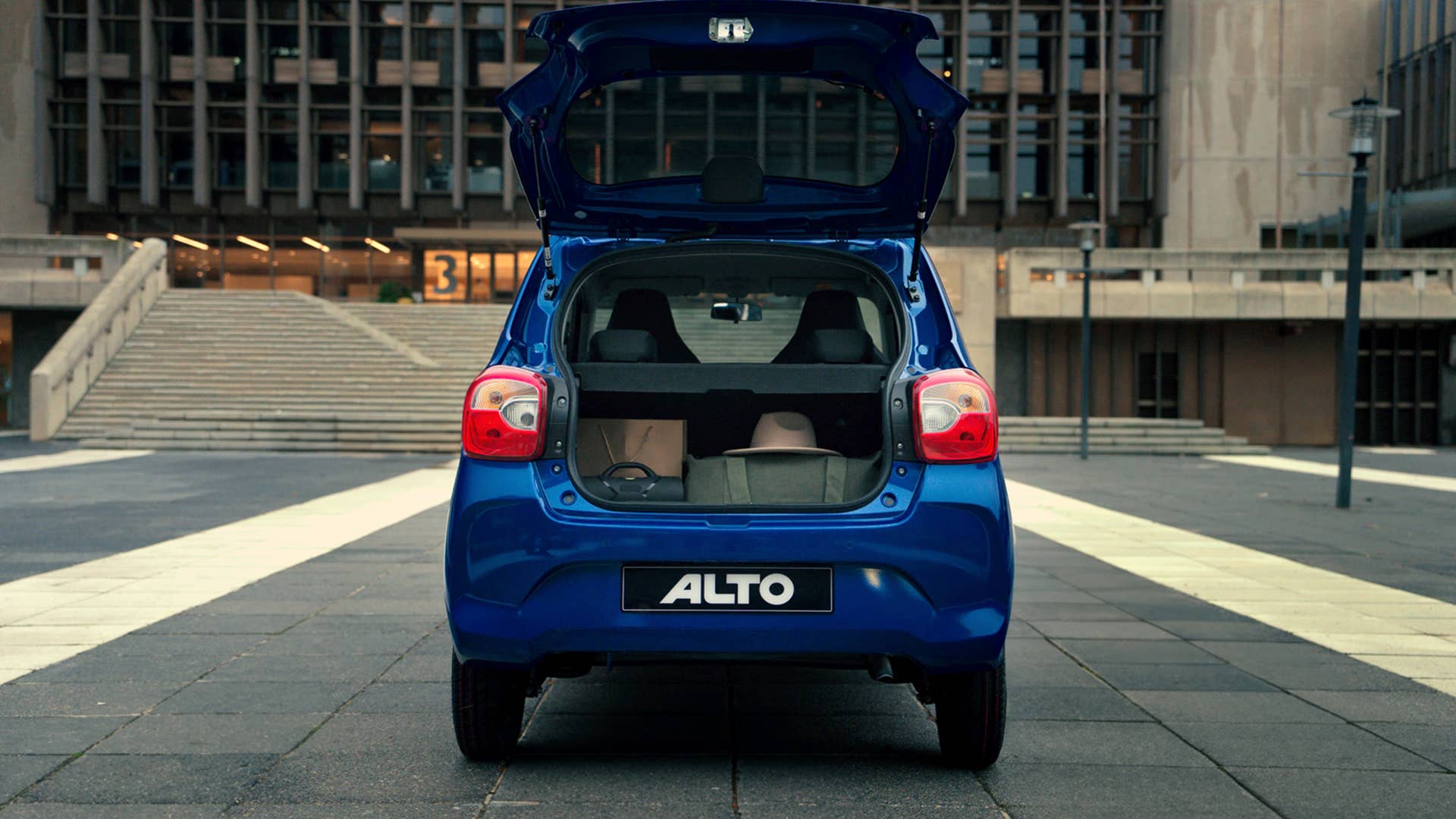
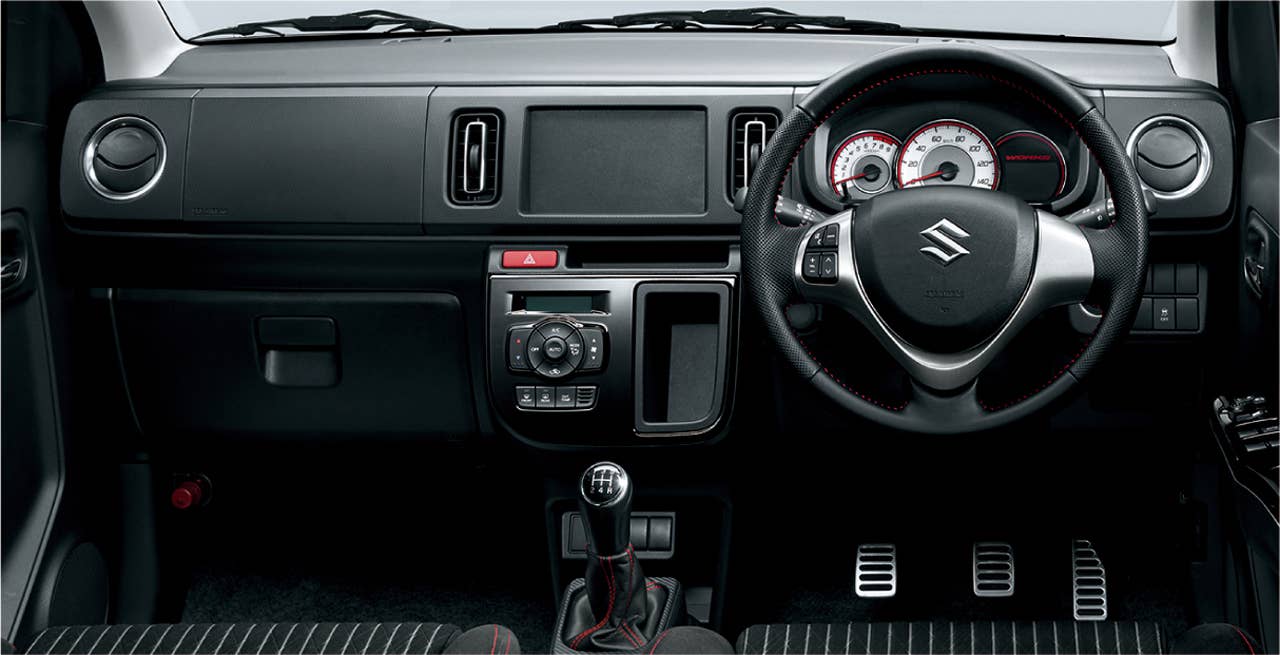
Suzuki has several models that meet these specifications, including the Alto. The Alto is a small hatchback that comes powered by a 1.0-liter three-cylinder engine that offers around 70 horsepower. Inside, the kei car features a seven-inch touchscreen display with Apple CarPlay and Android Auto compatibility. The Alto also offers a relatively spacious interior for a hatchback of its size.
Suzuki
Suzuki
Suzuki
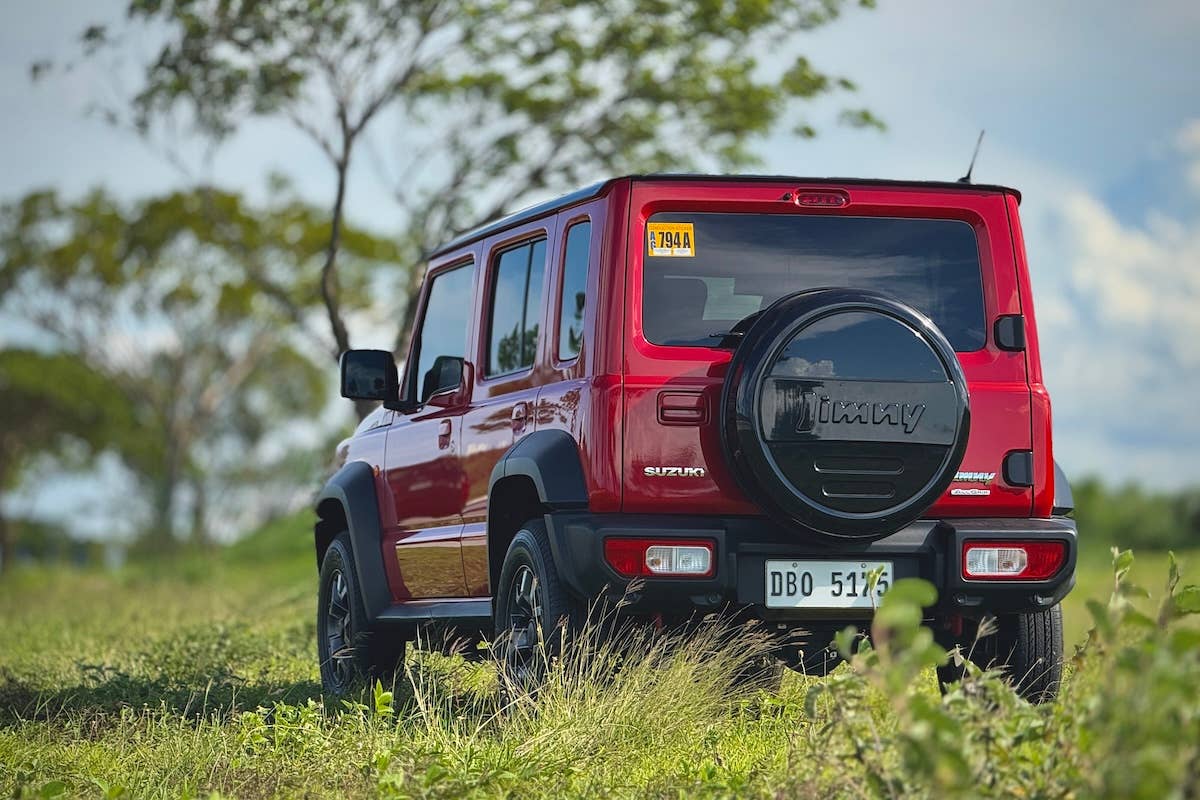
The Japanese manufacturer makes more rugged small vehicles that are a departure from the typical kei car. The Suzuki Jimny is one such example, with exterior styling similar to that of the Ford Bronco and Jeep Wrangler (or the G-Wagon, I suppose). Similar to the Wrangler, the Jimny is available in three- and five-door bodystyles. The international version of the Jimny features a 1.5-liter four-cylinder engine that delivers around 100 horsepower and 96 lb-ft of torque that makes it a capable model both on- and off-road.
Suzuki has partnered with several automakers over the years
Reentering a market is no easy task, but Suzuki could potentially have some help doing so. Suzuki has partnered with a handful of automakers in the past, including General Motors and Volkswagen. Currently, Suzuki and Toyota have an active partnership, with benefits that include vehicle production, technology development, and electrification.
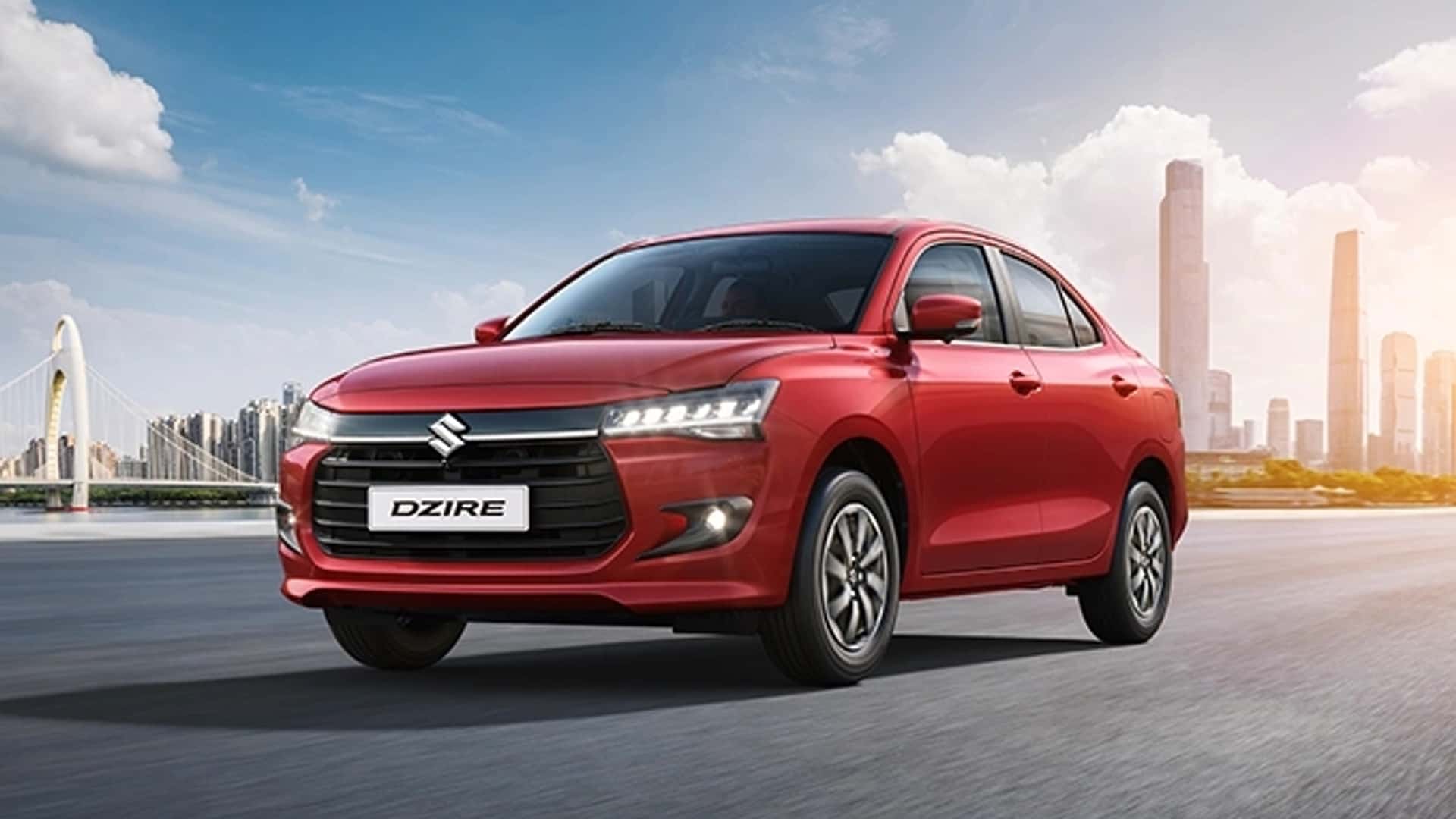
Suzuki and Toyota’s partnership extends back to 2016, following the end of the automaker’s collaboration with Volkswagen. Since then, the two Japanese manufacturers have produced several vehicles together that have launched in international markets. If you’ve ever heard of the Toyota Belta, Rumion, or Glanza, those are largely Suzuki models wearing a different badge.
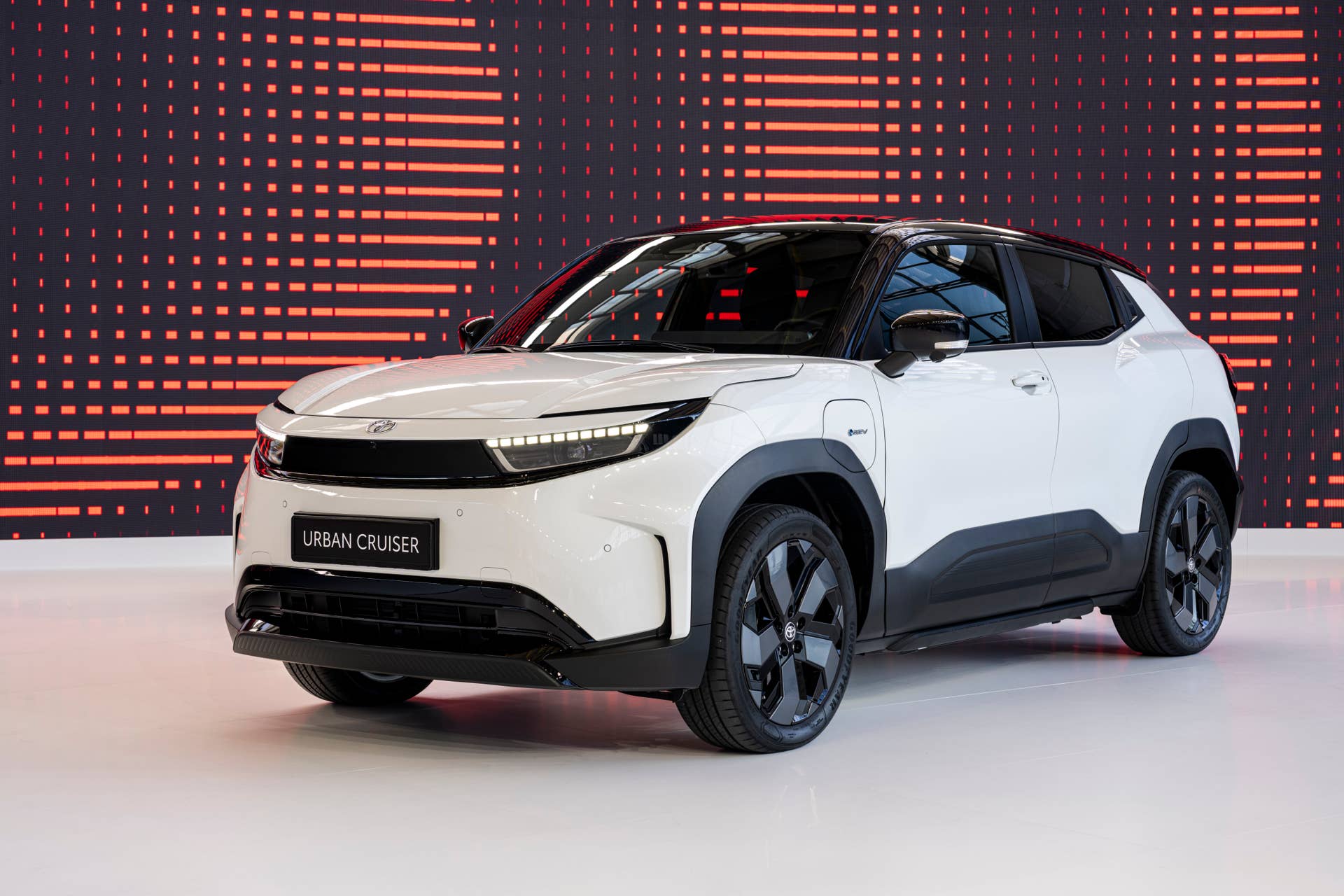
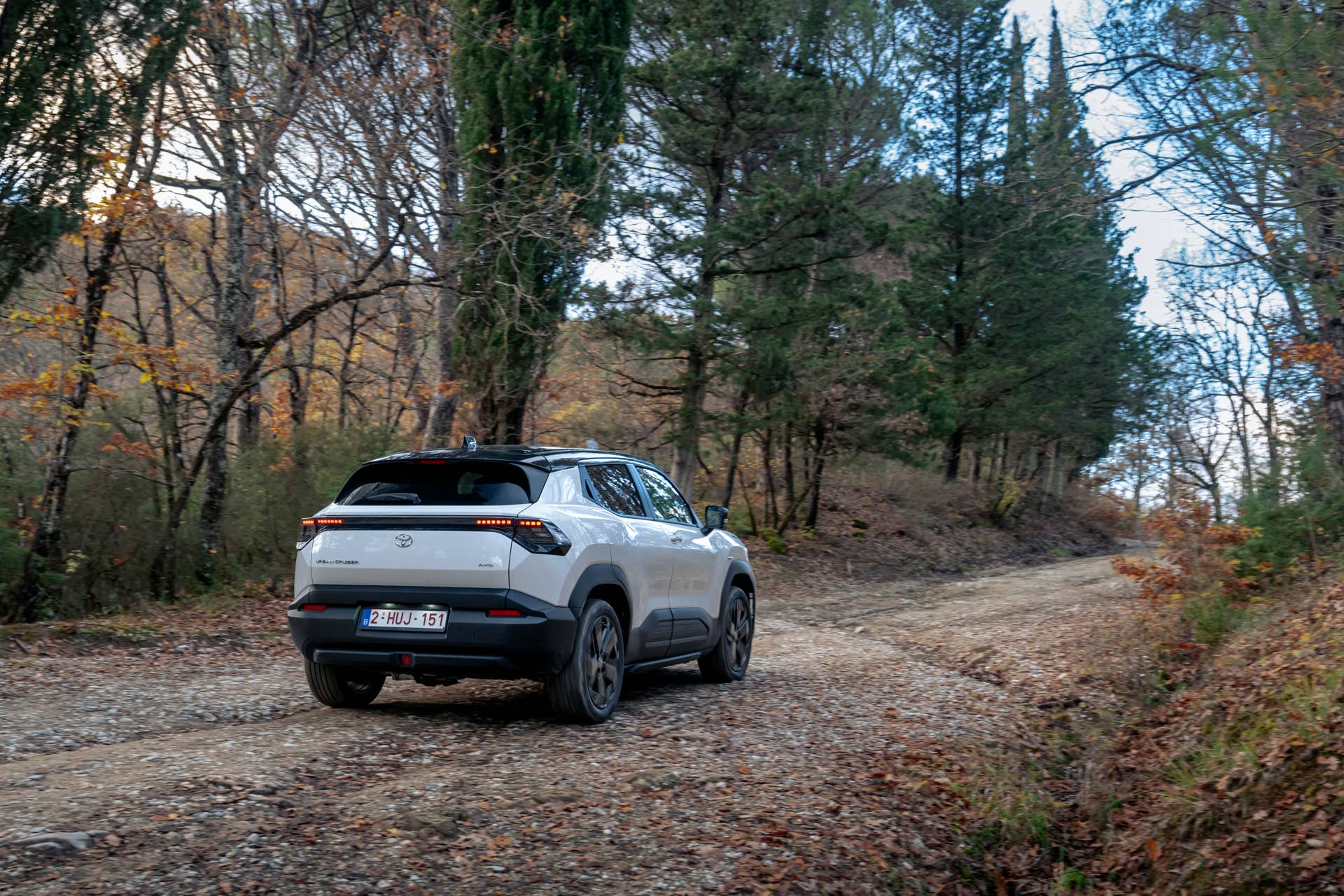
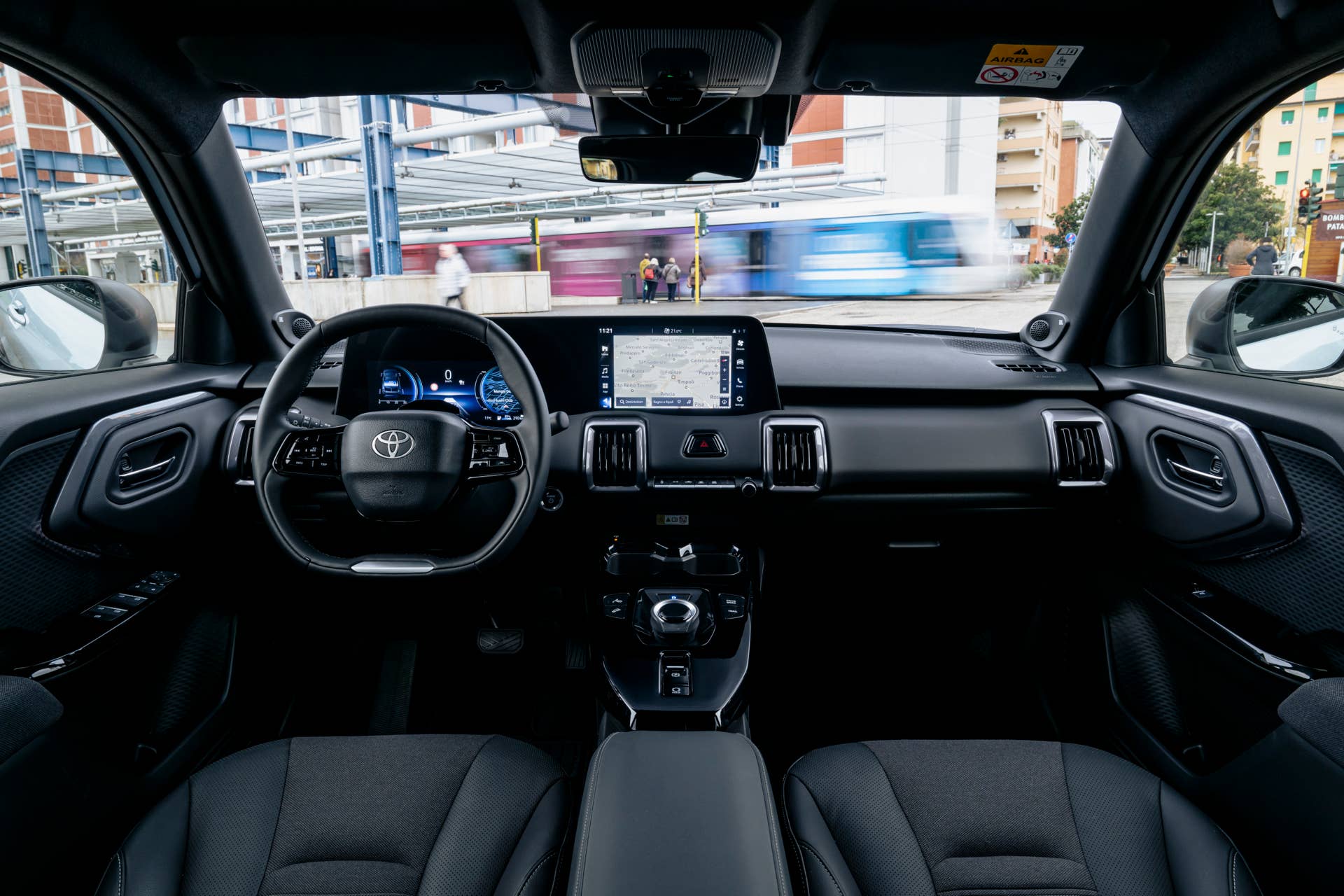
In October 2024, Toyota announced that a Suzuki-developed EV would launch worldwide with manufacturing taking place in India. Fast forward to today, Toyota introduced the European market to the Urban Cruiser EV not long ago. The two automakers also share platforms and powertrains, which lowers development costs and production time. For example, Suzuki currently utilizes Toyota’s hybrid tech to meet European emissions standards.
Suzuki would have to overcome several major obstacles
Even with Toyota’s help, Suzuki would be hard-pressed to make a real return to the United States market. Following its exit in 2012, the Japanese marque’s dealership network quickly became nonexistent. Rebuilding the sales floor, service center, and parts network would be a daunting task, even for established automakers.
Jacob Oliva/Autoblog
Considering Suzuki already uses Toyota’s hybrid tech in Europe, it’s not a stretch to imagine they would do the same for vehicles heading to American roadways. Unfortunately, fuel efficiency standards, particularly those in California, could be cause for concern. Not only that, but crash tests and safety regulations could throw a wrench into the mix as well.
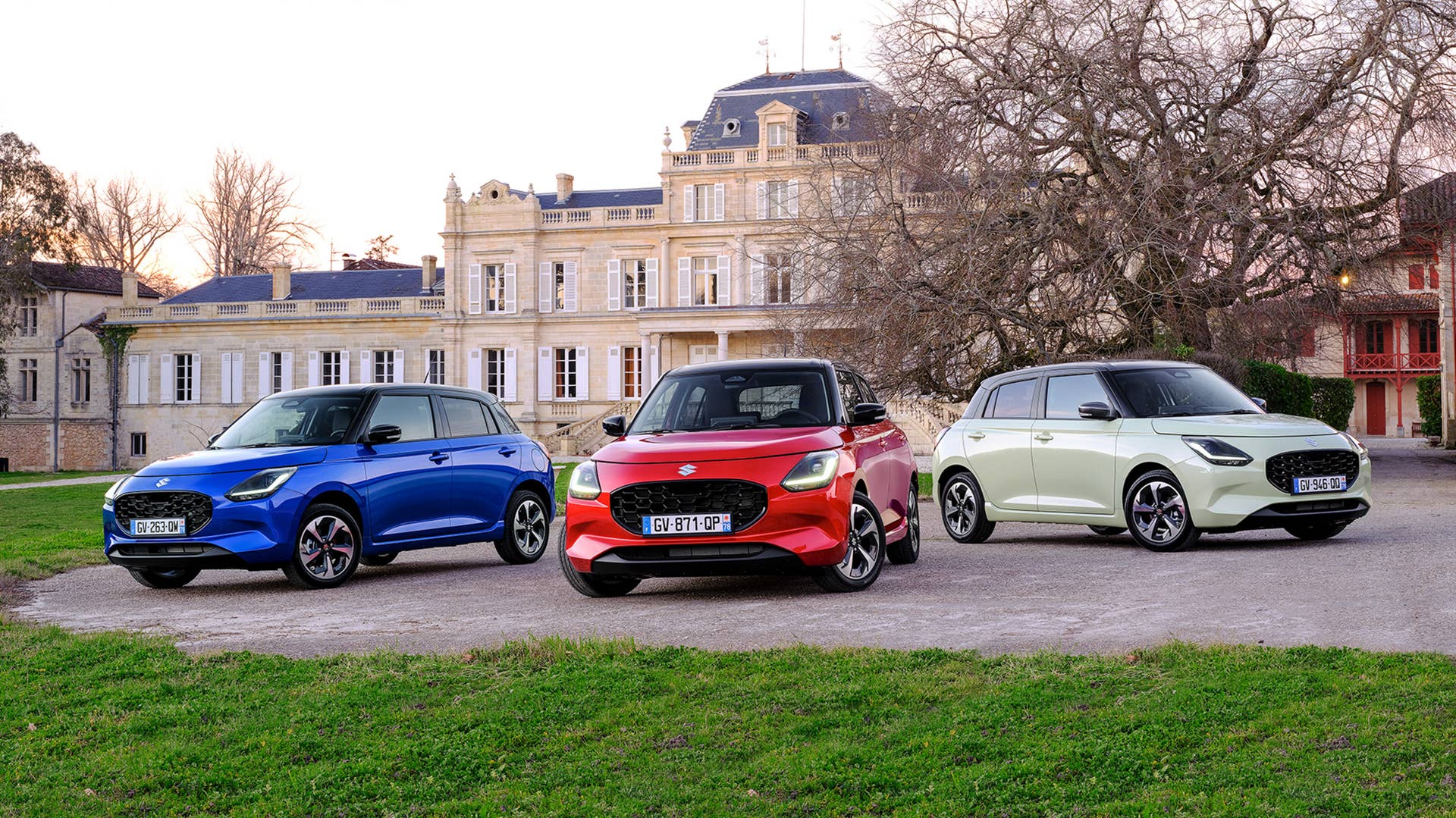
Assuming Suzuki manages to establish a dealer network and meet efficiency and safety standards, it could struggle to gain a foothold with consumers. Americans love larger vehicles, especially full-size trucks and SUVs. That’s the exact opposite of Suzuki’s automotive portfolio, although the Japanese manufacturer could find a niche among first-time buyers and those looking for more affordable vehicles.
Suzuki
Final thoughts
The chances Suzuki returns to the United States in the near future are slim to none, but we can dream, right? While talk of kei cars opens an avenue for Suzuki to break back into the market, the odds are stacked against them. If it’s any indication, several automakers, like Nissan, recently cut their smaller vehicles for the 2026 model year. At the same time, monthly payments have ballooned to near-unsustainable levels. There’s certainly a need for more affordable vehicles, and while that opens an avenue for Suzuki, it’s a narrow one at best.
About the author

Joseph Pudlewski
Contributing Writer, Autoblog