
If a minivan works for Chrysler, it should work for Lincoln, too
It might be surprising to some who assumed that America’s obsession with crossovers would mean the inevitable death of the minivan, but minivans have, in fact, seen a recent resurgence in popularity. According to our very own Karl Furlong, five out of six new minivans sold in the United States reported “big gains” in terms of sales figures in 2024, a trend that has continued into 2025. Van culture is back, baby, and I couldn’t be happier to see perhaps the most functional and purpose-built vehicle segment finally begin to receive the recognition it deserves after so many years of neglect. My question is, why doesn’t Lincoln take action and go after its very own piece of the minivan pie?
Chrysler
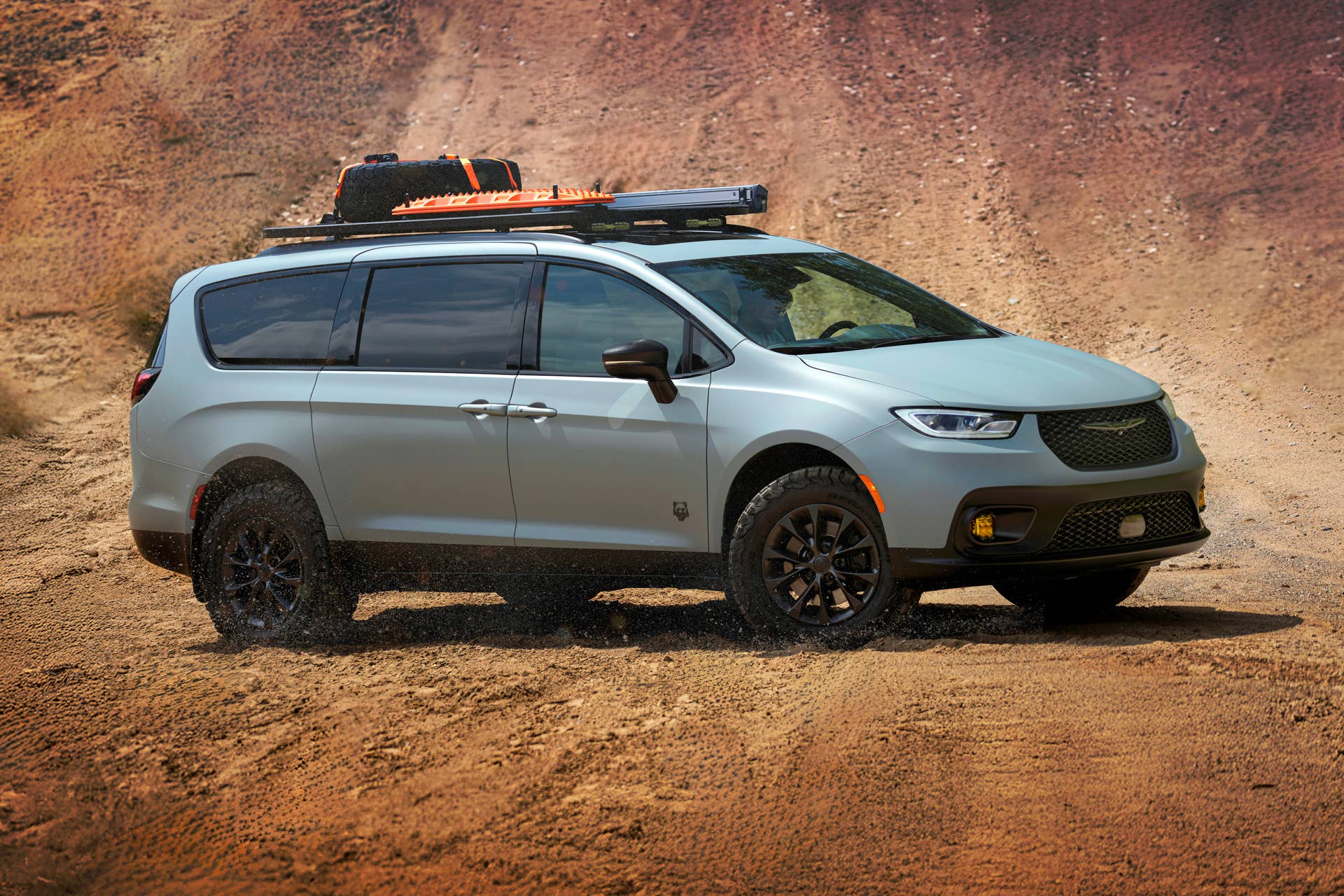
There’s a legitimate case for Ford’s premium marque, Lincoln, to offer American buyers a modern minivan. Case in point: the Chrysler Pacifica. The Dodge Caravan and Plymouth Voyager – direct ancestors of the Chrysler Pacifica – are widely regarded as the first modern minivans, an idea spawned by the legendary Lee Iacocca himself. With its lineage having pioneered the clever idea, the Chrysler Pacifica remains America’s best-selling minivan, selling over 100,000 units stateside in 2024 alone and beating out competitive rivals such as the Honda Odyssey, the Toyota Sienna, and the Kia Carnival. Much of the Pacifica’s success is credited to its premium brand image, its diverse range of powertrains, which include an old-school Pentastar V6 and a modern plug-in hybrid variant, its optional all-wheel drive, and its affordable price tag. Here’s how I think Lincoln could bully the Chrysler Pacifica out of its lunch money.
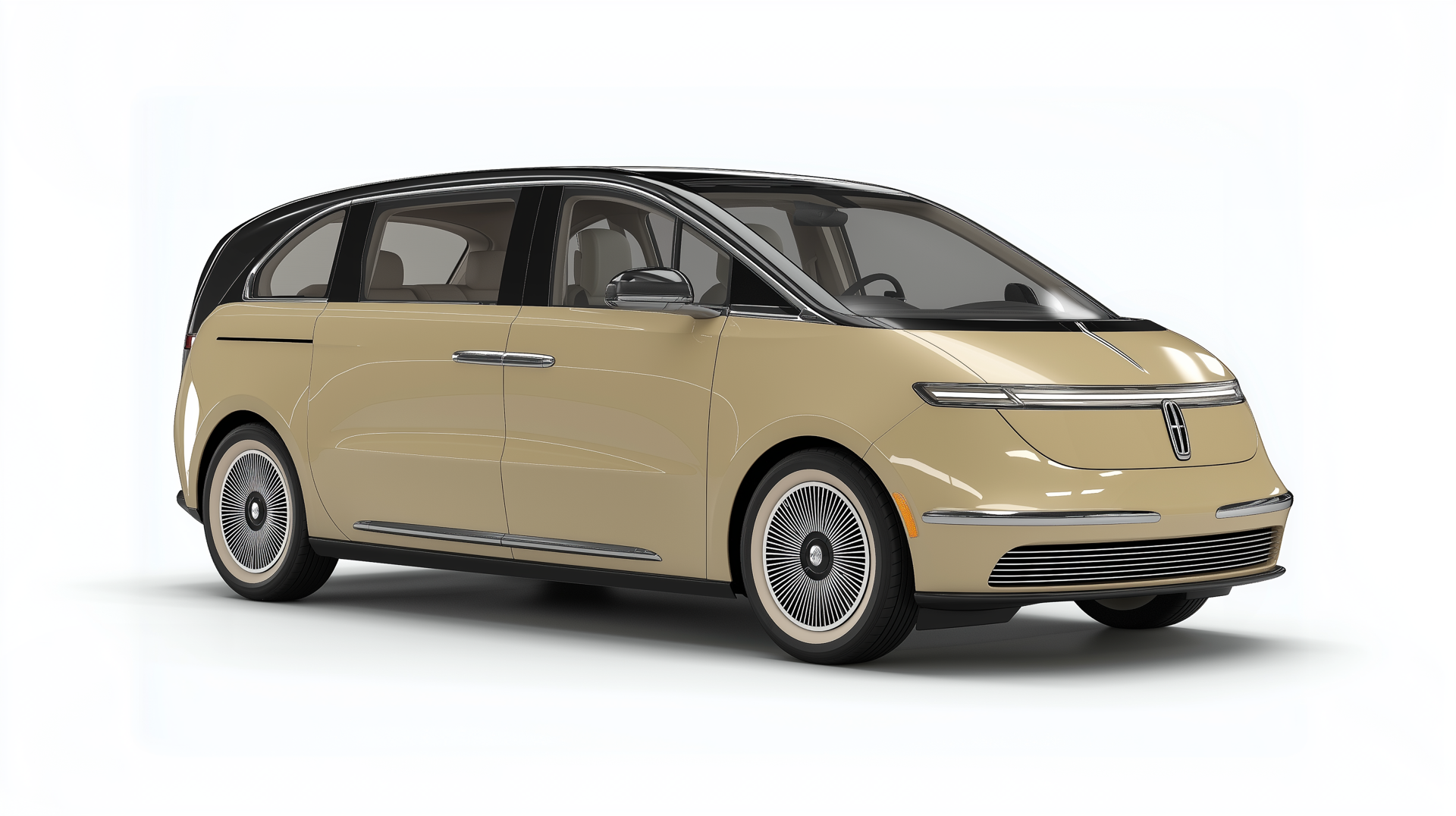
Using various generative text-to-image AI software and Adobe Photoshop, I take an imagined look at what a modern Lincoln family minivan could look like, also speculating about its potentially available powertrains, features, and options. These renders are purely fictional and in no way represent any actual Ford or Lincoln products.
Lincoln could play off its heritage, blending old-school attributes with futuristic style
Cole Attisha Using Midjourney 7.0 & Gemini 2.5 Flash Image
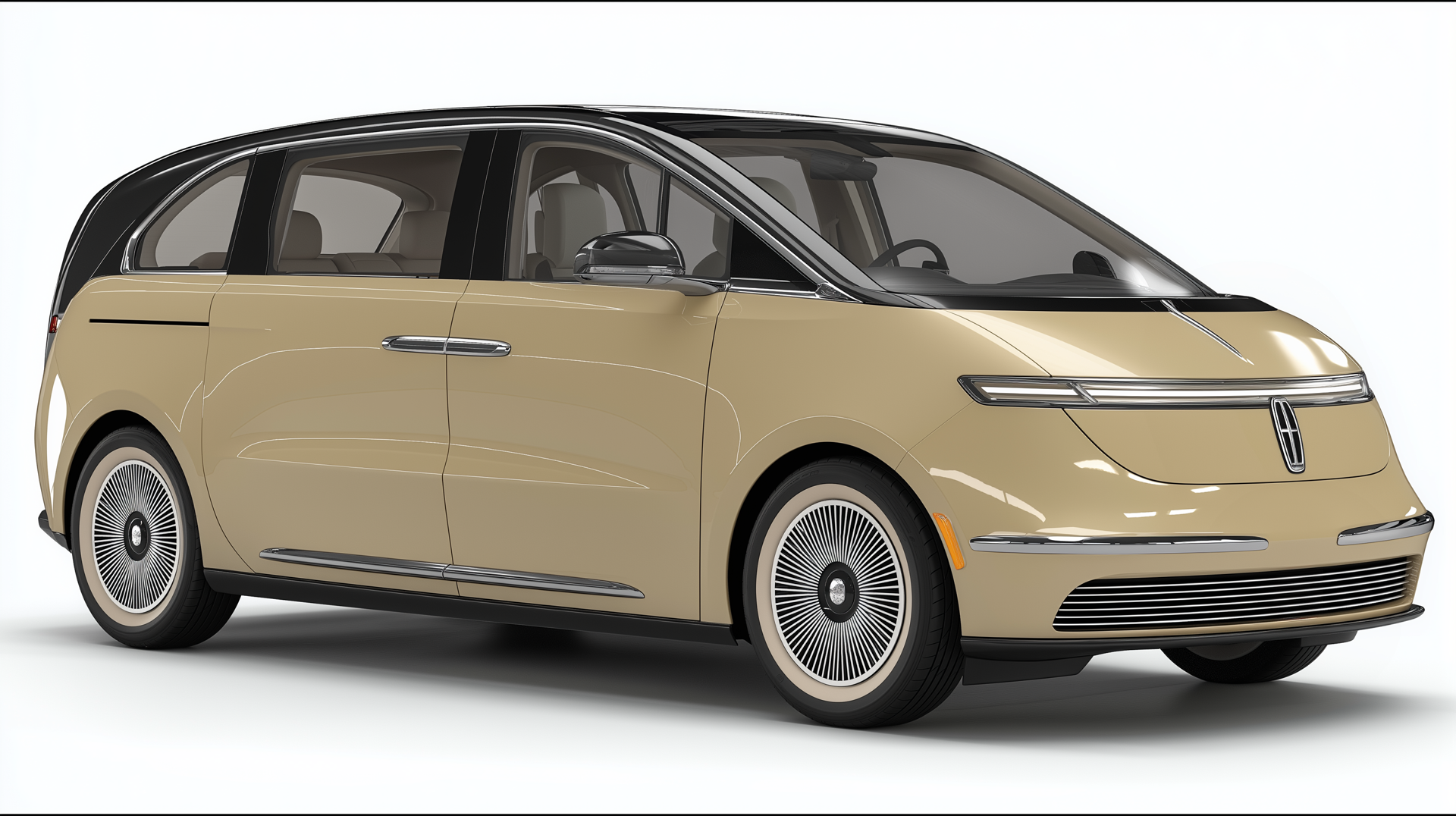
For Lincoln to succeed in stealing minivan sales from Chrysler, Honda, Toyota, Kia, and even Volkswagen, it’ll need to lean into its own quirkiness, harnessing the retro vibes from Lincolns of yesteryear and blending them with contemporary proportions and fresh style inside and out. “Campiness” is a welcome attribute in 2020s car design, and it’s something most modern minivans tend to lack.
The best example of “campiness” in a contemporary minivan is the Volkswagen ID.Buzz, which plays off its microbus heritage by offering fun two-tone paint jobs and retro-styled wheels. Its price point, however, is a major turn-off for most minivan buyers who opt for its less-expensive rivals, albeit sacrificing quirkiness and fun to do so. A Lincoln minivan could fill that gap between the Chrysler Pacifica and the VW ID.Buzz, providing various optional powertrains that allow buyers to choose between sticking to a budget or splurging on increased power.
Cole Attisha Using Midjourney 7.0 & Gemini 2.5 Flash Image
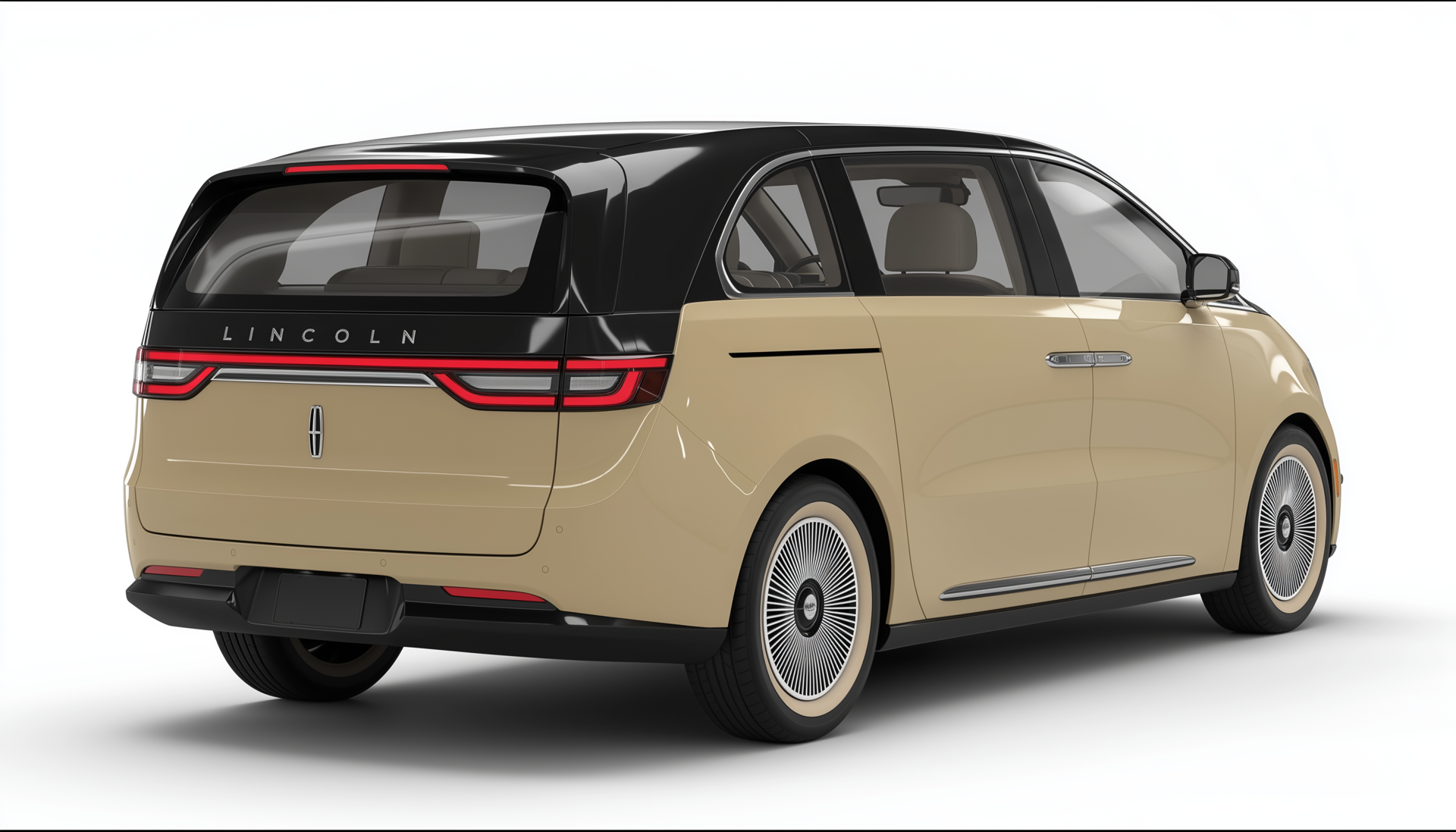
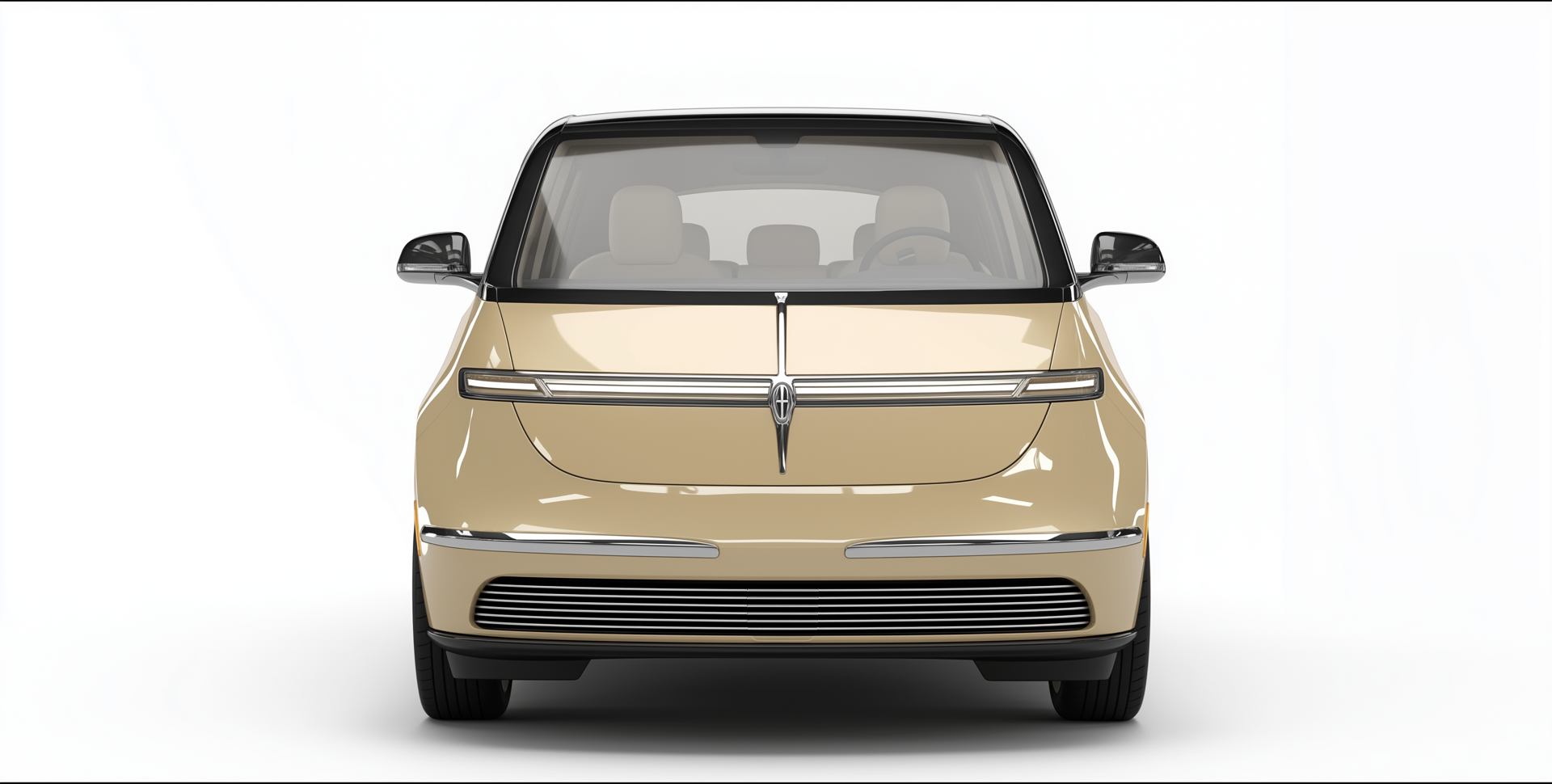
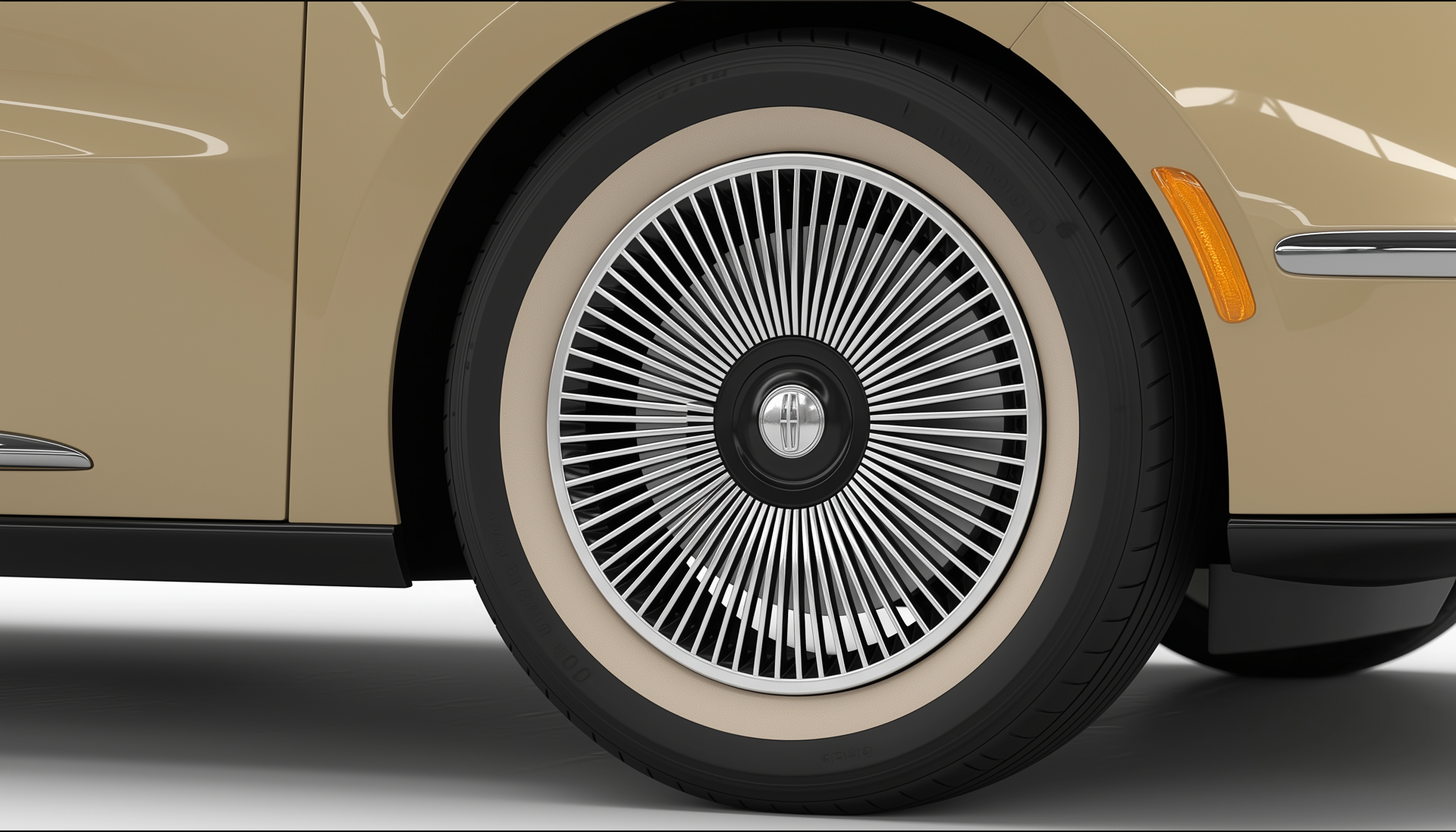
Exterior styling details, such as white wall tires, wire-look wheels, and tastefully integrated chrome brightwork, evoke Lincoln’s traditional design character from past eras of luxury land yachts, presidential limousines, and pimped-out low riders. Blended seamlessly with the proportions and silhouette of a contemporary minivan, which maximize cabin space, ensure top-tier collision safety, and reduce aerodynamic drag, such a unique design could go a long way towards capturing the hearts and souls of minivan buyers across North America.
Cole Attisha Using Midjourney 7.0 & Gemini 2.5 Flash Image
If the outside can capture the heart and soul, the interior should convince the mind
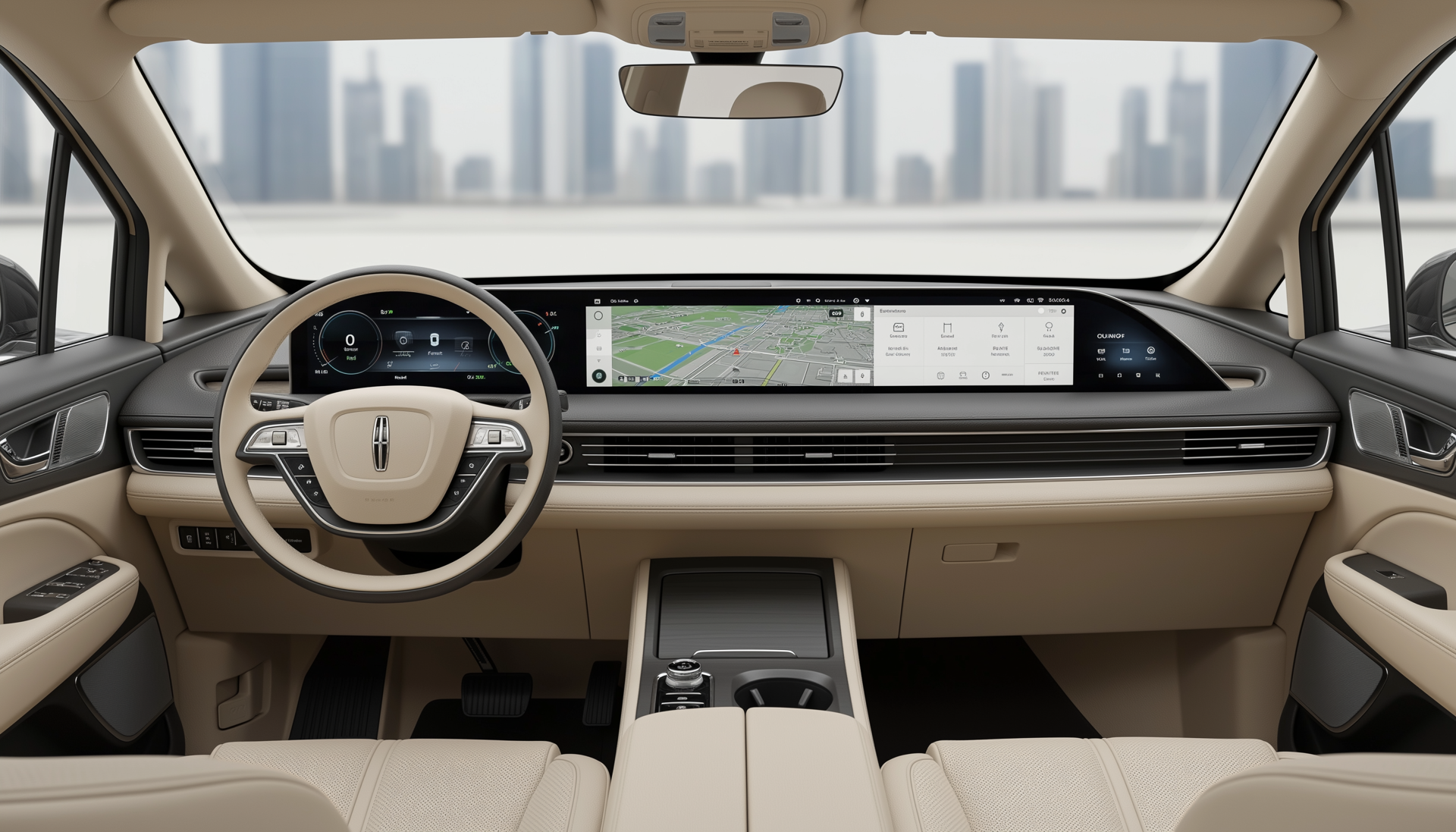
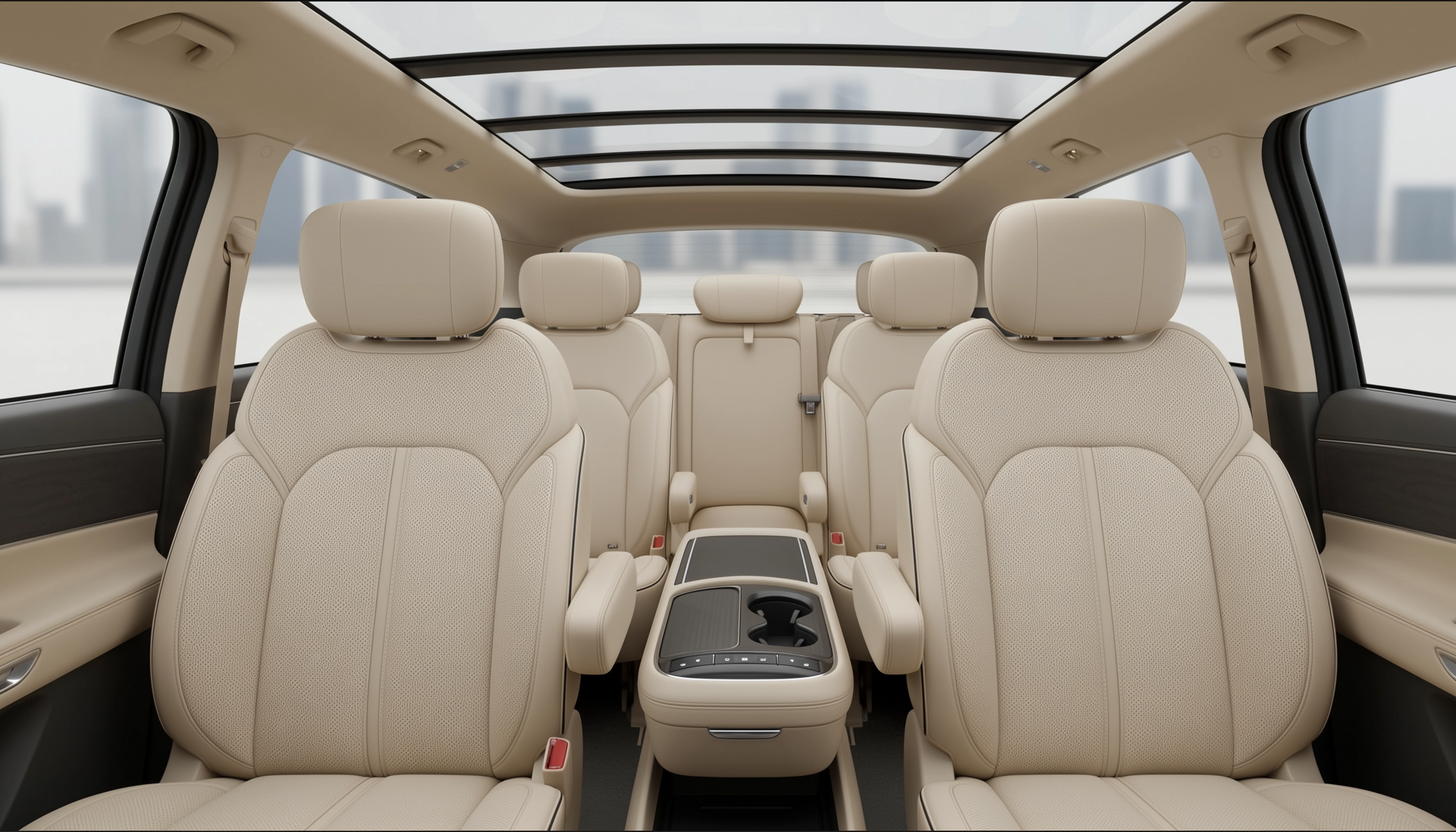
It’s easy to generate an emotional connection to any vehicle through its campy and quirky styling, which has significant road presence but doesn’t appear too over-the-top. To appeal to buyers’ logic and reasoning, however, it will need to blend a stylish yet ergonomic cabin environment with efficient and advanced mechanical technology, such as a hybrid or fully-electric powertrain. A striking dash-width infotainment screen, like the one found in the 2025 Lincoln Navigator, could give the minivan’s interior a fresh, modern appeal, while light-colored leather upholstery and a full-length panoramic moonroof could provide a cozy yet airy feel.
Cole Attisha Using Midjourney 7.0 & Gemini 2.5 Flash Image
Luckily, Ford already has a slew of fully electric powertrains, as well as a proven EV chassis, that could be perfect for such an application with a few modifications, such as a longer wheelbase, thanks to the Mustang Mach-E. In its most affordable specification, Lincoln’s electric minivan could offer the base Mach-E’s 73kWh standard range battery, which boasts up to 260 miles of range, 264 horsepower paired, and 387 lb-ft of torque with rear-wheel drive, or up to 240 miles of range, 325 horsepower, and 500 lb-ft of torque with eAWD. For the next step up, an extended-range trim could offer the Mach-E’s 88kWh extended-range battery, which provides up to 300 miles of range, 370 horsepower, 500 lb-ft of torque, and comes standard with eAWD.
If Lincoln wanted to get really crazy, it could even offer a high-performance off-road variant that packs the Mustang Mach-E Rally’s 91kWh battery pack, which provides up to 480 horsepower and 700 lb-ft of torque, and delivers up to 265 miles of range in the EV Mustang.
Cole Attisha Using Midjourney 7.0 & Gemini 2.5 Flash Image
Cole Attisha Using Midjourney 7.0 & Gemini 2.5 Flash Image
Undercutting the pricey VW ID.Buzz could make this Lincoln Minivan a winning recipe
The Volkswagen ID.Buzz has generated a lot of buzz for itself with its quirky styling, refreshing interior, and all-electric powertrains; however, its price tag is its own worst enemy. Volkswagen executives insisted that the ID.Buzz – a self-proclaimed flagship model – must be built exclusively in Germany, which has resulted in more expensive production costs as they must be shipped overseas and are subject to heavy new 27.5% import duties that the United States imposes on European-built cars as of April 2025. Therefore, the least expensive ID.Buzz – the rear-wheel drive Pro S, which offers 282 horsepower and a 234-mile battery range – starts at $59,995 – over $20,000 more expensive than the base Mustang Mach-E, which offers nearly identical power and superior battery range compared to the VW.
This means that, if Lincoln were to develop a luxurious electric minivan using the Mach-E’s platform as a starting point, it would leave it with a roughly $23,000 window worth of per-unit cost to position itself as a more luxurious, more practical alternative to the Mustang Mach-E, and also as a less-expensive but equally equipped alternative to Volkswagen’s ID.Buzz. That sounds like a plausible proposal to me.
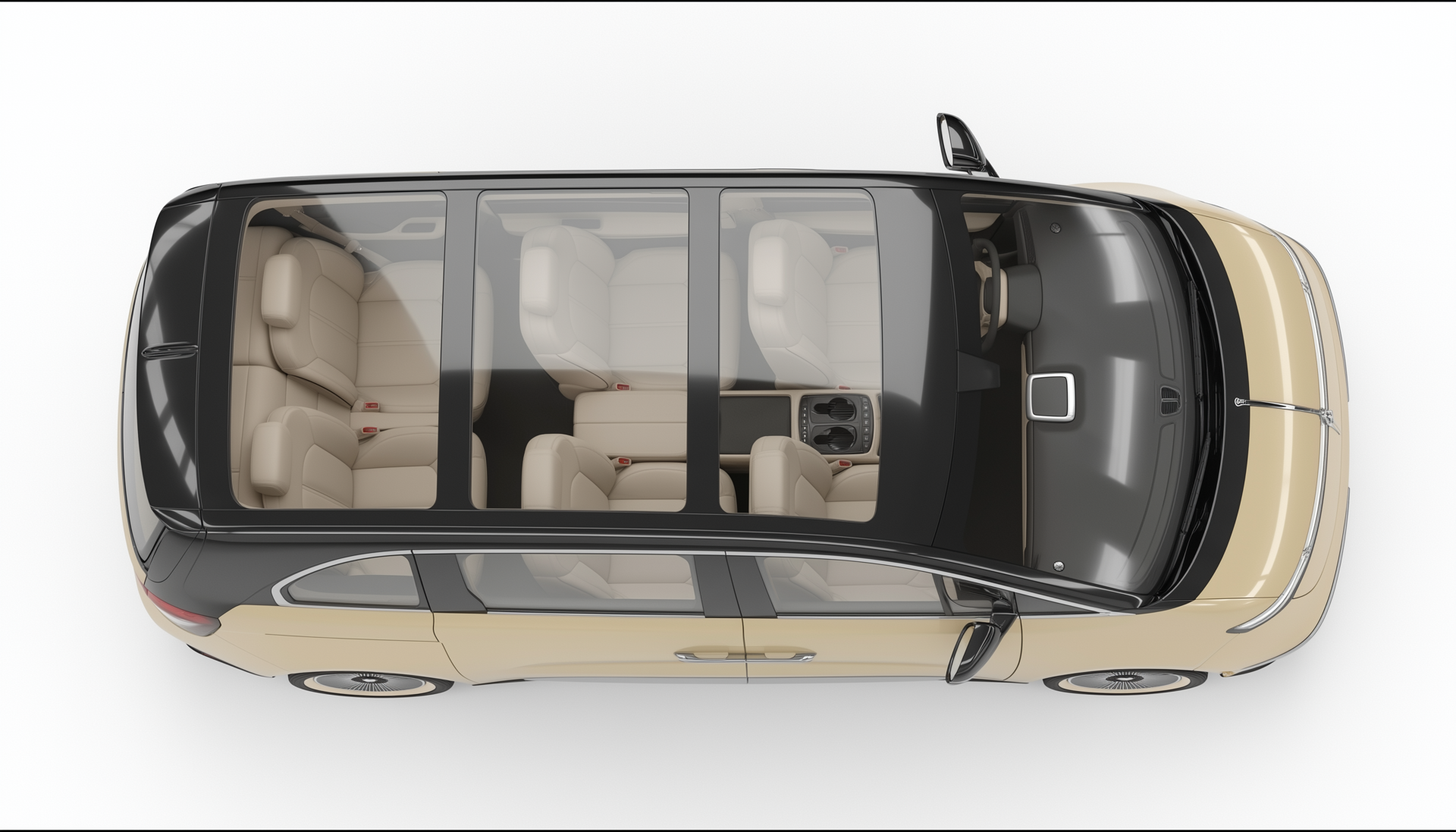
Cole Attisha Using Midjourney 7.0 & Gemini 2.5 Flash Image
Final thoughts
As manufacturers like Infiniti and Mitsubishi, which have pared down their model lineups to include only a handful of crossovers of various sizes, struggle to resonate with buyers who have lost interest in their brand images, Lincoln should take note. Of course, Lincoln has employed a similar strategy with its lineup, but it’s a move that has seemed to be helpful to the brand, which saw significant sales growth for its 2024 model year without a single electric vehicle in its lineup.
Although Lincoln has (smartly so) decided not to switch its entire lineup to full-EV power, as reported by our very own Chase Bierenkoven, I believe that it’s still worth its time to consider at least one or two of them, especially if integrated in such a unique way as proposed here. This strategy could bring in a new, youthful customer base for the marque, as well as build up excitement for the brand. It’s admittedly a bit of a long shot, but I do believe that developing a fully electric Lincoln premium minivan could be a smart way to challenge one of their most historic rivals – Chrysler – while also taking advantage of Volkswagen’s current situation with the ID.Buzz.
Keep in mind that VW’s offering is the only minivan in North America to sell under 10,000 units in 2024, other than the Chrysler Voyager, which is essentially a pre-facelift Pacifica that can still be purchased new from dealers. It’s a risk that I’d love to see Lincoln take, and one that I believe would pay off big time for the legacy American automaker. So, come on, Lincoln, take your shot at VW. I believe in you!
About the author

Cole Attisha
Staff Writer, Autoblog