
Key Points
- The Kia K4 GT-Line Turbo prioritizes refinement and daily comfort, with a smoother ride and a more upscale interior feel.
- The Hyundai Elantra N Line delivers sharper handling and a more engaging driving experience, appealing to enthusiastic drivers.
- The K4 suits commuters and road trips, while the Elantra N Line is better for drivers who value performance character.
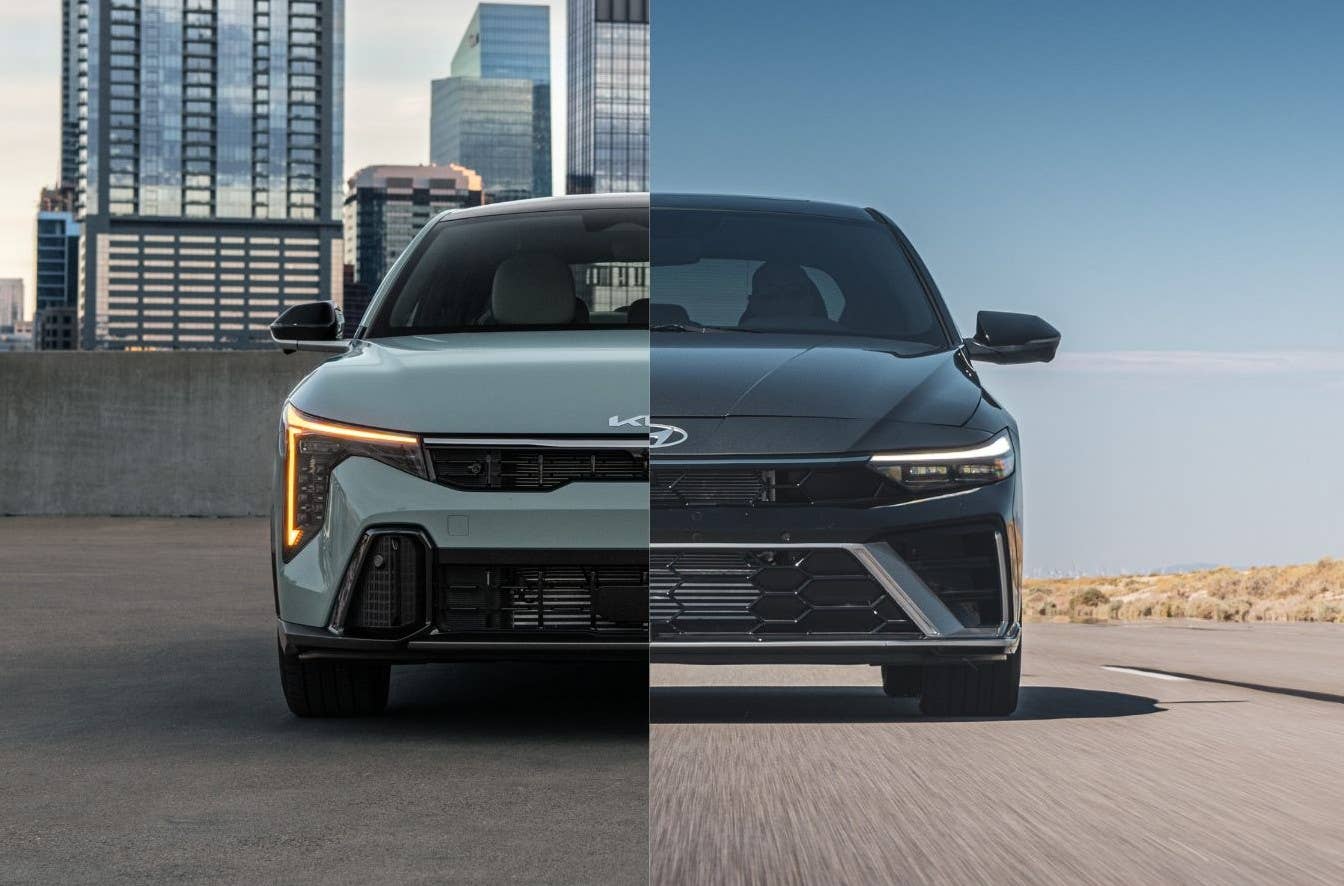
Compact sedans are no longer the bland, purely practical choices they once were. Automakers now use this segment to experiment with bold design, turbocharged engines, and sporty trims that promise fun without the cost or compromises of a true performance car. The 2025 Kia K4 GT-Line Turbo and the 2026 Hyundai Elantra N Line are perfect examples of that shift, and they go head-to-head when it comes to edgy style, great tech, performance bits, and even superb warranties.
Both aim at buyers who want something more engaging than a base commuter car, but who are not ready to step into a full blown sport sedan in terms of cost and/or power. On paper, they seem closely matched. In reality, they deliver different personalities. Here is how they compare and which one is likely the better fit for your driving style and priorities.
Exterior Styling
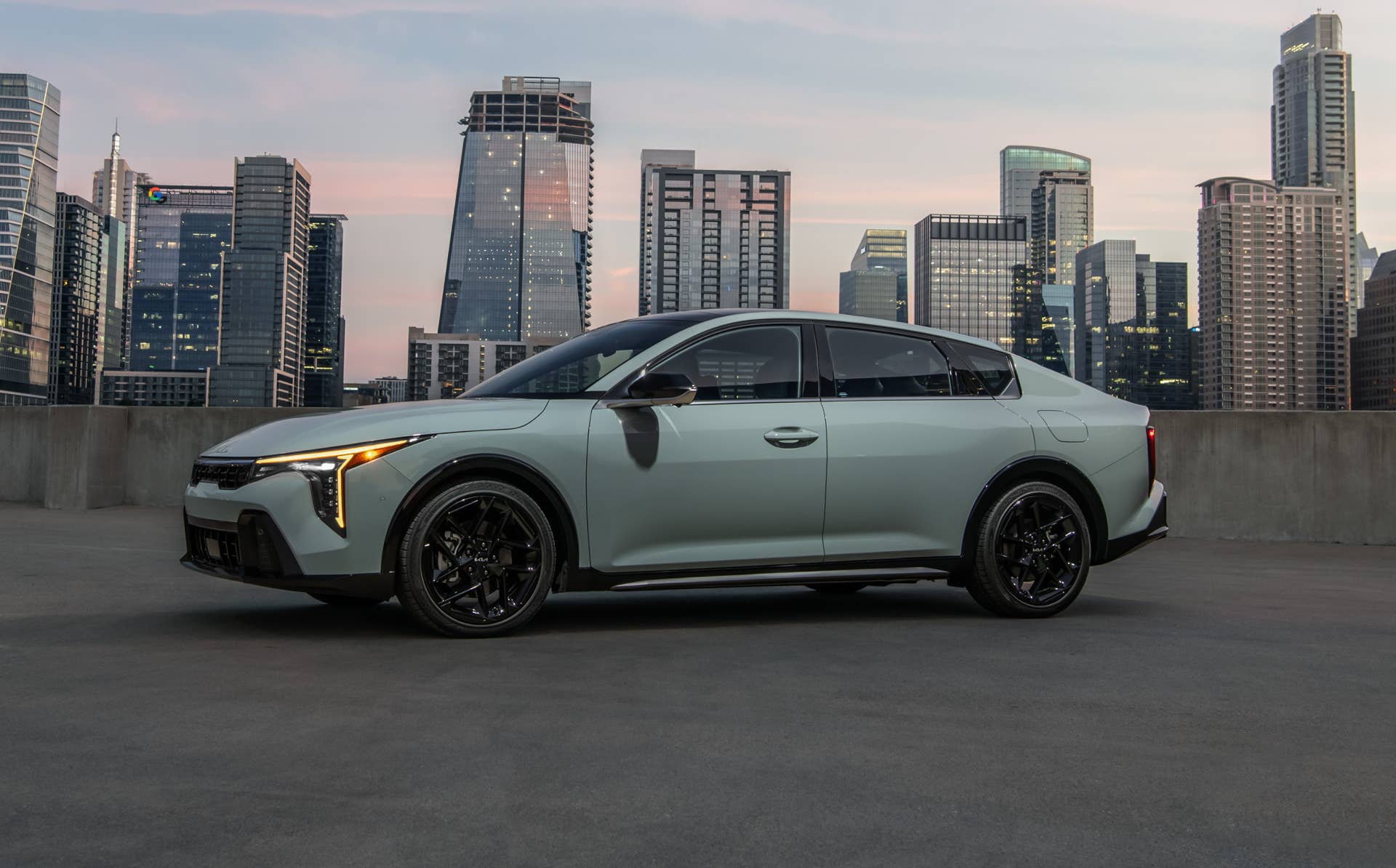
The Kia K4 GT-Line Turbo ($28,290) makes a strong first impression, and it doesn’t copy any other sedan on the road, not even its larger stablemate, the K5. Its styling is sharp and angular, with a fastback inspired profile and aggressive detailing that sets it apart from more conservative compact sedans. People sometimes turn heads and don’t know what to make of it. The GT-Line trim adds sportier elements like larger wheels, dark exterior accents, and a lower stance that gives the K4 a confident presence.
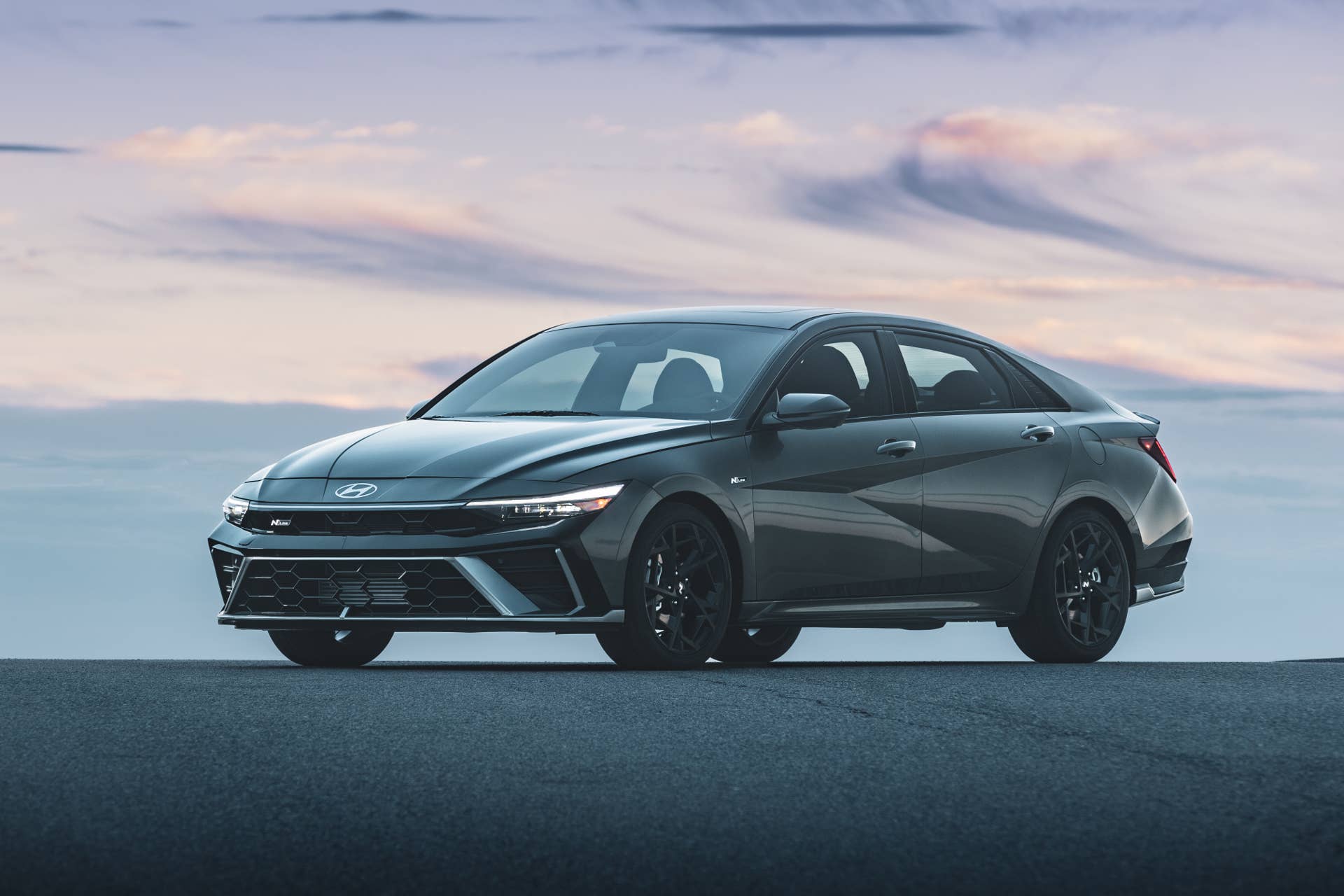
The Hyundai Elantra N Line ($29,400) also leans into bold design, but in a different way. Its look is more overtly sleek and sporty, with angles everywhere, unique bumpers, larger air intakes, and N Line specific trim details that clearly separate it from standard Elantra models. It feels like a preview of the full Elantra N, albeit more conservative and with more subdued paint colors. Like the K4 GT-Line Turbo, it sports black wheels and black trim bits.
Powertrain and Performance
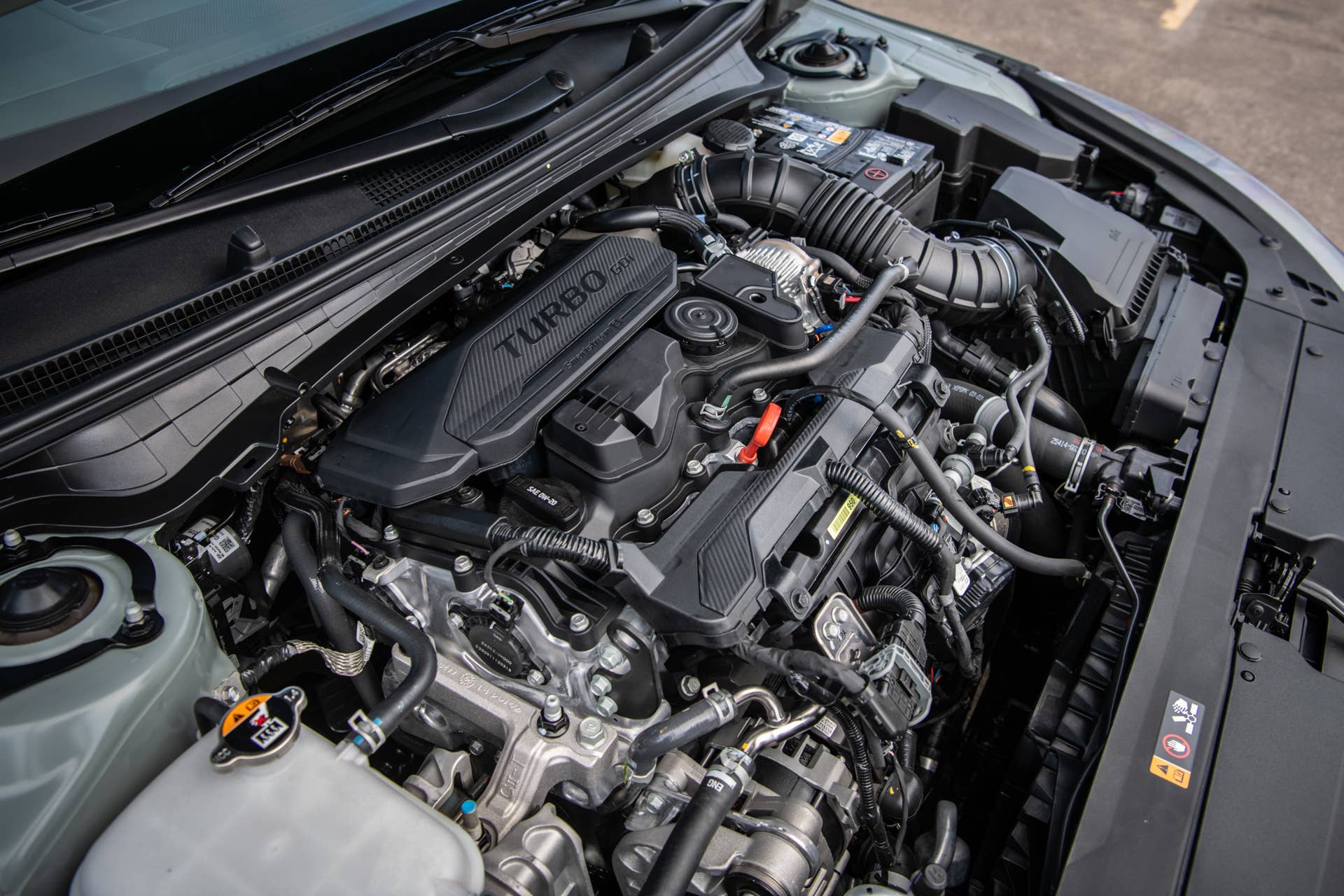
This is where the personalities truly diverge. The K4 GT-Line Turbo uses a 190-horsepower turbocharged four cylinder engine tuned for smooth, accessible power. THe GT-Line gets an 8-speed automatic, quicker and more connected than the base trims’ CVT. Acceleration is progressive but not powerful. The emphasis is on refinement rather than outright aggression. Throttle response is predictable, and the engine delivers its power in a way that feels polished rather than edgy. 0-60 mph occurs in 7.1 seconds, not blistering but decently quick.
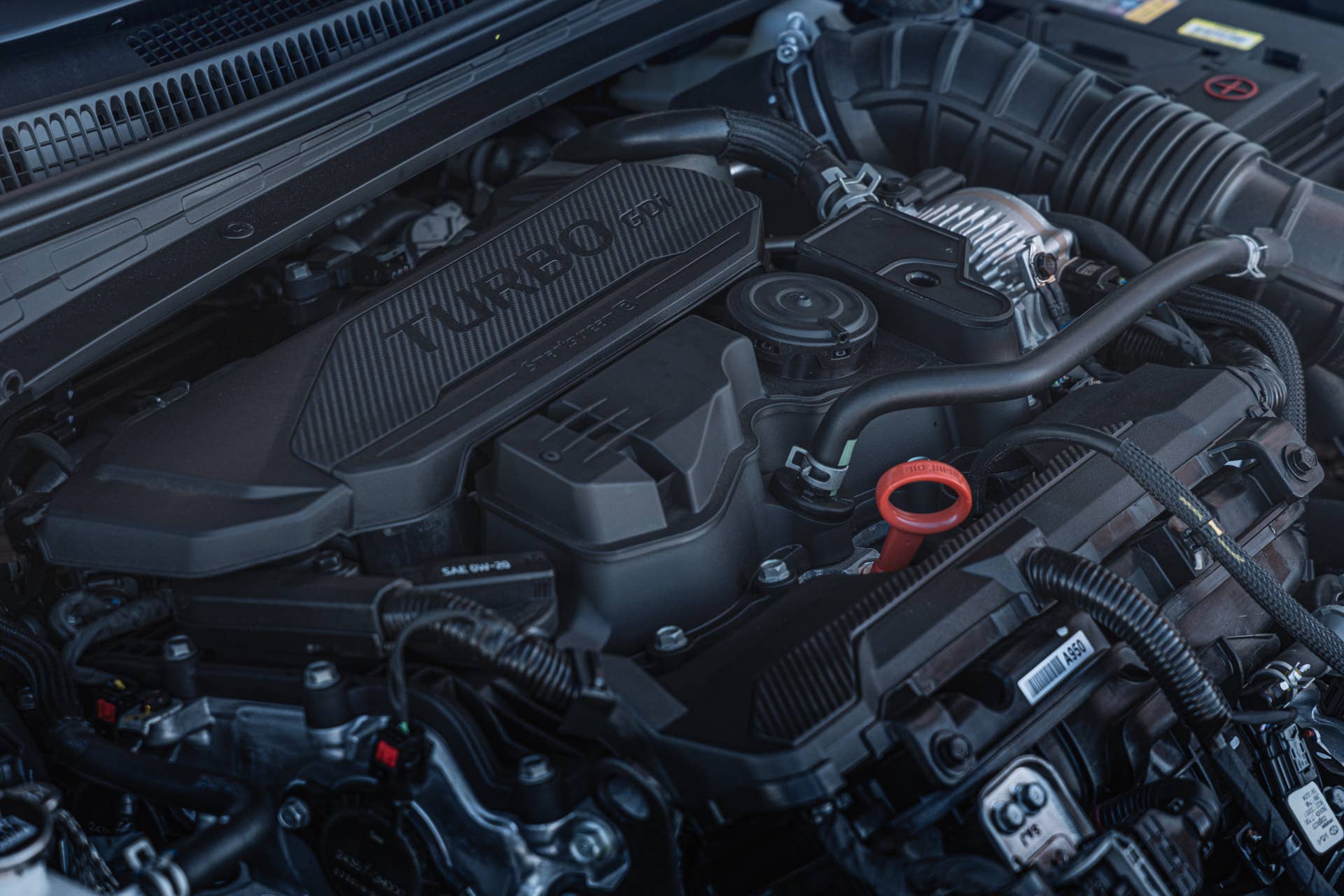
The Elantra N Line is intentionally more aggressive. Its turbocharged 201-horsepower engine is paired with a 7-speed dual-clutch automatic and sportier tuning, delivering quicker responses and a more energetic character. Steering feels sharper, and the drivetrain encourages a more engaged driving style. While it is not a full performance model, it clearly borrows DNA from Hyundai’s N performance division. The 0-60 sprint takes place quicker than the Kia, clocking in at a brisk 6.5 seconds. It’s clearly the sportier of the two.
Ride Quality and Handling
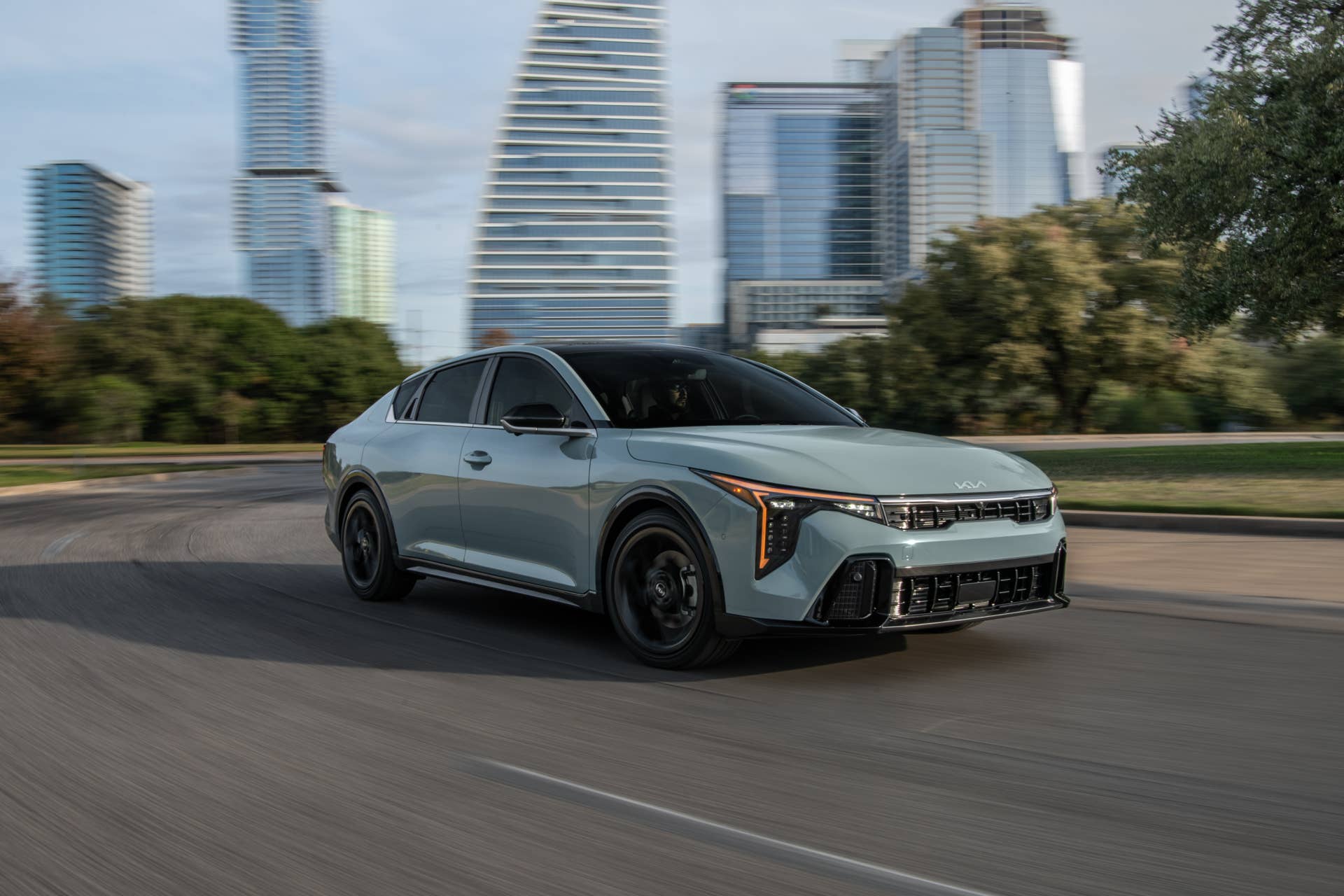
The Kia K4 GT-Line Turbo strikes a balance between comfort and control, making it well suited for commuting and longer trips. The GT-Line benefits from a multi-link rear suspension that provides a better ride and more composure than the torsion-beam versions found in lower trim.s Road imperfections are absorbed without fuss, and the cabin remains calm even on rougher pavement. It feels like a car designed to be driven every day without fatigue.
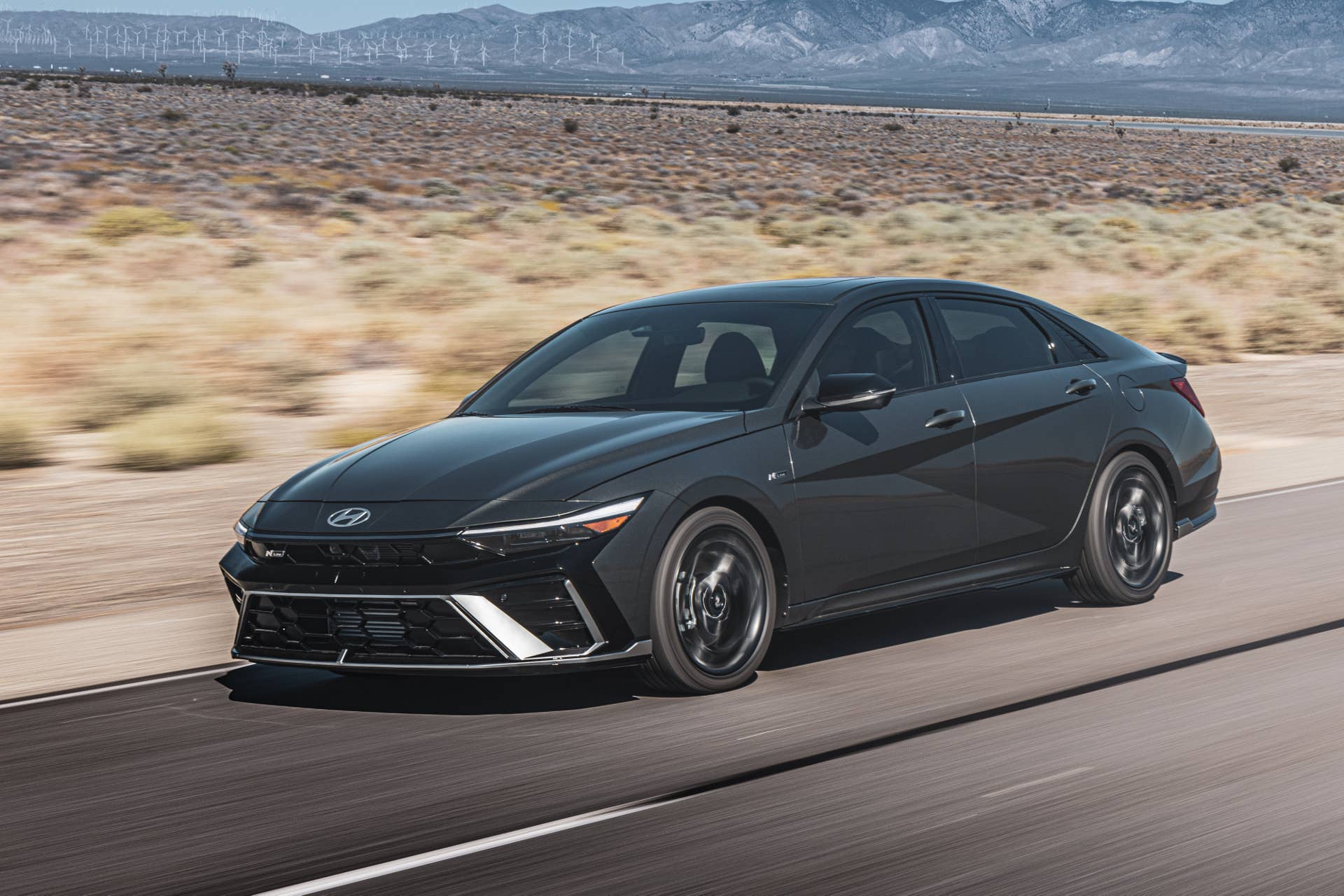
The Elantra N Line takes a firmer approach. The suspension is stiffer but still very compliant, the steering more communicative, and the overall experience more engaging when the road gets twisty. The front end manages inputs and responds well to directional changes. The firmer setup might not be as cushy as the K4’s, but it pays dividends when you push the car harder through corners. It aims more for the enthusiast crowd than the K4, and it delivers.
Interior Design and Technology
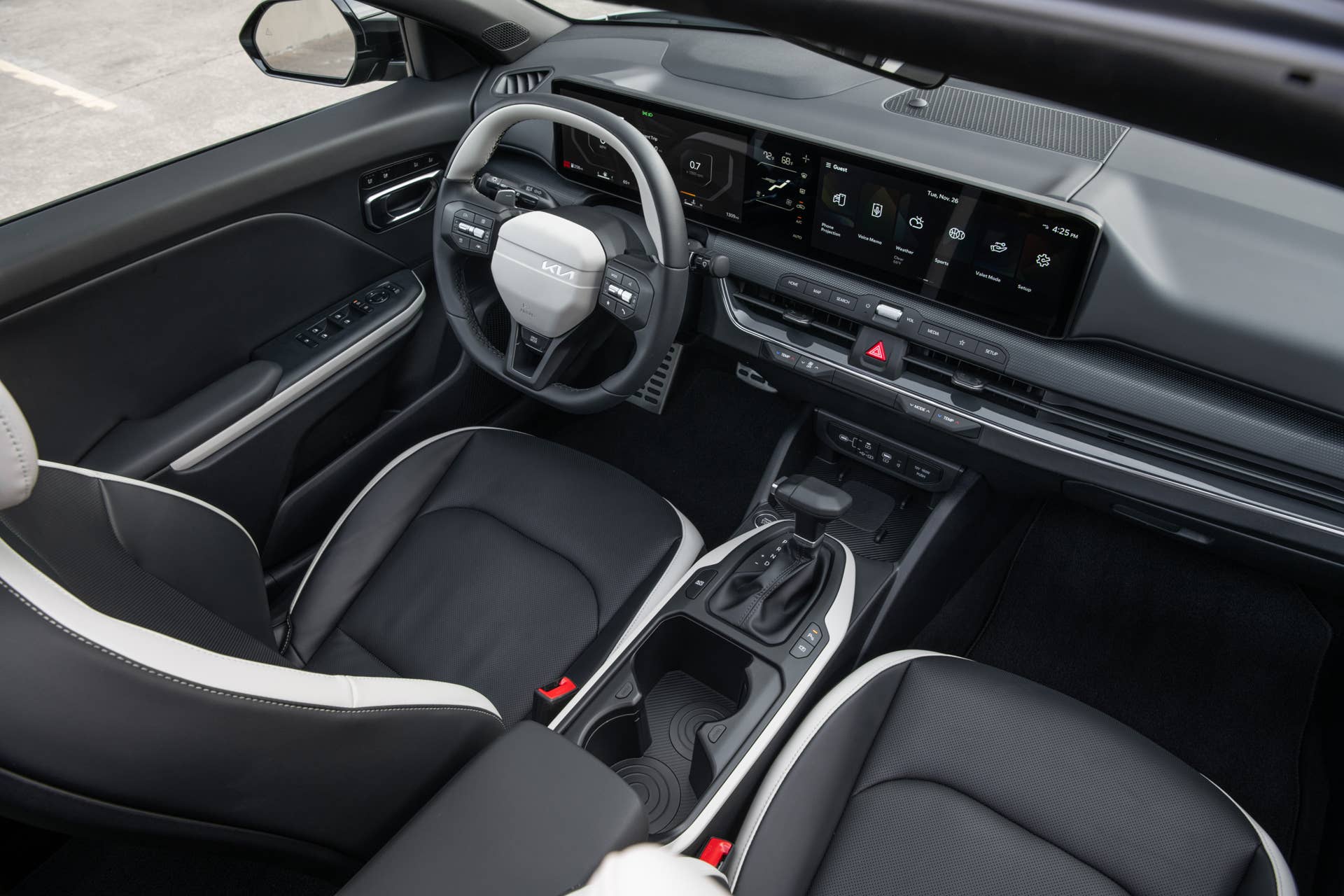
Inside, the K4 GT-Line Turbo feels modern and upscale for its class. The dashboard layout is clean and ultra-modern with a wide digital display that integrates infotainment and gauge information seamlessly. No one would guess that the GT-Line costs less than $30k based on the way the cabin looks. Materials feel thoughtfully chosen, and the overall design suggests Kia is aiming slightly above traditional compact sedan expectations. The traditional shifter is super easy to operate, and solid physical controls make driver focus ideal.
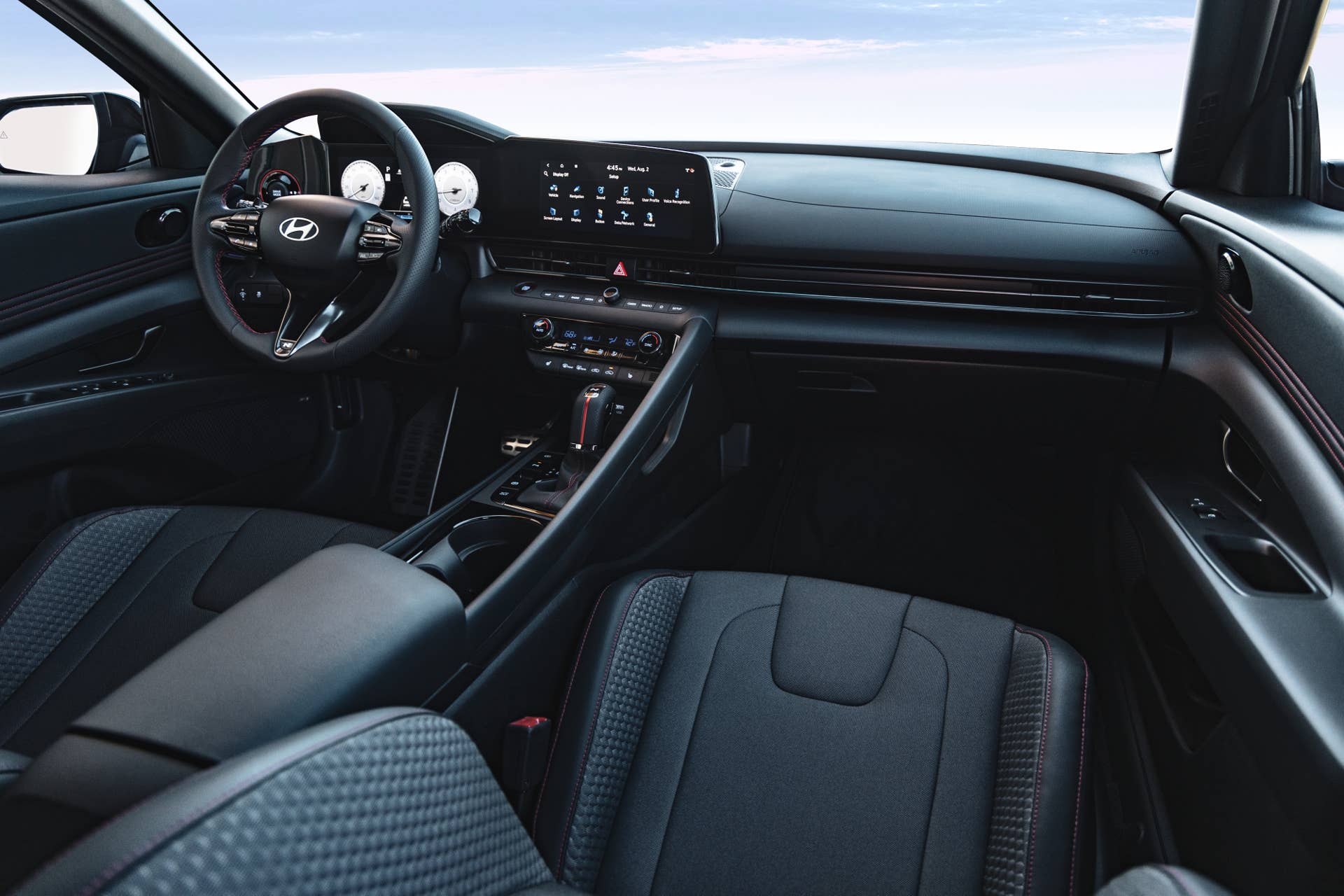
The Elantra N Line interior is more overtly sporty. While it’s a more traditional setup, its no less attractive and driver-focused. There are N Line specific seats, contrast stitching, and unique trim elements create an environment that feels performance inspired. The layout is functional and intuitive, though it leans more toward purposeful than plush. The chunky 3-spoke steeirng wheel, heavily bolstered seats, and the red details point to the N Line’s intent… driving fun. The sporty shift knob makes quick work of changes, while the switch gear minimally distract from the driving fun.
Comfort, Space, and Practicality
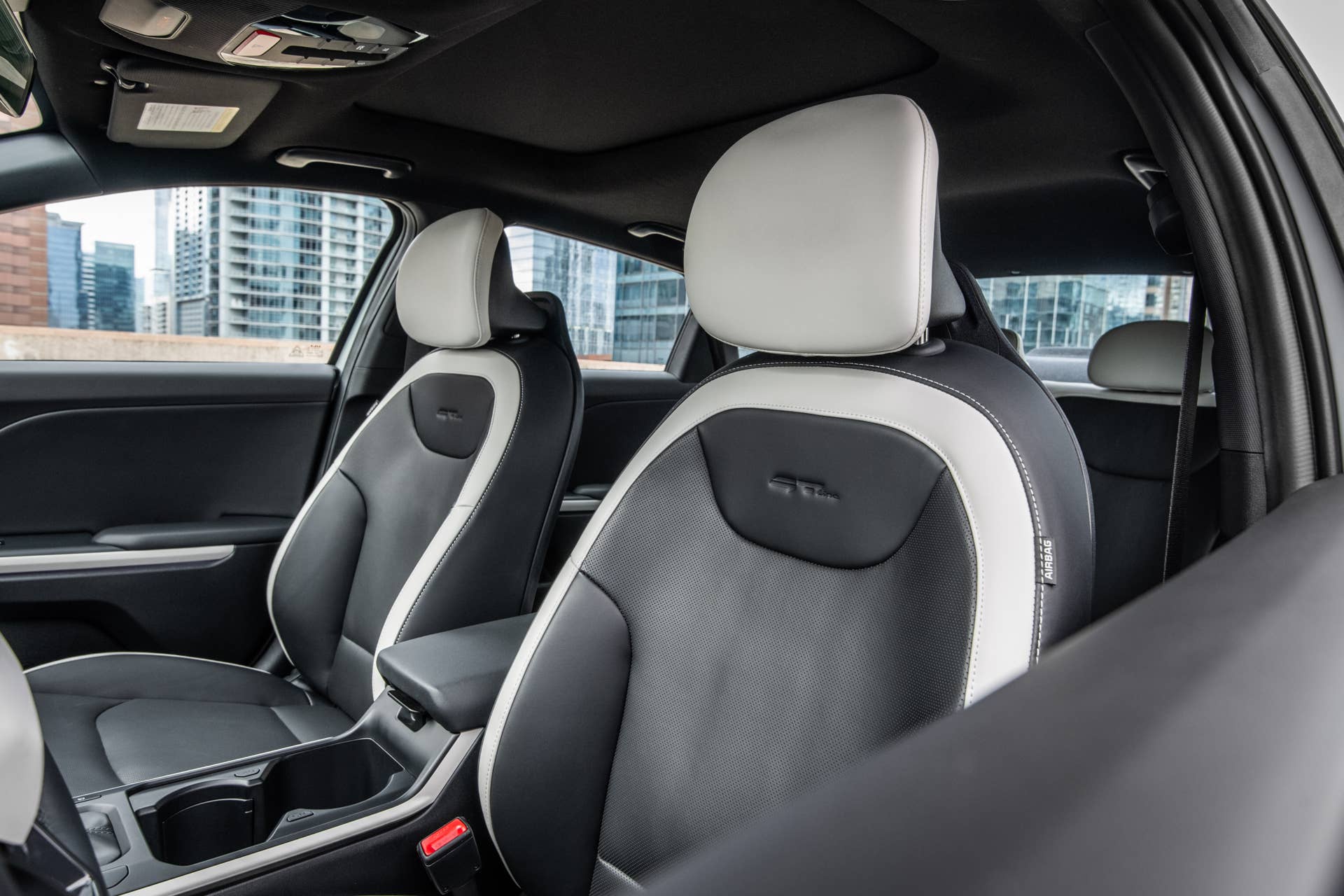
The K4 GT-Line feels airy and open, despite its fastback styling. Rear seat space is extremely generous at 38.4 inches of legroom. That’s a lot of space, enough for tall adults in back sitting behind themselves. The seats are wide, well-cushioned, and accommodating. The K4’s interior are notches better than most of the segment in terms of comfort and looks. It also has 14.6 cubic feet of trunk space, enough for luggage and gear, aided by a 60/40 split folding rear seat.
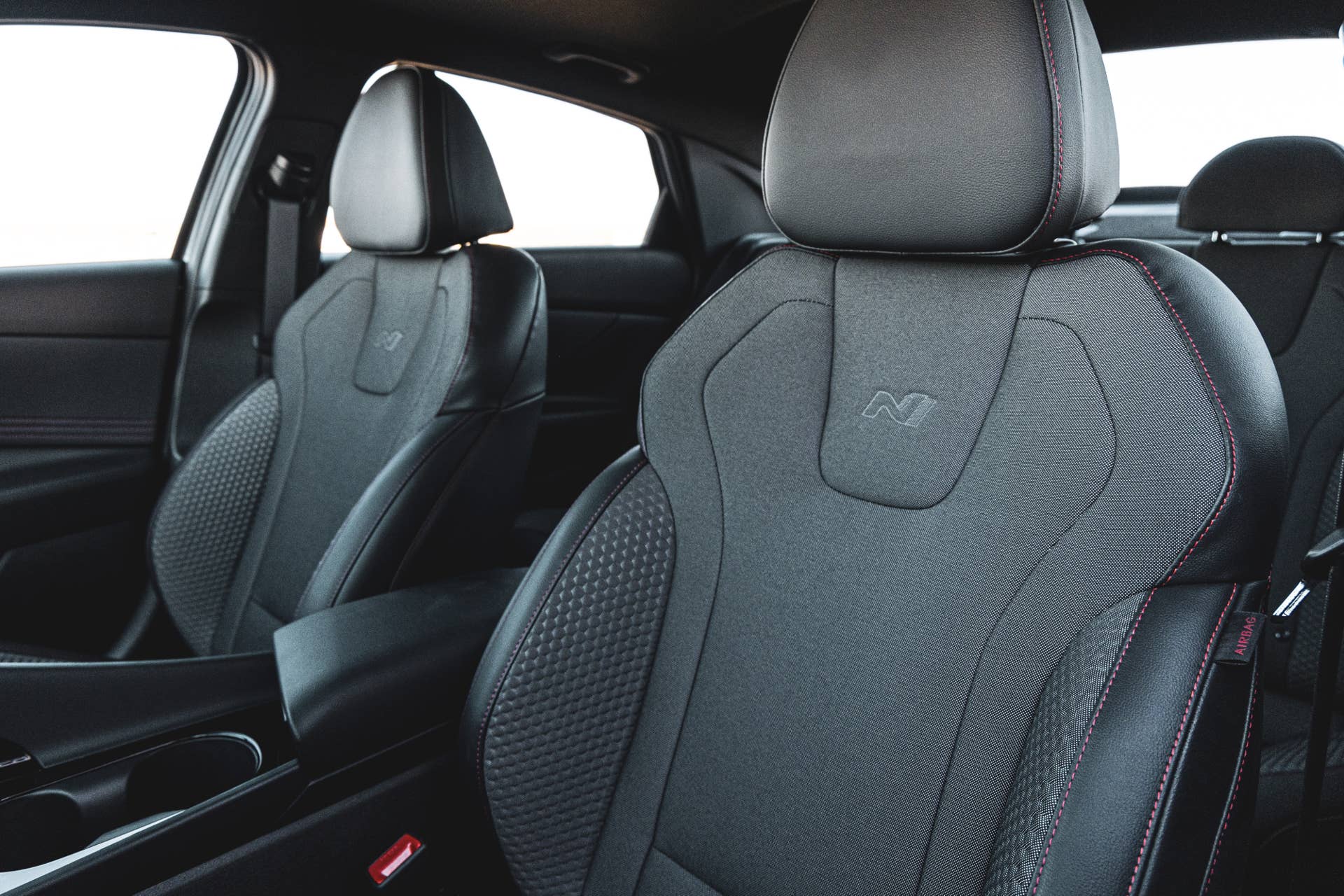
The Elantra N Line also offers good interior space, though its more aggressive styling slightly affects rear headroom and cargo accessibility. It is still practical enough for daily use, but its design places a bit more emphasis on style than maximum utility. The heavily bolstered front seats look like they belong in a more powerful sports sedan, and they’re well-balanced in terms of cushioning and support. The rear seats provide almost as much legroom as the K4’s at 38.0 inches. The trunk provides a little bit less space than the K4 at 14.0 cubic feet, but it’s still practical for luggage and gear.
Standard Features
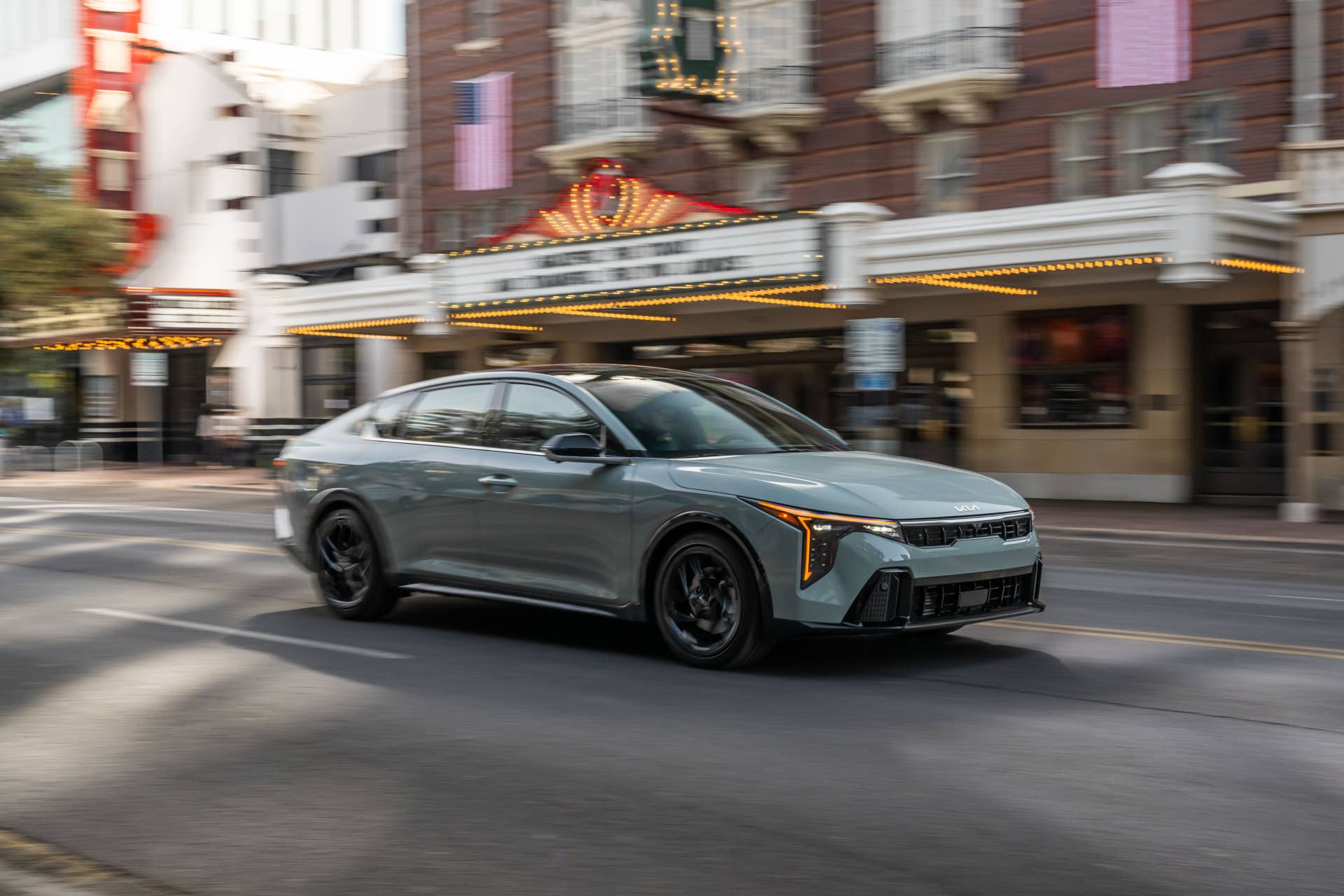
Both vehicles are positioned as sporty upgrades rather than entry level models, which means buyers are paying for design, performance tuning, and features rather than bare bones transportation. The K4 GT-Line Turbo offers a strong value proposition by blending performance, comfort, and upscale design in a single trim. It feels well equipped without forcing buyers into expensive option packages.
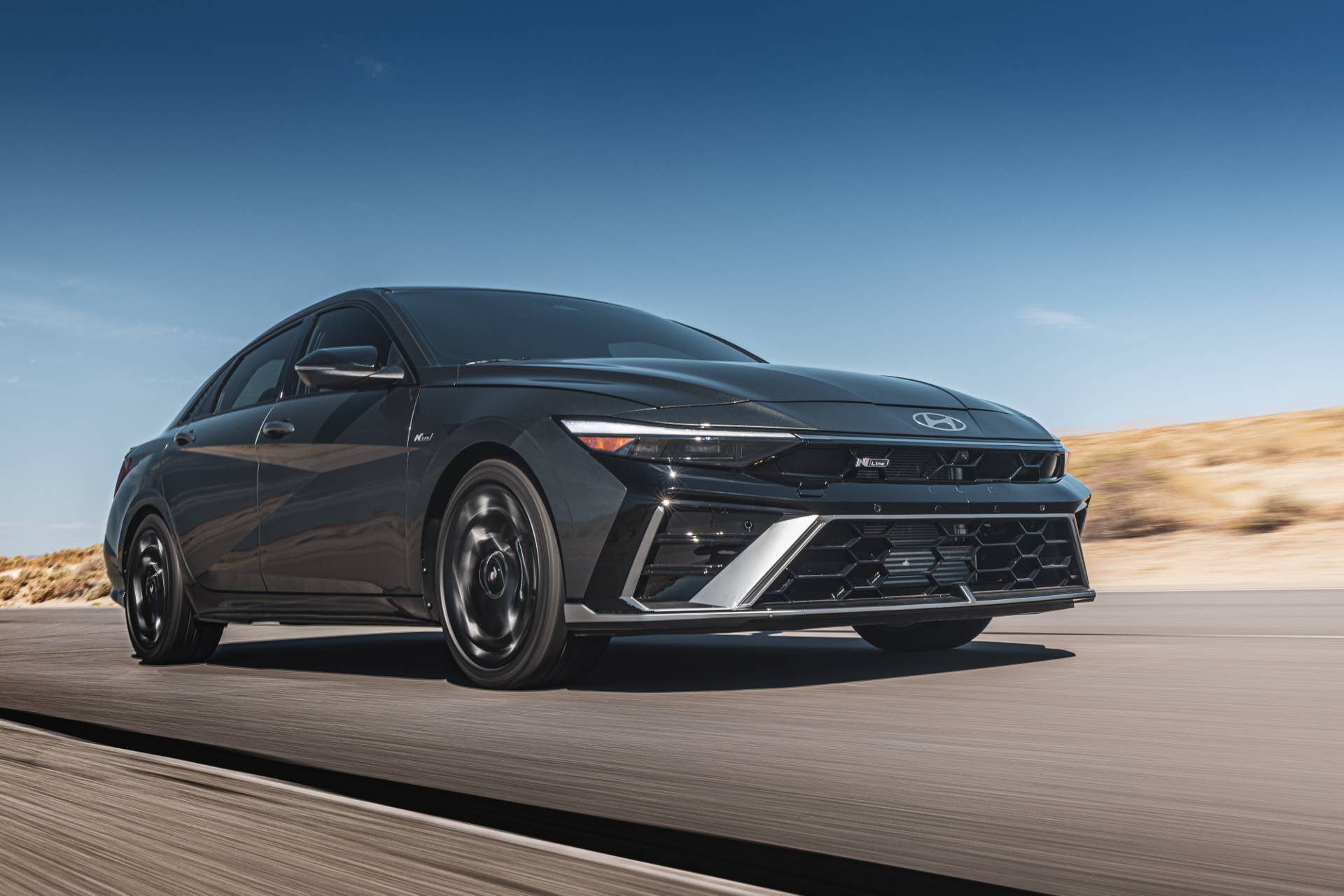
The Elantra N Line delivers value through its performance focus. You are paying for sharper dynamics, sport specific styling, and a more engaging drive. It may not feel as plush, but it feels more special if driving enjoyment is your priority.
Final Thoughts
The 2025 Kia K4 GT-Line Turbo is the better choice for drivers who want a stylish, comfortable sedan that feels quick without demanding constant attention. It strikes an excellent balance between performance and everyday livability. The 2026 Hyundai Elantra N Line is for those who want their compact sedan to feel genuinely fun. It sacrifices a bit of comfort in exchange for engagement and personality, making it the more exciting option for enthusiastic drivers. The right choice depends on whether you value comfort or sportiness. There’s very little compromise in either model, just different flavors of the stylish compact sedan.
About the author
Amos Kwon
Contributing Writer, Autoblog