
Key Points
- The 2027 Prius Plug-in Hybrid combines sharper styling, 220 horsepower, and roughly 40 miles of electric range.
- It delivers responsive, sporty handling while achieving strong hybrid efficiency after the battery is depleted.
- Limited rear-seat space and awkward displays temper its appeal, but it remains compelling for regular chargers.
No Longer the Star of Prime Time
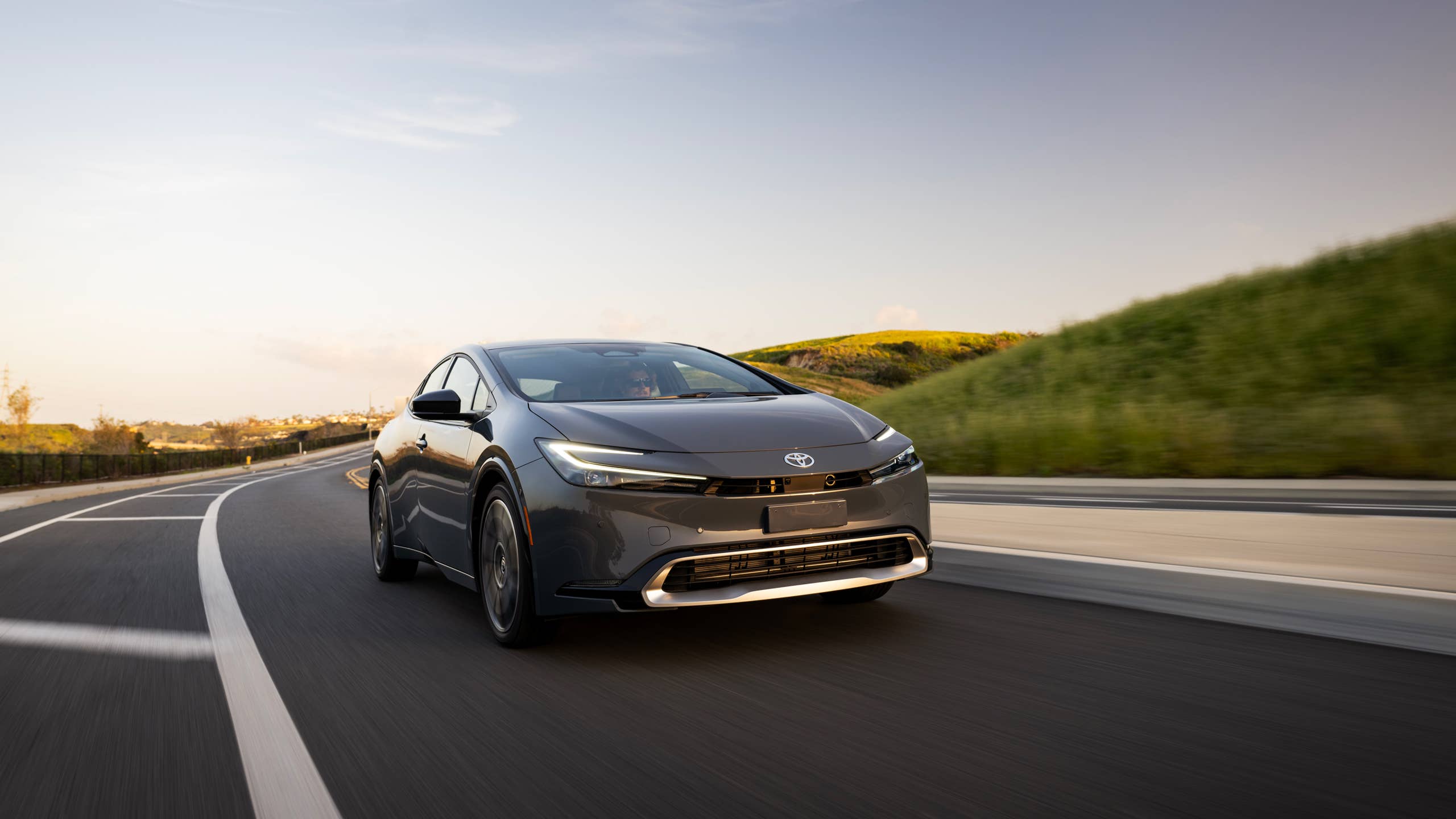
The current Prius has finally became pretty appealing (for more than its efficiency) at a time when buyers want something taller. Its low nose, sweeping roofline, and near-exotic body don’t look like anything else Toyota has in its lineup. It’s no longer weird, goofy-looking, and spacecraft-like. But looking good only gets a practical car so far. The important part is that Toyota backed up the styling with a plug-in powertrain that makes it pretty great to drive.
I got to drive the 2027 XSE Premium with a base price of $40,675. With the $1,295 destination charge and options like the Technology Package, digital rearview mirror, heated rear seats, and a solar charging roof, the total price was $44,215. Largely unchanged for 2027, except for dual automatic climate control, the Prius Plug-in Hybrid remains one of the most pleasant compact hybrids you can buy today, except that not many are flocking to the Prius anymore when the new RAV4 is hybrid only. The 2027
Style – 9/10
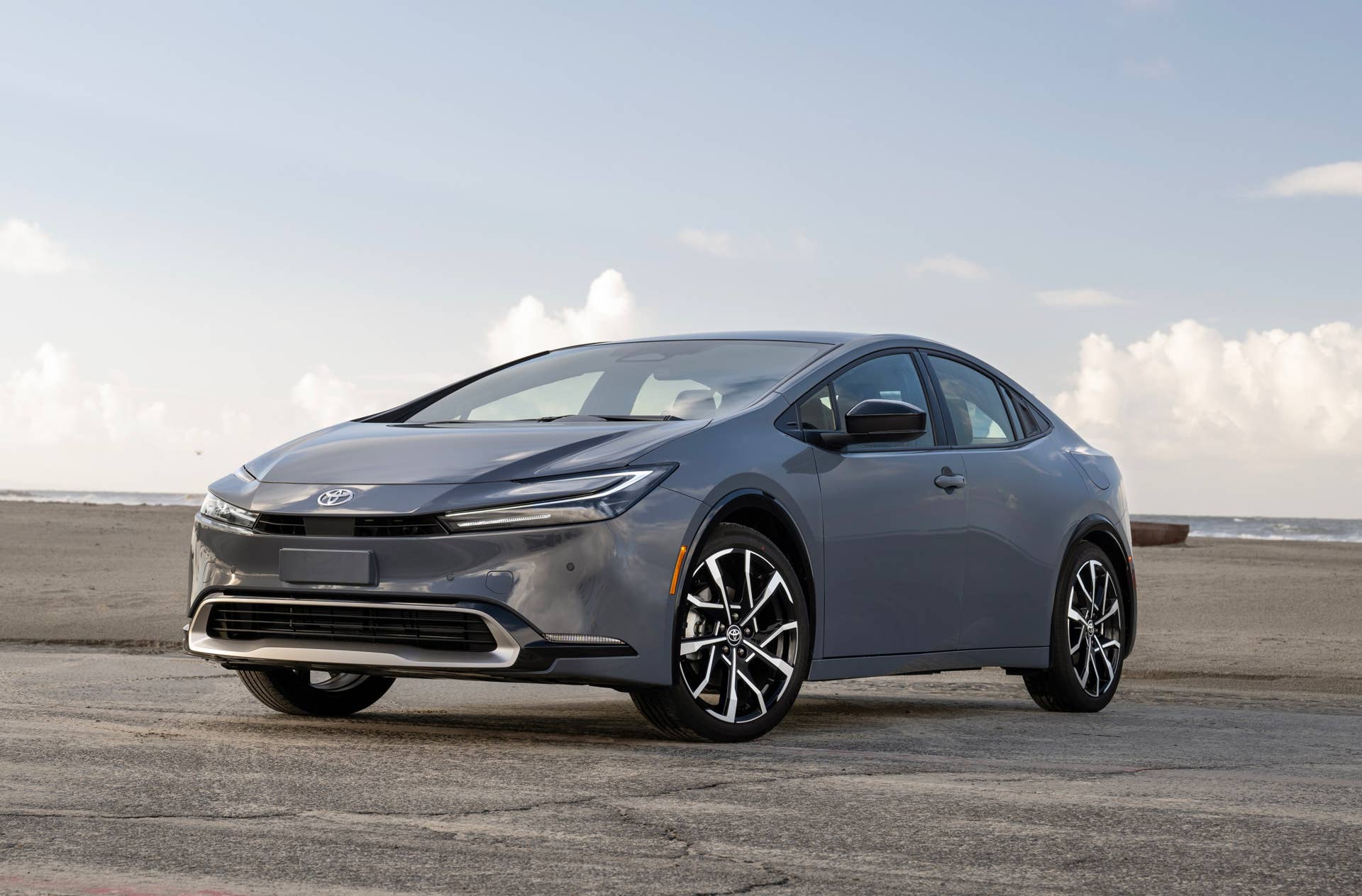
I don’t miss the old Prius styling. The only way I would’ve owned one would be if I could wear a disguise. Maybe round eyeglasses, a big yarn hat, and a tie-dyed shirt with Greta Thunberg’s face on it. No need to go incognito with the current Prius because it looks like a chiseled sporty car. Its design is a great reason to consider the car, and not just because it’s a fuel miser.
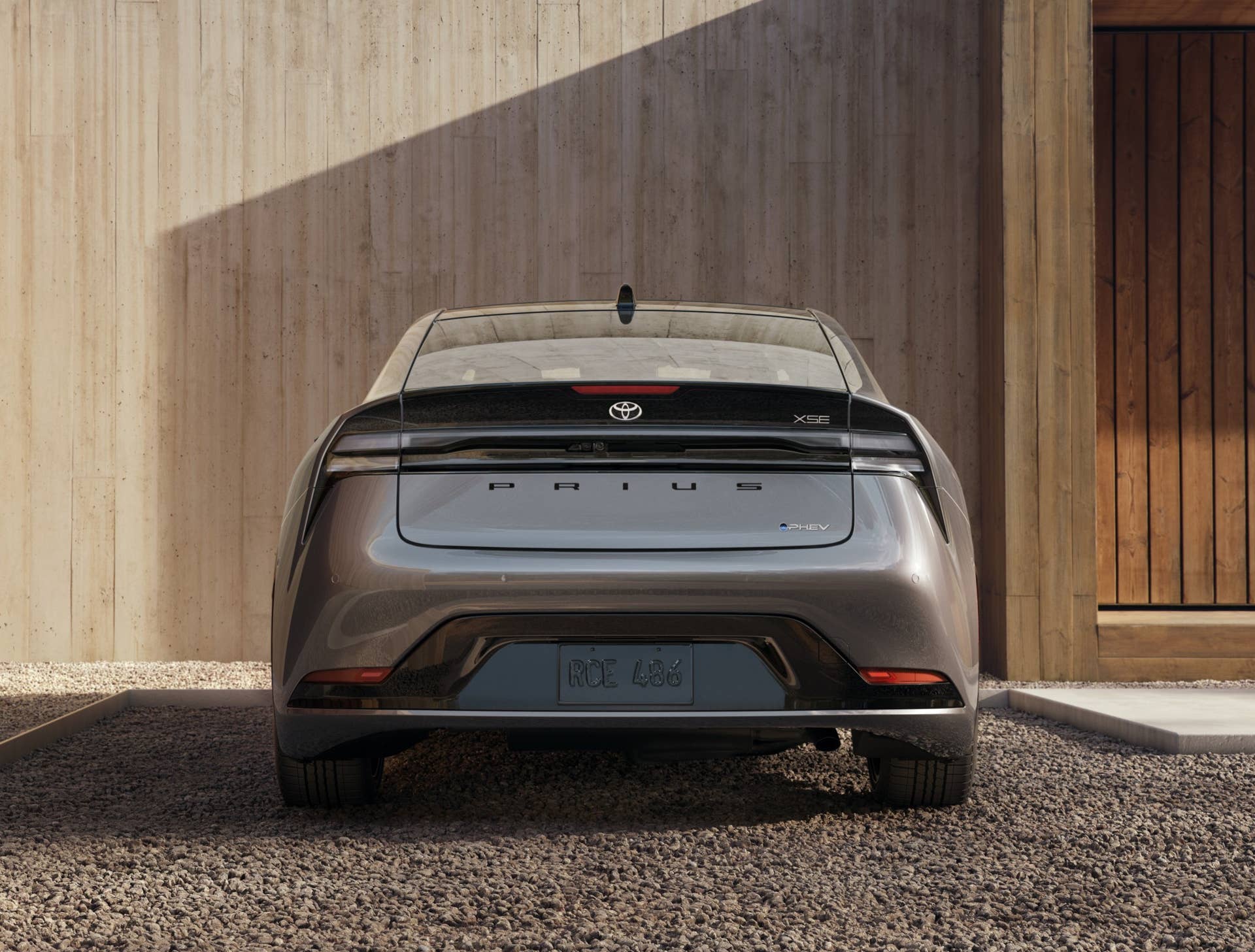
The XSE Premium wears 19-inch alloy wheels and includes a fixed glass roof with optional solar cells. But there’s a range trade-off with the fancier equipment: this trim delivers an EPA-estimated 39 miles of electric driving, compared with 44 miles for the SE. That might not seem like much for most folks, but those want to squeeze out every last mile should go with lower trims, sacrificing some creature comforts and looks in the process.
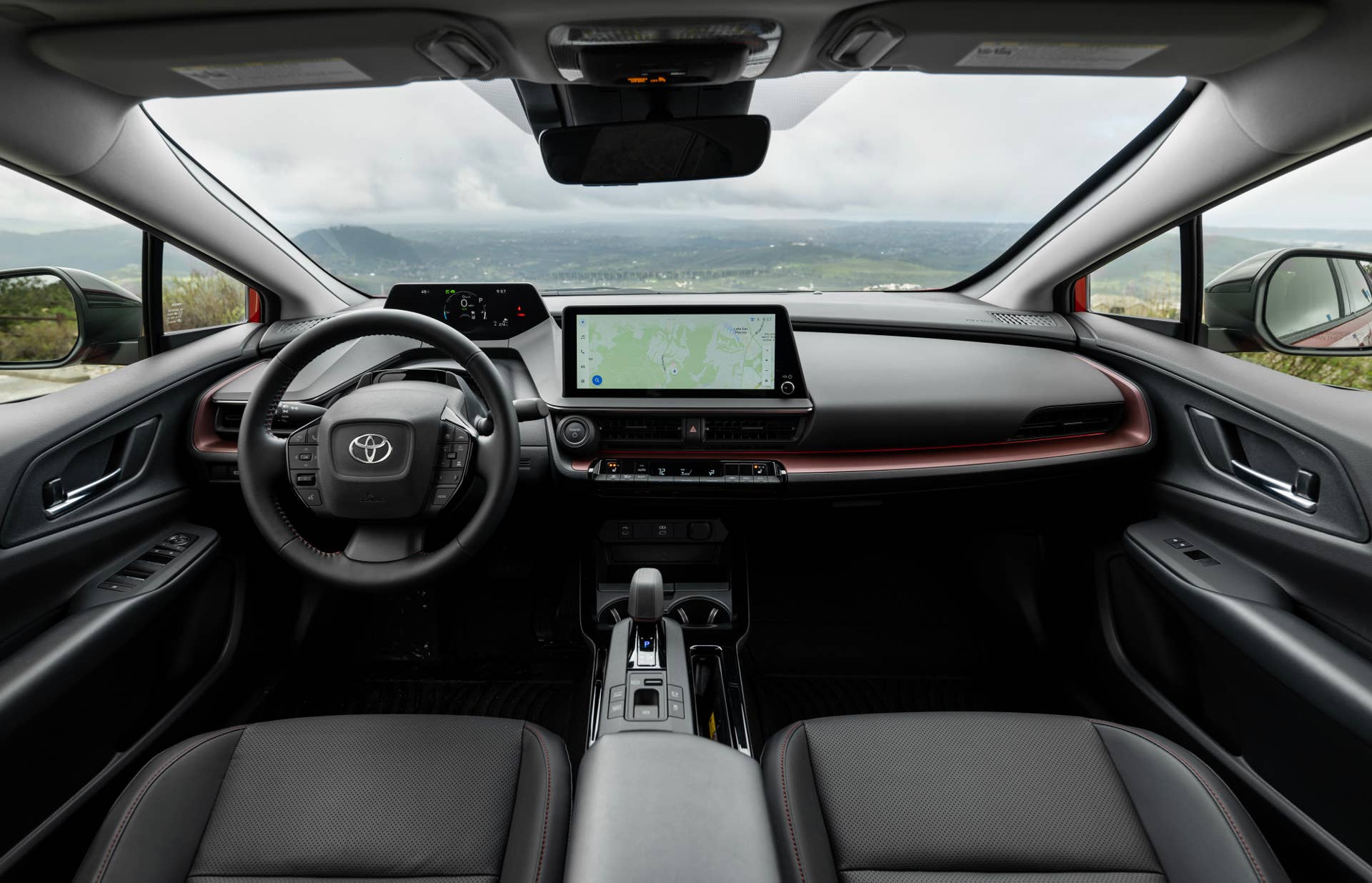
Inside, the dashboard and center console are far more conventional than the spacecraft cabin from the last generation. It’s cleaner, more pleasant, and absolutely easier to live with. Still, the relatively plain door panels and restrained detailing don’t generate the same enthusiasm as the bodywork. When it comes to controls, the Prius Plug-in is pretty good, definitely easier to use than the last one. It seems designed for function not just for the sake of a unique appearance. I’m actually surprised Toyota put a more conventional electronic shift knob here, so different from the blue lollipop version sticking out of the center stack on the old Prius. That one is not missed.
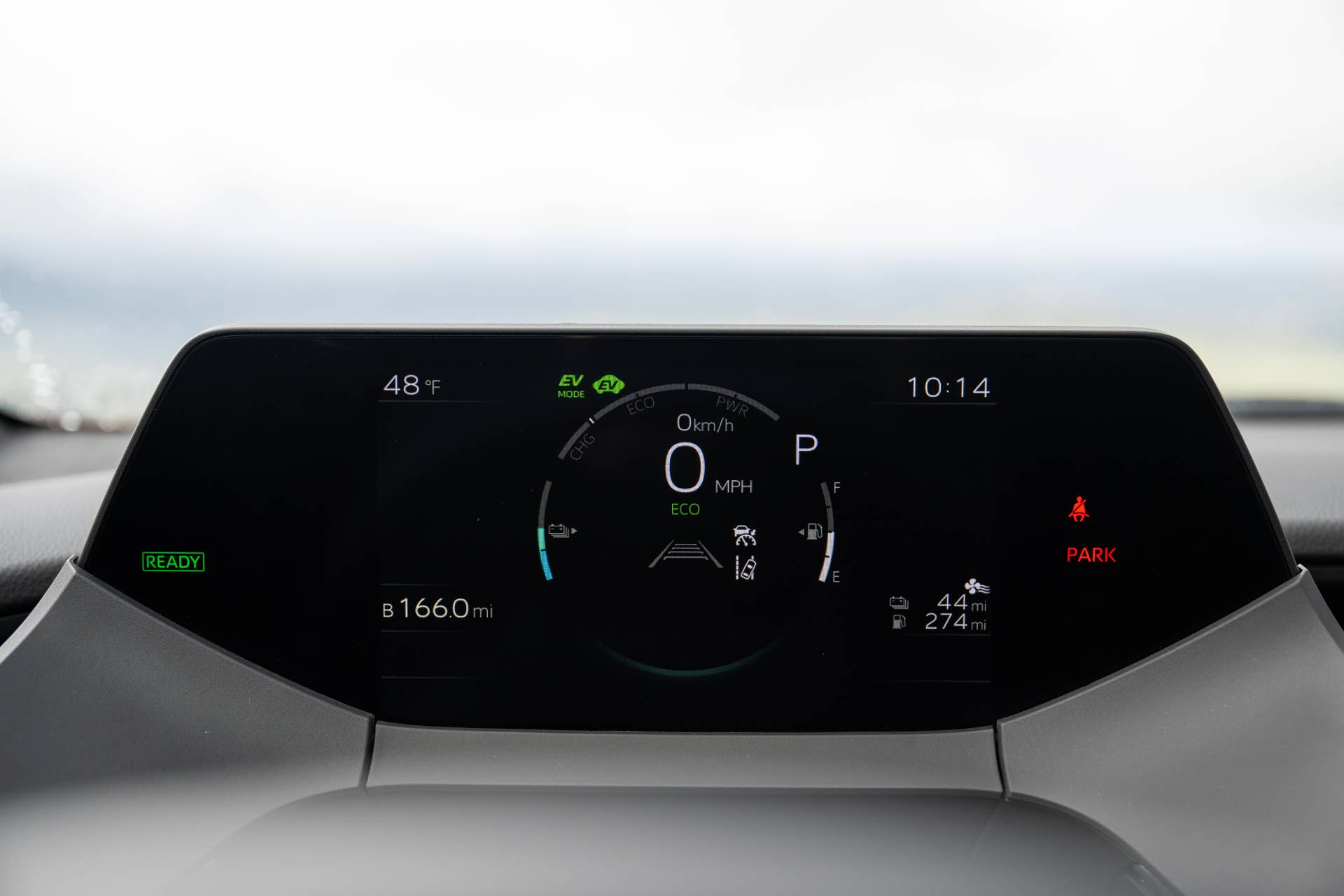
The combo gauge cluster/head-up display setup takes some getting used to, as does the very thick steering wheel hub. Due to my height and desired seating and wheel position, I ended up peering through the steering wheel to look at the gauges, and that worked fine. It just takes time to figure out what works best for you. It’s not a sexy look, nor is it particularly fancy. The info is simple, and you can configure what data you’d like thrown up on the display.
Driving Experience – 9/10
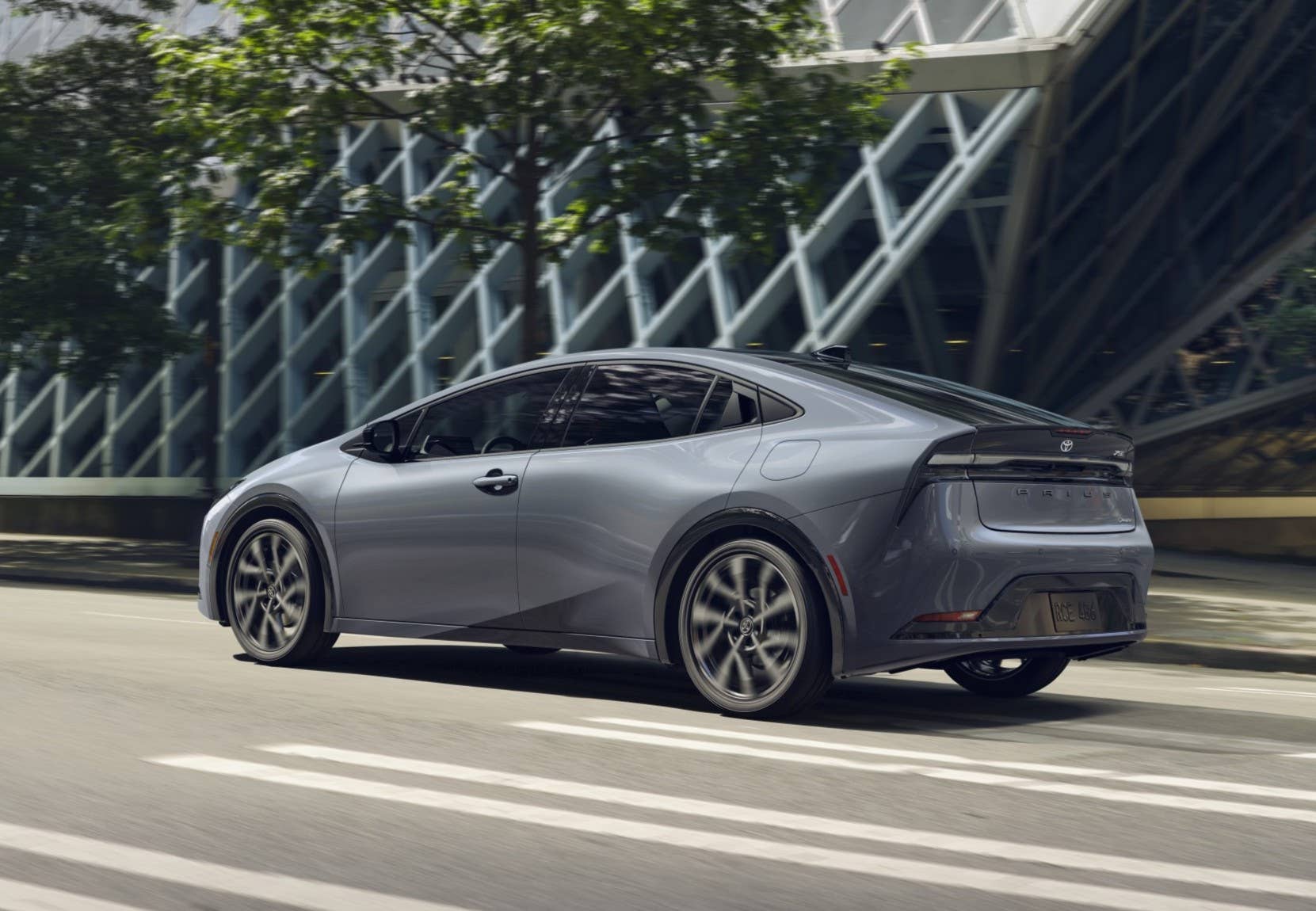
The new Prius is, by far, the best driving Prius ever made. It doesn’t sacrifice efficiency but bumps up the horsepower significantly. Prius Plug-in Hybrid combines a 2.0-liter four-cylinder with electric motor-generators for 220 combined horsepower. Toyota quotes a 6.6-second run to 60 mph. Yes, a quick Prius. Who could’ve imagined this from the model that made hypermiling a sport.
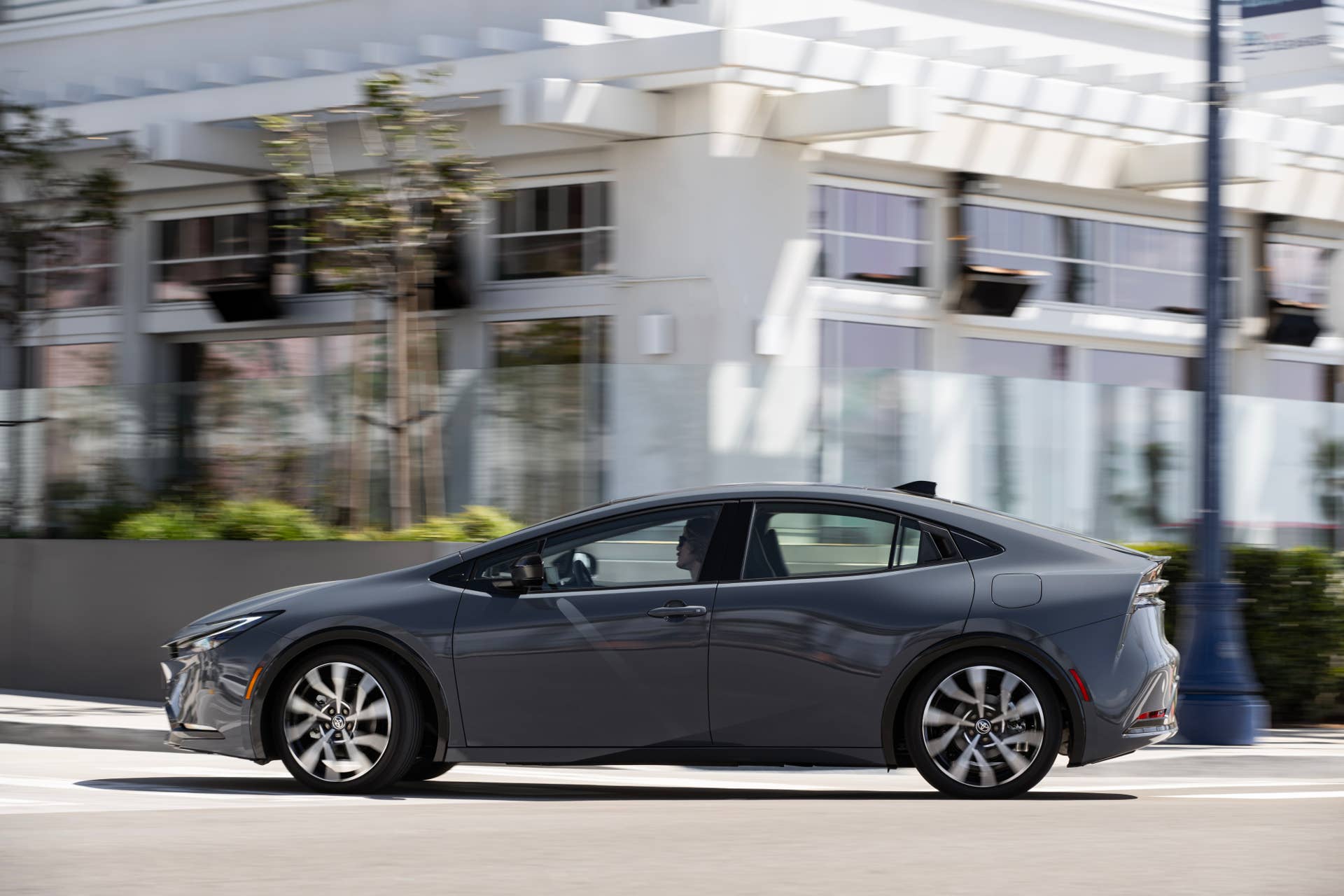
What stood out in my drive of the Nightshade version last year was how readily the powertrain handled normal traffic. Electric operation is quiet and responsive, particularly around town, and the transition into hybrid operation was completely unobtrusive. It’s actually quite fun to drive because the steering is quick, the handling is nimble, and the car feels sporty. Hard acceleration can be noisy and since the PHEV doesn’t get AWD, the front tires sometimes struggled to put the power down.
Once you deplete the impressive 40-mile all-electric range of this trim level (the SE gets 44 miels), the Prius PHEV XSE premium operates as a hybrid rated at 48 mpg combined. I allowed the battery to tap out, and I drove it mostly in Sport mode, attaining 45.3 mpg for an impressive run over several days.
Comfort and Usability – 8/10

The Prius’s cabin is significantly better in terms of look and feel, but it is on the small side. Older Priuses had a massive green house. The new one does not. My 6′ frame fit just fine in the accomodating front seats. Despite the dramatic windshield angle, I found the seating comfortable and supportive. The XSE Premium adds heated and ventilated SofTex-trimmed front seats and driver-seat memory. The faux leather is pretty convincing, and it doesn’t give up much to real leather.

This is no car for a a big family. Legroom in back was fine for my three kids, but adults won’t want to spend much time in the back due to the sloping roofline. The 34.8 inches of rear legroom can feel tight, despite the comfort level of the back seats. The middle psoitiong has pronounced backrest bulge due to the fold-down armrest, but at least the floor bulge is slight. The Prius Prime doesn’t have big side or rear glass, so the feeling can be cosseting if you’re prone to motion sickness. Be gentle on whoever’s in back.

Hatchback practicality also deserves attention. The large rear opening is pretty capacious and very easy to access, and the XSE Premium includes a power liftback. Really tall items are going to be a challenge due to the severly sloped rear glass, but the cargo hold is long and wide. 20.3 cubic feet is more than many family sedans, and if you fold the seats down, you get 26.7 cubes.
Final Verdict – 8.6/10
The Prius Plug-in Hybrid deserves more attention because it offers a compelling middle ground: useful electric-only driving, efficient hybrid operation for longer trips, and a surprising level of performance that its predecessors lacked. Its back seat space and instrument-display ergonomics don’t make it a slam dunk recommendation, but neither cancels the Prius’s real appeal. Many buyers don’t need everything a crossover offers. If you can charge regularly, don’t routinely carry tall rear passengers, and want a car with some actual visual sportiness, the Prius belongs on the shopping list.
About the author
Amos Kwon
Contributing Writer, Autoblog