
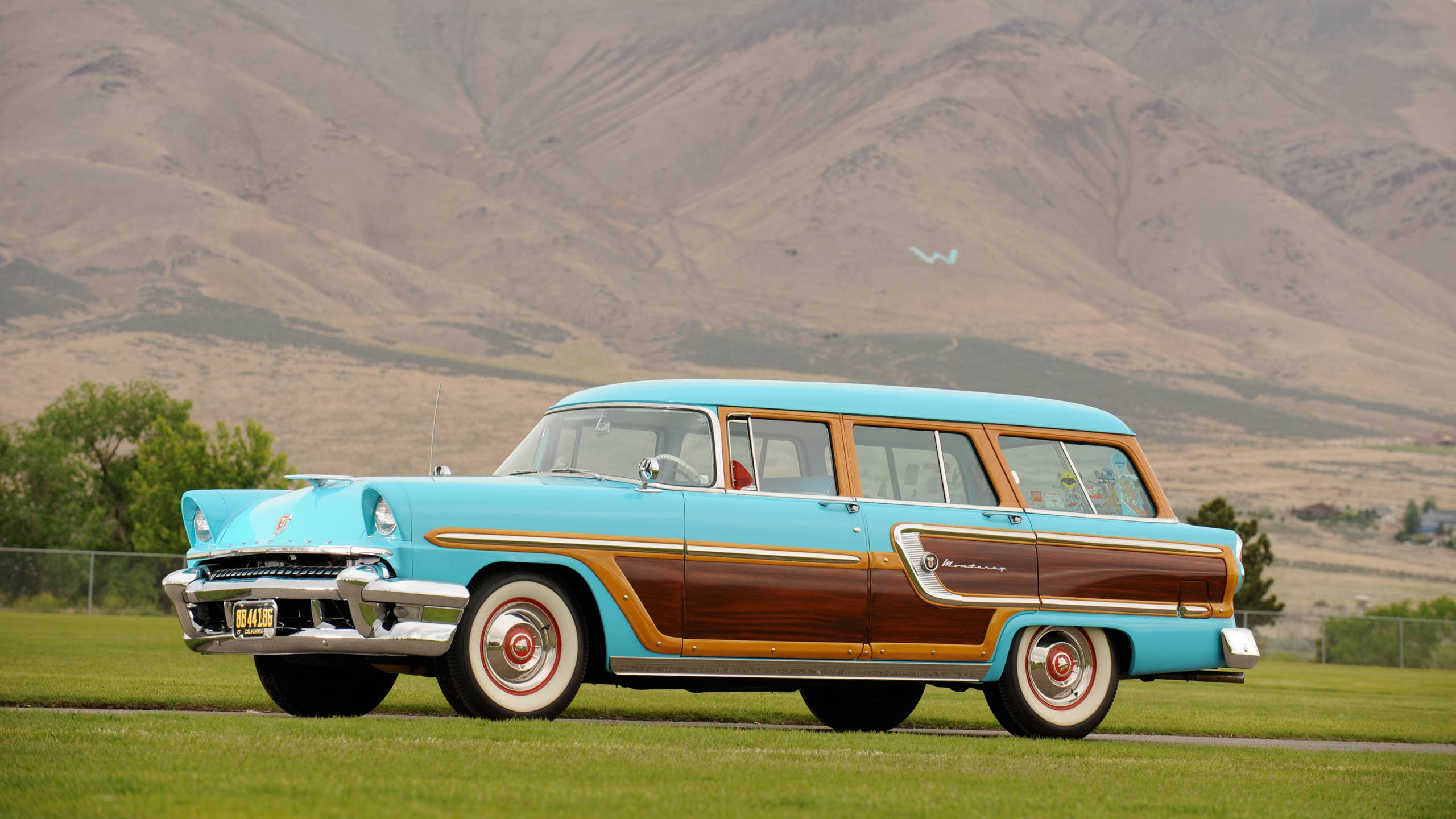
The station wagon was a staple American roadways for decades, serving as a reliable family hauler with plenty of cargo space. At its peak, the wagon was the quintessential family vehicle, but the popularity of minivans and SUVs ultimately became a dominant force that automakers couldn’t ignore. The station wagon’s popularity spanned decades, and while the styling hasn’t disappeared entirely, the wagon has largely been reduced to a niche segment that resides in the shadow of the vehicles consumers gravitate towards.
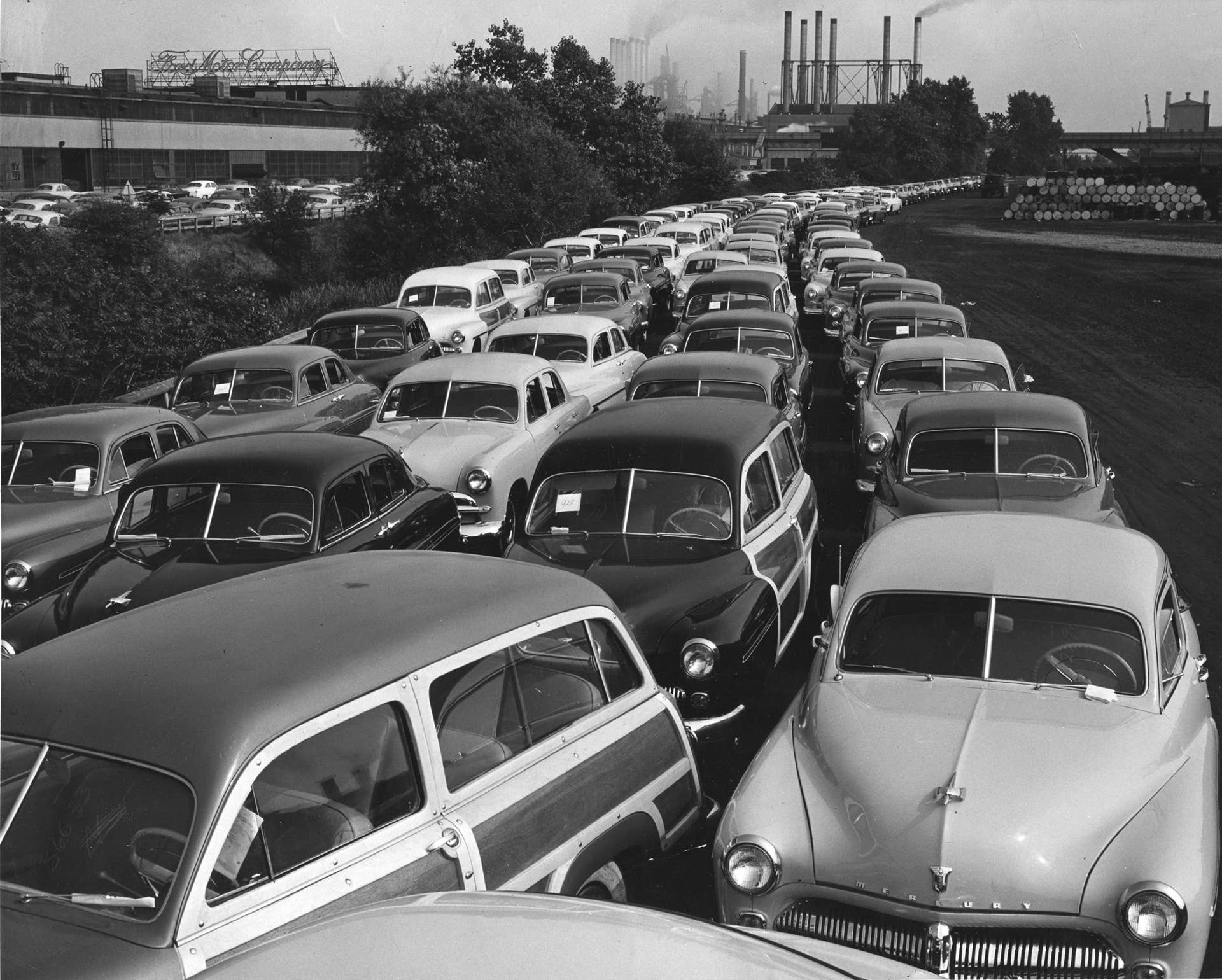
PhotoQuest/Getty Images
The station wagon is born
The station wagon was born in the early years of the automotive market, just as the automobile began replacing carriages. The earliest station wagons were rudimentary at best, built on a commercial vehicle chassis with a wooden body. Originally, the utilitarian vehicle transported passengers and cargo to railroad stations and hotels, an association that gave the segment the name ‘station wagon.’
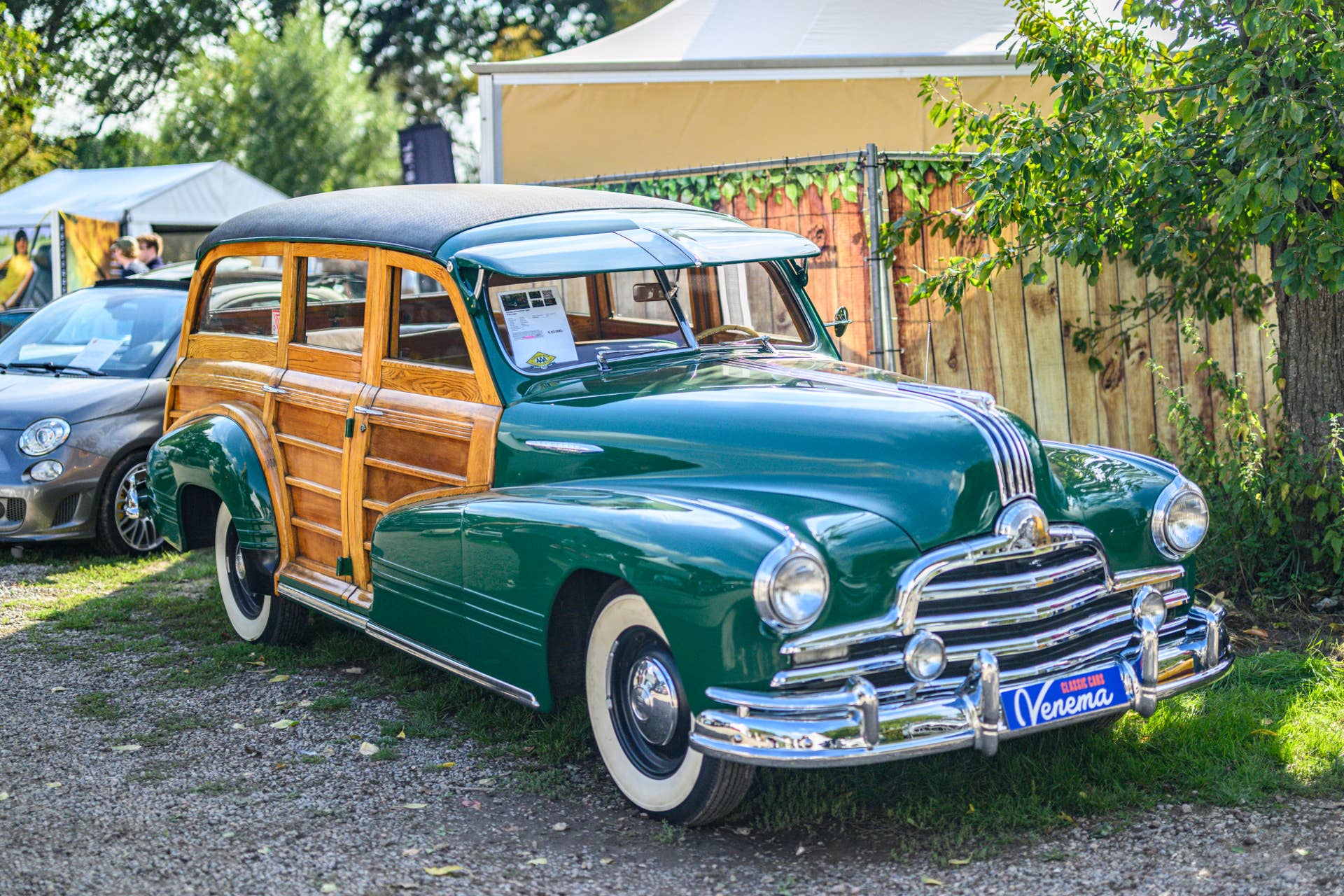
Like many new segments, early station wagons had no shortage of flaws. Their wooden construction, limited availability, and high prices largely limited the carriers to commercial use. Throughout the 1920s and ‘30s, automakers and specialist coachbuilders began refining the station wagon. While wooden bodies were still common, there was soon no shortage of models with improved designs, updated mechanical components, and more comfortable interiors. Soon enough, manufacturers had built on the basic formula that would define the station wagon for decades to come.
Thinking about selling your car? Get an instant cash offer online now. Click here to get started.
Rise and fall of the station wagon
The years following World War II saw a massive period of growth for the automotive industry. Servicemen returning home were starting families, and rising household income opened the door to car ownership to more Americans. As a result, the need for a larger vehicle, one that could accommodate families, groceries, and more, grew, giving the station wagon a clear path to becoming a family staple.
Bring A Trailer
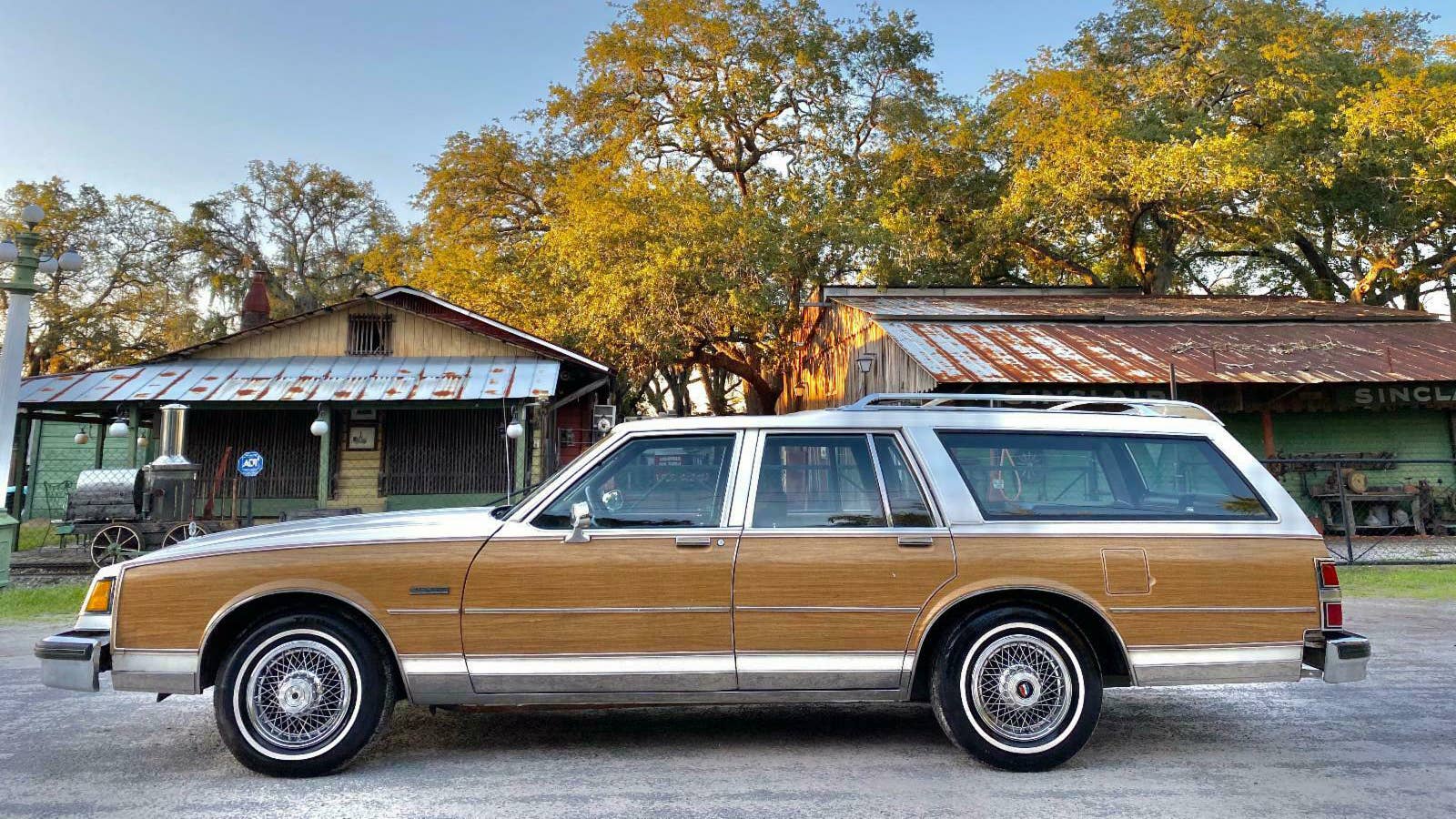
As American families and transportation grew, automakers responded in kind with a slew of station wagons of various sizes and price points. At the same time, automakers transitioned away from wooden bodies in favor of steel panels. Notably, wood didn’t disappear entirely. Rather, it became a styling element on the station wagons of the 1950s and beyond. Inside, the bodystyle was more convenient, with folding rear seats and an expansive cargo area.
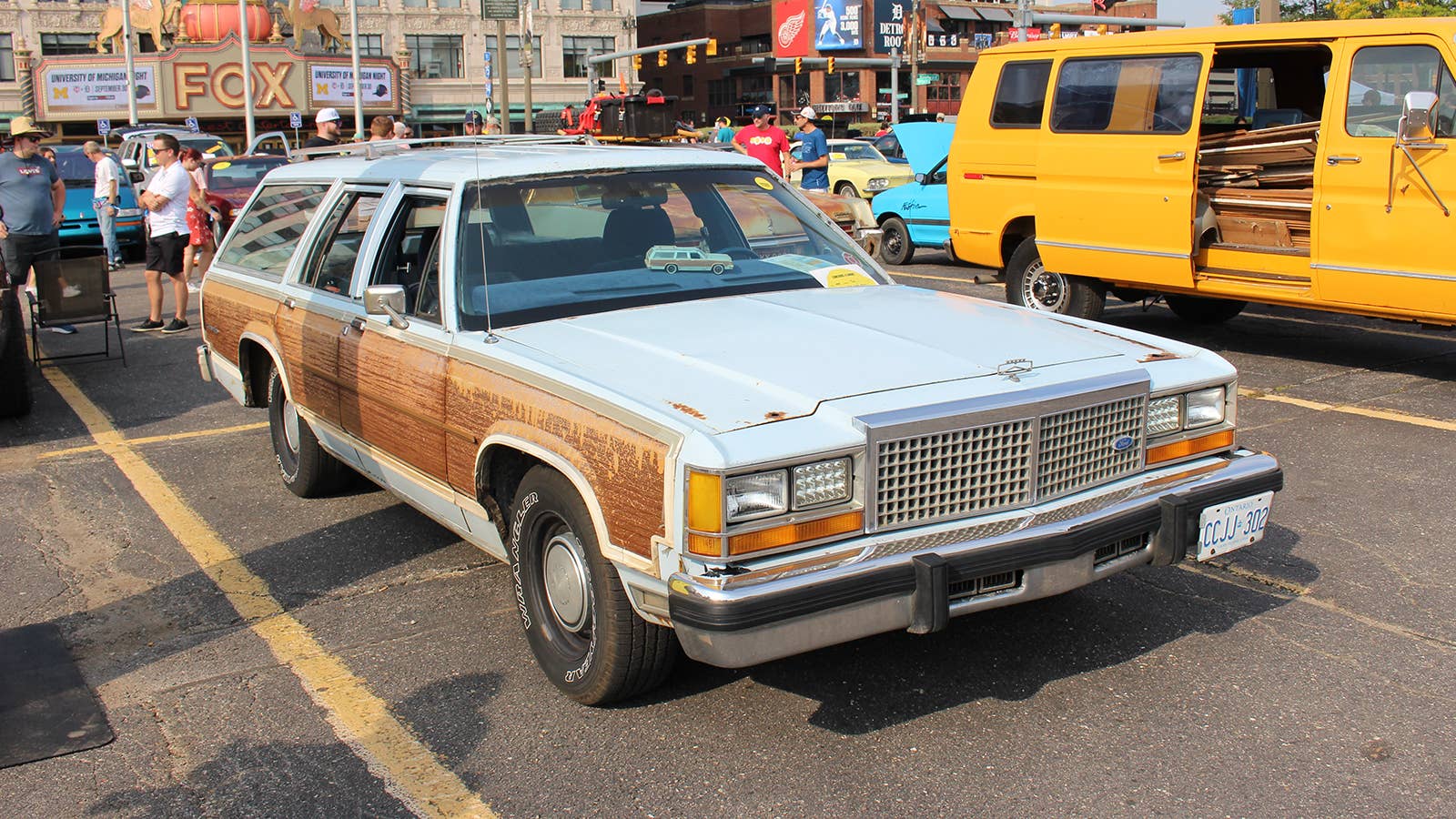
The 1960s and ‘70s proved to be the station wagon’s golden age. Full-size models, like the Buick Estate Wagon and Ford Country Squire, had grown particularly popular. The 1971 Buick Estate Wagon, for example, made loading and unloading cargo easier with a clamshell tailgate that allowed the rear window to retract into the roof. Under the hood sat large V8 engines, but the average station wagon still emphasized comfort and utility over handling and cornering.
Joel Stocksdale
Unfortunately, the full-size station wagons and large V8 engines became a vulnerability as the 1973 oil crisis caused fuel prices to rise. As consumers shifted to smaller, more efficient vehicles, automakers responded in kind. Major players like Ford, General Motors, and Chrysler offered smaller station wagons that combined practicality with improved fuel economy. Around the same time, Japanese automakers began introducing Americans to family vehicles of their own.
Shopping for a new car? Click here to get a great deal on your next vehicle. Powered by Carvana, no haggle pricing, 100% online.
Minivans, SUVs take control
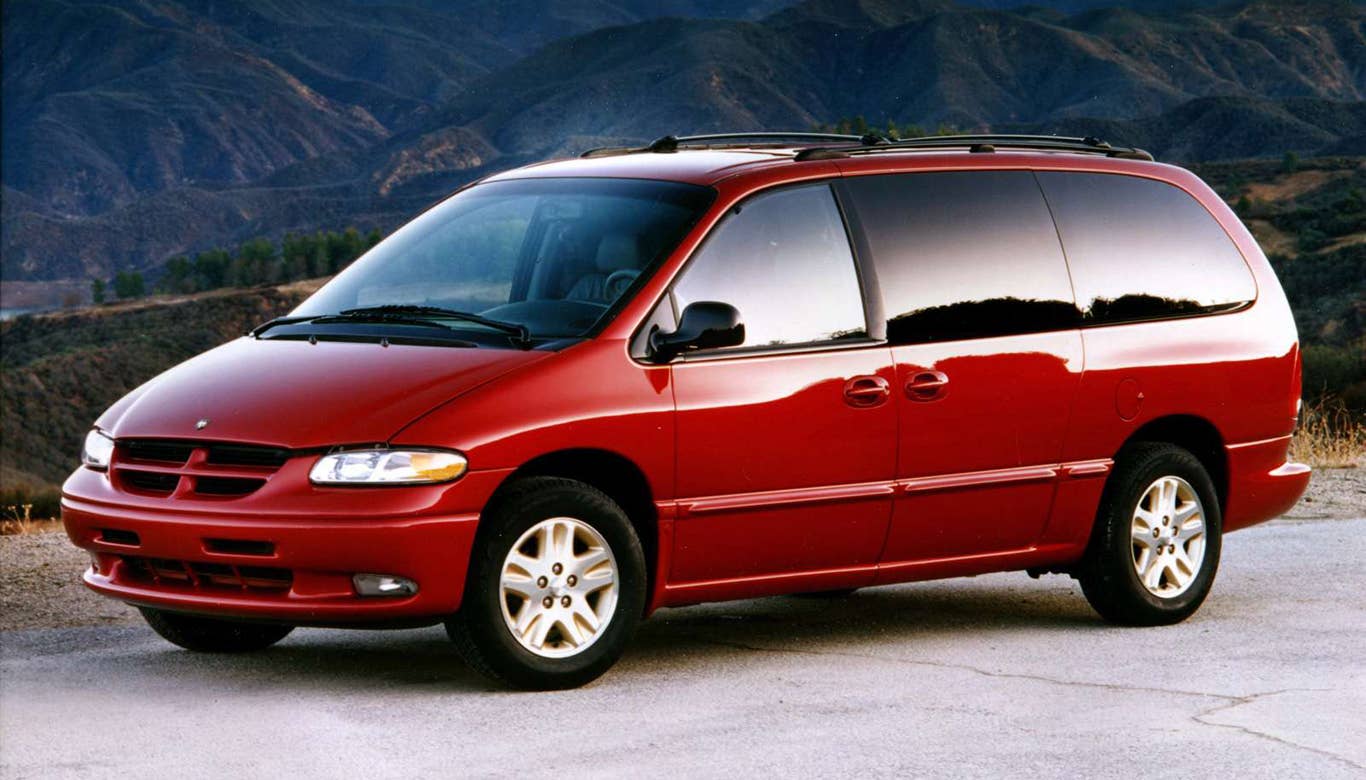
The 1980s marked a turning point for the station wagon’s popularity. The Dodge Caravan and Plymouth Voyager arrived in 1984, offering more headroom, flexible seating arrangements, and sliding side doors. While the minivan didn’t outright kill the station wagon, it marked a gradual shift in consumer trends that would mark the beginning of the family wagon’s decline.
During the 1990s, SUVs became incredibly popular among American consumers. Models like the Chevy Tahoe and Ford Explorer combined available four-wheel drive with a higher seating position. Inside, SUVs offered seating for the whole family and plenty of cargo space. Manufacturers offered financial incentives on SUVs, and the vehicles were marketed with a theme of adventure and independence. As a result, demand for SUVs continued to grow, and automakers continued to invest in their development.
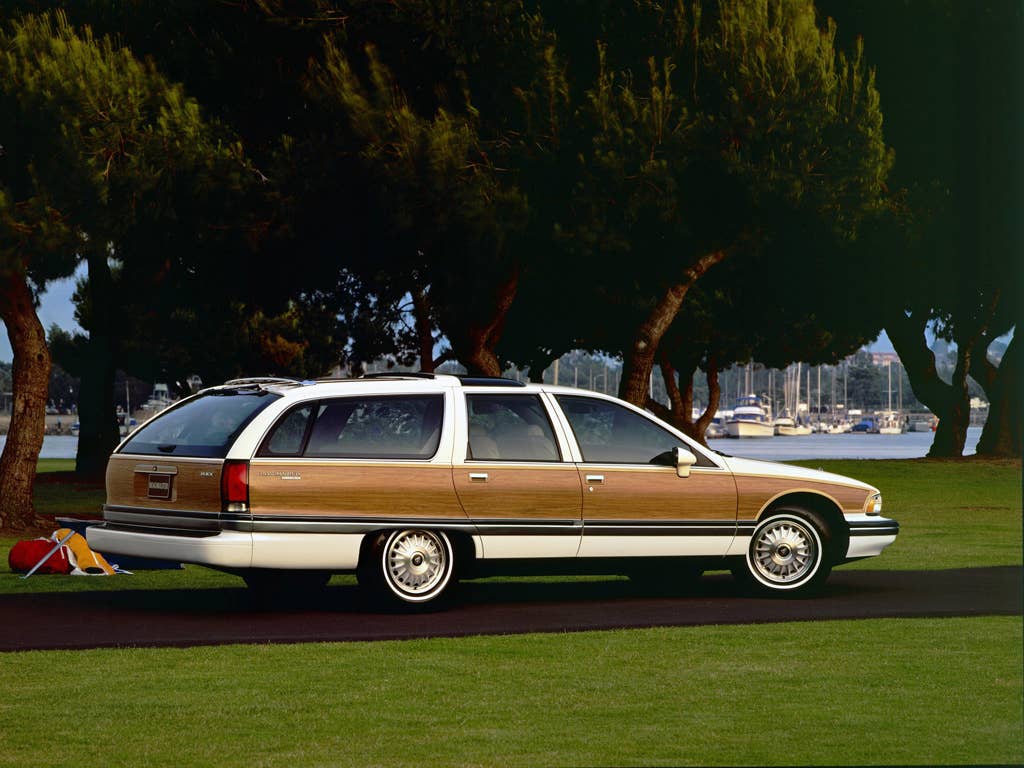
The decline of the station wagon continued throughout the 1990s, and automakers began pulling models from the market. Ford discontinued the Country Squire following the 1991 model year, and Oldsmobile ended production of the Custom Cruiser the following year. General Motors held out for a few more years, but the 1996 model year was the last for the Chevrolet Caprice Estate and Buick Roadmaster Estate.
B
While the full-size station wagon had largely vanished by 1996, the station wagon segment was still holding on into the 2000s. Ford continued to offer the Taurus wagon, while Japanese automakers produced smaller station wagons that emphasized practicality. Meanwhile, European automakers took a different approach, with station wagons that combined comfort, handling, and performance.
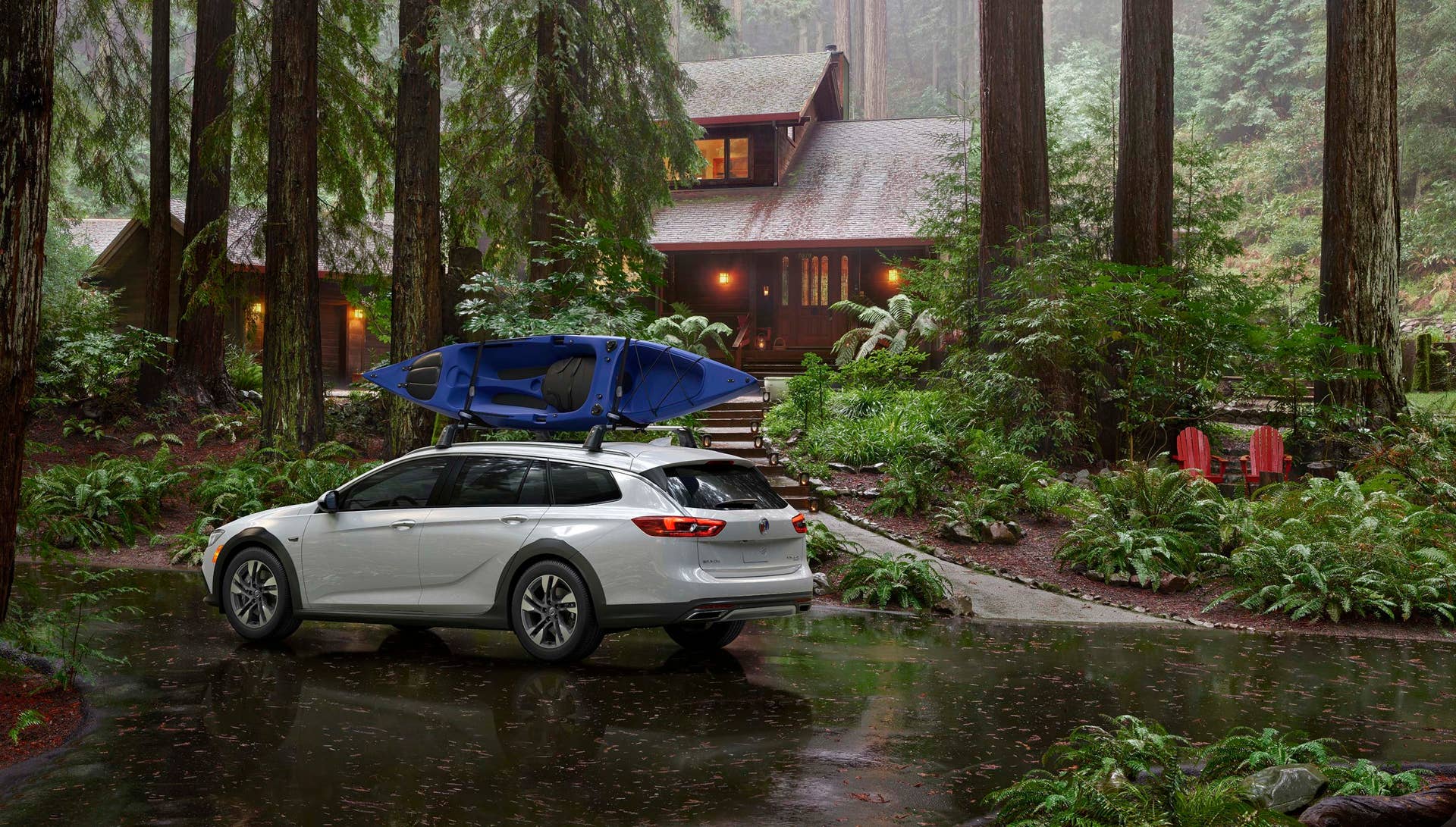
By the late 2010s, the station wagon had all but vanished from dealership showrooms. Buick made one final attempt at a station wagon in the form of the Regal TourX. While it was incredibly practical, with all-wheel drive and a raised ride height, Buick ultimately cut the Regal line after 2020. Likewise, Volkswagen pulled the Golf SportWagen from the market following the 2019 model year.
Buick
While SUVs and minivans offer a level of practicality that station wagons couldn’t match, crossovers delivered similar utility. Even early on, they offered sufficient cargo space, folding rear seats, and a higher seating position. Not only that, but the widespread availability of all-wheel drive has made crossovers incredibly versatile. As crossover designs continued to improve, it became harder for both consumers and automakers to justify the station wagon.
The station wagon lives on
The station wagon may no longer be the dominant force that once ruled American roadways, but the bodystyle lives on. European automakers have largely refined the design, combining upscale interiors, powerful engines, and high-end suspension systems. The Audi RS6 Avant and BMW M5 Touring are proof that wagons can be both practical and fast.
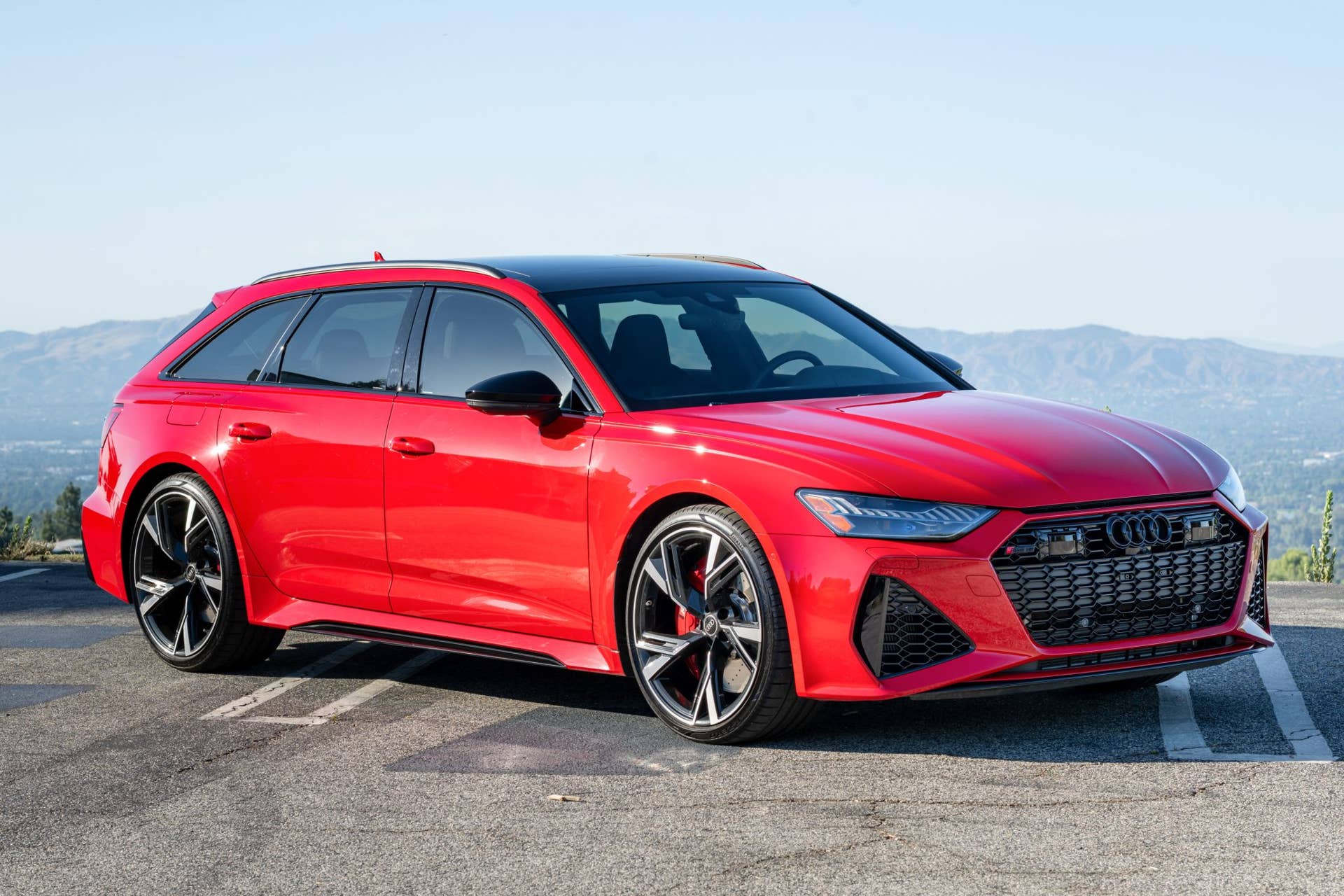
Bring a Trailer
While some European manufacturers focus on performance-driven wagons, other automakers have managed to preserve the basic formula that underpinned the traditional wagon. The Volvo V60 Cross Country, for example, emphasizes comfort, safety, and touring capability. The station wagon has come a long way from the wood-bodied haulers that marked the beginning of an era. It’s likely they’ll never regain the popularity they once had, but it’s clear the station wagon still has a place in the industry.
Final thoughts
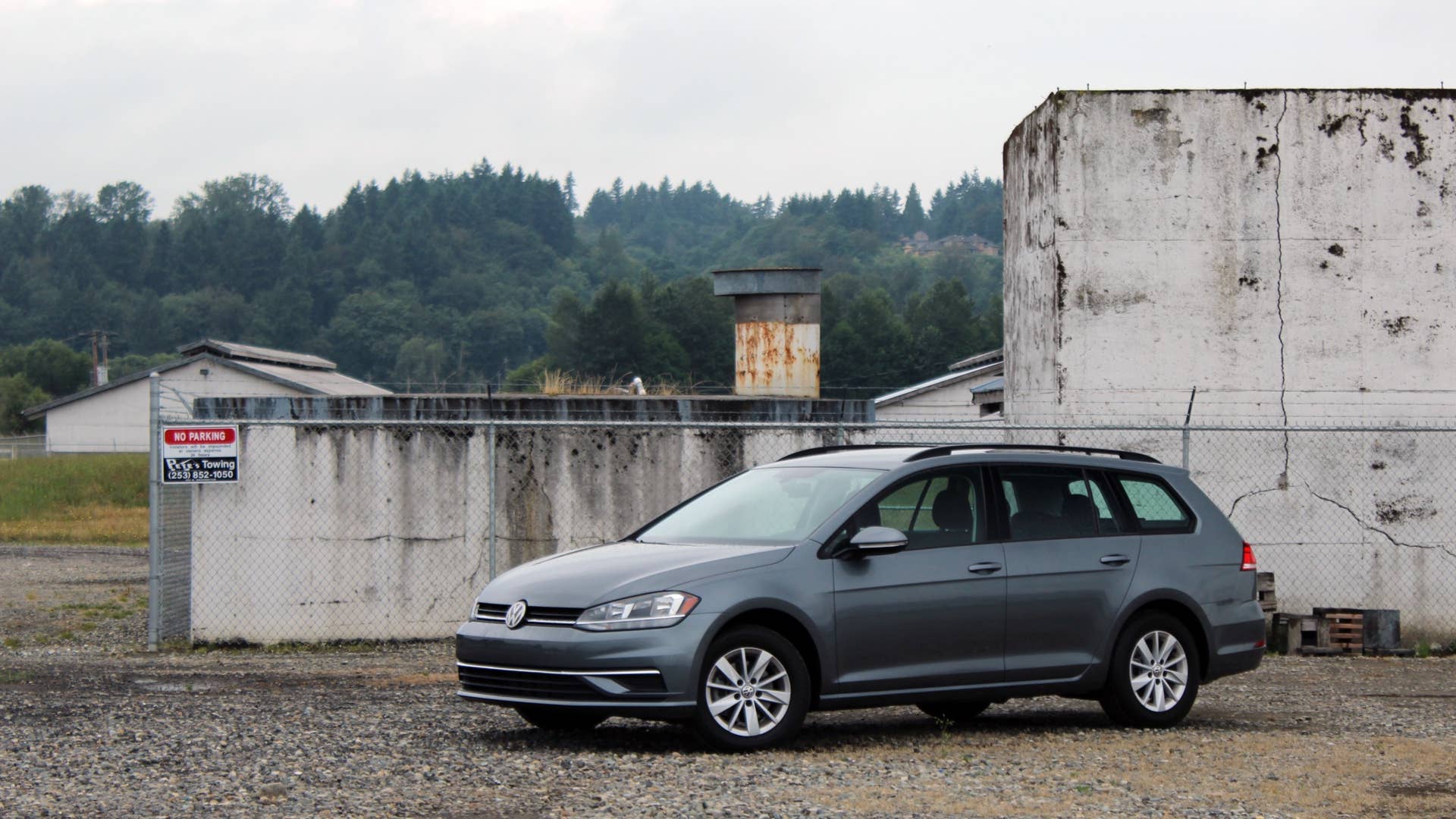
Like other segments, the rise and fall of the station wagon mirrors the shift in consumer trends. Originally a practical form of family transportation, the oil crises of the 1970s and arrival of the minivan marked the beginning of the end. As SUVs exploded onto the scene and crossovers made their way to the market, the station wagon effectively vanished from dealer lots. The wagon hasn’t completely vanished, but it’s clear the bodystyle is largely a remnant of a bygone era of American transportation.
Disclaimer: Autoblog aims to feature only the best products and services. If you buy something via one of our links, we may earn a commission.
About the author

Joseph Pudlewski
Contributing Writer, Autoblog