
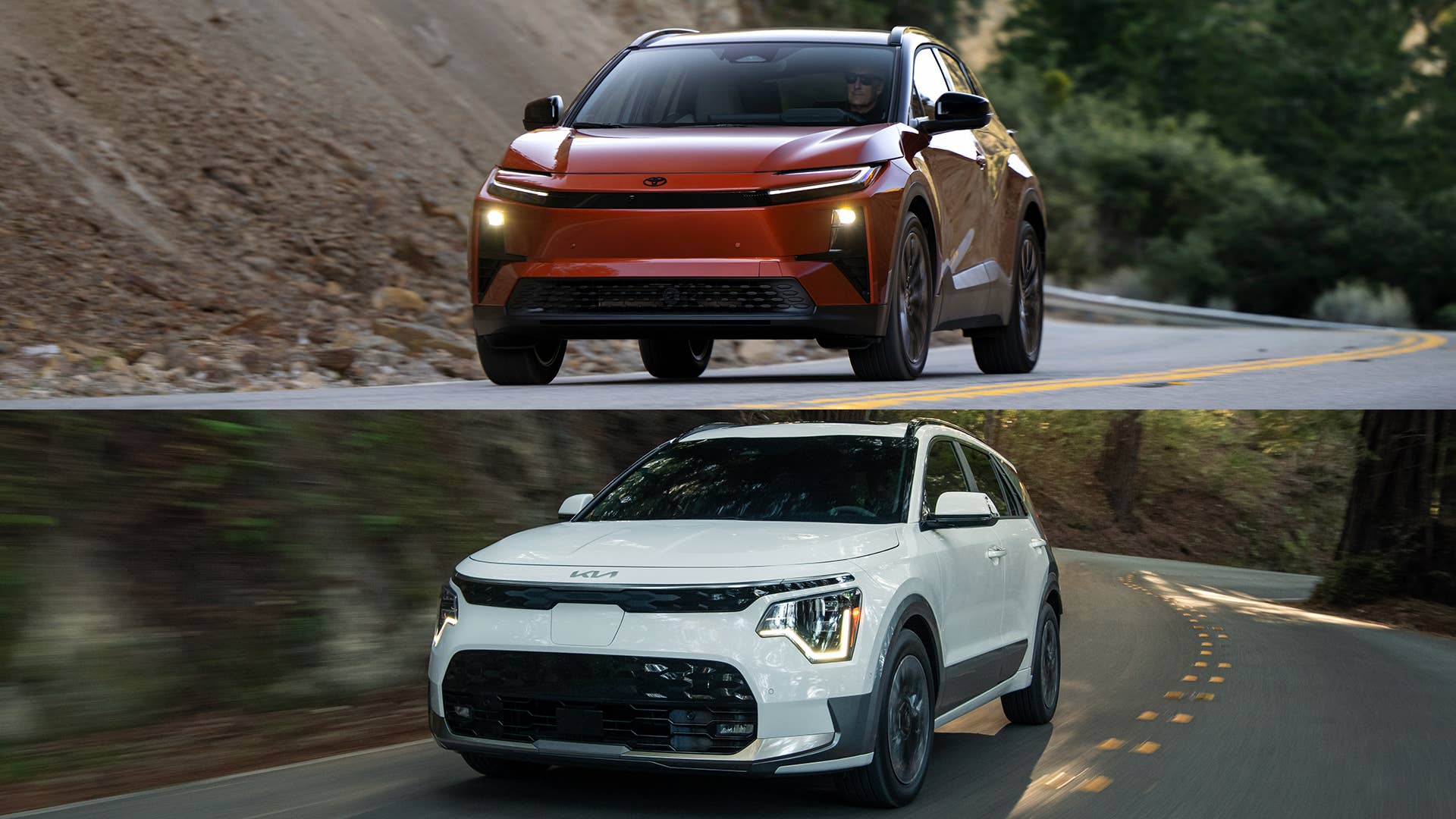
Small EVs have come a long way
Sub-$40,000 EVs are still fairly rare in the United States, but the segment has gotten a boost in recent months with new arrivals like the Toyota C-HR. Previously a gas-powered subcompact, the latest C-HR is now fully electric and enters a category occupied by other small EVs like the Kia Niro EV. The Kia is the older vehicle here, so can it keep up with the Toyota? Here are five major differences between two of the most affordable new EVs you can buy, some of which may surprise you.
1. Toyota Is More Powerful
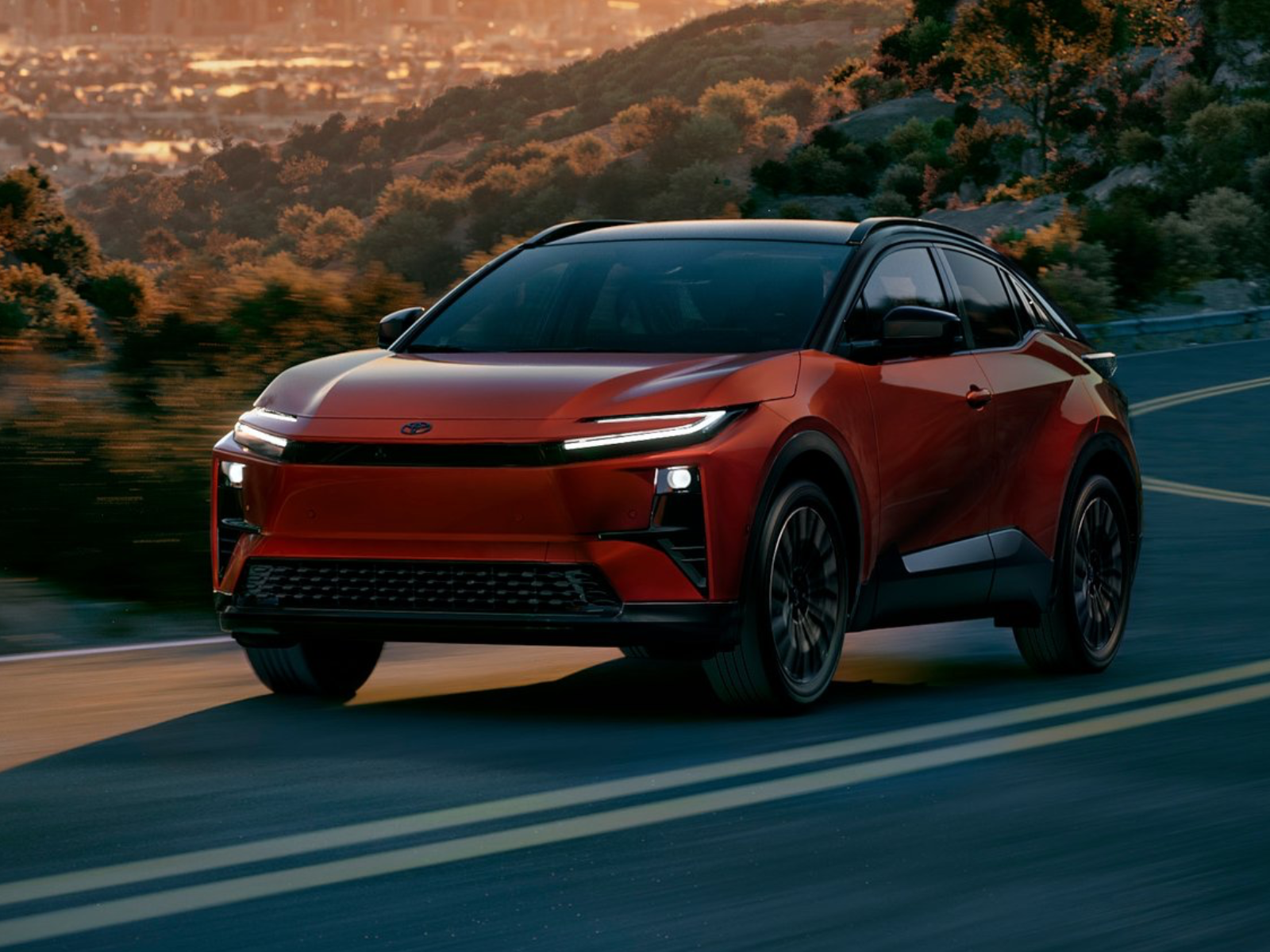
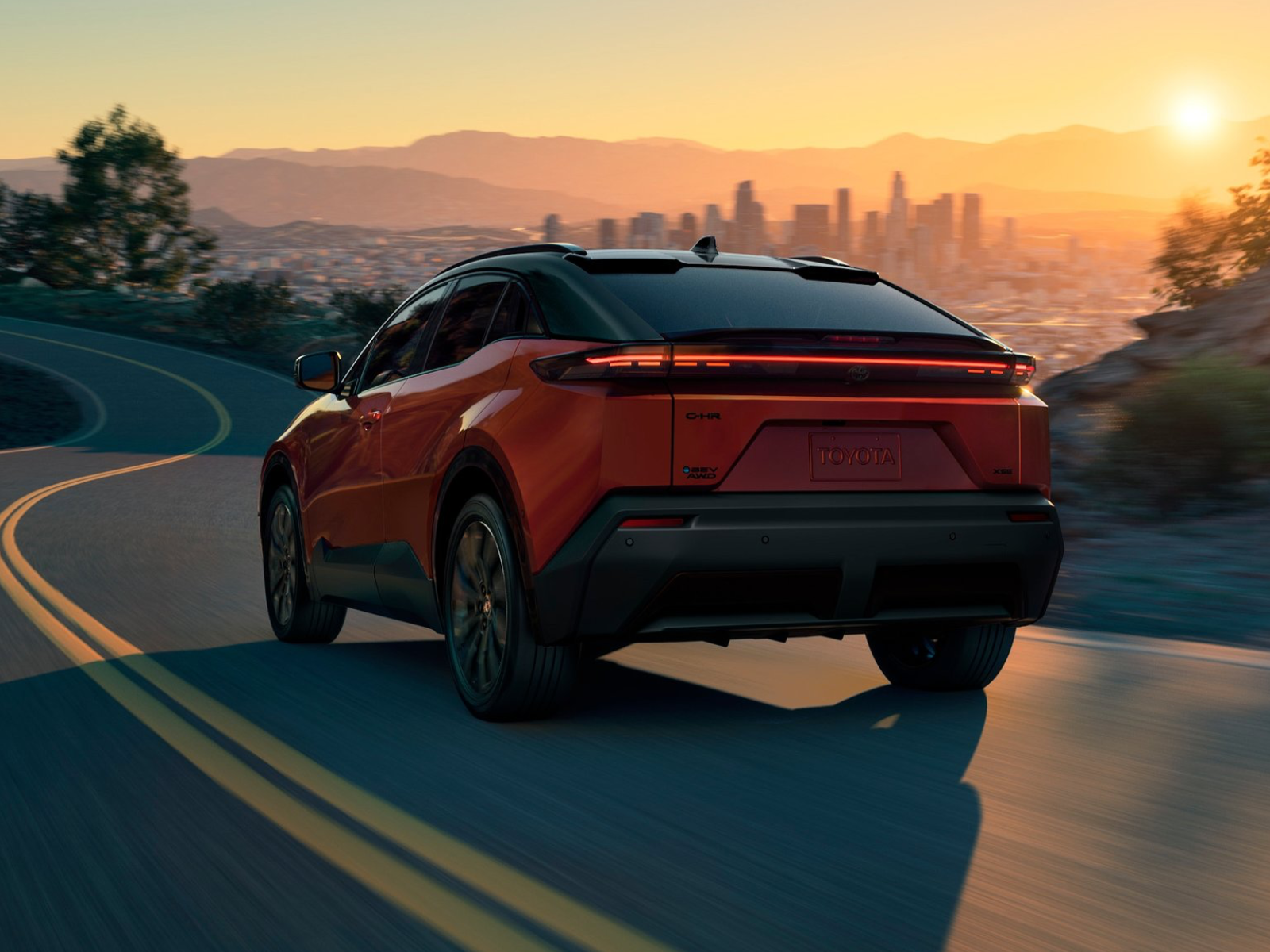
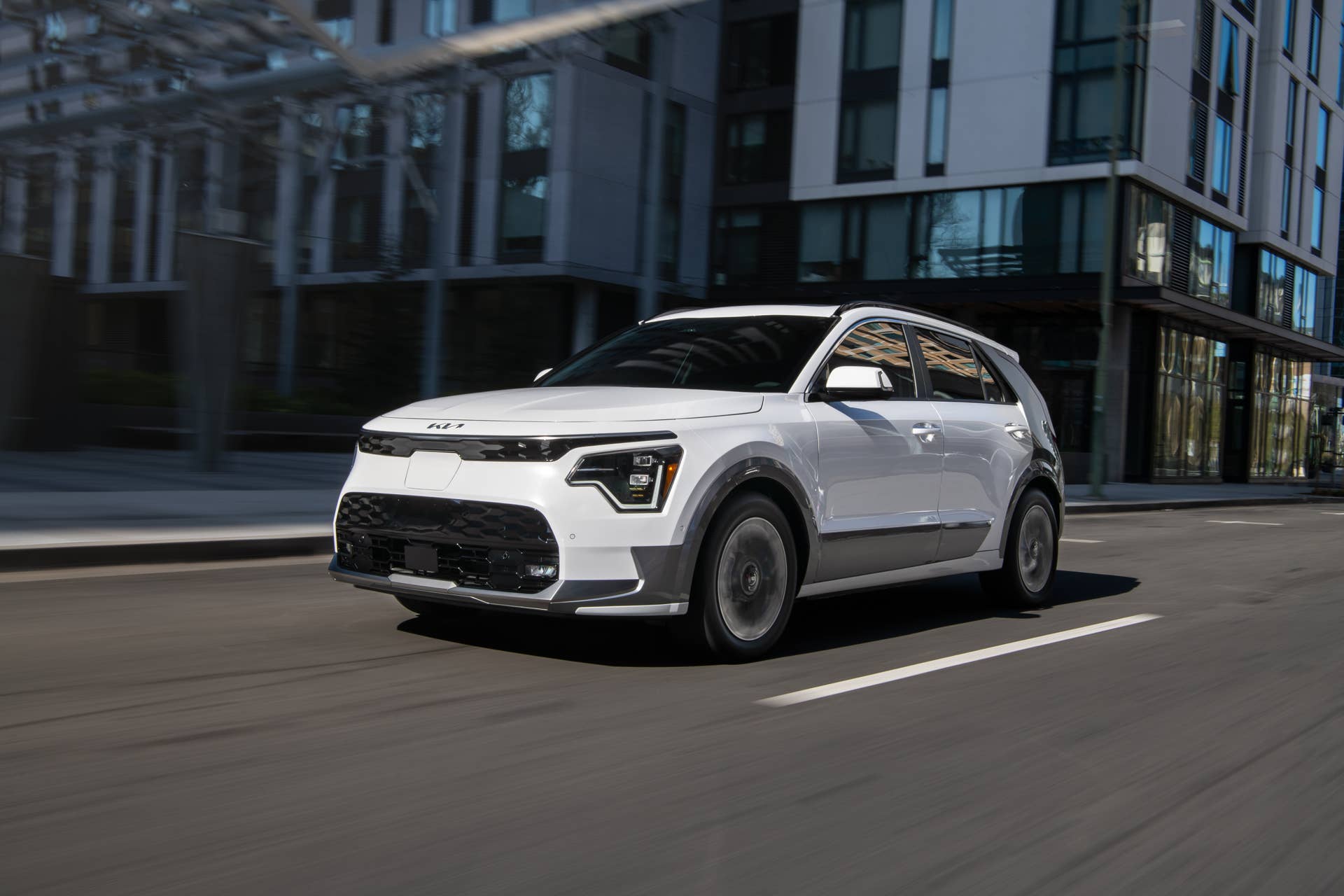
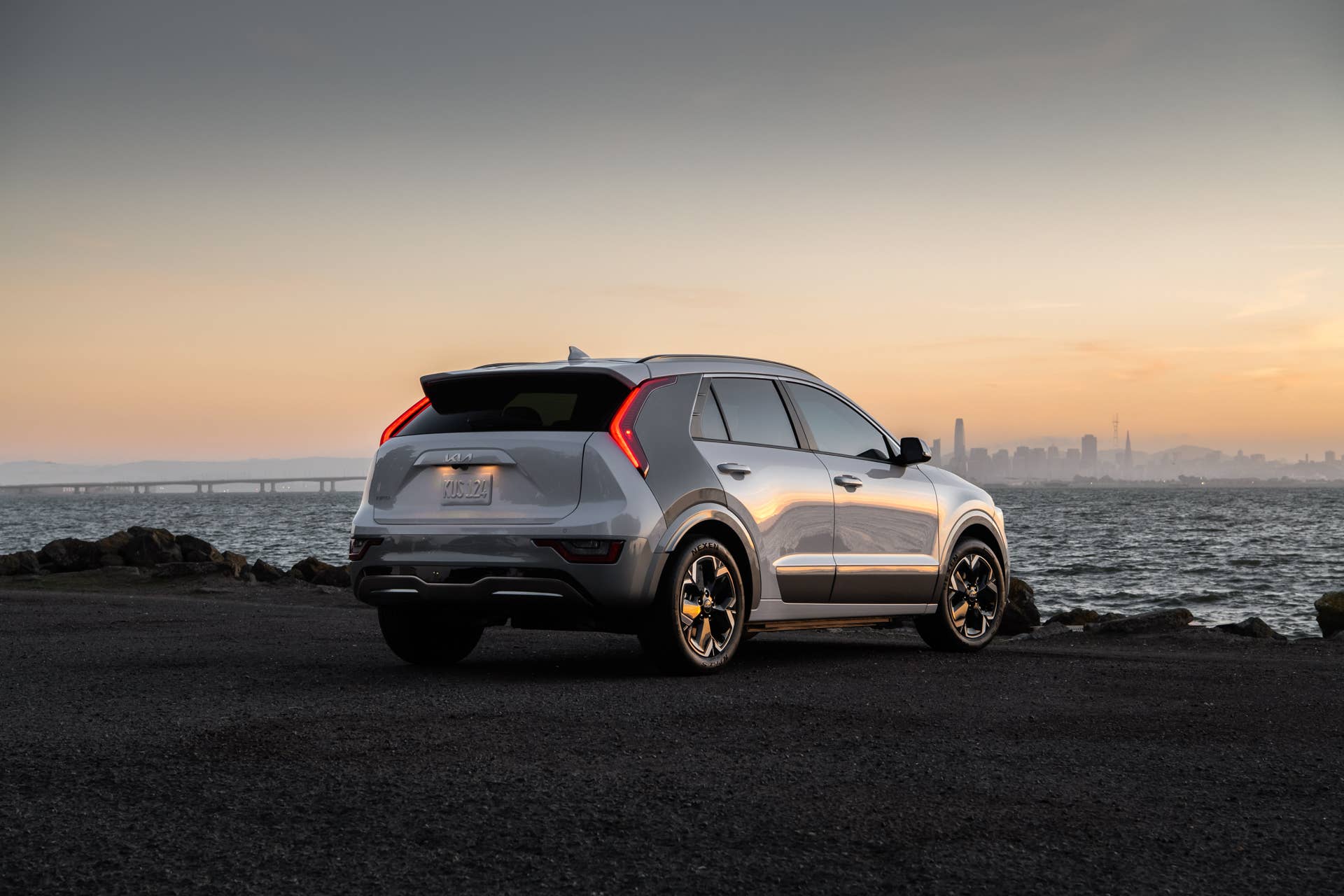
There’s a monumental difference in power and performance between these two crossovers, which is rare for a Toyota and Kia in the same segment. Whereas the Kia has docile acceleration, the C-HR is one of the quickest new Toyotas on sale. Here’s how they match up.
| Toyota C-HR | Kia Niro EV | |
| Powertrain | Dual electric motors (AWD) | Single electric motor (FWD) |
| Horsepower | 338 hp combined | 201 hp combined |
| Torque | 198/125 lb-ft (front/rear motors) | 188 lb-ft |
| 0-60 mph | 4.9 seconds | ~6.7 seconds |
The Niro isn’t slow for a subcompact crossover, but it’s no match for the speedy Toyota, which also has the benefit of all-wheel drive. All Niro models direct power to the front wheels exclusively.
We enjoyed driving the C-HR, which has direct steering and a generally sportier feel than many other EVs of this kind—including the Kia. The Niro EV is pleasant enough to drive but not on the level of the Toyota.
2. Kia Is Less Efficient and Has Shorter Range
Kia
Toyota
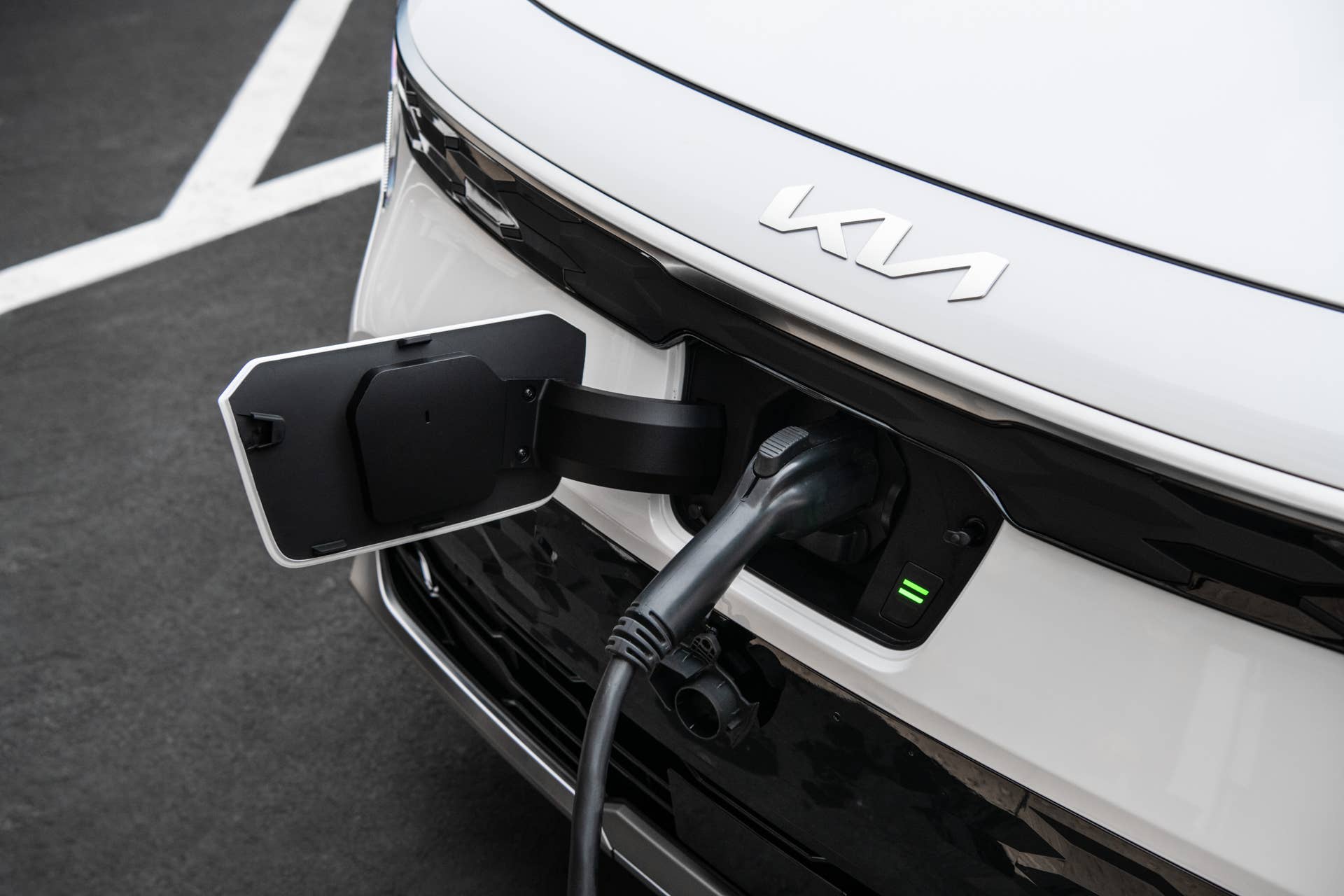
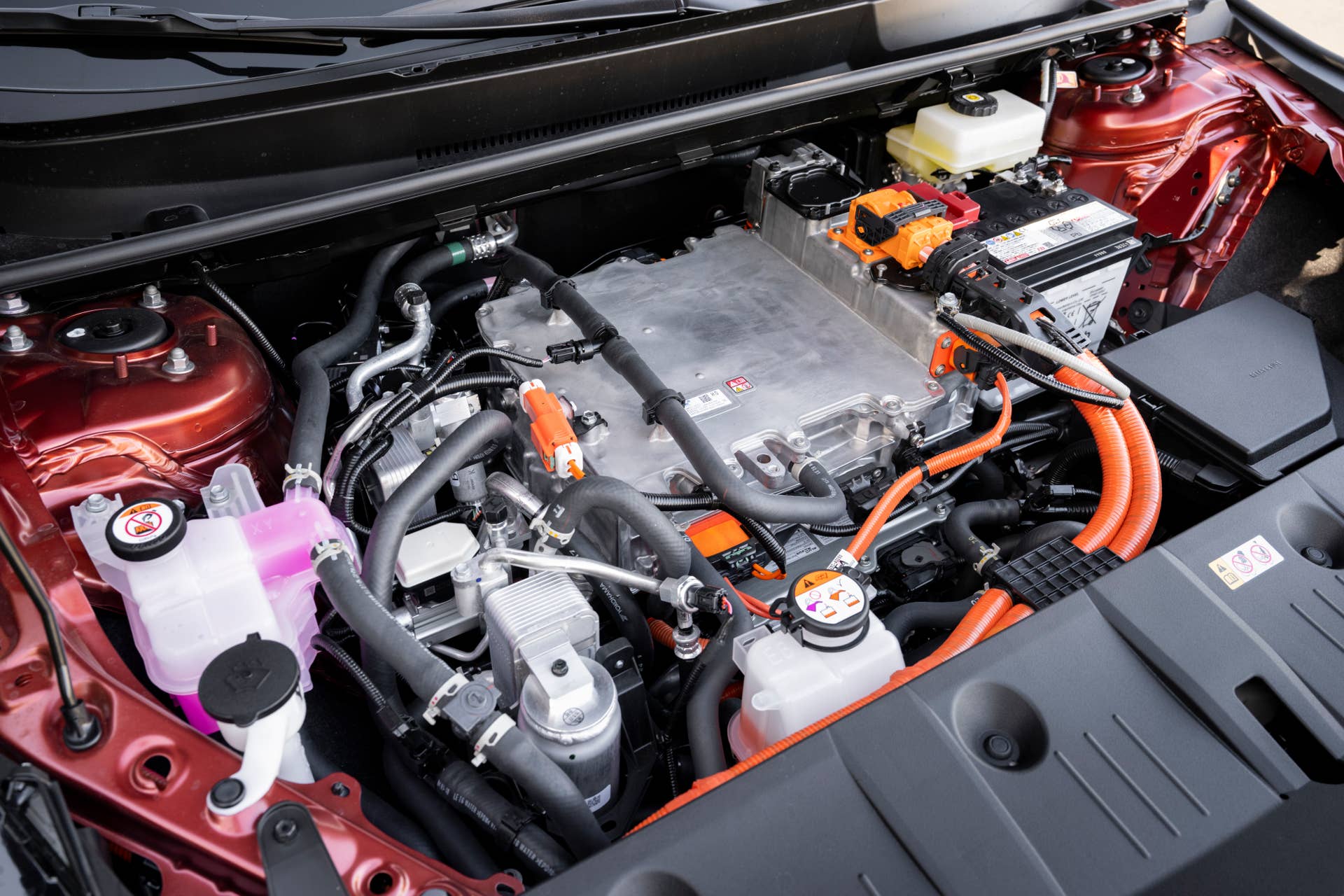
You don’t buy a small EV if you don’t care about efficiency. The Niro’s EPA-rated figures work out to 126/101/113 MPGe city/highway/combined, with annual charging costs of around $700. In the Toyota, the numbers are better at 127/107/117 MPGe, dropping annual average charging costs to $650.
You also get a better 287-mile range in the C-HR when it’s on 18-inch wheels; 20-inch wheels drop the range to 273 miles. That’s still better than the Niro EV, which gets 253 miles on a full charge, in part due to its smaller battery.
One may have expected the Kia to be more efficient since it’s way down on performance and doesn’t have AWD, but that’s not the case.
3. Niro Has More Passenger Space
Kia
Kia
Toyota
Toyota
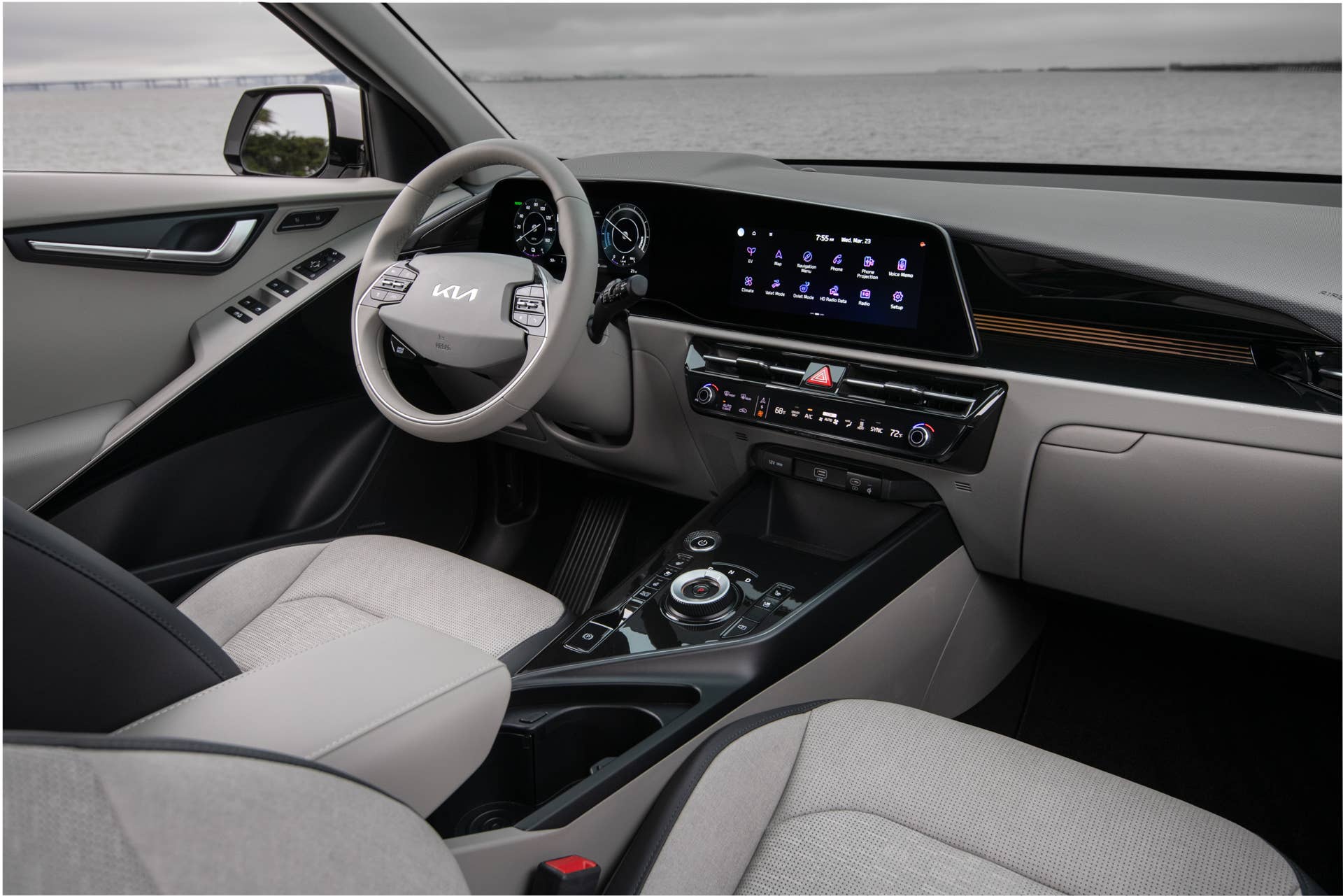
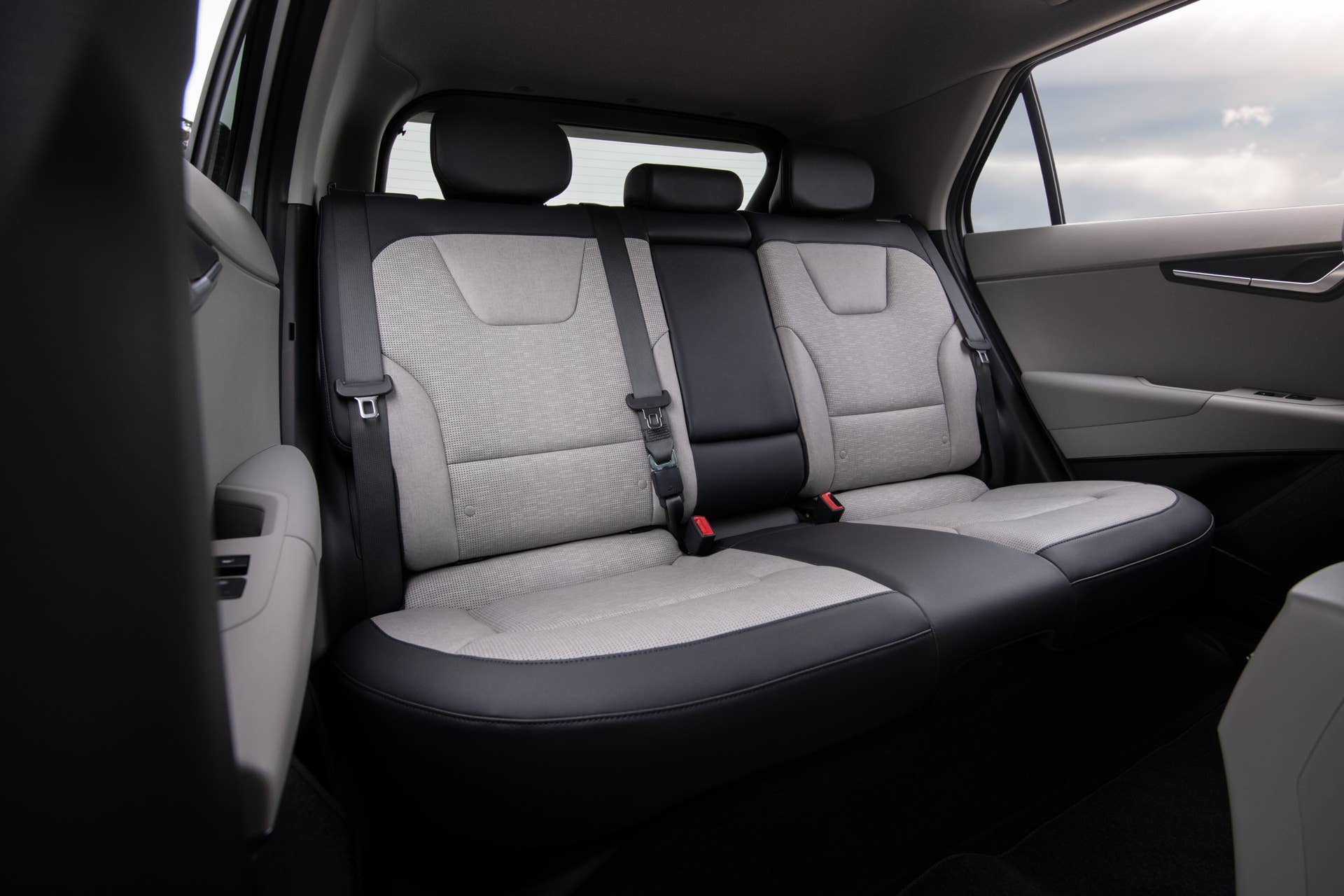
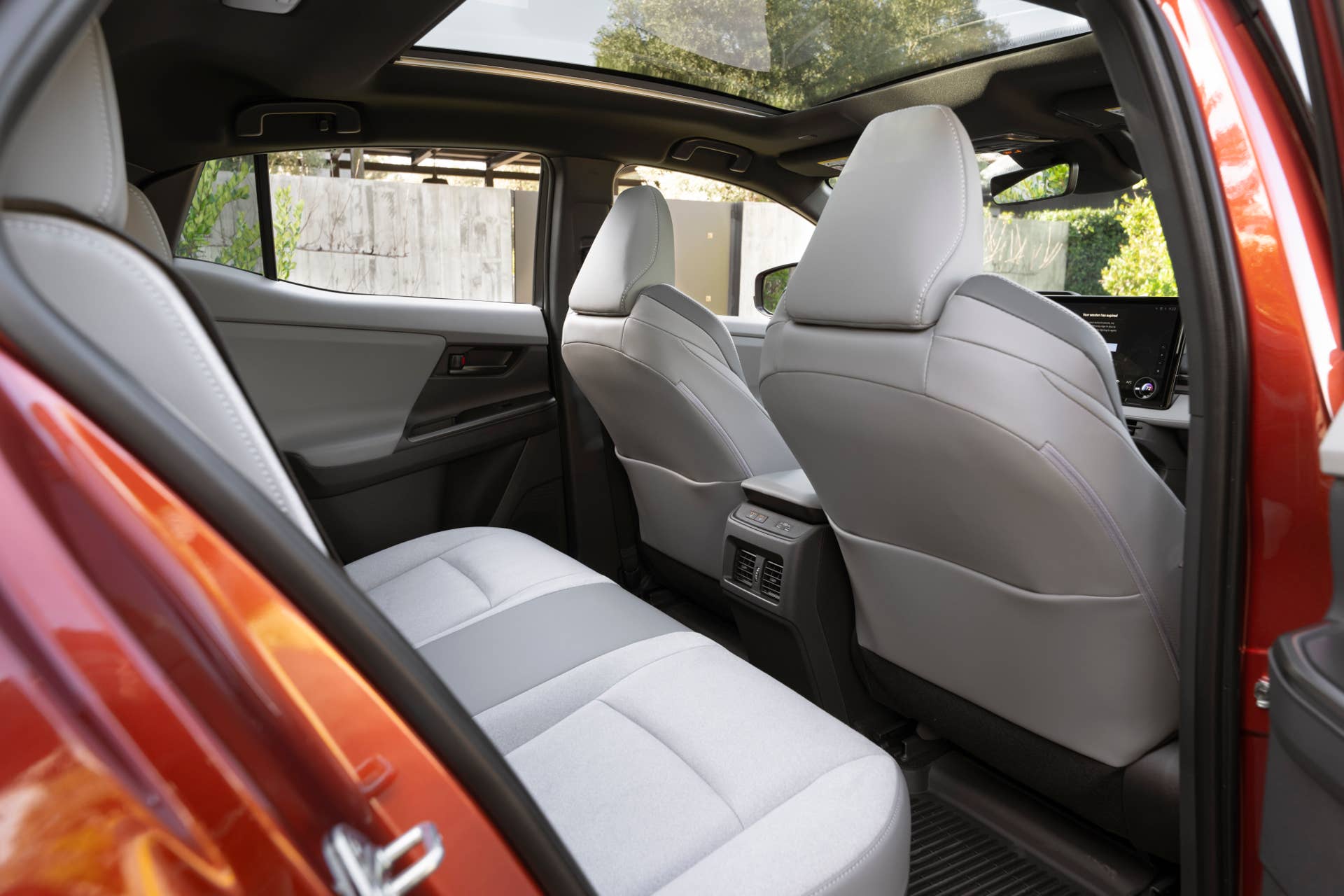
The Toyota C-HR may be quick and stylish, but it’s not the most practical vehicle around, especially in the back seat. Here, passengers get just 32.2 inches of legroom, well behind the Niro EV’s 36.9 inches. Headroom and shoulder room also favor the Kia, so it’s a better vehicle for a small family, which may come as a surprise since the Toyota is longer and wider in overall size.
Kia
Toyota
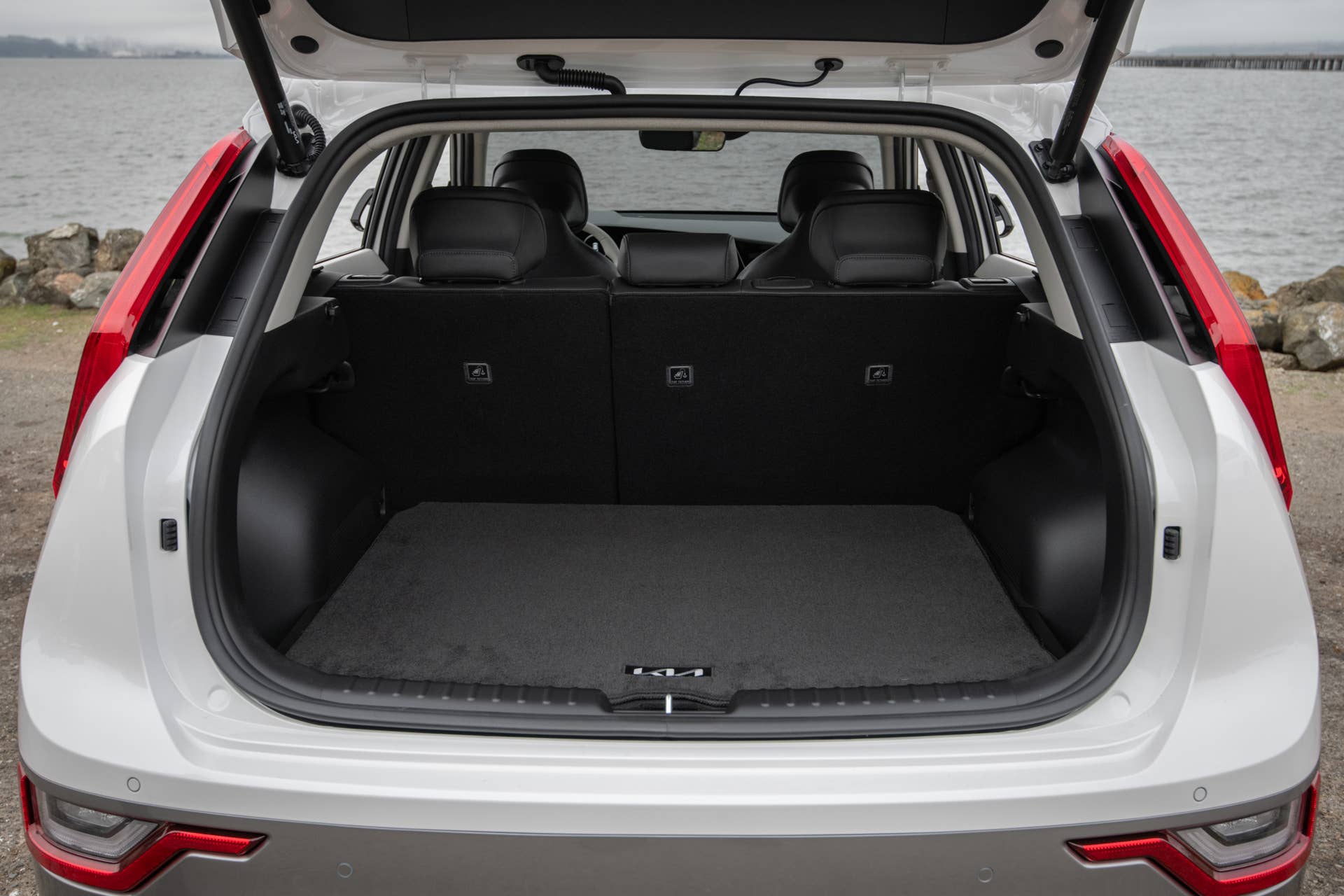
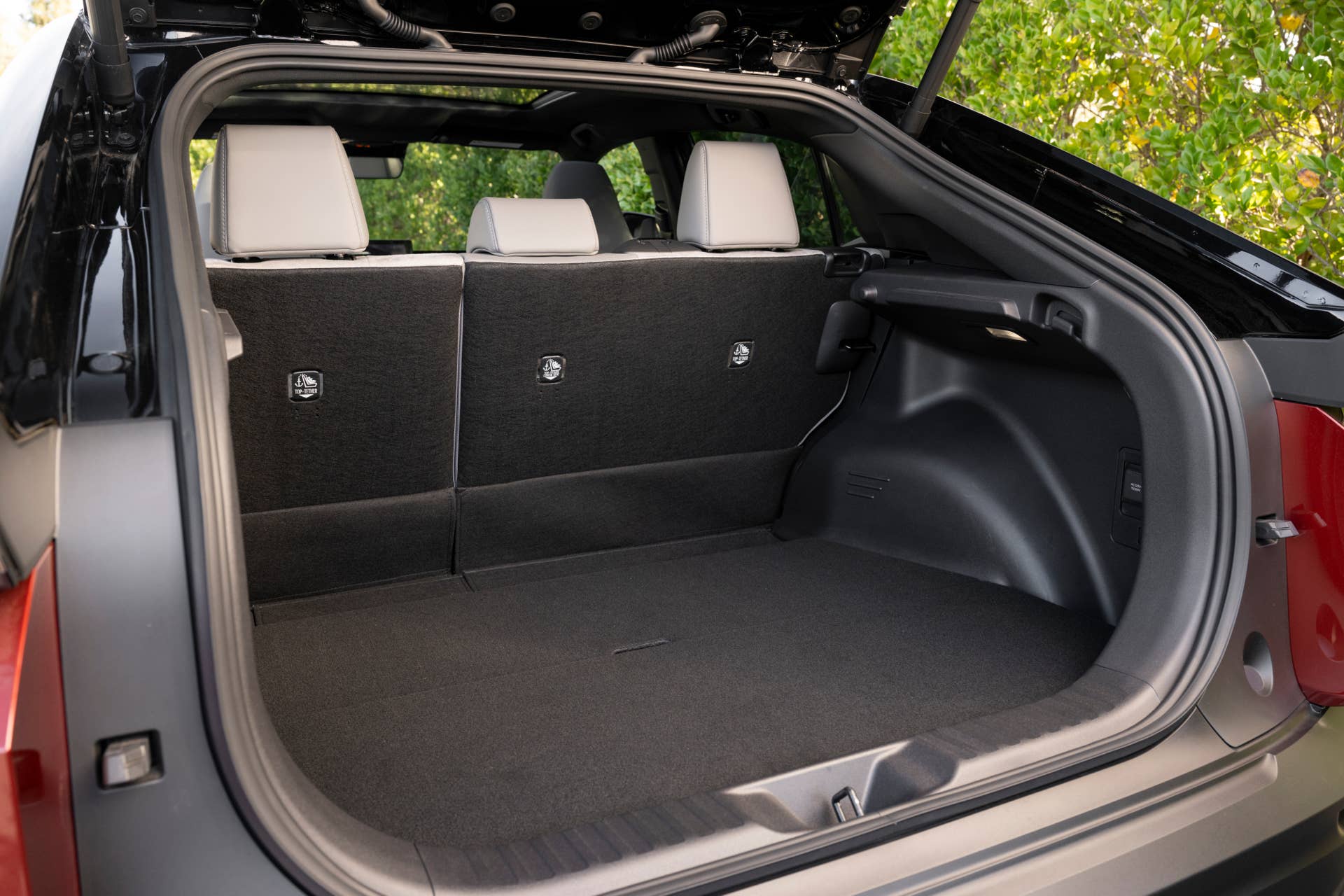
The Toyota fights back with a slightly larger trunk, measuring 25.3 cubic feet to the Kia’s 22.8. However, the Kia has more total utility space when you fold its back seats down.
4. Kia’s Warranty Outshines Toyota’s
Kia
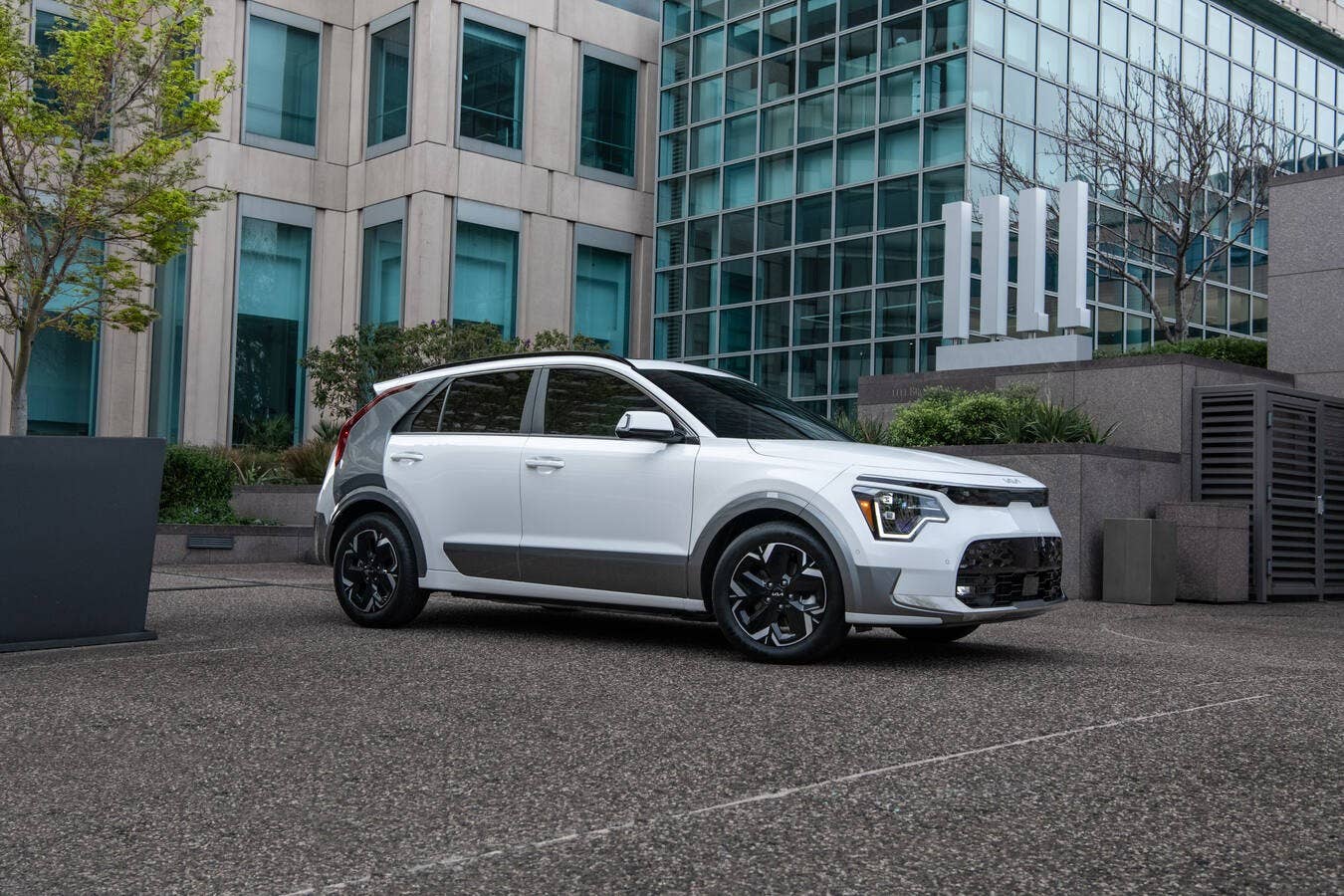
The Toyota C-HR comes with the typical three-year/36,000-mile limited warranty and five-year/60,000-mile powertrain warranty of other Toyotas. Here, the Kia easily pulls ahead with its five-year/60,000-mile limited warranty and 10-year/100,000-mile powertrain warranty. Kia’s EV battery warranty also outlasts the Toyota’s by two years.
However, the C-HR does get two years/25,000 miles of complimentary scheduled maintenance, which the Kia does not.
5. C-HR Starts Cheaper
Cole Attisha
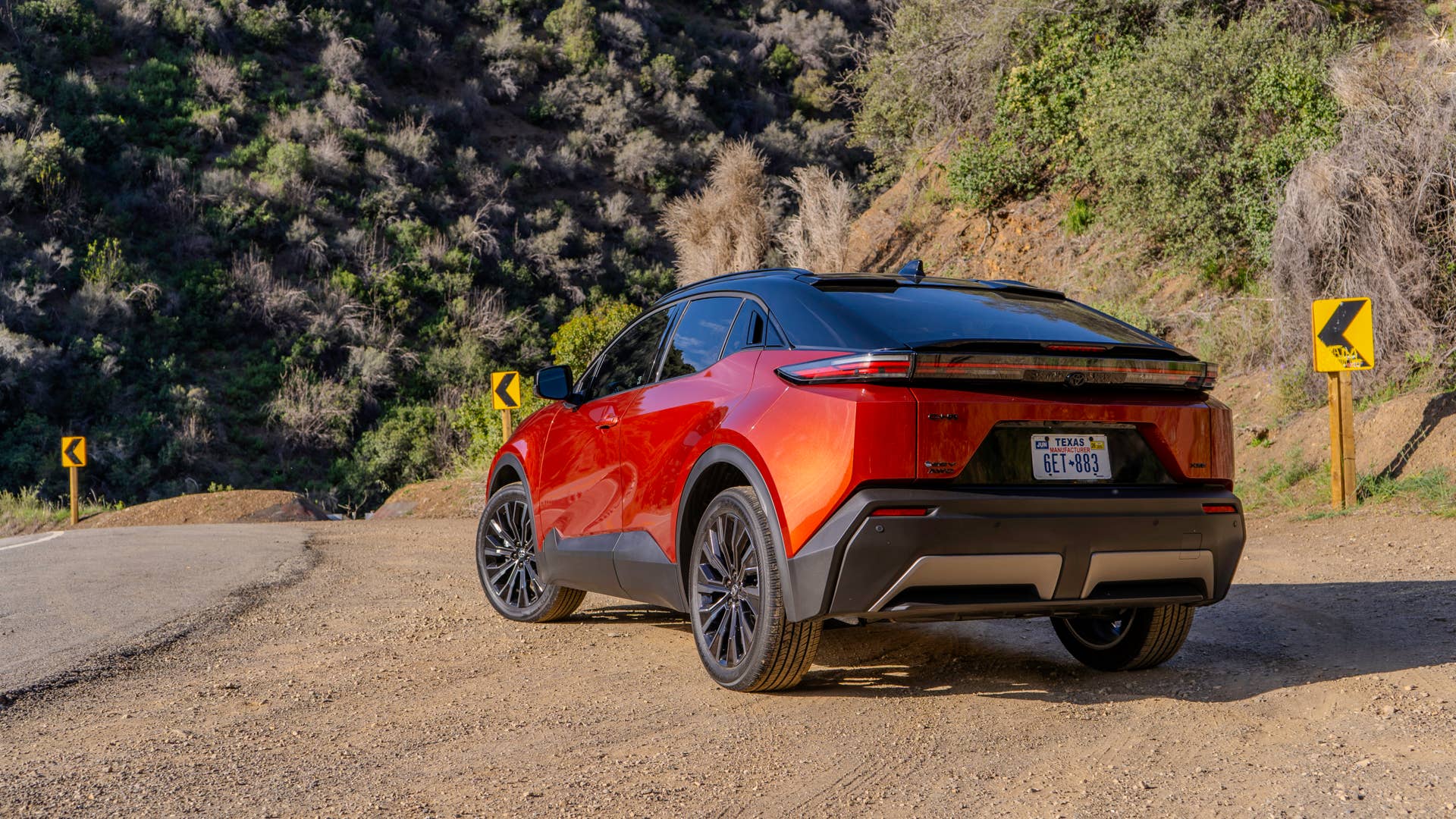
Kia’s often undercut comparable Toyotas, but that’s not the case here. The 2026 Toyota C-HR starts at $37,000 for the SE and goes up to $39,000 for the XSE. For the Kia, expect to pay $39,700 for the Wind and $44,700 for the Wave, which is expensive considering what else you can get for that price. Here’s a look at standard and optional features for the two vehicles:
| Toyota C-HR | Kia Niro | |
| Wheels | 18-inch alloys | 17-inch alloys |
| LED headlights | S | O |
| Power liftgate | S | S |
| Panoramic fixed glass roof | O | N/A |
| Power sunroof | N/A | O |
| Automatic dual-zone climate control | S | S |
| Upholstery | Fabric/SofTex or Synthetic Suede/SofTex | Vegan leather/cloth or vegan perforated leather |
| Power-adjustable driver’s seat | 8-way | 10-way |
| Heated front seats | S | S |
| Ventilated front seats | N/A | O |
| Heated rear seats | O | O |
| Heated steering wheel | S | O |
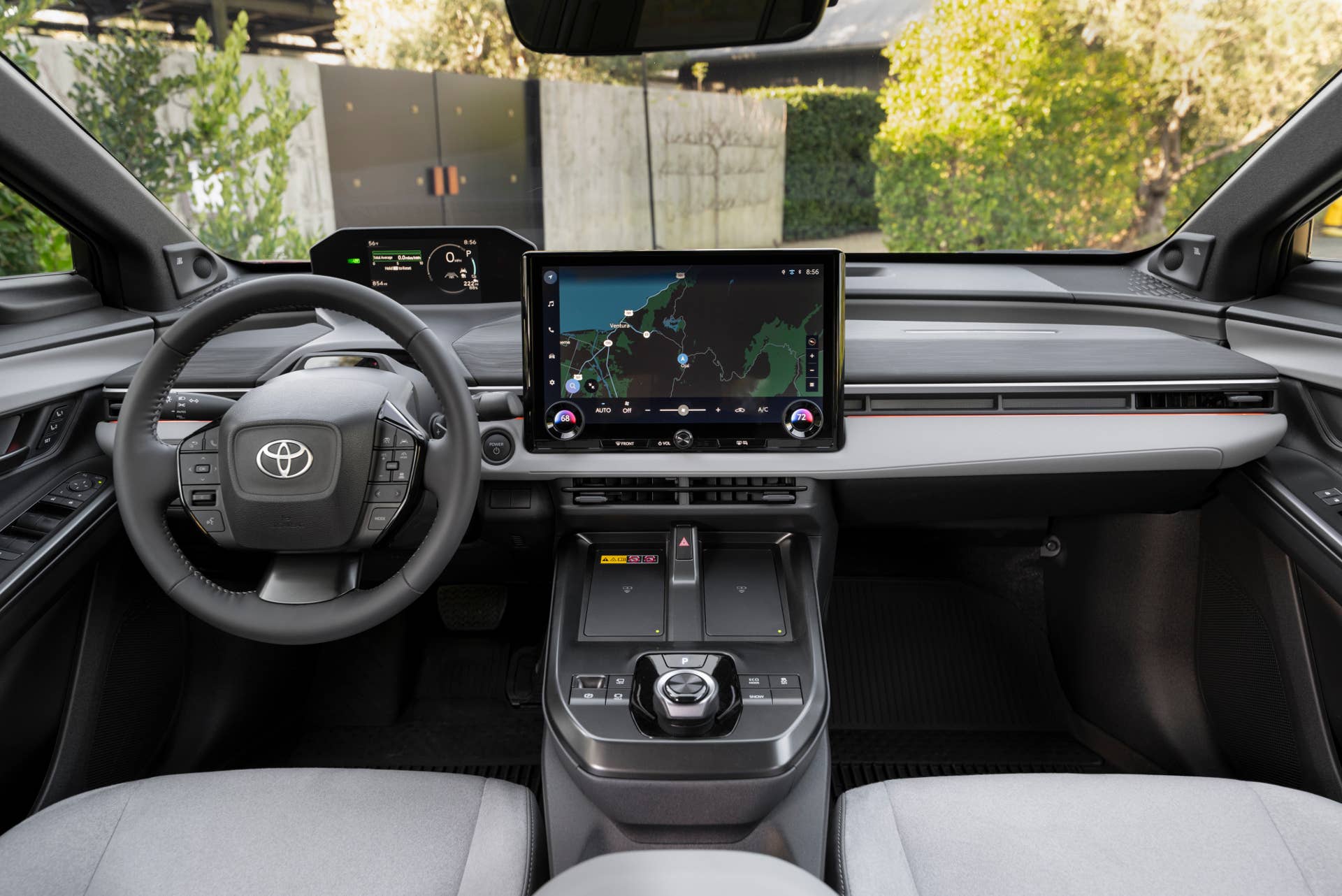
| Touchscreen | 14 inches | 10.25 inches |
| Driver’s display | 7 inches | 10.25 inches |
Specification levels are similar at base level, but the Toyota has a much larger touchscreen and its better-equipped trim isn’t nearly as expensive as the Kia’s. Considering the Toyota’s better performance and range, it looks to be the better deal between these two.
Final Thoughts
These are two rather different EVs. The Toyota strikes us as suiting a younger buyer with its potent performance, sporty looks, and impressive tech. It’s not short of substance, though, as you still get a competitive range on a full charge. The Kia is an older product and feels it. It’s comprehensively outgunned in a straight line and isn’t more efficient, either. However, the Niro is better as a family vehicle as it has significantly more rear-seat space. Its warranty is also very impressive if you plan to keep the car for a long time.
All things considered, we’d recommend going for the newer, fresher Toyota unless you absolutely need the Kia’s extra space.
About the author

Karl Furlong
Senior Editor, Autoblog