
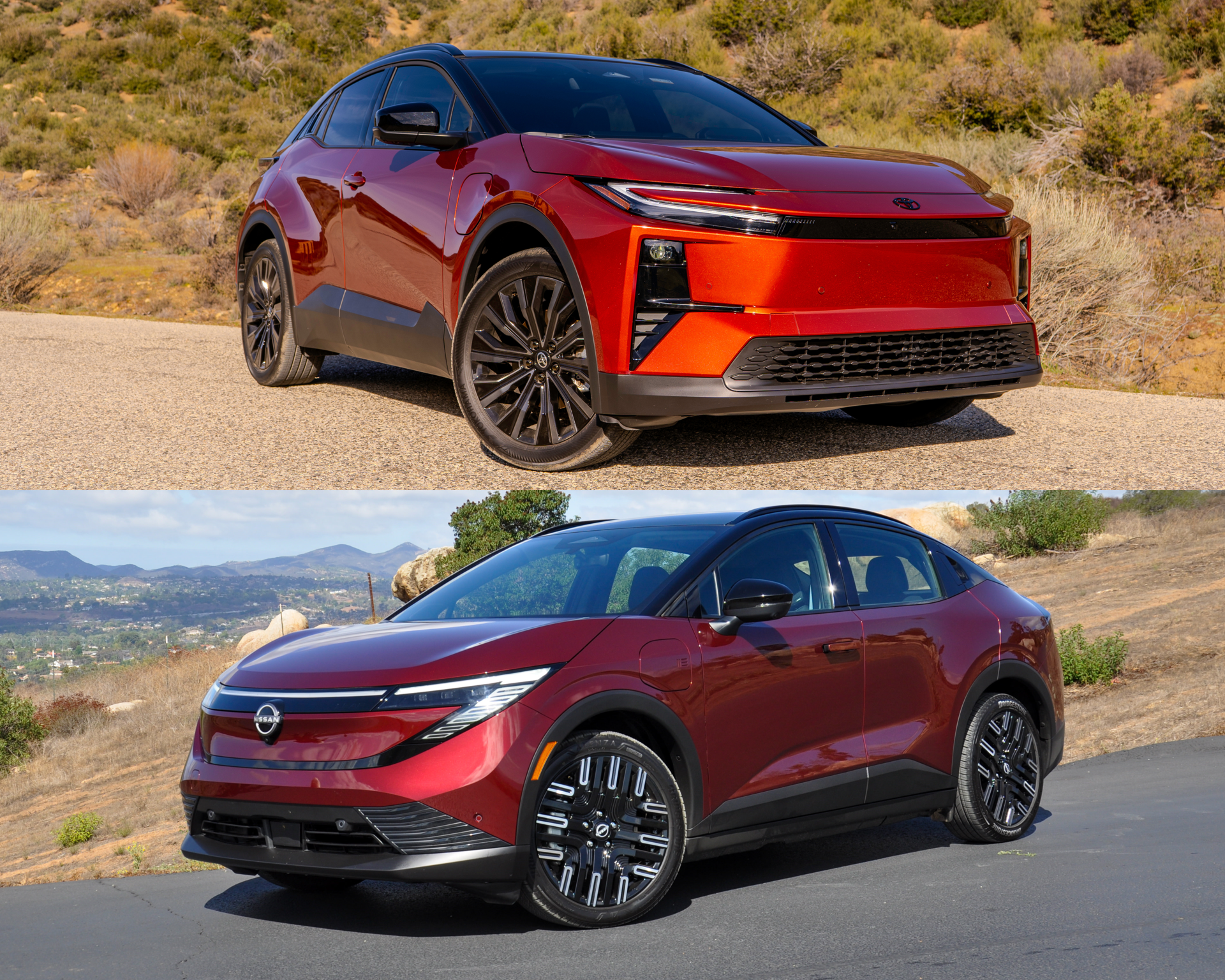
Over the course of two separate launch events, I found myself asking the same question about two compact electric crossovers that, at first glance, appear to serve the same purpose. The fully redesigned 2026 Nissan LEAF Platinum+ and the all-new 2026 Toyota C-HR XSE AWD both promise modern styling, over 270 miles of range, fast-charging capability, and a footprint that slips easily into urban life. Yet beneath the shared mission statement, they approach the idea of “the ideal compact EV SUV” from noticeably different angles. For me, the question I kept asking myself was, “What should a compact EV SUV mean to buyers?” Should it prioritize affordability and convenience above all else, or should it lean into character and performance, thereby charming customers with something more?
What follows isn’t just a spec-sheet comparison between two of the most competitive Japanese compact EV SUVs you’ll be able to buy in local showrooms this year. It’s a look at how each one feels to drive, to sit in, and ultimately, to consider as something you’d spend your own hard-earned money on.
Cole Attisha
Performance and Range: Speed vs. Sufficiency
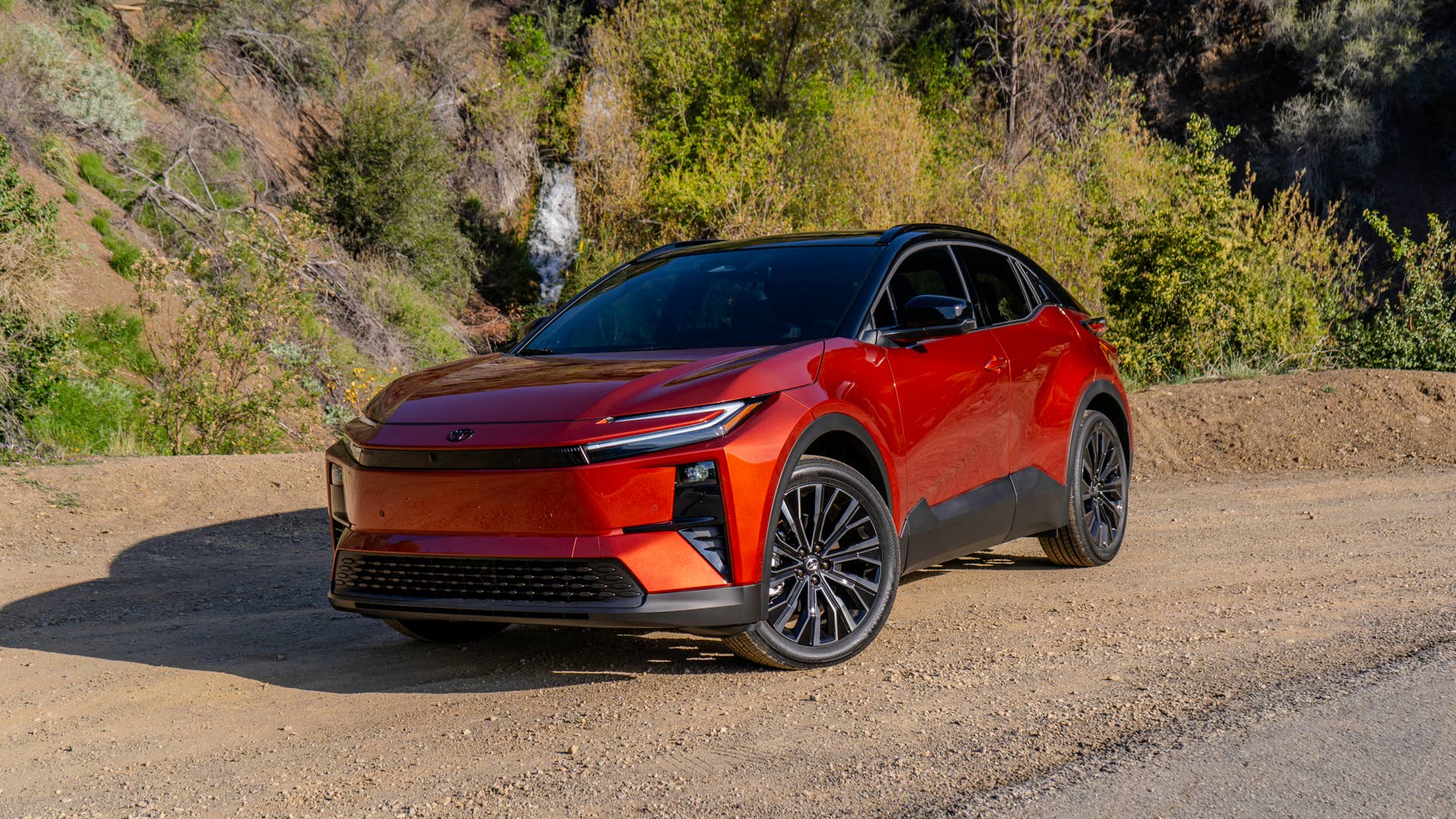
On paper, the Toyota C-HR makes a more dramatic entrance. The XSE AWD trim I drove pairs dual electric motors with a 74.7-kWh battery pack, producing 338 combined system horsepower. Toyota estimates a 0–60 mph time of 4.9 seconds and an EPA-rated 273 miles of range on this trim with its 20-inch wheels. Those numbers aren’t theoretical nonsense, either. On the road, the C-HR feels seriously quick—faster even than Toyota claims. It surges forward with the kind of immediacy that makes highway on-ramps feel irrelevant and canyon passes feel like go-kart tracks. There’s solid grip, too—standard all-wheel drive keeps everything tidy and composed, particularly when the route tightens and the surface changes.

Cole Attisha
The Nissan LEAF Platinum+ takes a more measured approach. Its new 3-in-1 integrated powertrain delivers up to 214 horsepower and 262 lb-ft of torque. With the larger 75-kWh battery, Nissan estimates up to 303 miles of range. On its own, the LEAF doesn’t feel underpowered, even if it provides far less steam than the C-HR. It moves with confidence and smoothness, and its throttle calibration is tuned for everyday drivability rather than theatrics. The extra projected range is noticeable psychologically, even if we didn’t run either vehicle down to single digits during our brief media routes. In daily life, knowing you have over 300 miles available changes how you think about charging stops.
Both vehicles adopt the North American Charging Standard (NACS) port. The Toyota can fast-charge from 10–80% in approximately 30 minutes under ideal conditions, while the LEAF can access Tesla Superchargers with Plug & Charge capability and even offers a second CCS-capable charge port. In 2026, the charging network matters almost as much as range itself, and here, both brands have removed a major barrier to ownership. Ultimately, the Toyota offers acceleration and AWD capability that genuinely elevate its performance credentials. The Nissan counters with longer range and a calmer, more balanced driving character. Neither feels lacking; they simply prioritize different aspects of the EV experience.
Cole Attisha
Design: Intentional Statements
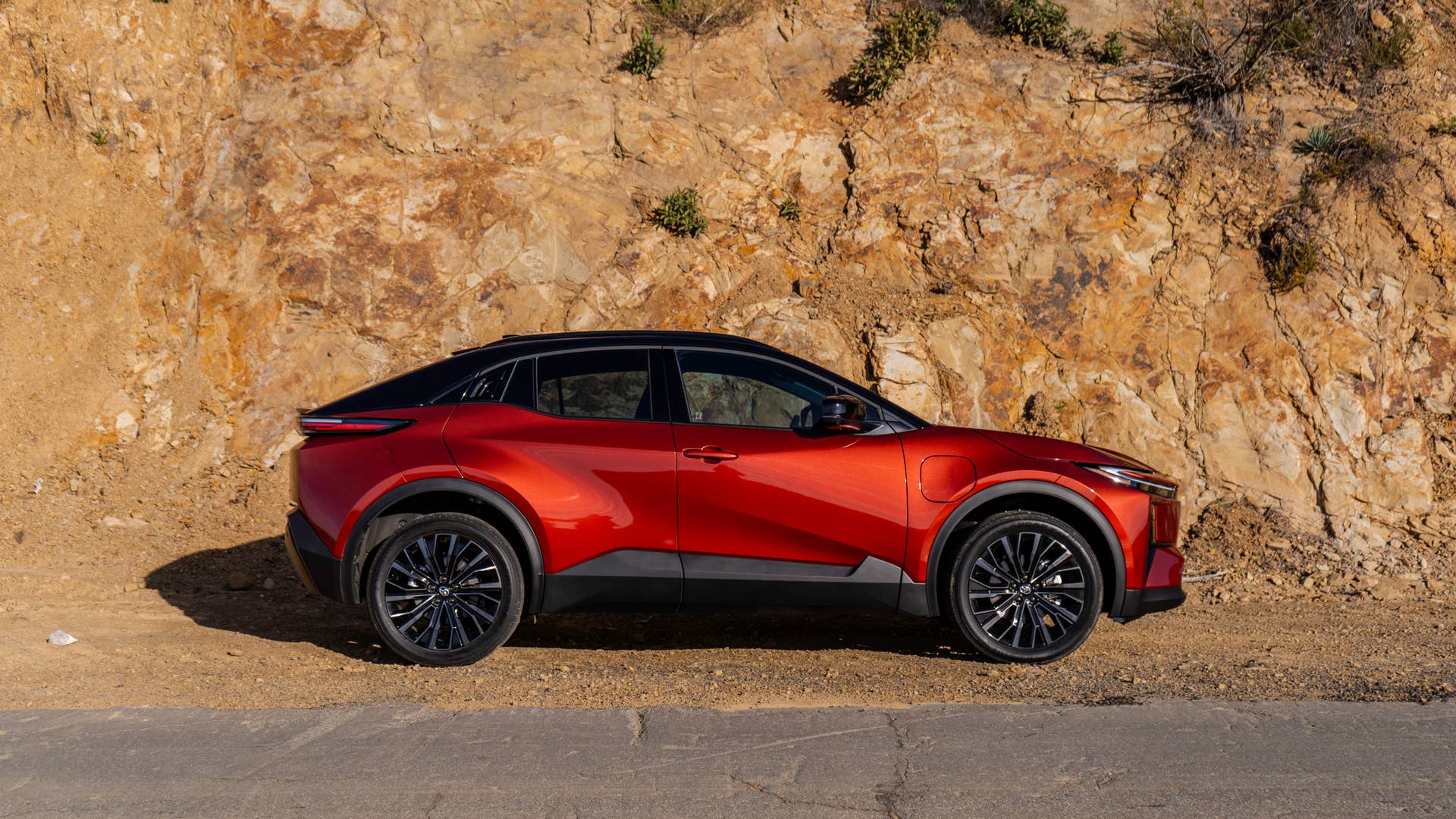
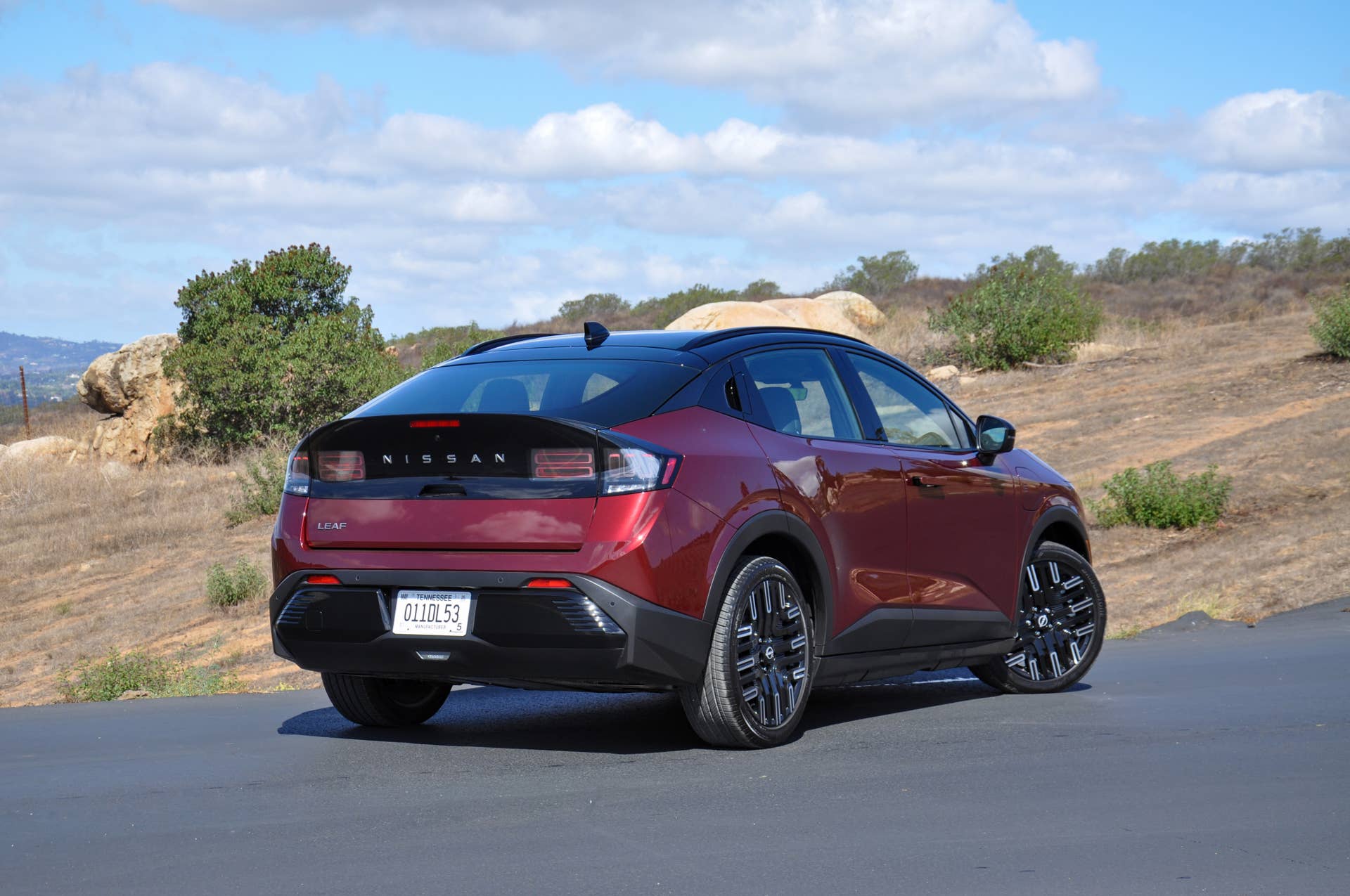
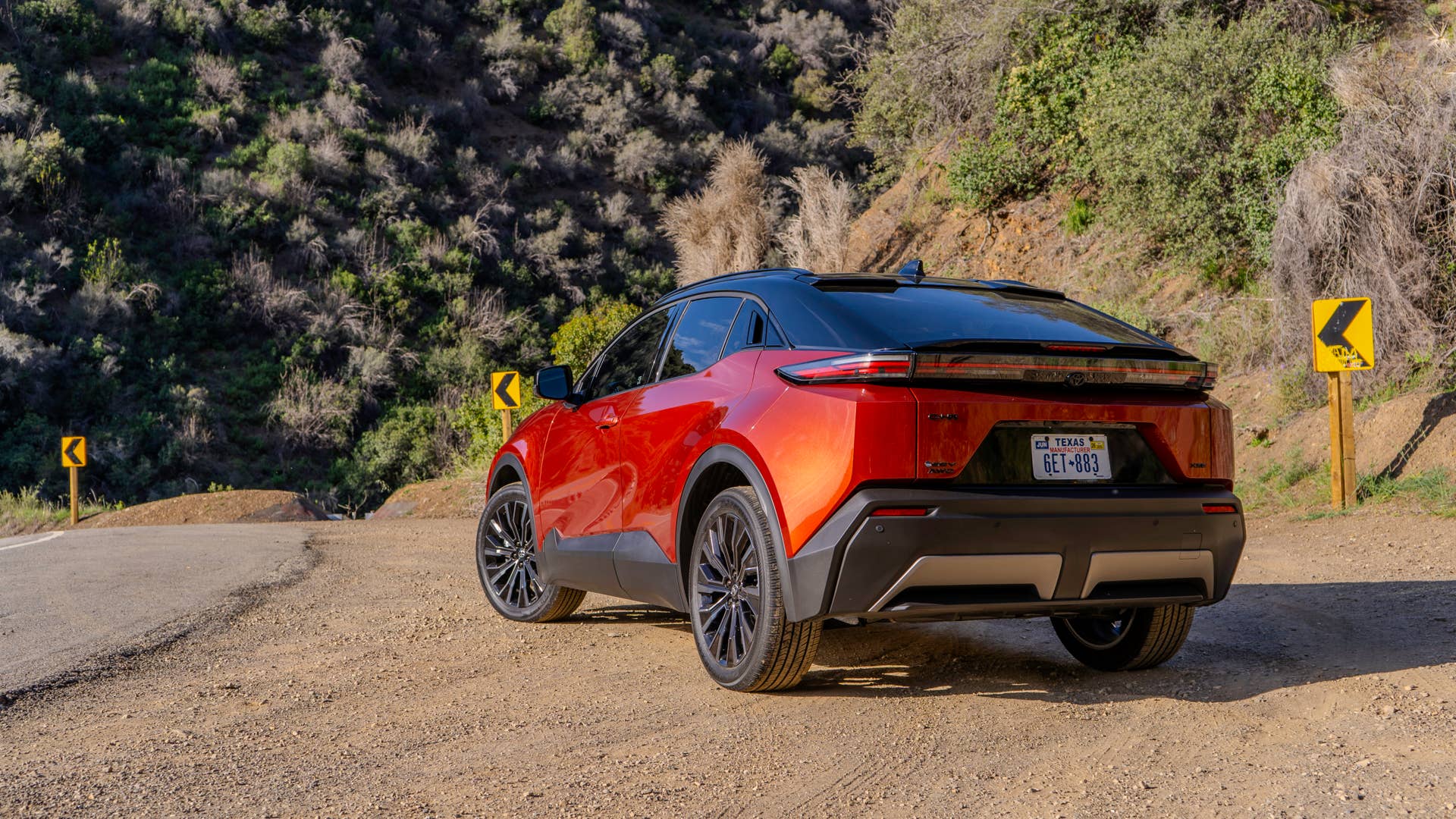
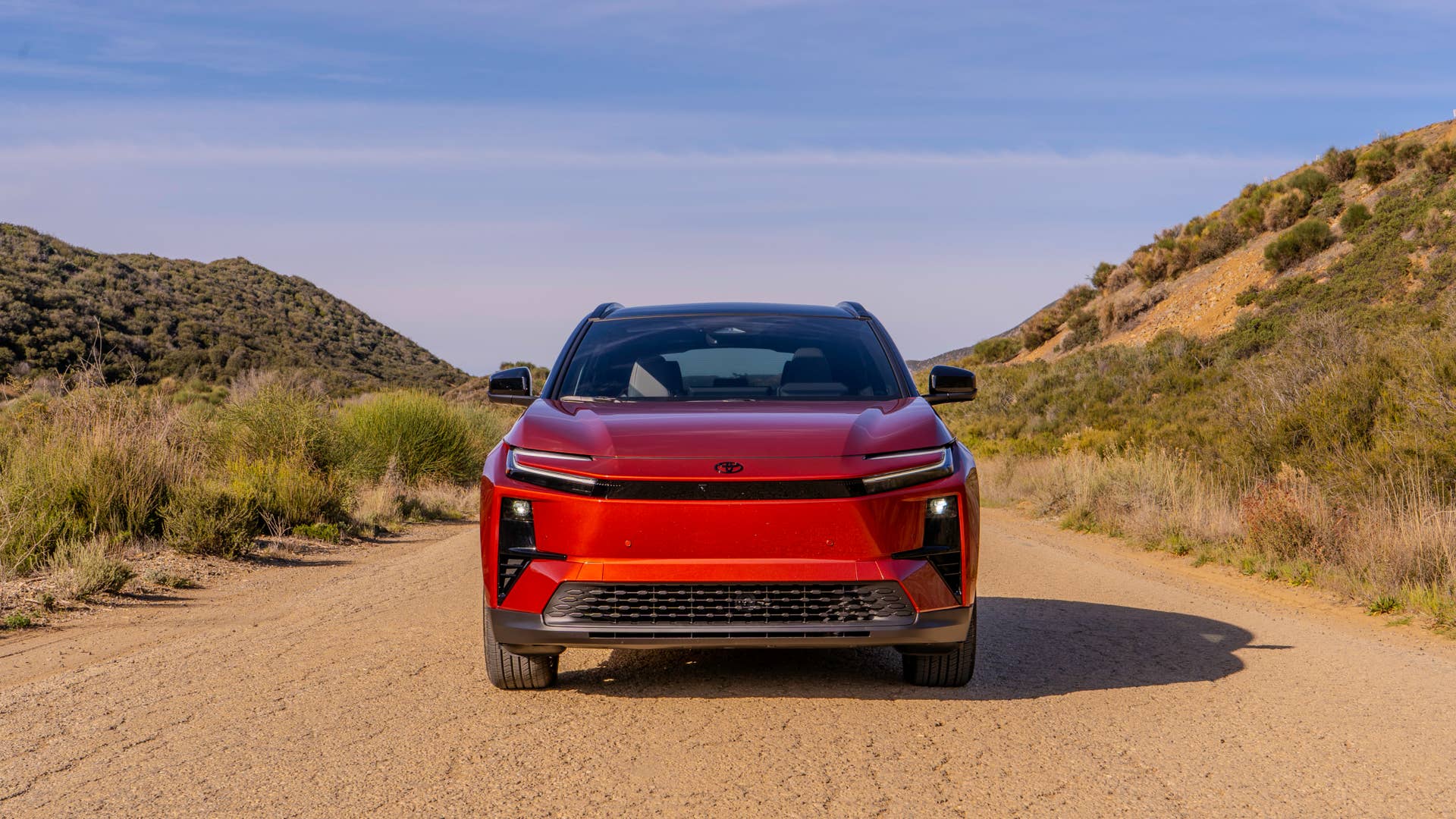
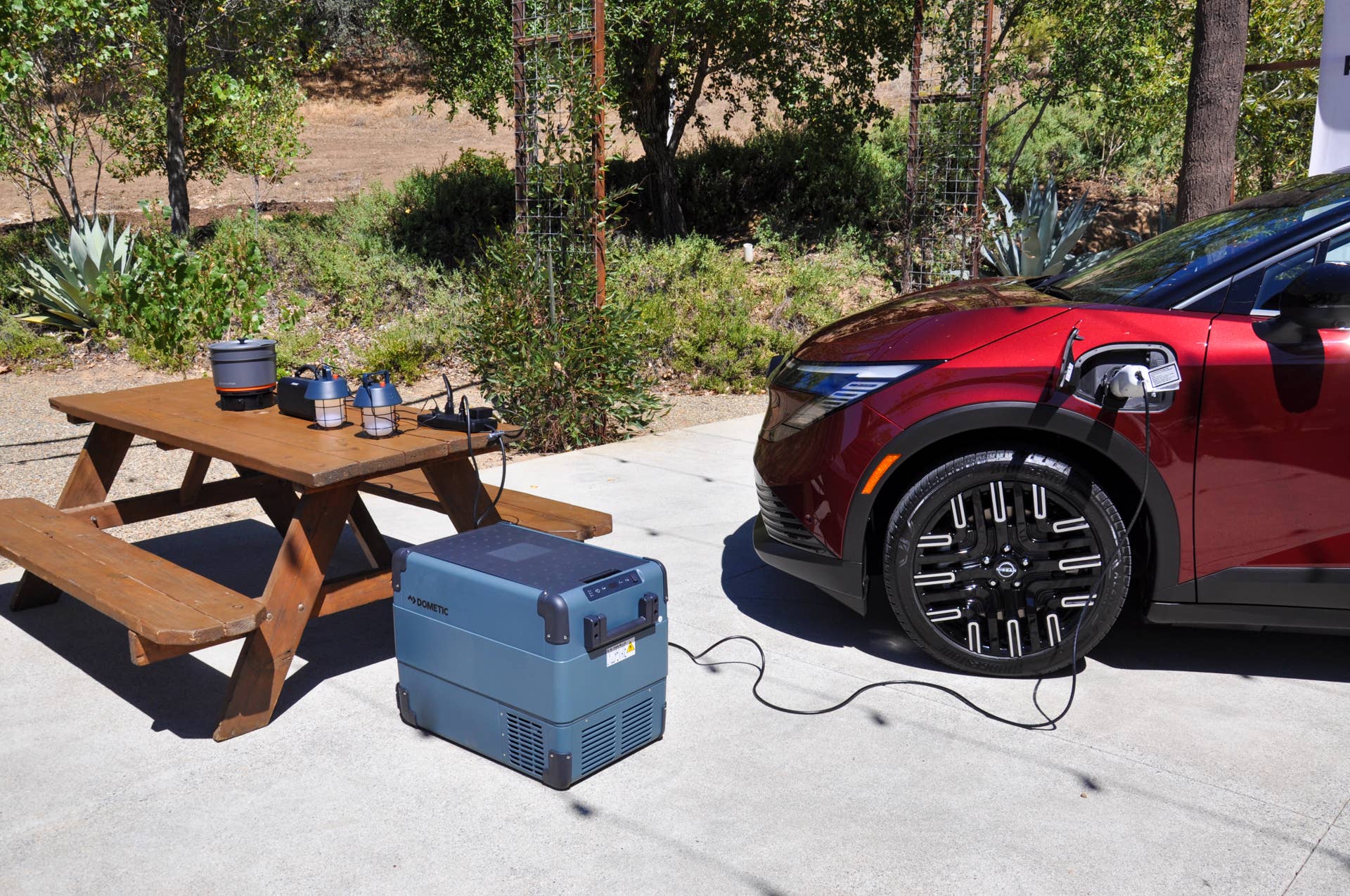
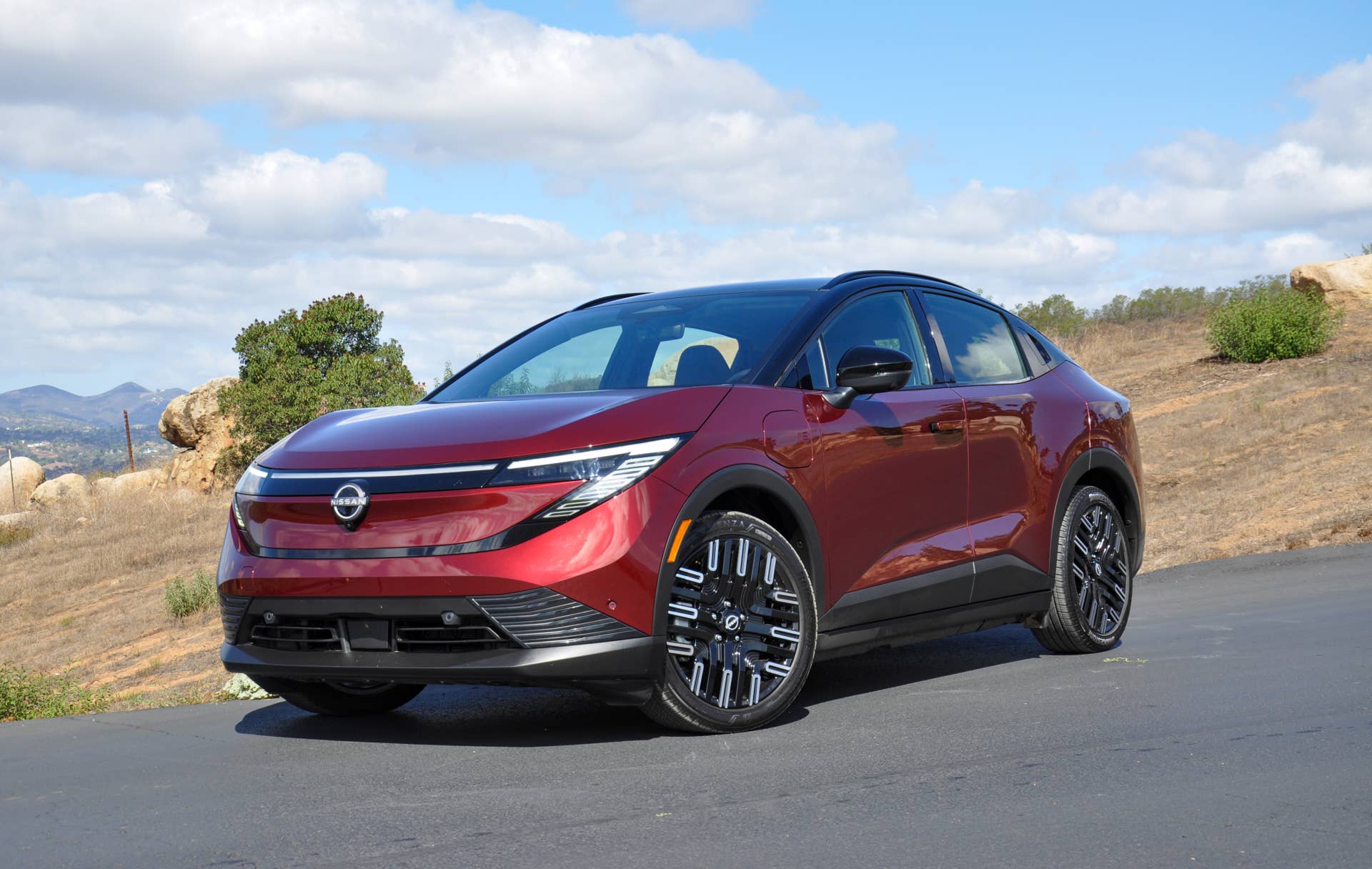
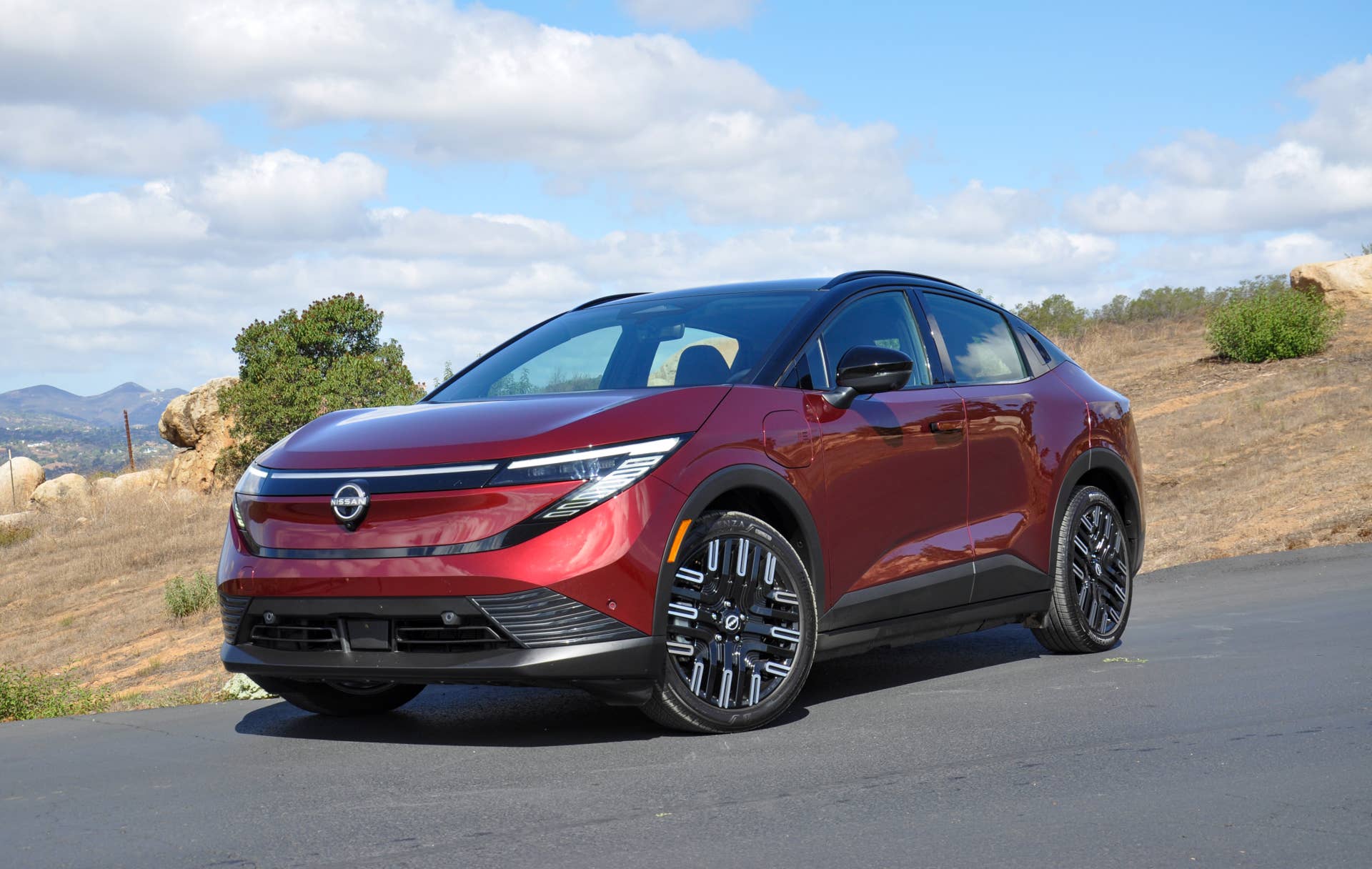
The third-generation LEAF marks a significant departure from its predecessors. Gone is the slightly awkward early-EV silhouette and its frog-like headlight shapes. In its place is a cleaner, more cohesive shape built on Nissan’s dedicated EV platform. Flush door handles, sculpted surfaces, and 300ZX-inspired rear lighting give it a contemporary presence that feels intentional rather than experimental. The Toyota C-HR, by contrast, leans into aggression. Its coupe-like roofline, pronounced fenders, and signature hammerhead front-end design language give it a wider, more athletic stance. It wants to be noticed.
Cole Attisha
Parked side by side, I think I’d find myself returning to the LEAF more often. There’s a uniqueness to its design that feels refreshingly different from the somewhat generic-looking Toyota, even if they do share near-identical body proportions. The Toyota is striking, but in a more performative way. The Nissan, to my eye, feels more daring. Neither approach is objectively superior. But if visual appeal factors into your buying decision—and it should—this is one area where personal preference will weigh heavily.
Interior Atmosphere: Clinical vs. Considered
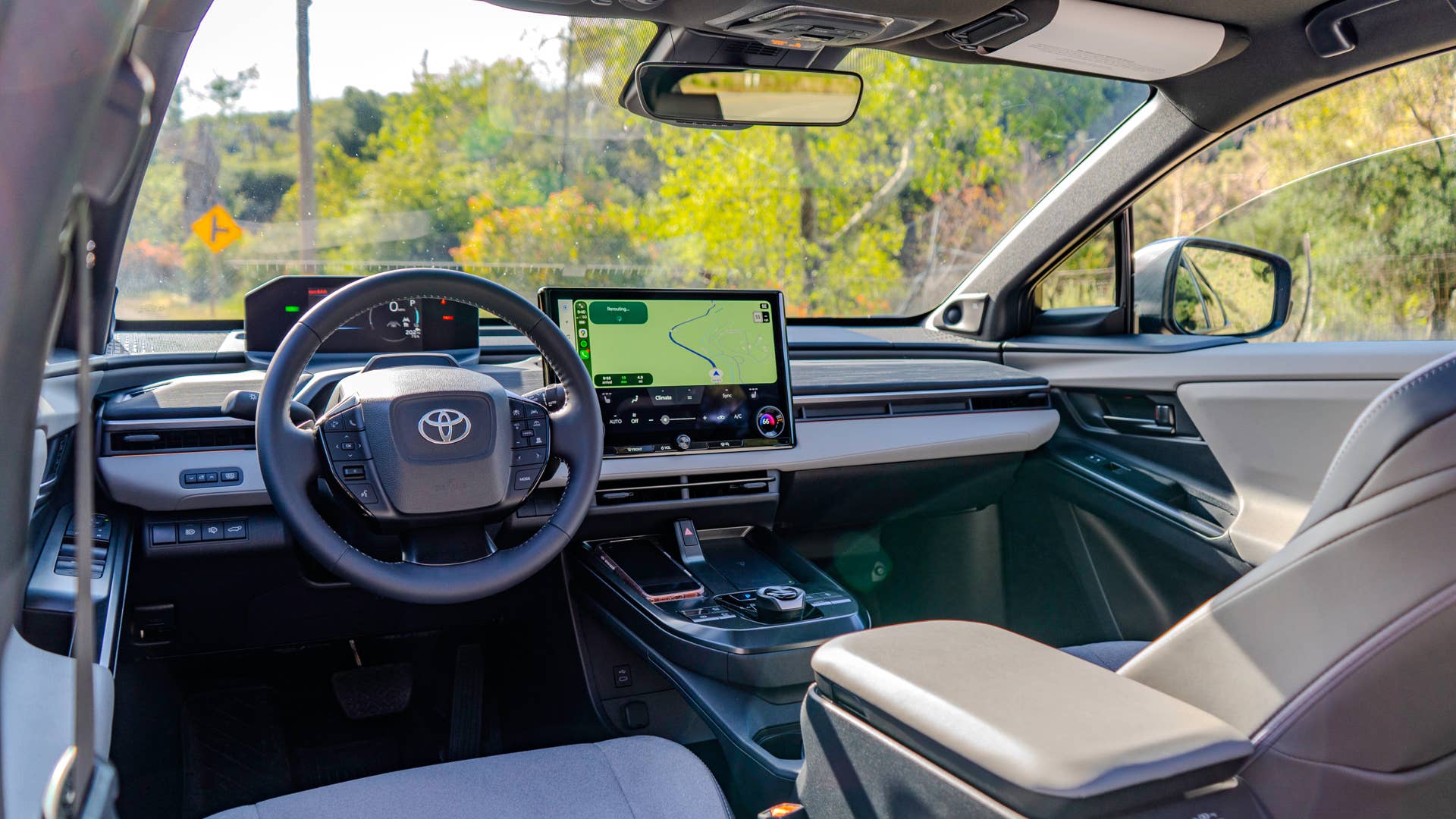
Step inside, and the philosophical divide becomes more apparent. The C-HR XSE AWD features SofTex and synthetic suede-trimmed seating, a 14-inch touchscreen, dual wireless chargers, and customizable ambient lighting. Cargo space measures up to 25.3 cubic feet behind the rear seats and expands to 59.5 cubic feet when the rear seats are folded. Objectively, it’s well equipped. Yet despite the generous tech and materials, the Toyota’s cabin still feels somewhat clinical. Everything works, and everything is logically arranged. But the emotional temperature is cool, almost detached.
Cole Attisha
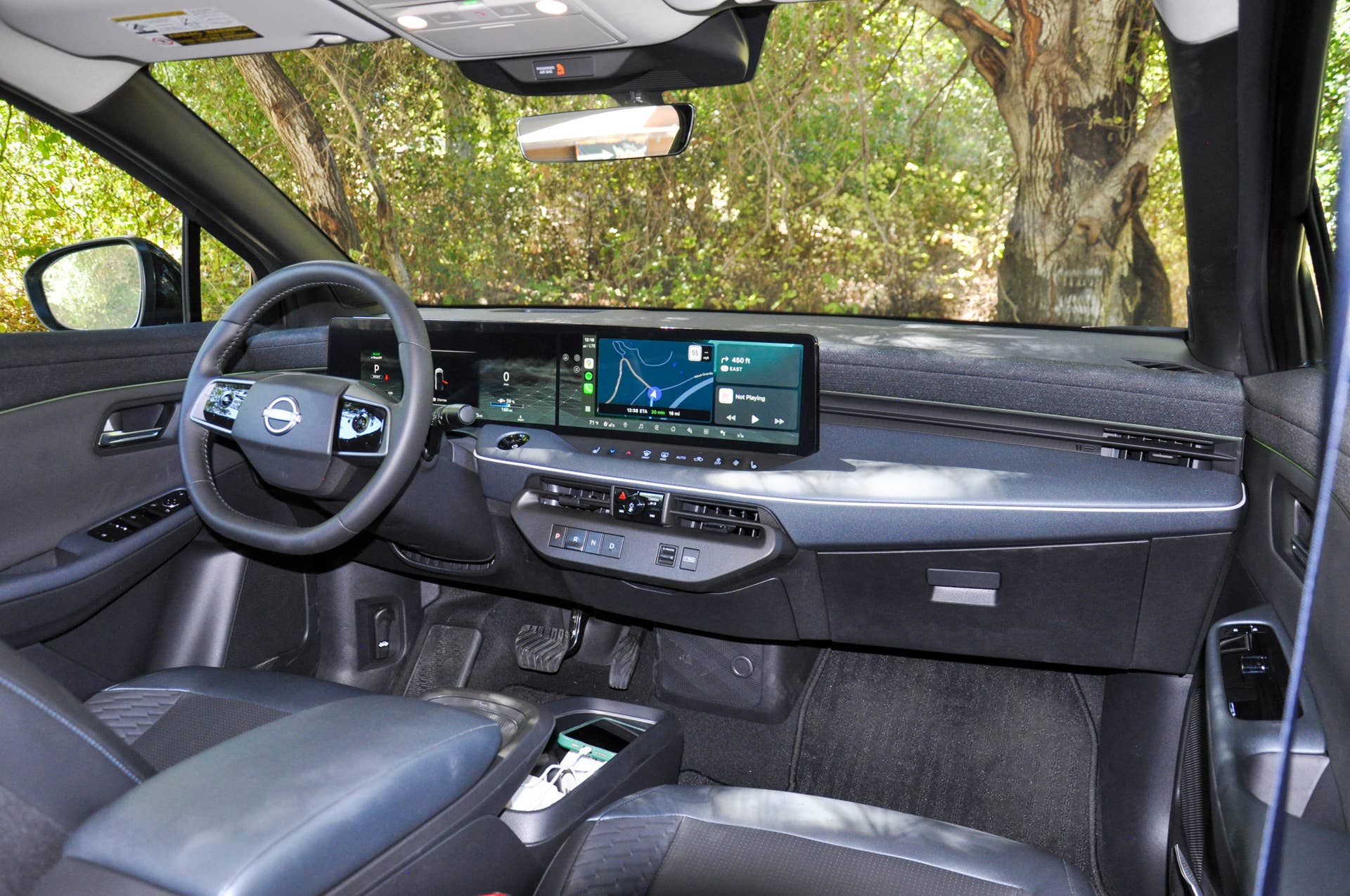
The LEAF Platinum+, meanwhile, surprised me. Its interior leans toward minimalism but not toward sterility. With Google built-in functionality, a class-exclusive Bose Personal Plus sound system, proprietary Zero Gravity seats, and 64-colour ambient lighting, it delivers polish without feeling overwrought. The design feels cohesive, the layout intuitive, and the overall environment more inviting. For buyers stepping into EV ownership primarily for convenience and cost savings, that sense of comfort matters. If the Toyota feels like a modern tech showroom, the Nissan feels more like a thoughtfully designed living space. Plus, the LEAF offers far more physical buttons, and that alone is a win in my book.
Cole Attisha
Driving Dynamics: Engaged vs. Effortless
On twistier sections of our routes, the Toyota’s intent became clear. The low center of gravity and dual-motor setup provide real composure. Steering response is sharp for the segment, and there’s a willingness to change direction that aligns with its 338-horsepower output. It is, without exaggeration, one of the more athletic compact EV crossovers currently available. The LEAF doesn’t chase that same edge. Instead, it prioritizes ride quality and refinement. It absorbs imperfect pavement gracefully and maintains a consistent, predictable demeanour. There’s no sense of strain or urgency; it simply does what’s asked of it.
At Road Ethos, we often talk about the distinction between performance for excitement and performance for purpose. The C-HR feels tuned to impress. The LEAF feels tuned to live with. Neither philosophy is wrong. But they do cater to different buyers.
Cole Attisha
Value Proposition: The Financial Reality
Pricing reframes the conversation quickly. The 2026 Toyota C-HR starts at $37,000 before destination. The XSE AWD trim I drove pushes the figure higher, over the $40,000 mark. The 2026 Nissan LEAF S+ with the 75-kWh battery starts at $29,990, which is a major difference. Toyota’s argument centers on performance and standard AWD capability. You’re paying for acceleration, grip, and a more dynamic driving experience. For some buyers, that’s entirely justified. Nissan frames the LEAF as accessible and efficient, offering more projected range at a significantly lower starting price. If your goal in buying a compact EV SUV is to reduce fuel expenses, lower maintenance costs, and simplify daily life, that argument carries considerable weight.
Cole Attisha
Final Thoughts: Two Competent Interpretations
This isn’t necessarily a case of one vehicle dramatically outperforming the other. Both the 2026 Nissan LEAF Platinum+ and the 2026 Toyota C-HR XSE AWD are competent, thoughtfully engineered compact EV SUVs that represent serious progress for their respective brands. If you prioritize acceleration, all-wheel-drive capability, and a sharper driving character, the Toyota makes a compelling case. It feels eager and athletic in ways that challenge preconceptions about small electric crossovers.
If, however, your priorities lean toward value, range, cohesive design, and a cabin that feels inviting rather than clinical, the LEAF edges ahead. If I had to choose one for my own driveway, I’d take the Nissan, but it wouldn’t be an easy decision. It’s not because the Toyota lacks merit, but because if I’m stepping into a compact EV SUV, I’m doing so for rational reasons. I want to lower my operating costs and enhance convenience. I want a vehicle that feels well-rounded rather than performance-focused. Both vehicles fulfill their brief. The difference lies in how you define what the vehicle should be in the first place. And that, more than horsepower or infotainment screen size, is what ultimately decides the winner.
For more enthusiast-driven automotive content, visit our partner site, Road Ethos, and join a community of car lovers blogging about what they know best.
About the author

Cole Attisha
Staff Writer, Autoblog