

Entry-level luxury vehicles can often be a hard sell, especially if they don’t offer a significantly different experience to cheaper mainstream alternatives. This is especially true of manufacturers like Acura, Genesis and Lexus, where their products share platforms and technologies with more conventional models.
But because of the parts sharing, they can often be priced more lucratively, and there are reliability benefits to be had, too. Lexus has long since benefited from its Toyota links, and we wanted to see whether the cheapest model it sells is still luxurious, and special enough to take on its class rivals.
The Lexus UX
Lexus
Lexus
Lexus
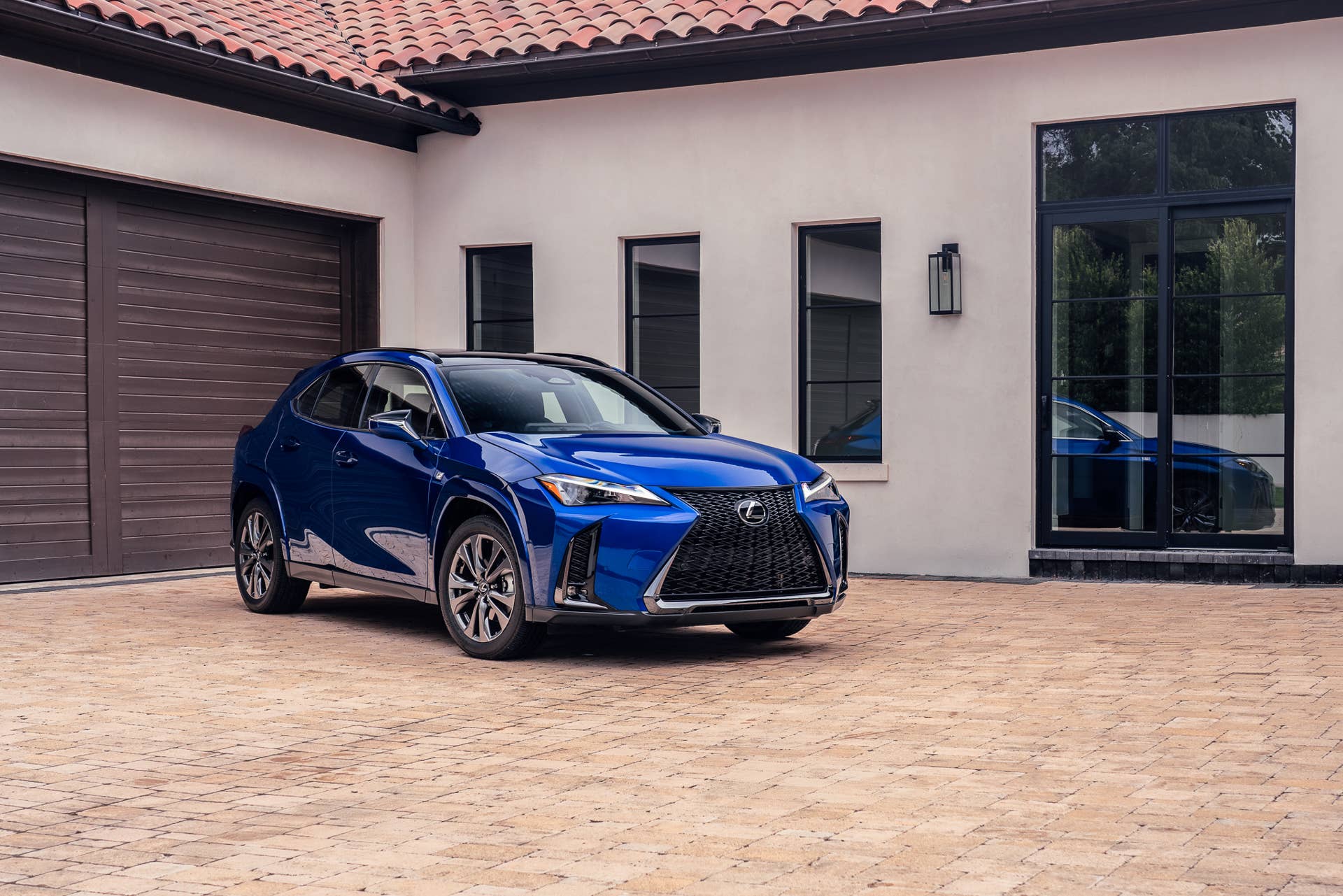
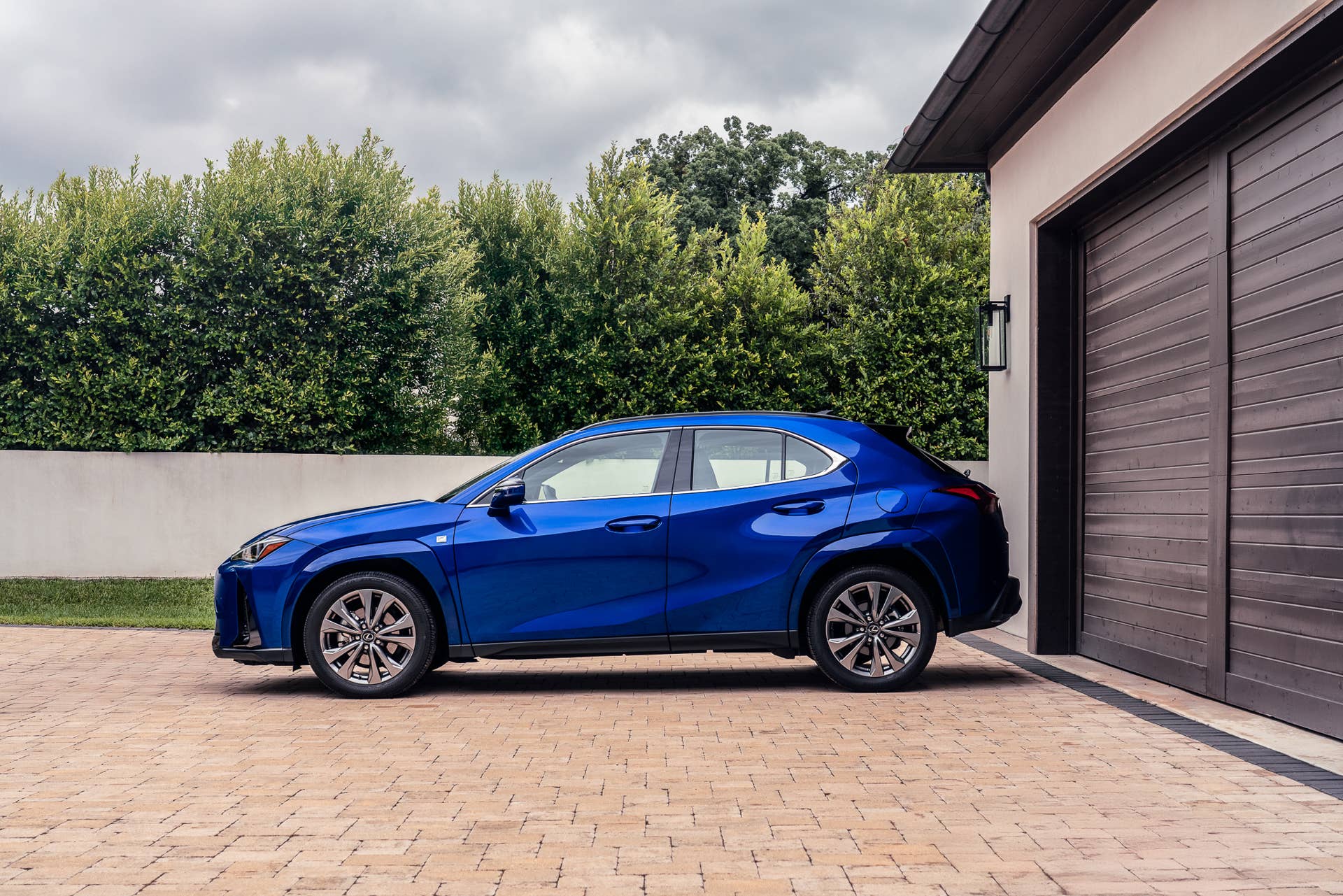
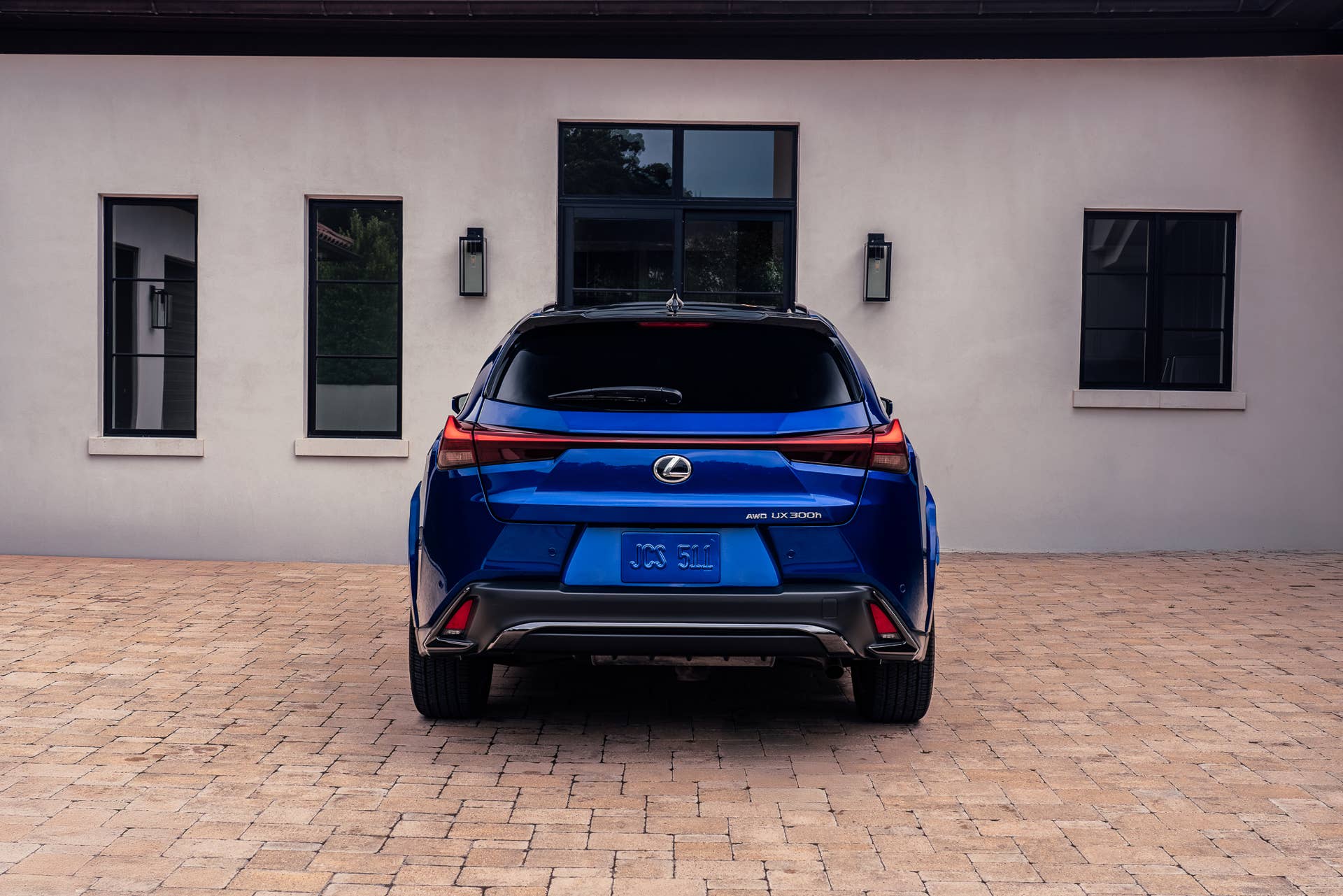
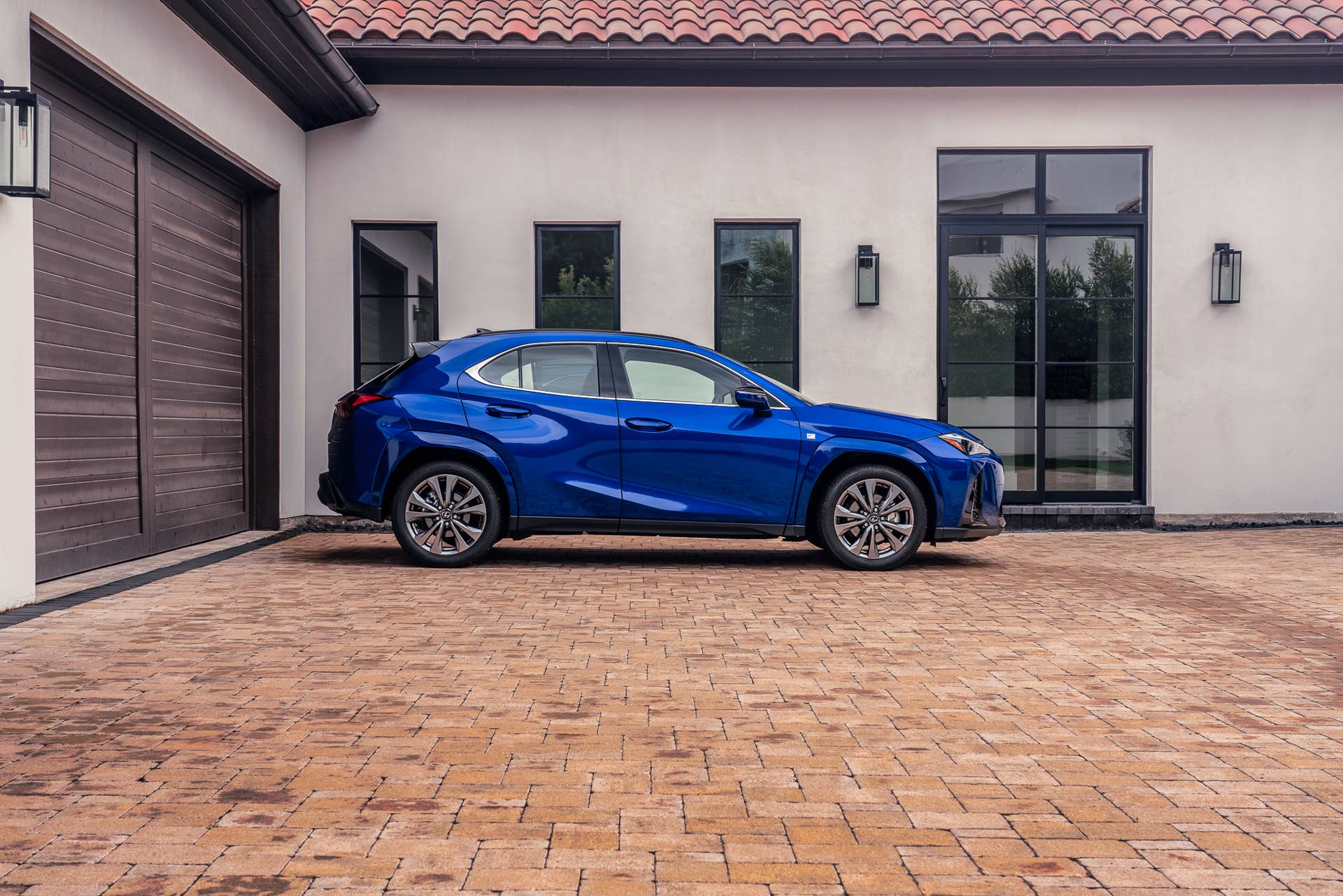
The most affordable Lexus currently on sale is the UX subcompact SUV. Introduced for the 2019 model year, the UX has served as the cheapest entry point into the Lexus family, and while it still looks sharp and has benefitted from regular updates, it is destined to end production in early 2027.
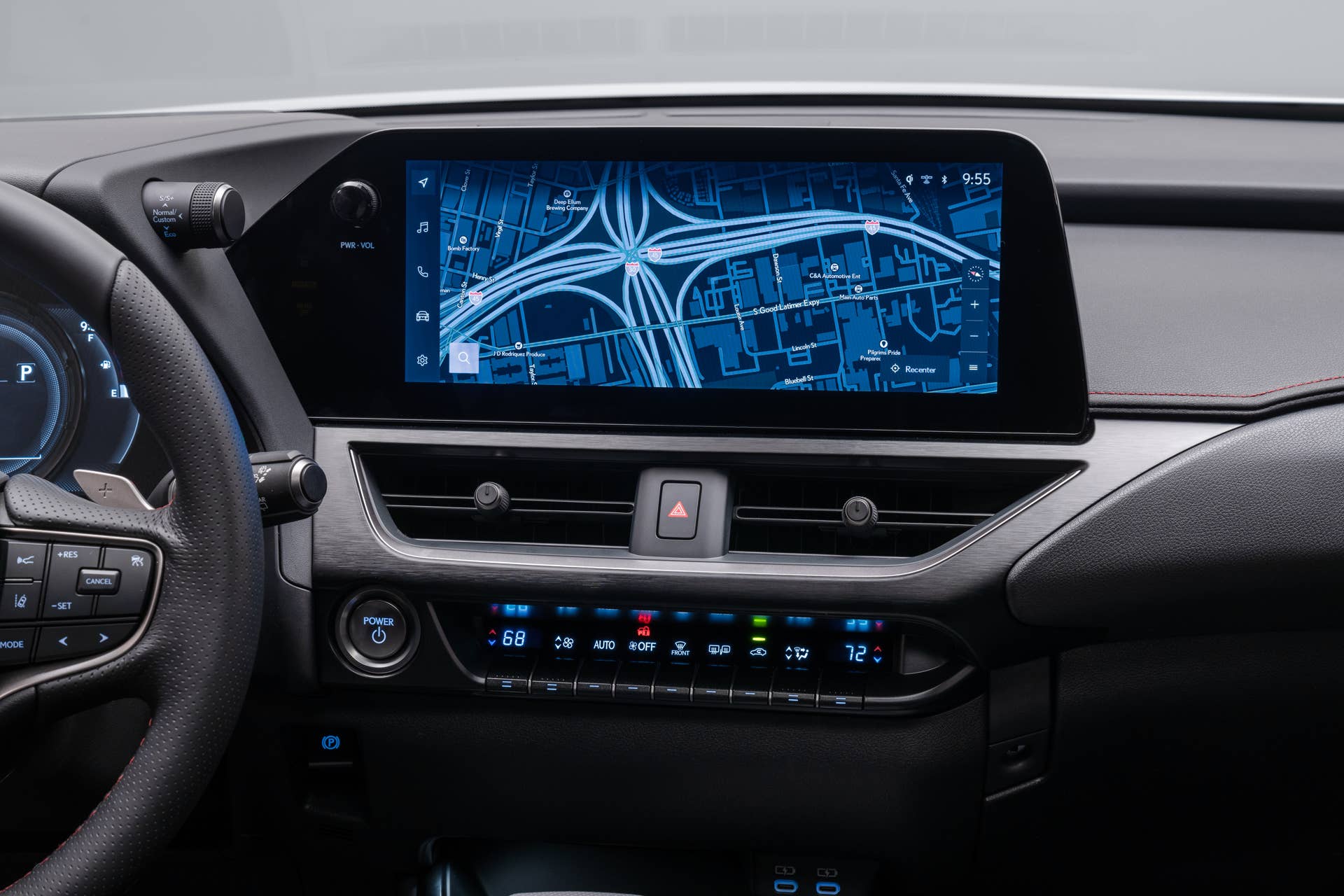
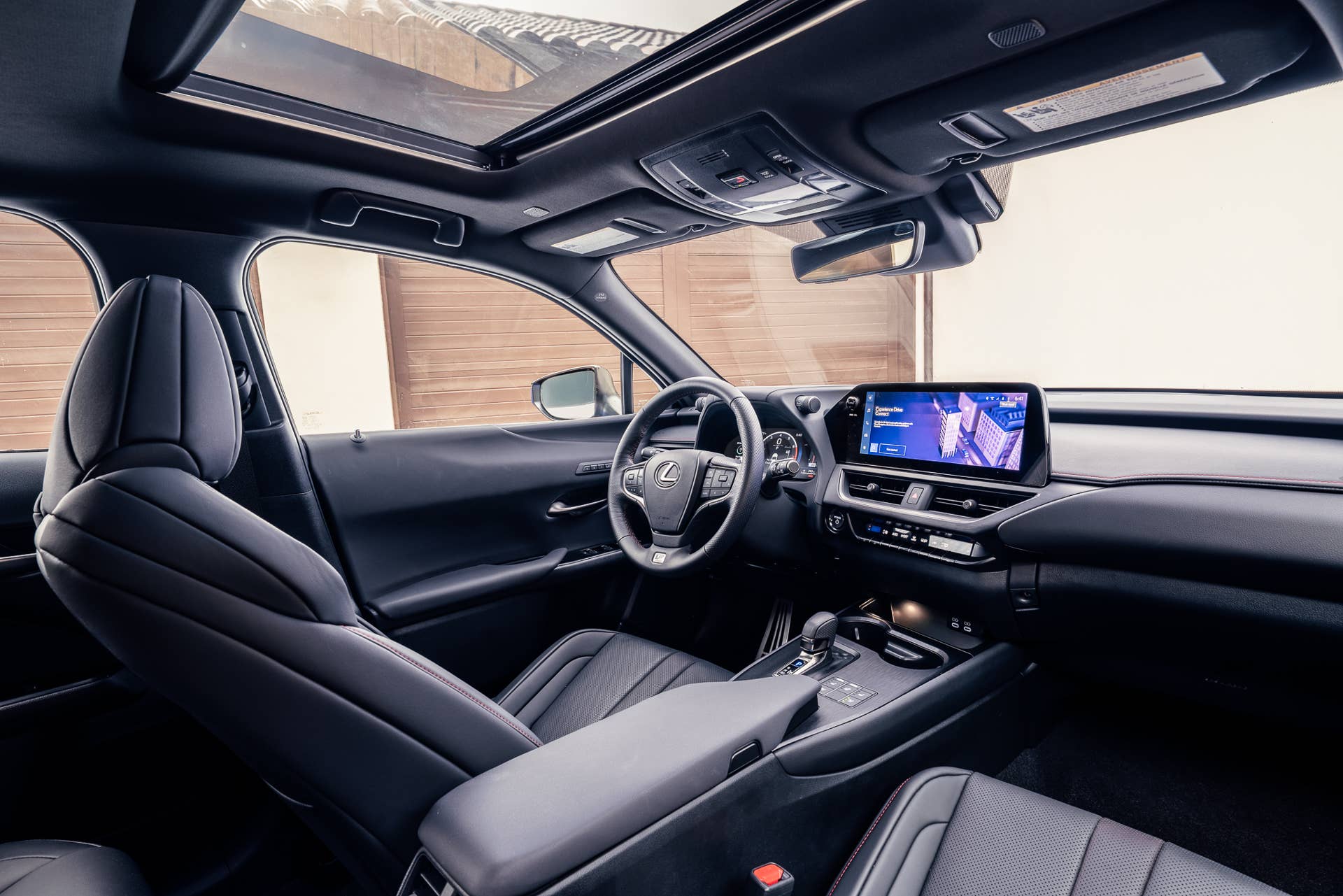
Now sold exclusively as the UX 300h, it features Lexus’s fifth-generation hybrid system, and a modernized digital cabin as well as the Lexus Safety System+ 3.0.
While its basic underpinnings share much with the Toyota Corolla and C-HR, it looks and feels different enough to warrant its status as an entry-level luxury vehicle.
| Model | Lexus UX 300h |
| Engine | 2.0-liter In-line 4-cylinder + Hybrid |
| Power | 196 hp (combined output) |
| Torque | 139 lb-ft (gas engine) |
| 0–60 mph | 8.0 seconds (FWD) 7.9 seconds (AWD) |
| Fuel economy | Up to 45/41/43 City/Hwy/Comb MPG |
| Base MSRP (excl. taxes) | $39,055 |
In its final year of production, the UX has been whittled down to one engine option and is offered in base, Premium, F Sport Design, and F Sport Handling trims. It can be had in either front-wheel drive (FWD) or all-wheel drive (AWD), which is a $1,570 option and adds an electric motor to the rear wheels, but power outputs remain unchanged.
Talking of power, there isn’t much of it. All trims get a 196-hp 2.0-liter hybrid engine which is paired with an electronically controlled continuously variable transmission (eCVT). This powertrain borrows heavily from Toyota’s own hybrid offerings, and while it is smooth and very efficient, it lacks the turbocharged punch of many of its rivals.
Which Lexus UX Trim is The Best Buy?
Lexus
L
Lexus
Manufacturers usually set up their trim levels to encourage buyers to pay a little extra for a mid-spec level vehicle. And while the base UX 300h provides a decent level of standard equipment, it may be worth spending a bit extra on the UX 300h Premium trim.
The base UX 300h comes equipped with 18-inch five-spoke alloy wheels, an 8.0-inch Lexus Interface touchscreen with wireless smartphone integration, eight-way power-adjustable front seats, and the Lexus Safety System+ 3.0 suite.
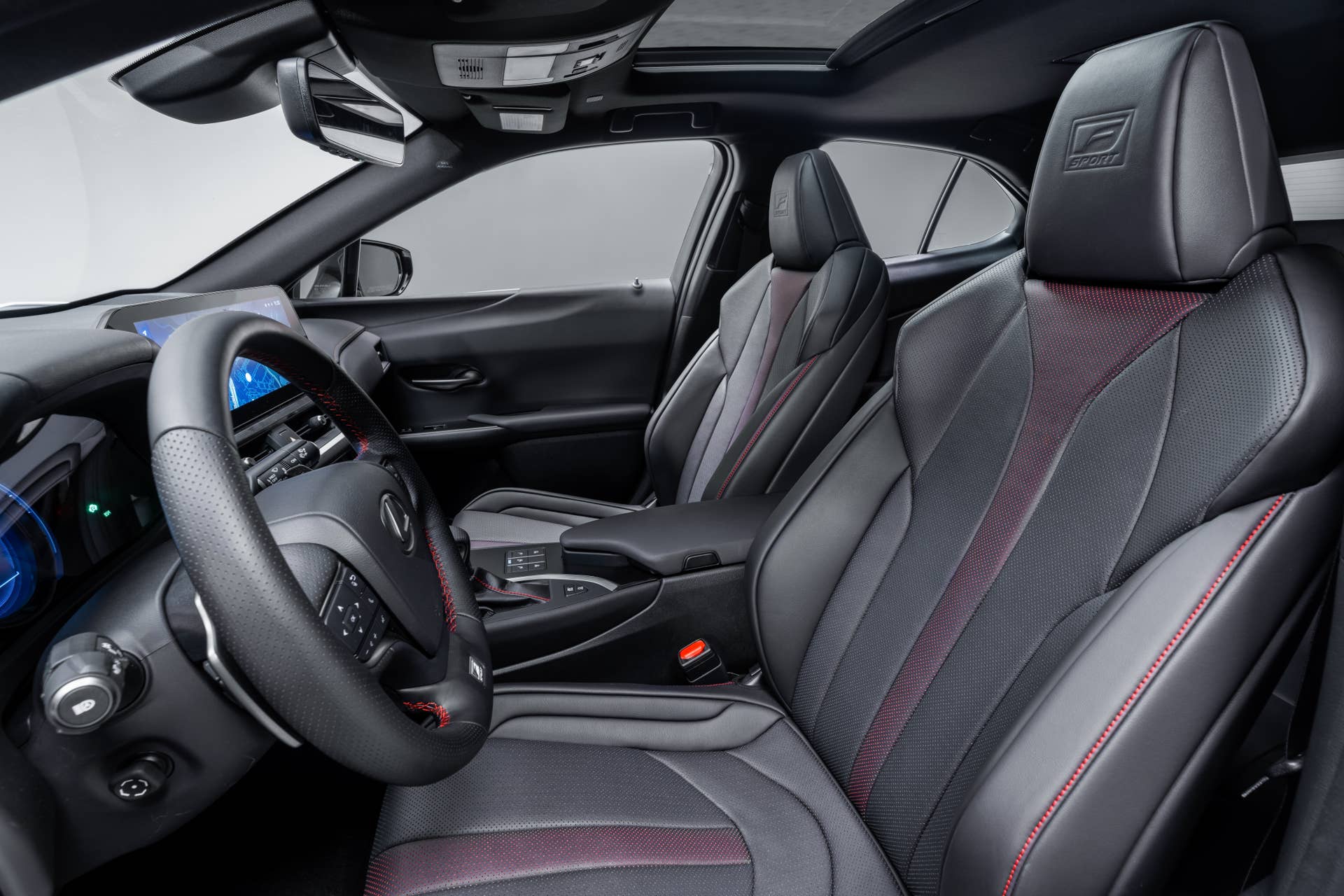
For an extra $3,270, the Premium trim adds a 12.3-inch multi-information display, heated and ventilated front seats, Intuitive Parking Assist (IPA), a power tilt-and-slide moonroof, and a power rear liftgate with a kick sensor. Those are all value adds that will make the UX feel like more of an upmarket offering, and it still keeps the base MSRP below what many rival offerings start at.
Higher trims add larger wheels, some sporty visual add-ons and an Adaptive Variable Suspension (AVS) on the F Sport Handling, but the additional cost over the Premium trim is harder to justify here and the UX300h is more at home as a comfortable and luxurious wafter, than a sporty SUV, especially considering the limited level of performance on offer.
Lexus UX Rivals
BMW
| Specification | BMW X1 (xDrive28i) | Audi Q3 |
| Engine | 2.0-liter Turbo Inline-4 | 2.0-liter Turbo Inline-4 |
| Power | 241 hp | 255 hp |
| Torque | 295 lb-ft | 273 lb-ft |
| 0–60 mph | 6.2 seconds | 5.5 seconds |
| Base MSRP (excl. Taxes) | $43,200 | $44,400 |
The Lexus UX 300h offers great value compared to its rivals, but it is also the least powerful and oldest SUV here.
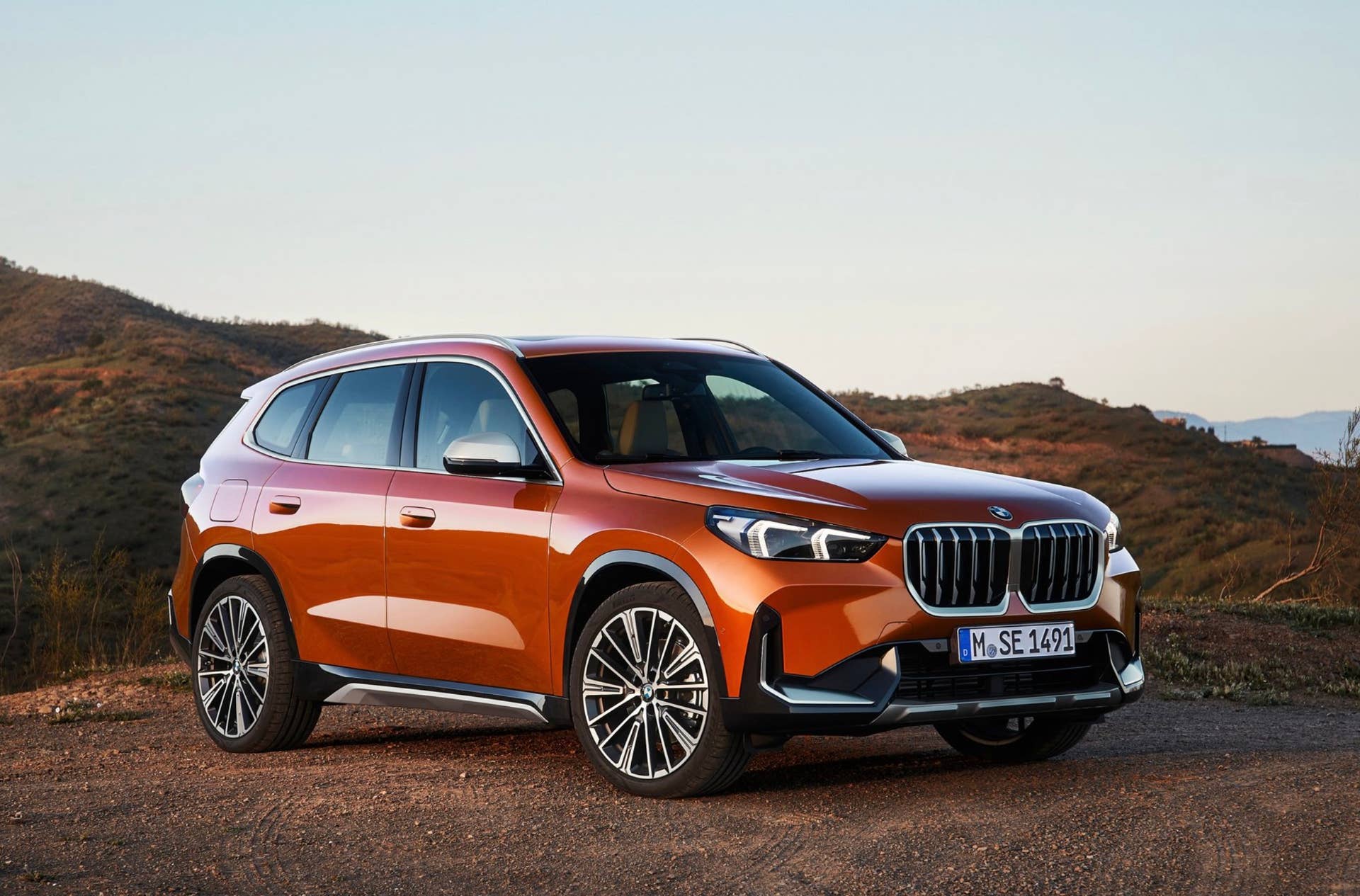
The BMW X1 xDrive28i offers standard all-wheel drive and a punchy 241-hp 2.0-liter turbocharged engine combined with a 7-speed dual-clutch transmission. It is far quicker than the UX 300h, but averages 28 mpg combined to the Lexus’ 42 mpg overall.
It is also a lot more spacious for rear passengers as well as cargo, but it costs $2,580 more compared to the base UX300 h AWD, and $4,150 more than the FWD model.
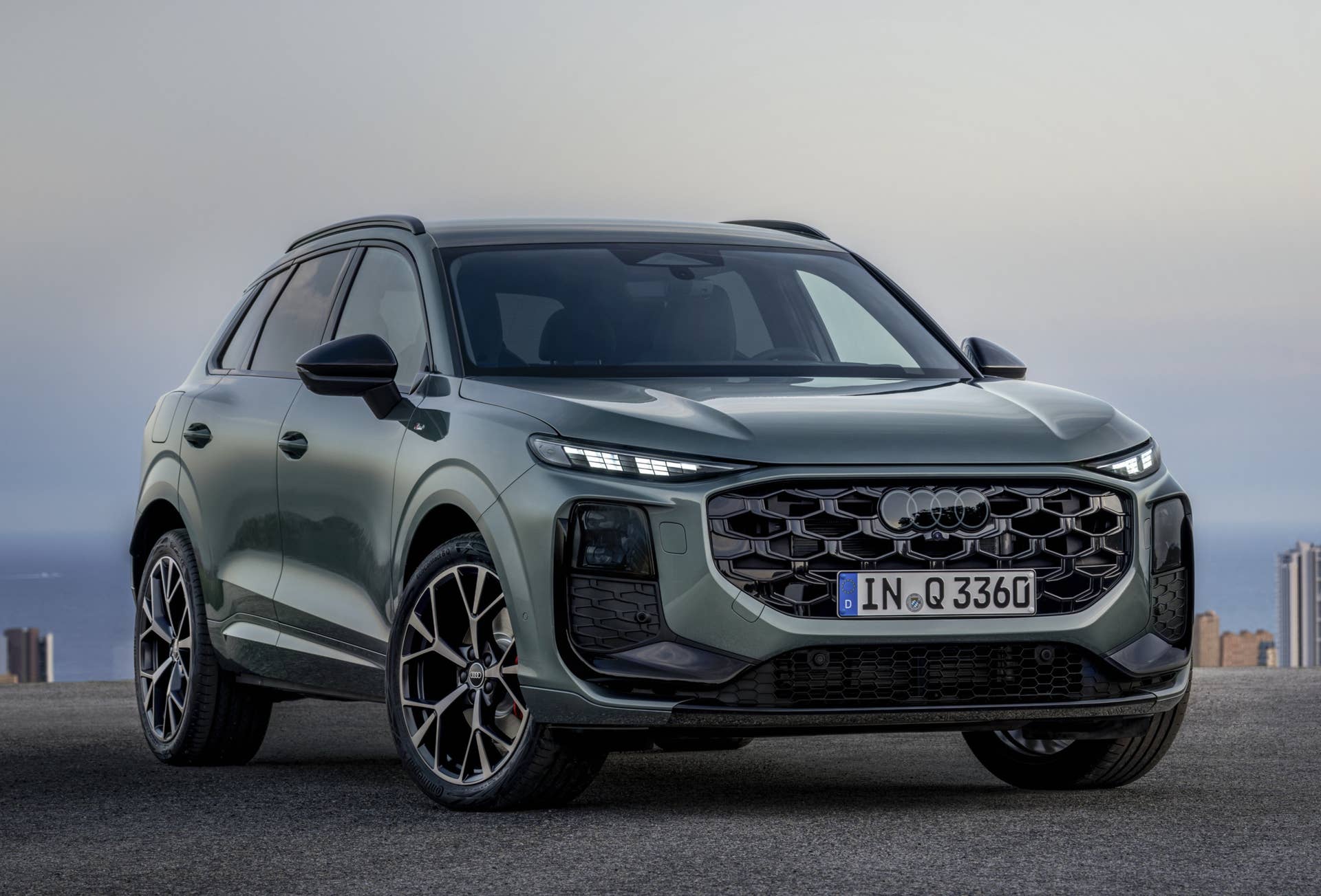
The Audi Q3 is even more expensive, but it does benefit from a redesign in 2026 that gives it a lot more tech and features than before. The base trim comes with a 255-hp 2.0-liter turbocharged inline-four engine which also gets a 7-speed dual clutch transmission and AWD. It is the quickest model here but also the least fuel efficient.
Lexus
If you rarely venture out of the city limits, and don’t mind leisurely yet smooth power delivery, then the Lexus UX 300h may be a good fit. It offers superb fuel economy, rides well, and costs less than its rivals, but the platform shows its age in terms of the in-car tech features.
Both the Audi and BMW look more modern, are more spacious, and they deliver the kind of performance and optional features that many expect from a premium brand. That said, the UX is most likely to offer lower running costs than the other two, and with production slated to end in early 2027, there may be some lucrative dealer discounts to take advantage of in the coming months.
About the author

John Tallodi
Senior Editor