
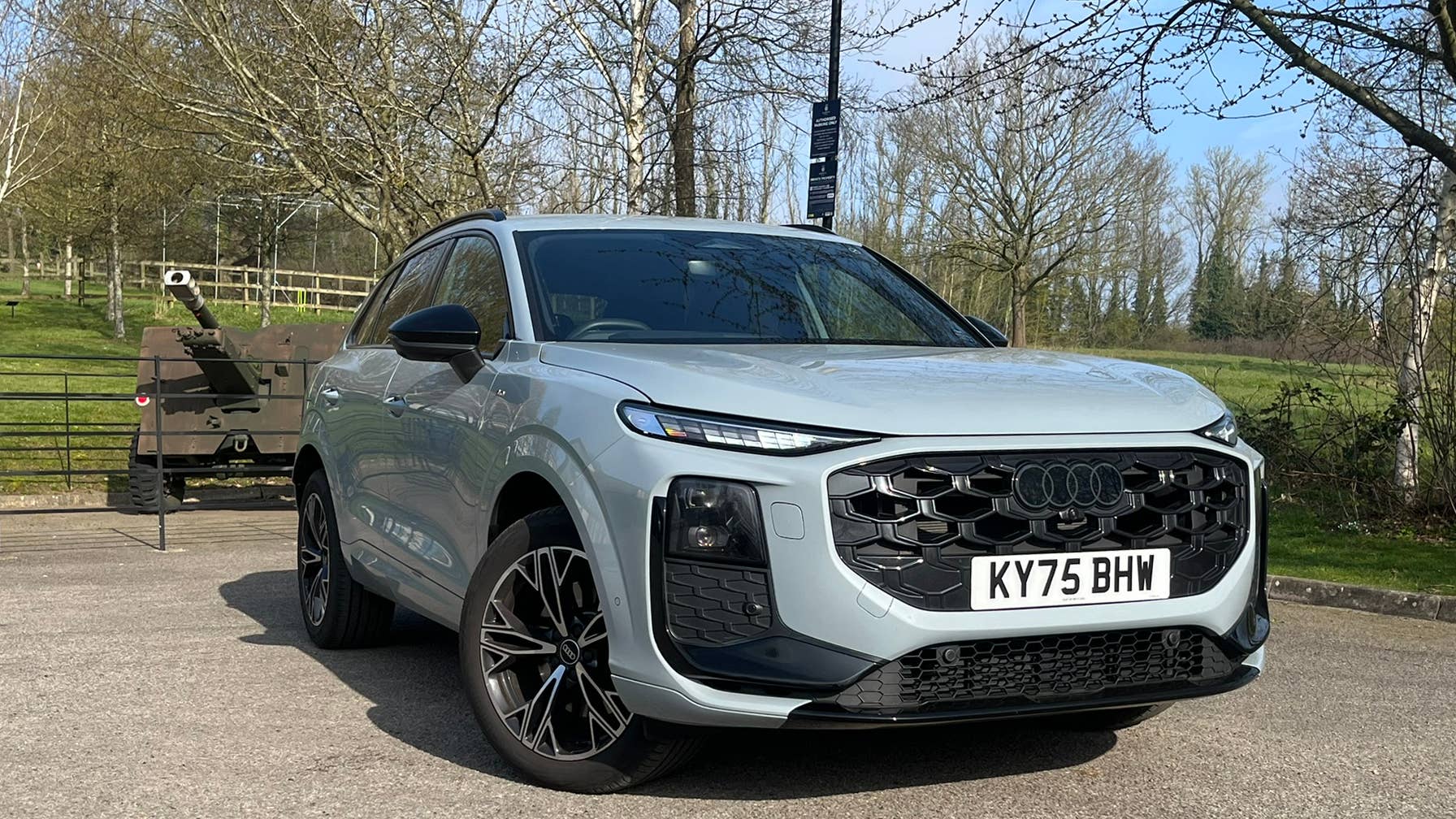
Having driven Audi’s SUVs from the Q5 and SQ7 through to the RS Q8 at the top end, the Q3 completes the picture — not by replicating those cars, but by showing how the same priorities translate when scale, weight, and cost are pulled back. One pushes performance to the edge of what an SUV can reasonably deliver, while the Q3 is meant to distill those ideas into something simpler.
The version I drove stretches that brief. At $44,995, it’s a clear entry point. At $51,790 as tested, it sits in a space where the question changes from “is this good?” to “why this, instead of something bigger?” — and that’s where the rest of the lineup becomes relevant.

Adam Lynton/Autoblog
Adam Lynton/Autoblog
Adam Lynton/Autoblog
Finally, a Q3 You Actually Notice
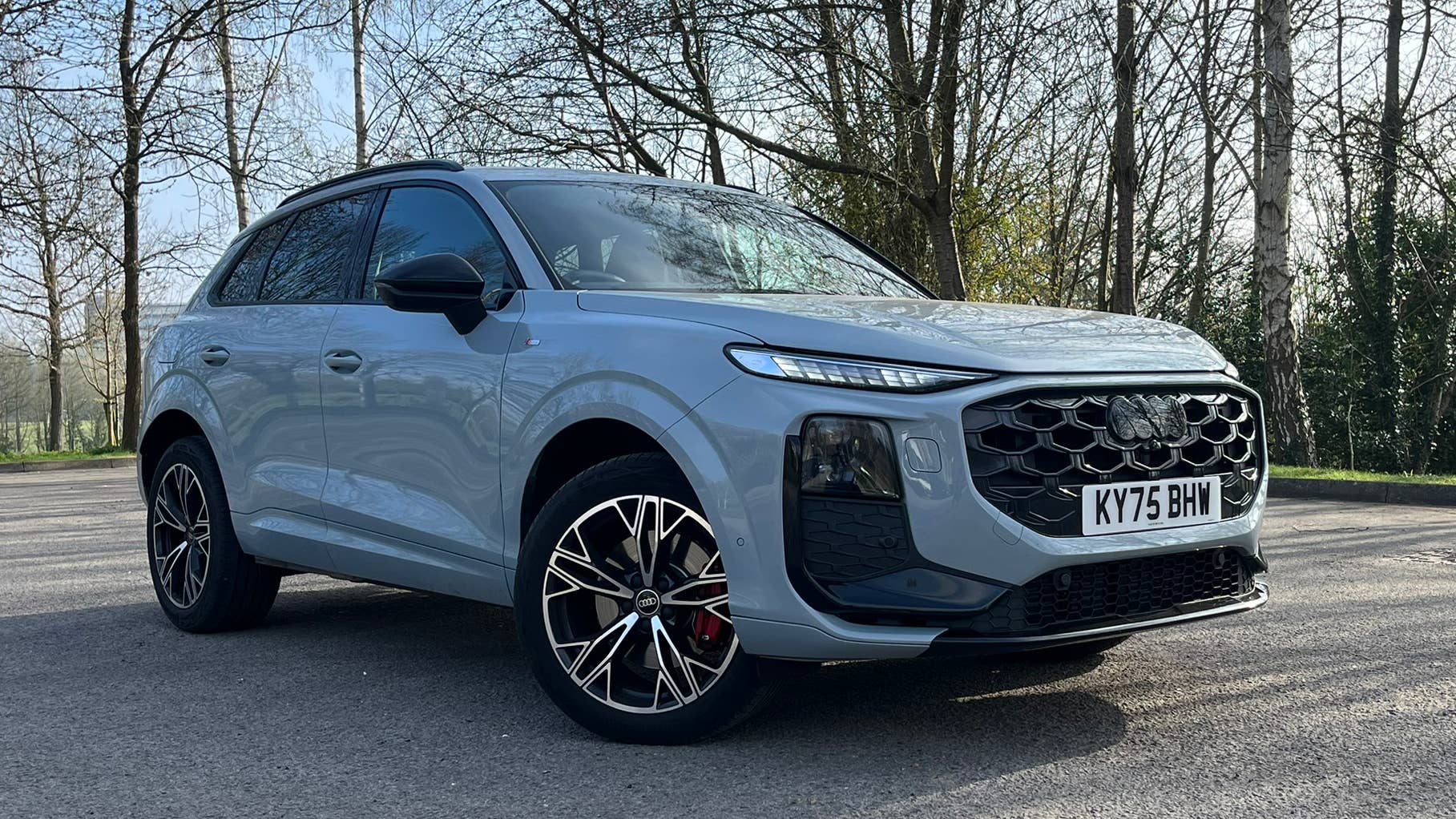
The previous Q3 wasn’t badly designed, it just blended into the background traffic. Clean surfaces, conservative proportions, and minimal visual risk made it easy to live with, but equally easy to overlook. It was a car you noticed only if you were already looking for it.
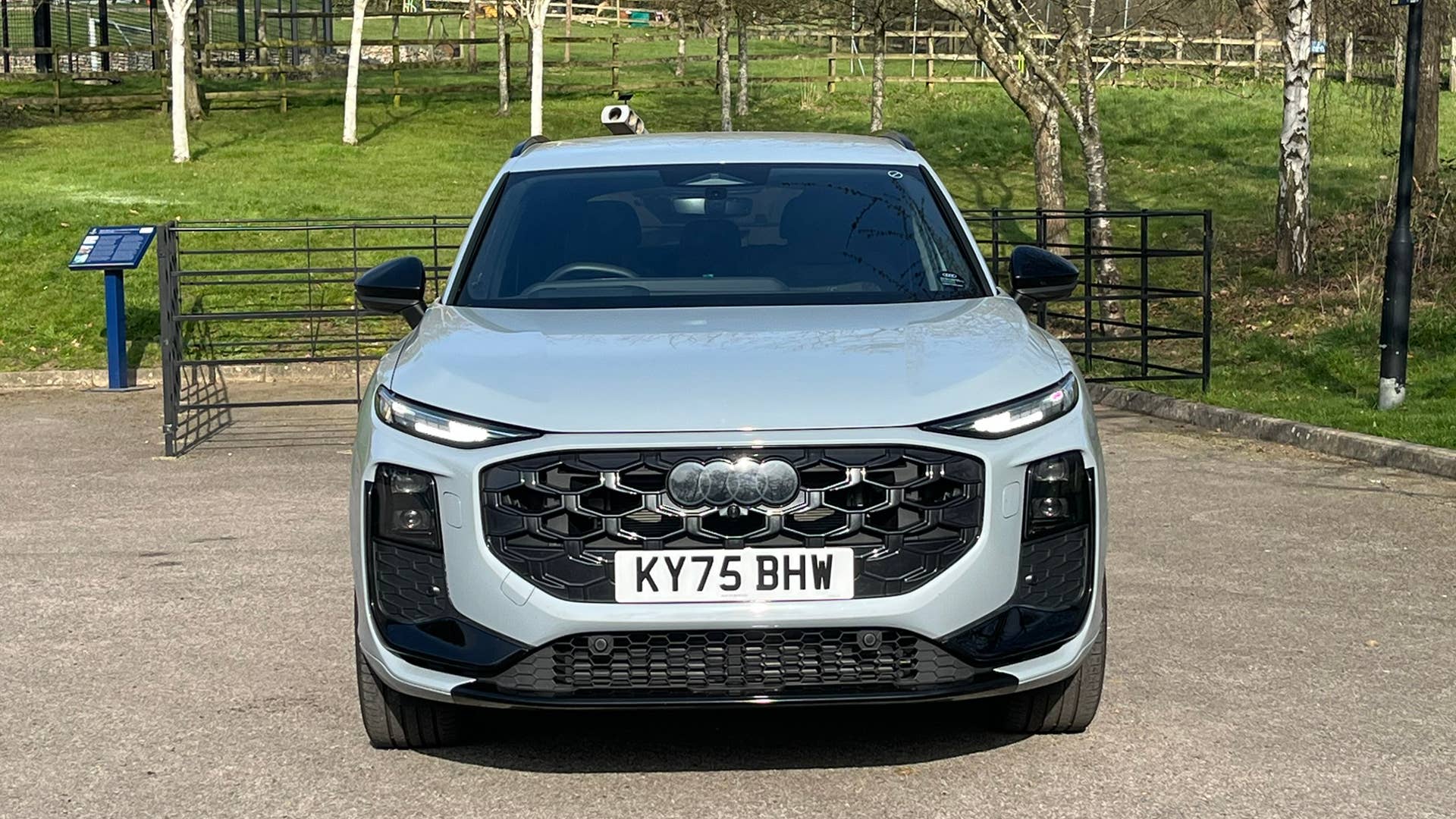
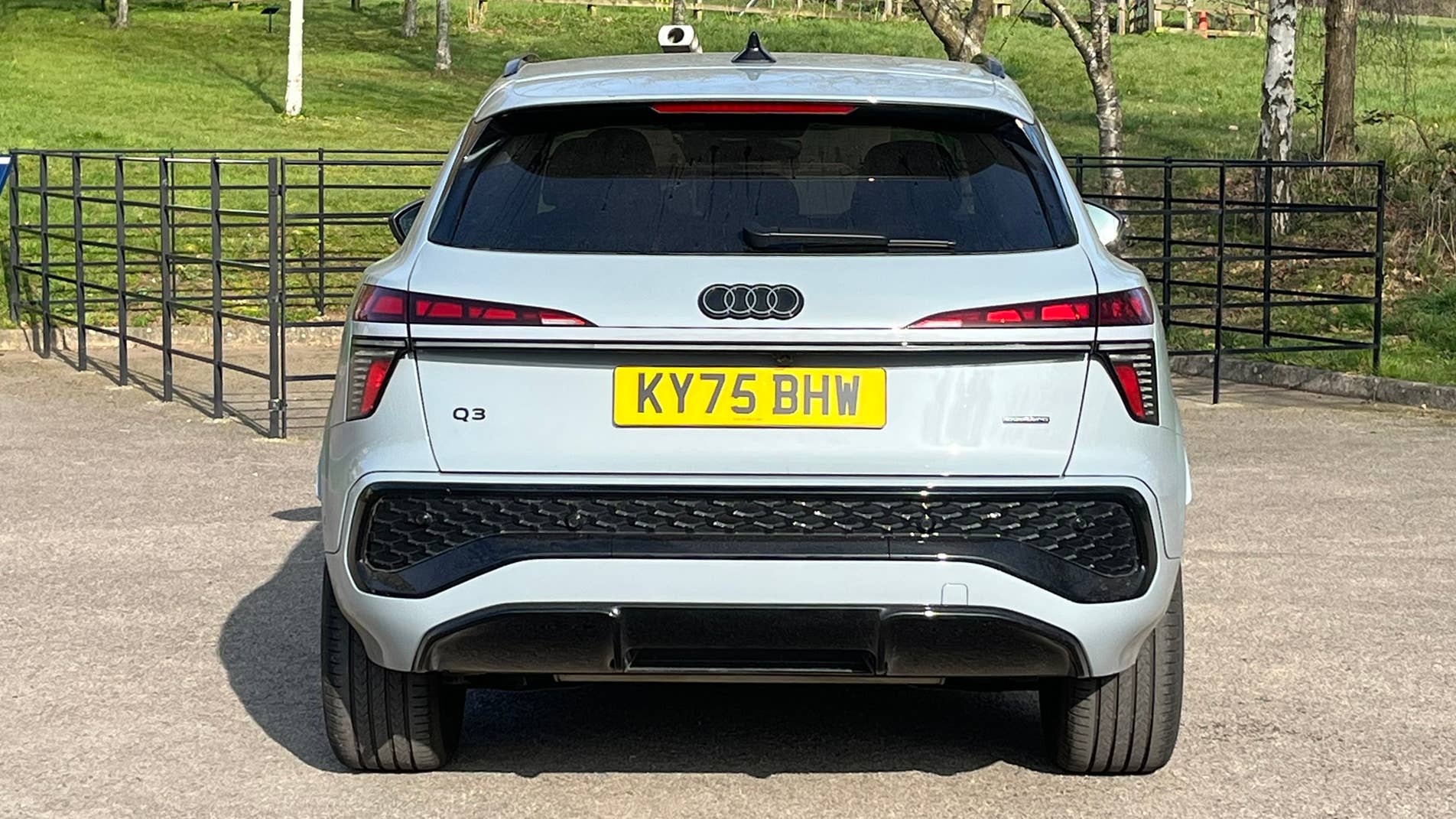
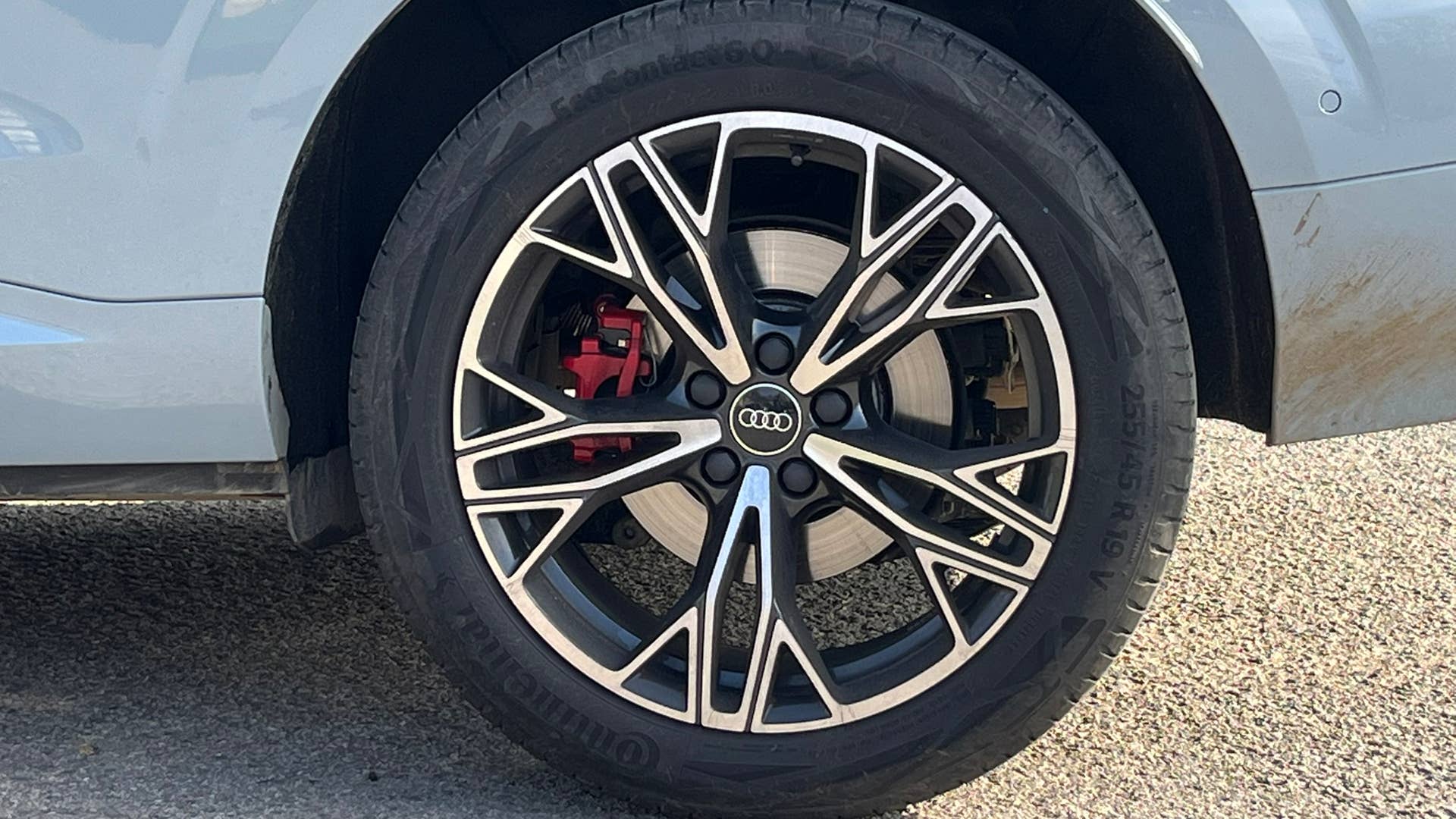
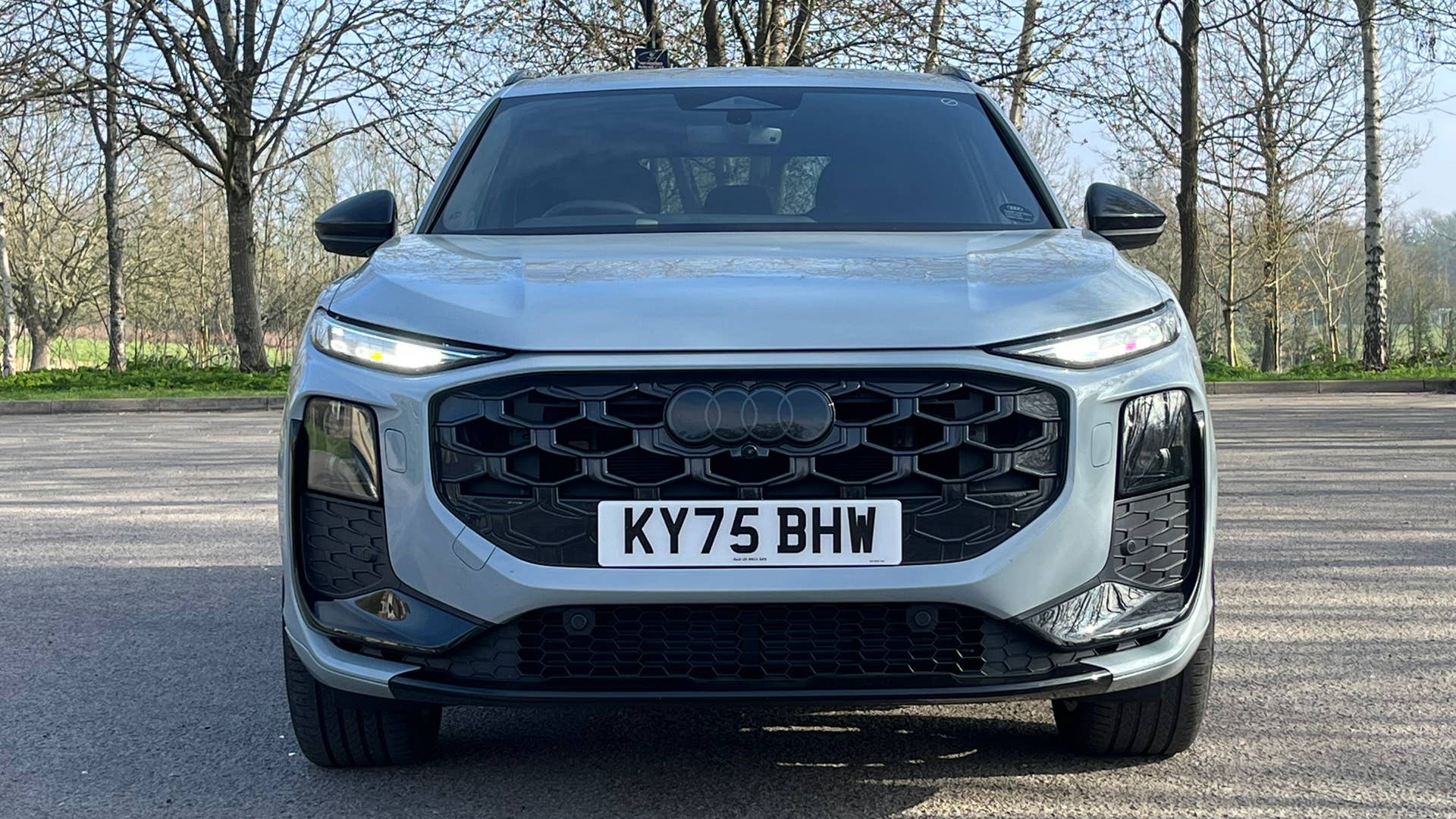
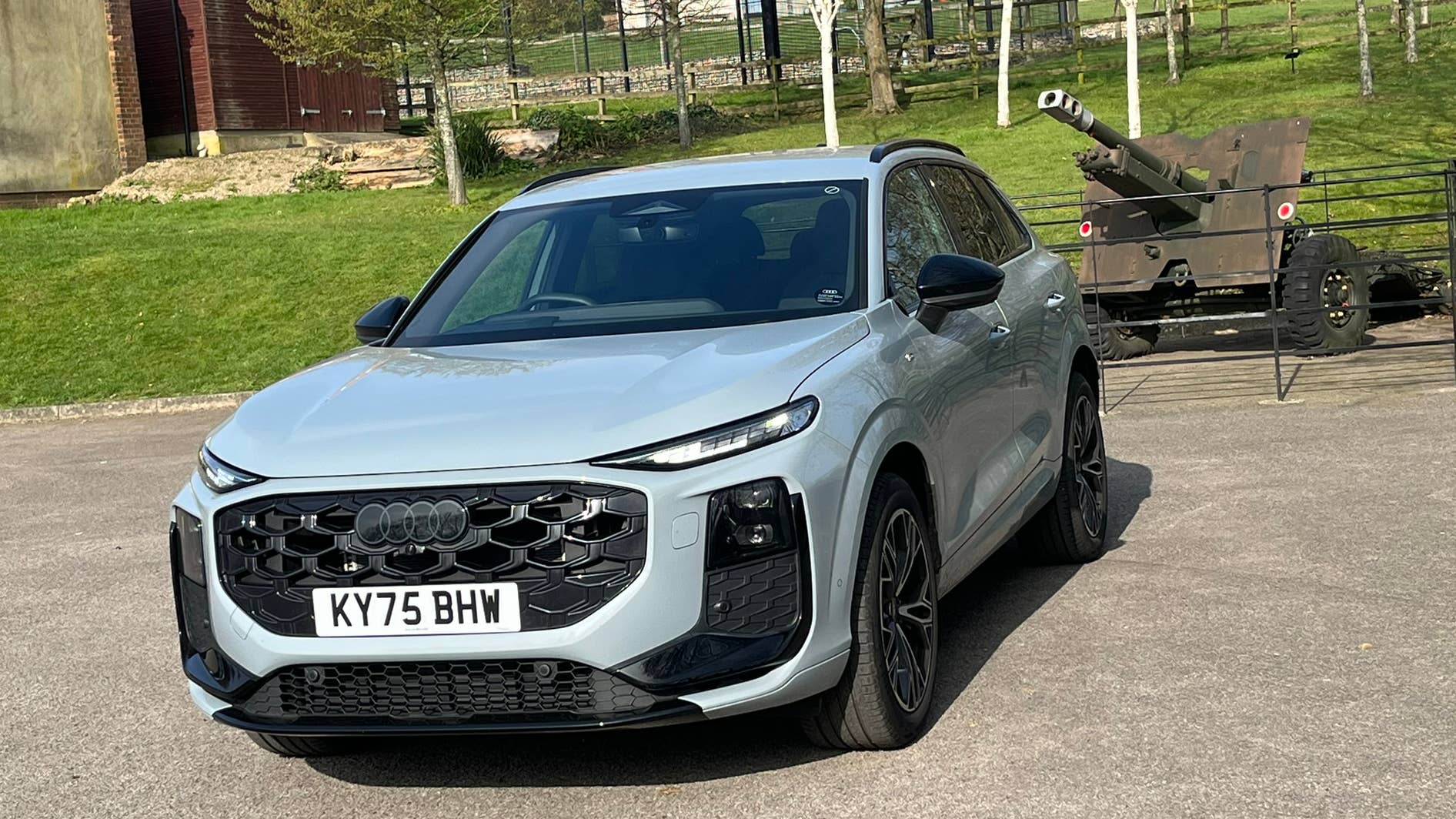
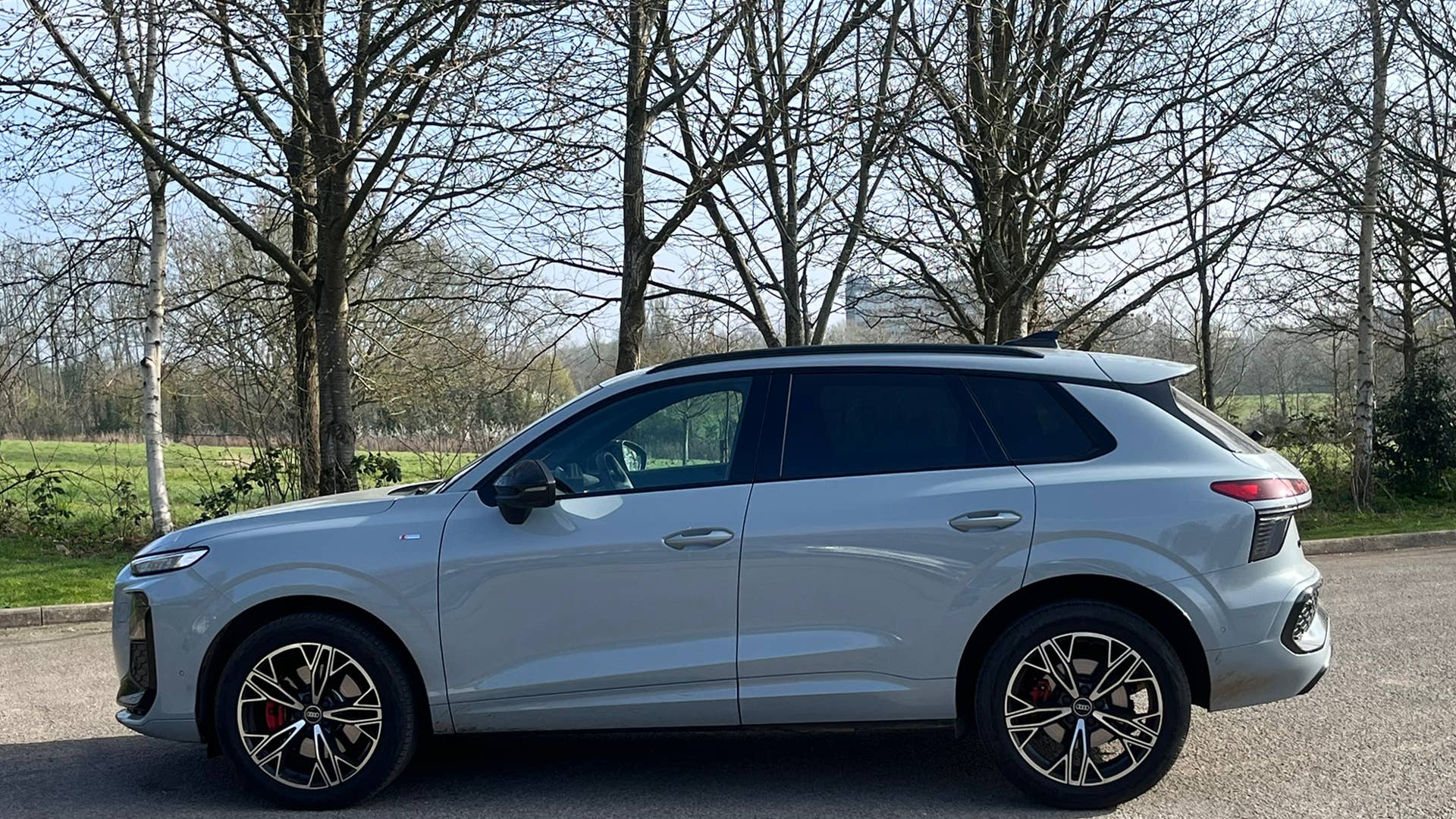
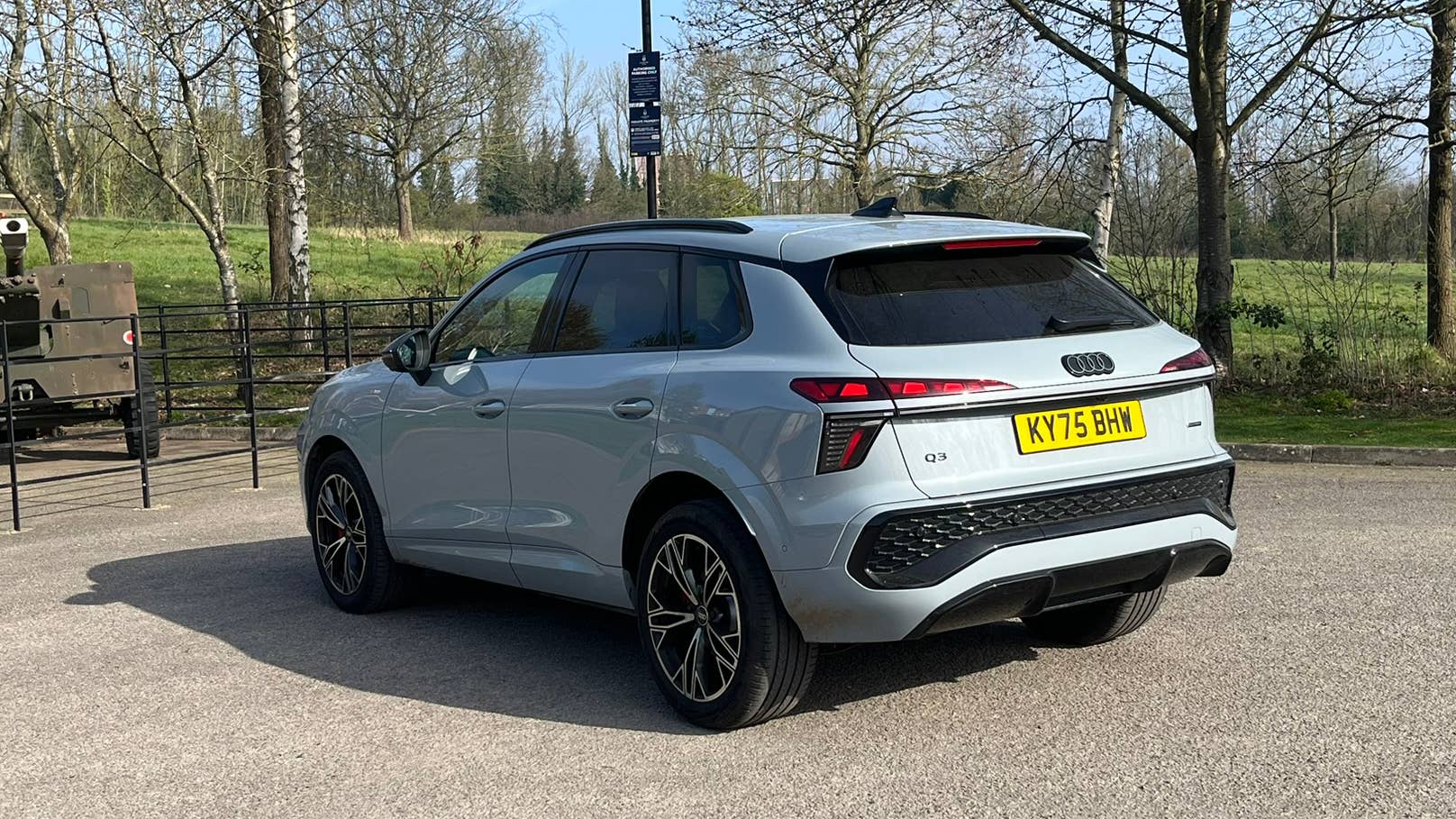
This generation moves away from that approach. The split headlamp layout, wider grille, and more defined arches give it a presence the outgoing model never quite achieved, even if the result is more divisive. From some angles, it looks sharp and modern from others slightly overworked, but it now asks for a reaction rather than avoiding one. Around the rear, the design is more resolved. OLED taillights span the width of the tailgate with subtle animation, and the illuminated rings add a small sense of occasion at night.
Adam Lynton/Autoblog
Adam Lynton/Autoblog
Adam Lynton/Autoblog
Powertrain Punches Above Its Place in the Lineup
The Q3’s 255-horsepower turbocharged four-cylinder doesn’t overwhelm, but it rarely feels short of breath. In everyday driving, where short merges, quick overtakes, and gaps in traffic are the most exciting parts of the journey, it delivers its performance early in the throttle travel, so you don’t need to push it hard to get meaningful acceleration.
That immediacy matters more than outright speed. It’s what makes the car feel responsive in daily use, rather than simply adequate. The seven-speed dual-clutch helps here, shifting cleanly at low speeds and avoiding the hesitation that can make small SUVs feel clumsy in stop-start traffic.
EPA estimates of 23/30 mpg city/highway place it mid-pack. That’s acceptable, but rivals like hybrid versions of the Lexus NX or Toyota RAV4 offer a clear efficiency advantage if fuel economy is a priority.
Adam Lynton/Autoblog
Adam Lynton/Autoblog
Adam Lynton/Autoblog
Secure, Predictable, and Carefully Restrained
Drive the Q3 harder, and the limits of that powertrain become clearer, not in terms of output, but in how the rest of the car responds to it. The steering is accurate, grip is strong, and body control is tidy, but there’s a noticeable gap between how quickly the engine builds speed and how much feedback or involvement you get in return.
The easiest way to describe it is that the powertrain feels a step ahead of the chassis. You accelerate with intent, but the steering and front end don’t give you much additional information as speed builds, so the experience remains controlled rather than engaging.
That contrast is easier to place if you’ve driven something like Audi’s RS3, where the same immediacy is matched by a chassis that encourages you to lean into it. The Q3 goes the other way, smoothing that response out so it never feels demanding. It’s a calmer, more filtered experience, even when you’re using most of the performance.
The optional sport suspension sharpens body control, but at the cost of a firmer ride over uneven surfaces. On typical urban roads, it introduces a constant low-level firmness that the standard setup avoids. For most buyers, the standard suspension is the better match.
Adam Lynton/Autoblog
Refinement Is Where the Q3 Wins
Where the Q3 makes its strongest case is over distance. On broken pavement, it absorbs impacts cleanly without sending sharp jolts through the cabin, and it avoids the constant small corrections that can make longer drives tiring.
At highway speeds, the refinement becomes more apparent. Wind noise is subdued, road noise stays consistent rather than rising and falling with surface changes, and the overall impression is one of calm rather than isolation. You’re still aware of your surroundings, but nothing intrudes or distracts, which makes it easy to settle into over longer journeys.
It’s a quality that doesn’t stand out in a short test drive, but becomes one of the defining traits once you spend real time with the car.
Adam Lynton/Autoblog
Adam Lynton/Autoblog
Adam Lynton/Autoblog
Inside, the Q3 Feels Like a Proper Audi
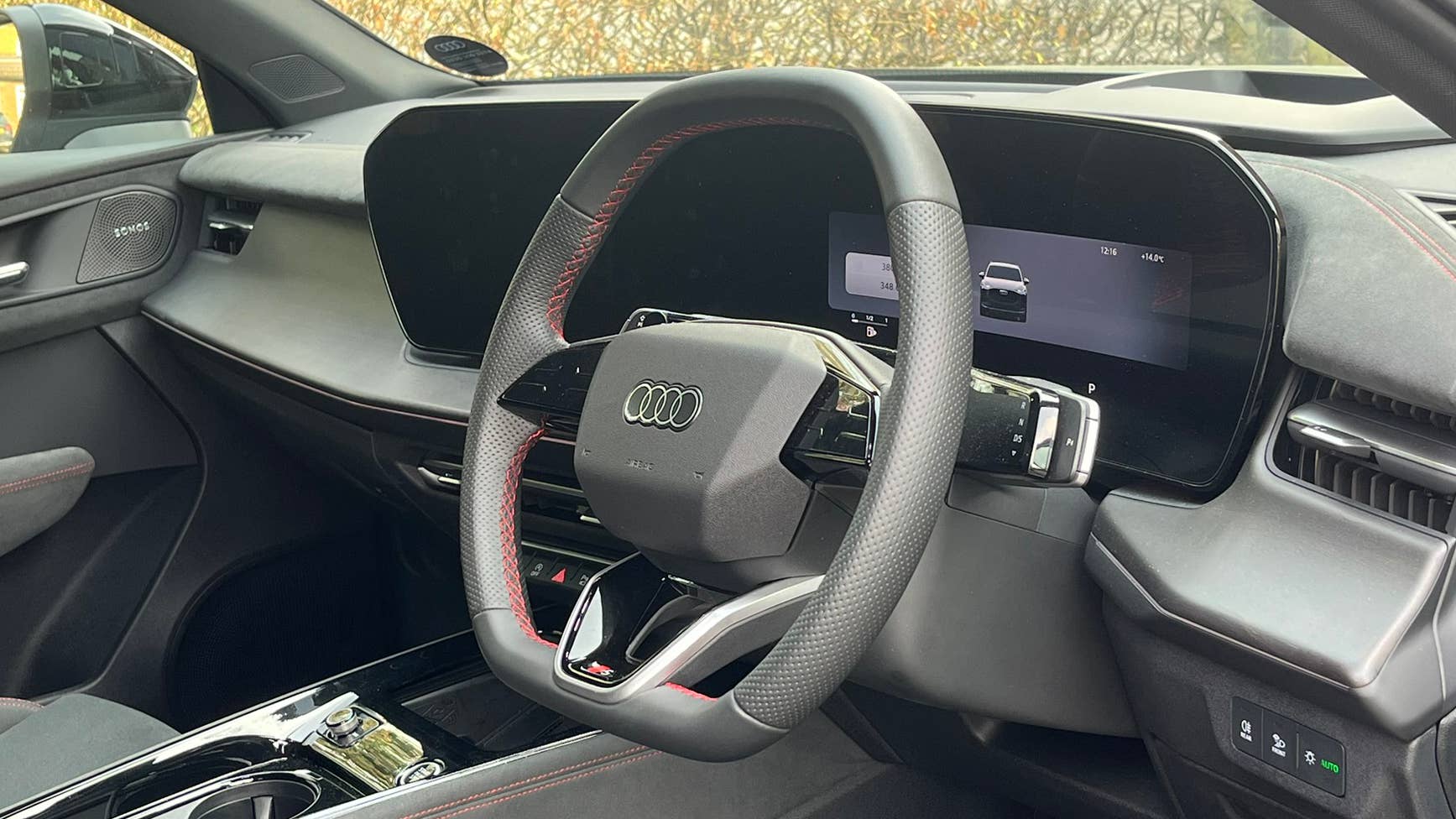
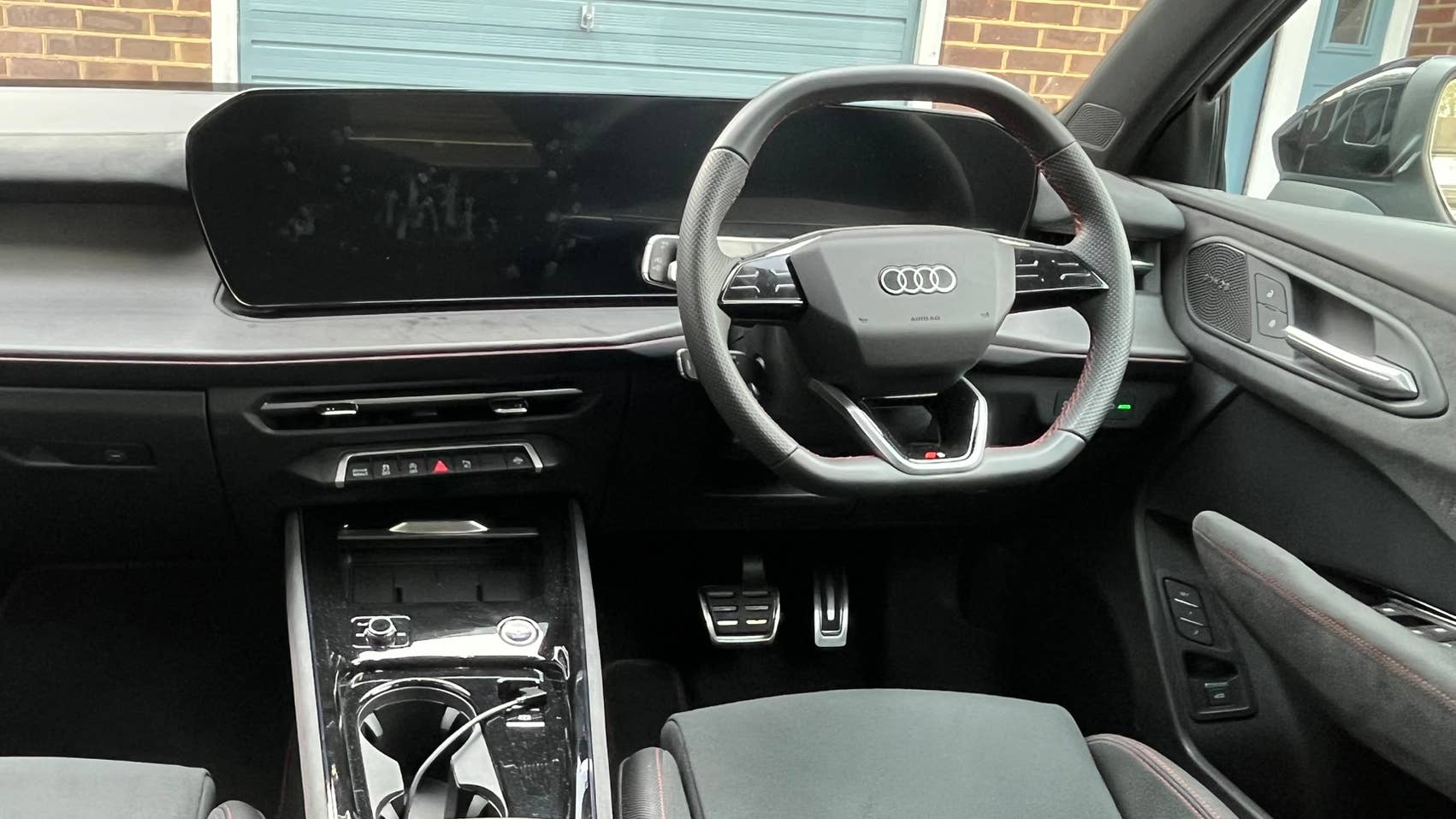
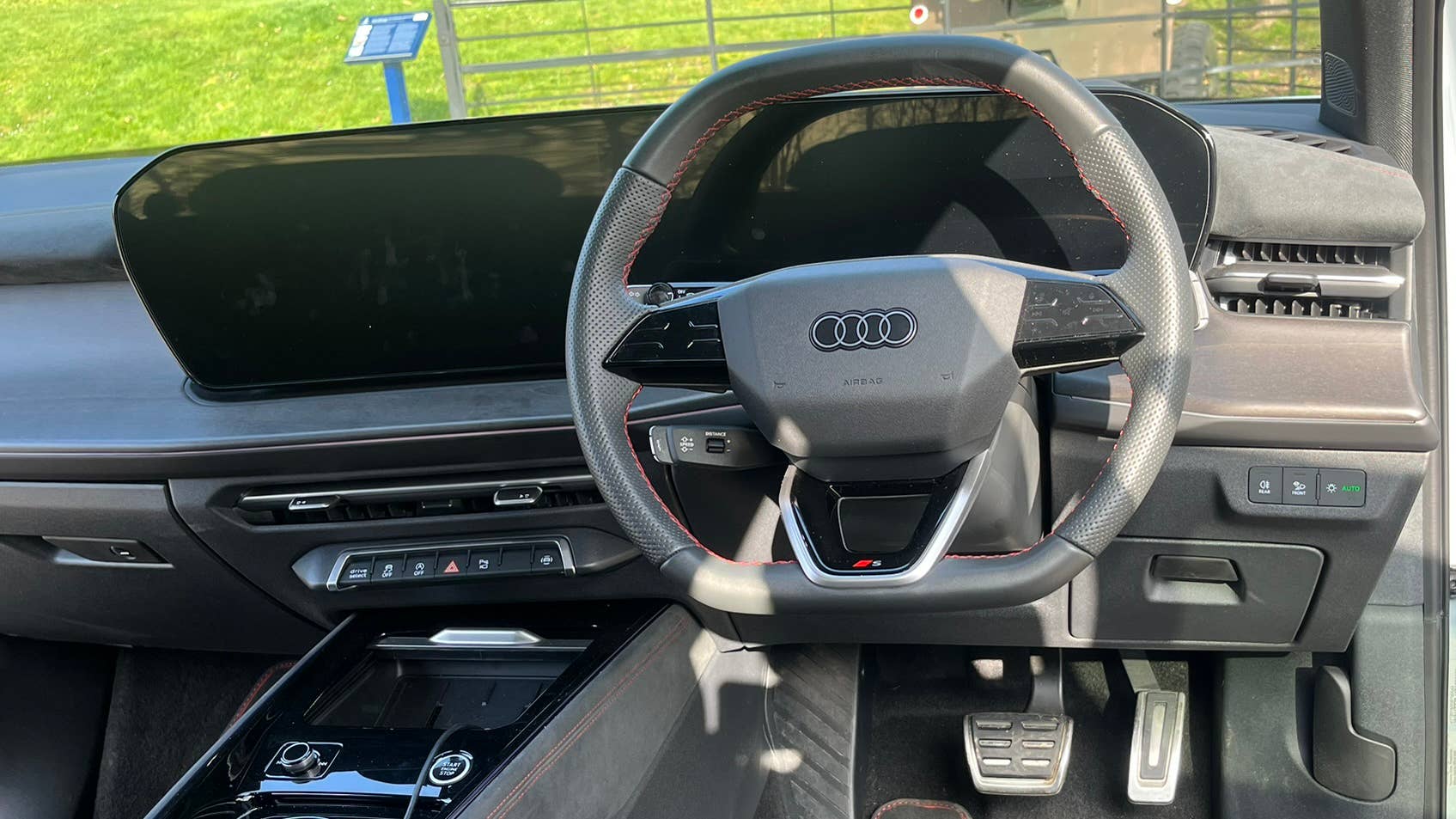
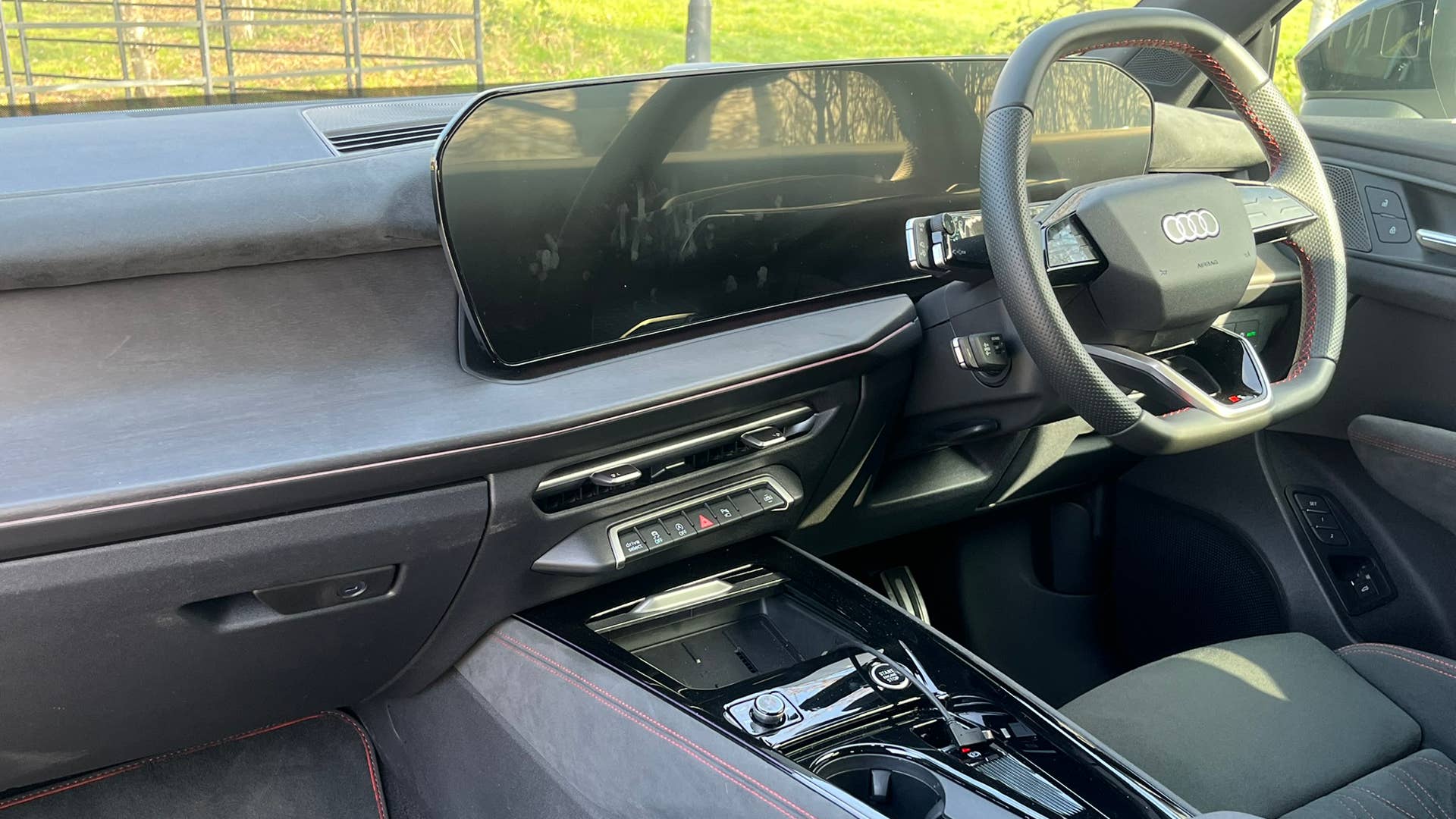
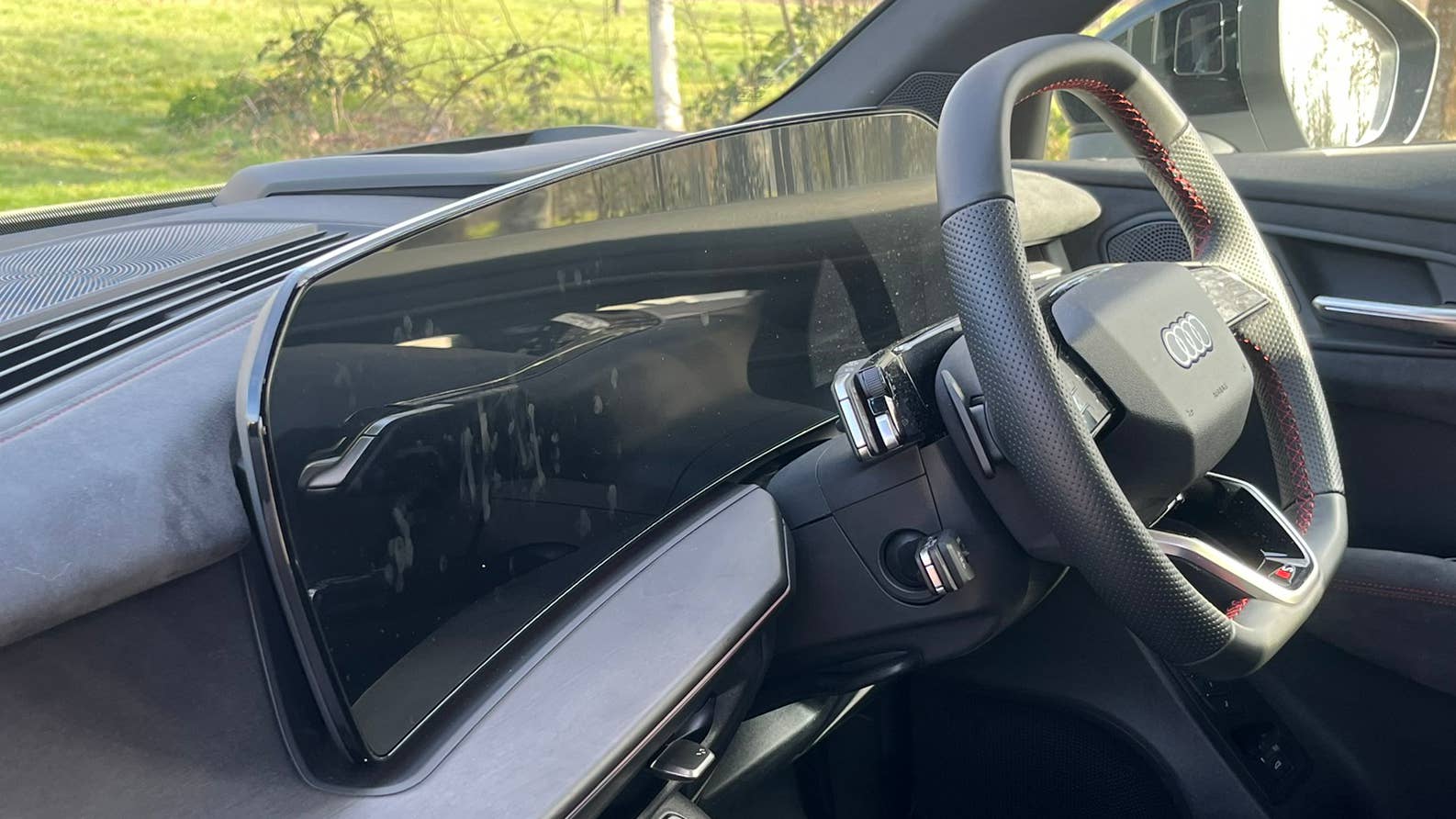
The interior is where the Q3 justifies most of its price. The curved display and digital cockpit are integrated cleanly into the dashboard, rather than appearing as separate elements, and the overall layout feels cohesive rather than layered.
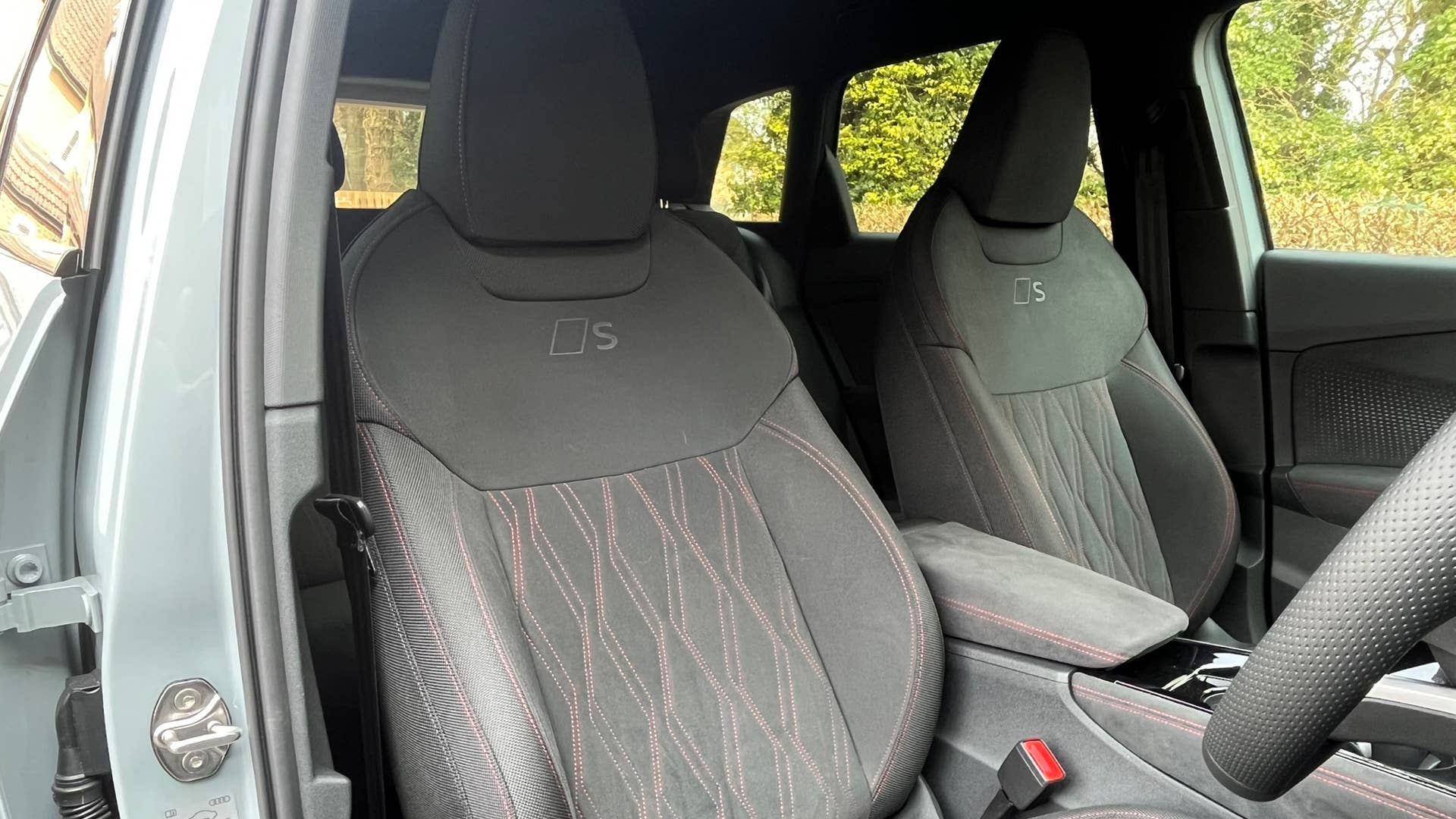
More importantly, it holds up beyond the first impression. Materials feel consistent across the cabin, with microfiber upholstery and soft-touch surfaces used in places you interact with regularly. The whitewood trim looks and feels like real material rather than a printed effect, which isn’t always a given at this price point.
Standard equipment is strong. Three-zone climate control, multiple USB-C ports, and a wireless charging pad with cooling all contribute to daily usability in small but meaningful ways. The leather-free steering wheel is well executed, but it’s still something buyers used to traditional leather should try in person.
Adam Lynton/Autoblog
Adam Lynton/Autoblog
Adam Lynton/Autoblog
Audi Simplifies the Cabin, Then Complicates the Controls
The Q3 simplifies some interactions while complicating others, and that contrast defines how the cabin feels to use. Audi’s column-mounted control system — combining gear selection, indicators, and wipers — frees up the center console entirely and becomes intuitive after a few drives, removing clutter and improving storage.
At the same time, core functions like climate control, airflow, and audio adjustments are handled through the touchscreen, which requires more attention than physical controls would. At speed, that means taking your eyes off the road longer than ideal, and while it becomes familiar, it never becomes as effortless as a well-designed set of physical inputs.
The standard 10-speaker system is clear and balanced, and for most buyers, it’s enough. The optional Sonos upgrade, part of a roughly $1,000 package, adds more bass and volume but doesn’t significantly improve clarity or separation, making it difficult to justify on sound quality alone.
Adam Lynton/Autoblog
Adam Lynton/Autoblog
The Q3 Gets Daily Usability Right
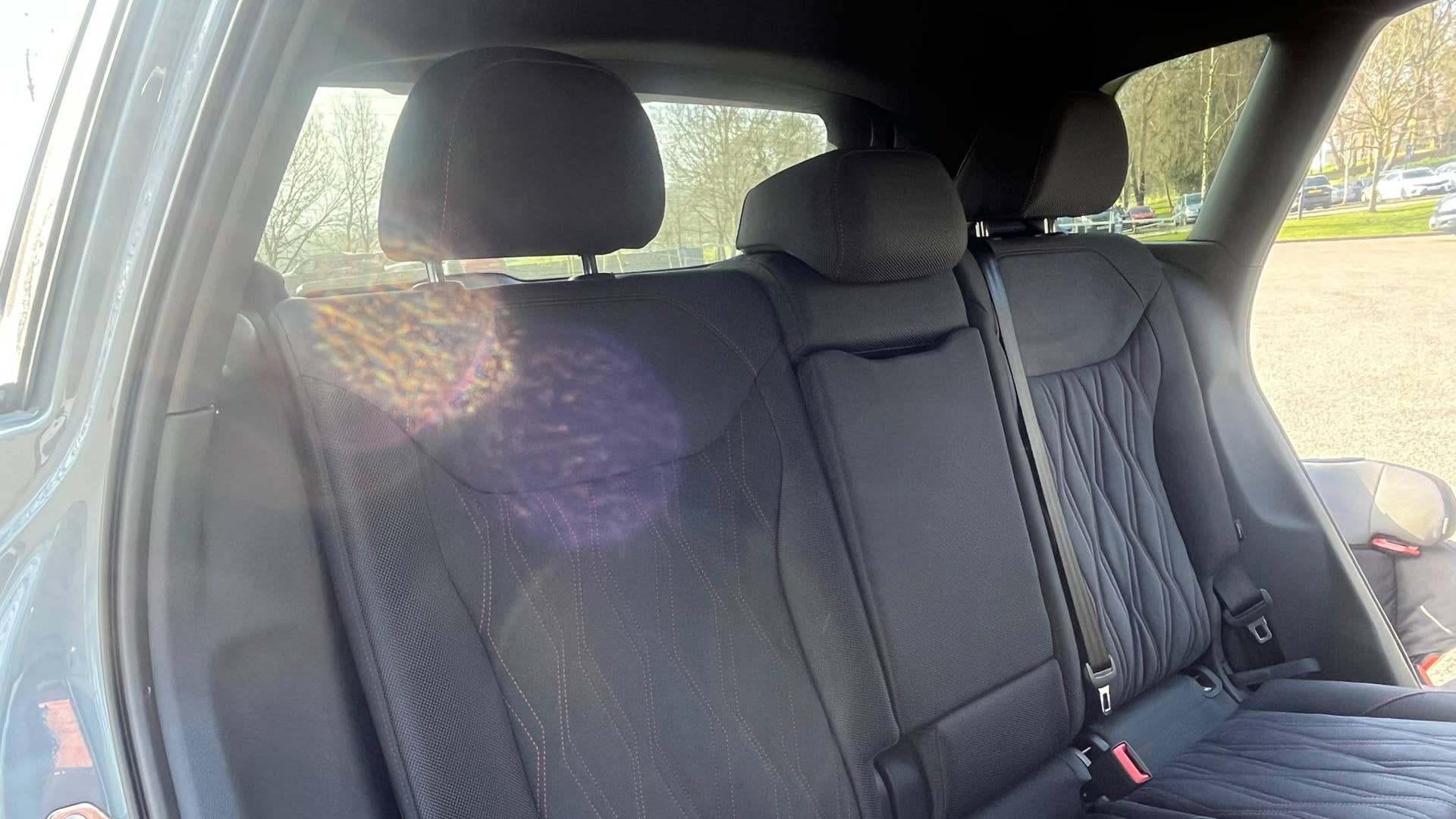
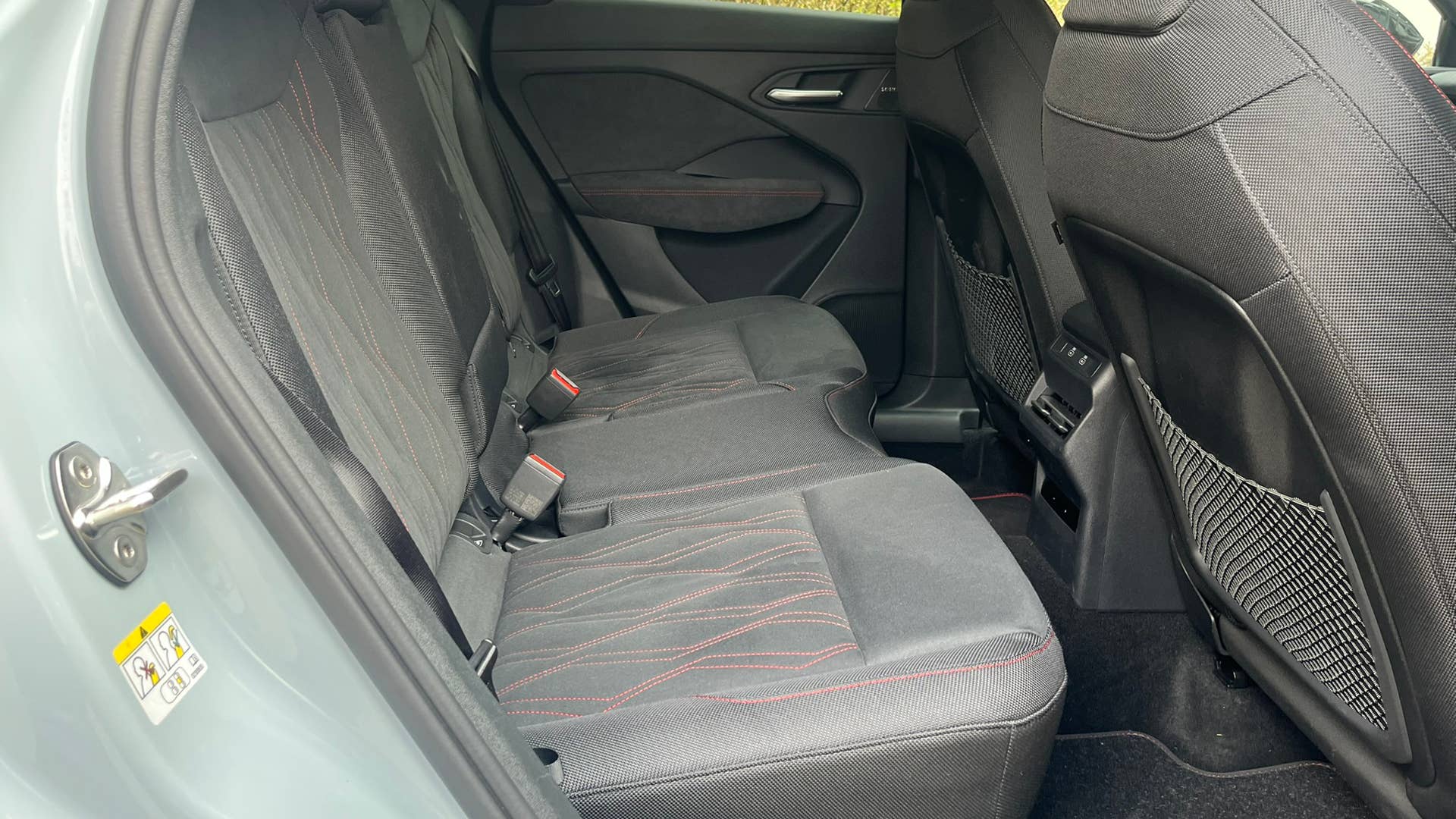
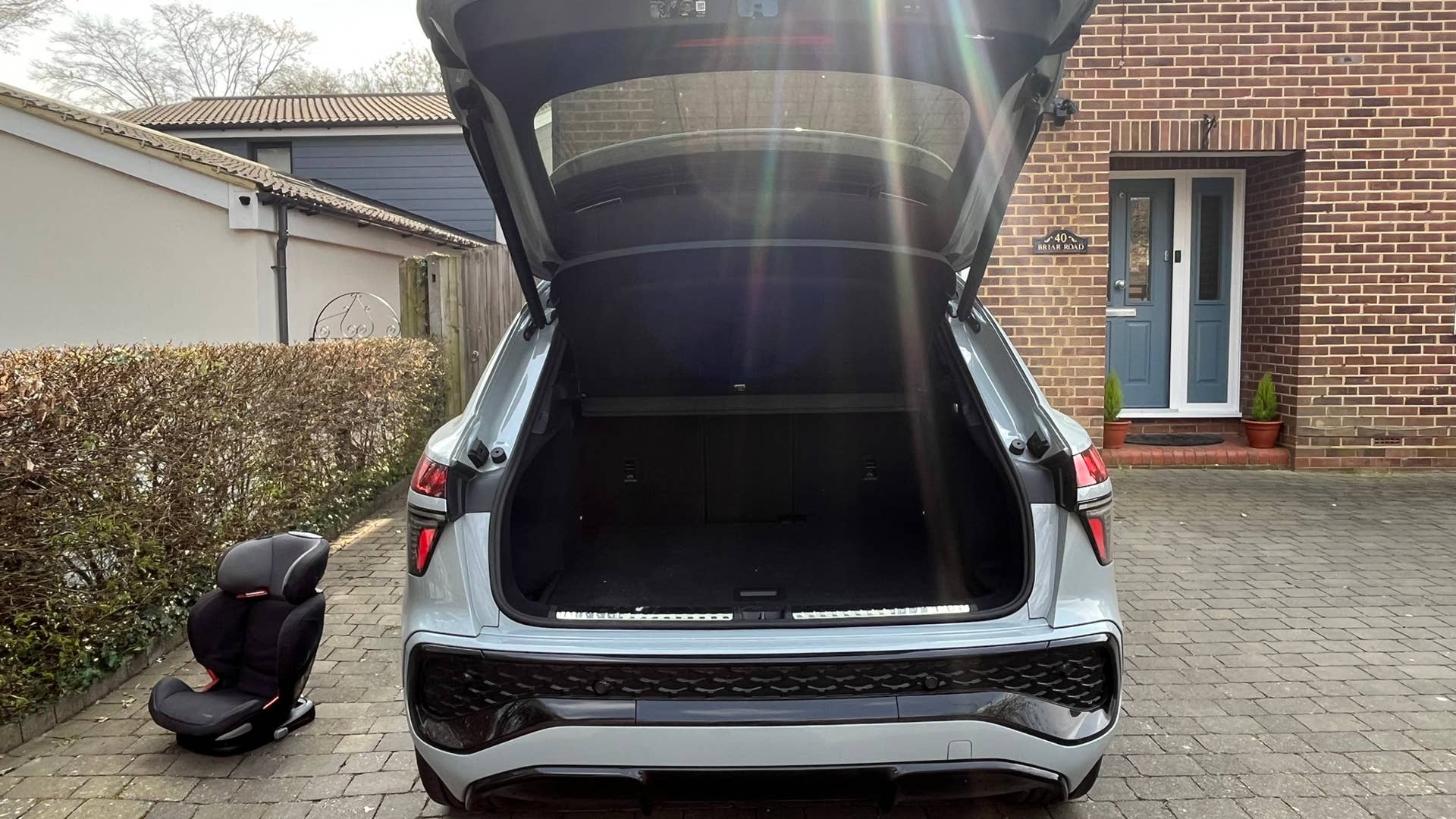
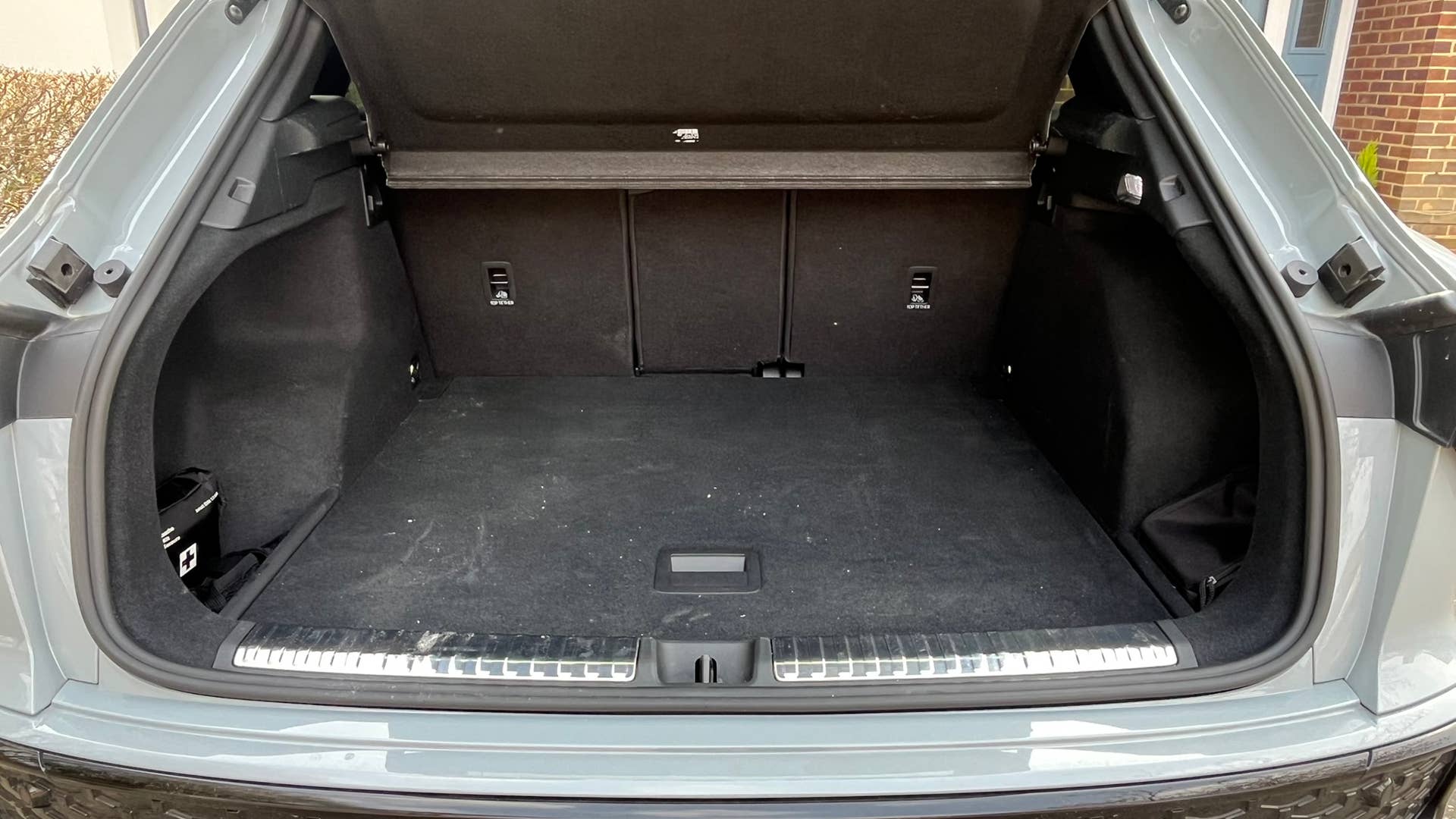
Cargo space sits at 23.7 cubic feet behind the rear seats, expanding to just over 48 cubic feet with them folded, which is usable but behind the BMW X1 and Mercedes-Benz GLB. Rear seat space is adequate, but legroom is tighter than some rivals, especially with taller drivers up front.
What the Q3 does well is ease of use. The seating position, door openings, and general ergonomics make getting in and out straightforward, which becomes more noticeable over time than small differences in capacity. My family of five, including two six-footers sat next to a car seat, were comfortable enough on most journeys, so families of four will find the Q3 more than enough car.
Adam Lynton/Autoblog
A Great Q3 Starts Looking Like a Small Q5
At its base price, the Q3 is easy to recommend. It delivers refinement, usability, and a premium interior in a well-balanced package. At $51,790, the alternatives shift. An entry-level Audi Q5 starts at around $48,000 and offers more space and a more substantial feel, even if it’s less well equipped. That creates a clear trade-off: a smaller SUV with more features, or a larger one with more inherent capability. The Q3 handles that trade-off well, but it doesn’t eliminate it.
Final Verdict: The Q3 Works Best Before You Over-Spec It
The 2026 Audi Q3 is a well-resolved compact luxury SUV with a clear focus on everyday usability. It’s responsive in the situations that matter most, refined over distance, and backed by an interior that feels genuinely premium rather than approximate.
Its limitations are more specific. The chassis doesn’t fully match the confidence of the engine, the touchscreen adds friction to simple tasks, and rear space trails some competitors. None of these define the car on their own, but together they set its boundaries.
The key decision isn’t whether the Q3 is good, but whether this version of it makes sense in context. At lower trim levels, the answer is straightforward. Fully loaded, it becomes a more deliberate choice, one that depends on how much you value equipment and finish over size and flexibility.
About the author

Adam Lynton
Co-Editor-in-Chief, Autoblog