
Toyota built the first mass-produced hybrid, and its playbook followed
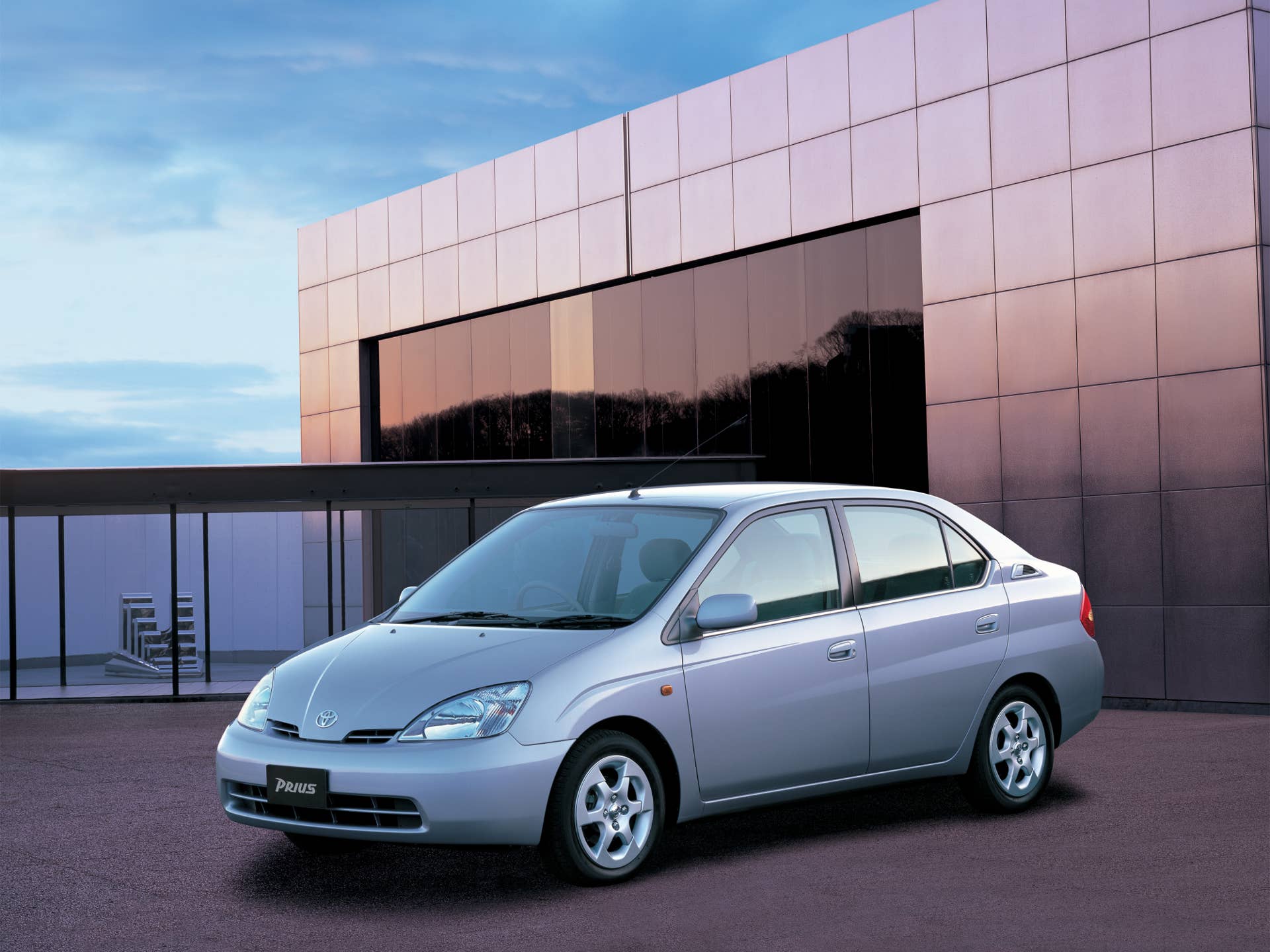
Toyota entered the hybrid market in 1997 with the launch of the first-generation Prius in Japan, and it hasn’t looked back. The Japanese automaker reached 6 million global hybrid sales in 2013 and over 15 million sales in 2020. In 2025 alone, Toyota sold 4.43 million hybrids worldwide, and the segment accounted for roughly 50 percent of its production. Toyota’s hybrid dominance is evident, but how it reached this status is often overlooked.
Hybrids solved an engineering problem for Toyota. Subsequently, rivals copied some of Toyota’s hybrid ideas, but not their philosophy, allowing the company to remain the segment’s undisputed leader. Let’s take a closer look at this philosophy and why competitors haven’t closed the gap, despite newer batteries, software, and electric vehicle (EV) pivots.
Toyota’s hybrid origin story: Starting early, iterating relentlessly
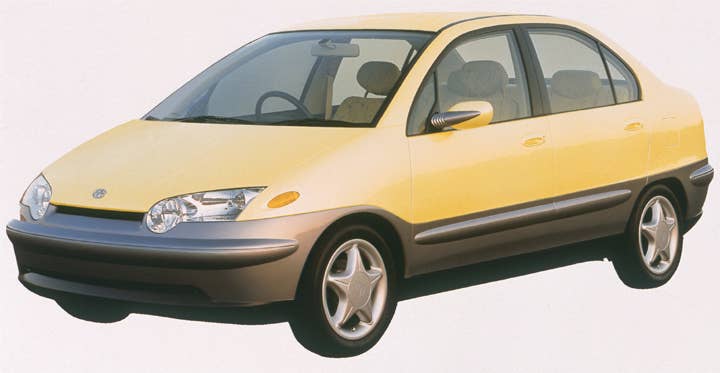
Toyota developed the first mass-produced hybrid in 4.5 years, a timeline that was considered ultra-short, according to Engineering and Technology History. Emerging emissions pressure from Japan and California was a primary driver of this development initiative, referred to in Toyota documents as the G21 Project, which led to the first Prius. During the early 1990s, environmental concerns were beginning to shape corporate goals. The California Zero Emission Vehicle (ZEV) program 1990 aimed to steadily mix automaker sales with vehicles offering zero (or near‑zero) tailpipe emissions. This program established a broader industry context where manufacturers, including Toyota, began considering alternatives to traditional internal combustion engines. Although pushback, such as lawsuits from automakers claiming battery technology wasn’t ready, resulted in CARB relaxing its rules in 1996-2001, CARB adjusted its regulations and implemented partial ZEV credits, which would help the Prius. Japan enacted its own automotive emissions standards in the early 1990s, tightening limits on NOx (nitrogen oxides) and other pollutants.
Rivals waited for hybrid proof while Toyota committed
Leading up to the release of its first mass-produced hybrid, Toyota invested in training dealers, educating mechanics, and building supply chains to support its Prius at scale. Other automakers avoided these investments since the decision to release a hybrid at scale was extremely risky. For example, Honda launched its first hybrid, the Insight, in 1999, but at a lower production volume without heavy logistical investments. The other competitors, such as Ford and General Motors (GM), also took a cautious approach until the hybrid idea was proven.
The Prius managed to meet and beat customers’ initial doubts about hybrid cars by generating trust among customers with its marketing approach, making customers perceive the Prius as a sensible and future-oriented car that prioritizes fuel efficiency. Toyota has also continued with incremental hybrid improvements rather than overhauling hybrid systems significantly. These improvements have been in areas that are crucial, such as battery, software, and drivetrain. Toyota’s Hybrid Synergy Drive (HSD) is a prime example of small-step hybrid refinement that remains fundamentally the same today.
Hybrid synergy drive: Simplicity hidden behind complexity
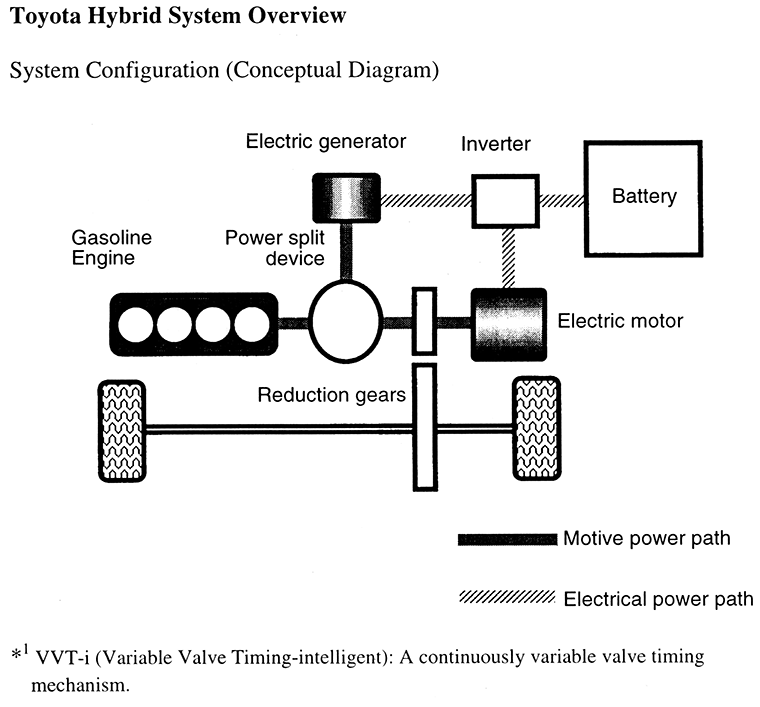
HSD is Toyota’s gas-hybrid electric system controlling how the engine, electric motor, battery, and transmission interact.
The core components of HSD include the following:
- Power split system: the electric motor and gas motor can be used separately or in conjunction with one another without any noticeable change in the shifting process, as opposed to the mild hybrid that most of the competition used in their initial designs
- Planetary gearset: replaces the traditional transmission in the vehicle and can automatically adjust the division of the power
- Small battery pack: reduces the overall weight of the vehicle as well as the cost in comparison to the traditional EV
- Few moving parts in clutch and transmission: reduces the overall complexity of the vehicle as well as the points of failure
- Scalability: the same system was used in multiple segments
- Efficiency and durability: the focus was on fuel efficiency in the real world rather than specs like peak horsepower output
While the competition was using add-on hybrid systems, Toyota was perfecting the same hybrid system that was used in the Prius. For instance, GM premiered its Two‑Mode Hybrid system in the early 2000s for larger trucks and SUVs, but its architecture was complex and expensive to build, which undermined high-volume production and broad adoption, Car and Driver reports.
The hybrid advantage Toyota’s rivals didn’t buy
By this point, it’s becoming clearer how Toyota leverages an entire hybrid production ecosystem, not just clever engineering or advanced components. Competitors can copy hybrid components and technology, but Toyota’s decades of production experience, supply-chain refinement, and cost-efficient scaling defines its market edge. Toyota makes or tightly controls most essential hybrid components in-house, such as electric motors, hybrid transaxles, battery packs, and control electronics. These processes translate to design control, quality consistency, and cost predictability, all of which outside suppliers can disrupt. If a third-party supplier causes a disruption, production increases are more difficult, and prices are more volatile.
Additionally, Toyota’s early 1997 Prius launch and high-volume hybrid output over decades has allowed the company to gradually write-off significant upfront research and development costs, reducing per-vehicle costs over rivals when paired with its in-house control. In the end, drivers get optimal real-world fuel efficiency, reliability, and durability at lower or competitive prices.
Final thoughts: why Toyota’s hybrid lead still matters
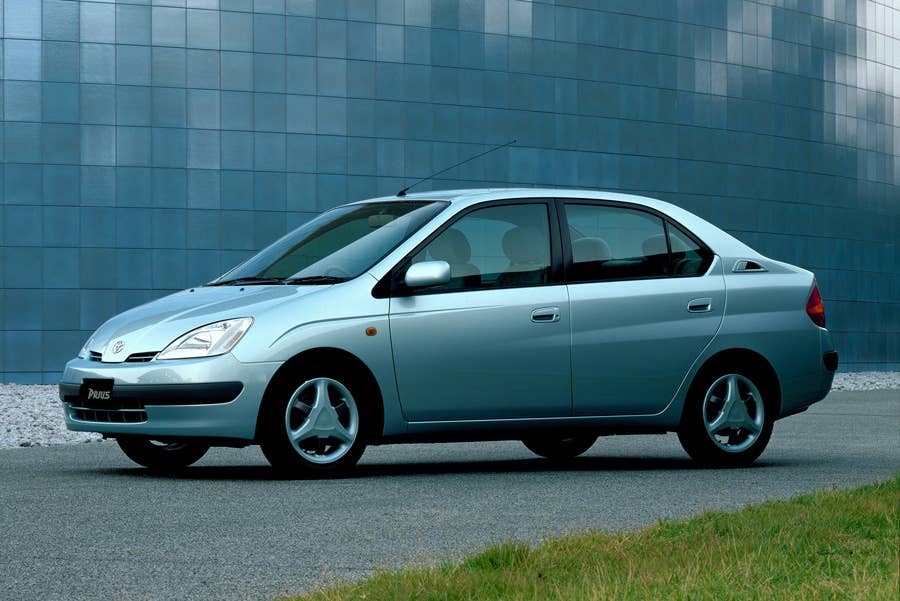
Toyota rivals entered the hybrid game late, often relying on mild hybrids, stopgap turbo systems, or transmission-based designs instead of a gas-hybrid electrical system like HSD. Even today, Toyota’s competition is playing catch-up as hybrid refinement is being compromised by cost pressures in areas like EV investments, research and development, production, and price sensitivity. Decades of steady hybrid improvement and scalable HSD architecture can’t be bought outright. At Toyota, hybrids remain a core, long-term strategy reducing emissions without charging infrastructure while meeting diverse consumer needs.
Check out Road Ethos for more feature-length insights on your favorite automakers.
About the author

Cody Carlson
Contributing Writer, Autoblog