
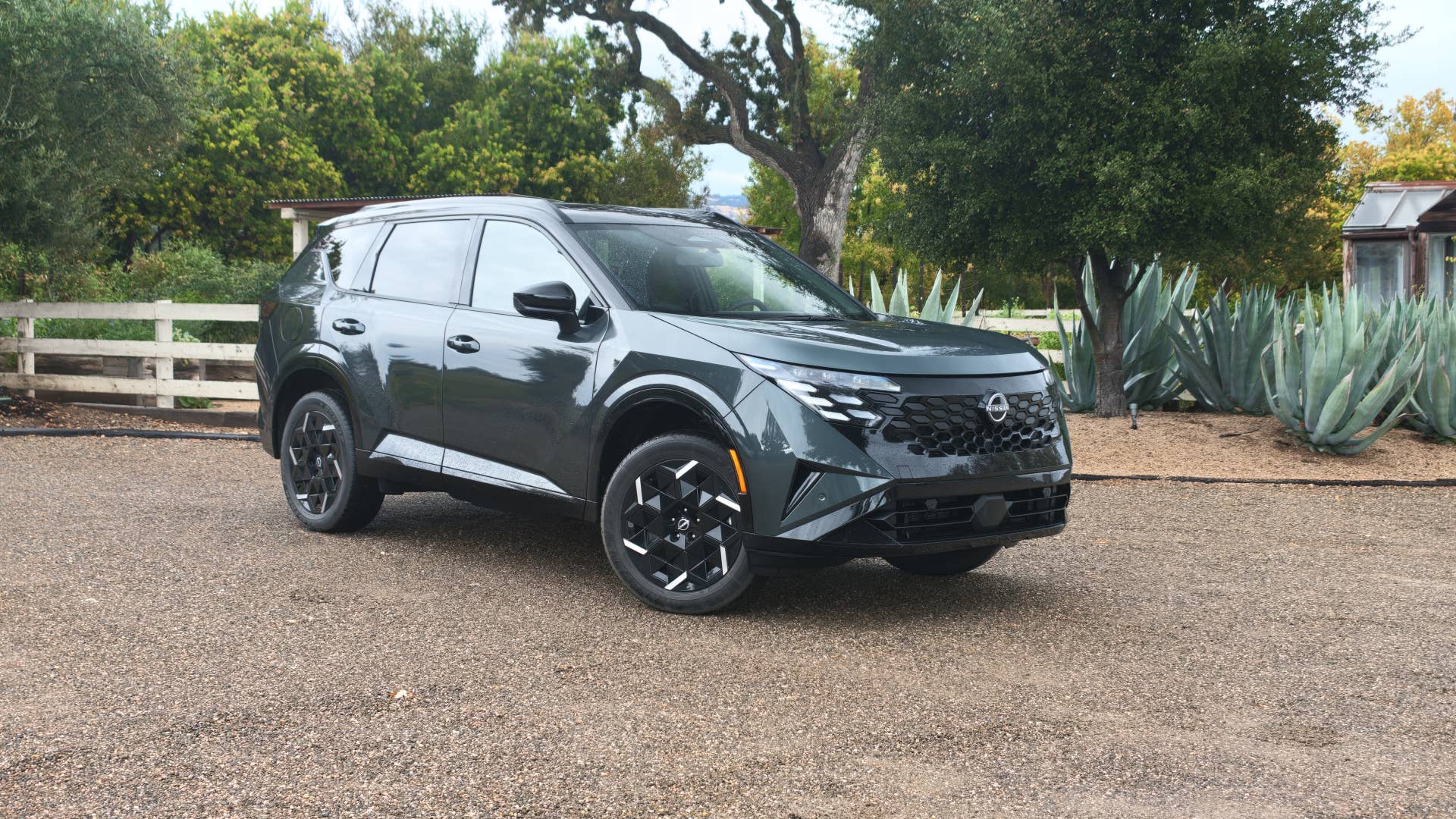
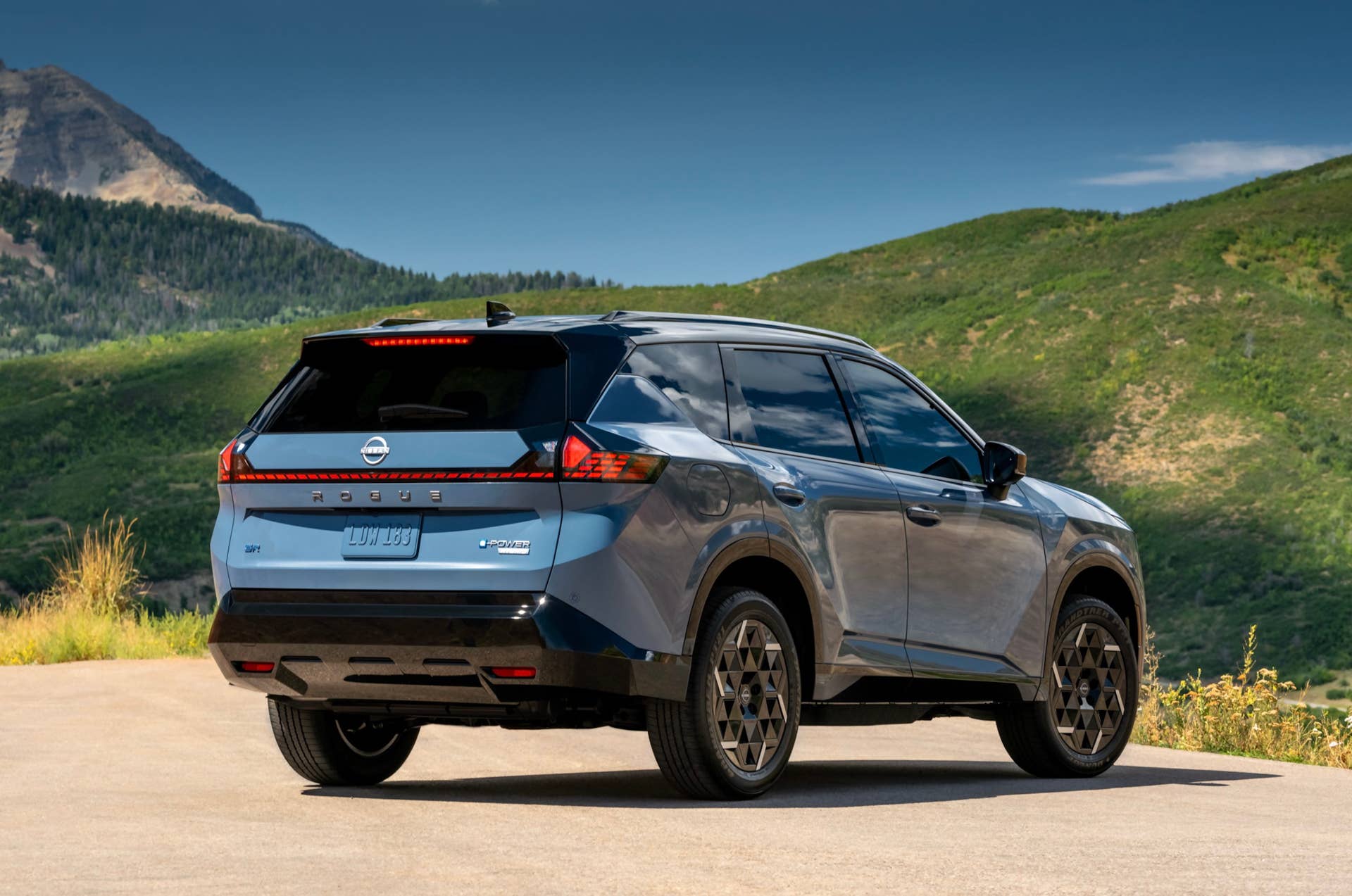
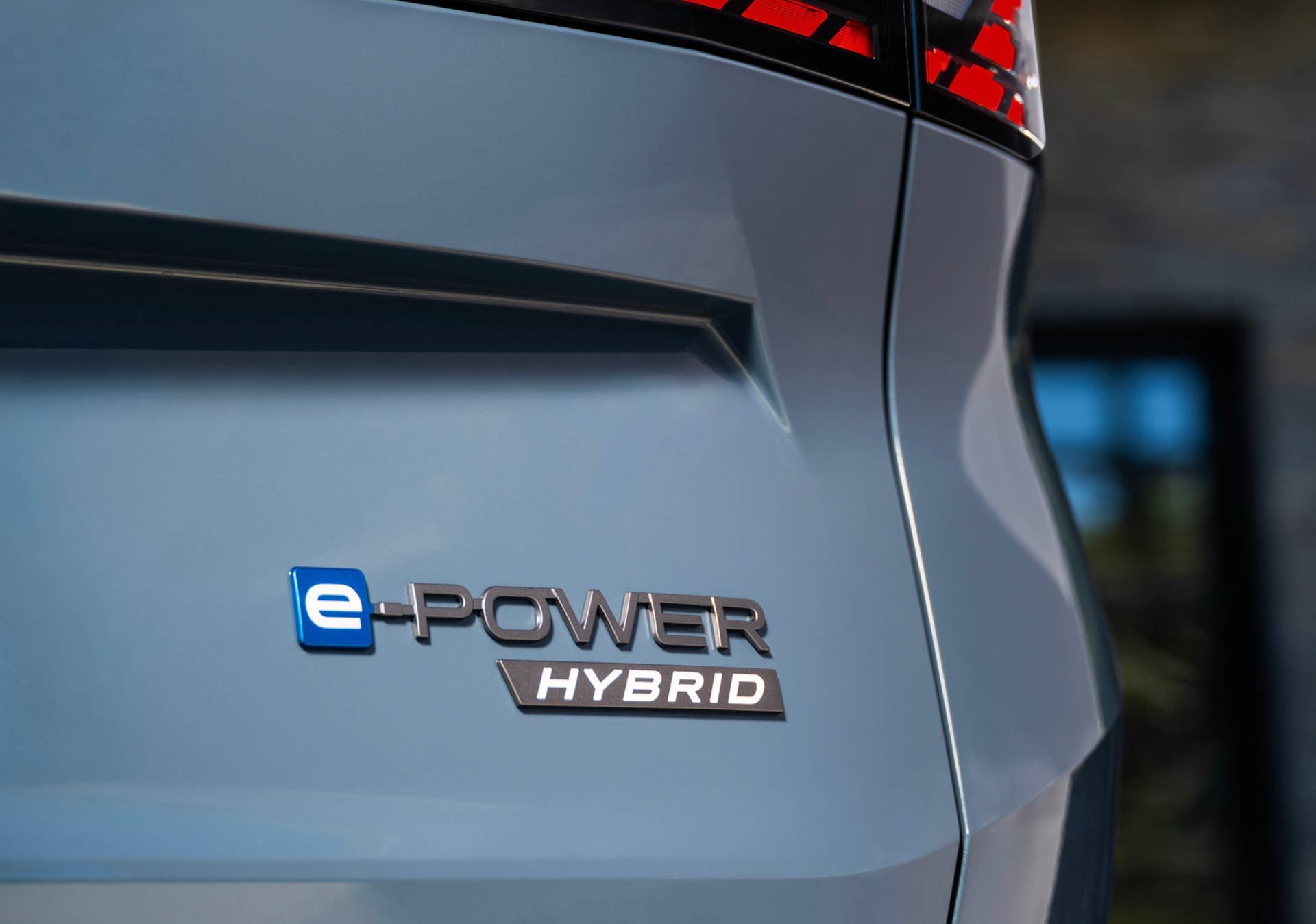
The 2027 Nissan Rogue Hybrid introduces Nissan e-POWER to the United States, and it’s unlike any other powertrain on sale right now. It uses gasoline, but it carries no charge port, and its engine does not propel the SUV.
That setup gives the Rogue a driving character closer to an EV than a Toyota RAV4 Hybrid or Honda CR-V Hybrid. Nissan will also continue offering a gasoline Rogue, which will arrive as a 2028 model.
The Engine No Longer Drives the Wheels
Nissan e-POWER is a series hybrid, meaning its 1.5-liter turbocharged gasoline engine works as a generator while electric motors alone turn the wheels with 225 horsepower. Most hybrid SUVs use a parallel hybrid setup, in which the engine can also power the wheels. Rogue Hybrid buyers still refuel at a gas station, but there is no transmission shifting between power sources and no need to plug in.
Jared Levenson/Autoblog
Nissan
Nissan
The difference mattered in our first drive. Acceleration felt linear rather than like an engine stepping in to assist an electric motor, and the generator stayed subdued even under hard throttle. The Rogue did not feel especially forceful off the line, but it was notably quieter than the RAV4 Hybrid and CR-V Hybrid driven for comparison. The EPA rates the Rogue Hybrid SR at 41 mpg city, 36 mpg highway and 38 mpg combined, one mpg better in the city than the estimate Nissan shared at the September reveal.
One-Pedal Driving Is the Other Change
The Rogue Hybrid also adds Nissan’s e-Pedal function, and Nissan says it is the only vehicle in its class with true one-pedal driving. This mode increases regenerative braking when the driver lifts off the accelerator, allowing the Rogue to come to a full stop without using the brake pedal in many routine situations. In our testing on wet California roads, it did exactly that at a stop sign.
This is more useful than a novelty for commuters. Conventional hybrids can regenerate energy during deceleration, but they generally do not deliver the same full-stop, accelerator-only behavior. Nissan pairs e-Pedal with Smooth Stop brake control, which is designed to soften the final moments of a stop.
The First Rogue Hybrid Is a $41,490 Model
The 2027 Rogue Hybrid starts at $35,490 for the SV, excluding the $1,575 destination charge. The first version to arrive is the SR with Technology Package, which begins reaching dealerships in limited numbers in November 2026. The rest of the range follows in early 2027, with Nissan listing the SV, SV with Premium Package and Platinum for January.
| Trim | MSRP | Expected Availability |
|---|---|---|
| SV | $35,490 | January 2027 |
| SV with Premium Package | $37,590 | January 2027 |
| SR | $37,490 | Early 2027 |
| SR with Technology Package | $41,490 | November 2026 |
| Platinum | $43,490 | January 2027 |
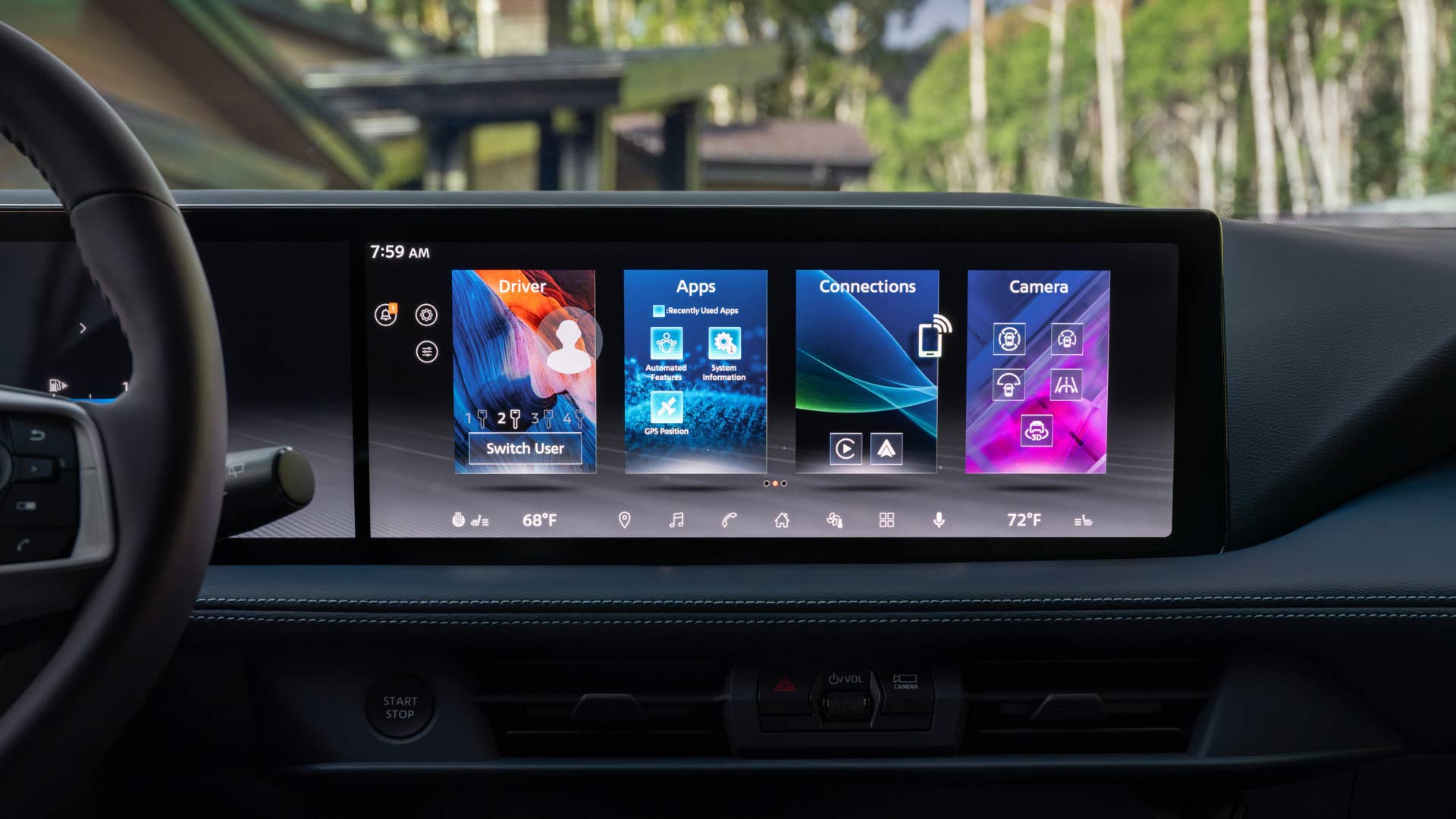
Wait for the $35,490 SV unless the larger center display and surround-view camera are priorities. It already includes dual 12.3-inch screens, heated front seats, wireless Apple CarPlay and wireless Android Auto, while keeping the same e-POWER drivetrain and standard dual-motor all-wheel drive. Getting those extras means stepping up to the SR with Technology Package at $41,490, which is $6,000 more than the SV and $4,000 more than the regular SR. That premium makes sense for buyers who will enjoy its 14.3-inch center display with Google built-in, 3D camera and memory driver settings, but it does not change the powertrain.
The important change is not the Rogue Hybrid’s styling or screen size. It is that Nissan has given a mainstream compact SUV an electric-motor-driven powertrain without asking the owner to live with charging stops. Buyers focused purely on price and fuel economy may still find a better deal in a RAV4 Hybrid, which starts for less. Shoppers who want the quiet, smooth response of an EV and have no place to charge should put the Rogue Hybrid on the short list.
About the author

Adam Lynton
Co-Editor-in-Chief, Autoblog