

For decades, buying a new car was simple: you negotiated a price, signed the paperwork, and owned the vehicle and all its equipment. Today, the automotive industry is abandoning that traditional model for mandatory microtransactions. Manufacturers no longer want to sell you a finished product. Instead, they want to sell a rolling hardware platform that requires a monthly fee to unlock its full capabilities.
Envious of tech industry profit margins, automakers want a piece of the recurring revenue action. Despite fierce consumer backlash, financial forecasts show this subscription model will only expand. The physical hardware is already installed on the assembly line, but the software switch remains off until your credit card clears. Here are six basic features of a car the industry is actively locking behind a paywall.

Heated Seats
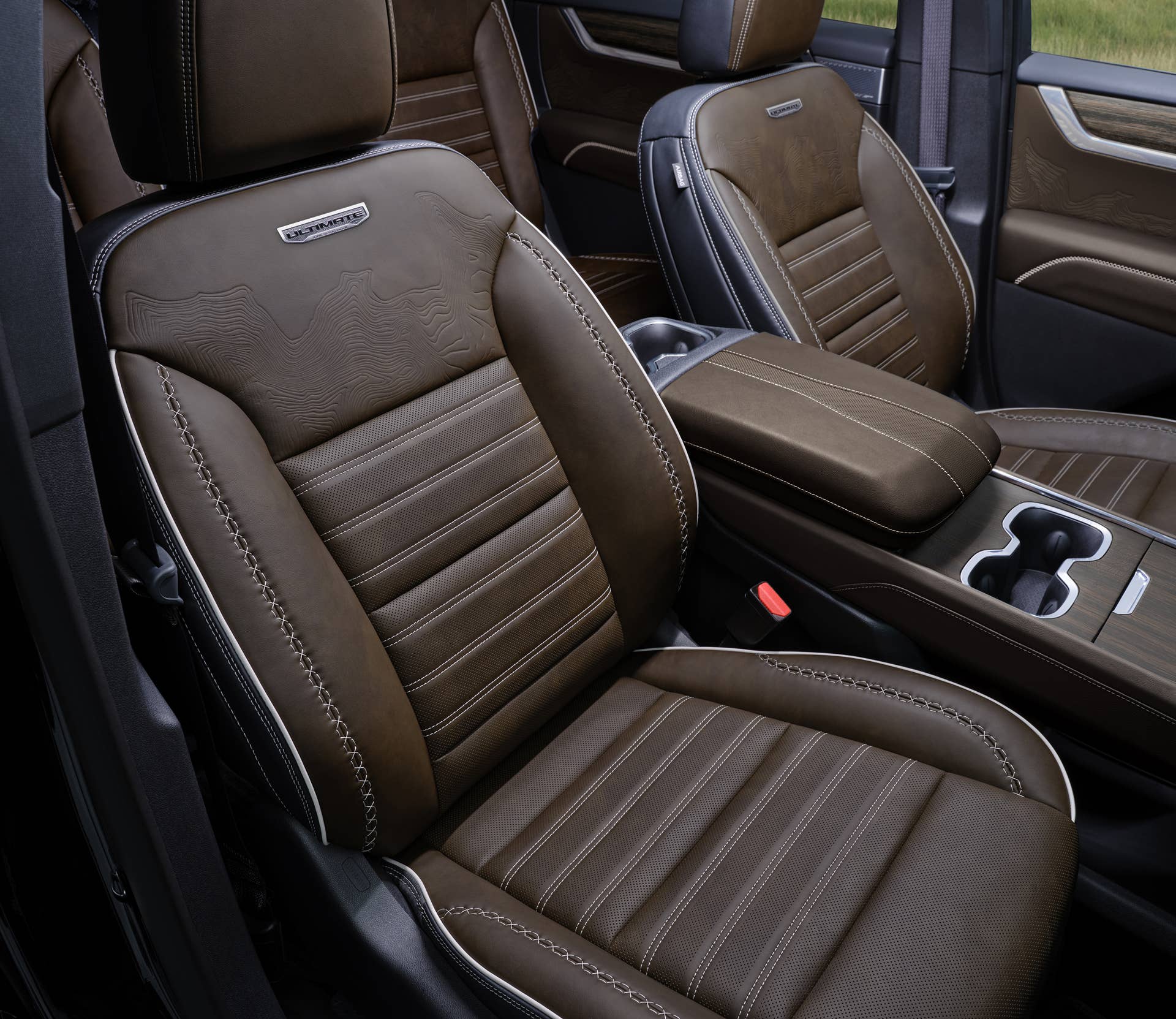
Nothing perfectly illustrates the absurdity of modern automotive paywalls quite like the great heated seat debacle. Automakers realized it was cheaper to streamline assembly lines by installing standard heating elements in every single vehicle they produced, rather than manufacturing different seat variations. Instead of passing that manufacturing efficiency onto the consumer, companies tried to charge owners a monthly fee to simply turn on the hardware they already hauled around.
The backlash was immediate and fierce. Following relentless media criticism and consumer outrage, one major German luxury brand finally admitted its heated seat subscription was a massive miscalculation and abandoned the program. Competitors quickly capitalized on the public relations disaster, with rivals gaining easy goodwill after Volvo called out the ridiculous practice. However, despite losing this specific battle, the industry continues testing the waters with other climate control features like heated steering wheels.
Garage Door Openers
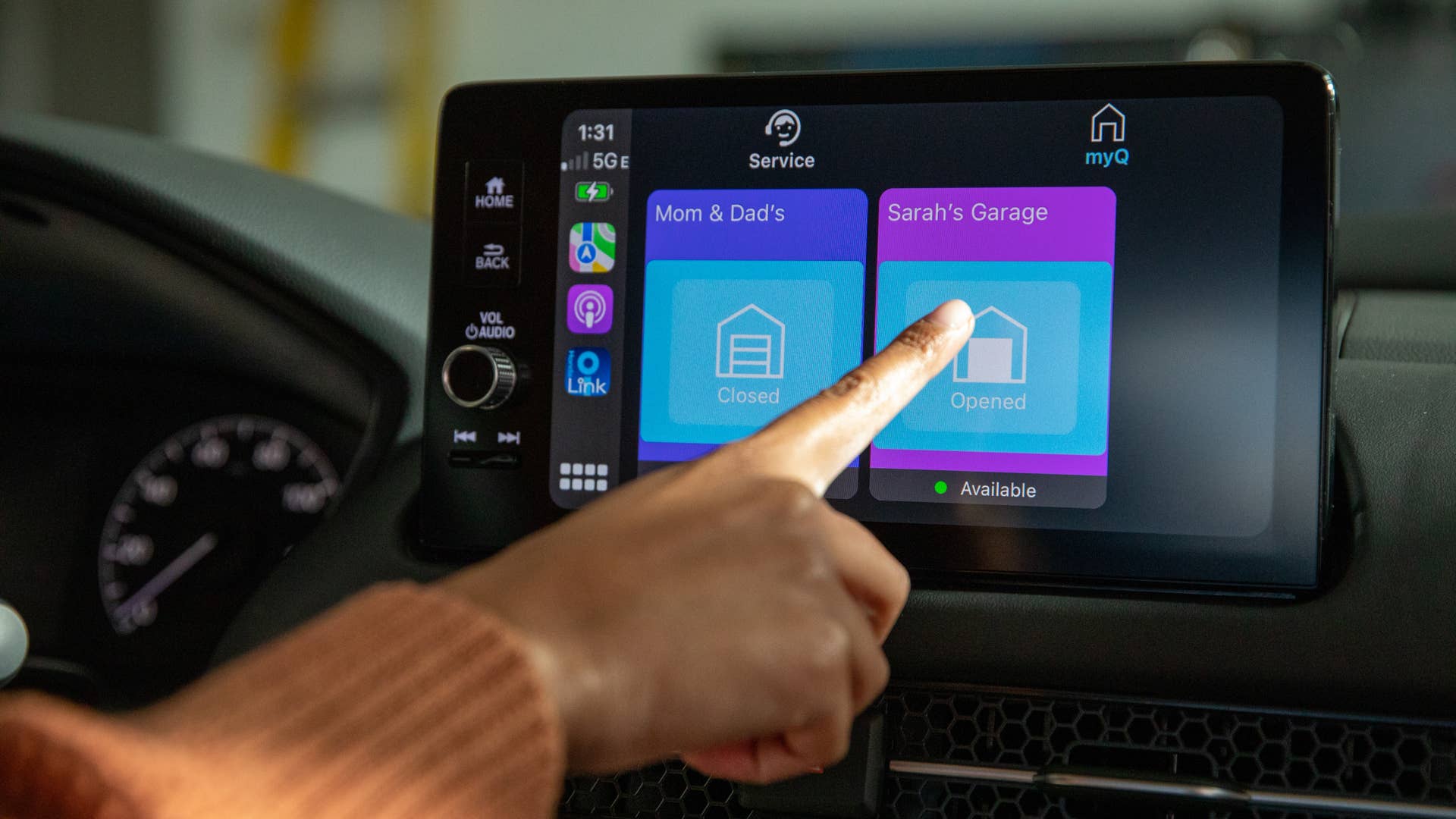
For the last twenty years, nearly every mid-level vehicle on the market featured a standard universal garage door opener hardwired into the rearview mirror or overhead console. It was a simple, offline radio transmitter that cost pennies to integrate. Now, some manufacturers are stripping out those simple physical buttons and moving the functionality entirely onto the central infotainment touchscreen.

By digitizing this basic function, automakers found a new pressure point. A recent move by a major Japanese automaker forces owners into a connected vehicle plan, where opening the garage now requires an active subscription. If your complimentary trial period expires and you refuse to pay the monthly fee, the digital button on your dashboard simply stops working, forcing you to clip an old-school plastic remote to your sun visor.
Honda
Remote Start Functionality
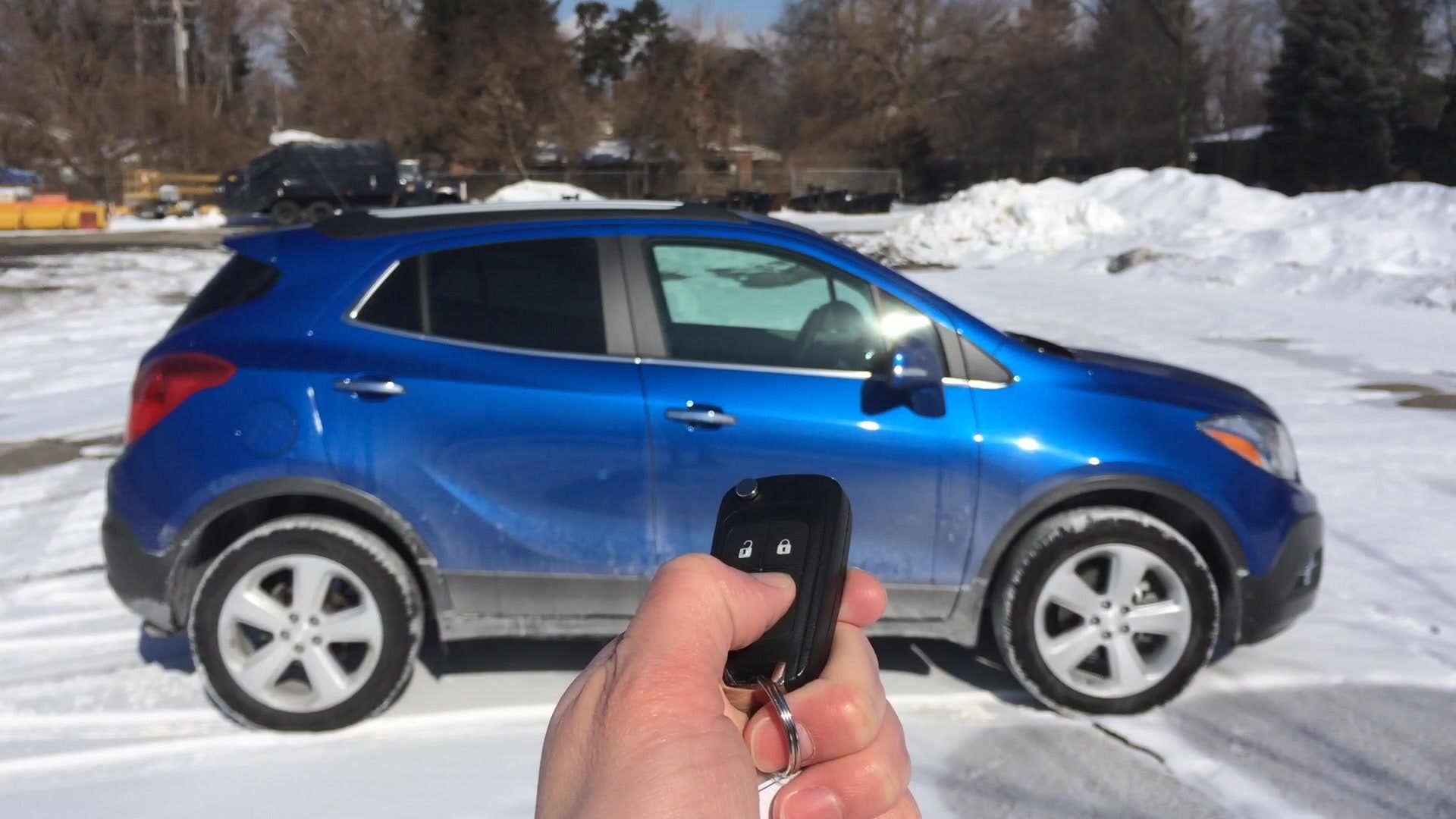
Remote start used to be a premium standalone feature. You clicked a physical button on your key fob, the fob sent a direct radio signal to the car in your driveway, and the engine fired up to warm the cabin. It required zero cellular connection and zero data transfer. Today, automakers are intentionally crippling the offline capabilities of their physical key fobs to force owners into their proprietary smartphone applications.
To start your car from the kitchen on a cold morning, you must open an app, wait for it to load, and send a signal through a cellular network. Naturally, access to that cellular network and the companion app requires an active monthly subscription. When owners stop paying the fee, they lose the ability to precondition their cabins, even if the vehicle is parked just ten feet away from their front door.
Smartphone Projection
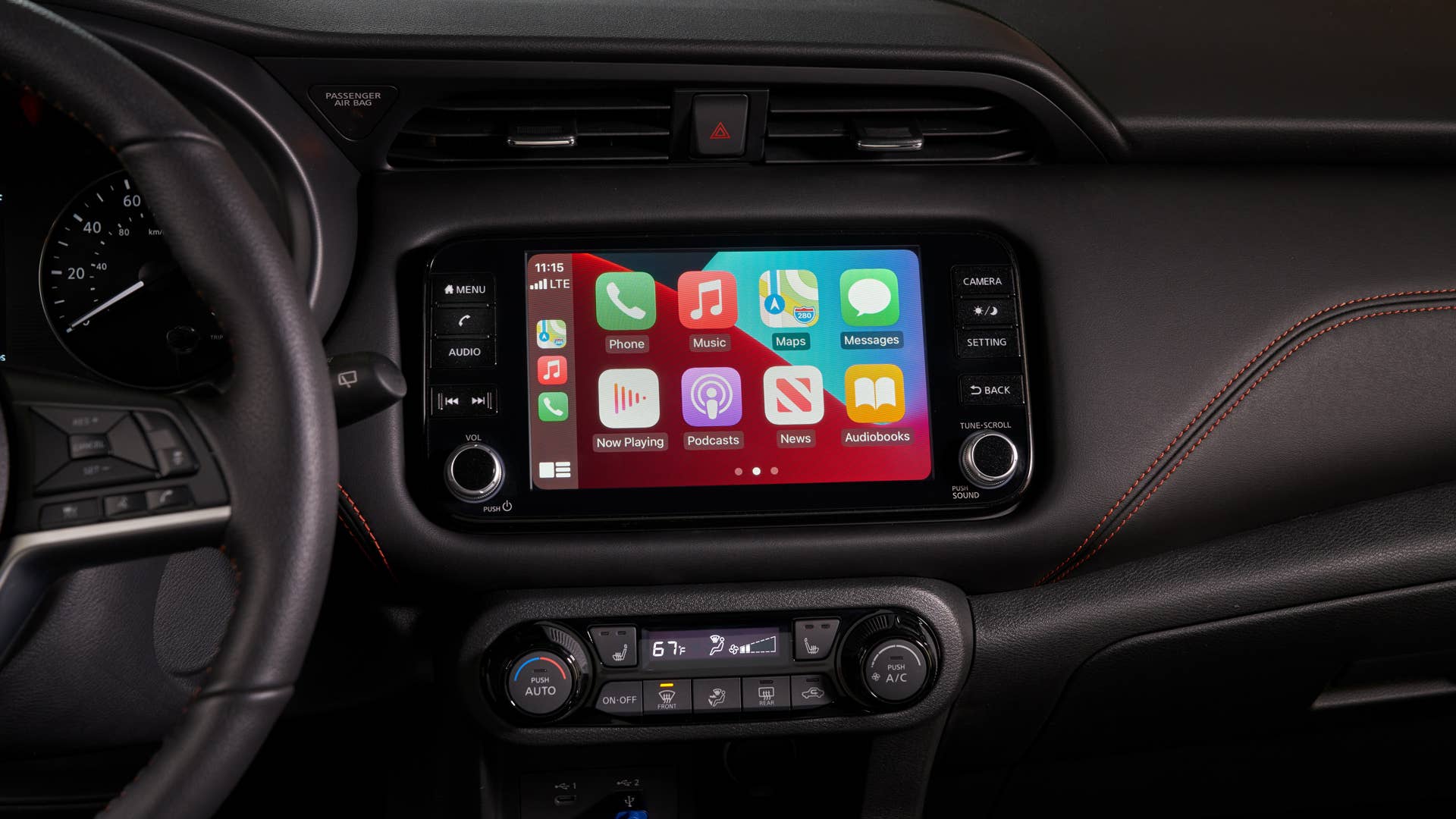
Apple CarPlay and Android Auto revolutionized the driving experience by projecting a familiar, lightning-fast smartphone interface directly onto the dashboard. Consumers universally demand these features because they work consistently and bypass clunky factory navigation systems. Unfortunately, automakers hate them. By letting Apple and Google control the screen, manufacturers lose access to valuable driver data and direct billing opportunities.
To take back the dashboard, some of the largest American automakers are completely eliminating Apple CarPlay from their future electric vehicle lineups. They are forcing buyers into proprietary infotainment ecosystems because they found a more profitable way to monetize the cabin. By eliminating the free projection software, automakers can eventually charge monthly fees for built-in navigation, media streaming, and real-time traffic updates.
Advanced Driver Assistance Systems
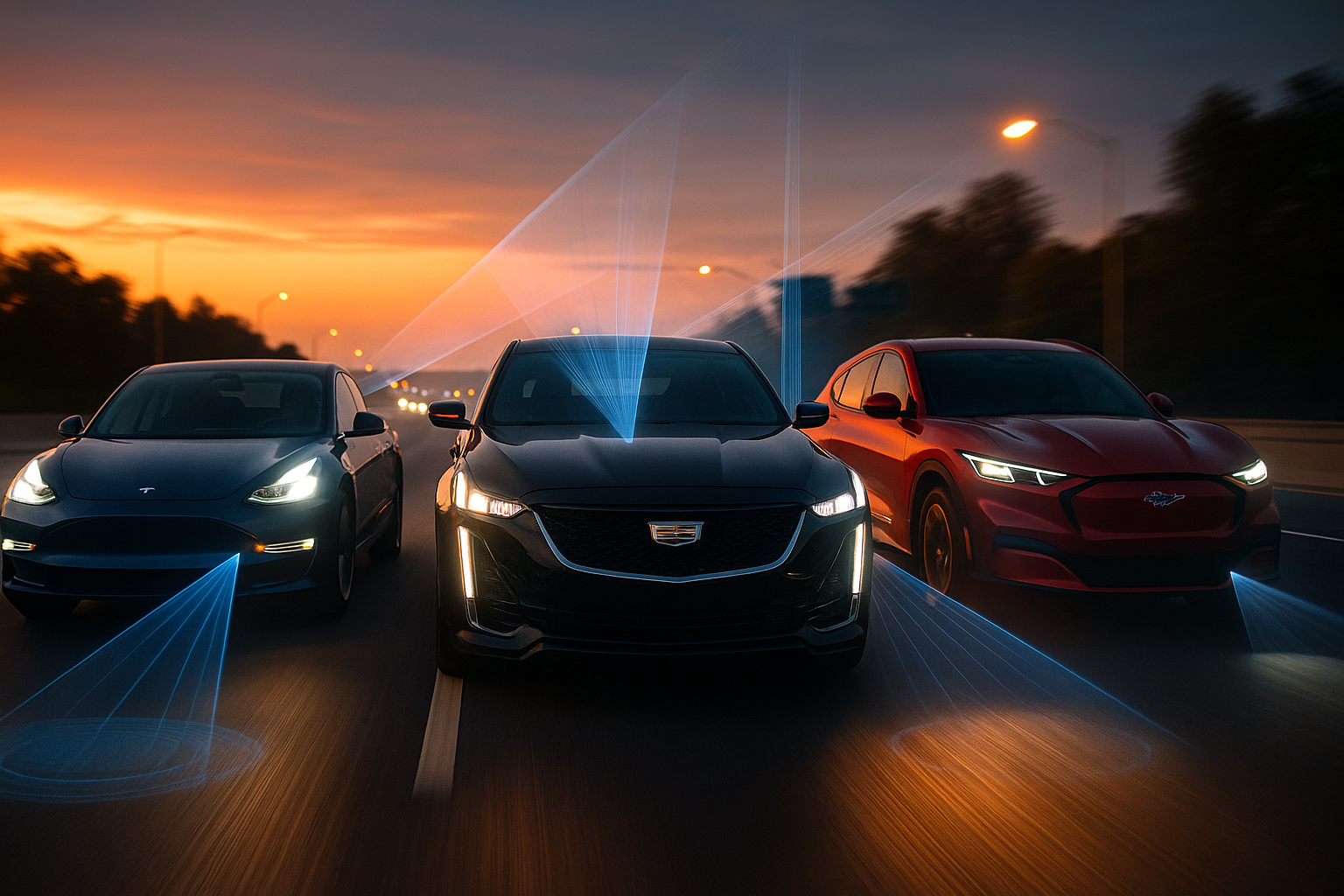
Radar sensors, lidar arrays, and high-definition cameras are now standard equipment on most modern cars, required to satisfy federal mandates for basic car safety features like automatic emergency braking. However, because this expensive hardware is already physically mounted to the bumper, automakers realize they can easily software-lock the convenience features that rely on those exact same sensors.
As a result, basic adaptive cruise control and lane-centering technology are increasingly being bundled into subscription packages. You are essentially buying a car fully equipped to drive itself on the highway, but the manufacturer refuses to process the data unless you pay a recurring software fee, allowing them to continually extract revenue from the second and third owners of the vehicle.
Brian Iselin
Performance
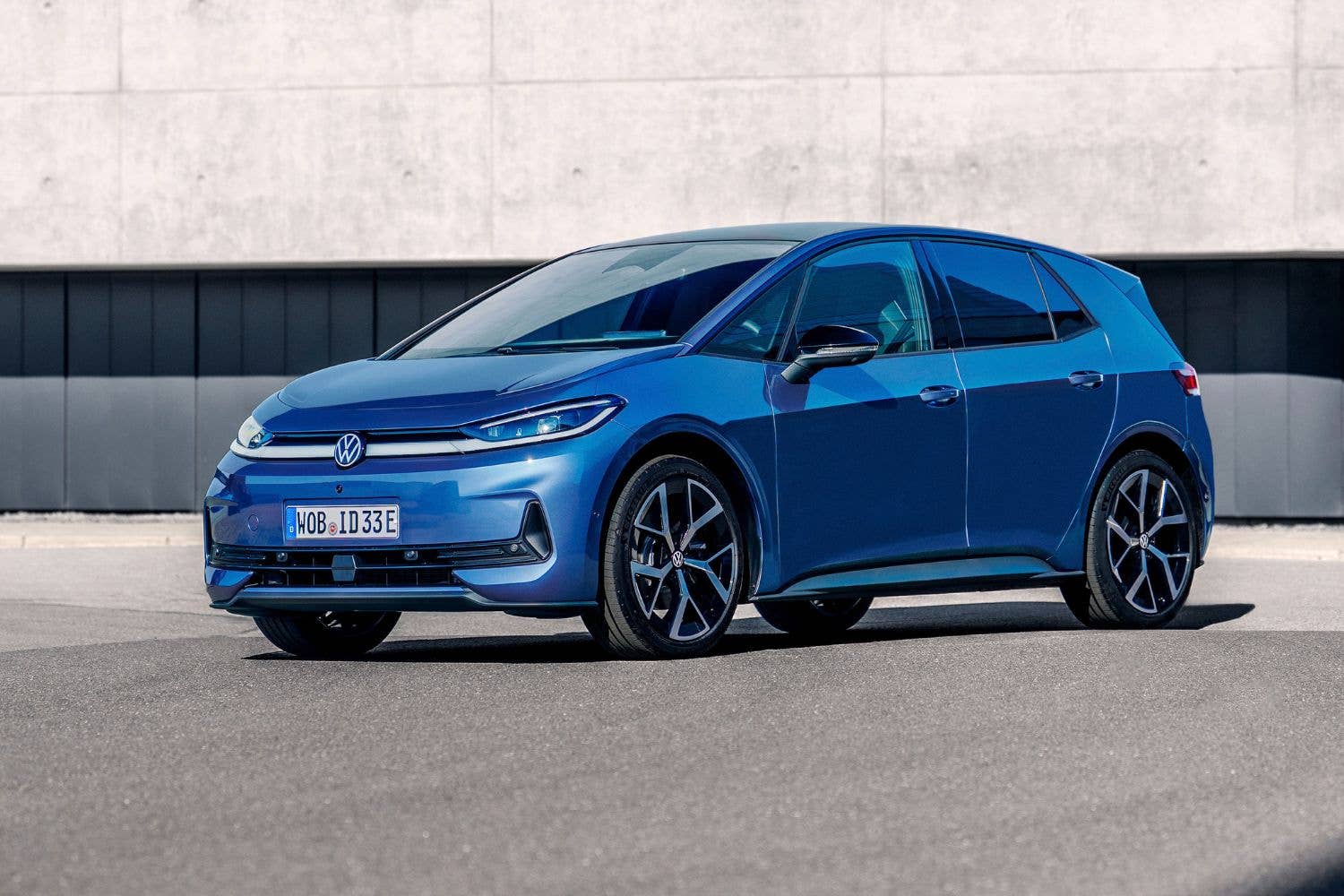
Perhaps the most egregious example of the modern automotive paywall is the concept of subscription-based horsepower. Historically, a car’s performance was dictated by the physical engine or electric motors bolted to the chassis. Today, several luxury EV manufacturers are shipping vehicles with perfectly capable electric motors that are intentionally software-throttled at the factory.
To unlock the vehicle’s true acceleration potential, owners must pay an annual fee or a permanent software unlock charge. The battery is capable of delivering the juice, and the motors are capable of handling the torque, but the computer denies the request until the payment processes. It represents a fundamental shift in ownership where you no longer buy the physical capability of the machine, you simply rent the digital permission to use it.
Volkswagen
Can We Ever Have Nice Things?
The apparent greed driving this subscription model has finally caught the attention of lawmakers. As consumer anger reaches a boiling point, legislators are beginning to draft consumer protection laws to curb the practice. For instance, a proposed state bill explicitly targets automakers who charge recurring fees for physical hardware that is already installed in the vehicle.
While these legislative efforts sound promising on paper, automakers employ massive legal teams to protect their new revenue streams. The bills often focus strictly on physical hardware like heated seats, but significant loopholes remain for anything defined as a software service or data connection. Unless federal regulators crack down on the definition of ownership to protect the basic features of car ownership, buyers must prepare for a future where every dashboard includes a permanent credit card slot.

Toyo Tires
About the author

Roy Robles
News Editor