
Key Points
- Genesis sold only 1,687 G90 sedans in America during 2025, far fewer than competing flagship sedans.
- A refreshed G90 is reportedly planned, with updated styling, technology, and potentially advanced driver assistance.
- Despite low sales, the flagship strengthens Genesis’s credibility against established luxury brands like Mercedes-Benz and BMW.
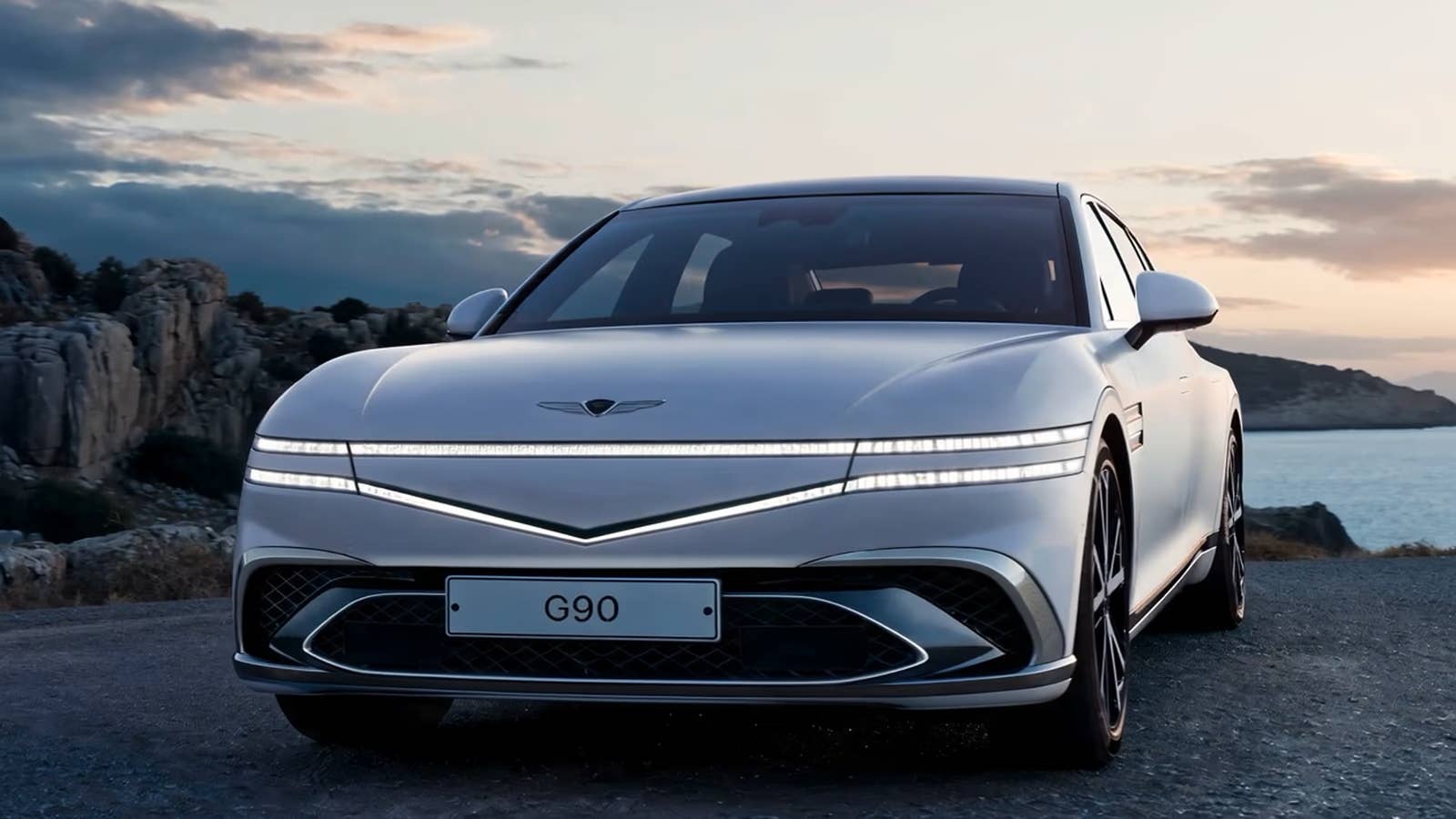
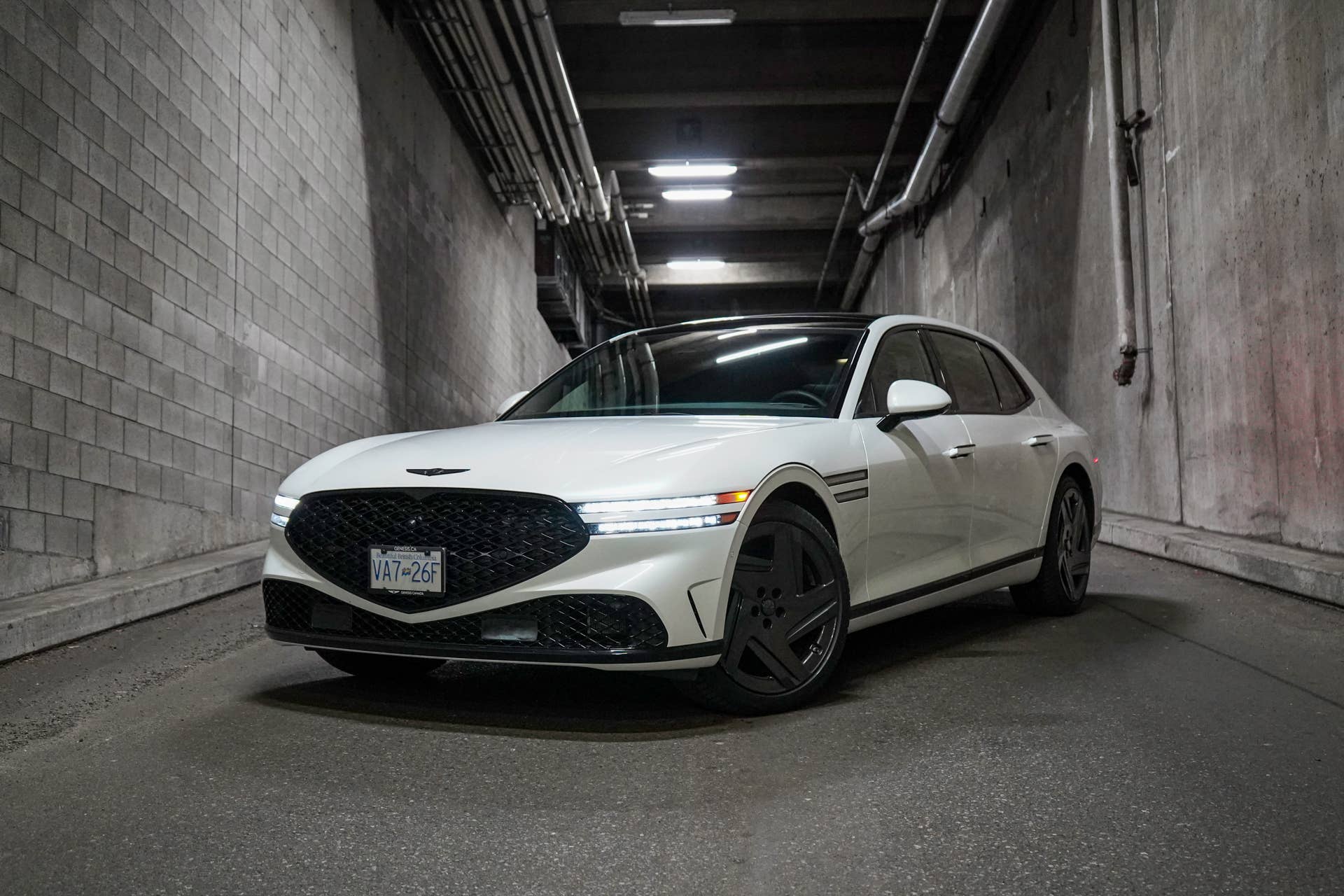
In terms of sales volume, Genesis’ flagship sedan is weak sauce compared to its next largest sedan, the G80. The G80 is, in fact, the brand’s global best-seller. By contrast, Genesis sold just 1,687 G90 sedans in the United States in 2025. That’s roughly 141 cars per month, a pittance compared to the BMW 7-Series, which sold over 11,000 units in 2025. That said, we’ve driven the current G90 (below) and it’s one of the most impressive luxury vehicles on the market, especially given its comparatively modest price of $92,700 base MSRP.
Cole Attisha
The mid-cycle refresh for the flagship Genesis G90 sedan is expected for the 2027 or 2028 model year, with recent spy photos and test sightings indicating these plans, if not confirming them. When the Lexus LS 500 was killed off last year, it was because the car was incredibly slow to move off dealer lots. It sold fewer units (1,082) than the G90, but not significantly slower. Yet Genesis is preparing a refreshed version rather than following through on its rumored demise. So, why is Genesis spending more money on something so few Americans buy?

First, the Refresh Hasn’t Been Revealed
Amos Kwon using Perplexity AI
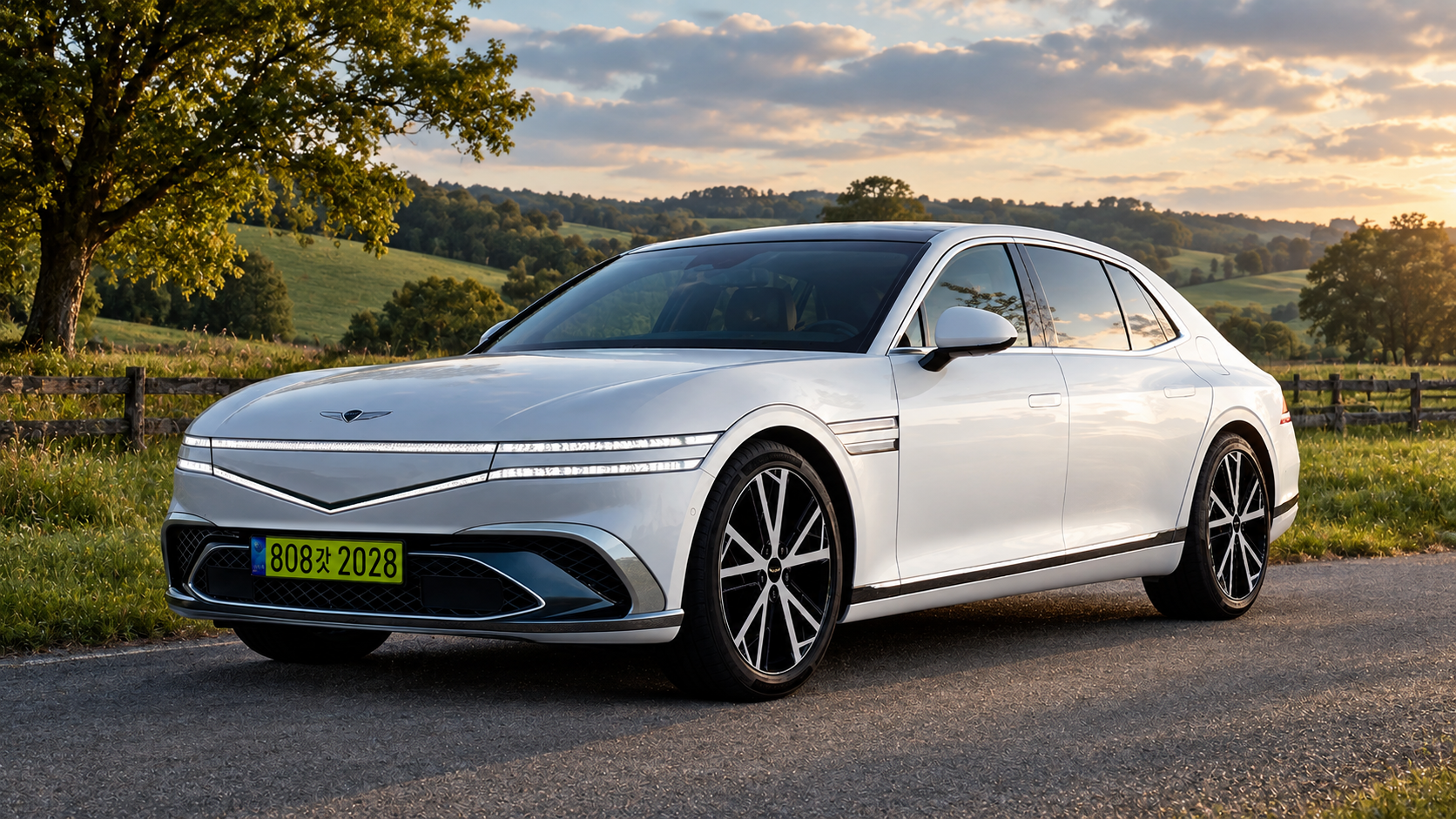
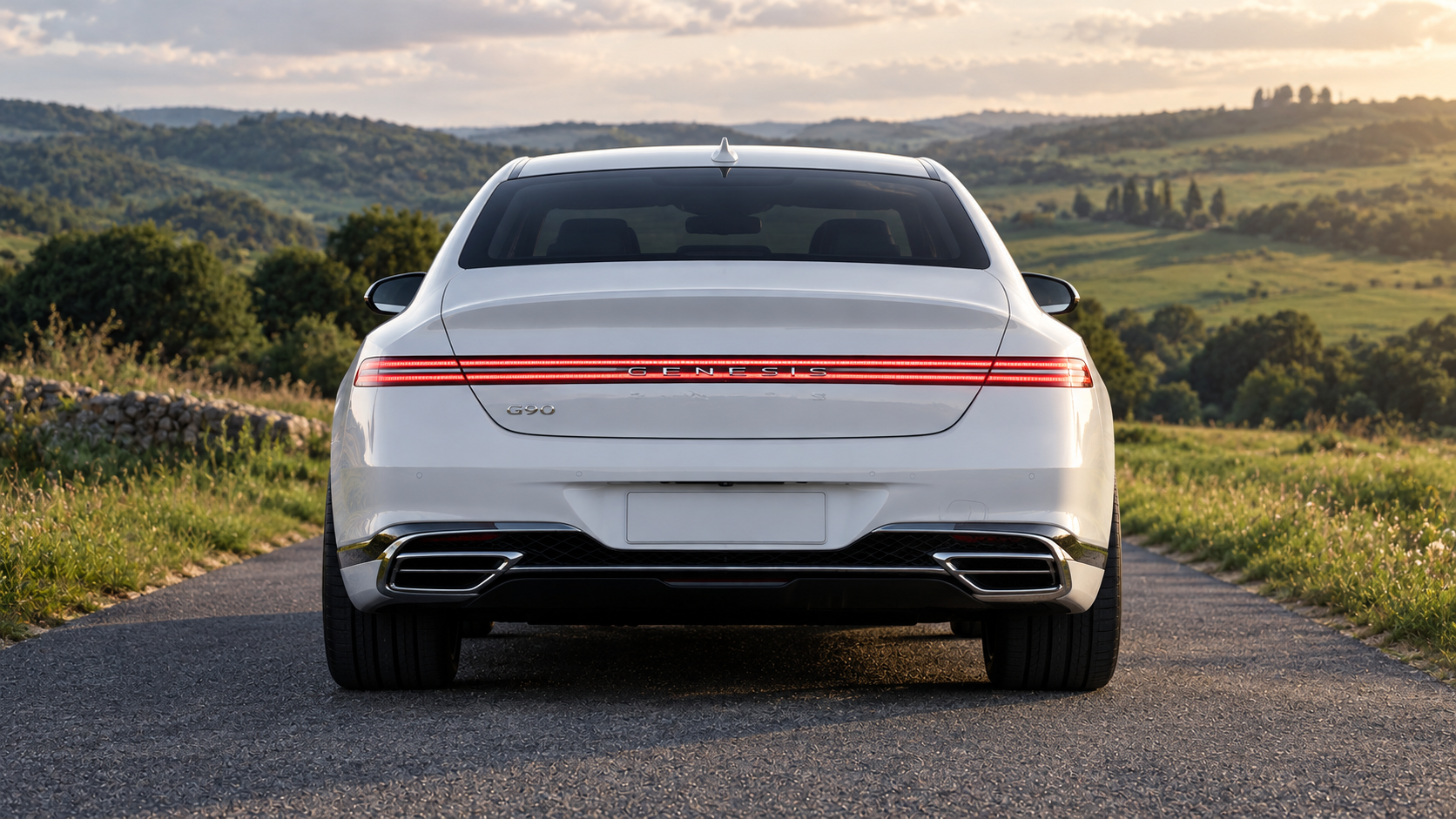
Let’s make things clear. Genesis hasn’t unveiled anything in the way of photos, so what you see here are renderings. The refreshed G90 has appeared in testing, with reporting pointing to a South Korean launch in December 2026. U.S. timing, pricing, and final specifications remain unconfirmed, so we don’t even know what the final product will look like. It’s safe to say that most of the car will remain the same, especially the overall shape, doors, exterior dimensions, etc. But the front and rear fascias may borrow from the Neolun Concept (below), or what will eventually become the GV90 three-row luxury SUV.
Amos Kwon using Perplexity AI
Spy coverage shows revised “parametric” two-line lighting elements, updated bumpers, and interior changes that may include Hyundai’s upcoming PLEOS Connect infotainment system. PLEOS Connect places most vehicle functions on the screen. Spy photos indicate that the G90 will lose its 12.3″ digital instrument display in favor of three bespoke analog (or analog-style) gauges. The dash in PLEOS Connect vehicles will have more minimalist switchgear but will, thankfully, retain physical controls for some audio and climate functions.
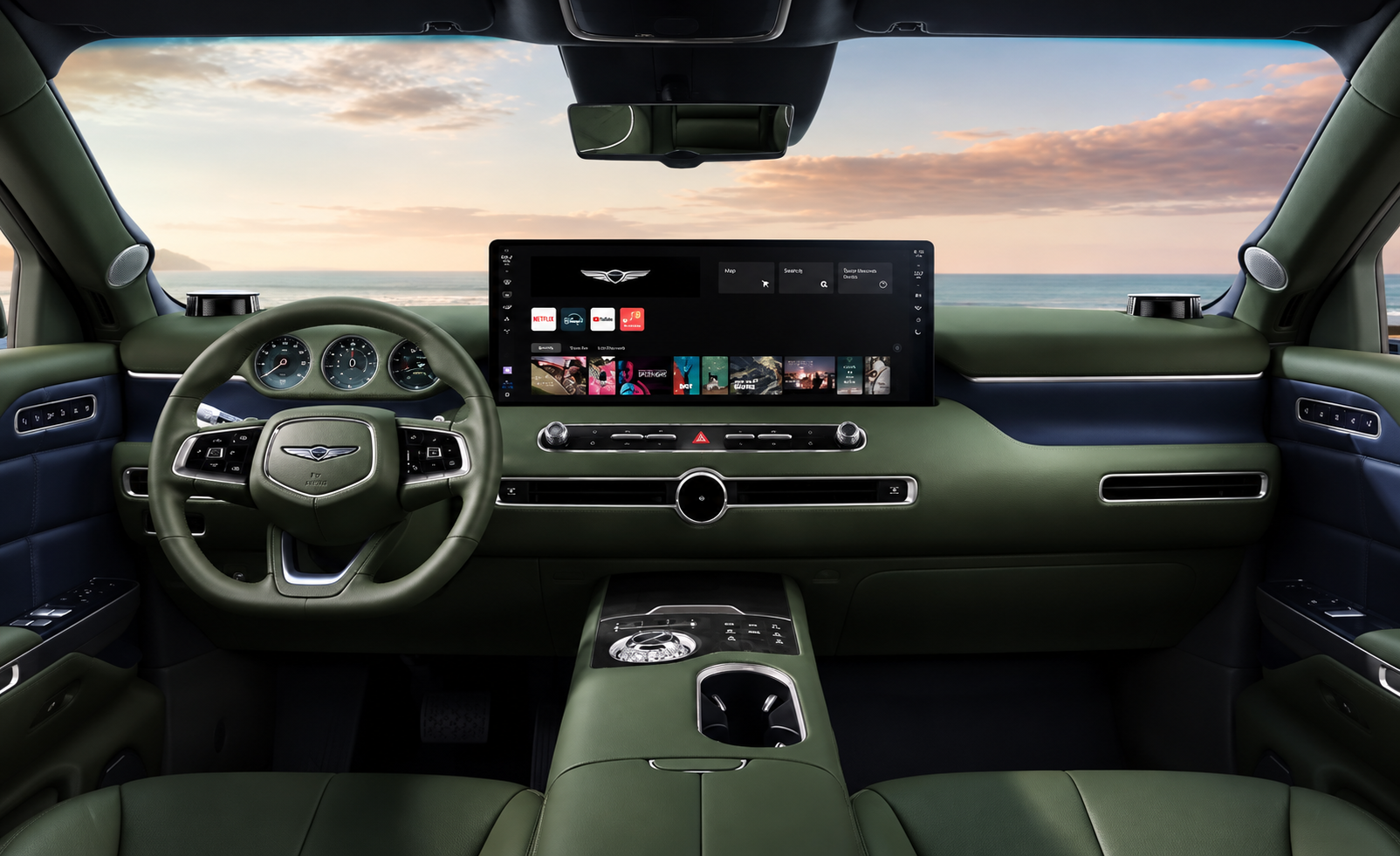
Amos Kwon using Perplexity AI
The updated G90 may also receive advanced driver-assistance technology, but those details are speculative, rather than confirmed. Likewise, speculation about a new hybrid powertrain remains just that until Genesis releases specifications.
The G90 Carries the Weight of Brand Image
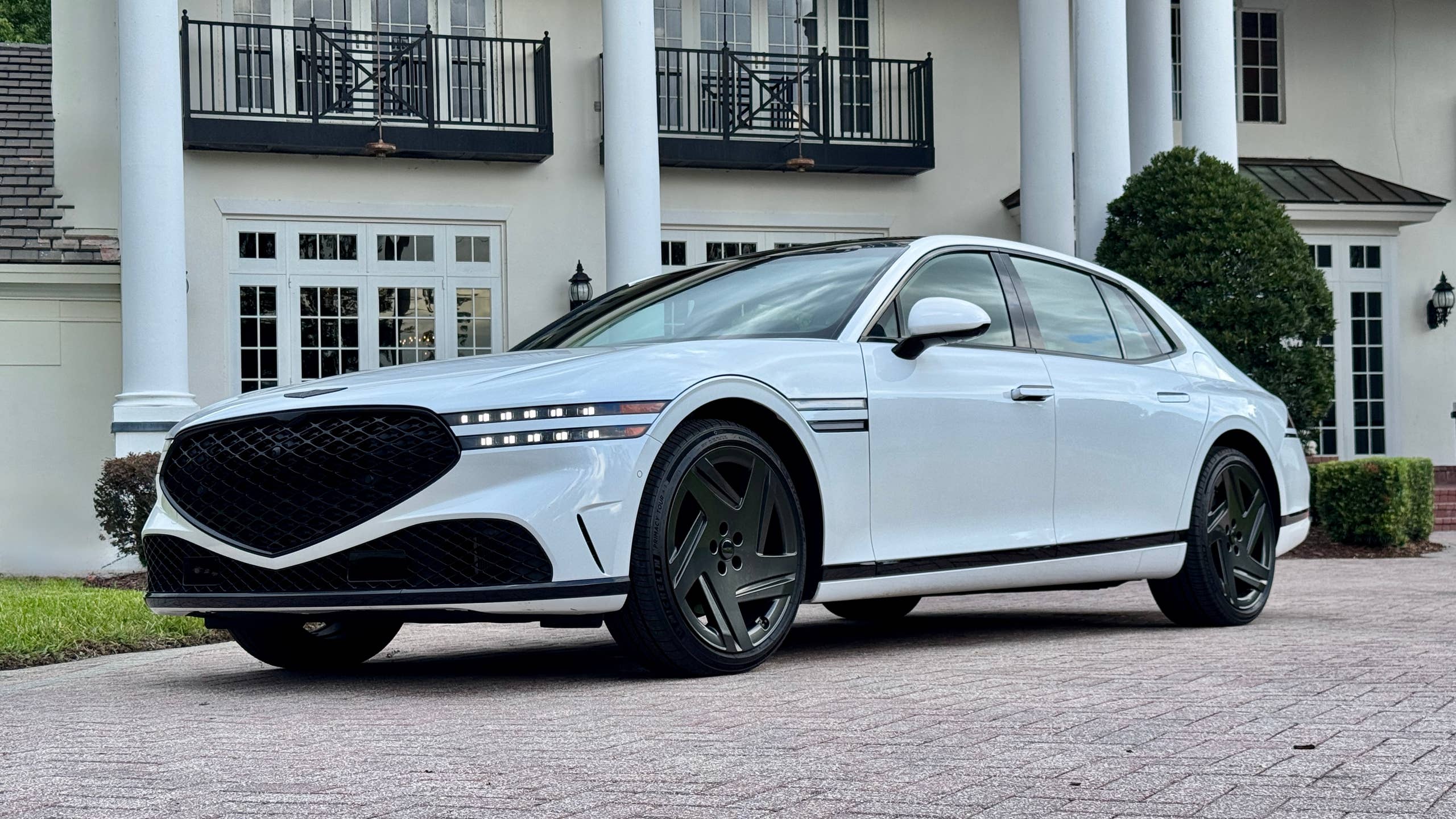
Jared Rosenholtz/Autoblog
The G90 was conceived as the Genesis brand’s flagship from the beginning. When Hyundai announced the new luxury marque in 2015, the big sedan was its first planned model. It wasn’t simply another vehicle filling a gap in the lineup. The G90 gives Genesis something tangible to place at the top of its range: a car that asks buyers to consider the brand alongside established luxury manufacturers. If it’s going to play in the big boy sandbox with Mercedes and BMW, it needs this sedan for its image, despite the fact that Lexus and Audi have abandoned their large sedans.
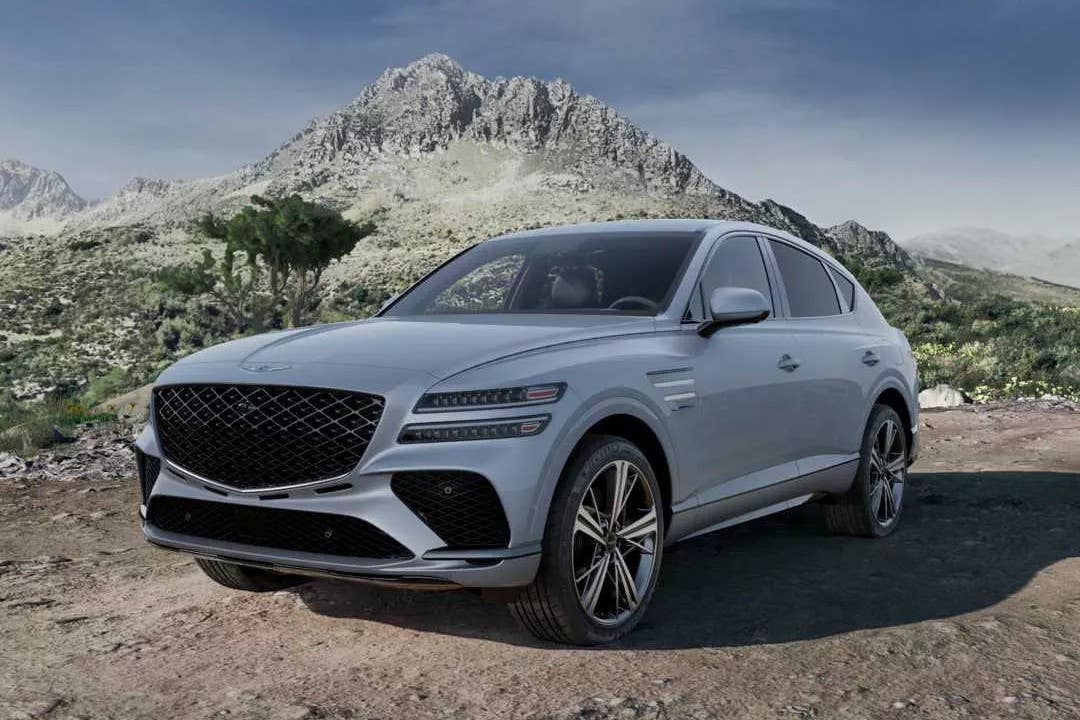
For Genesis, the G90 is less about sales volume than credibility. As a relatively young luxury brand born from Hyundai, it needs a flagship that demonstrates its ability to build a world-class sedan worthy of consideration alongside established luxury names. While the G80, GV70, and GV80 are clearly the sales leaders, the G90 showcases the brand’s engineering, craftsmanship, and luxury ambition.
Its second generation, introduced for the 2023 model year, reinforced that ambition with a comprehensive redesign and pricing that moved into six-figure territory in upper configurations. Genesis was no longer competing primarily on how much luxury it could provide for less money. It was asking customers to judge the product against substantially more expensive expectations, and by and large, it delivers on that. Allowing the G90 to grow visibly outdated and out of line with its newer products would harm its image.
Final Thoughts
For Genesis, sprucing up a competitive flagship may be more sensible than ditching it and attempting to bring in a new sedan at a later date. They’re not giving up, they’re doubling down on this low volume seller. Like the current G90, the refreshed one probably won’t suddenly become a common sight, but there will be a consistent design language when people see it after viewing the GV90, a vehicle that will definitely be more popular. Genesis doesn’t need the G90 to be a sales leader (it won’t); it needs the flagship to lead the model line.
About the author
Amos Kwon
Contributing Writer, Autoblog