
Key Points
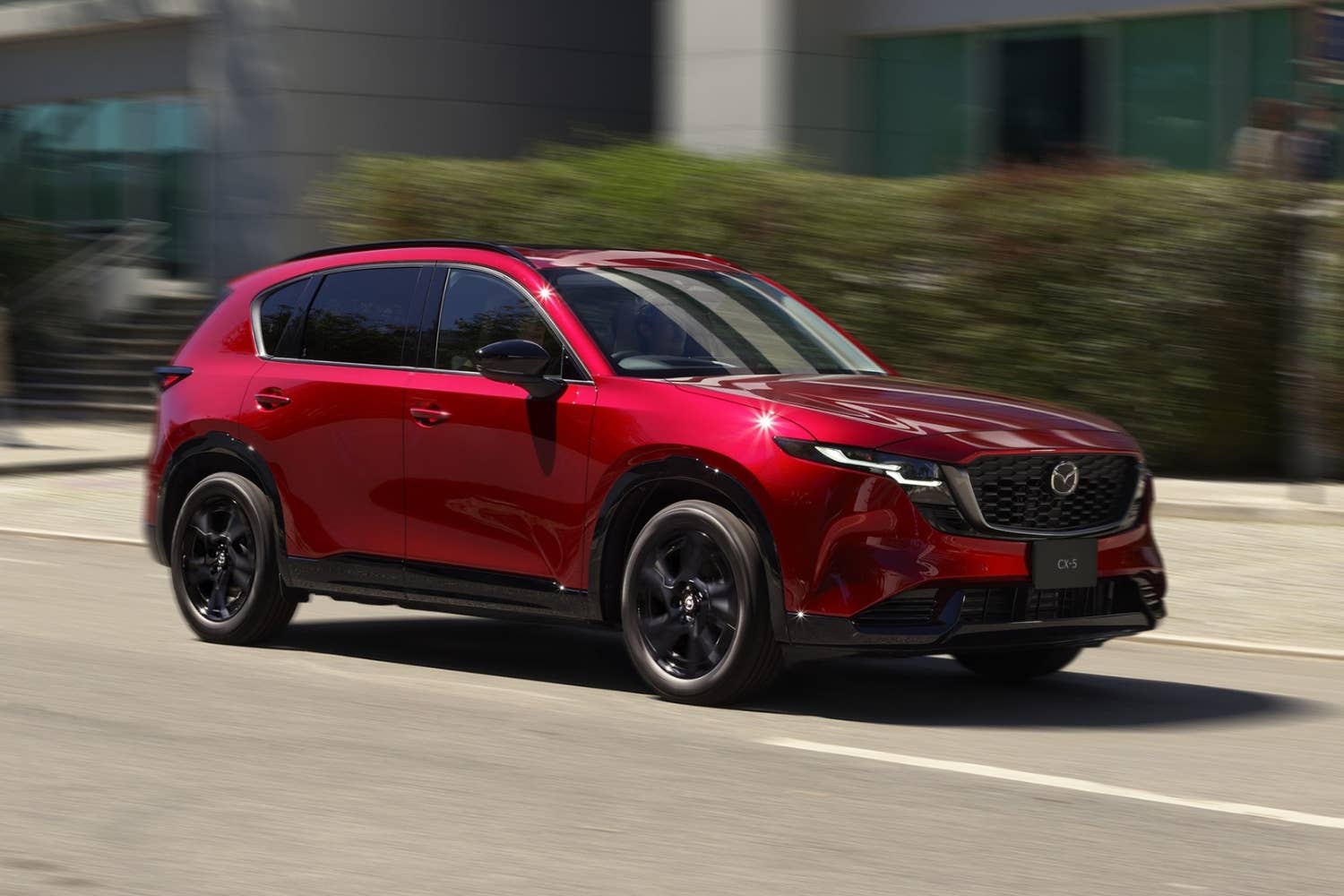
- The redesigned 2026 Mazda CX-5 preserves distinctive styling while adopting subtly larger proportions.
- Improved steering, handling, rear legroom, and cargo capacity make the CX-5 more practical and engaging.
- Loss of turbo power, physical controls, and upscale materials remain notable drawbacks.
It Gets Some Important Wins
The new Mazda CX-5 has to fill some big shoes. The compact crossover is the brand’s best-selling model, and 2025 proved to be another banner year before the redesigned 3rd generation debuted. Mazda’s redesigned CX-5 takes a familiar compact SUV formula and changes things more than we expected.
Kyle Edward
Some changes are a letdown, especially when compared to the 2nd-generation CX-5, which was user-friendly, excellent to drive, potent, and near-premium in its appointments. But the new CX-5 does do some things very right, and they’re worth mentioning. Here are the best aspects of the 2026 Mazda CX-5.
1. The Exterior Styling
Amos Kwon
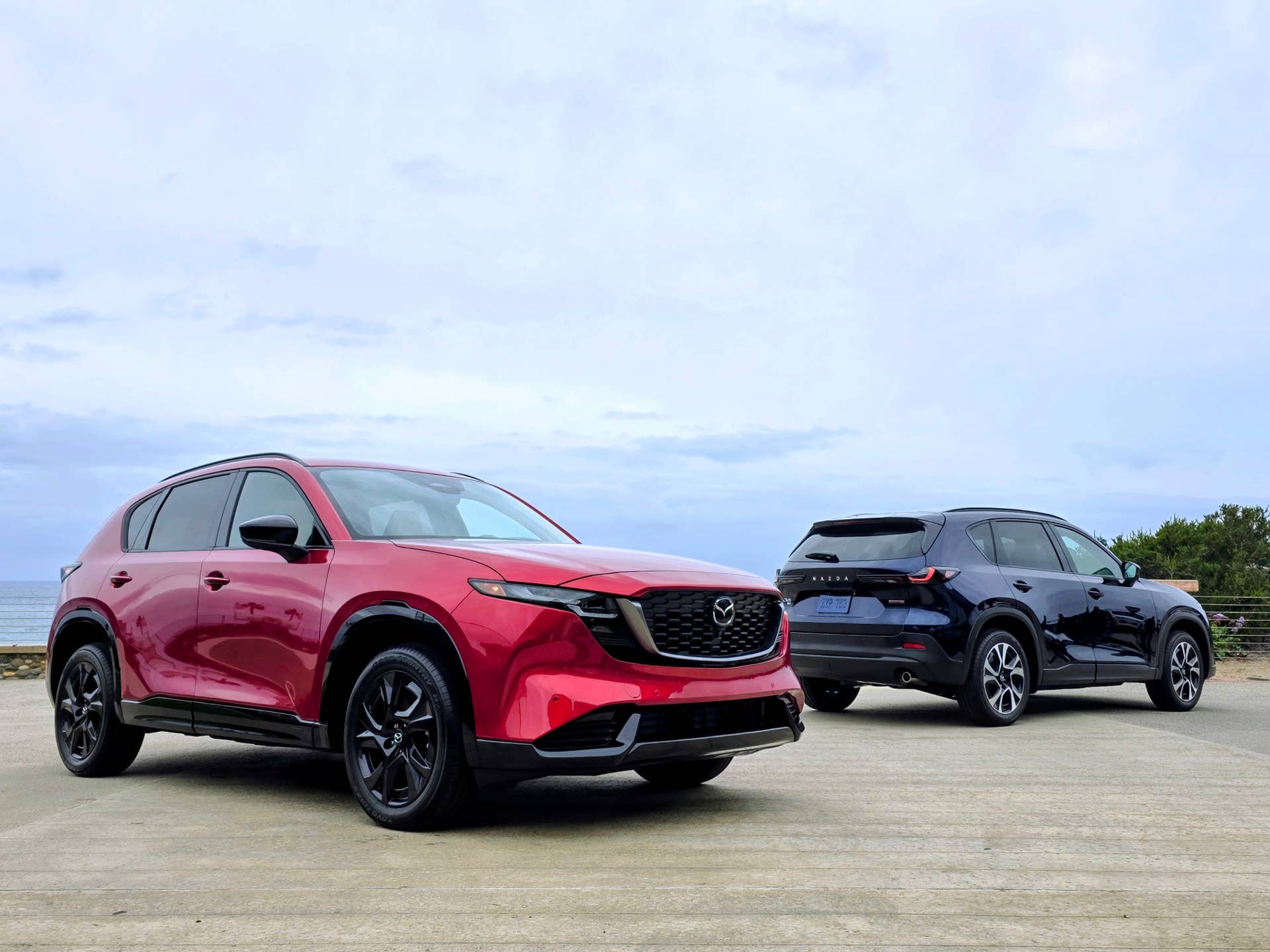
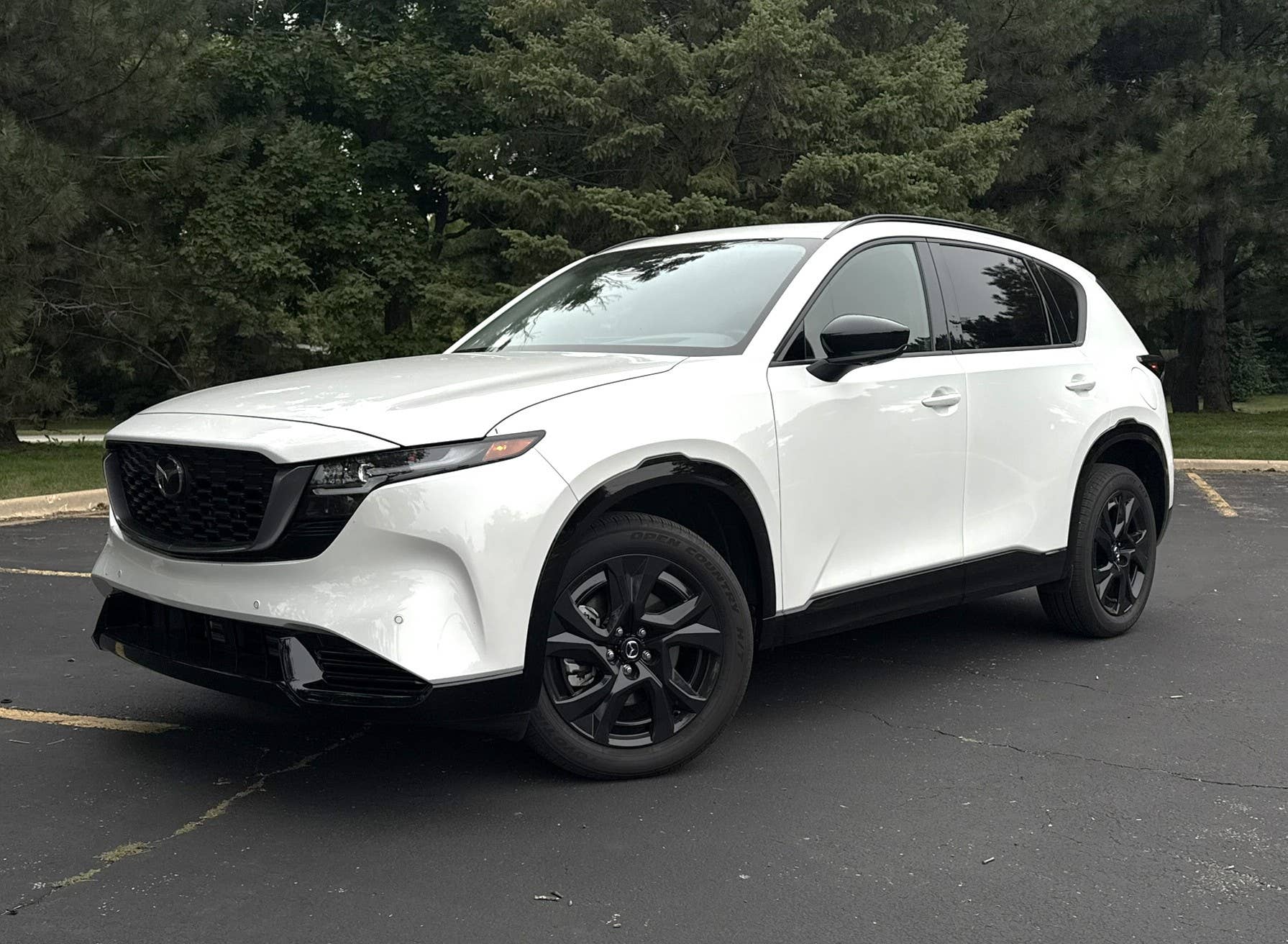
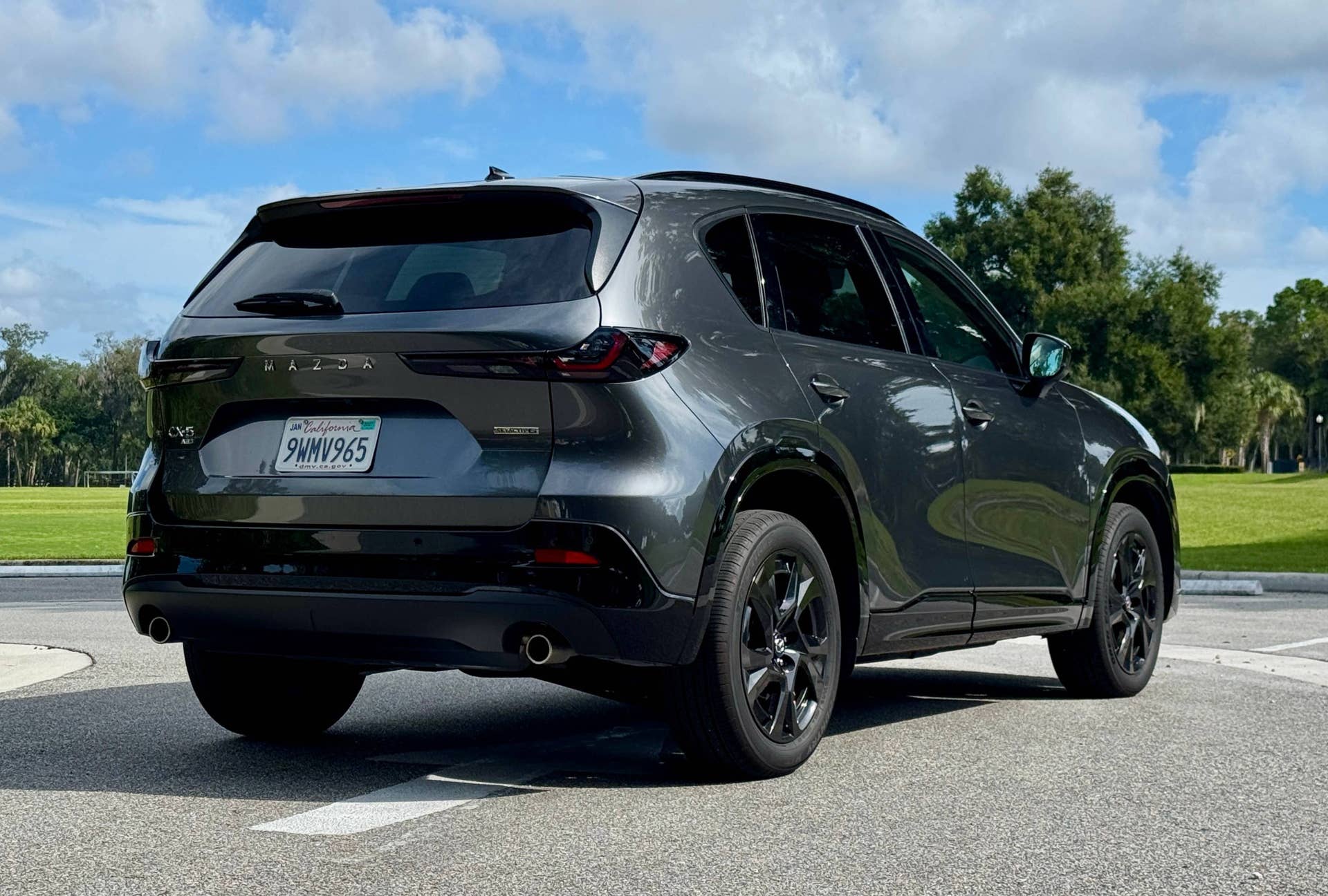
Mazda deserves credit for resisting the temptation to reinvent the CX-5 simply for the sake of looking new. Everyone else is going radical with redesigns: the Kia Seltos, Toyota RAV4, and the Hyundai Tucson. The CX-5 has been distinct in the segment, largely for its taut but restrained styling that has stood the test of time. Mazda was smart not to mess with it too much and keep it immediately recognizable.
Jared Rosenholtz/Autoblog
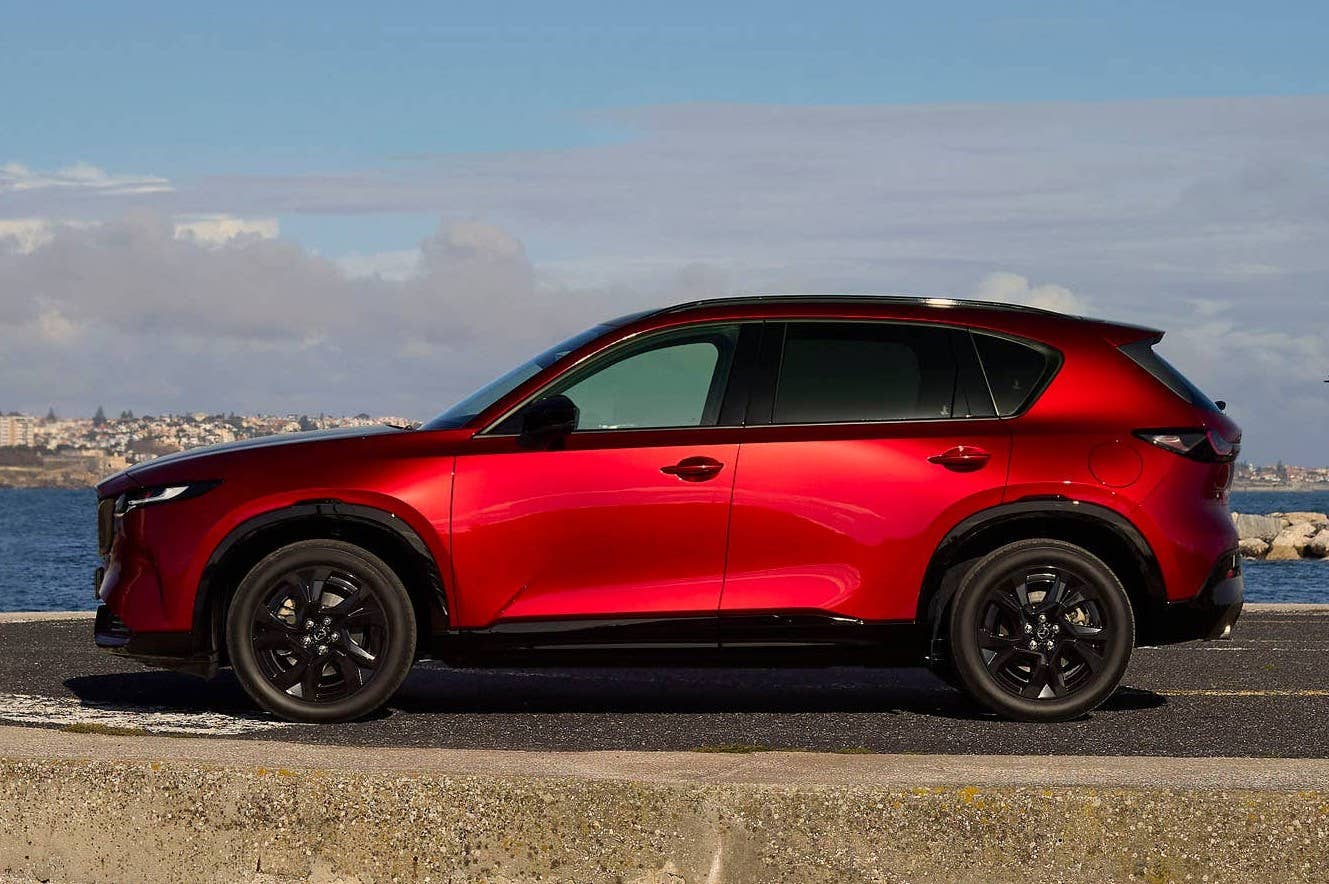
The redesigned model retains the basic proportions and visual identity that have made the CX-5 one of the better-looking compact crossovers, but the look is smartly evolved. The new CX-5 is longer, wider, and rides on a wheelbase stretched by 4.5 inches, yet it does not look bloated. Its profile remains clean and cohesive, with a long hood, a tidy greenhouse, contoured body, and a downright sensuous (but not overdone) rear end.
Mazda
Mazda’s approach is refreshingly restrained. Rather than chasing exaggerated grilles, unnecessary creases, or fussy lighting signatures, the CX-5 uses proportion and surface treatment to look expensive. The black detailing across the trim line—covering elements such as wheel-arch moldings, bumper trim, and side garnishes—also helps give the SUV a more contemporary, upscale edge. Perhaps the only dramatic changes are the fender trim notches and the upswept taililghts.
2. The Steering and Handling
(C) 2026 Doug Berger | DBPics
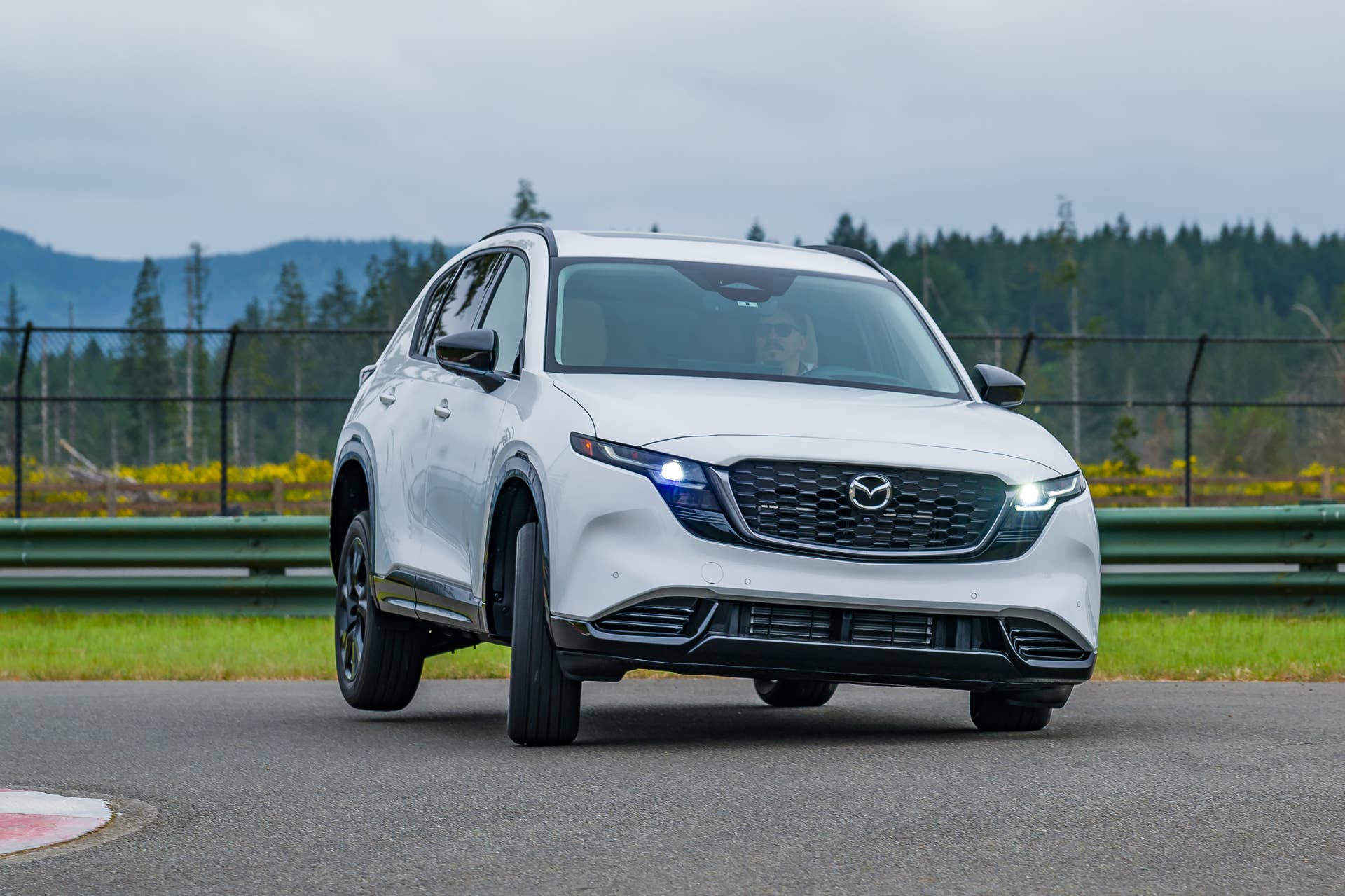
One thing Mazda carried over in superb fashion is the way the CX-5 steers and handles. Mazda continues to treat driving engagement as a core brand attribute, and the new CX-5 preserves it in spades. During my drive, I noted that the new CX-5 masterfully retains the responsive, composed handling that helped set previous CX-5s apart. Its steering responds naturally, its body control feels more disciplined than soft, and the suspension architecture—front struts with a multilink rear setup—provides a sound foundation for both everyday comfort and tight, balanced cornering.

The naturally aspirated 2.5-liter four-cylinder, producing 187 horsepower and 186 lb-ft of torque, doesn’t get a turbocharged option anymore, but it’s a capable mill. You can wring it out and push the CX-5 more than other competitors in the segment. The relationship between the steering wheel, chassis, brake pedal, and driver is rewarding, despite the disappearance of the 256-hp turbo four.
3. The Rear Legroom
Amos Kwon
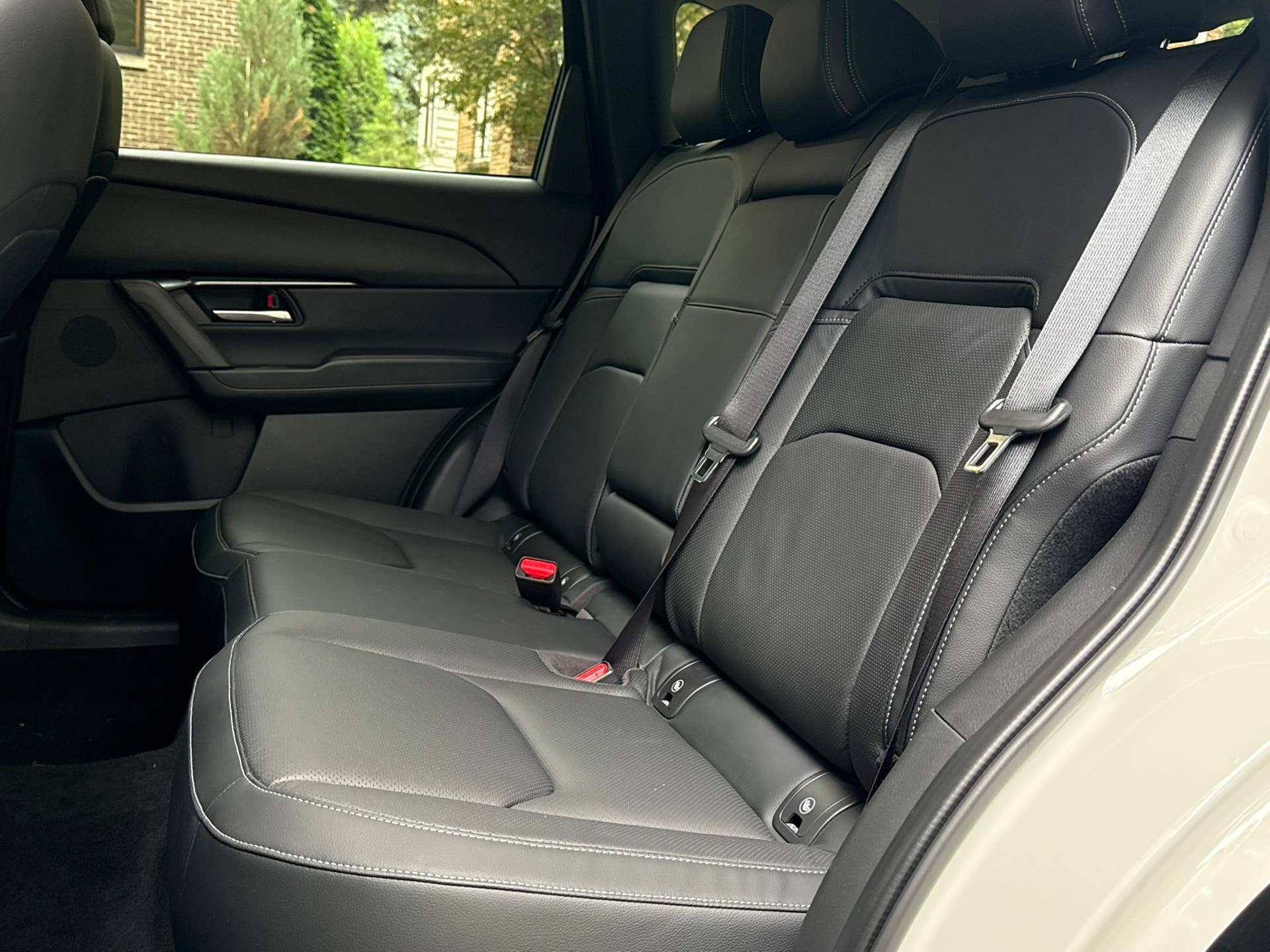
The previous CX-5’s back seat was one of its most obvious compromises. It was adequate for children and short trips, but adult passengers—particularly those seated behind taller front occupants—had to suffer a bit. Mazda finally addressed it by making the wheelbase longer by a substantial 4.5 inches. That means rear occupants can go for longer stretches, and tall adults can easily sit behind themselves.
The 2026 CX-5 offers 39.9 inches of rear legroom, a significant improvement over the previous generation and a figure that puts it near the front of the compact-SUV class. It trails the Honda CR-V’s 41.0 inches and Volkswagen Tiguan’s 40.2 inches, but surpasses the Nissan Rogue’s 38.5 inches and Toyota RAV4’s 37.8 inches.The larger rear door openings also make entry and exit easier, particularly for parents loading child seats or adults climbing into the second row.
4. The More Useful Interior Package
Amos Kwon
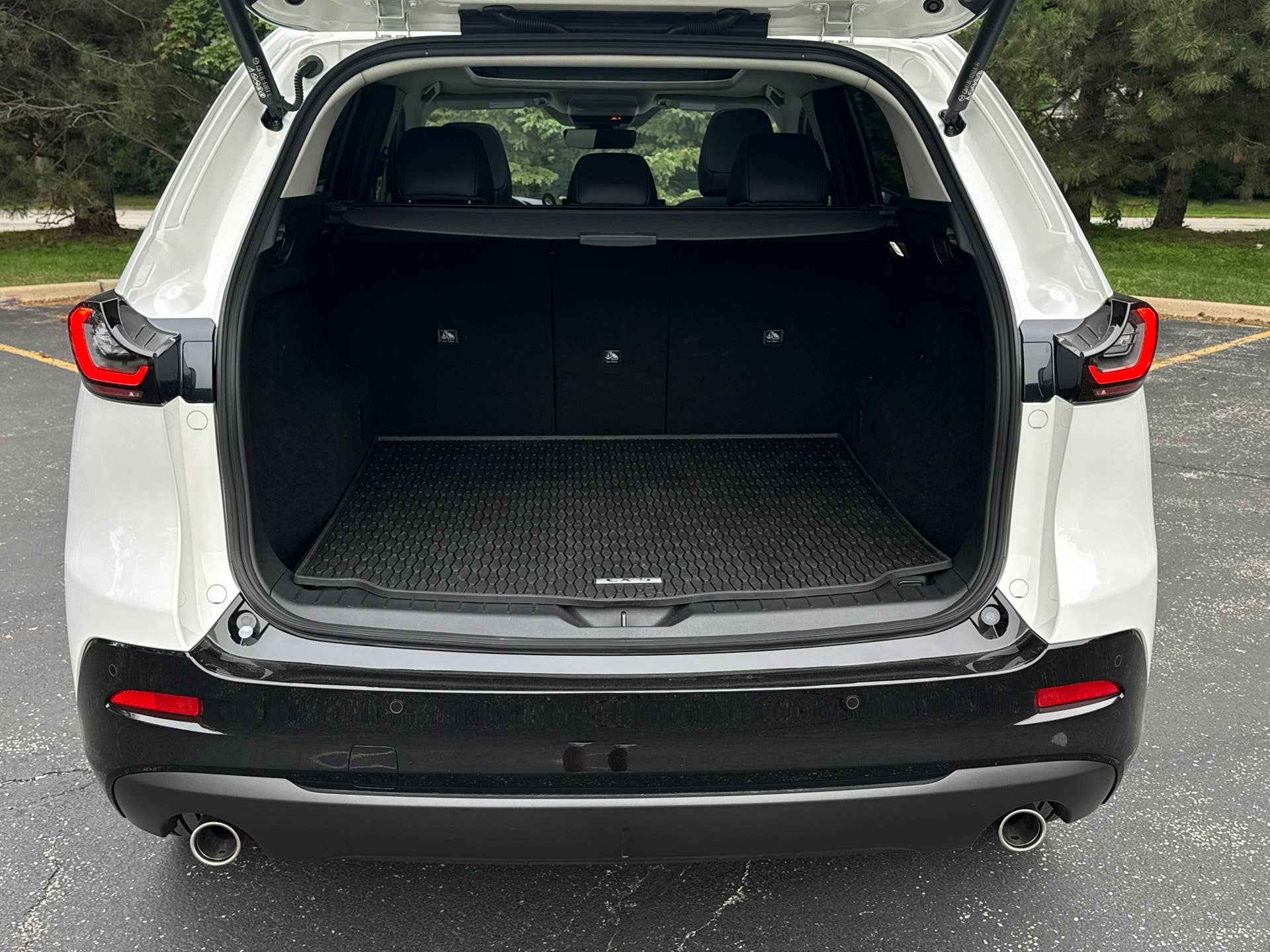
The new CX-5 is simply more usable. The elongated body also bumped up the cargo space by two inches, giving the new CX-5 33.7 cubic feet of cargo space behind the second-row seats and up to 66.5 cubic feet with the rear seats folded down. That’s up from 2025’s 29.1 and 59.3, respectively. Upon opening the liftgate, I was presented with noticeably more room for groceries, luggage, and kids sports gear. It even has deep cubbies flanking the flat load floor. They easily hold a gallon of milk on each side.
This is exactly the kind of redesign the CX-5 needed. Mazda kept the model’s distinctive looks and satisfying road manners, but eliminated much of the practicality penalty that buyers previously accepted in exchange. The new CX-5 is still a driver’s compact SUV—but now it makes far fewer compromises for the people and cargo riding along.
Final Thoughts
The CX-5 does some things right and some things wrong. Not everyone will like the big touchscreen and the loss of some key physical controls. Power is down due to the loss of the turbo engine, and the cabin materials are lackluster. On the flipside, it offers great driving dynamics, a crowd-pleasing second row, and a serious bump in cargo space.
The CX-5 remains one of the most stylish and engaging choices in the compact SUV class, but its larger cabin, substantially better rear-seat space, and more practical cargo area help mitigate, if not overshadow, some of its glaring shortcomings.
About the author
Amos Kwon
Contributing Writer, Autoblog