
Two cars fit the bill for “a sports car so good it’s annoying.” The Porsche 911, with all its unattainability, status, and pricey options lists. Then, at the opposite end of the spectrum, sits the Mazda MX-5 Miata. Despite three redesigns and a 30-plus-year history, the Miata, unlike the 911, remains almost entirely unmoved from its original intention. The roadster is still a small, affordable, lightweight sports car with an open roof, a naturally-aspirated engine (with one glaring exception), and a manual transmission. Now, as in 1989, the Miata features a small, revvy four-cylinder engine, a sub-2,500-pound curb weight, and two seats. Here, you can trace the Miata’s lineage from its genesis to the current day.
1989: The NA-Generation Mazda Miata Debuts

Mazda
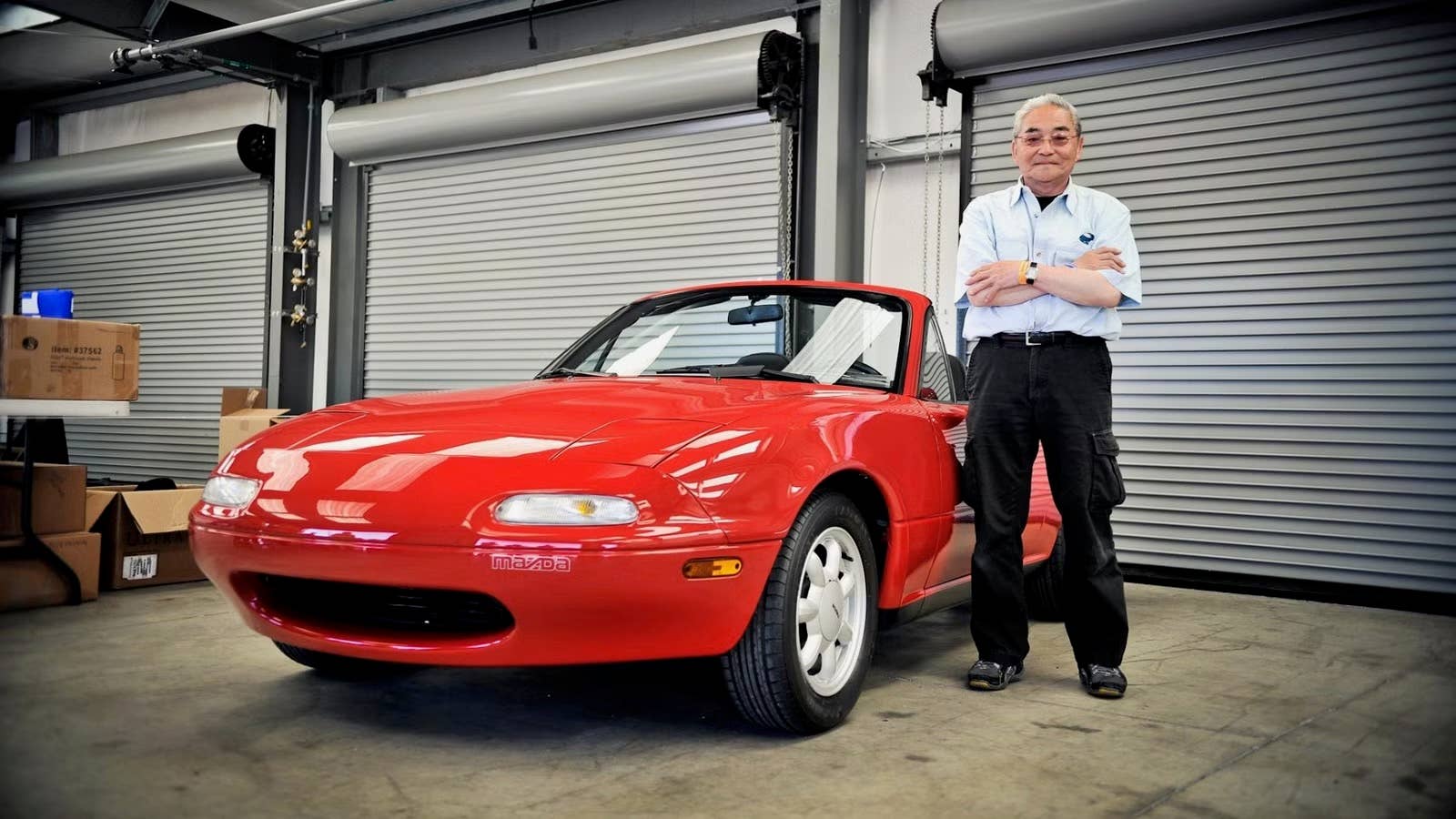
In the mid-80s, Mazda was feeling nostalgic for the British roadsters of the 1960s. Those, however, were problematic cars. Mazda believed it could do the roadster better, and set out to commission two prototypes from Japanese and American design teams. The front-drive American-led prototype won out. Without it, we’d be looking at a mid-engine Toyota MR2 alternative, not the Miata we know today.
The original Miata, designed by Tom Matano, features a 116-hp 1.6-liter engine with a manual (or automatic) transmission powering the rear wheels. It was as basic as roadsters got, with luxuries like power windows reserved strictly for the options lists. Almost immediately, the MX-5 Miata garnered a cult following for its light, back-to-basics approach and affordable price point. Even adjusted for inflation, the NA-generation Miata’s price has stayed around $30,000 in today’s dollars. A few special editions along the way added more interesting colors and options, but one thing remained a constant: everyone loved driving the Miata.
1999: Mazda’s NB Miata Does It Again
Mazda
Contempo Concept/Pistonheads
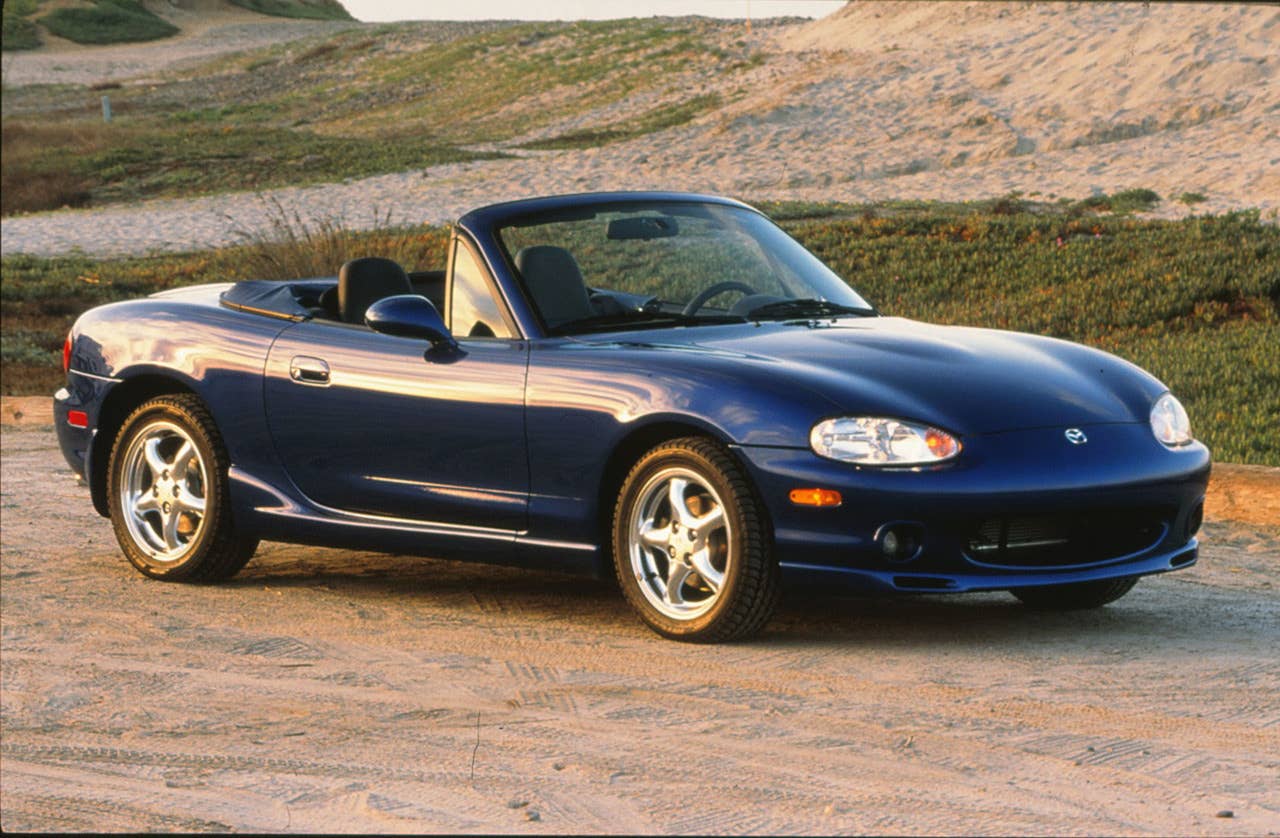
At some point in the first Miata’s life cycle, someone at Mazda decided it might also be a good idea to have a Miata that wasn’t miserable to drive on the highway or felt cheap to sit in. Enter: the NB. 1999’s Miata debuted with a new interior and bodywork to match, all of which moved just a bit more upscale while still seeking to keep to the roadster’s affordable roots. NB MX-5s also got something Mazda has been unable to resist adding over the years: more power.
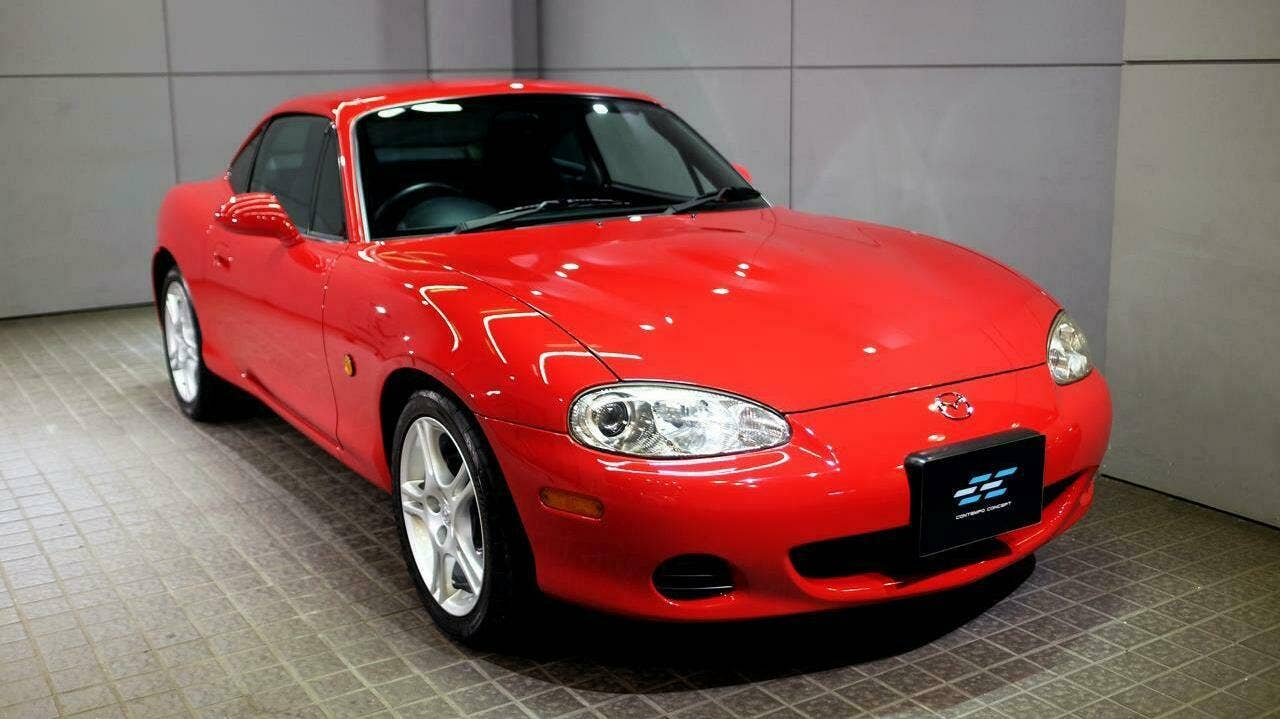
A refined 1.8-liter engine brought output to 140 horsepower, while a six-speed remained the most desirable option amongst its 5-speed and automatic counterpats. Once again, the Miata got a few special editions, like the pictured 10th Anniversary model in blue above. More critically, though, Mazda also made a low-volume coupe model for Japan in addition to introducing turbocharging to the lineup for the first and only time.
The Mazdaspeed Miata is perhaps the most desirable and collectable Miata as a result. The 1.8 gained a turbocharger, with a resulting bump to 178 horsepower. A new torque-sensing limited-slip differential, 17-inch Racing Hart wheels, and stiffer, lower suspension made the Mazdaspeed the most aggressive Miata yet.
2006: Mazda Goes To The Club
The NC Miata did something different. When producing its RX-7 successor, the RX-8, Mazda simply couldn’t afford two dedicated sports car platforms. So, the Miata caved to modern demands, adding a little weight and a little extra size to the decades-old formula to help the Miata share a platform with the RX-8. The brand’s four-cylinder grew to two liters, with a full 170 horsepower, to boot. For the first time, Mazda also introduced a power-retractable hardtop to the lineup, adding yet more livability to the Miata’s ethos. It added about 100 pounds over soft top models, but gains in interior comfort made it worth the extra mass.
Perhaps to compensate, Mazda introduced the Miata Club in 2013. The sportiest NC-generation take on the Miata, the model added 17-inch wheels, rocker-panel stripes, black headlight trim, and three-leaf-clover fender badges. That’s just the aesthetic nonsense. The real impact was in teh powertrain, with a six-speed over a five-speed manual, a limited-slip diff, front shock-tower brace, and Bilstein dampers.
Need New Tires? Save Up To 30% at Tire Rack
Find the perfect tires for your exact vehicle and driving style. Click here to shop all top-tier brands, including Michelin, Bridgestone, and more, directly at Tire Rack.
2016: The Miata Gets Modern
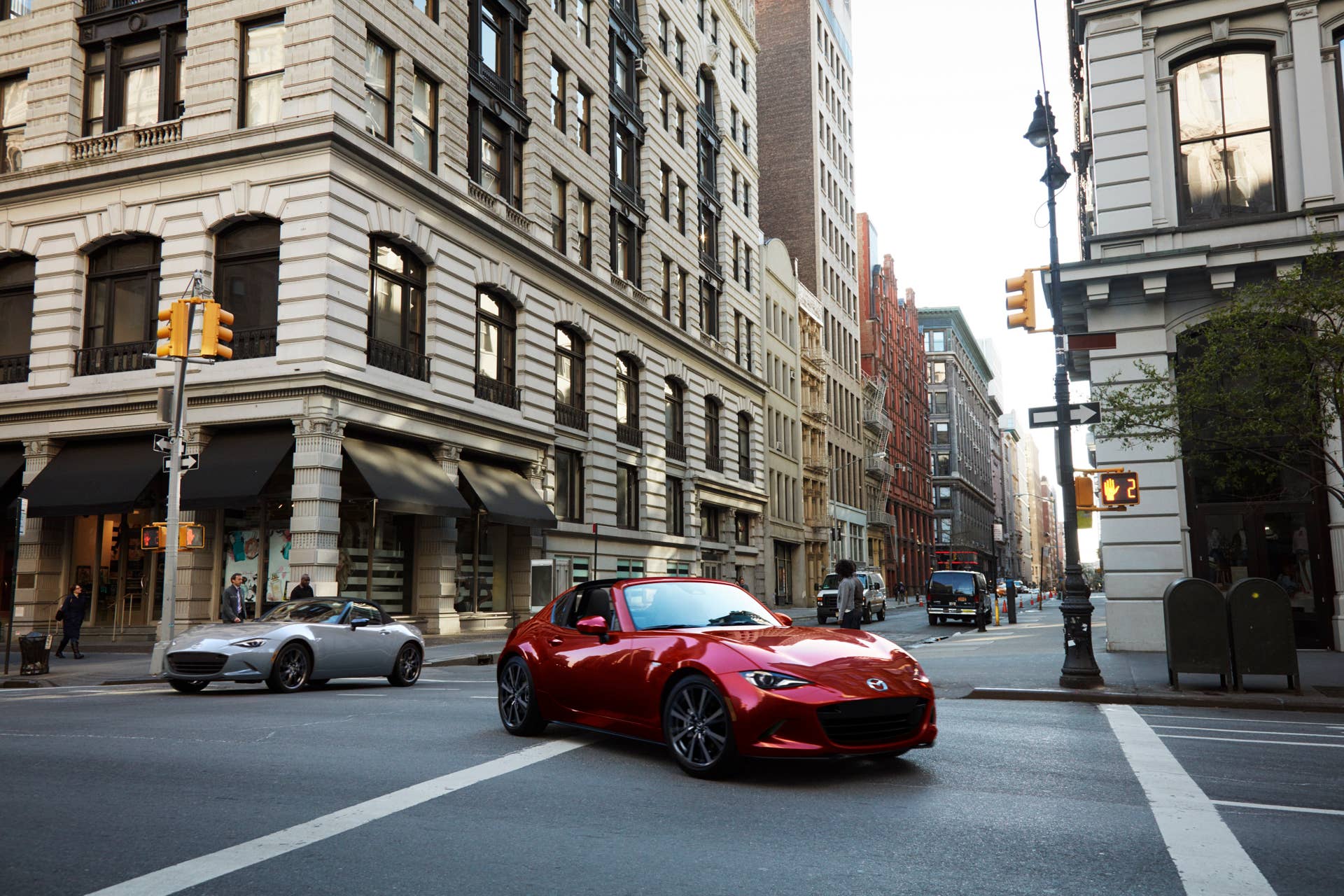
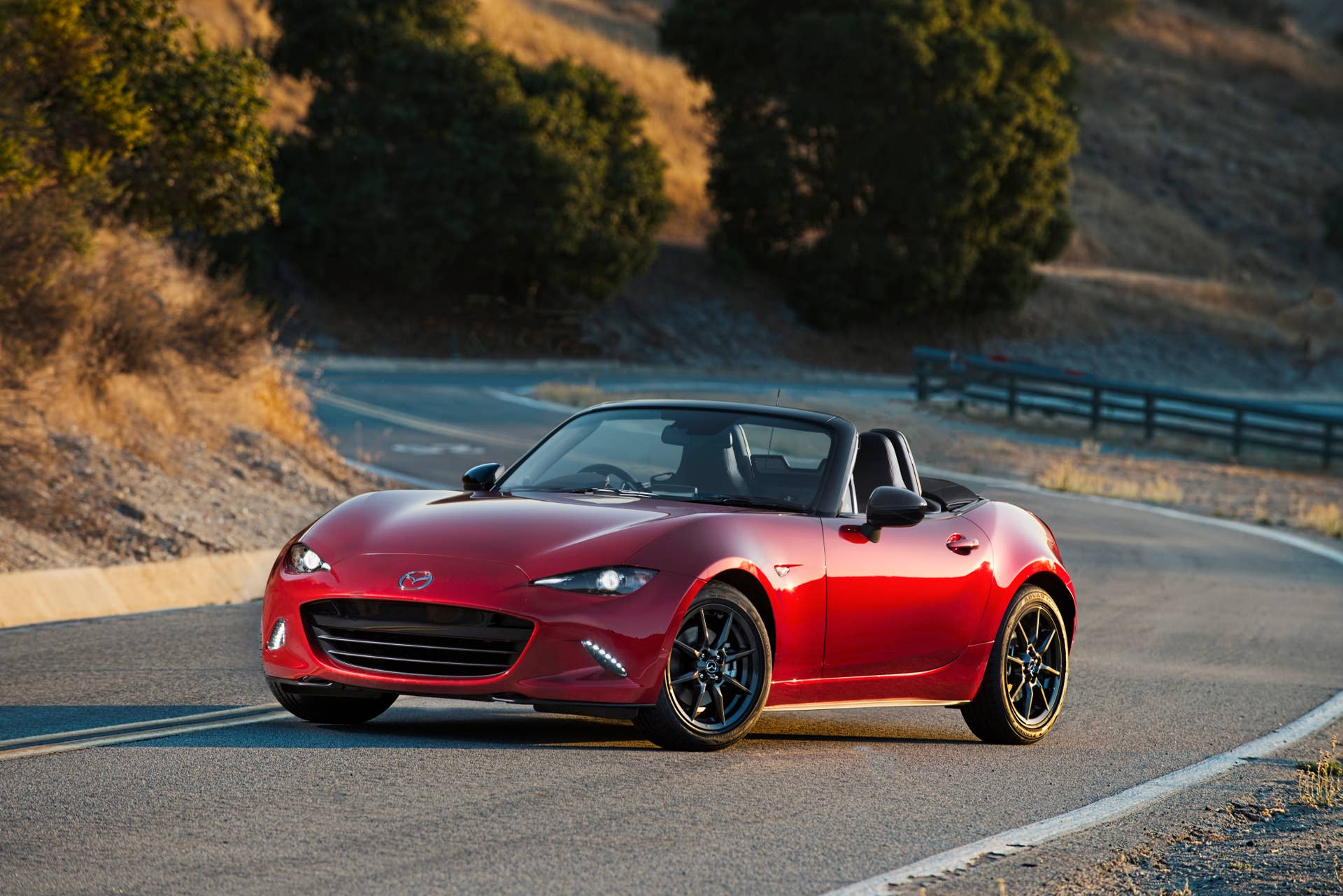
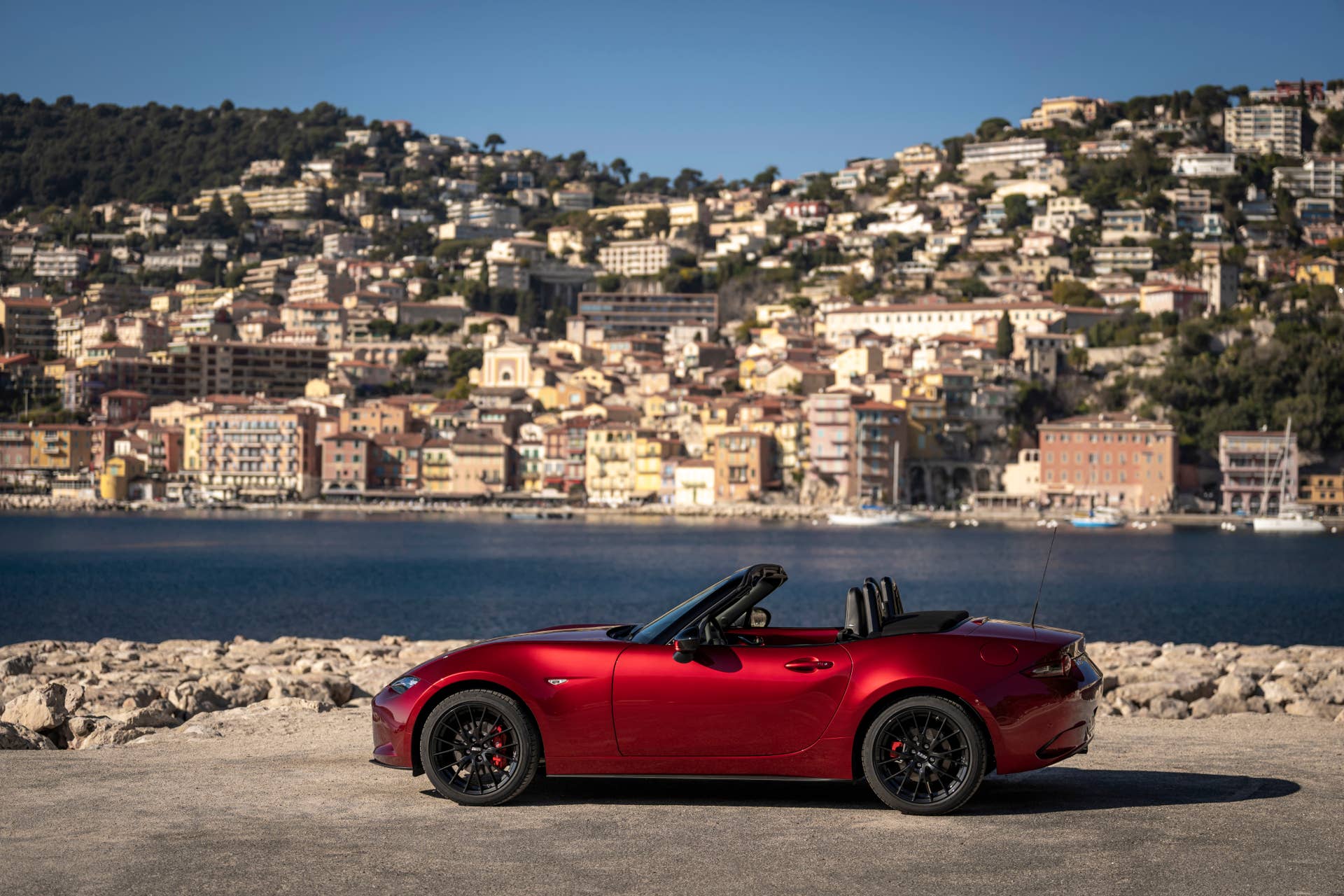
Today’s Miata was viewed as a sort of return to form over the heavier, more compromised NC Miata. Mazda shrunk the curb weight and dimensions once again, while adding a more powerful and more efficient engine. The updated 2.0-liter inline-four made 155 horsepower, but updates have seen that number climb past 180 since a 2019 update that added other niceties, like wireless Carplay and Android Auto.
Mazda kept the Club trim, with its updated dampers and sporty intentions. Later, a Brembo/BBS/Recaro package added Brembo brakes, BBS wheels, and Recaro bucket seats to the ND-generation take on the roadster. Another hardtop model, the RF, joined the lineup in 2017. Mazda has toned back the special editions somewhat, offering just three on the ND.
A 30th Anniversary model added a Race Orange paint job, Rays wheels, and a numbered plaque. Meanwhile, Mazda’s 100th anniversary is celebrated with a special 100th Anniversary Edition, complete with Snowflake White Pearl Mica paint, a burgundy interior, and a burgundy soft top. Finally, for the model’s 35th anniversary, the Miata got new Artisan Red Metallic paint and unique wheels paired with a 300-unit limited run. Mazda still makes the ND-generation Miata today, though a replacement is on the horizon.
About the author

Chase Bierenkoven
Senior Editor, Autoblog