
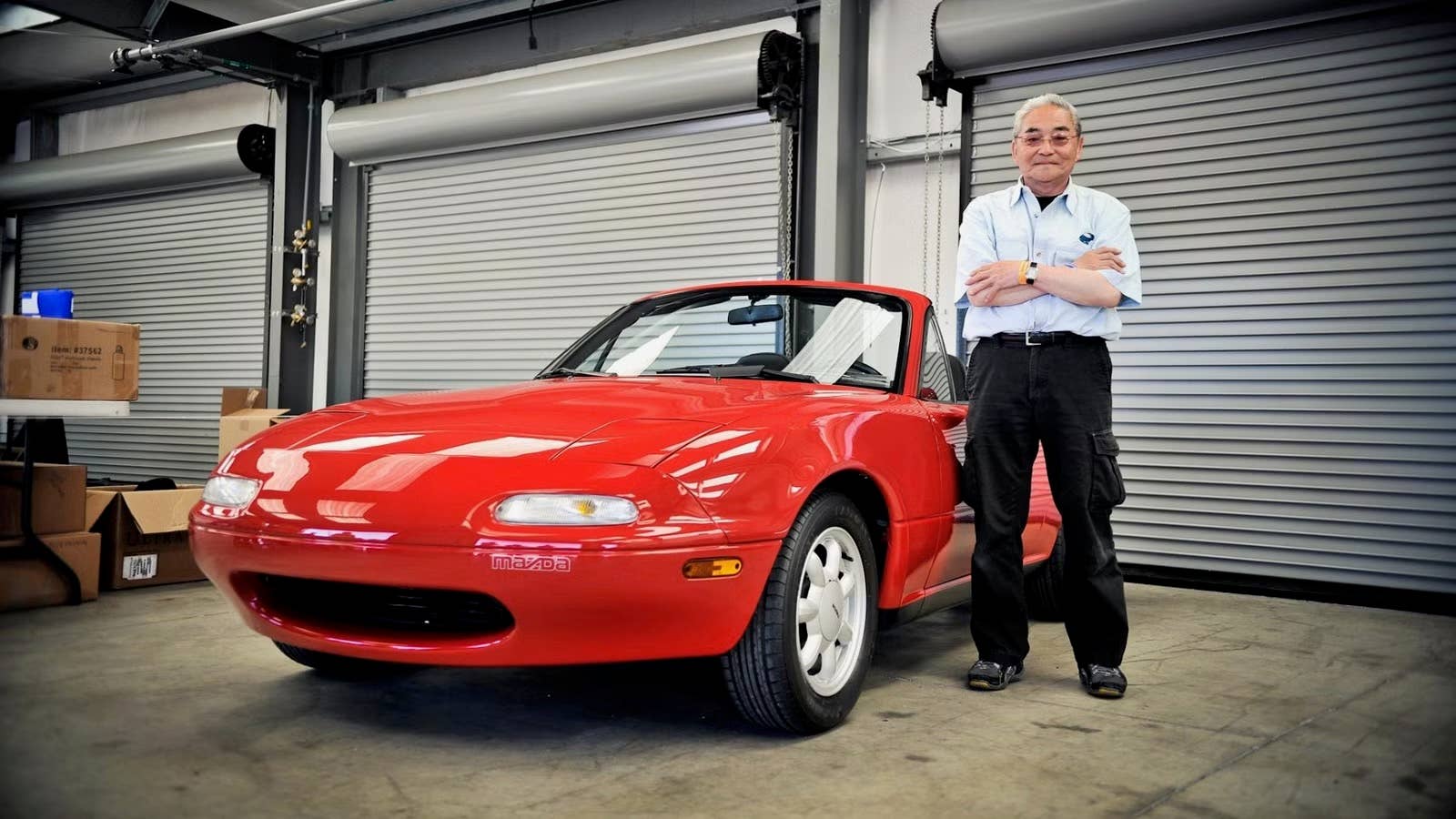
Tsutomu “Tom” Matano was born on October 7, 1947, in Nagasaki, Japan. You probably know Mtano as the father of the Mazda Miata. At age 77, he passed just last year, leaving behind a long career and one of the world’s most iconic and influential cars ever penned. Matano was, deservedly, well-known for this, but there was another side to Matano: the educator and the enthusiast. Matano spent years teaching young students the art of automotive design and left a lasting impact on those who were lucky enough to share some time with him.
A failed career in engineering led to the Mazda Miata and an iconic career
Mazda Europe
Tom began an Analysis Engineering Major at Seikei University in Tokyo, Japan, in April 1965, graduating four years later in the spring of 1969. Matano moved to the US, but not after a fair few hardships back home. “Way back in 1970 when I was kicked out of engineering school, I decided to go to design. I had never drawn anything, so I came to the states as a language school student. I couldn’t speak English at the time.” He arrived via his uncle’s container ship, spending time in Seattle, Los Angeles, and New York City. Time Statside led to a semester in language school and an unrealized plan to switch to environmental design. By 1974, he had his first job at General Motors.
At some point in Matano’s early days in California, a little bit of happenstance planted an idea, reads an obituary. “I came to California, got off the plane, looked at the sky, and I said, ‘Well, I have to have a convertible. That’s how it started.'” We’ll get to “it” below.
Mazda
The designer went on to fill numerous positions with BMW, Volvo, and GM prior to 1983. This idea of a convertible, an apparent love of the concept, appears to have stuck with the designer: his first convertible was an old Fiat 850 Spider, but it would be the first one he penned himself that left a lasting impact.
The Mazda Years
Rocketeer
Jason Meshnick
Mazda
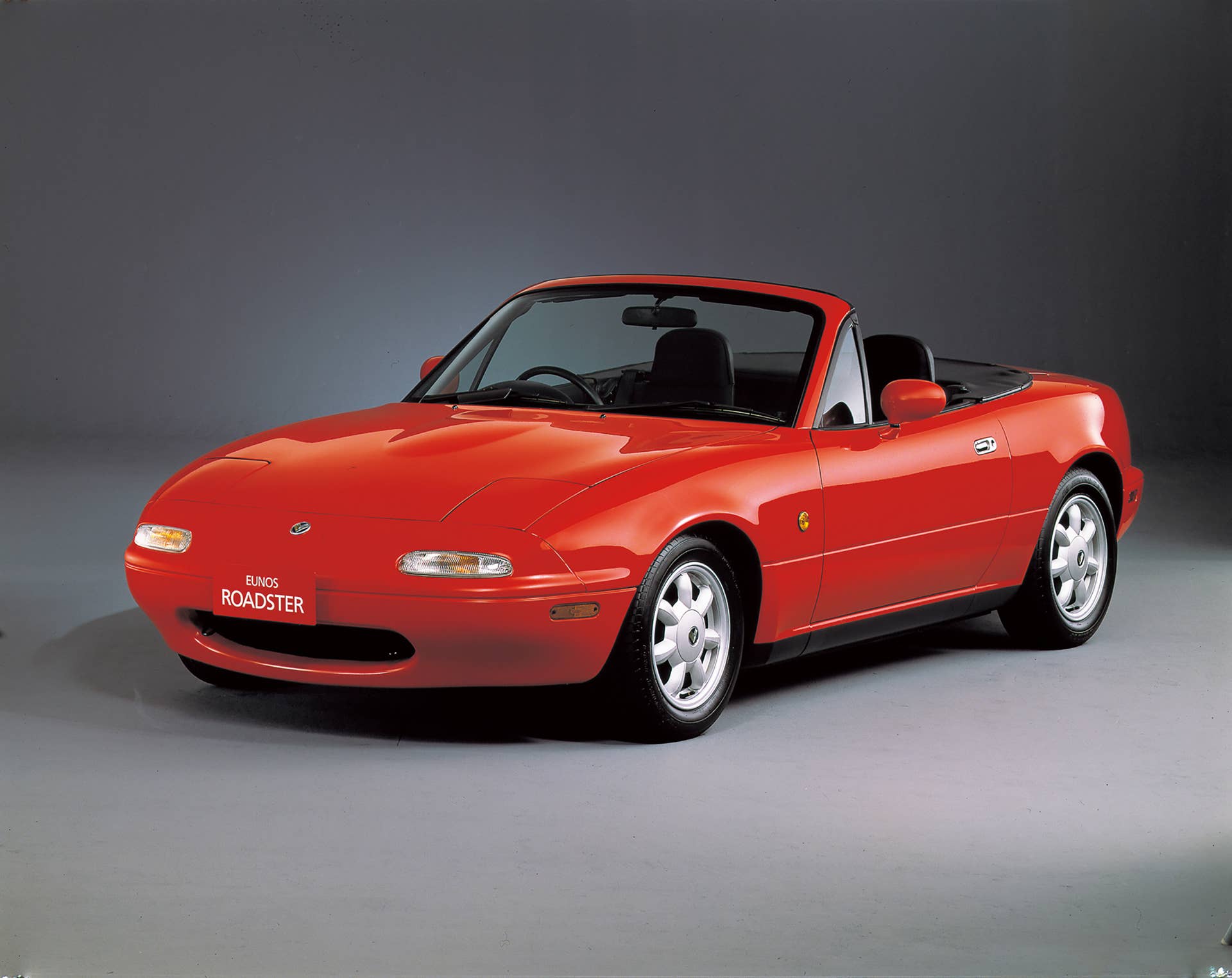
By the time Matano joined Mazda in December 1983, the LWS project (Light Weight Sports) had been underway for a few years. Mazda’s upper levels were interested in building a modern version of classic roadsters, like the Fiat Tom himself had owned. They wanted it to do a few things that those didn’t, namely, run for more than a few weeks without issue. Other goals were timeless looks, great fuel economy and performance, and brilliant handling.
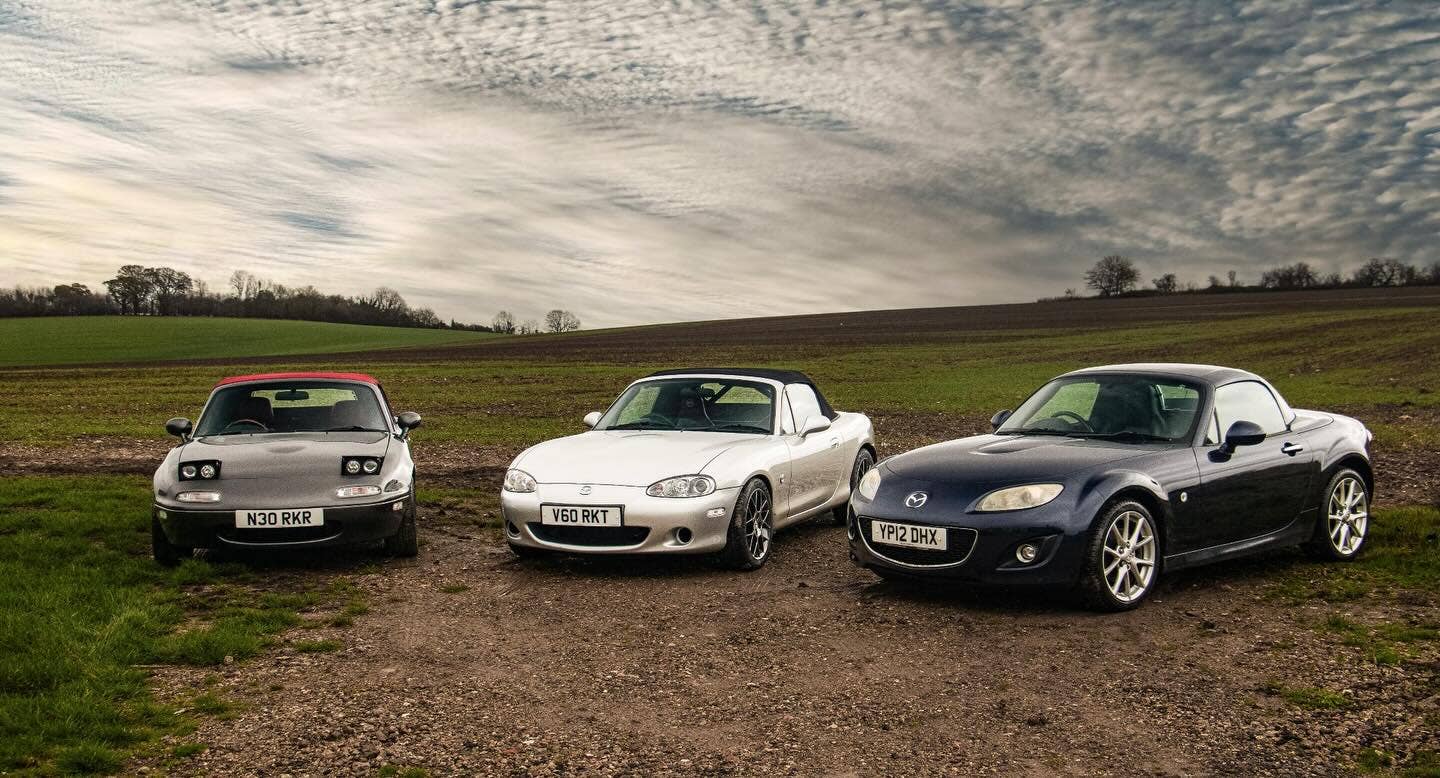
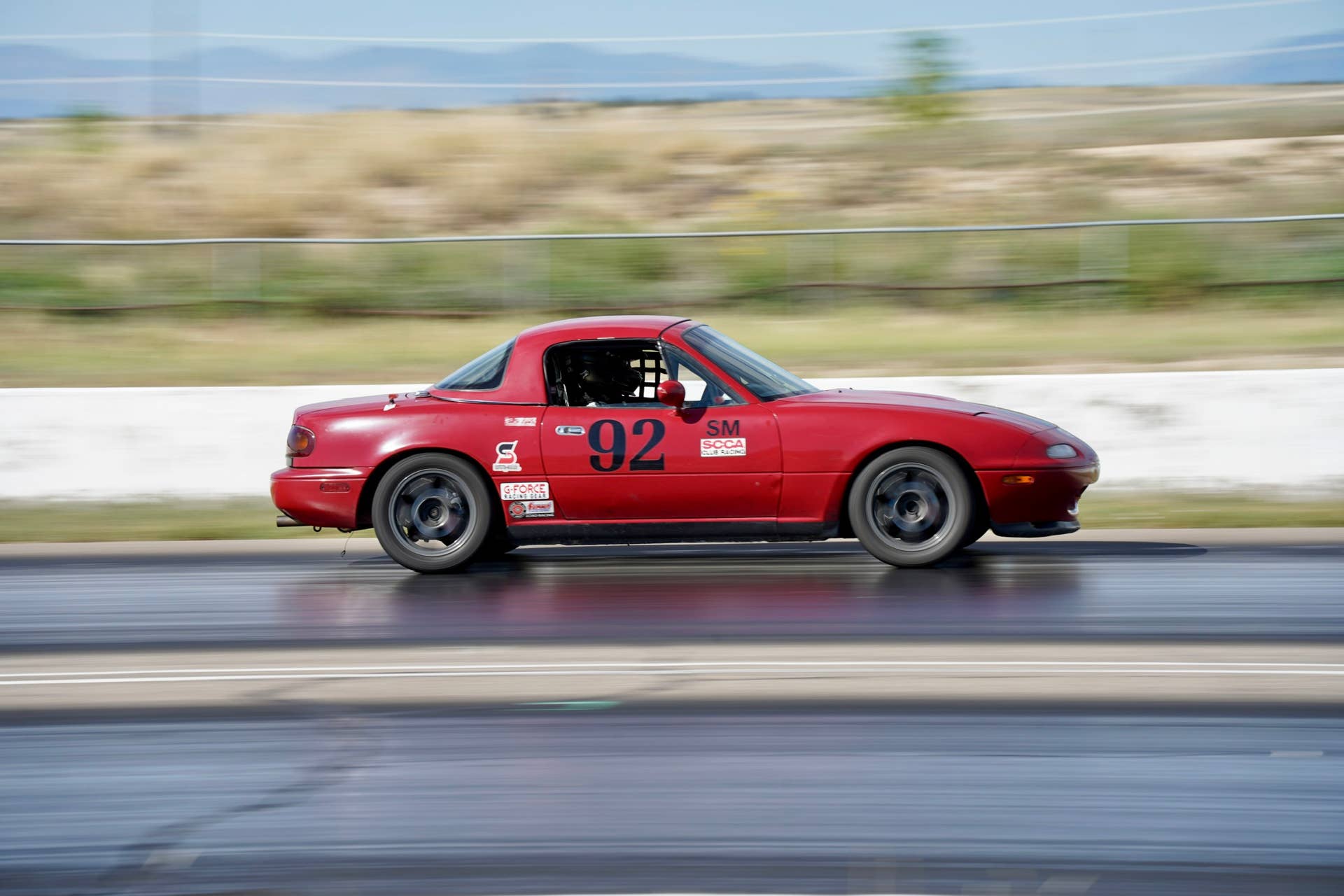
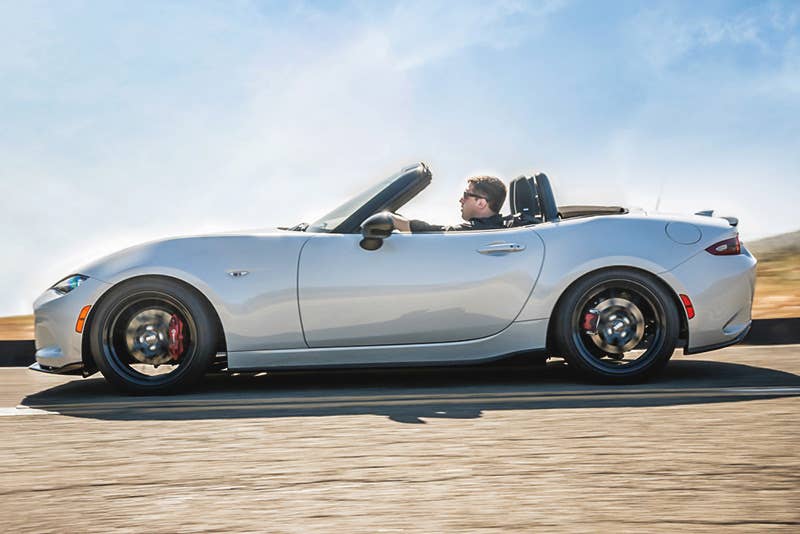
You probably know this part of the story: The MX-5 Miata arrived in May 1989 as a 1990 model, and immediately took off. 1.2 million cars had been sold at the time of his death. Multiple generations later, the original item has somehow managed to circumvent the classic appreciation cycle that classic cars typically go through. Constantly beloved, values have stayed relatively flat. You can go get a Miata for much the same money as you could a decade ago, and they’re still just as reliable and fun as they were in 1989.
Tom Matano: the educator
Mazda USA/Facebook
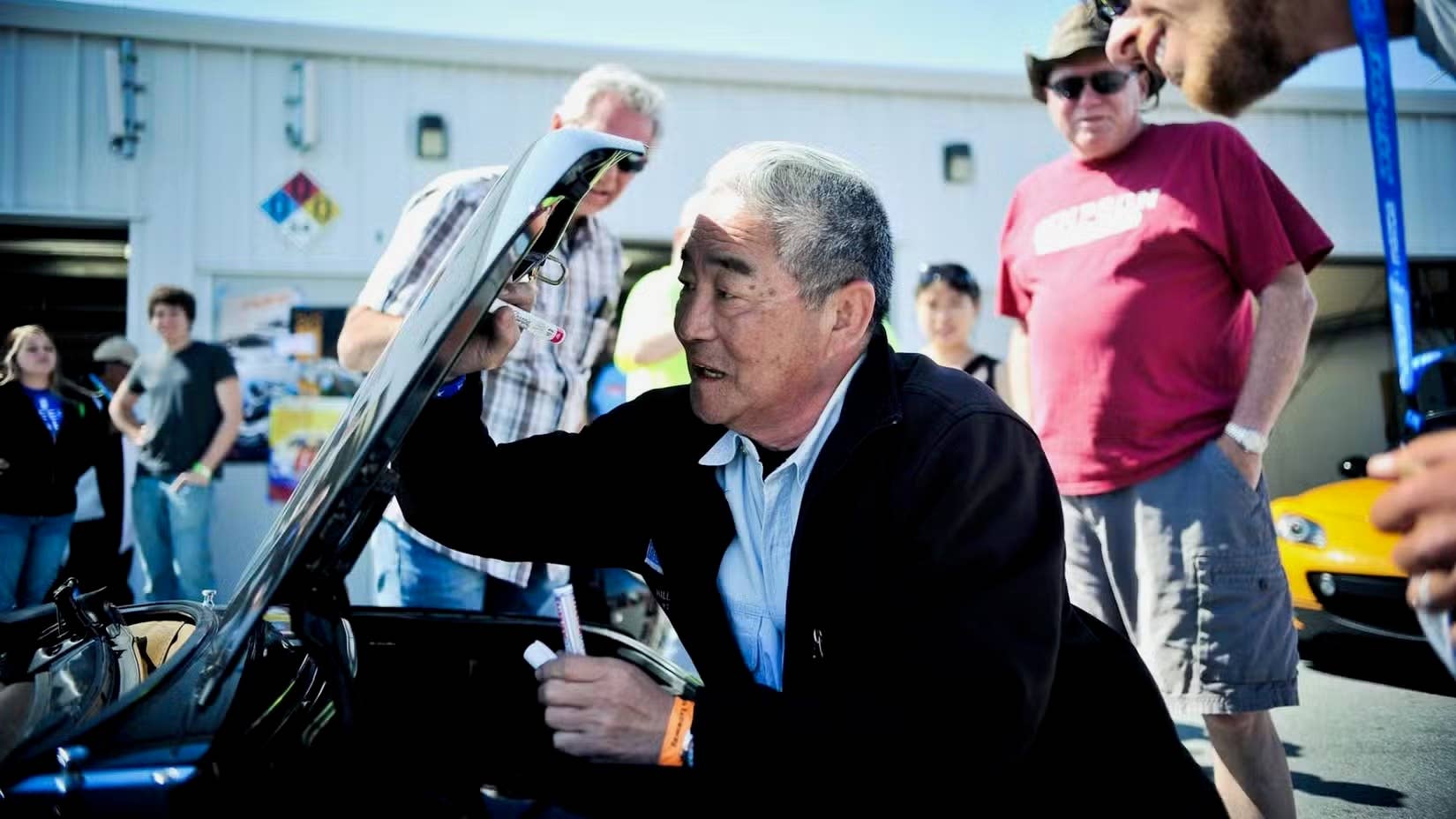
In 2009, Automotive News wrote a story profiling Matano’s new career path: after a long history in the industry, Matano had decided on a new path, and one little discussed. Matana took a position as the director of industrial design at the Academy of Art College in San Francisco.
Matano, at the time, said his students had little memory of the cars he’d designed, including both the Miata and the final RX-7. “They have no traditions. Generation X remembers pony cars, Jaguars, and Ferraris. But Gen Y starts in 1985, so they didn’t grow up with it. But they get it, just like they get Elvis. They just don’t have that preconceived notion of classic design,” Matano said. Matano held his position until 2025.
Tom Matano: the human being
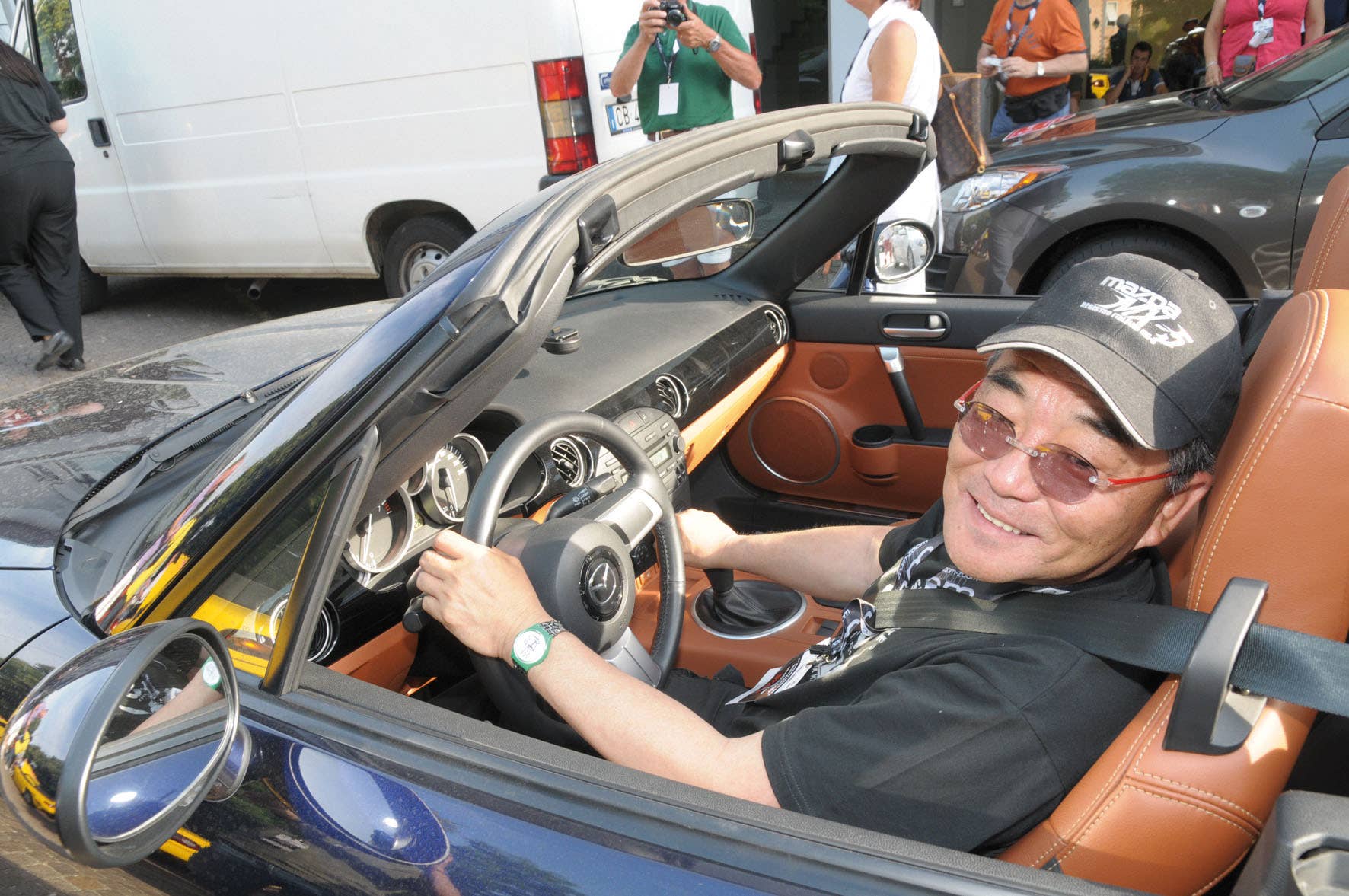
This is the part of Tom’s story best told by others. Automotive journalist Alanis King developed a relationship with Tom. Her phenomenal piece My Last Day With Tom Matano, Father Of The Mazda MX-5 Miata is a much better glimpse at Tom than we’ll ever be able to provide. Still, it bears repeating here that this larger-than-life figure behind a car we all love was also a human being who felt all of the emotions we do, too. Joy included. That’s the predominant tone behind King’s story. Matano was a fun guy to be around:
My friend Jake Stumph, a Miata enthusiast and Mazda representative who hosted a small group to drive the ND3, invited Tom to have dinner with us. The group was about eight people, and we’d all been around each other for about a day — thus, we had a casual rapport. If someone new gets introduced to a group like that, I plan ways to make sure they’re included in the conversation. When I heard Tom was on the way, I did that for him too.
When Tom arrived, I realized my plans were for nothing. He walked into the restaurant with a huge smile and pencil-straight posture, commanding the table and making everyone laugh. Unlike most people, he didn’t need help in an unfamiliar group. He was a star in every sky.
Alanis King
Journalist
Matano was also a prankster. He recounts to King the time he was invited to the White House. Seeking family souvenirs, Matano saw that “the disposable hand towels had fancy presidential seals on them.” Members of the Matano family got their keepsakes, and when recounting that story, to further the punchline, Matano left after finishing it. He came back with towels from the bathroom of the hotel, passing them out to King and others.
Tsutomu Matano left an impact on much more than the automotive world. You could argue that the impact he so clearly left on those he met is much more important than the cars he helped make. While that’s certainly how everyone will remember Tom, a very lucky few people will be left with the more complete picture of the father of the Miata.
About the author

Chase Bierenkoven
Senior Editor, Autoblog