
Hybrid SUVs are quickly becoming more popular than gas-only models
The hybrid SUV has become one of the quintessential vehicle choices for thousands of Americans. SUVs have always been versatile, but economy often had to take a back seat. Hybrid SUVs mean buyers don’t have to choose, as these vehicles provide excellent efficiency with plenty of space. Electrified SUVs cover a broad price spectrum, so we’ve narrowed down our choices by focusing on efficiency, practicality, and value. We’ll also consider our reviews of these vehicles along with manufacturer-supplied specifications. Here are our picks for 2027’s best hybrid SUVs.
Winner: Hyundai Palisade Hybrid
Joe Santos
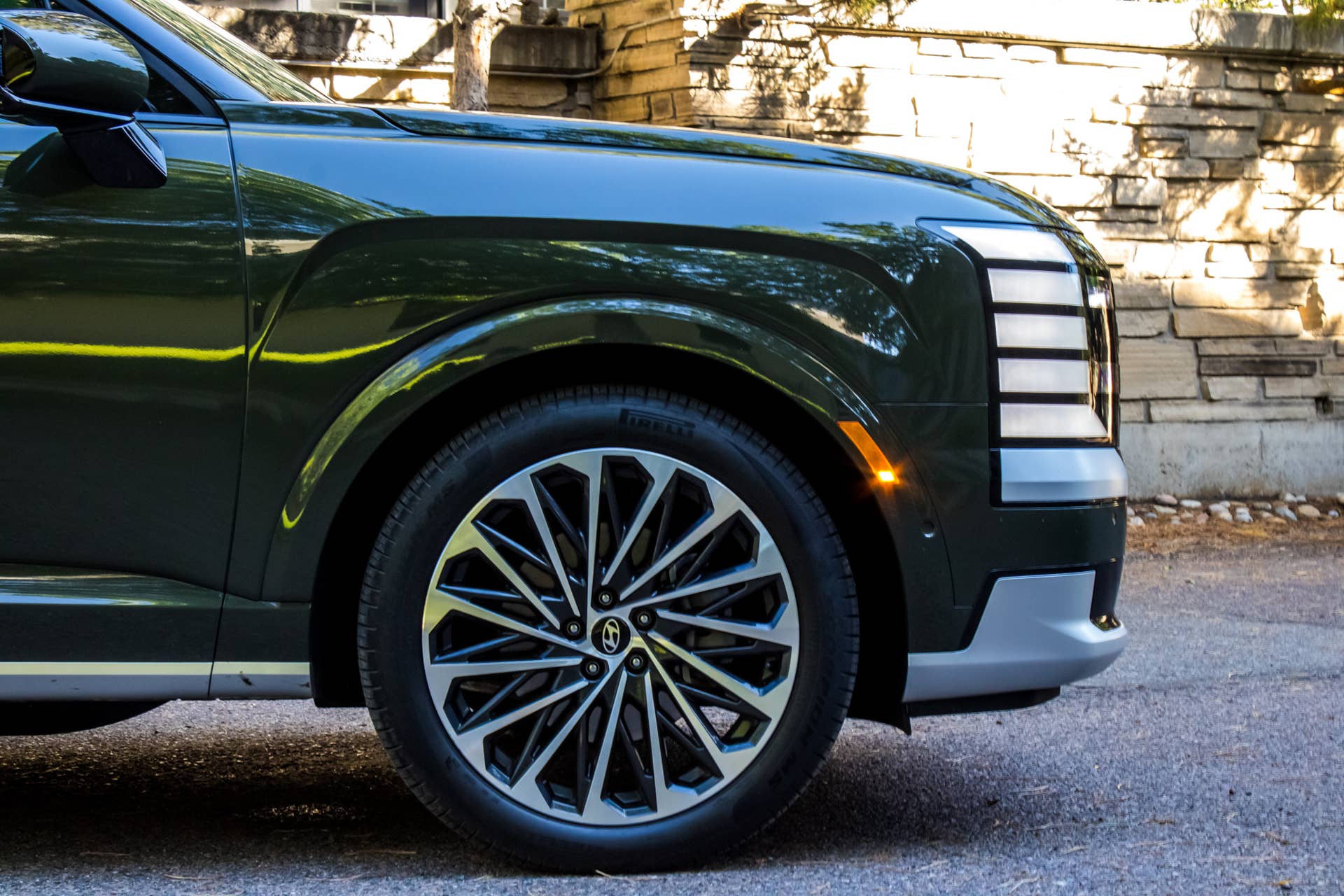
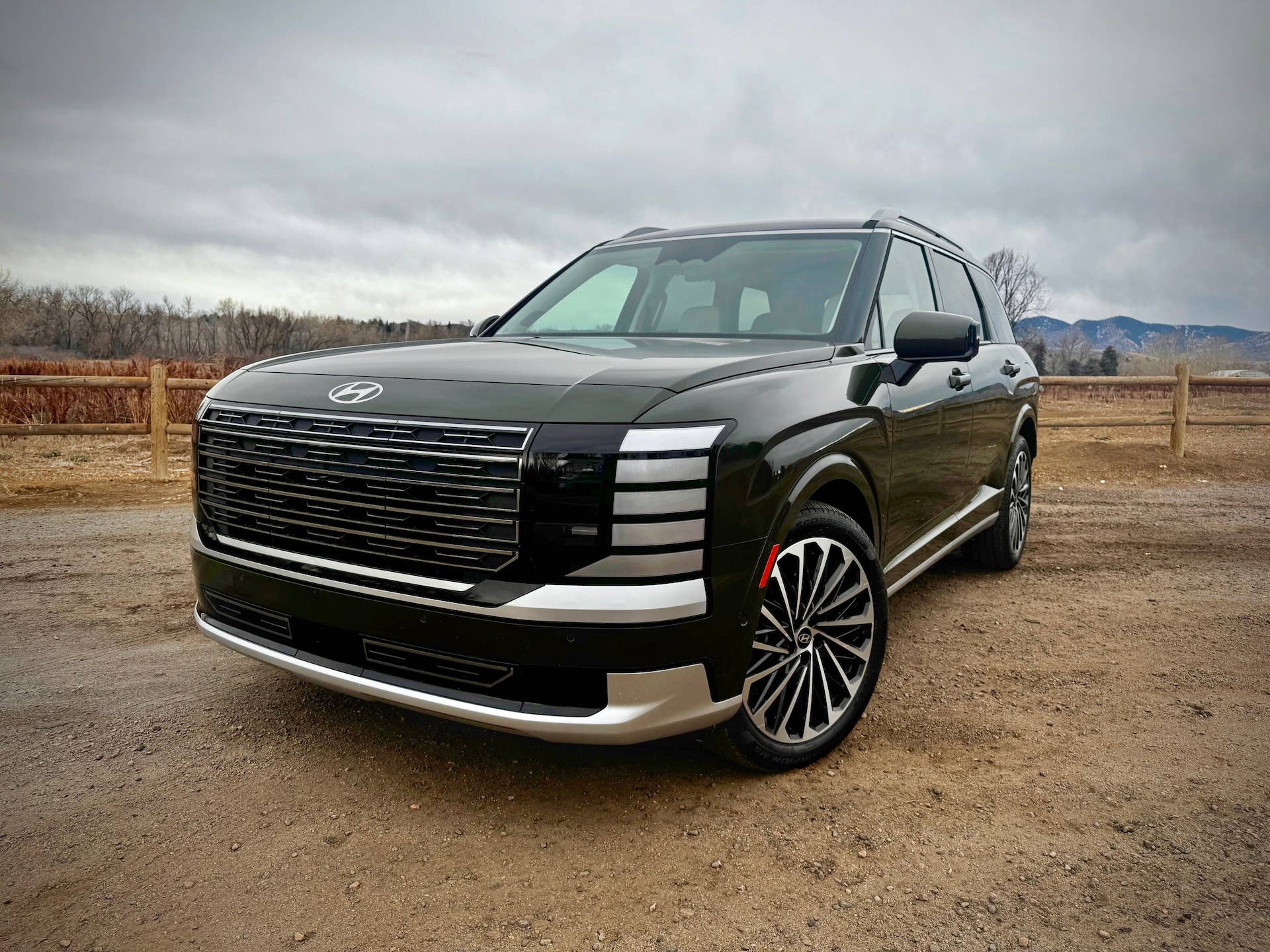
The Hyundai Palisade Hybrid isn’t the most efficient, biggest, or cheapest hybrid SUV, but it strikes such a brilliant balance between all these attributes that it’s impossible to ignore. One look at the Palisade confirms it’s not your average mainstream crossover—it looks and feels like a premium product, inside and out.
While the standard V6 model is rather thirsty and a tad sluggish, the Palisade Hybrid solves both those problems in one go. Its 2.5-liter turbocharged four-cylinder engine and electric motor produce 329 horsepower and 339 lb-ft of torque combined. A smooth six-speed automatic pairs well with the hybrid system. The Palisade Hybrid is responsive off the mark and remains quiet.
Hyundai
Efficiency is what this spacious three-row SUV is all about. With front-wheel drive, the EPA estimates best gas mileage numbers of 33/35/34 mpg city/highway/combined, while all-wheel-drive versions get 29/30/29 mpg. The non-hybrid V6 is far behind at 21 mpg combined—and that’s for the most efficient FWD variant.
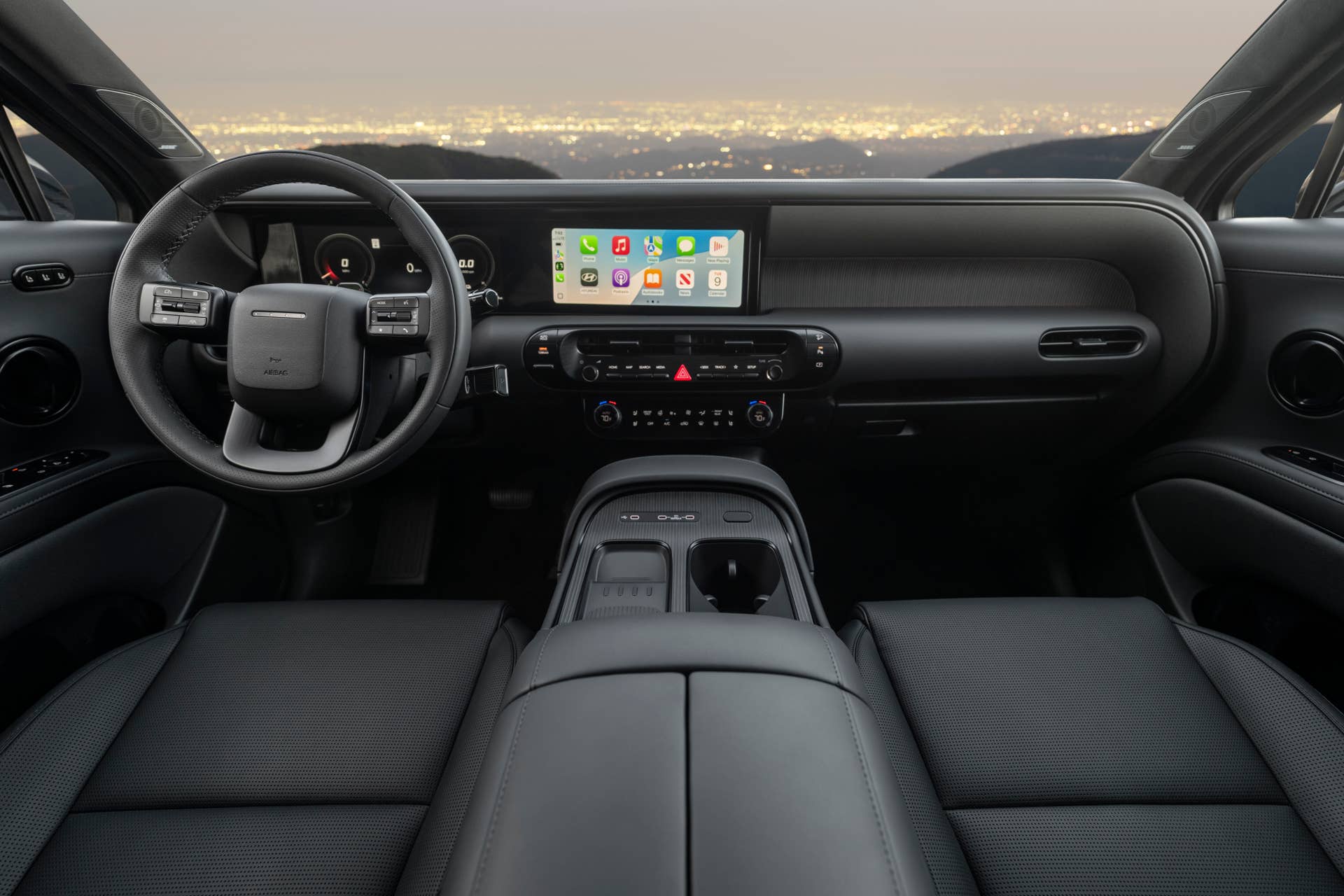
The Palisade is one of the most comfortable three-row SUVs around, both in the way it rides and in how accommodating all three seating rows are. Tech is plentiful, while top trims will rival some luxury brands with their finishes, including Nappa leather. We did have one safety concern, which relates to the forceful folding mechanism of the back seats. Parents with smaller children should take care with these seats.
Starting at just over $44,000, the Palisade Hybrid is quite a bit pricier than the V6, but it’s well worth the extra cost. It’s an outstanding all-round SUV.
Palisade Hybrid Pros
- Quicker than non-hybrid V6 model
- Much more economical than V6, too
- Upscale design
- Good passenger and cargo space
- Plenty of features
Palisade Hybrid Cons
- Power-folding back seats can be a safety hazard
- Top trims are expensive
- Not the sportiest SUV to drive
Palisade Hybrid Ratings
- Efficiency: 4/5
- Practicality: 4.5/5
- Value: 4.5/5
Who’s It For?
The Palisade Hybrid is a top-class family vehicle for anyone who doesn’t want to compromise on performance or economy.
Recommended Trim
At $47,520 (2026 pricing), the SEL Premium trim level comes with upscale features like a surround-view monitor, a heated steering wheel, and heated/ventilated seats in the first two rows. It’s comfortable and classy without jumping to the Limited, which costs over $50,000.
Runner-up 1: Toyota RAV4 Hybrid
Toyota
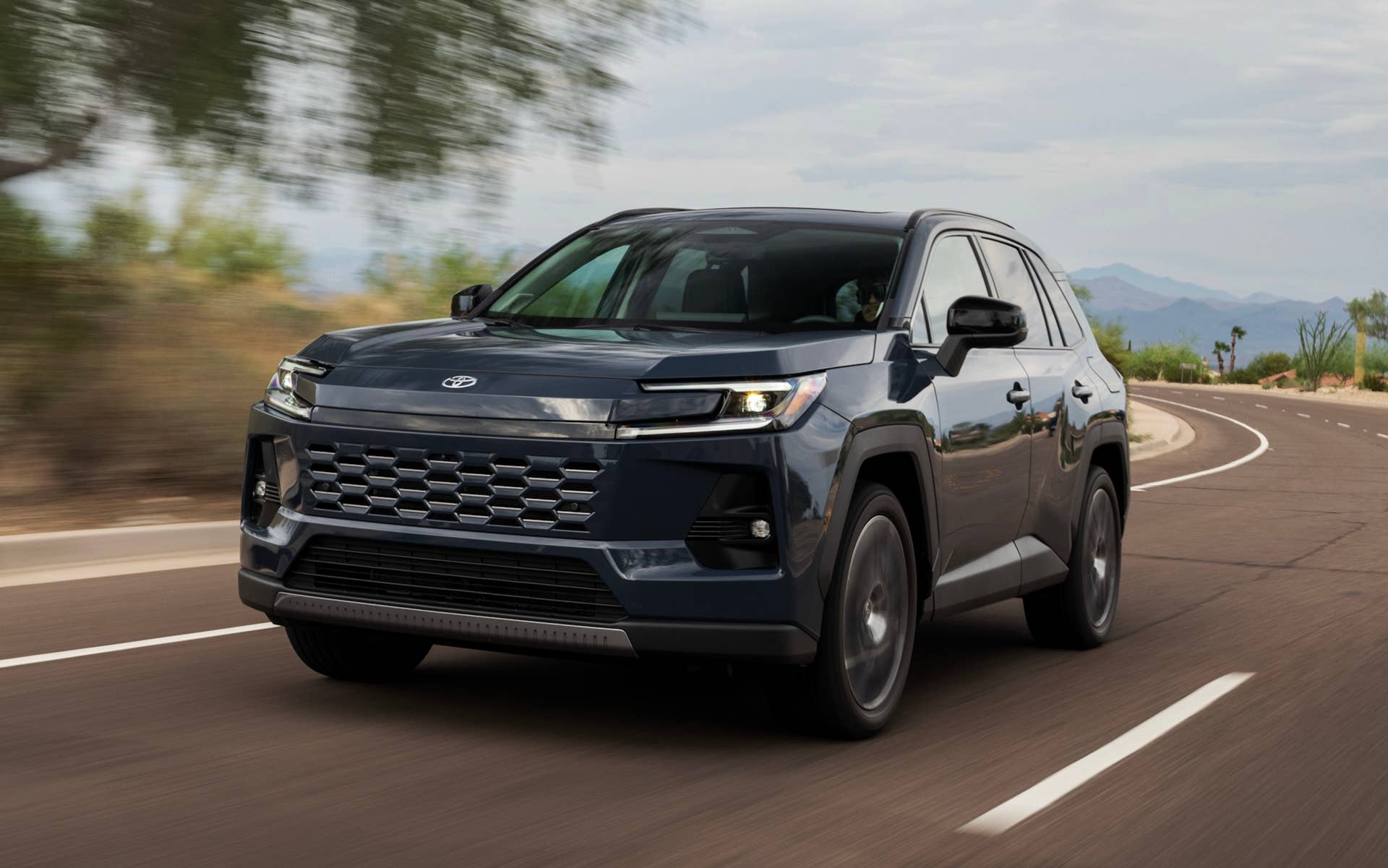
Toyota switched to an exclusively hybrid powertrain lineup for the current generation of the RAV4. It was a bold strategy, making this one of the first compact crossovers to dispense with a non-hybrid base model.
The standard RAV4 hybrid has a 2.5-liter four-cylinder engine. Together with an electric motor, it produces 226 hp combined with FWD and 236 hp with AWD. A plug-in hybrid version with 324 hp is also available, which gets standard AWD. Regardless of the variant, the transmission is a CVT.
Toyota
Efficiency is exceptional. The FWD standard model gets 47/40/43 mpg city/highway/combined and a 624-mile range on a full tank. With AWD, the RAV4’s figures are up to 46/39/42 mpg. Even the thrifty Honda CR-V Hybrid (up to 40 mpg combined) can’t match the RAV4, and the same applies to hybrids from Mazda, Kia, and Hyundai. The RAV4 PHEV has an all-electric range of 52 miles, yet it’s also one of the quickest compact crossovers around.
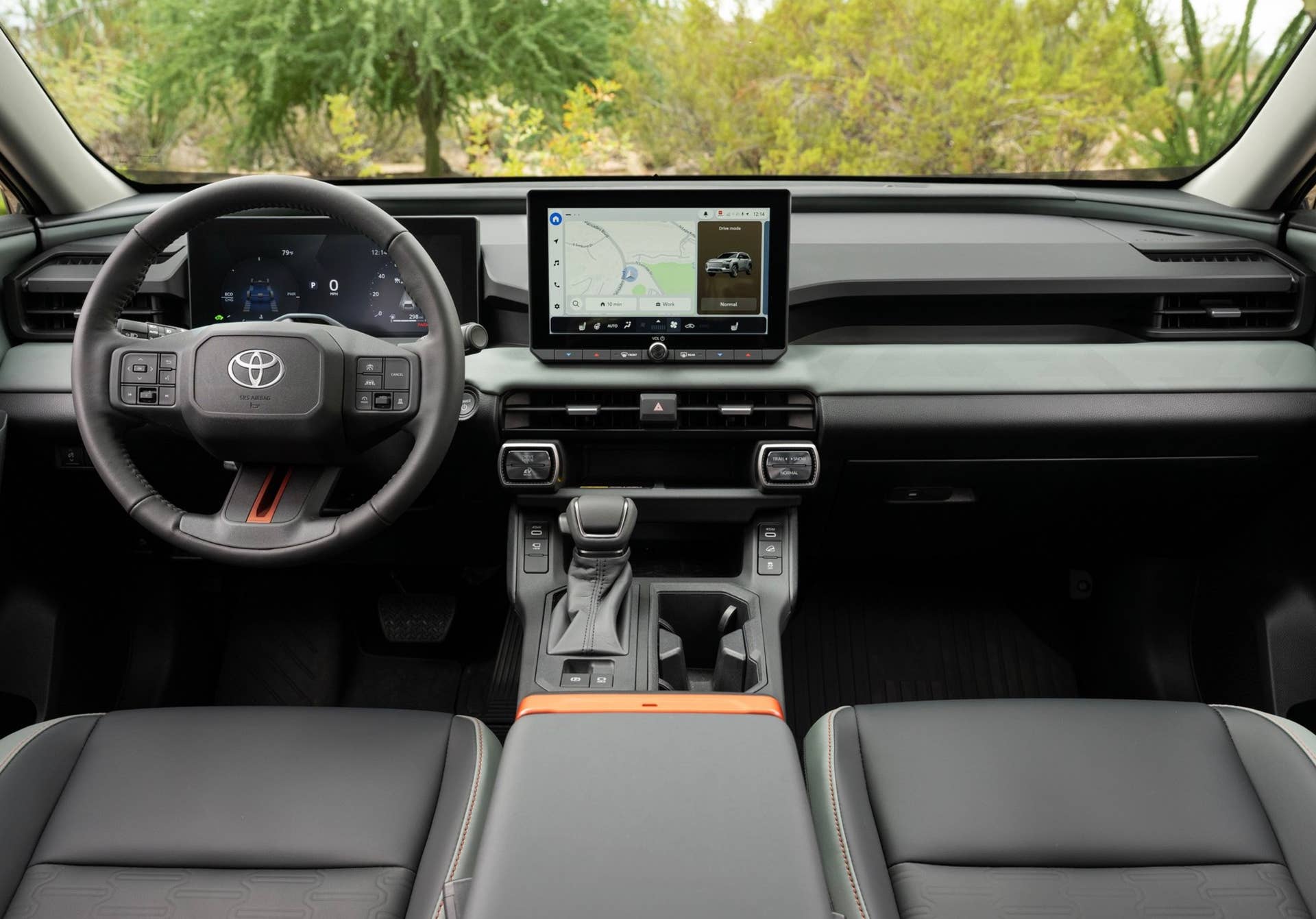
We found the hybrid powertrain delivers punchy performance, even if it’s not the quietest engine in its class. It pairs well with secure handling and a comfortable ride. Size-wise, the latest RAV4 is similar to the old one, so four adults will be perfectly comfortable. The new infotainment system is easy to use, too.
Starting at $31,900 for 2026, the RAV4 is much cheaper than the CR-V Hybrid. It doesn’t blow the competition away, but by being above average in most respects, the Toyota should once again resume its status as the best-selling SUV in America.
RAV4 Hybrid Pros
- Standard hybrid powertrain is highly efficient
- RAV4 PHEV is a hot performer
- Roomy passenger and cargo space
- Competitively priced relative to compact hybrid rivals
- Many standard and optional features
RAV4 Hybrid Cons
- Cabin looks a bit dreary on certain trims
- Four-cylinder engine isn’t the quietest
- CR-V is better to drive
RAV4 Hybrid Ratings
- Efficiency: 5/5
- Practicality: 4/5
- Value: 4/5
Who’s It For?
The Toyota RAV4 Hybrid tries to do it all—and mostly succeeds. Whether you need an economical commuter, a practical SUV, a mild off-roader, or performance to scare some sports cars, the RAV4’s expansive lineup offers it all.
Recommended Trim
We chose the RAV4 XLE Premium as the sweet spot in the lineup. It starts at $36,100 for 2026, so may be closer to $37k for the 2027 model year. It adds welcome extras like SofTex upholstery, a power liftgate, and wireless charging, without seriously compromising the SUV’s value proposition.
Runner-up 2: Kia Sportage Hybrid
Kyle Edward
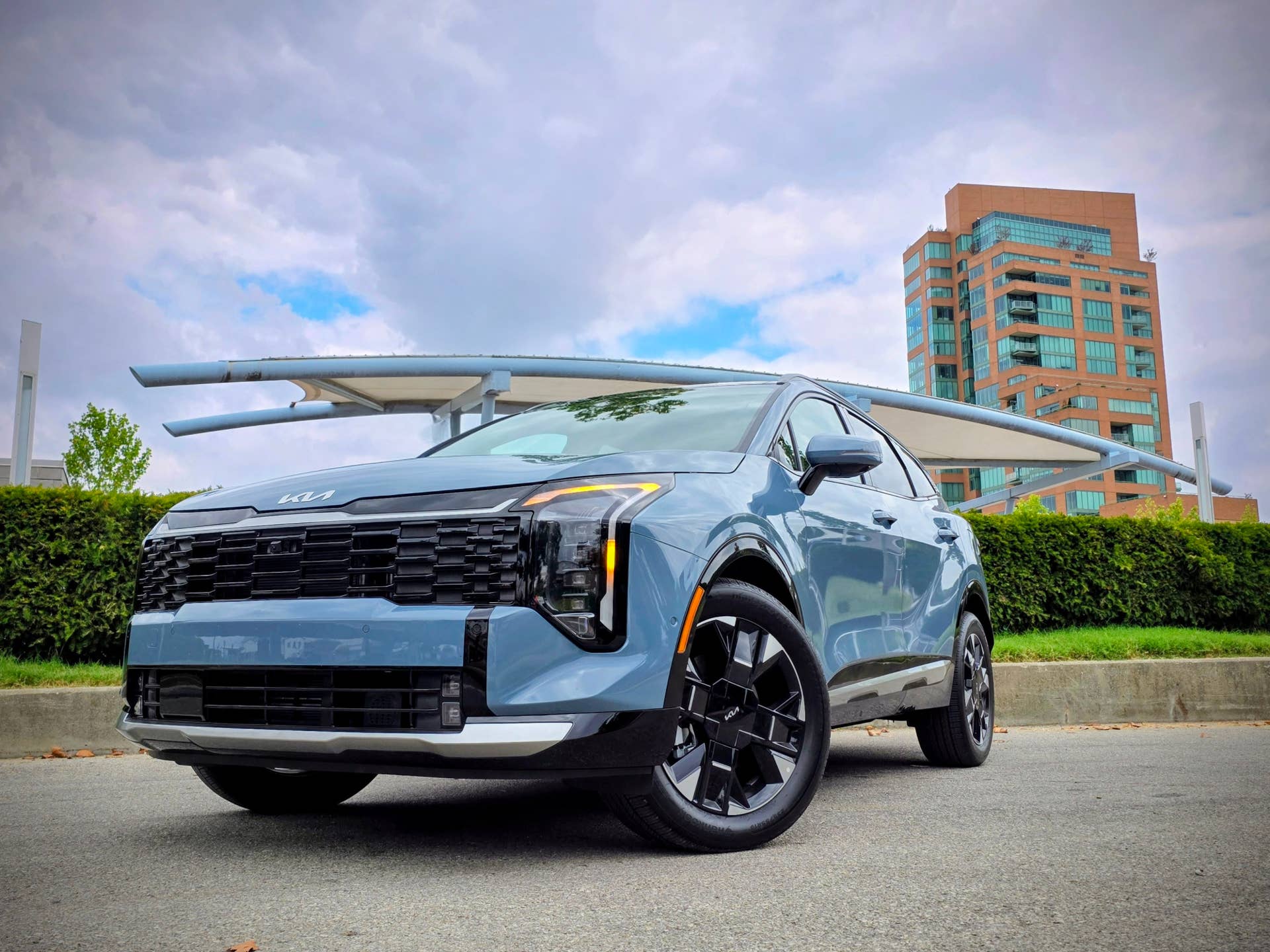
Another compact crossover makes our list of best hybrid SUVs. Very nearly as economical as the RAV4, the Kia Sportage Hybrid also has more standard power at a lower price, while introducing some design flair to the segment.
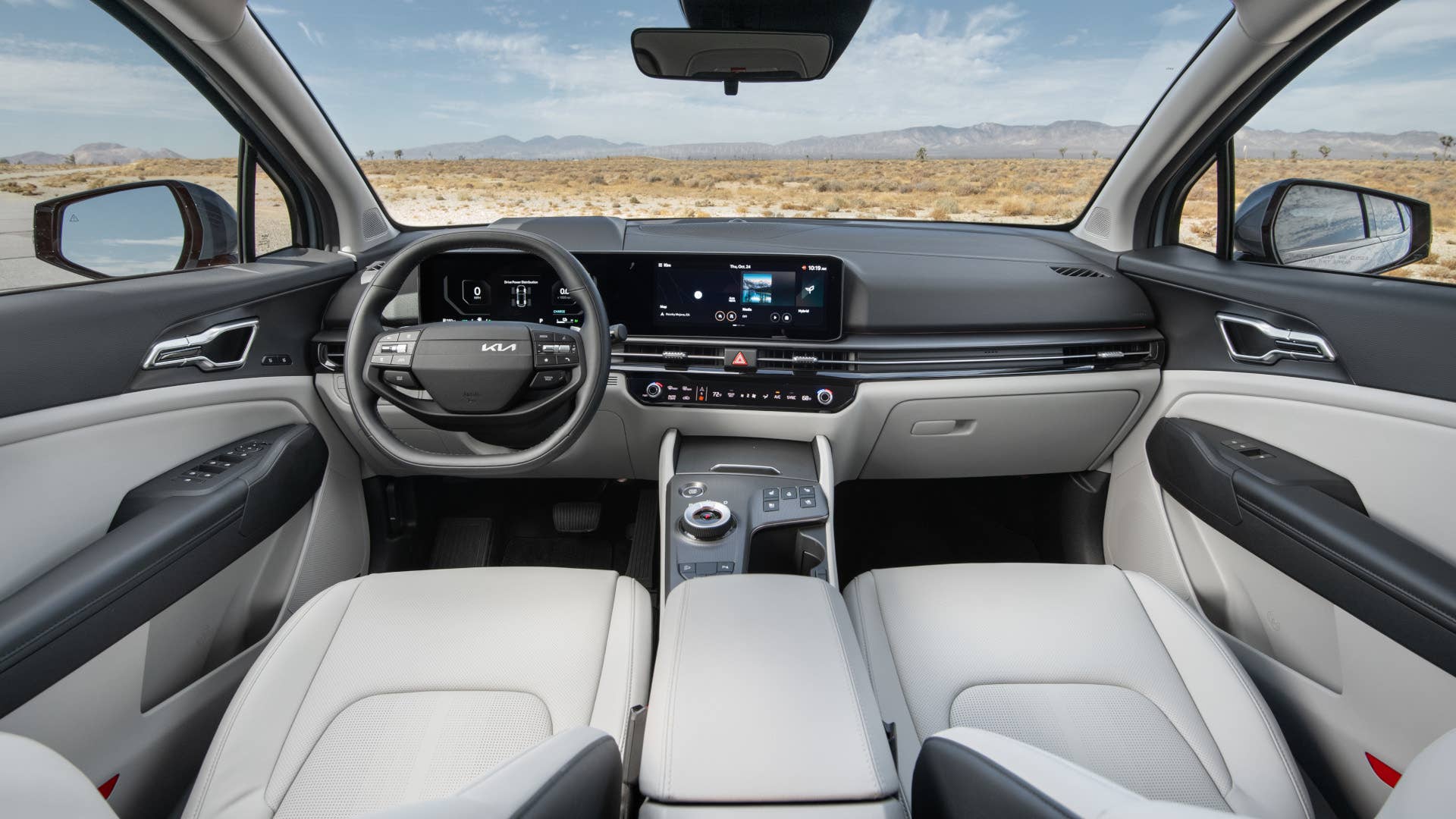
Facelifted for the 2026 model year, the Sportage Hybrid wears a fresh grille and updated headlights. It’s just as snazzy inside, with more interesting shapes than in a RAV4 or CR-V, without compromising usability.
This Sportage comes with a 1.6-liter turbocharged four-cylinder engine. Combined, the hybrid system makes 232 hp and 271 lb-ft of torque. Unlike the RAV4, it has a conventional six-speed automatic; the defined shift points provide a more engaging driving experience and helps reduce engine drone. Kia offers FWD and AWD drivetrains, with the former returning 41/44/42 mpg; it’s significantly more efficient than the RAV4 in highway driving.
Kia also offers a Sportage PHEV with 268 hp and a 33-mile all-electric range.
In our drive of the regular Sportage Hybrid, we greatly appreciated its hushed interior, comfortable ride, and outstanding rear-seat space. It stops short of being a sporty drive, though, due to a fair amount of body roll.
At a starting price of $30,490 for 2026, it undercuts the RAV4 on price. It also has a superior warranty, a more stylish design, and more space.
Sportage Hybrid Pros
- Decent power, brilliant efficiency
- Smooth automatic transmission
- High-tech interior
- Spacious rear seating and trunk
- Low base price
Sportage Hybrid Cons
- Quicker than non-hybrid Sportage, but still a bit dull to drive
- PHEV model outclassed by RAV4
Sportage Hybrid Ratings
- Efficiency: 4.5/5
- Practicality: 4.5/5
- Value: 4/5
Who’s It For?
Buyers looking for a compact crossover that prioritizes refinement, efficiency, and comfort will love the Kia Sportage Hybrid.
Recommended Trim
At $33,790 (2026 pricing), the Sportage Hybrid EX ticks all the right boxes. It’s still well-priced, but benefits from extras like imitation leather upholstery, heated front seats, wireless phone charging, and a smart power liftgate.
Honorable Mentions
Kia Telluride Hybrid
Kia
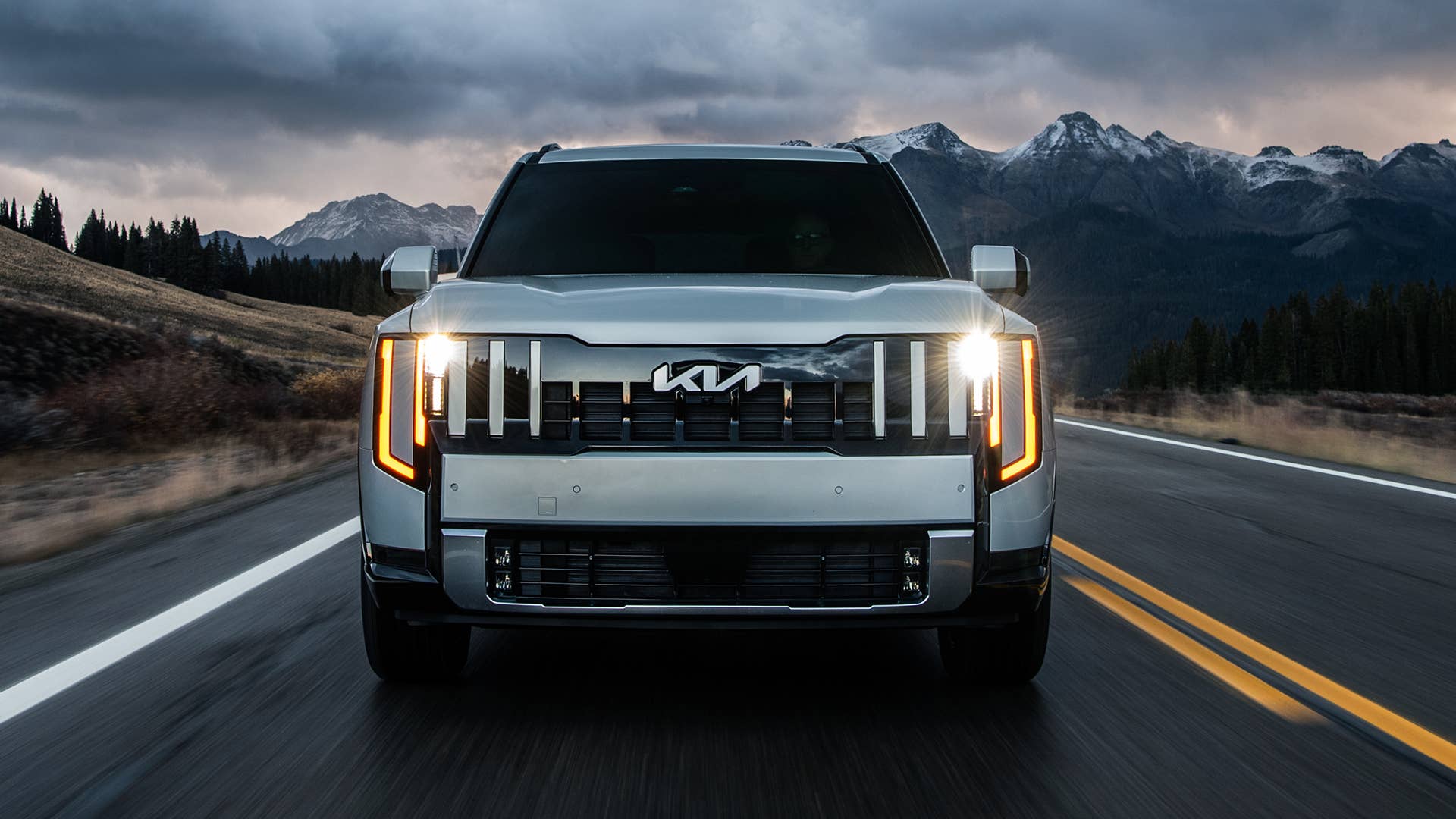
The Kia Telluride Hybrid has the same 329-hp powertrain as the Palisade Hybrid, but current pricing makes the Kia the more expensive of the two. In a comparison of the two SUVs, we also found the Palisade’s third row to be more comfortable than the Kia’s. Beyond that, the two vehicles are extremely closely matched, and deciding between the two will likely come down to brand preference or which design you prefer.
Hyundai Tucson Hybrid
Hyundai
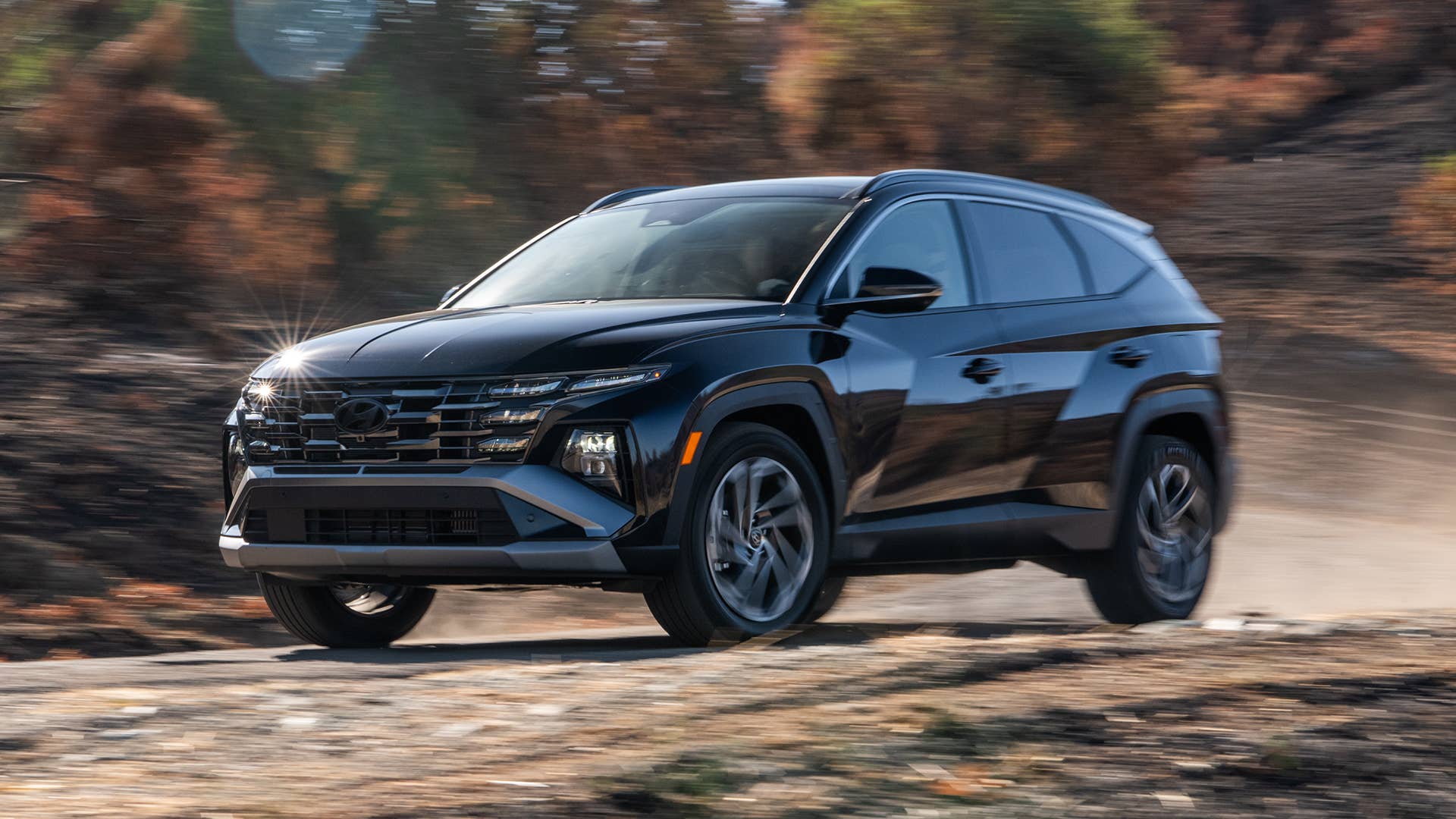
If you haven’t been able to tell by now, we rate Korean hybrid SUVs highly. The Tucson Hybrid is another very strong contender and is the Kia Sportage’s corporate cousin. The Kia is quite a bit more economical, though, which is the main reason it gets the nod over the Hyundai, not that the Tucson’s 38 mpg combined is poor. The Hyundai has similarly generous interior space, a fantastic warranty, and plenty of equipment.
Honda CR-V Hybrid
Honda
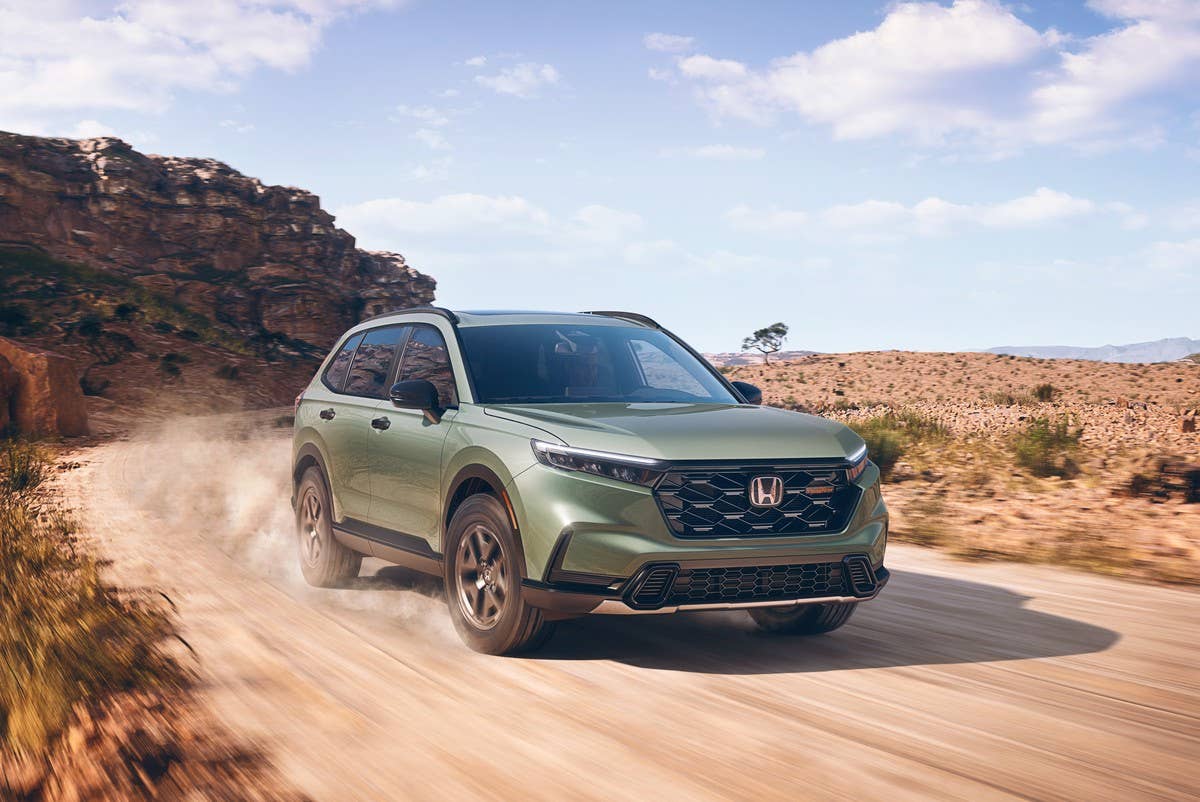
The Honda CR-V Hybrid deserves a place on anyone’s shortlist. It’s roomy, efficient, and refined, although its 40 mpg combined rating falls just short of the Sportage and RAV4. The same goes for its output, but the 204-hp powertrain feels quite responsive. Unlike most other hybrids, an electric motor powers the wheels directly most of the time, with the engine acting as a generator. Together with above-average handling and a smooth CVT that simulates gearshifts, it’s among the best hybrid crossovers to drive. Unfortunately, even the base model costs over $35,000.
Hyundai Santa Fe Hybrid
Kristen Brown
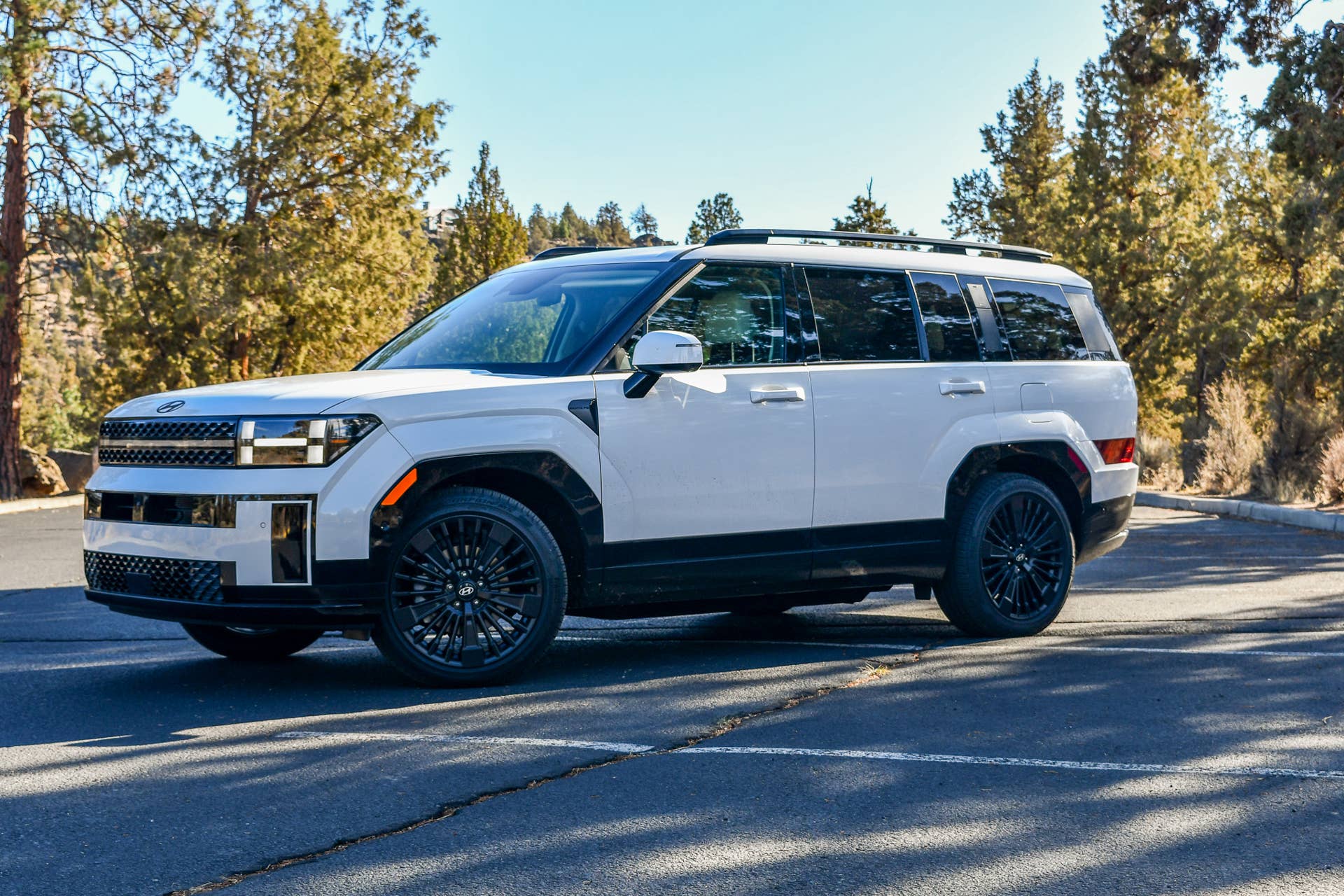
Starting at an estimated $37k for 2027, the Santa Fe Hybrid is a much more affordable hybrid three-row crossover than the Palisade. No, it’s not as plush inside or as practical in the third row, but the squared-off design frees up loads of cargo space. It makes 231 hp combined, so performance is reasonably responsive, while the best EPA rating is 36 mpg combined for the FWD variant. If you only occasionally need the third row, this is an excellent choice in the hybrid SUV class.
Conclusion
There is now a wide range of hybrid SUVs on the market. Some have two seating rows and some three, while you can choose between normal hybrid power and powerful plug-in versions. In general, buyers get to enjoy family-friendly cabin space with the butch look of a proper SUV and the efficiency of a much smaller car. The Hyundai Palisade Hybrid is unbeatable in combining these qualities into a single package, but every hybrid SUV on our list boasts exceptional economy.
About the author

Karl Furlong
Senior Editor, Autoblog