
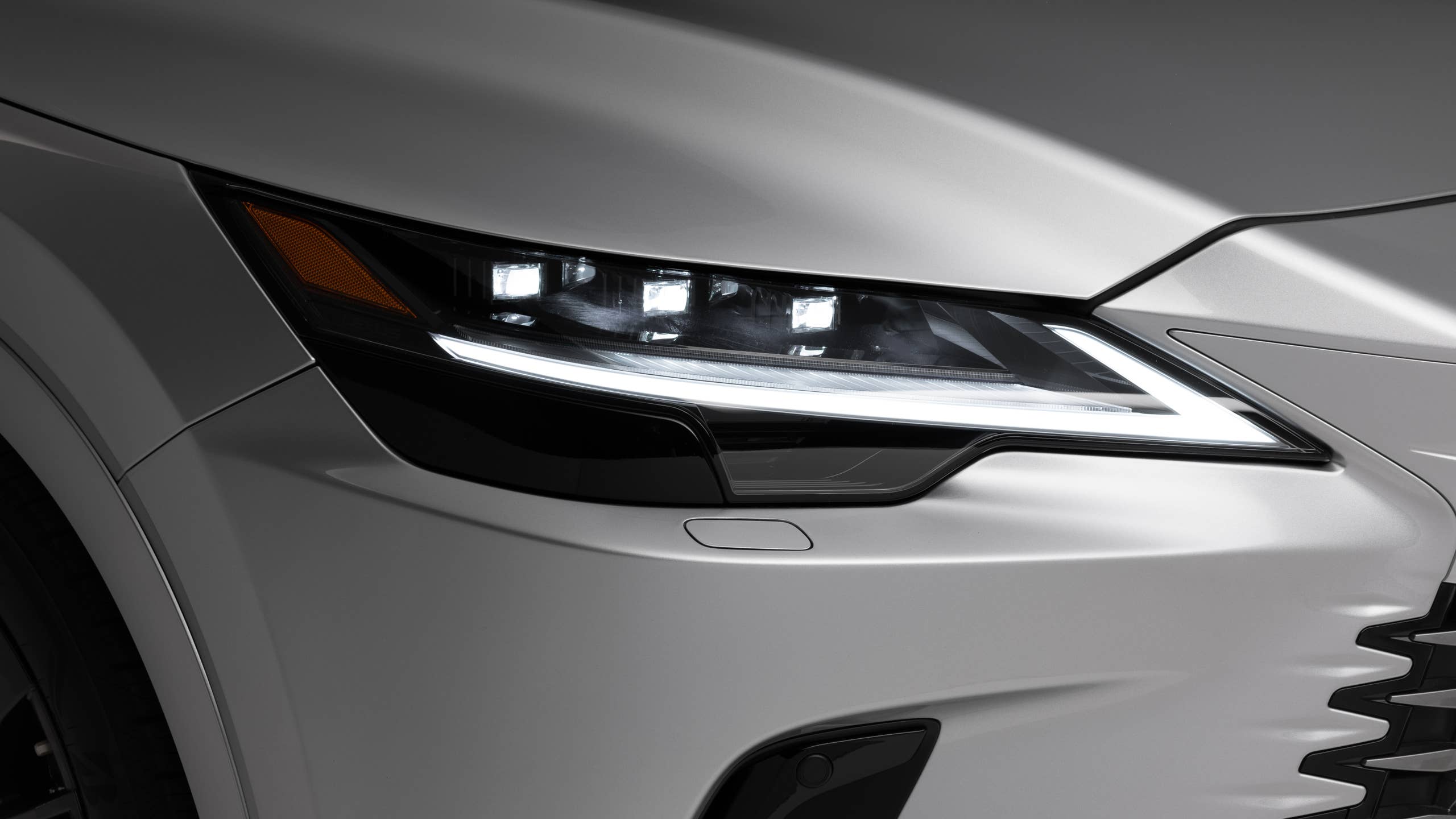
Lexus has a 10-model line-up comprising two sedans, and a broad array of SUVs to suit just about every need. While many are hybrids, just two are available with Plug-In Hybrid powertrains, giving them the efficiency of an EV and the flexibility of gas power when required.
As EV regulations, incentives, and charging infrastructures mature, many motorists find that Plug-In Hybrids are the perfect first step as they navigate the transition toward zero emissions vehicles.
Unlike traditional hybrids with small batteries that self-charge through regenerative braking and can provide only minimal assistance to the gas engine, PHEVs have more powerful electric motors, much larger batteries and offer an all-electric range that can often be enough for the daily commute.
PHEVs do need to be plugged in to get the best efficiency levels possible, but you can always rely on the gas engine for longer trips or when charging isn’t an option. We take a look at Lexus’ PHEV offerings and cover both models in detail here.
The Lexus NX 450h+
Amos Kwon

Amos Kwon
Amos Kwon
| Engine | 2.5-liter in-line 4-cylinder plug-in hybrid |
| Power | 304-hp combined |
| Torque | 173 lb-ft (gas engine) |
| 0–60 mph | 6.0 seconds |
| Fuel Economy | 84 MPGe combined; 37 miles EV range |
| Base MSRP | $59,505 |
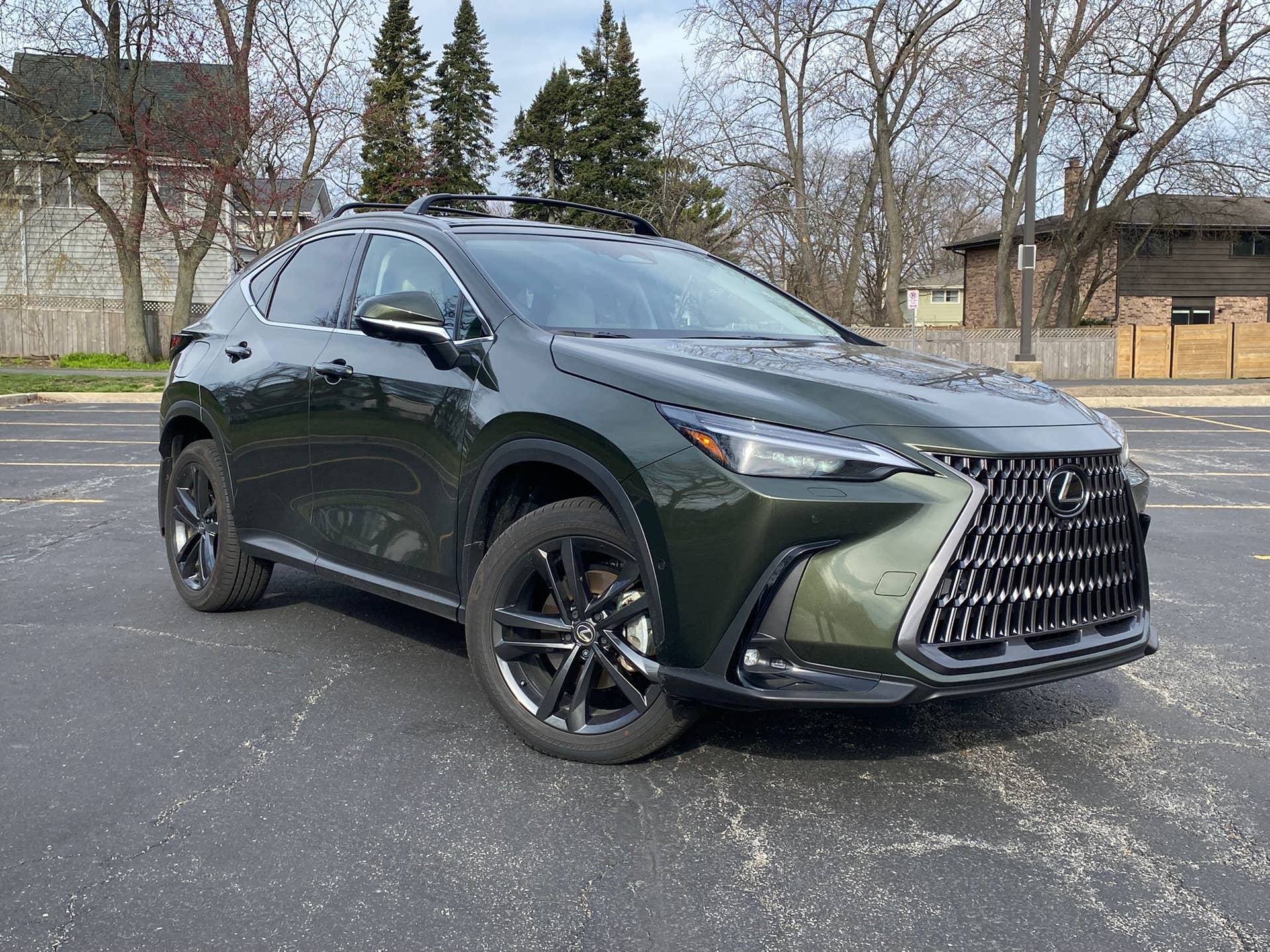
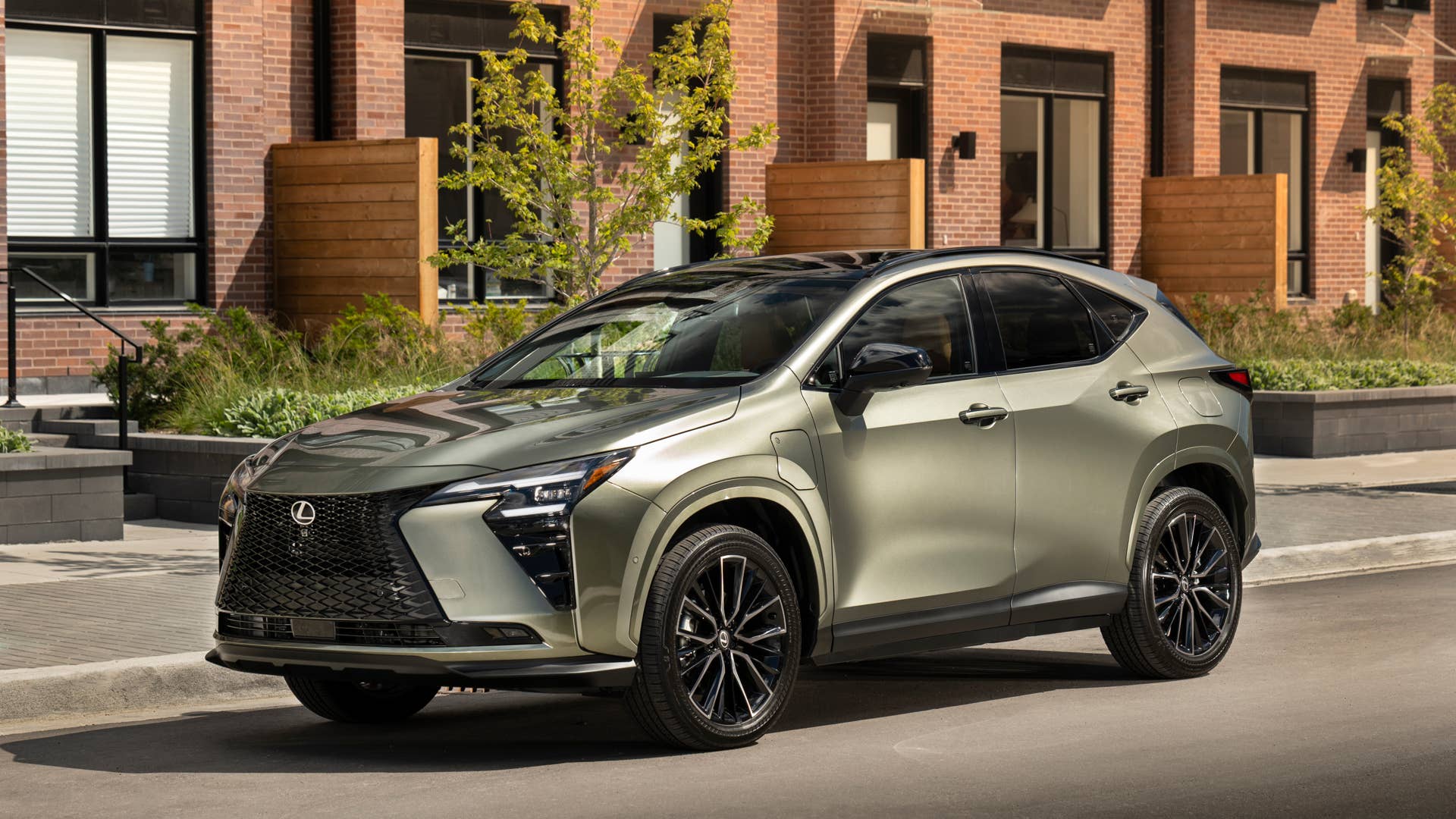
The Lexus NX 450h+ competes in the compact luxury crossover segment, with sharp and sporty looks, that belie its cossetting ride quality and smooth and unobtrusive power delivery.
Mechanically, the NX 450h shares its core powertrain architecture with the Toyota RAV4 PHEV and comes standard with all-wheel drive (AWD) and a continuously variable (CVT) transmission. Its 6.0-second 0-60mph time is quick enough, but not quite as fast as some of its sportier segment rivals.
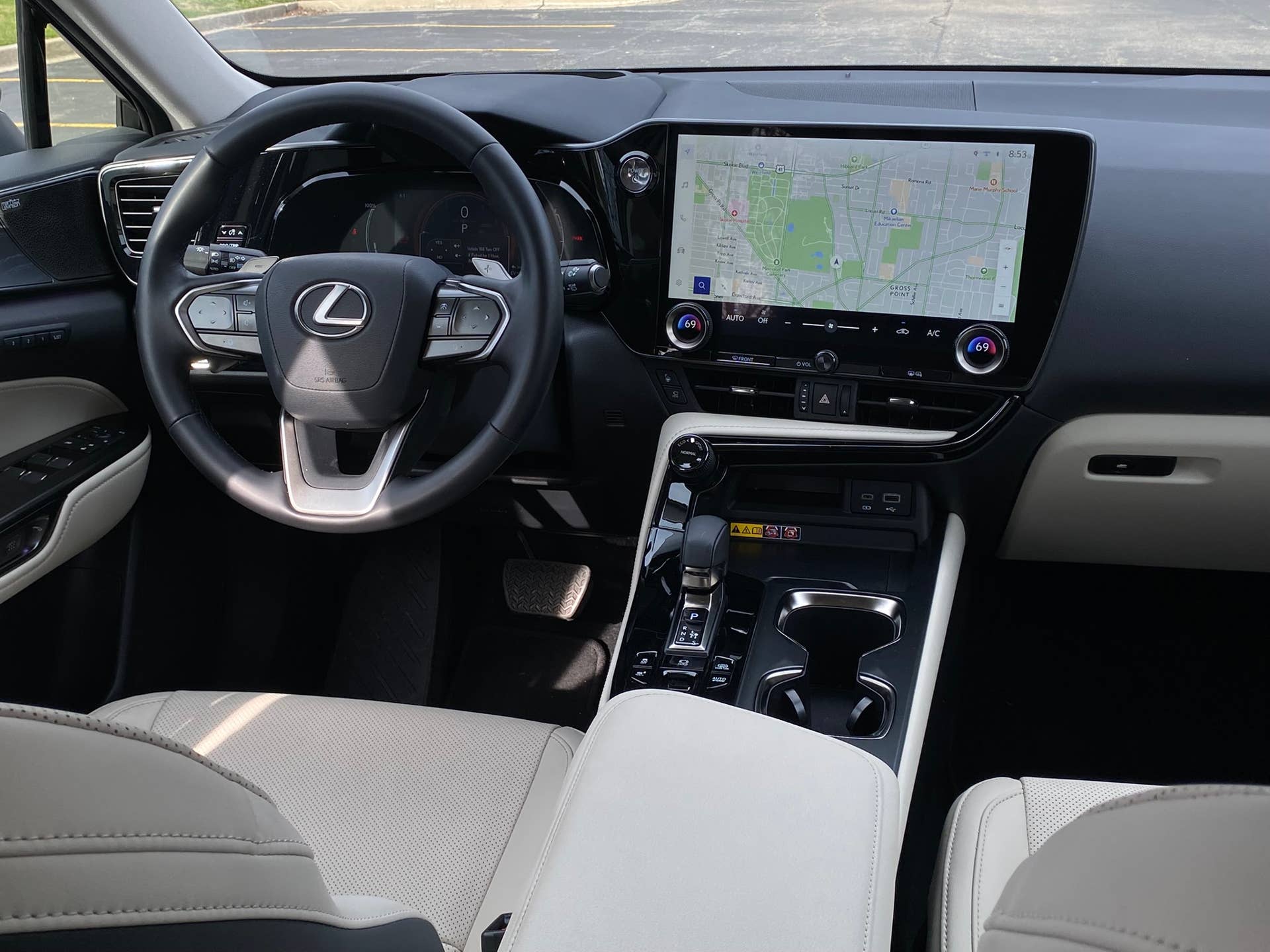
Inside, the NX 450h+ feels well-built, with premium quality materials on most surfaces, and the usual configurable digital dash display and large centrally mounted infotainment touchscreen.
Lexus
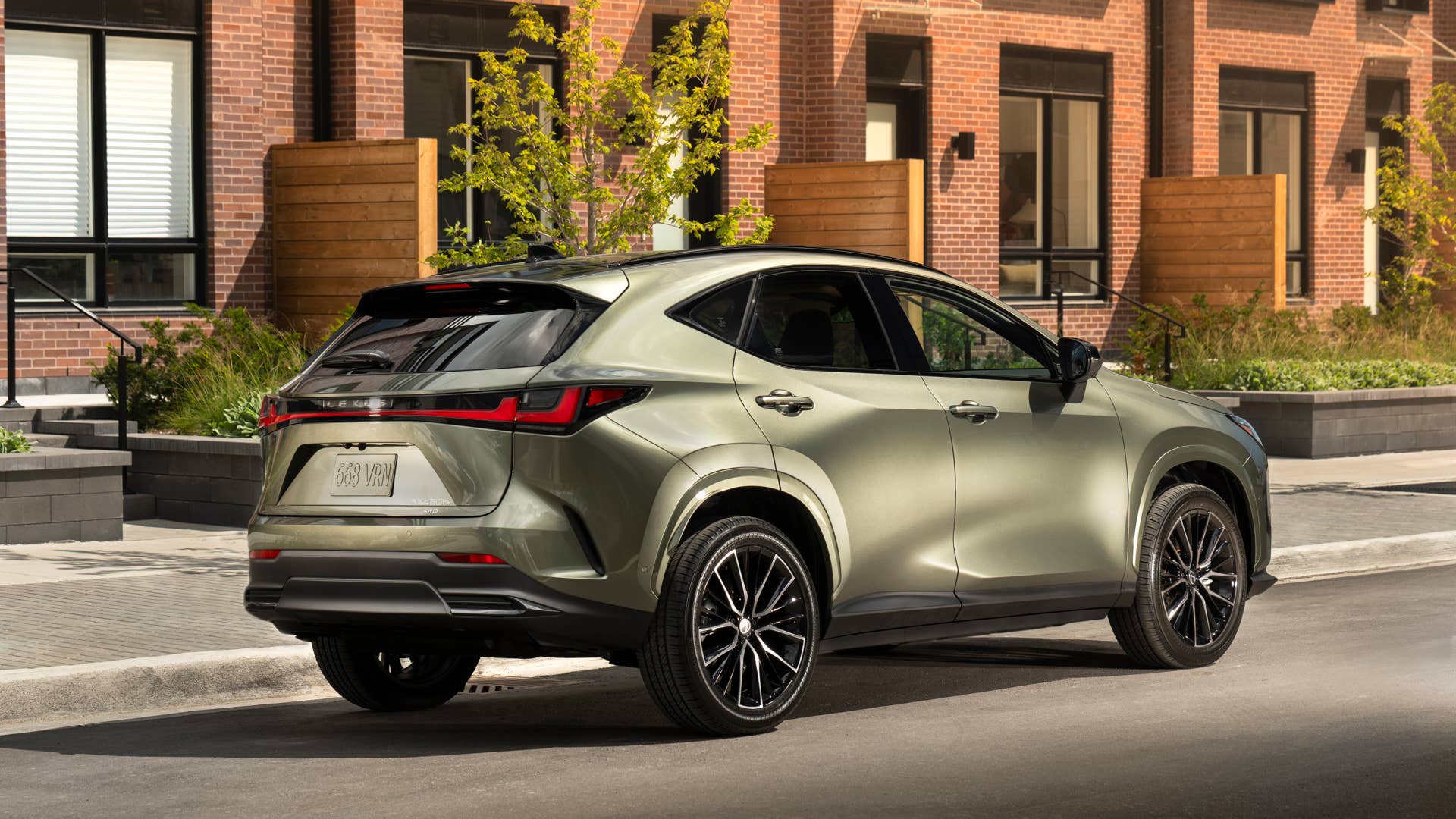
While it still looks quite fresh, a heavily updated 2027 NX is due to be launched imminently, and it has a more modern interior layout, but thankfully retains some physical buttons for the HVAC controls. This new model will have the latest RAV4 PHEV powertrain, which means a bit more power and all-electric range when it does arrive.
For now, though, the 2026 NX 450h+ is a perfectly good alternative and there may be some dealer incentives to take advantage of, too. You should also expect a price hike when the new model arrives, but for now the current model is available in three distinct trim levels, namely Premium, Luxury and F Sport Handling.
The NX 450h+ Premium AWD starts at a not inconsiderable $59,505, and comes pretty well equipped, with standard power driver’s seat with memory function, power rear door with kick sensor, and a moonroof. You do have to pay an additional $75 for a wireless charging pad, which seems out of odds with the otherwise well-specced NX.
The $63,435 Luxury trim adds triple-beam LED headlamps, perforated leather-trimmed seats, black open-pore wood trim, heated and ventilated front seats and 20-inch alloys.
Topping the range is the $64,525 F Sport Handling trim. It gets much the same spec as the Luxury trim, but with F Sport detailing, and adaptive variable suspension. For our money, the base trim is just fine, especially if you can nab one at a discount before the new model arrives.
The Lexus RX 450h+
Jared Rosenholtz/Autoblog

Jared Rosenholtz/Autoblog

Jared Rosenholtz/Autoblog
| Engine | 2.5-liter in-line 4-cylinder plug-in hybrid |
| Power | 304-hp combined |
| Torque | 173 lb-ft (gas engine only) |
| 0–60 mph | 6.2 seconds |
| Fuel Economy | 85 MPGe combined; 35 miles EV range |
| Base MSRP | $66,780 |
_____
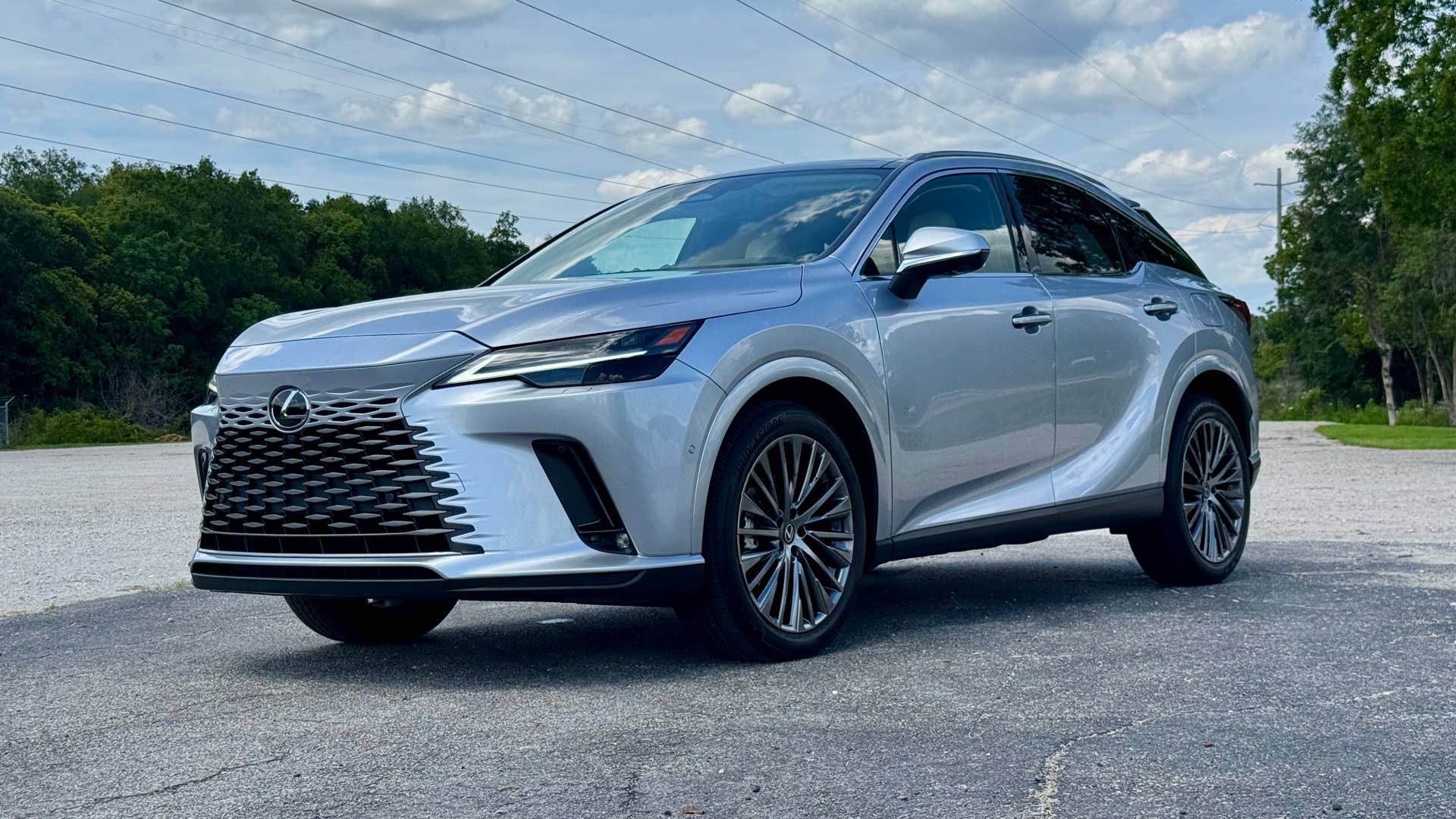
The Lexus RX 450h+ uses much the same mechanical recipe as the 2026 NX 450h+, but it’s a midsize SUV, so you get more passenger and cargo space, as well as a higher level of standard equipment.
The 304-hp hybrid powerplant is identical to the NX, and in this heavier bodyshell it provides slightly slower acceleration but somehow manages to offer 1 MPGe more than the NX, albeit its all-electric range drops from marginally from 37 to 35 miles.
The RX 450h+ comes standard with a broader range of luxury and tech features, with all trims getting a 14-inch touchscreen, semi-aniline or NuLuxe seats, and advanced driver-assistance features. The RX plug-in hybrid is priced at $66,800 before taxes, which undercuts its German rivals, which tend to be focused more on outright performance and handling.
That matters little to Lexus’ core customers who will appreciate the RX’s superb ride quality, refined cruising manners and a fit and finish that is up there with the best in class. For 2027, the RX 450h+ is offered in just Premium and Luxury trim levels.
The Premium trim come standard with all-wheel drive, a power tilt-and-slide moonroof, wireless phone charging, heated wood- and leather-trimmed steering wheel, and 20-inch alloys.
The Luxury trim costs $73,510, and for your additional $6,630 you get semi-aniline leather–trimmed interior, 10-way power-adjustable driver’s and front passenger’s seat, heated and ventilated power rear seats, triple-beam LED headlamps, and a Panorama glass roof. It certainly gives the RX a luxurious feel, but it pushes the pricing uncomfortably close to its German rivals. As with the NX, the base Premium trim is where the best value is to be had with the RX.
Is It Worth Choosing A Lexus PHEV Over A Regular Hybrid Model?
Lexus
With a base price of $59,505, the 2026 Lexus NX 450h+ is priced similarly to other luxury PHEVs, but it does cost $9,460 more than a similarly specced hybrid NX 350h AWD. The PHEV, however, is both more powerful and quicker, and if you charge your battery regularly and keep your daily trips to under 35 miles, the PHEV may prove to be far less costly to run.
The RX is available in four engine configurations, making your choice a bit more involved. While the PHEV 450h+ is undoubtedly the most efficient, the base 275-hp 2.4-liter turbocharged RX 350 is not far behind in terms of performance, and a similarly specced model can cost around $8,000 less.
The RX 350h comes with a 245-hp 2.5-liter hybrid powerplant, costs slightly more than the regular 350, but it’s also slower. Then there is the RX 500h, it adds hybrid power to the 2.4-liter turbocharged engine, to deliver a combined 366-hp, resulting in plenty of performance, but its 27mpg combined fuel economy figure is well behind what the 450h+ can deliver.
The final decision comes down to what you want from your Lexus SUV, and we feel that the laid-back nature and cocooning driving experience of both the NX and RX SUVs work best with the smooth PHEV powerplant.
About the author

John Tallodi
Senior Editor