
Key Points
- The 2027 Mitsubishi Eclipse Sportback is a rebadged Nissan Leaf with 282 miles of range.
- It offers competitive performance, charging, equipment, and significantly stronger warranty coverage than the Leaf.
- Despite the promising EV, Mitsubishi’s aging lineup and borrowed identity limit its broader comeback prospects.
Nissan Makes a Great Mitsubishi
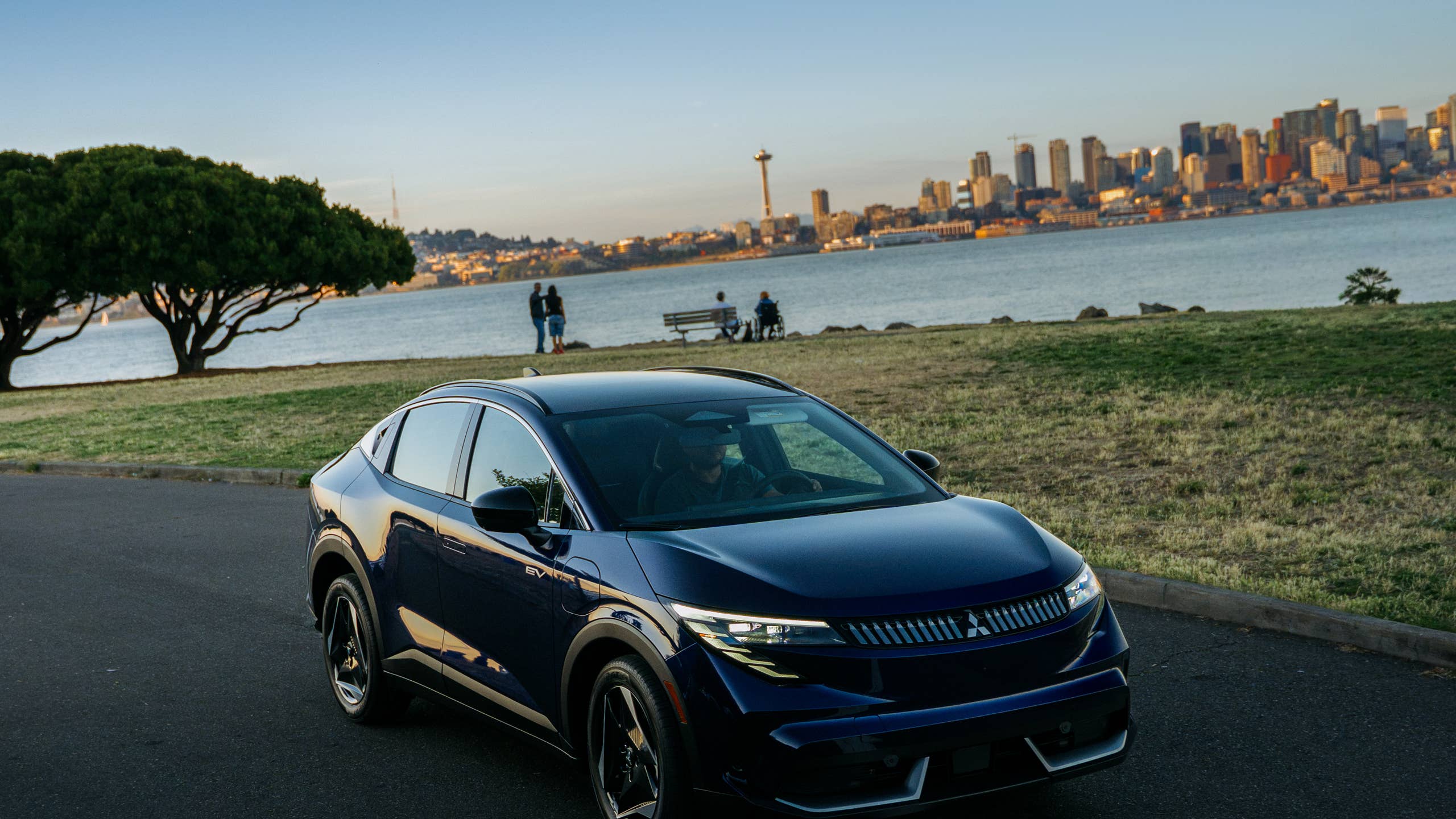
What on earth is going on with Mitsubishi? They killed all of their legends. The Galant. Dead. Lancer Evo. Dead. The Montero. Dead. It’s current gas lineup is about as old as the hills, except for the Outlander. Now, Mitsubishi finally has an electric vehicle that sounds worth consideration, except that it’s a Nissan. Yep, the new Eclipse Sportback is a rebadged Nissan Leaf.
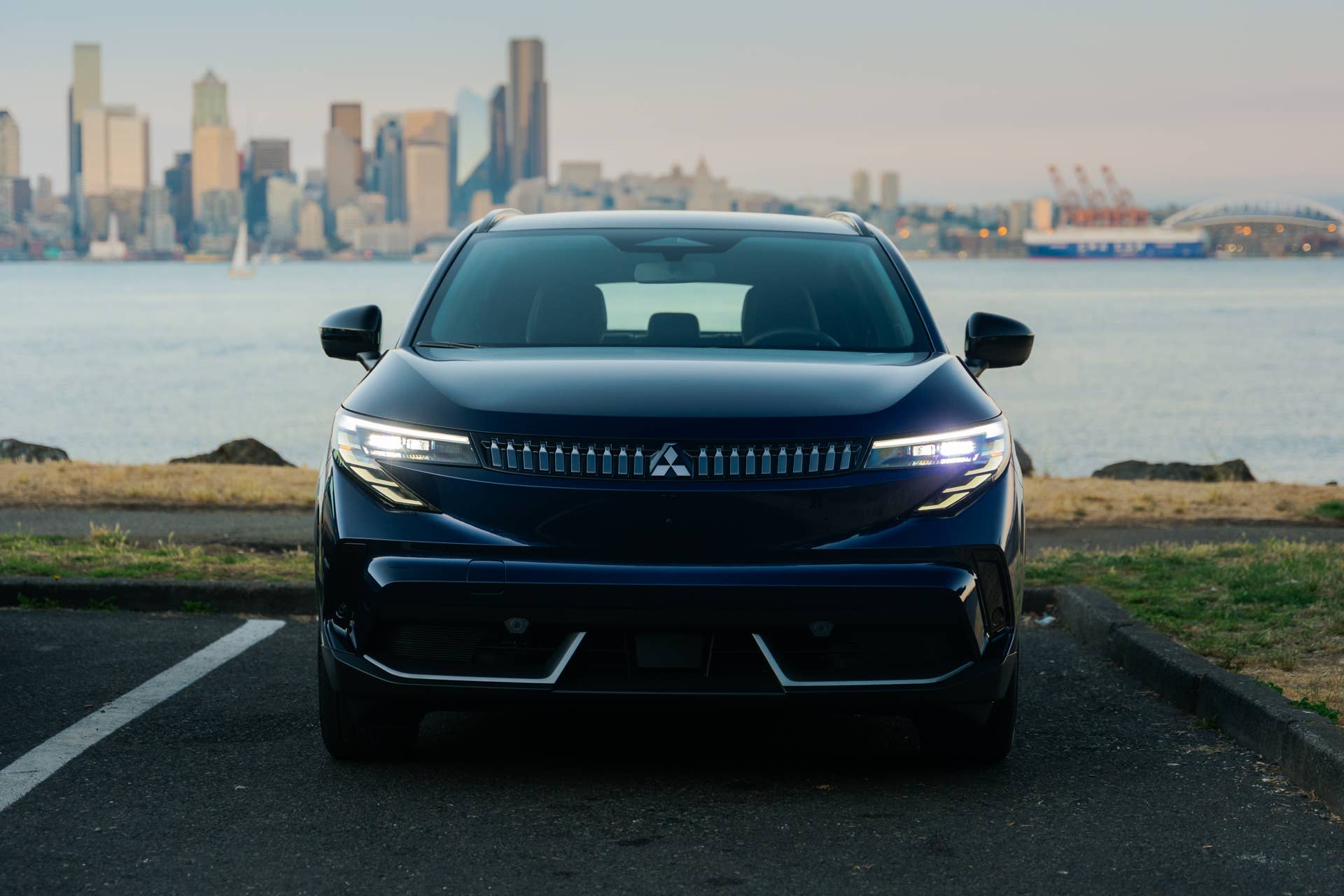
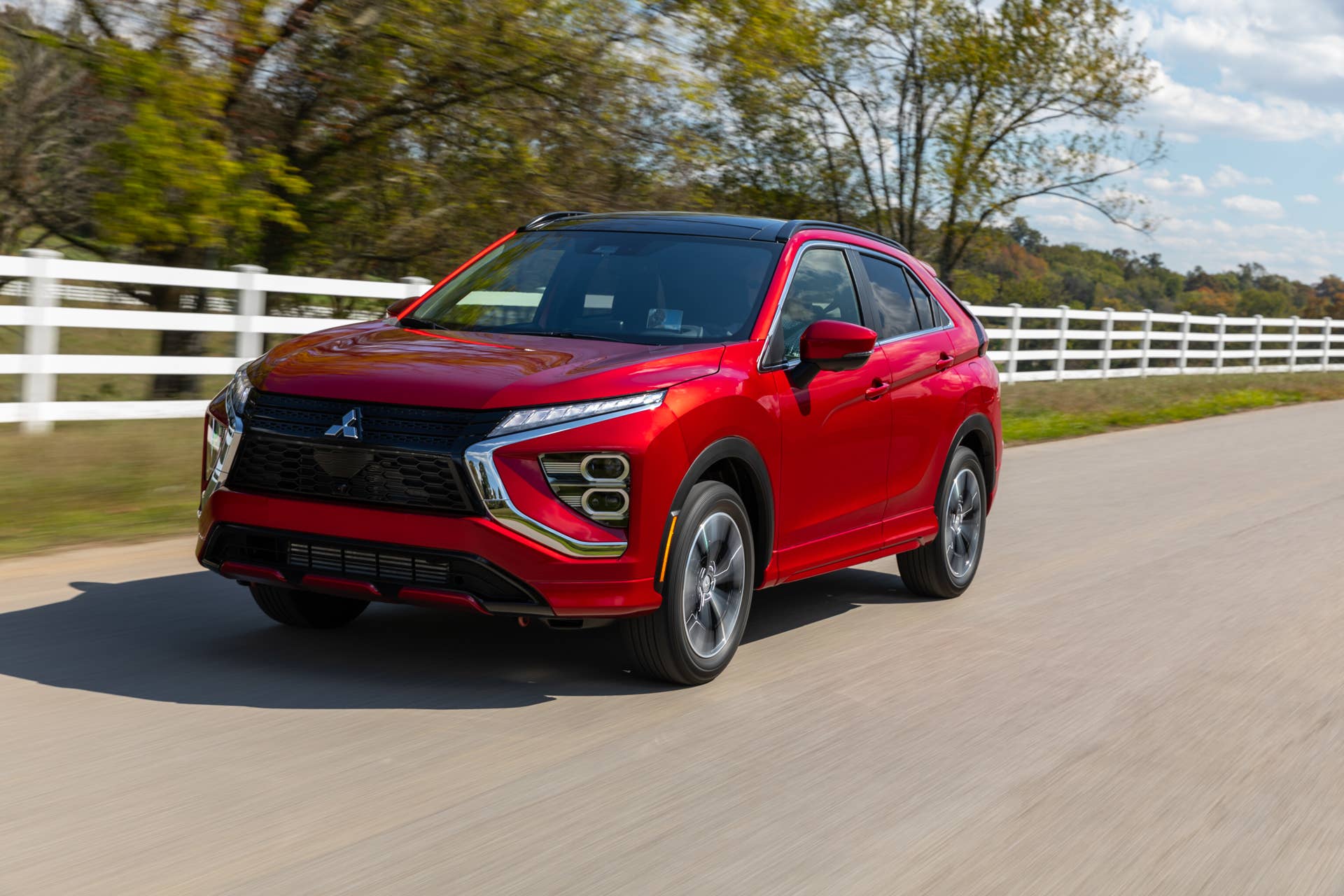
The 2027 Eclipse Sportback ($37,745 MSRP) promises a useful 282 miles of range, competitive equipment, and a truly sharp look. Unlike the tiny moonbuggy i-MiEV that preceded it, this is a practical compact hatchback rather than something that looks like a Dollar Store George Jetson car. The Eclipse Sportback needs to pull shoppers toward the brand, yet its strongest attributes largely belong to another manufacturer’s car while most of the Mitsubishi stable is, well, stale.
The Leaf Changes Its Colors

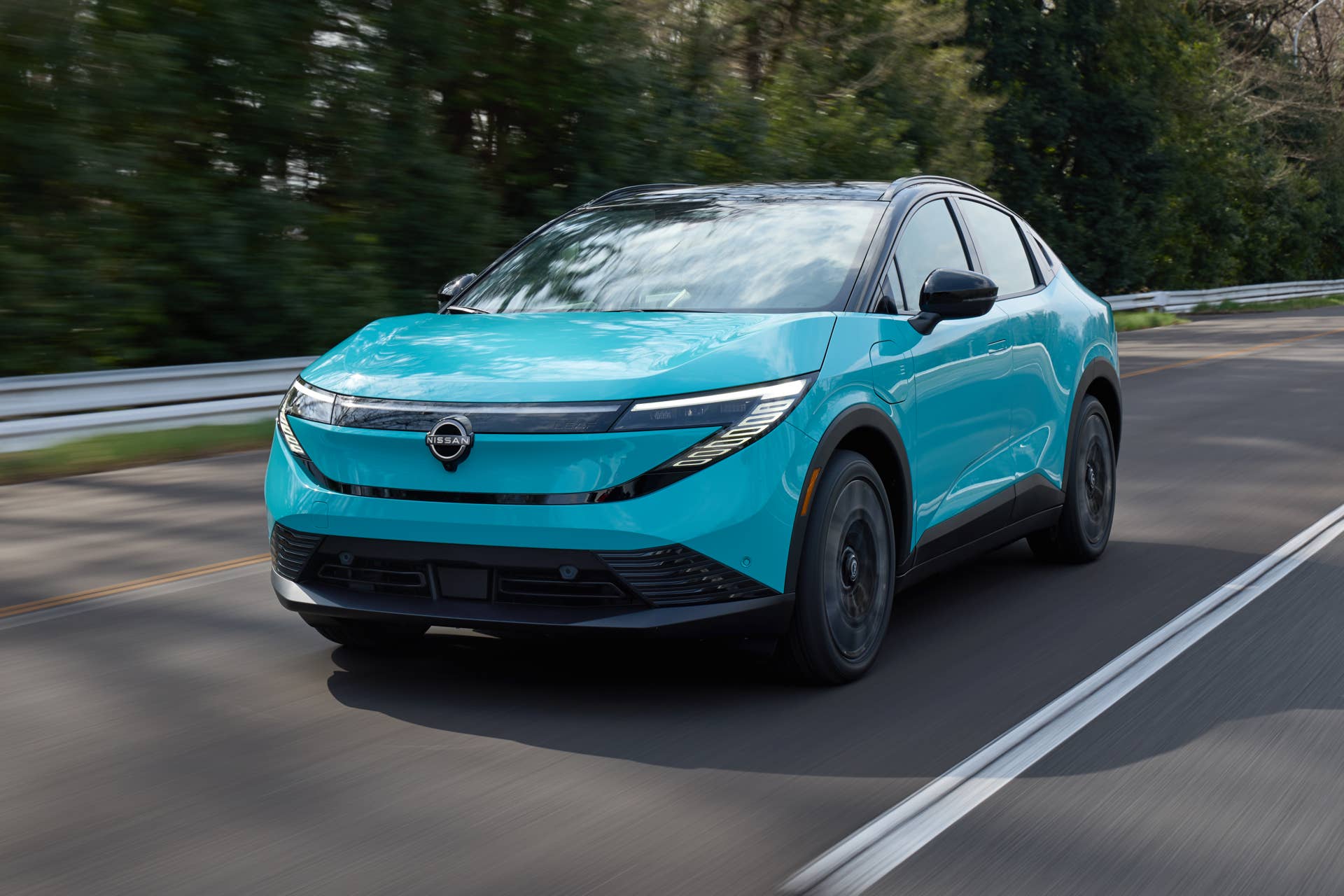
Underneath the Mitsubishi-specific lighting, bumpers, wheels, and trim, the Eclipse Sportback is essentially the redesigned Nissan Leaf. Those are some good bones because the Leaf, in its third generation, is a truly appealing EV. It’s this relationship that provides modern EV hardware without requiring Mitsubishi to develop an entirely new EV on its own It also complicates the decision tree: why choose a Leaf remix when the original has proven itself?
Nissan
Then, there’s the name. How many times is Mitsubishi going to recycle the Eclipse name? First, it’s a sports car. Then, it’s a crossover (Eclipse Cross). Now, it’s an EV, only the EV isn’t really a Mitsubishi. Does their marketing team need to be fired? The overuse of the Eclipse badge is a head-scratcher. Can they find another name that eclipses the Eclipse?
The Basics Look Compelling
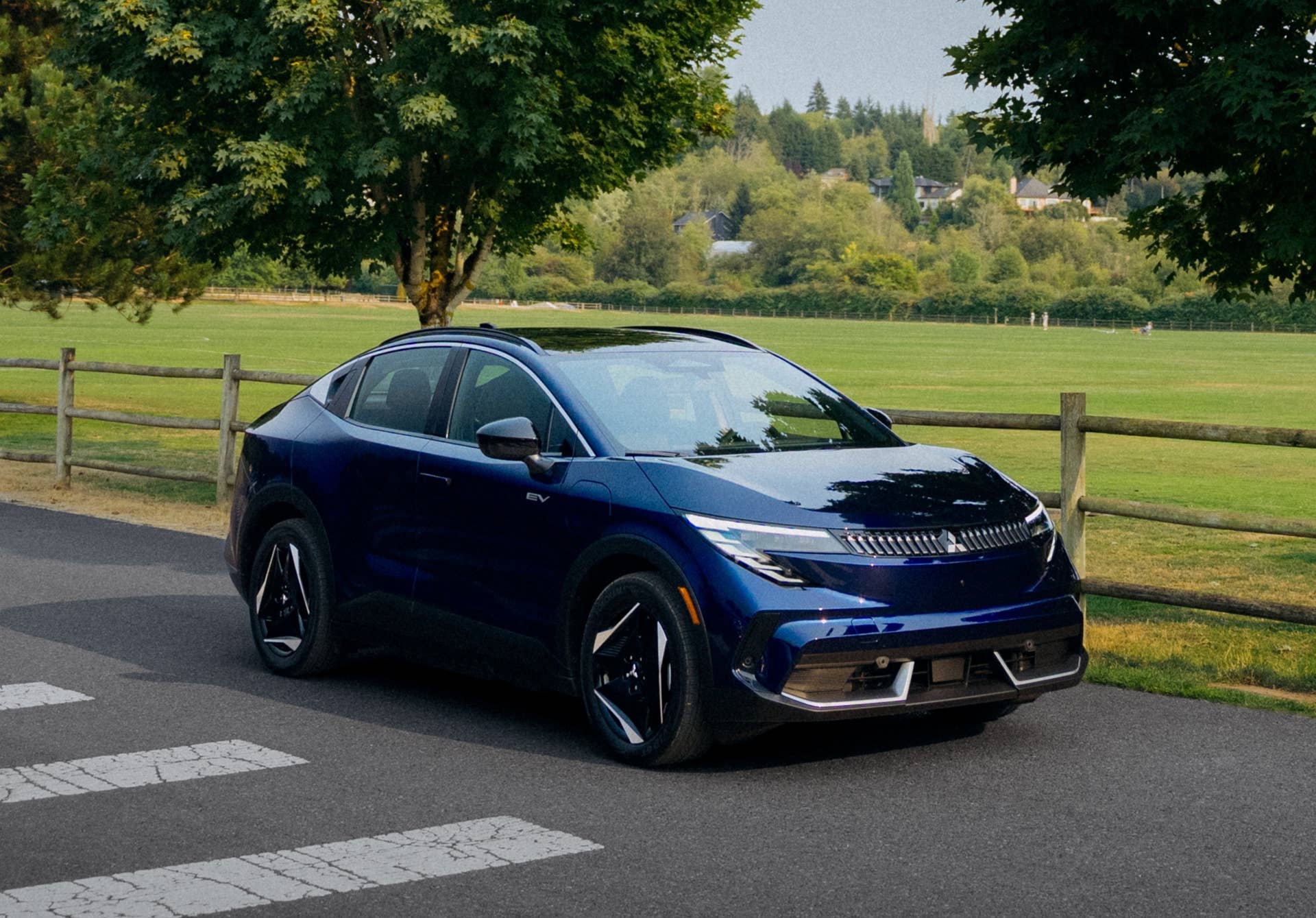
The specifications on the Eclipse Sportback are solid. A 75-kWh battery supplies a front-mounted electric motor producing 214 horsepower and 261 lb-ft of torque. Based on testing of the mechanically identical Leaf, a roughly 6.9-second run to 60 mph is expected. Again, the cloning process ends with very similar results. Mitsubishi may have adjusted some of the look, but the guts are pretty much the same.
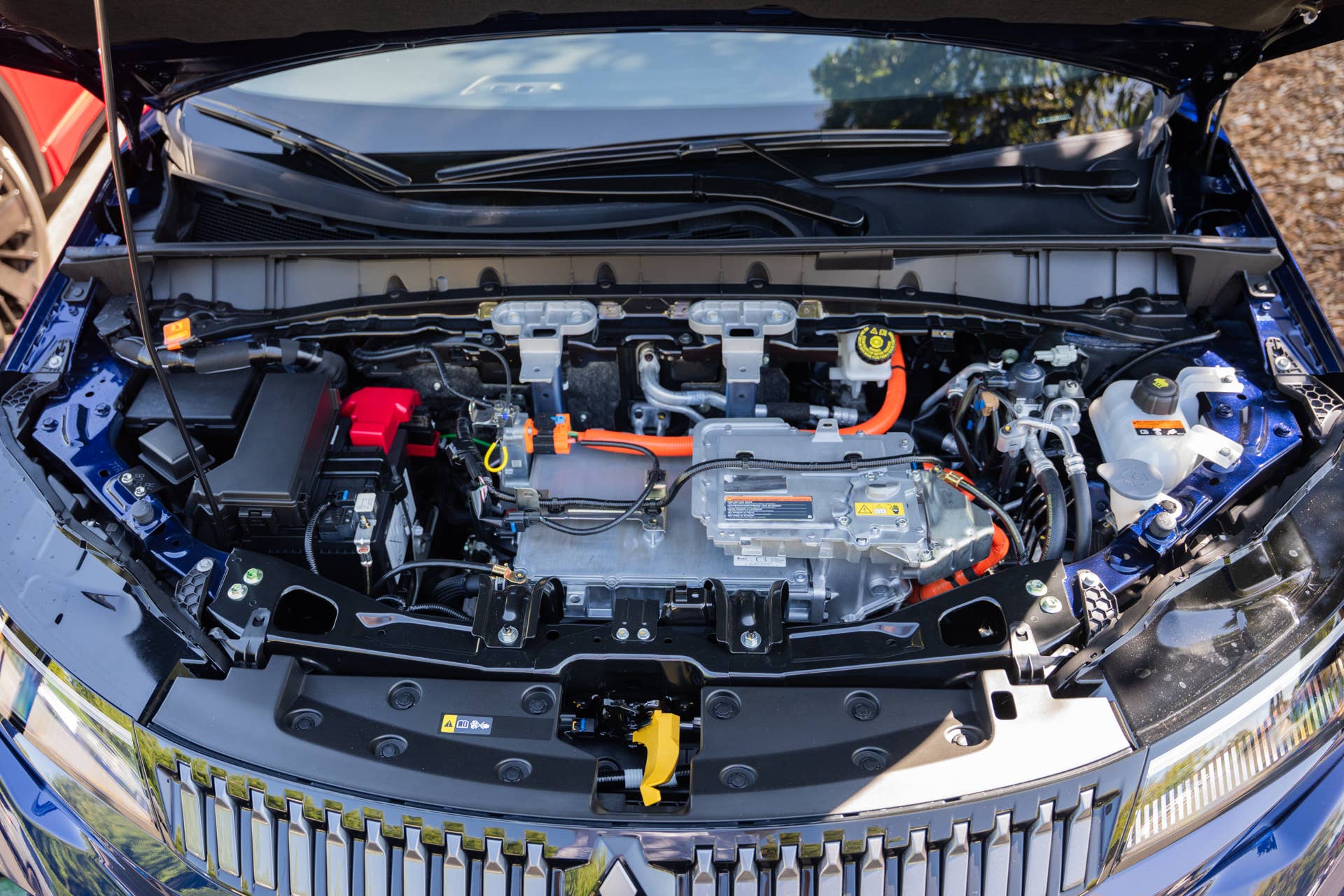
Charging specifications are solid. A NACS port handles DC fast-charging at up to approximately 150 kW, with a claimed 10-to-80-percent charge taking 35 minutes in ideal conditions. Battery preconditioning helps prepare the pack for charging stops. It’s not at the top of the heap, but the package is attractive for an EV at this price.
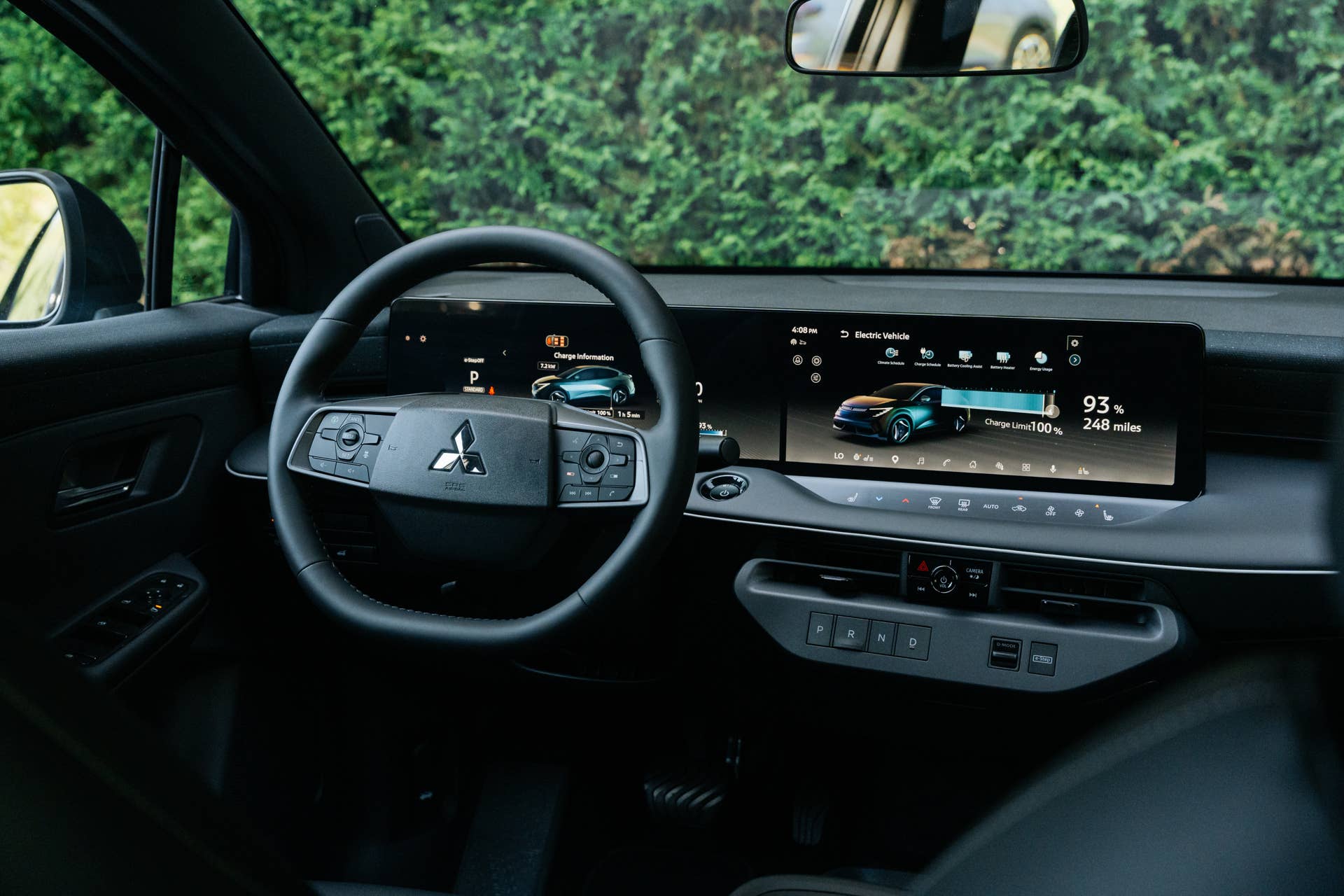
Inside, two 14.3-inch displays provide instrumentation and infotainment. Smartphone integration is standard, and Mitsubishi preserves manually adjustable vents and a volume knob. Heated front and rear seats, a heated steering wheel, and a surround-view camera system round out the standard-equipment set.
Thinking about selling your car? Get an instant cash offer online now. Click here to get started.
Great Warranty. A Brand Identity Would Be Better.
Mitsubishi
Buyers don’t always check the warranty because they’re so consumed with other, more prominent details of the EV ownership experience. This is where two nearly identical vehicles diverge the most. Mitsubishi’s biggest advantage over the Leaf is warranty coverage. Here’s how things break down between the two models.
| Coverage | 2027 Mitsubishi Eclipse Sportback | 2026 Nissan Leaf |
|---|---|---|
| Basic/new-vehicle limited warranty | 5 years/60,000 miles | 3 years/36,000 miles |
| Powertrain limited warranty | 10 years/100,000 miles for the original owner | 5 years/60,000 miles |
| Battery defects in materials or workmanship | 10 years/100,000 miles | 8 years/100,000 miles |
| Battery capacity-loss coverage | 8 years/100,000 miles | 8 years/100,000 miles |
| Roadside assistance | 5 years/unlimited miles | 3 years/36,000 miles |
The Eclipse Sportback has the clear advantage in the warranty department. It bests the Leaf in every category excpet for the battery capacity-loss coverage, which is identical. Smart shoppers should absolutely look at these apples-to-apples comparisons, because the warranties could play a key role in the ownership experience. Aside from some styling divergence, the warranty stands out the most.
Mitsubishi
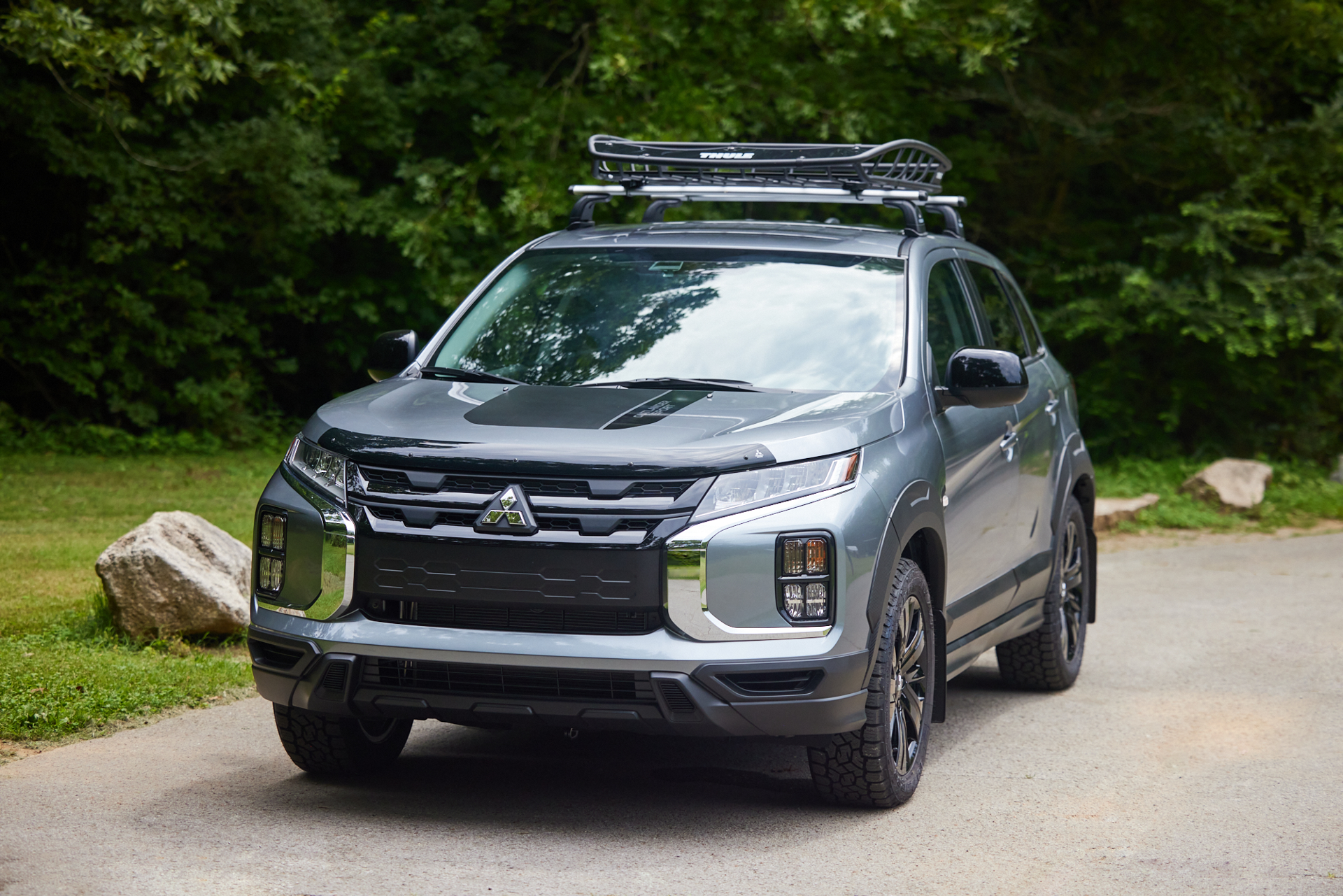
An identity for Mitsubishi would extend far beyond a single model. Mitsubishi’s current lineup is as old as the hills, excepting the Outlander and Outlander PHEV. It’s almost hard to believe that the Outlander Sport and the Eclipse Cross soldier on without any real changes. The brand can’t be redefined by a single model. It has to redesign models that the car buying public has largely forgotten.
Final Thoughts
The Mitsubishi Eclipse Sportback is pretty new, so it’s hard to tell how things will play out. For now, it’s living in the shadow of the Leaf with lackluster sales by comparison. “No one will care” is deliberately harsh; some buyers will find the equipment, range, and warranty solid reasons to choose the Mitsubishi over the Nissan. But the distinction is between being worth buying and making people notice. The Eclipse Sportback appears capable of the former. Mitsubishi still has to prove itself of the latter, and that’s a challenge when the brand’s gas models are aging poorly. This Eclipse Sportback shows some forward thinking, but it’s not remotely a convincing comeback.
About the author
Amos Kwon
Contributing Writer, Autoblog