
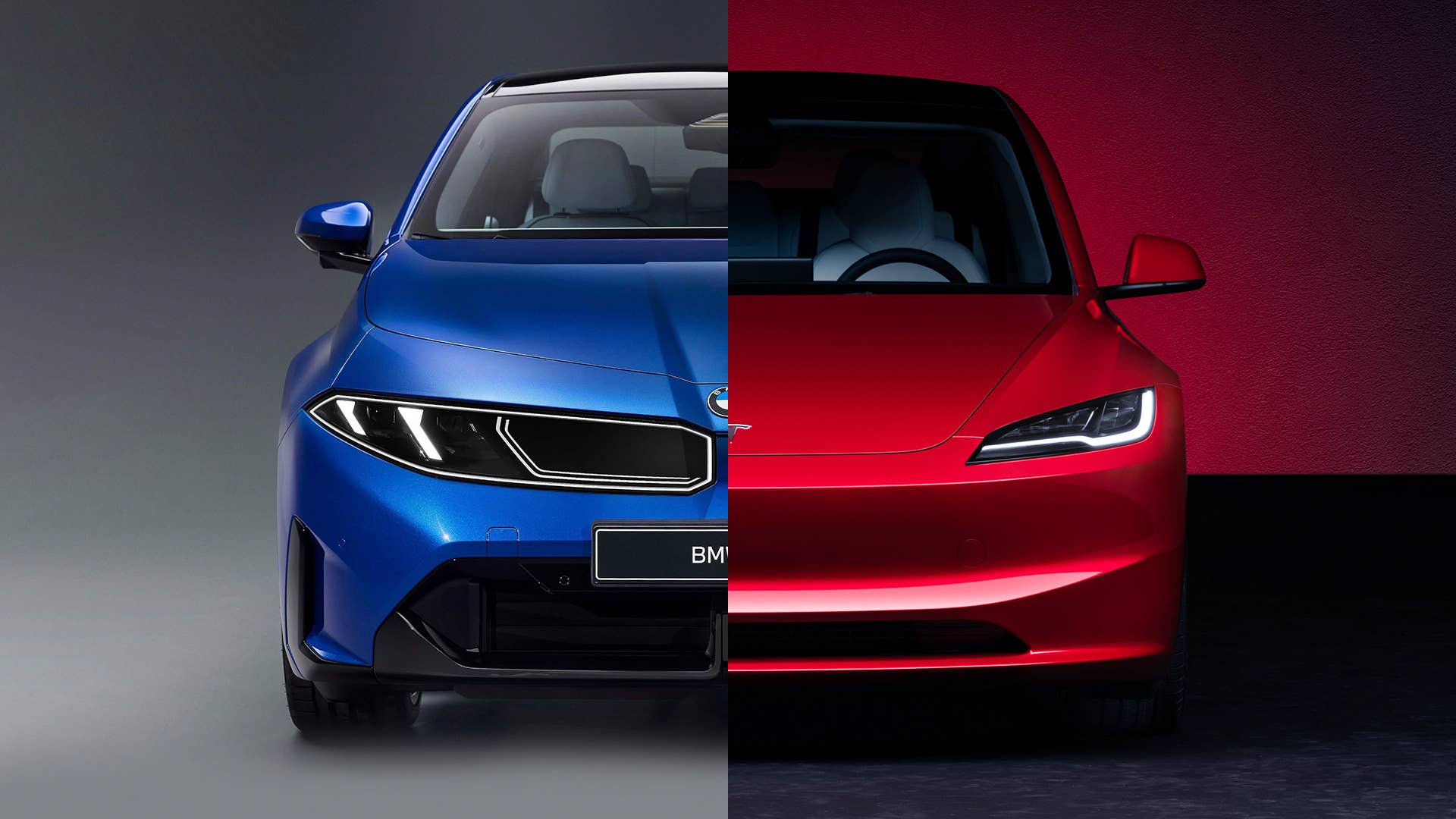
BMW luxury meets Tesla speed
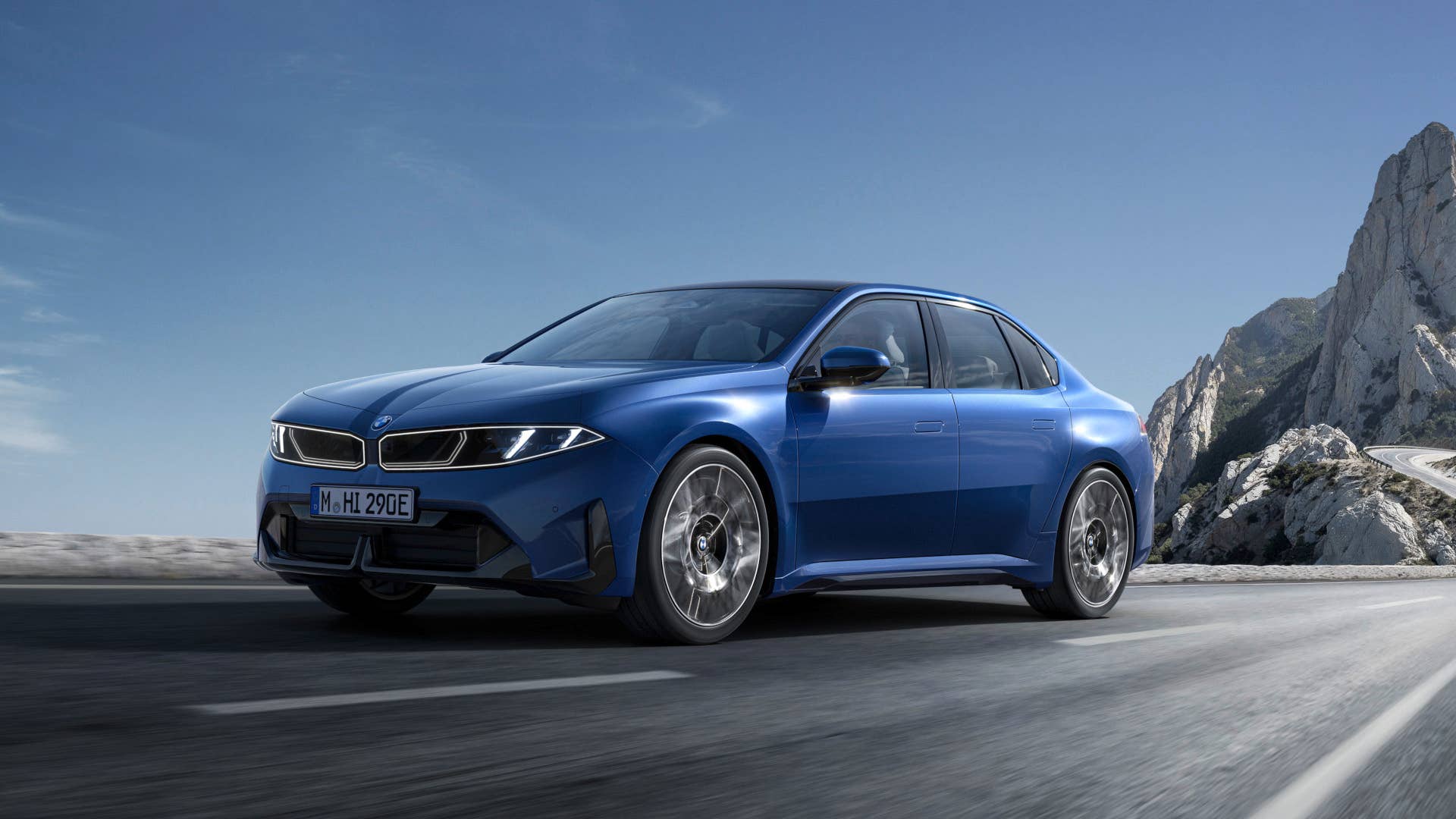
The BMW i3 electric sedan has finally been unveiled. As the second Neue Klasse BMW after the iX3 SUV, the i3—essentially an electric 3 Series—arrives with similar styling cues, a high-tech interior, and impressive range specifications. When it goes on sale, one of the i3’s key competitors will be the Tesla Model 3. The Tesla may not be a luxury model, but it’s impossible to ignore for anyone wanting a powerful compact electric sedan. Here’s a look at five major differences between the i3 and Model 3.
1. BMW Has Better Range
BMW

BMW
Tesla
Tesla
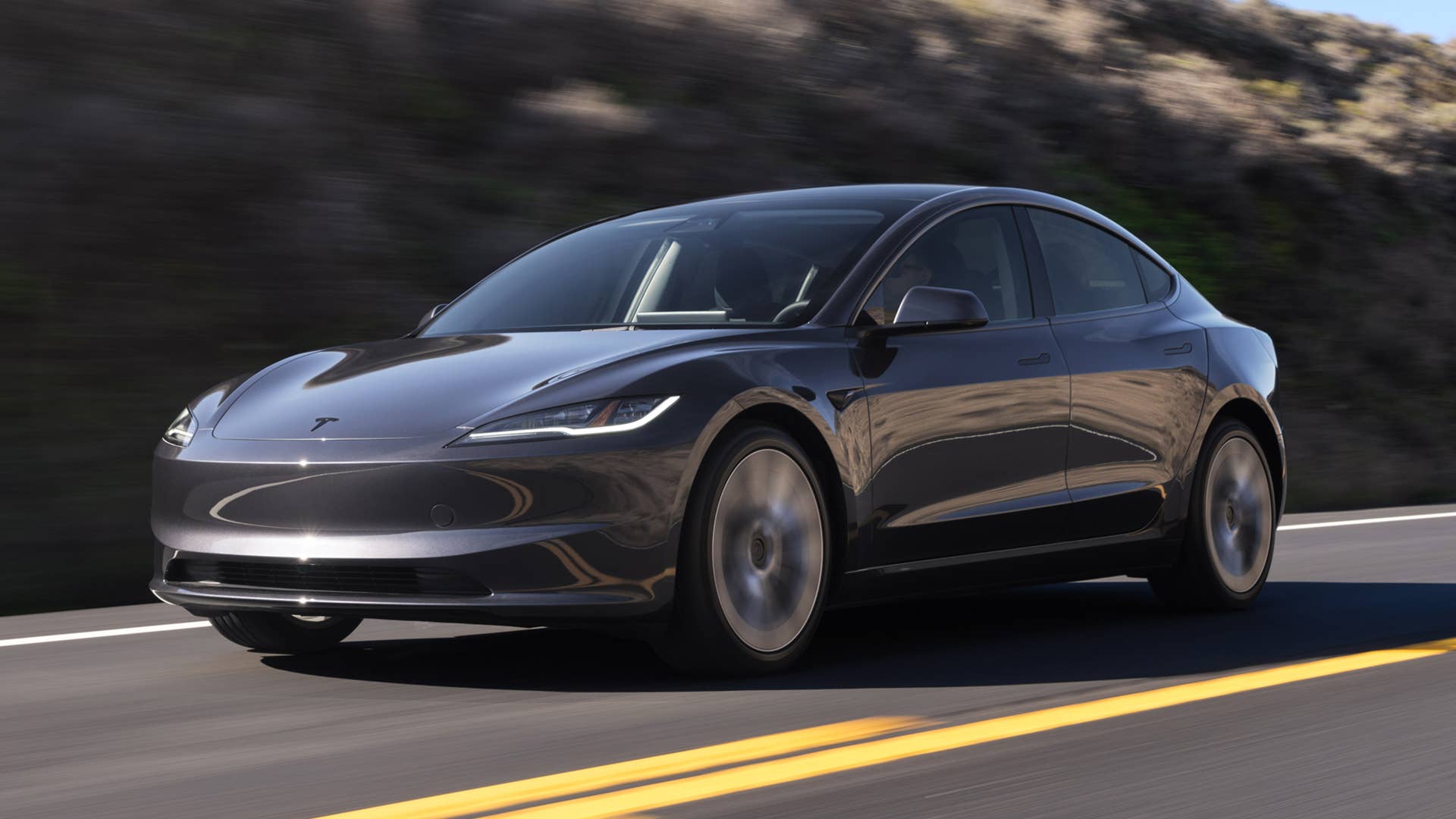
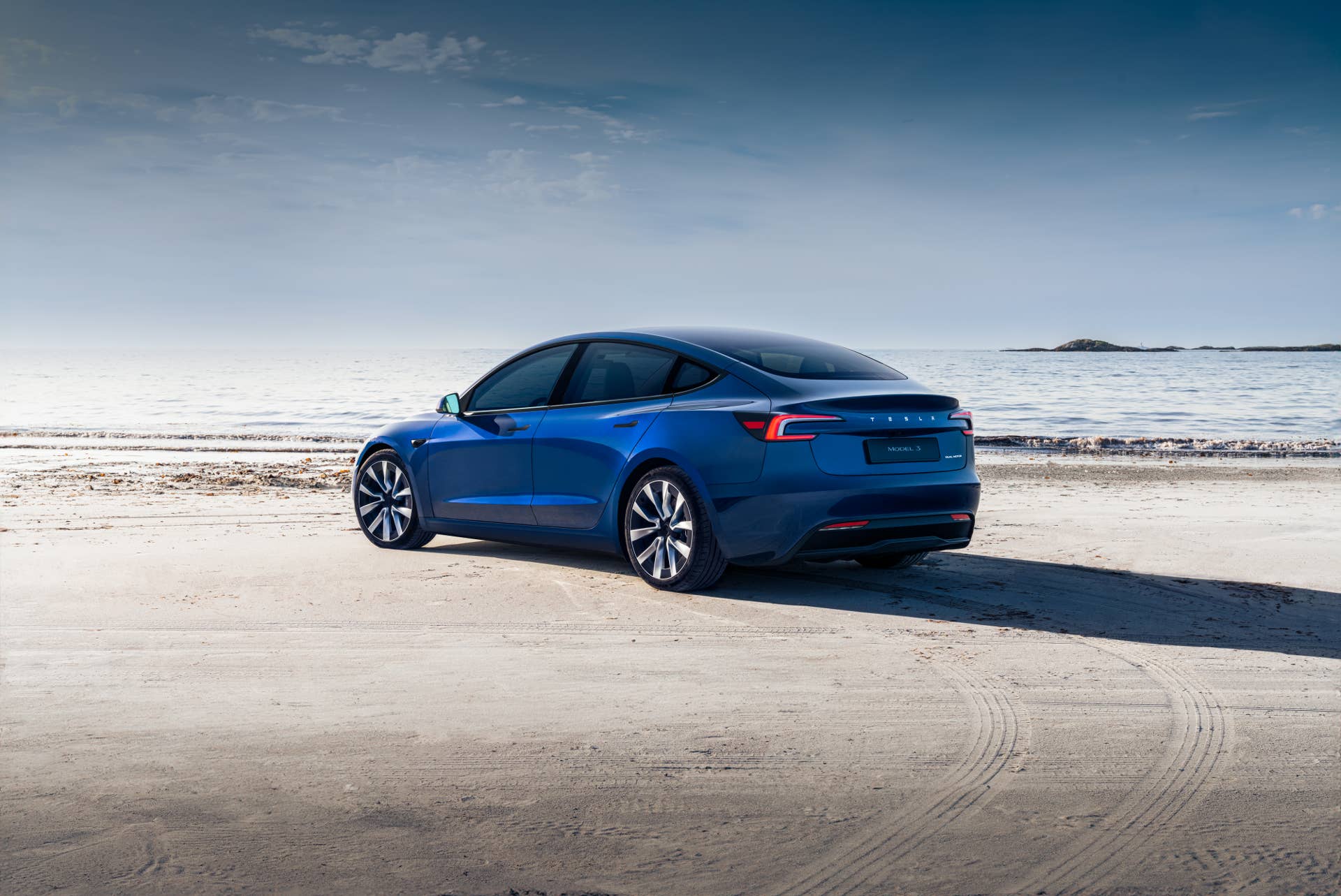
For years, Tesla had more range than virtually all rivals, but BMW’s new-generation battery technology has moved the goalposts. BMW claims the only i3 variant to be available initially—the i3 50 xDrive—will have 440 miles of range, based on testing that’s equivalent to the EPA cycle. That’s well ahead of the Model 3, which has up to 363 miles of range in Premium Rear-Wheel-Drive guise. That drops to 309 miles if you go for the Model 3 Performance, with the other two trims between these two extremes.
We expect a base single-motor i3 and a dual-motor performance model with an M badge to arrive later, and based on the 50 xDrive, these models should also have impressive ranges.
2. i3 Charges Faster, Too
BMW
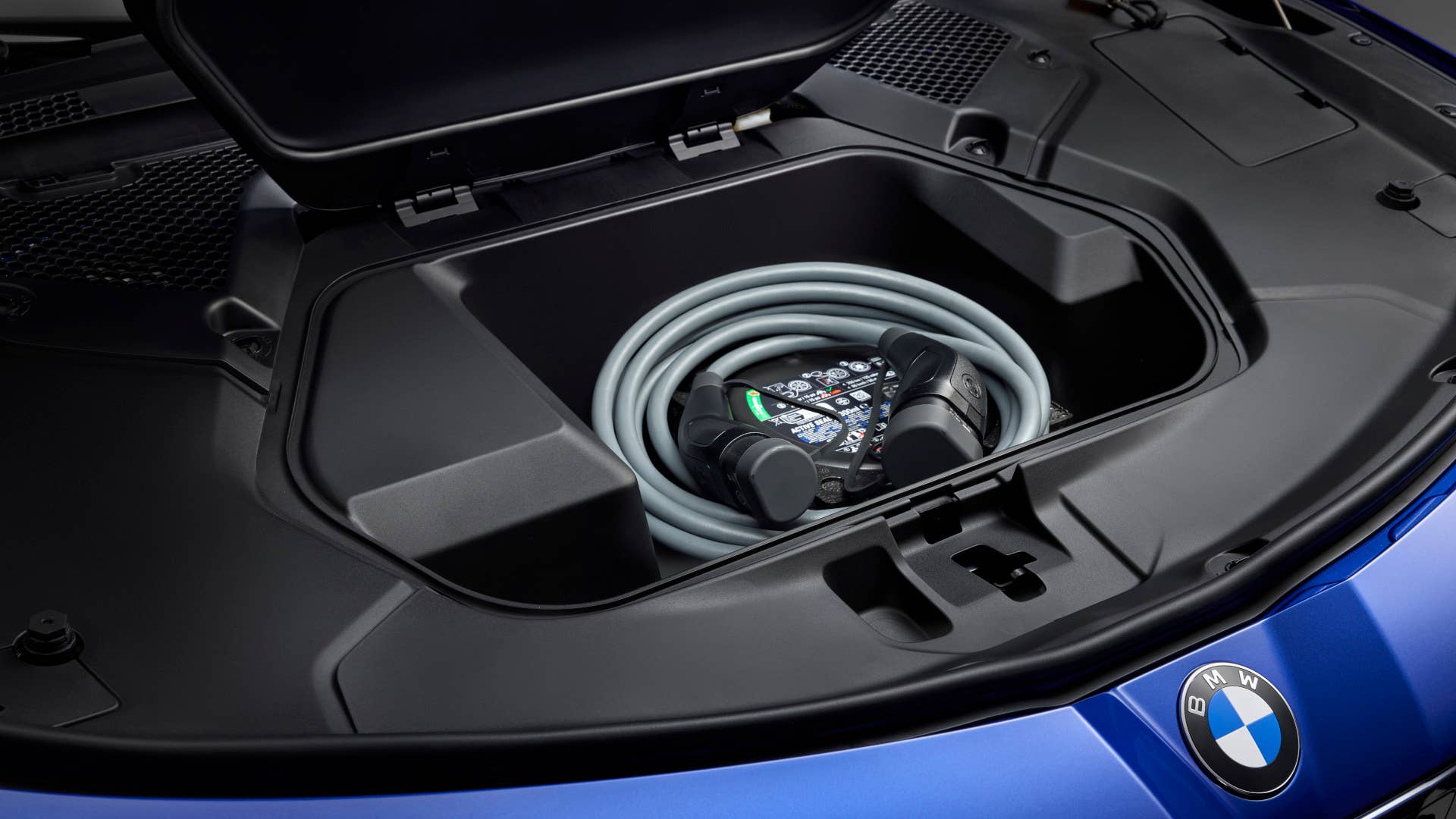
In addition to its long range, the i3 also charges quickly at a rate of up to 400 kW at a suitable DC fast charger. At these speeds, the i3 can add almost 250 miles of range in only 10 minutes, which will make even longer trips a lot more convenient.
By comparison, the Tesla Model 3 charges at up to 250 kW, but the base Model 3 has a maximum charging speed of 225 kW. At 225 kW, the Tesla can add about 170 miles of range in 15 minutes—or as much as 195 miles in the case of the Premium RWD model.
In this area, the BMW i3 has surged ahead of the older Model 3.
3. Tesla Has More Powertrains… For Now

Tesla
The i3 50 xDrive that arrives initially will be a dual-motor, all-wheel-drive electric sedan with 463 horsepower and 476 lb-ft of torque. BMW has made no claims about performance, but the iX3 SUV with the same power output gets to 60 mph in 4.7 seconds, so something in the region of 4.4 seconds looks likely for the i3.
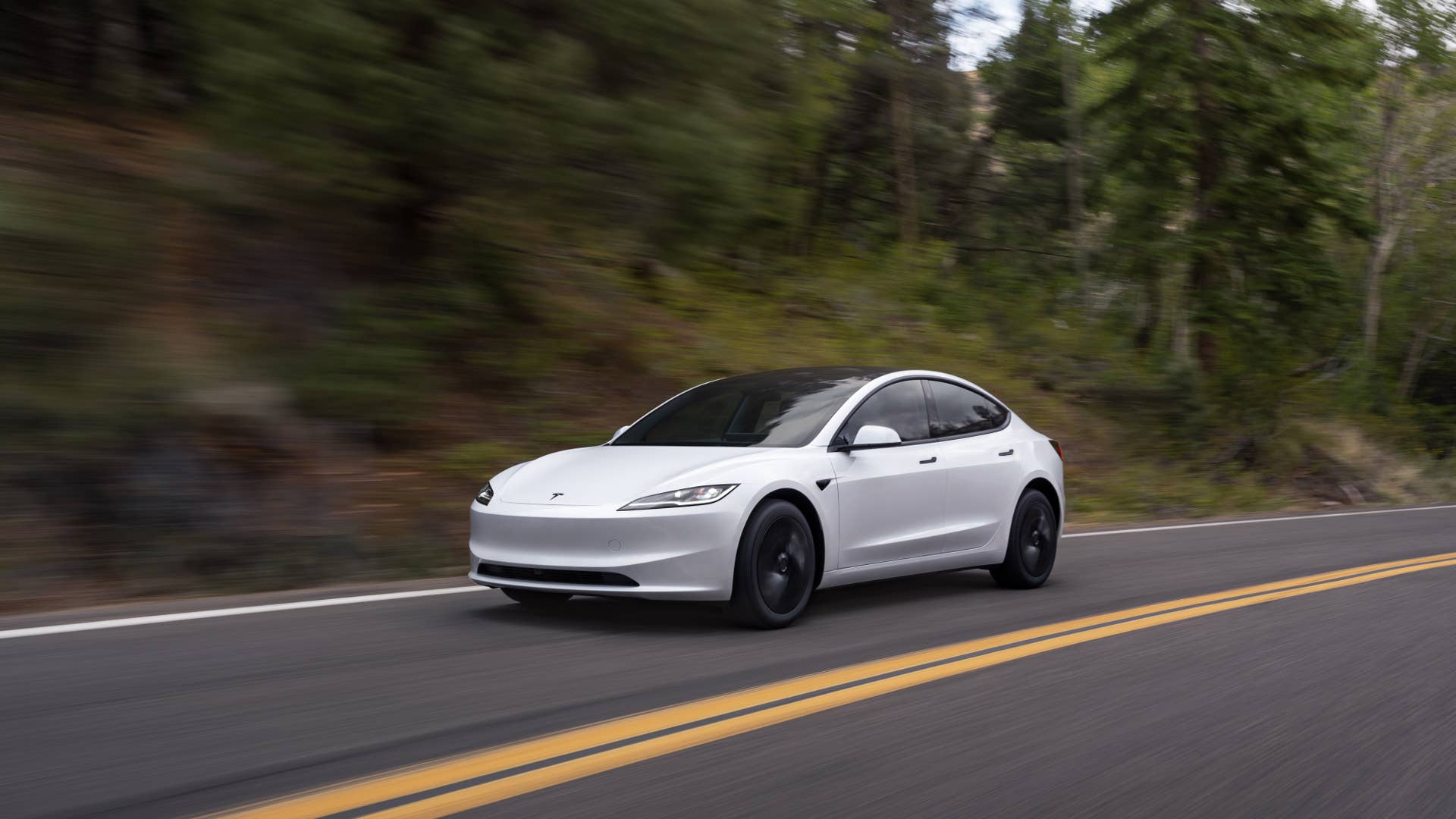
The Tesla is available in four trim levels: Rear-Wheel Drive, Premium Rear-Wheel Drive, Premium All-Wheel Drive, and Performance. The base model takes 5.8 seconds to hit 60, followed by 4.9 and 4.2 seconds for the middle trims. The Performance, meanwhile, is a monster, needing just 2.9 seconds for the benchmark sprint.
At launch, the i3 50 xDrive will be competitive with all but the Model 3 Performance, but an expected M model will change that at some stage.
4. Two Unique Control Interfaces

BMW
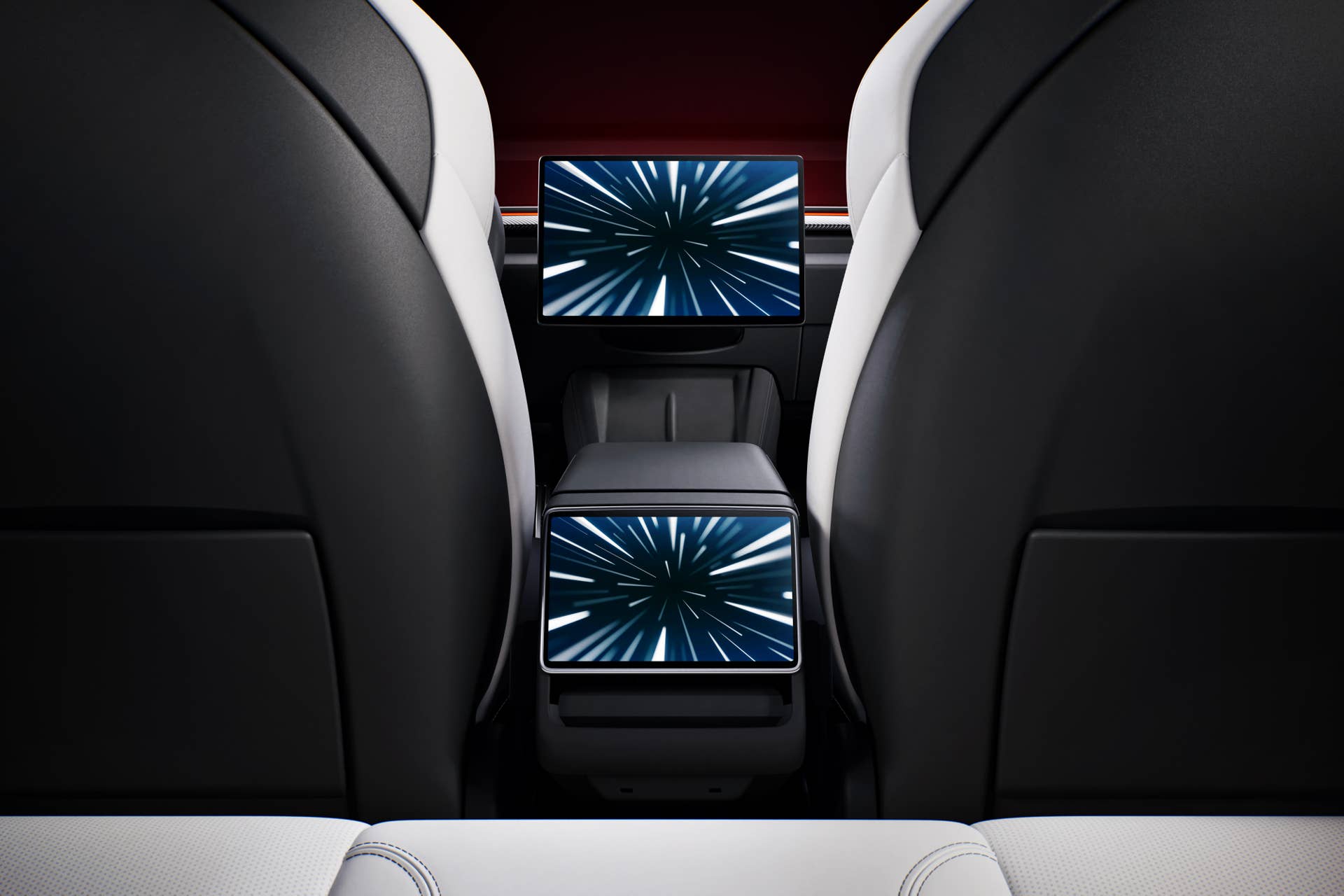
These two electric sedans have dramatically different user interfaces. The Model 3 has an extremely minimalist interior that’s devoid of almost all physical controls. A 15.4-inch touchscreen interface controls everything and also functions as the driver’s display. On the top three trims, there’s also an eight-inch second-row touchscreen. The Tesla’s display is responsive, but needing to rely on it for everything isn’t ideal.
The i3’s cabin is much more impactful at first glance. From the weird four-spoke steering wheel to the more innovative use of cabin lighting, it’s fresher and looks more luxurious. A 17.9-inch center display is standard, but as part of the Panoramic iDrive system, there’s also a full-width display at the base of the windshield. This display shows key driving information, so you don’t need to turn your head to look at the center touchscreen.
We’ll have to drive the new i3 before we can say for sure that the new interior is better than the Tesla’s, but it does seem to have the edge for now.
5. Tesla Likely to be Much Cheaper
Tesla
BMW hasn’t confirmed pricing for the i3, but the 50 xDrive variant will very likely start at over $50,000 when it goes on sale here—production of the sedan starts in August and deliveries will begin in the fall.
The Model 3, meanwhile, starts at $36,990, increasing to $42,490 for the Premium RWD and $47,490 for the Premium AWD. The Performance model costs $54,990, and we expect the i3 50 xDrive to cost roughly as much as this one. If it does, the Tesla will be much quicker, but not as luxurious and without the same range and charging specs.
Final Thoughts
The new i3 is massive for BMW. Not only does it pave the way for the next gas-powered 3 Series, but it will be one of the only compact electric sedans in the luxury segment when it goes on sale. It will compete against the new Mercedes-Benz CLA and, of course, Tesla’s Model 3.
The i3 looks like a step up from the Model 3 in most ways, although the Tesla does have more advanced self-driving tech and an outrageously quick Performance model. Other than that, if you like the new look, the i3 looks like the electric sedan to have.
About the author

Karl Furlong
Senior Editor, Autoblog