
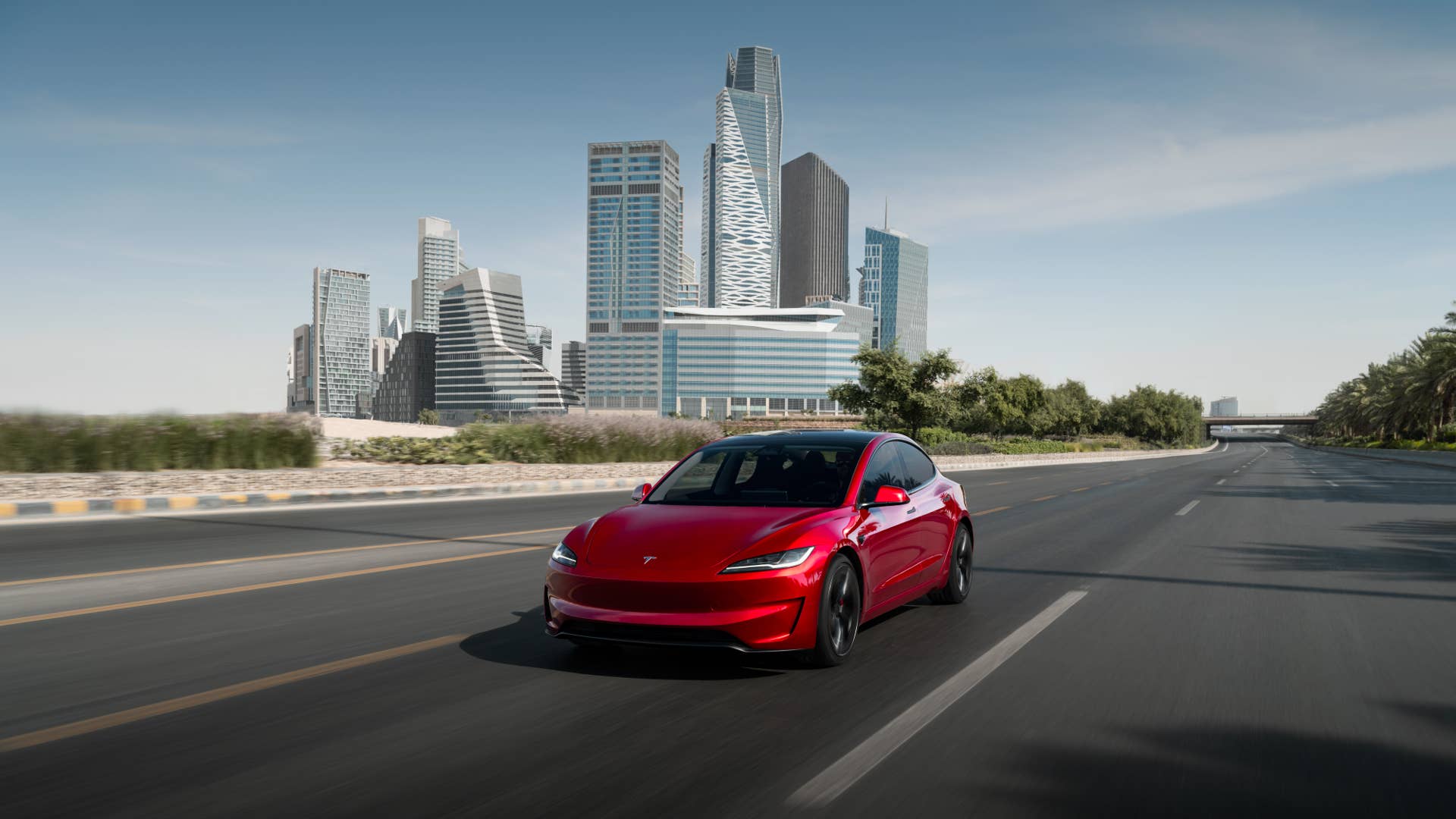
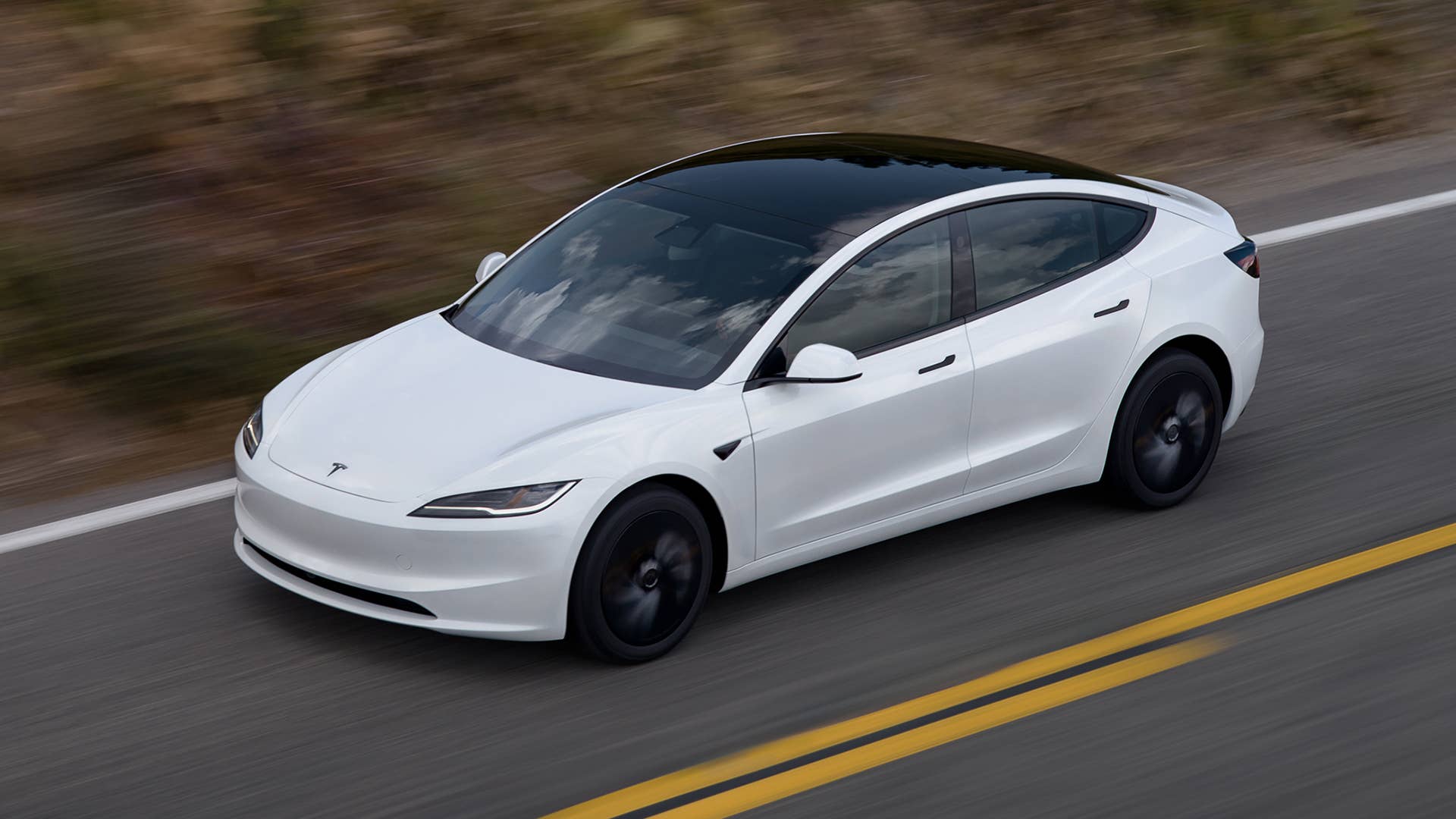
The Tesla Model 3 has become something of a cultural phenomenon. It’s the electric car that convinced millions of people that EVs aren’t just for tech billionaires and people who enjoy unsolicited conversations about carbon footprints. Starting at around $36,990 for the base 2026 Standard trim, the Model 3 is Tesla’s most accessible vehicle and one of the most affordable EVs on the market.
Tesla
But here’s the thing about buying a car: the purchase price is just the opening act. The real cost of ownership unfolds over years of charging, insuring, maintaining, and eventually watching your shiny new sedan lose value like a smartphone two generations behind. If you’re serious about buying a Model 3, you owe it to your wallet to understand what ownership actually costs, not just what it costs to drive off the lot. Let’s break it down.
Charging Costs: your electric bill just got a promotion if you mostly charge at home
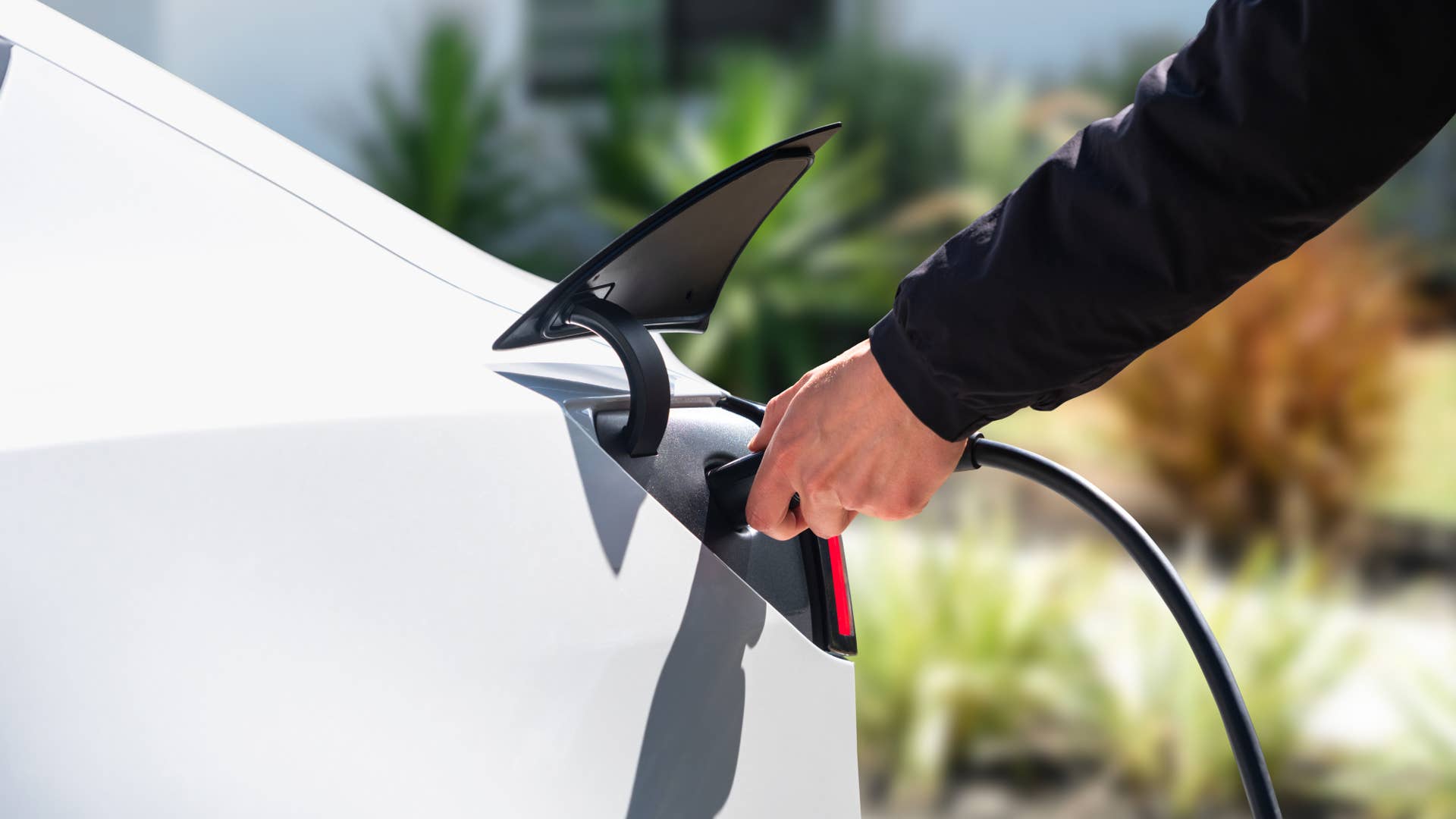
The promise of never visiting a gas station again is one of the Model 3’s biggest selling points, but electricity isn’t free unless you’ve got solar panels and a very sunny disposition, so let’s do the math. The Model 3 consumes roughly 25 kilowatt-hours of electricity per 100 miles, and at the national average residential rate of about $0.14 to $0.16 per kWh, that translates to roughly 4 cents per mile. Drive the average 12,000 miles per year, and your annual charging bill is approximately $420 to $530, or about $35 to $44 more per month if you mostly charge at home.
T
If you rely heavily on Tesla’s Supercharger network, costs jump significantly. Superchargers typically run $0.35 to $0.50 per kWh, which can push your per-mile cost uncomfortably close to gasoline territory. Cold climates can also reduce efficiency by 20% to 30%, meaning more frequent charging sessions. And don’t forget the upfront cost of a Level 2 home charger; Tesla sells one for $450, not including installation, a one-time expense most owners consider well worth it.
Insurance Costs
Here’s where the Model 3 ownership experience gets a little less fun. Insurance on a Tesla is, to put it diplomatically, not cheap. The average annual cost to insure a Tesla Model 3 falls somewhere between $2,000 and $3,500 for full coverage, depending on your state, age, driving record, and which insurer you choose. Various industry estimates place the nationwide average around $2,400 to $3,400 per year, which works out to roughly $200 to $290 per month. That’s notably higher than the national average for all vehicles, which sits around $2,300 to $2,700 annually.
Tesla
Why so expensive? Several reasons. Tesla uses aluminium body panels and specialised parts that only certain shops can work on, which drives up repair costs. The advanced sensors and cameras that power features like Autopilot need recalibration after even minor fender benders, adding to the bill. And insurers classify the Model 3 closer to a compact luxury car than an economy sedan, which means higher premiums.
The good news is that rates vary dramatically by insurer. Some major carriers, like State Farm and USAA, offer Model 3 coverage for drivers with clean records well under $2,000 per year, while other providers charge double that. Shopping around isn’t just advisable, it’s practically mandatory.
Depreciation: the invisible expense nobody wants to talk about
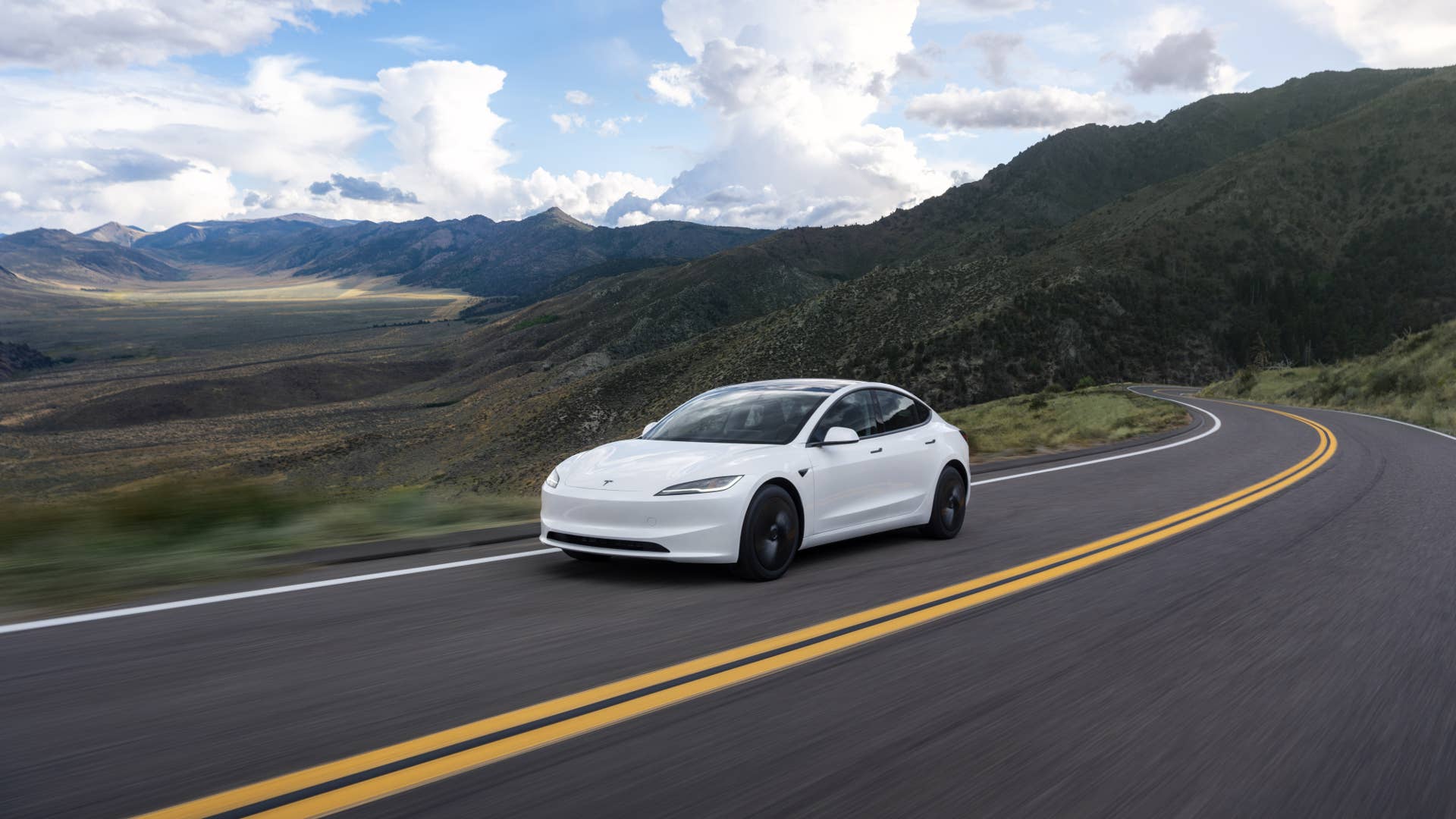
Depreciation is the single largest cost of owning any vehicle, and the Model 3 is no exception, though the story here is complicated. According to recent analyses, a new Tesla Model 3 loses roughly 39% to 55% of its value over five years, depending on the source and trim you consult. Kelley Blue Book estimates that a 2026 Model 3 will depreciate about $24,500 over five years, while iSeeCars pegs the five-year depreciation closer to 54.5%. Some Edmunds estimates project even steeper losses for the Performance trim, with depreciation north of $36,000 over the same period.
Tesla
For context, the average vehicle loses about 39% to 42% of its value after five years, and EVs as a category tend to depreciate faster, shedding roughly 49% on average. So the Model 3 isn’t uniquely bad here, as it’s roughly in line with the broader EV market, though it depreciates somewhat faster than the average car. On the brighter side, the Model 3 still holds its value better than the pricier Model S and Model X, and strong demand for used Model 3s provides a floor of sorts. If you’re buying used, particularly a model that’s two to three years old, much of the steepest depreciation has already occurred, which can make the ownership math considerably more attractive.
Maintenance costs: the part where EVs shine
If there’s a category where the Tesla Model 3 genuinely earns its reputation as a money-saver, it’s maintenance. This is the one-line item that consistently comes in lower than what you’d spend on a gas car, and it’s not even close. Most estimates place the Model 3’s annual maintenance costs at roughly $250 to $500 per year over the first five years. With the usual replacements, it only goes up to $400 to $500 per year. Major repairs can be expensive when they do happen. Collision repairs on a Model 3 can easily run $3,000 to $7,000 or more due to aluminium panels, sensor recalibration, and a limited number of certified body shops. Out-of-warranty component failures, particularly on older, higher-mileage vehicles, can also add up.
The biggest recurring expense? Tires. EVs are heavy and torquey, and the Model 3 can chew through a set of tyres faster than you might expect. A full set typically runs $900 to $1,600 installed, depending on wheel size and brand, and most owners replace them every 25,000 to 40,000 miles.
The Verdict
When you tally everything up over five years, here’s roughly what ownership looks like for a base Model 3 driven 12,000 miles per year. The purchase price runs about $37,000-$39,000. Charging adds roughly $2,100–$2,650. Insurance is the heavy hitter at approximately $12,000–$17,000. Depreciation claims an estimated $15,000–$24,000. And maintenance rounds things out at a modest $1,200–$2,500. Your total five-year cost of ownership, including the purchase price and all running costs, lands in the neighborhood of $65,000–$80,000 depending on trim, insurance rates, and how the used market behaves. In the end, the Tesla Model 3 isn’t a magic money-saving machine. But it’s not a money pit, either.
About the author

Kyle Edward
Editor-in-Chief, Autoblog