
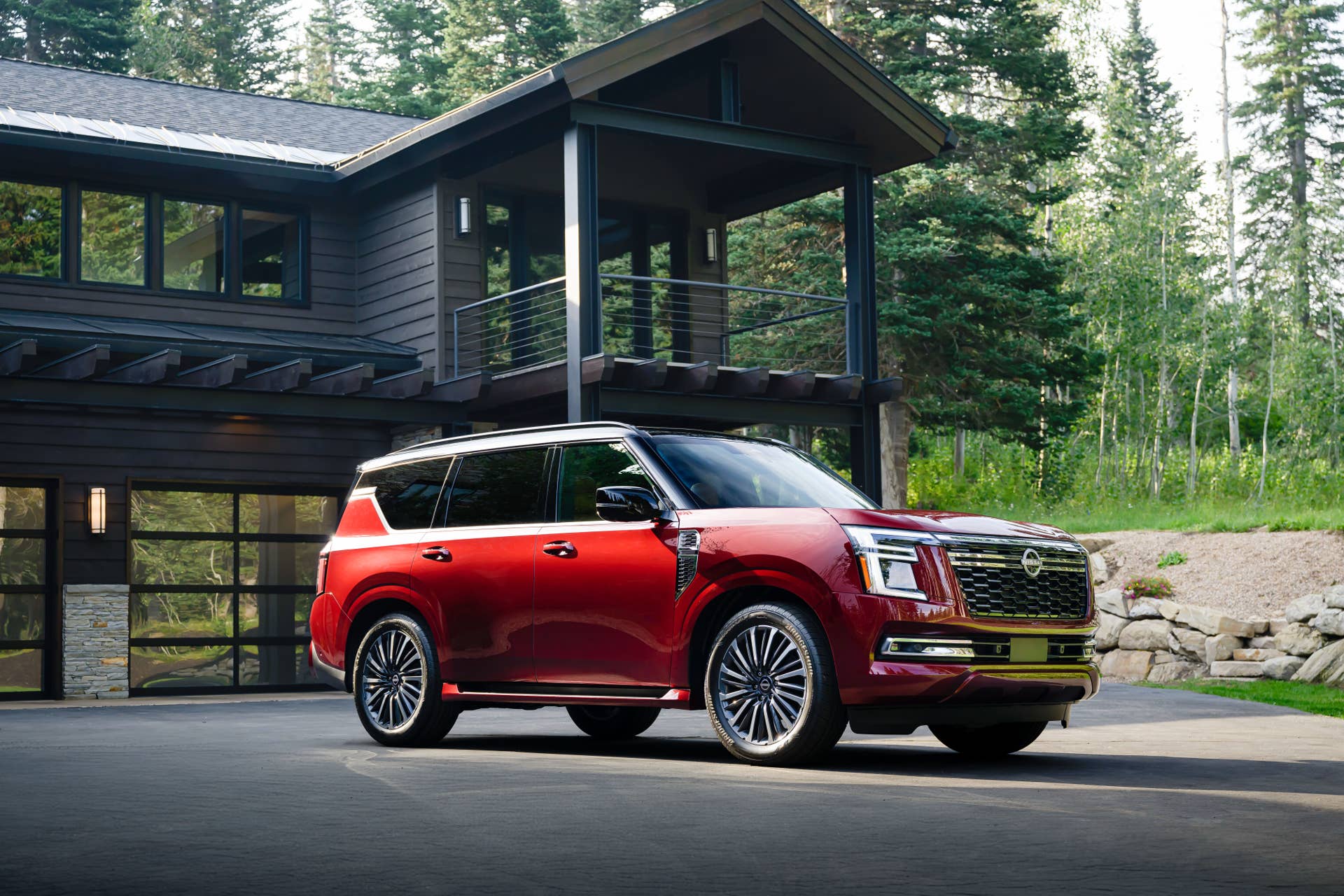
Getting the most out of your next full-size SUV
There’s plenty of competition in the full-size SUV segment, but those with true off-road capability are in a league of their own. The 2026 Toyota Sequoia and Nissan Armada are ready to rock when it comes to versatility, and that includes when family comes along for the ride. Both models offer enough seating for the whole gang, a sweet suite of standard amenities, and plenty of trim levels to choose from. That said, there are several key differences between the Sequoia and Armada that could push you in one direction or the other.
Nissan
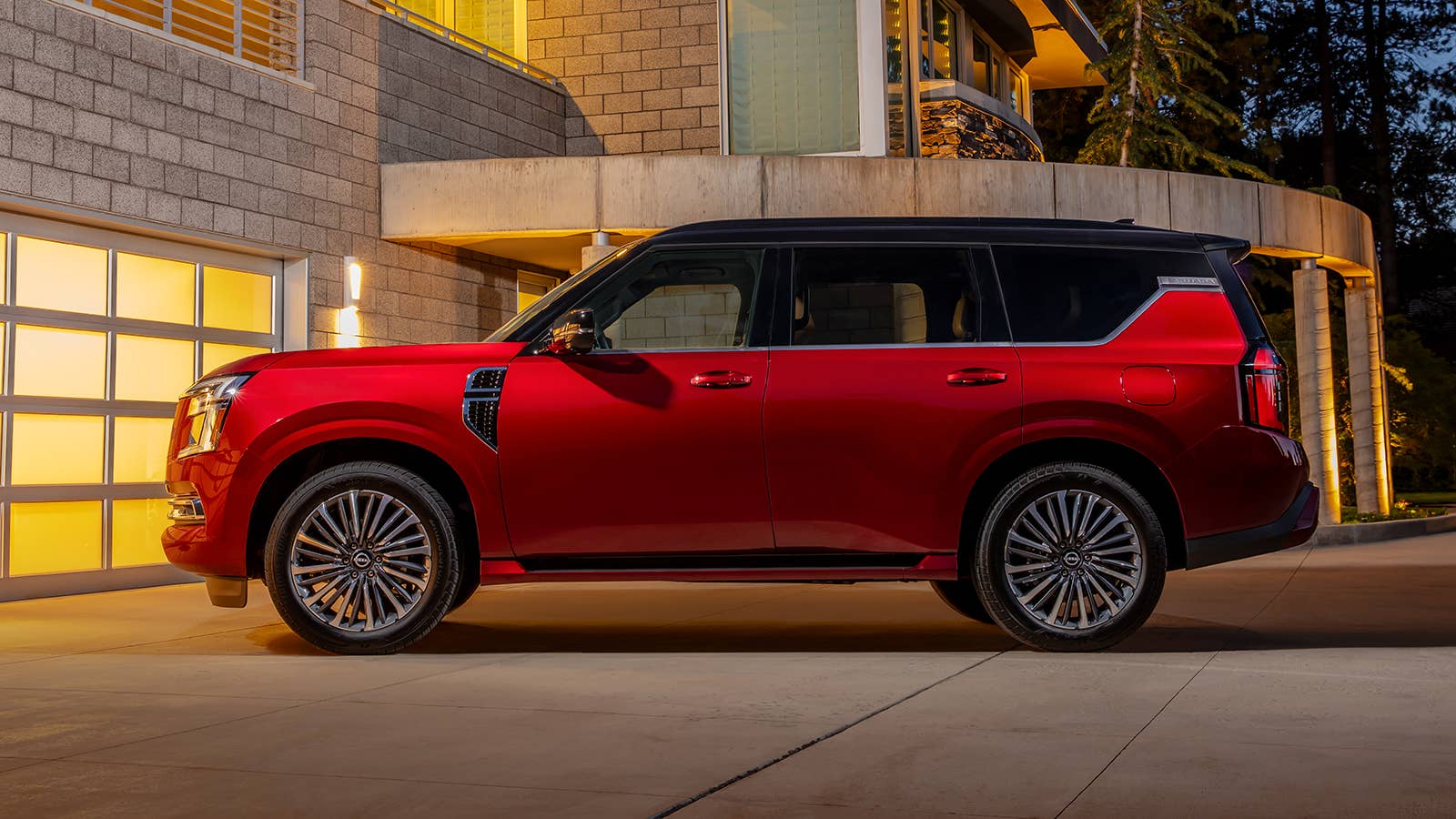
For 2026, the Nissan Armada gets a new sporty NISMO model. The latest addition to the range includes unique bumpers, 22-inch wheels, and 35 additional horsepower. The Sequoia’s changes are largely limited to the higher trim levels. The Capstone and Limited models see some updates to their upholstery options, and a power-folding third row is now available throughout the Sequoia lineup.
1. The Armada is nearly $6,000 cheaper than the Sequoia
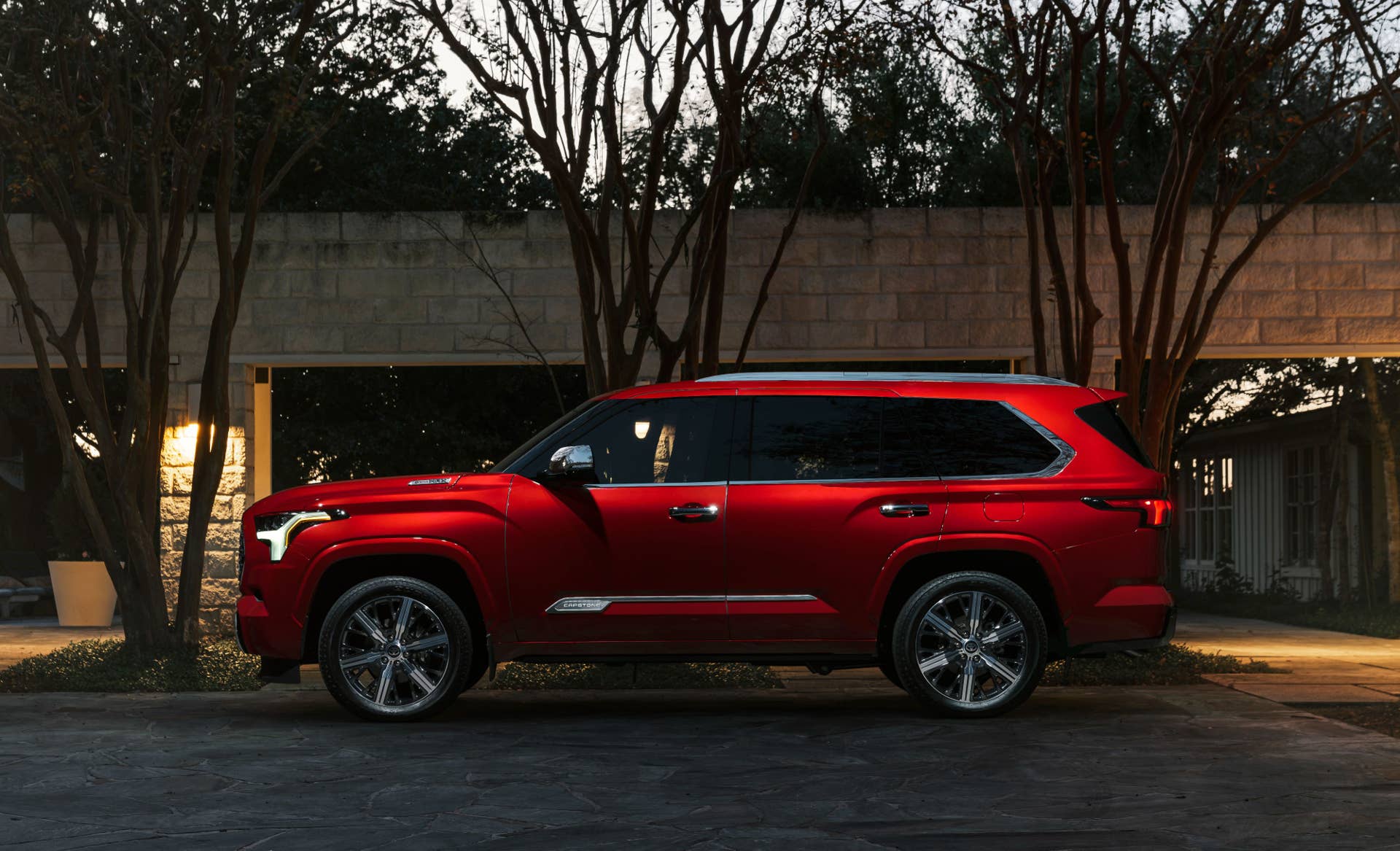
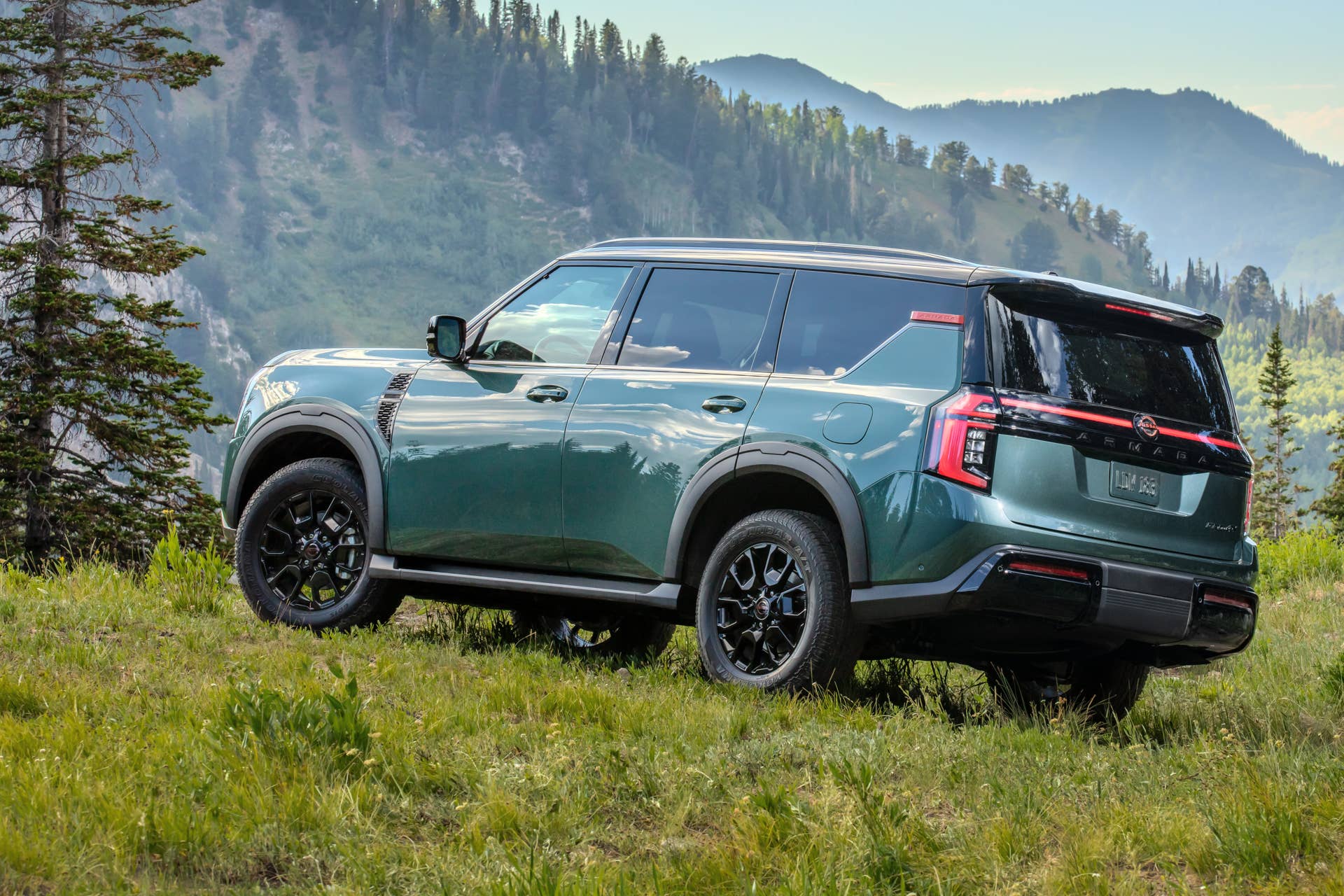
Neither the Armada nor the Sequoia are particularly cheap vehicles, with each offering impressive capability and a staggering list of standard equipment. Price is one of the most notable differentiating factors between the two, with the Armada starting at $58,840, nearly $6,000 less than the Sequoia, available from $64,825. The price difference shrinks a bit at the top of the range, with the Armada Platinum Reserve priced $4,685 less than the Sequoia Capstone.

Nissan

Toyota

Toyota
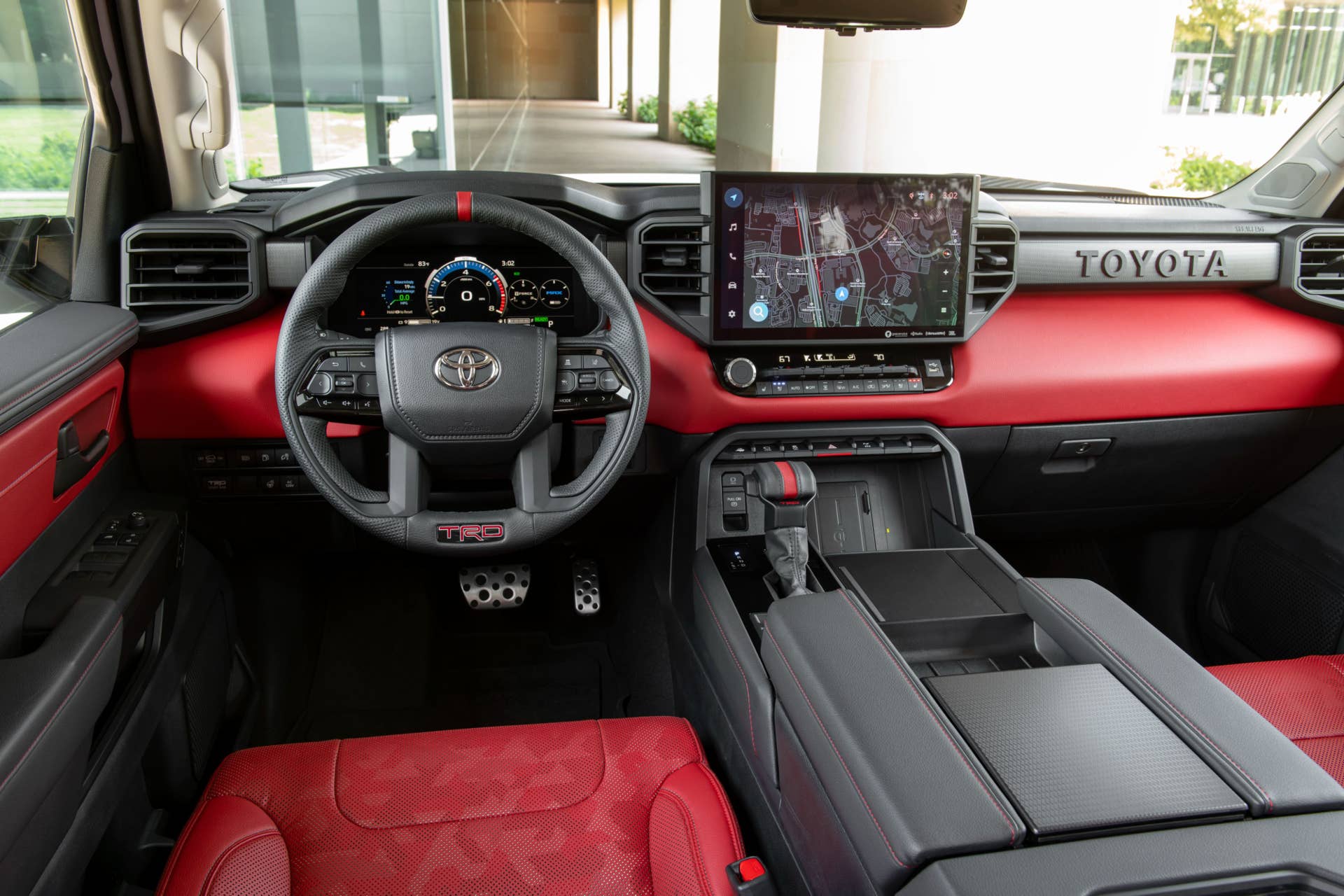
At the base level, both the Armada and Sequoia ride on 18-inch wheels and include tri-zone automatic climate control. While the Sequoia features an eight-inch touchscreen, the Armada gets a 12.3-inch unit. On the flipside, the Sequoia also gets heated front seats with fabric upholstery, a feature the base Armada lacks, although Nissan’s entry does get upgraded to leatherette seating material.
2. The Sequoia’s standard hybrid powertrain delivers higher performance and efficiency
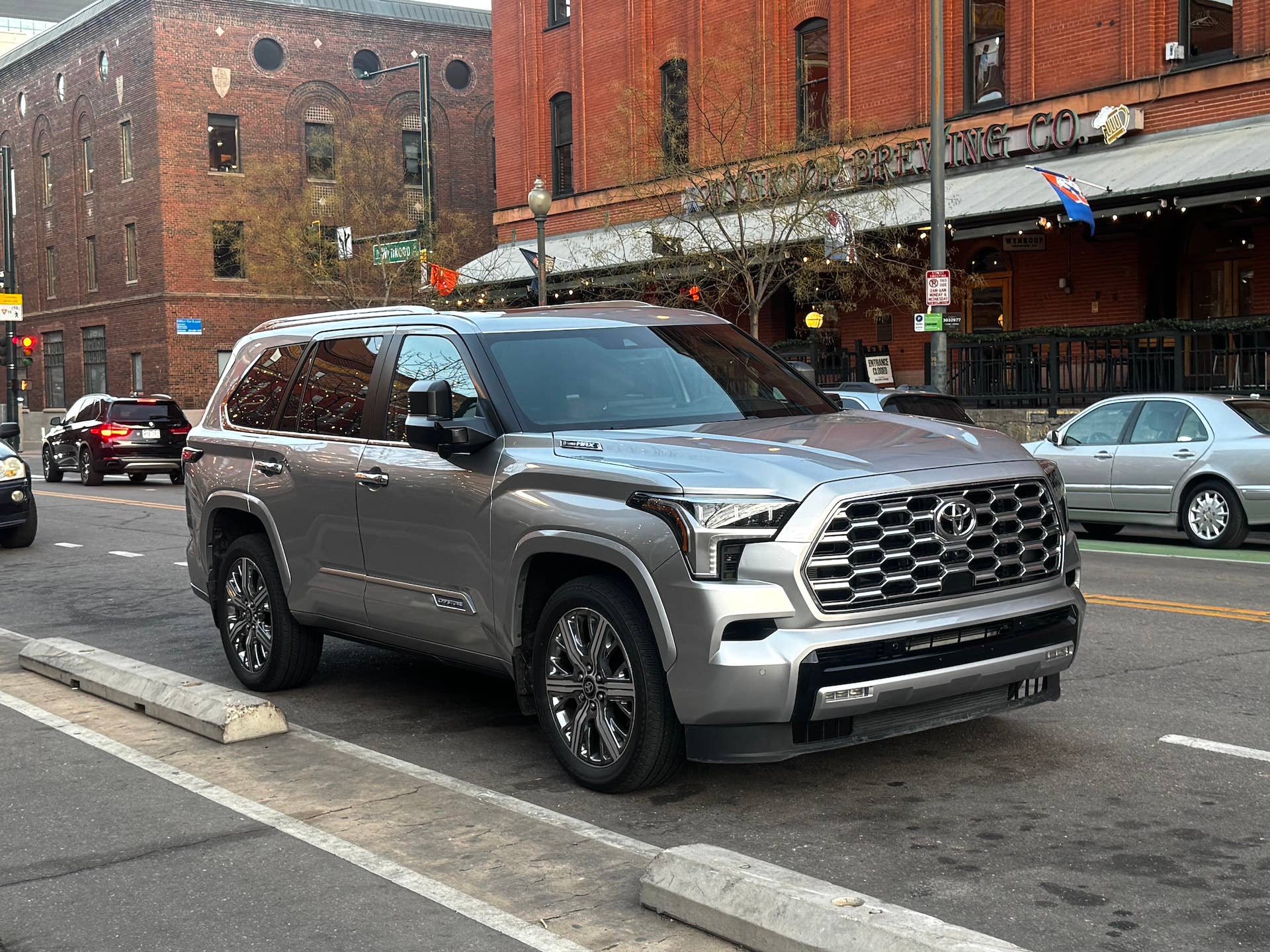
Toyota has been slowly expanding its hybrid offerings, and even with its off-road prowess, the Sequoia is no exception. All Sequoia models feature the iForce MAX hybrid powertrain, which includes a 3.4-liter twin-turbocharged V6 engine paired with an electric motor. Total output sits at a healthy 437 horsepower and 583 lb-ft of torque. A 10-speed automatic transmission sends power to the rear wheels in most models, with a four-wheel drive upgrade available. The TRD Pro comes standard with four-wheel drive. At its most efficient, the Sequoia tops most of its competitors, earning 21 mpg in the city and 24 mpg on the highway.
Joe Santos
In similar fashion, the Nissan Armada comes equipped with a 3.5-liter twin-turbocharged V6 engine, but there’s no electric motor to go along with it. Most models offer 425 horsepower and 516 lb-ft of torque, save for the NISMO model, which gets a slight boost in performance. A nine-speed automatic transmission sends power to the rear or all four wheels, depending on configuration. The most efficient Armada models earn 16 mpg in the city and 20 mpg on the highway.
3. The Armada offers more third-row passenger space
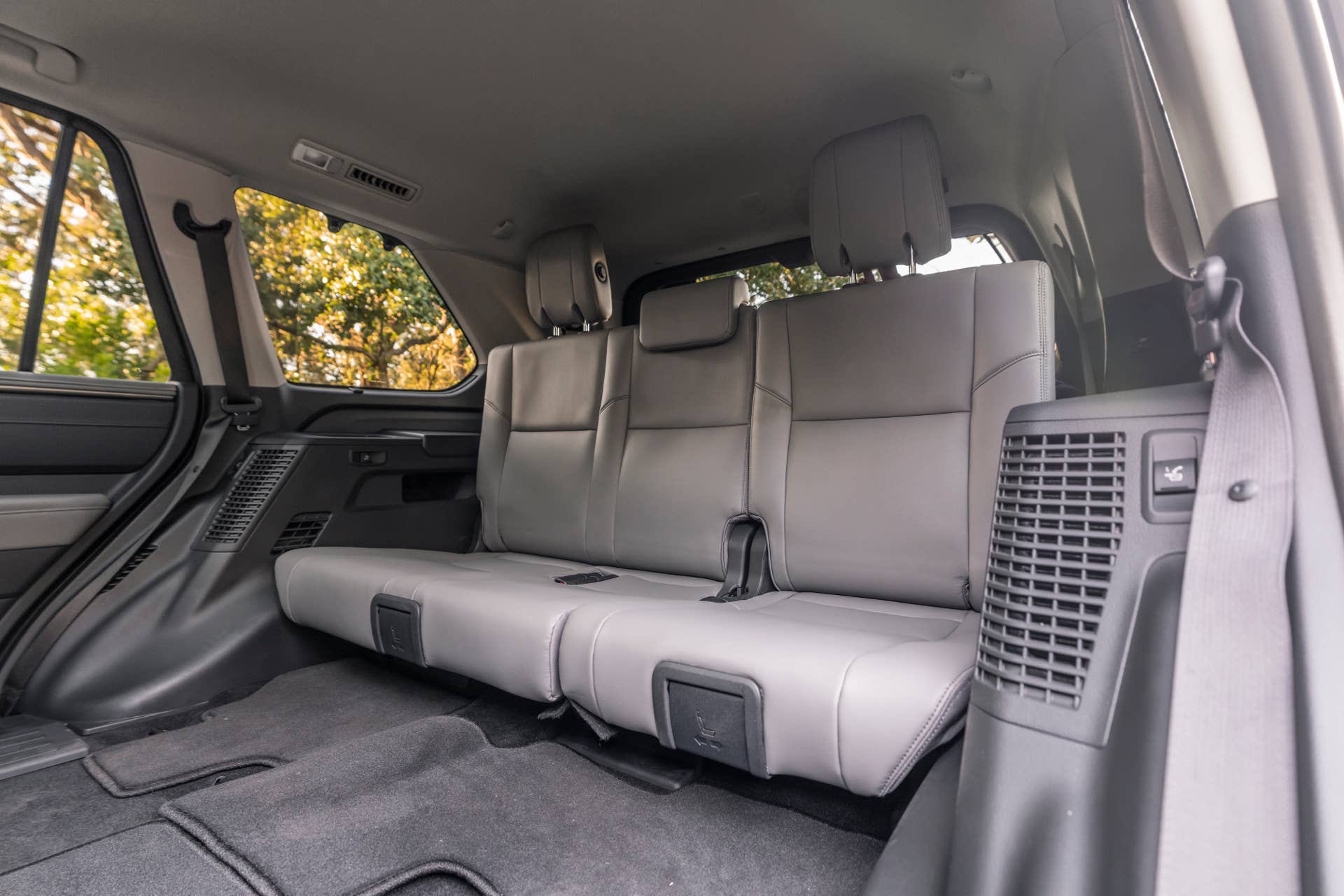
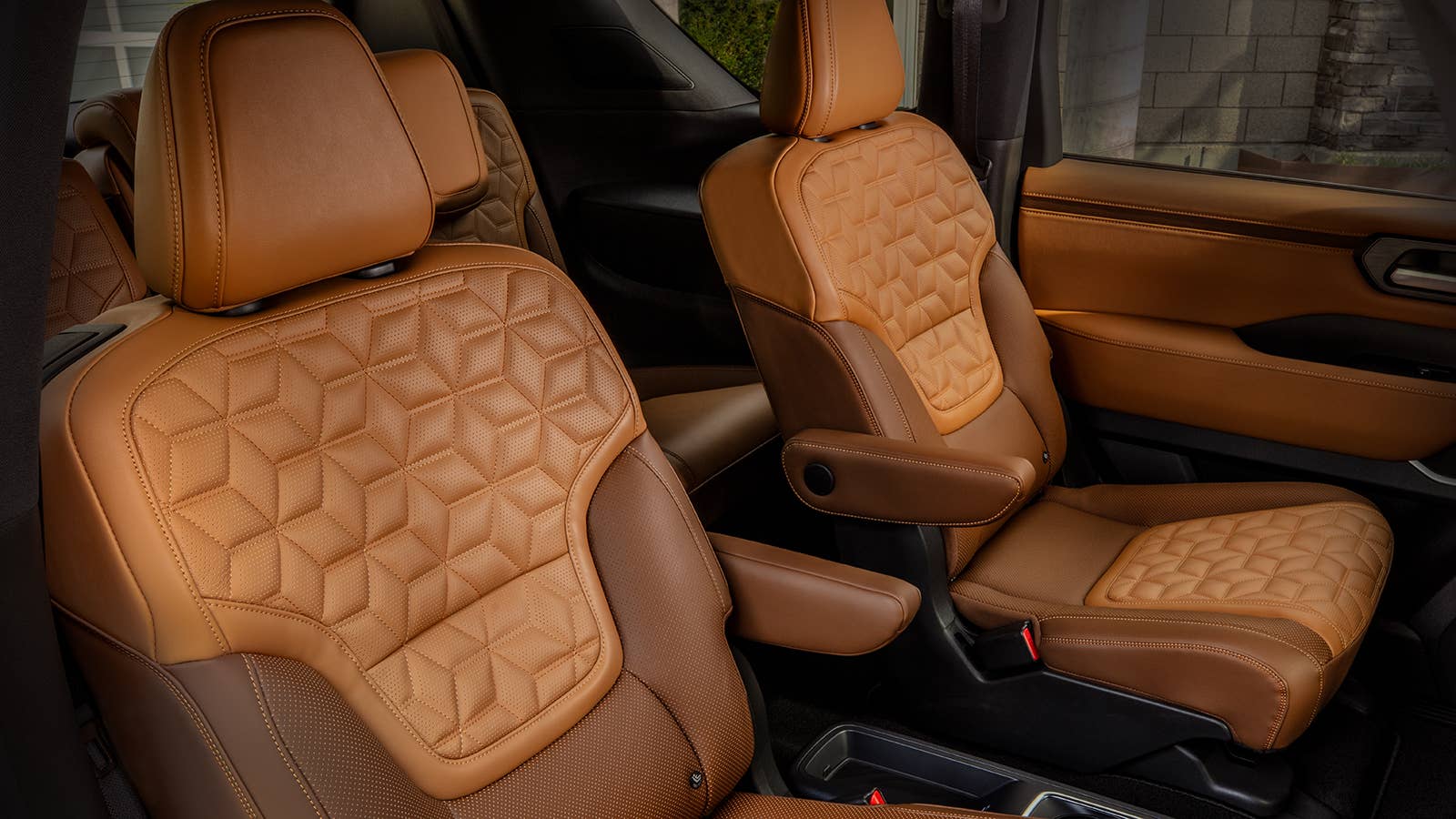
While many SUVs prioritize second-row space over a comfortable third row for adults, the Armada has no qualms about offering the best of both worlds. While the third row isn’t going to work for taller adults, those of average height should be fairly comfortable. Note that both Japanese SUVs can seat up to eight passengers.
Toyota
Toyota

Nissan
Nissan
Passengers in the Armada’s last row get up to 36.2 inches of headroom, 32.9 inches of legroom, and 51.7 inches of hiproom. That’s 0.6 inches more headroom than in the Sequoia. Legroom is more competitive between the two, with the Sequoia offering 28.1 to 33.7 inches. The Armada also offers 0.8 inches more hiproom compared to the Sequoia.
4. The Armada NISMO brings improved performance and unique styling
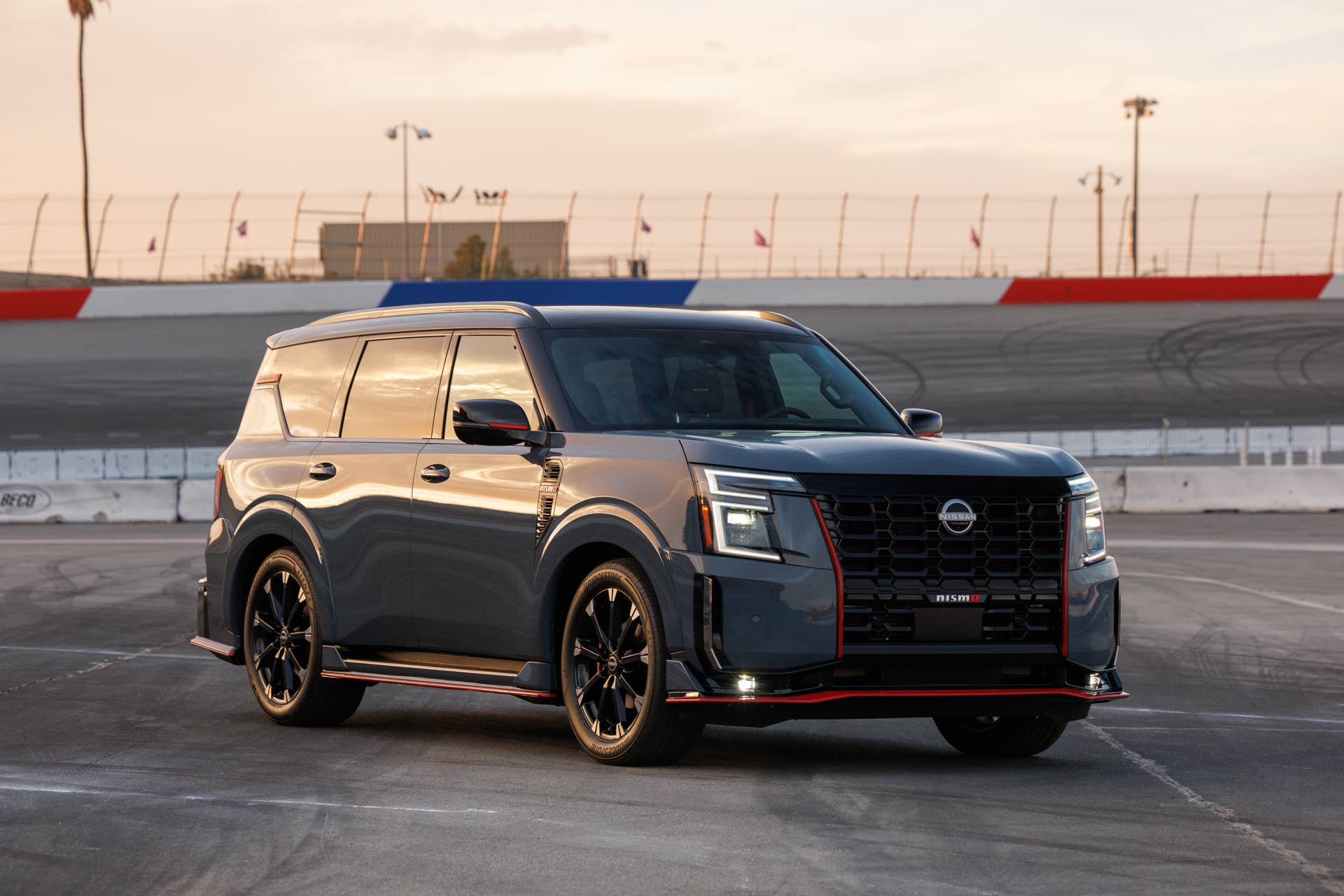
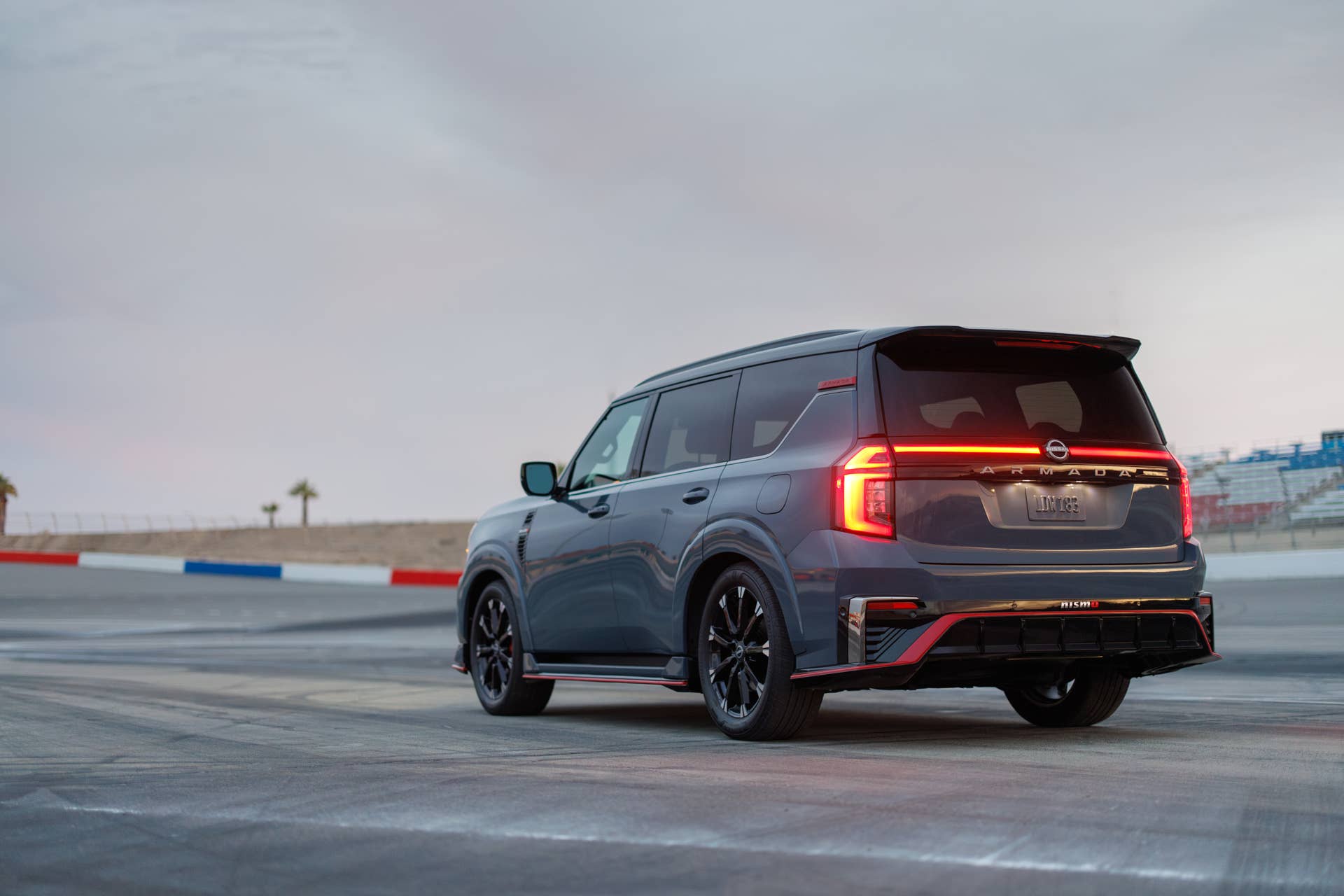
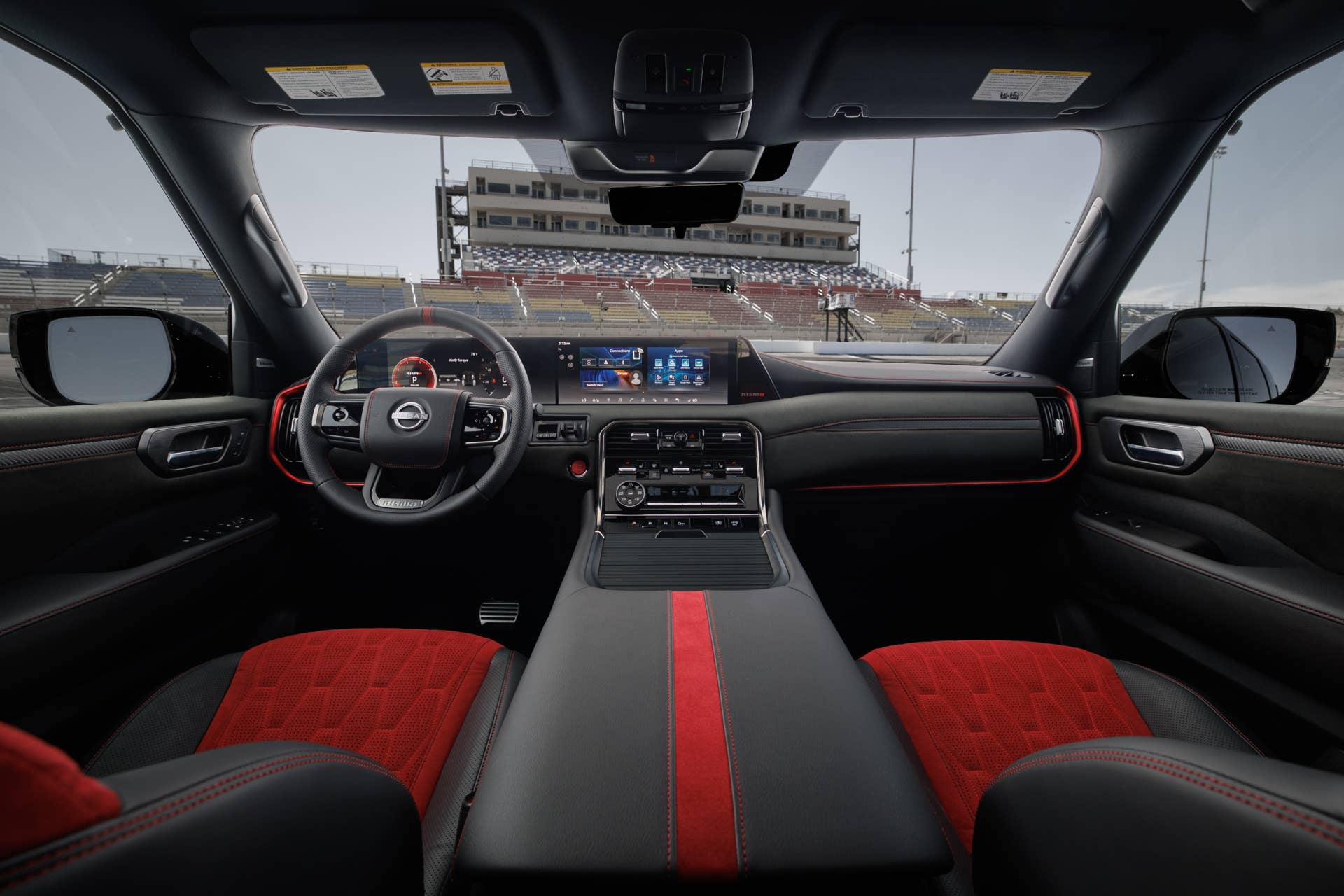
Nissan’s NISMO division is known for taking the brand’s vehicles to the next level when it comes to performance. The first-ever Armada NISMO model finally arrives for the 2026 model year, and it comes with a unique aesthetic. The new Armada trim gets several styling updates, including a front and rear fascia, grille, and rear spoiler that scream performance. The fender flares get a bit wider and mesh well with the red-painted brake calipers. Inside, the Armada NISMO gets quilted leather upholstery in charcoal with red stitching and accents. The front seats also get side bolsters, while the driver will enjoy aluminum pedals.
Nissan
Nissan
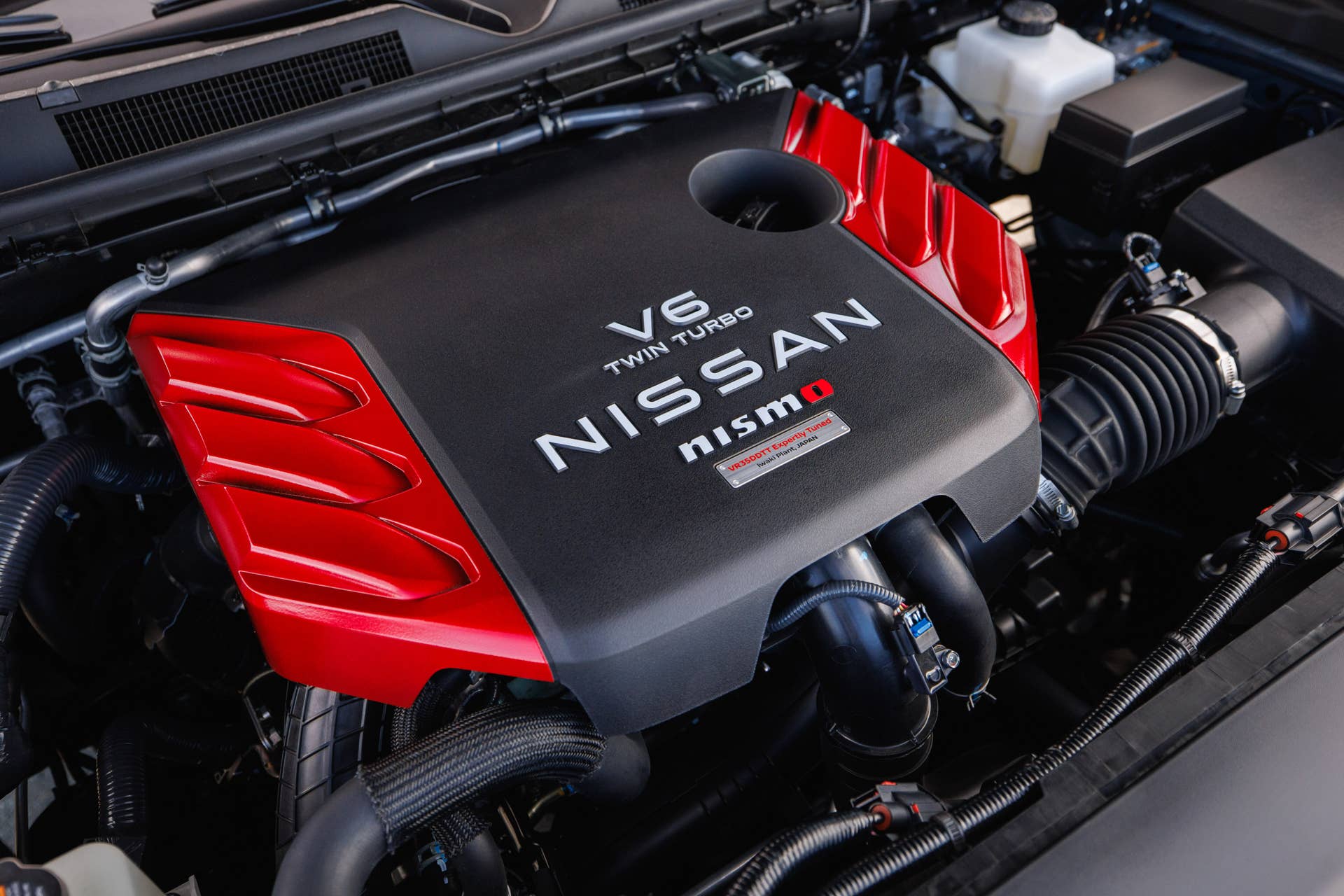
The NISMO model’s updates aren’t just cosmetic. Revised engine programming boosts output by 35 horsepower, bringing the total to 460 ponies. A retuned exhaust system lets the engine roar, and reworked electric power steering and adaptive electronic air suspension allow drivers to stayed engaged on the road.
5. The Sequoia wins handily in towing capability
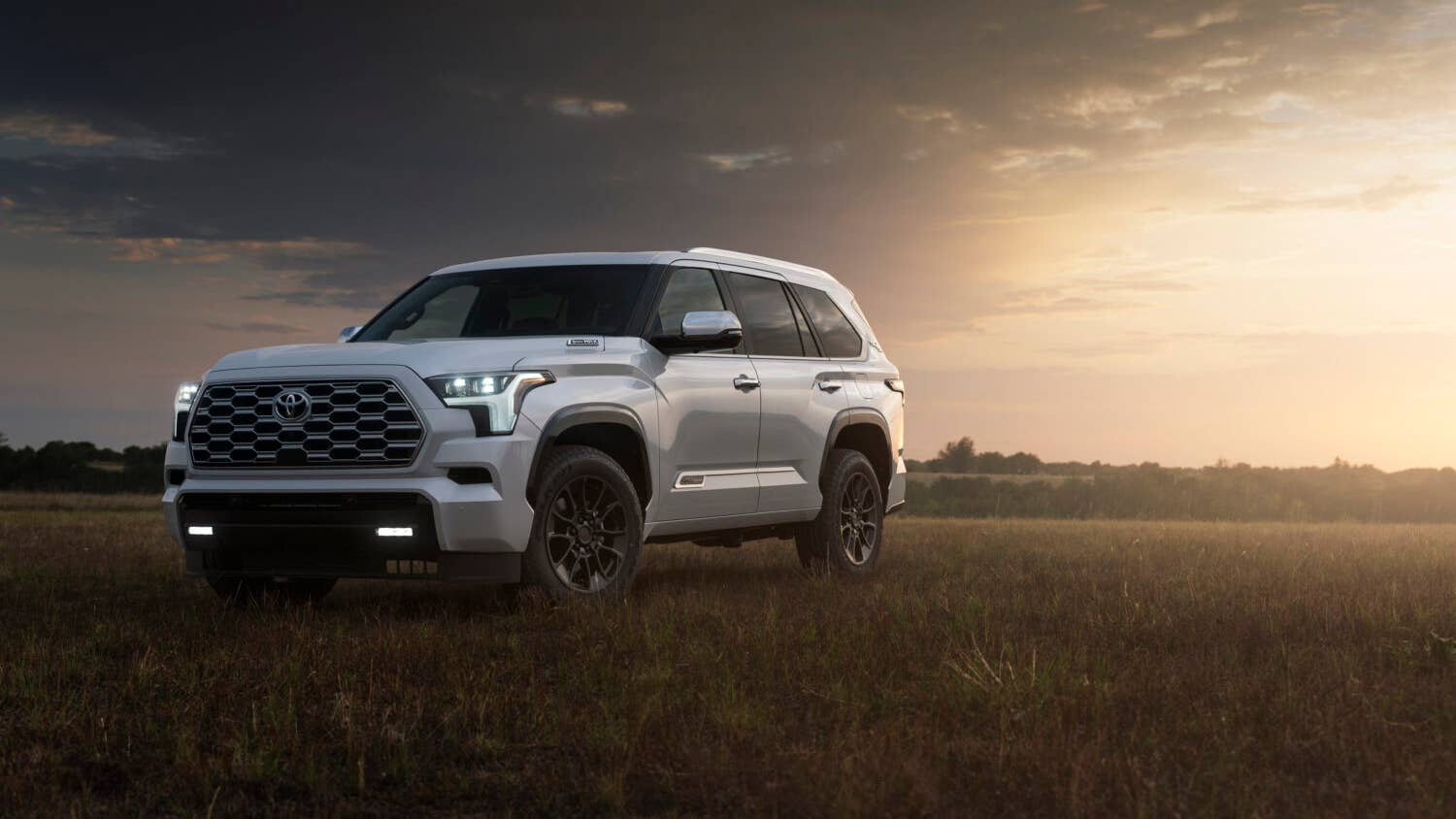
There may not be a staggering difference between the Armada and Sequoia’s performance, but that’s not the case when it comes to towing capability. The Sequoia Capstone with four-wheel drive tows the least, topping out at 8,980 lbs. The base SR5 with rear-wheel drive is the most capable version of the Sequoia, with a maximum towing capacity of 9,500 lbs. Regardless of model or configuration, the Nissan Armada can tow up to 8,500 lbs., 1,000 lbs. less than the most capable Sequoia and nearly 500 lbs. shy of the least capable model.
Toyota

Nissan
Final thoughts
The 2026 Nissan Armada and Toyota Sequoia are solid SUVs, especially for traveling on varied terrain. If you plan on putting passengers in the third row, the Armada might be worth a test drive. Likewise, if you want to tow campers or other heavy trailers, the Sequoia proves to be the more capable SUV. When every dollar counts, however, the Armada is the clear and uncontested winner. Make sure to take both SUVs out for a spin before you decide which model belongs in your driveway.
About the author

Joseph Pudlewski
Contributing Writer, Autoblog