
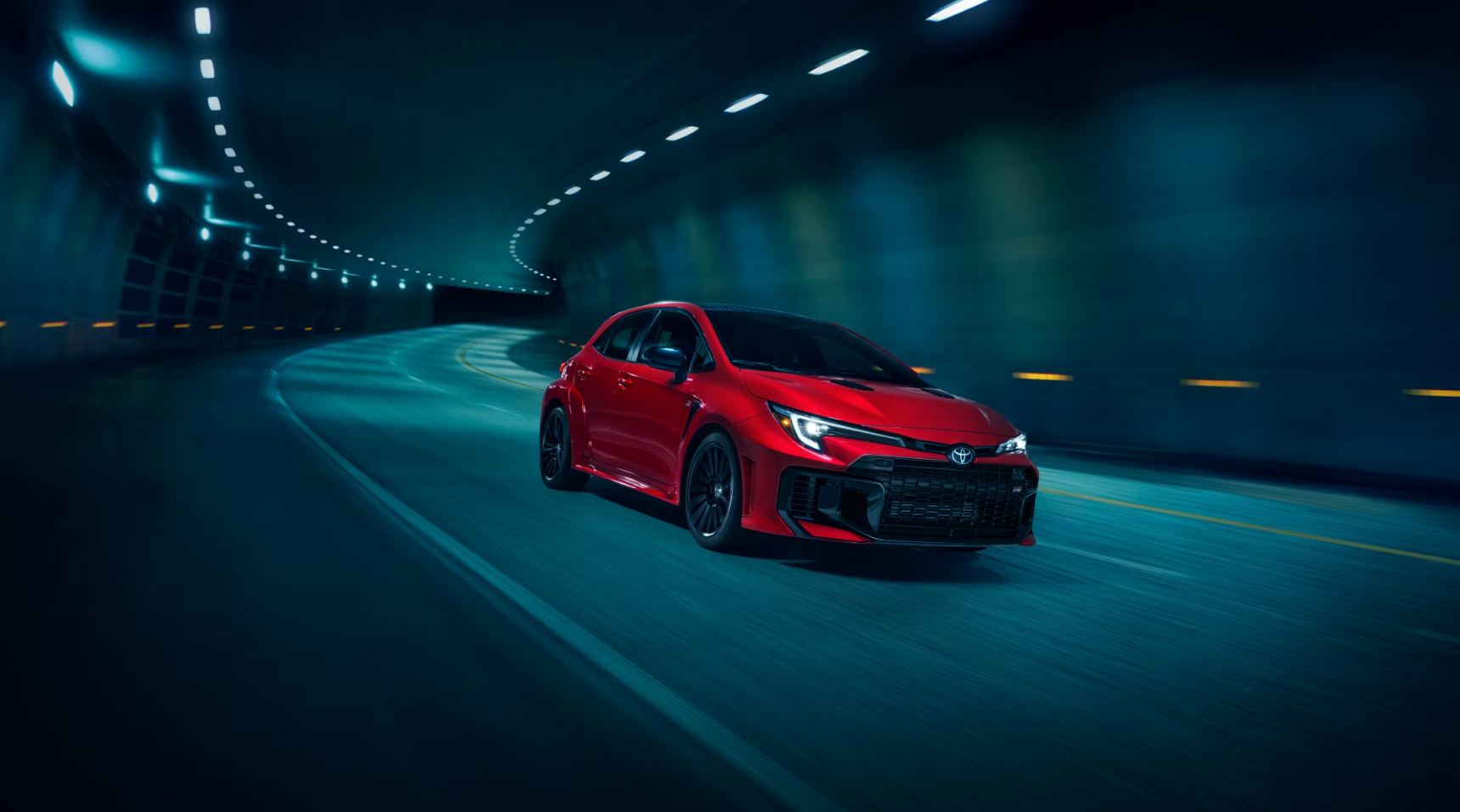
Battle of the hot hatches
The hot-hatch segment isn’t what it used to be. Once a playground full of compact performance cars from Japan, Europe, and the U.S., today it’s largely the domain of two flag-bearers: the Toyota GR Corolla and the Volkswagen Golf R. Both are turbocharged, all-wheel-drive hatchbacks built for enthusiasts, yet they take very different approaches to speed and driving engagement.
Toyota leans on rally heritage and a lightweight three-cylinder engine to deliver scrappy, raw performance. Volkswagen takes a more polished route, combining a higher-powered four-cylinder with premium interior tech. If you’re shopping for one of these compact rockets, here are five key differences that set them apart.
Engines with different characters
The GR Corolla is powered by a 1.6-liter turbocharged three-cylinder producing 300 horsepower and 295 lb-ft of torque. It’s one of the smallest and most powerful three-cylinder engines ever put into production, emphasizing Toyota’s rally-inspired engineering. The triple-pipe exhaust isn’t just for show—it helps the tiny motor breathe better and gives the car an unmistakable rasp.
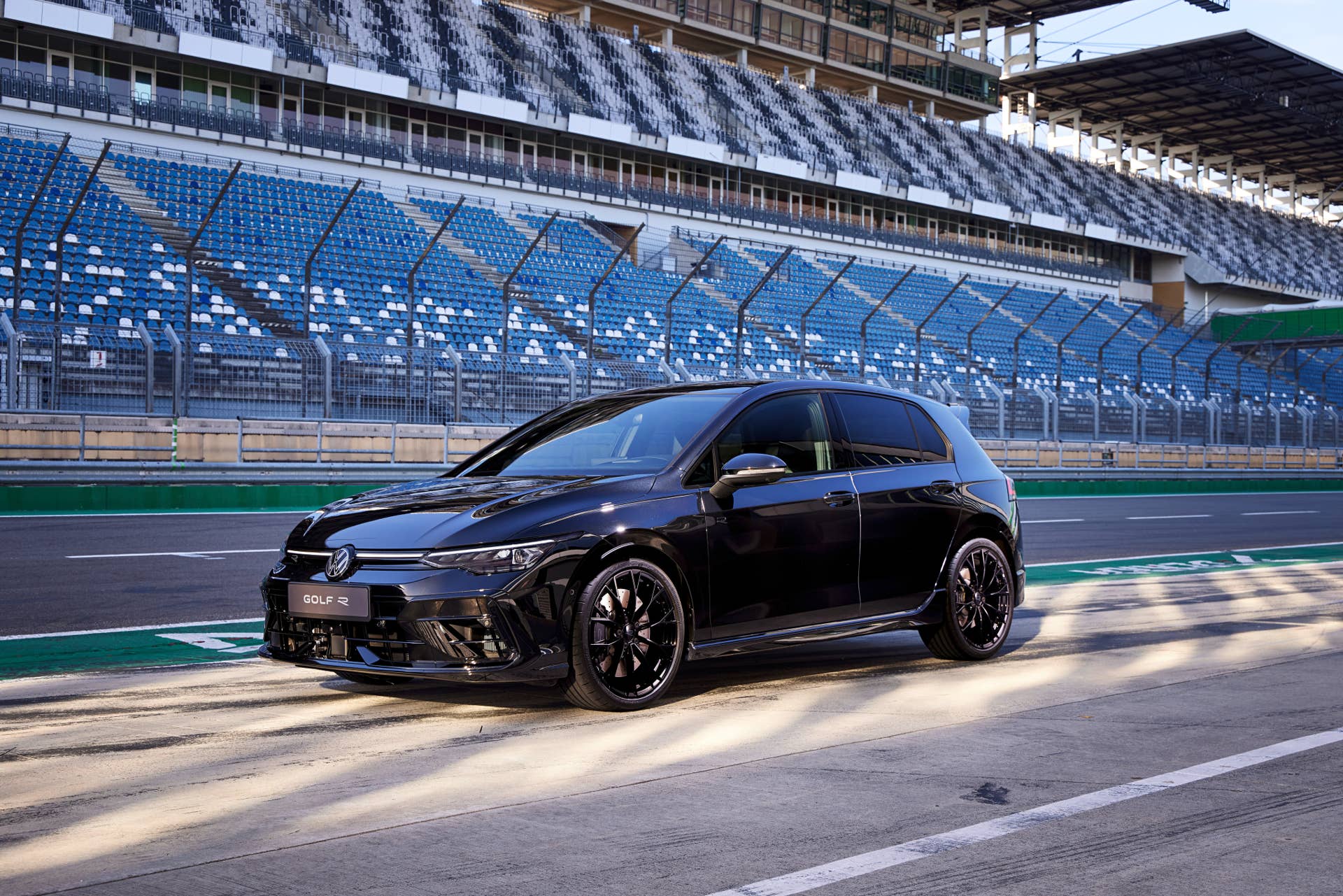
The Golf R takes a more traditional approach. Its 2.0-liter turbocharged four-cylinder churns out 328 horsepower and 295 lb-ft, offering a wider torque band and smoother power delivery. Where the Toyota feels buzzy and frantic, the Volkswagen comes across as composed and refined, with plenty of mid-range pull that makes highway passing almost effortless. Both engines are quick, but they deliver their thrills in very different flavors.
AWD systems take different paths
Both cars send power to all four wheels, but how they get there couldn’t be more different. Toyota’s GR-Four all-wheel-drive system lets drivers dial in the torque split: a standard 60:40 for daily driving, 50:50 for balanced grip, or a rear-biased 30:70 setting that makes the car more playful. It’s a system that clearly draws from Toyota’s World Rally Championship pedigree, and in the right hands, it transforms the GR Corolla into a tail-happy weapon.

The Golf R’s system is more advanced on paper, using a torque-vectoring rear differential that can send power side-to-side across the rear axle. This allows it to pull the car through corners with precision, and in Drift mode, it’ll even let you hang the tail out. It’s a car that feels less like a rally car and more like a finely tuned track tool. Toyota’s setup rewards aggression and driver involvement, while Volkswagen’s favors stability and grip.
Acceleration is neck and neck
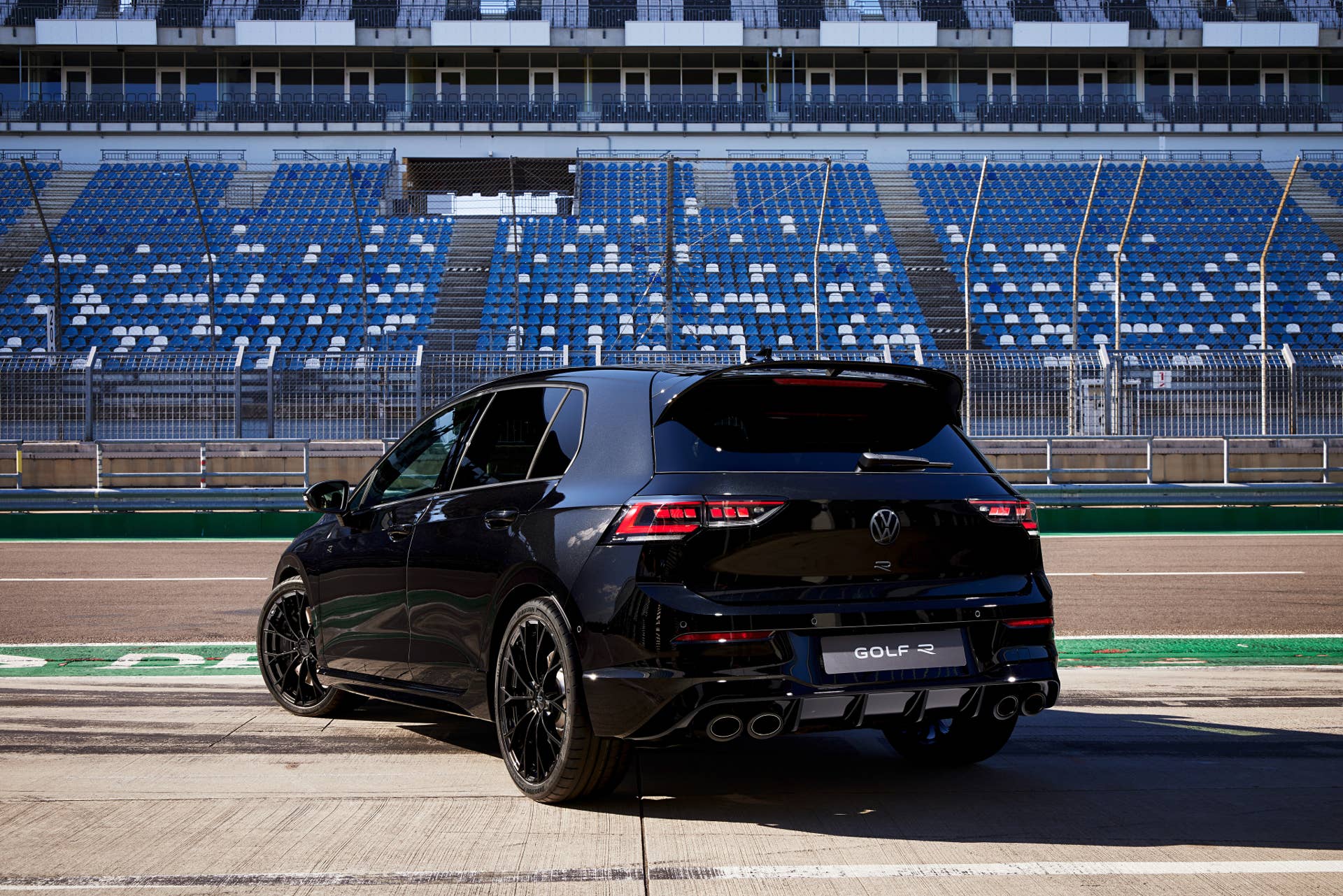
On paper, the Golf R has the edge. With its extra horsepower and optional seven-speed dual-clutch automatic, it blasts from 0–60 mph in about 4.4 seconds. Launch control and quick gear changes make it easy to replicate that number, which is why many testers see the Golf R as one of the quickest hot hatches ever.
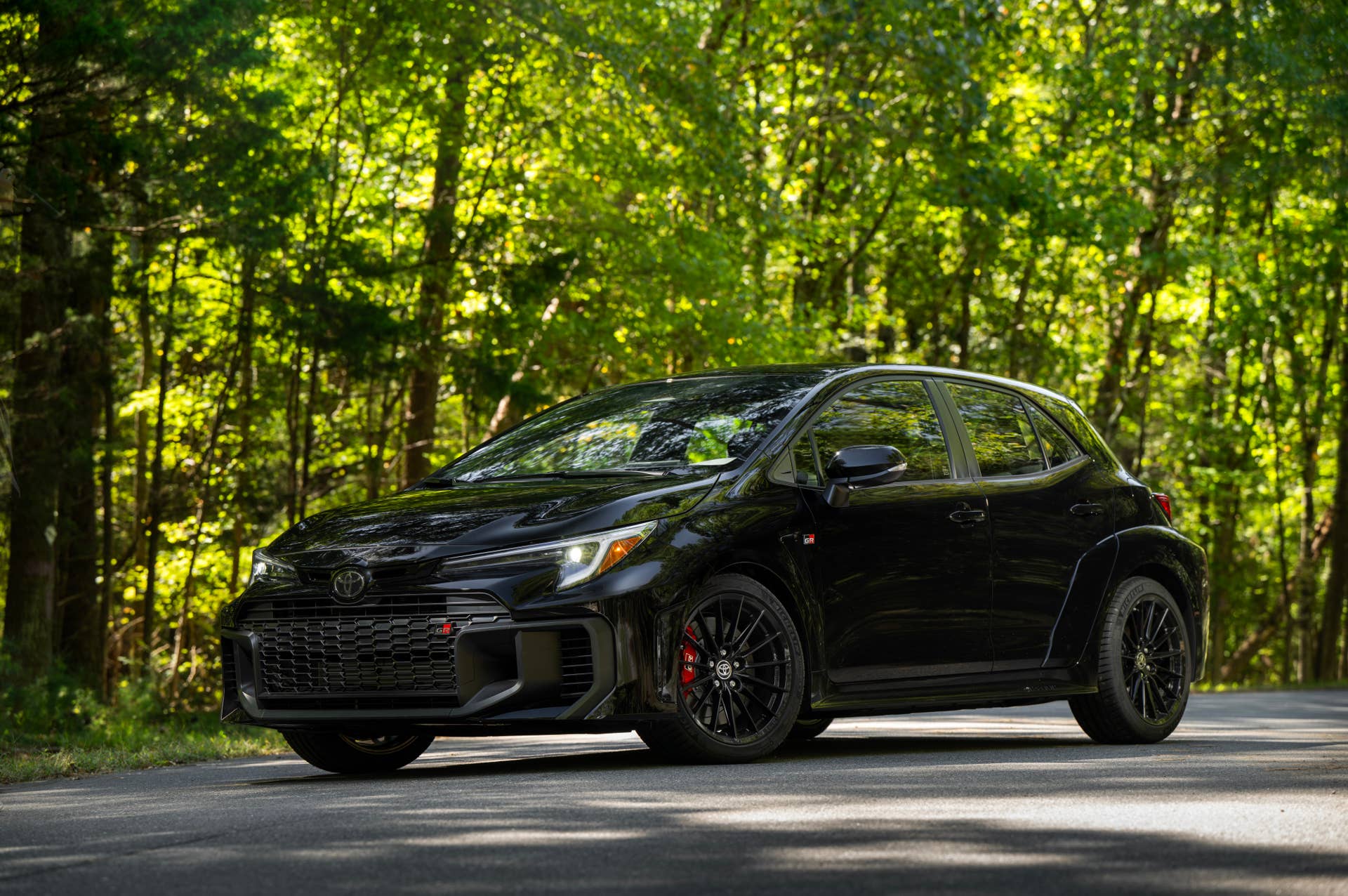
The GR Corolla is only offered with a six-speed manual. That means 0–60 runs depend heavily on the driver, but most testers report low-to-mid four-second times. It may not be quite as consistent as the Golf R, but many buyers will happily trade a couple of tenths of a second for the thrill of rowing their own gears. Unlike the Volkswagen, the Toyota’s clutch and shifter give a mechanical connection that’s disappearing fast in today’s performance market.
Pricing gives Toyota an edge
Price might be the biggest differentiator here. The GR Corolla starts around $40,355 for the Core trim, and even the higher Circuit Edition lands in the mid-$40,000s. For a car that delivers 300 horsepower and a sophisticated AWD system, that’s impressive value. Toyota has clearly aimed to keep this car within reach of younger enthusiasts.
The Golf R starts much higher—about $48,325—and climbs past $50,000 with options. For that money, you’re entering the territory of base-model luxury sedans and even some entry-level sports cars. Volkswagen argues that the R’s extra features, higher horsepower, and premium feel justify the price, and for some buyers, that will hold true. But if value is your top priority, the Toyota is the clear winner.
Comfort and features diverge
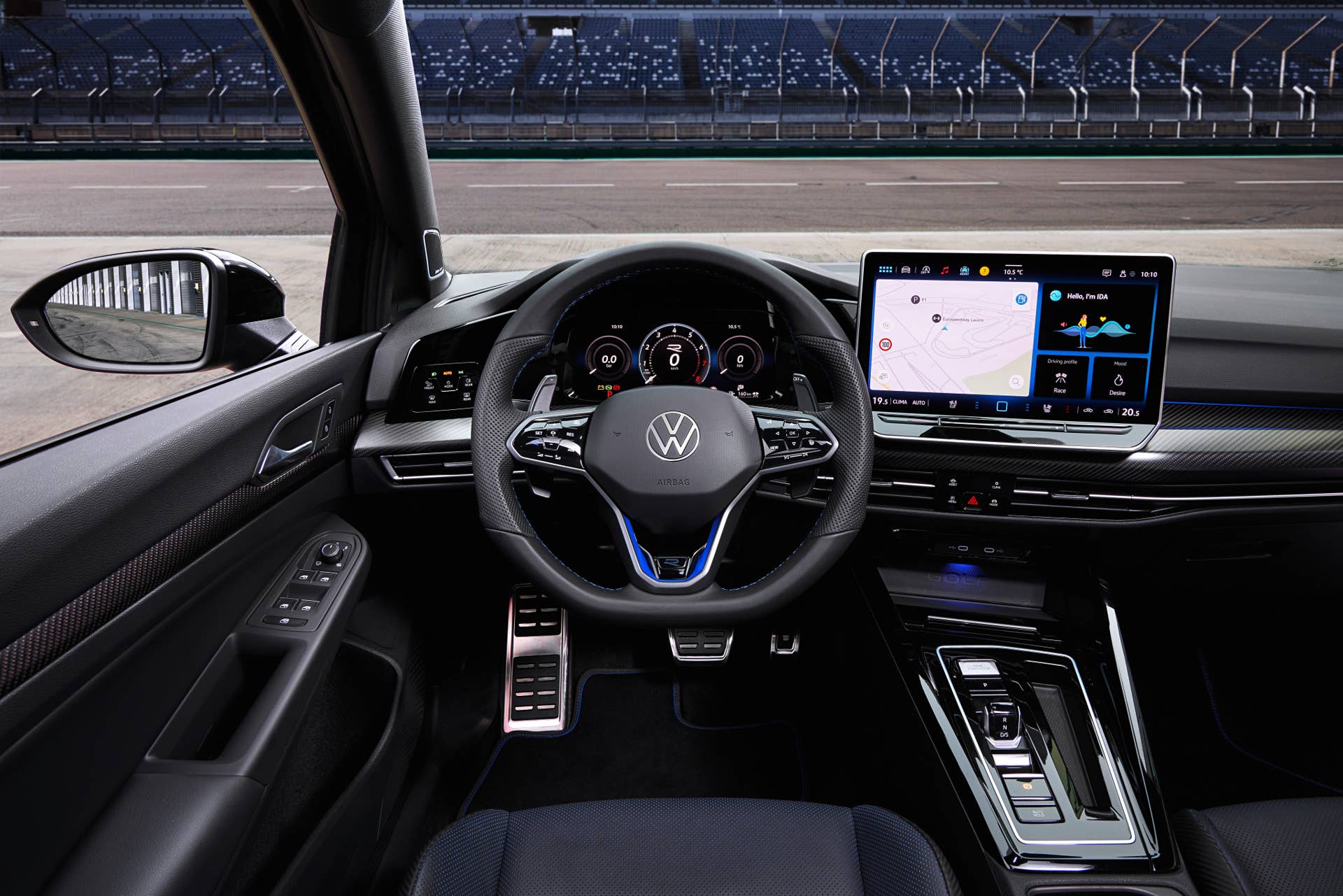
Step inside the Golf R, and you’ll see where much of the price difference goes. It comes with Nappa leather seats, a Harman Kardon audio system, a 12.9-inch touchscreen, ventilated front seats, and a digital cockpit. The cabin feels closer to an entry-luxury car than a bare-bones hot hatch, and its ride quality strikes a balance between comfort and sportiness, making it a viable daily driver.
Toyota
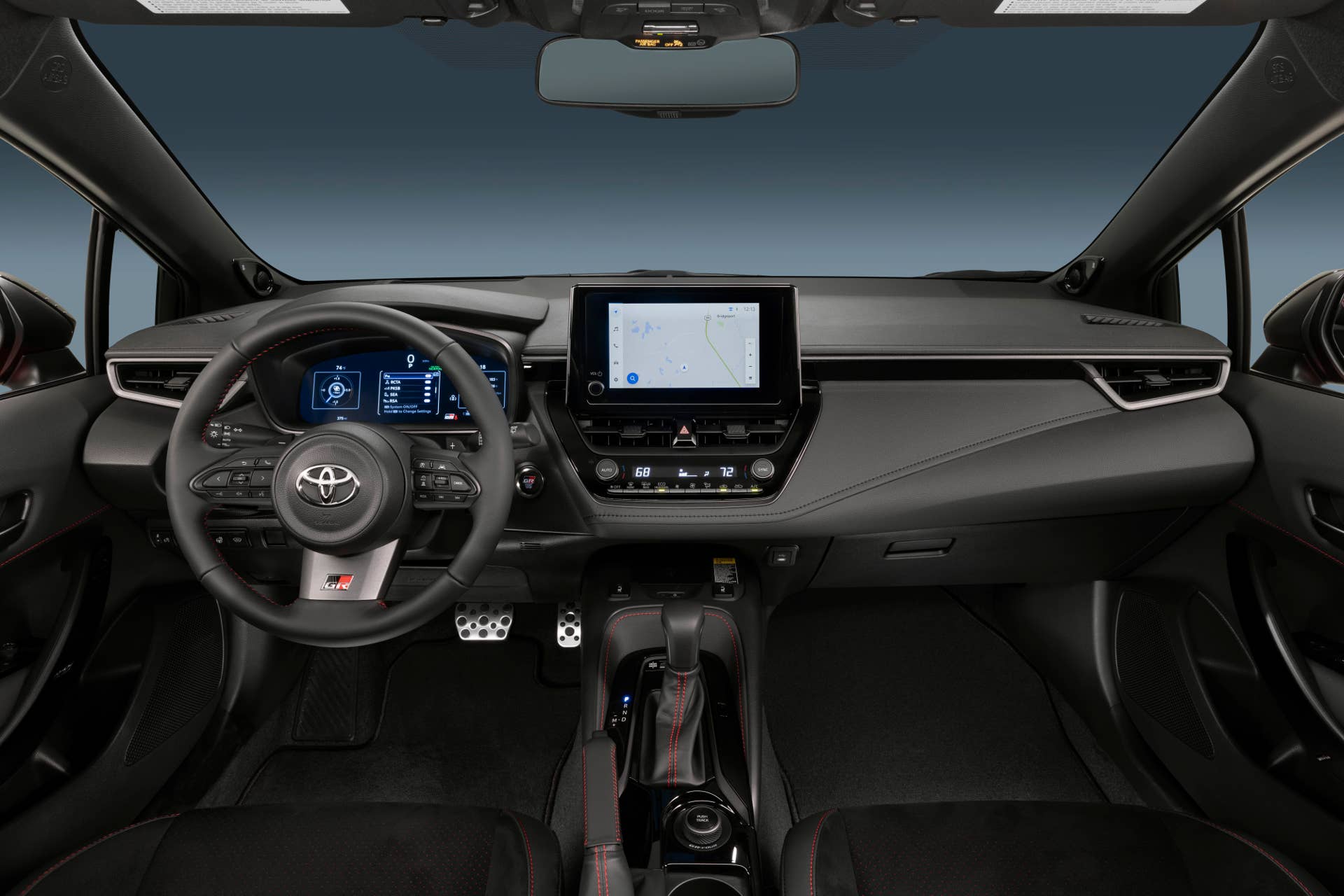
The GR Corolla takes a different approach. Features like suede-trimmed seats, heated front buckets, a JBL audio system, and Toyota’s latest Safety Sense tech are all available, but the emphasis is on keeping the car light and focused. The interior feels more utilitarian, and the ride is firmer, but that’s the point—it’s built to make you feel like you’re piloting a rally car. The Golf R pampers, while the GR Corolla provokes.
Final thoughts
The 2025 Toyota GR Corolla and Volkswagen Golf R represent two ends of the hot-hatch spectrum. Toyota delivers raw, rally-inspired fun at a lower price, while Volkswagen offers more power, comfort, and sophistication for those willing to pay extra.

The Golf R is faster in a straight line, more refined on the inside, and equipped with cutting-edge AWD tech. The GR Corolla is scrappier, more analog, and designed to make every back road feel like a rally stage. Which one you pick depends on what you value more: the visceral thrill of a driver’s car or the polish of a high-performance daily driver. Either way, these two hatches prove that even in an SUV-dominated market, driving passion is alive and well in 2025.
About the author

Elijah Nicholson-Messmer
Contributing Writer, Autoblog