
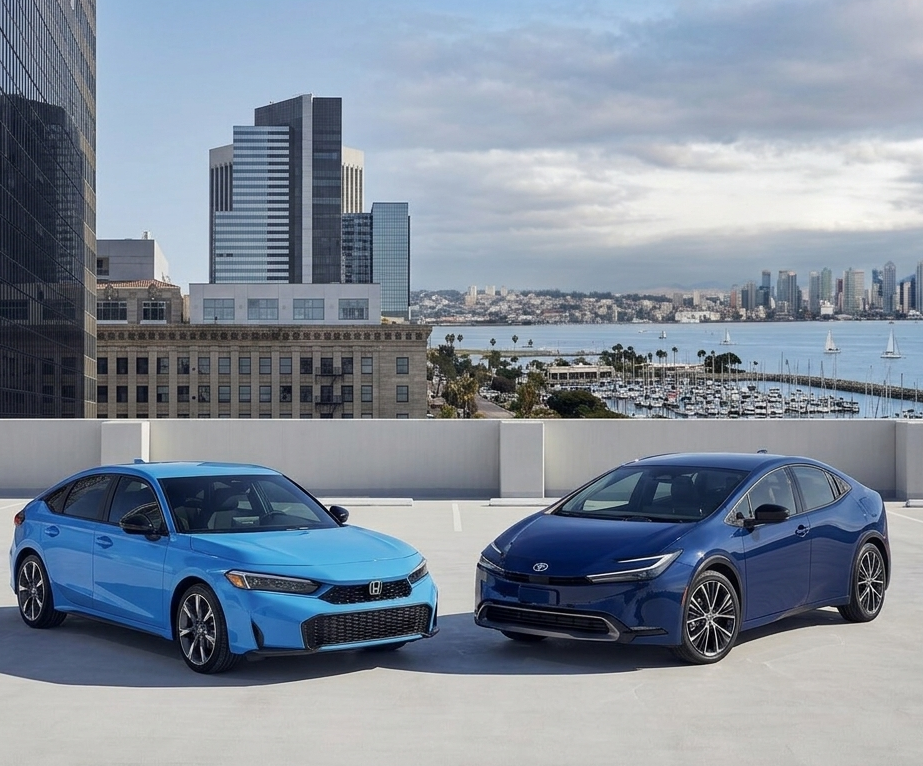
Compact hybrids used to be the cars you bought because you had to, not because you wanted to. That era is over. The Honda Civic Hybrid and Toyota Prius are both genuinely desirable vehicles in 2026, and the fact that sentence does not require an asterisk is proof of how far both companies have come. They occupy the same price bracket, achieve similar efficiency, and target the same buyer who wants to spend less at the pump without driving something that apologizes for existing. But they solve that problem differently enough that picking the wrong one means living with the wrong compromise.

Fuel economy is not as close as you think
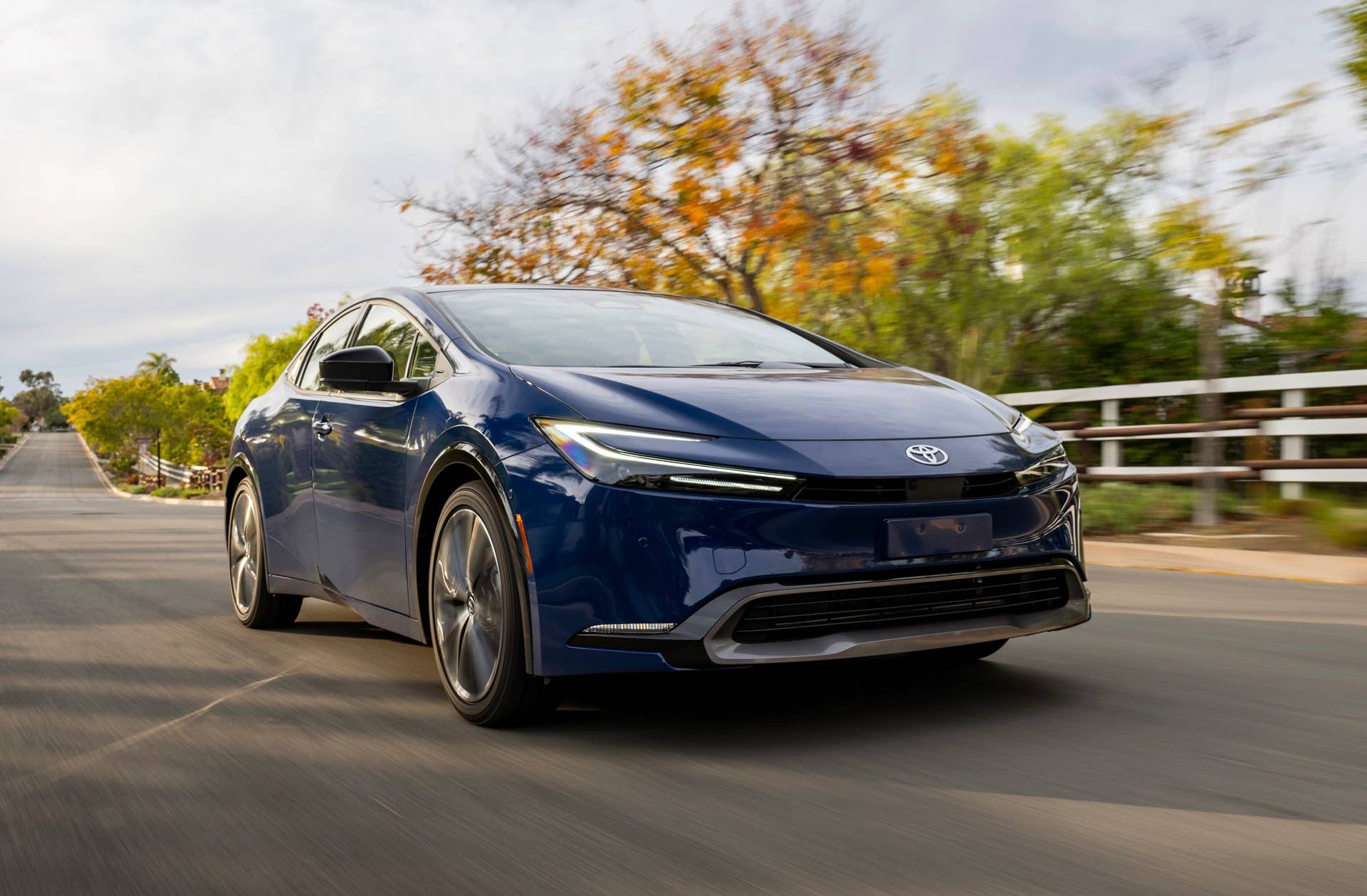
Toyota wins this one by a margin that matters over time. Prius LE with front-wheel drive achieves 57 mpg combined. Even with AWD, it holds 54. Those numbers make the Prius one of the most efficient non-plug-in vehicles on sale in any segment, and over 15,000 annual miles, the difference between 57 and 49 mpg translates to roughly $300 in annual fuel savings at current prices. Multiply that over five years, and you are looking at $1,500 the Prius keeps in your pocket.
Honda
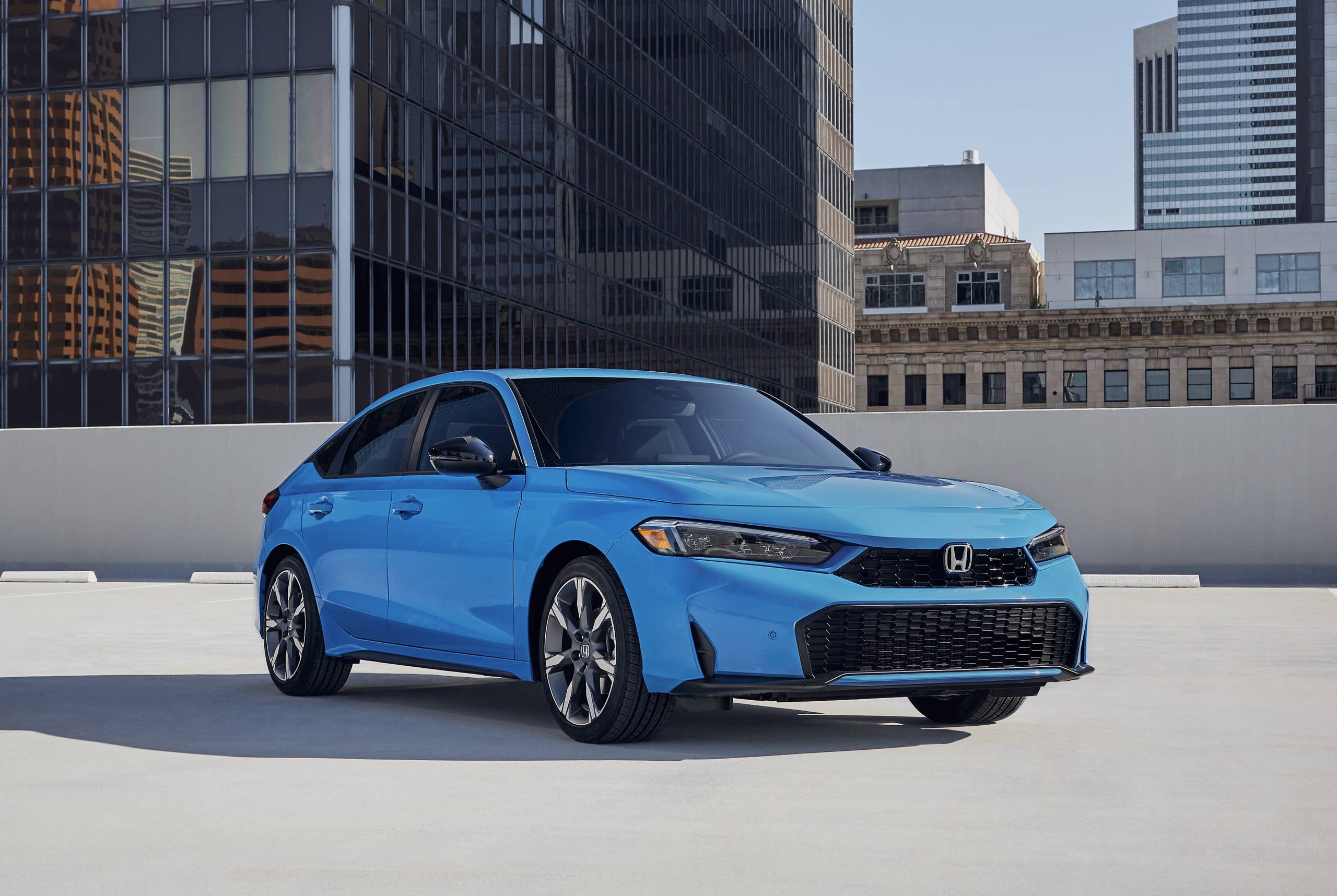
Civic Hybrid returns 49 mpg combined for the sedan and 48 for the hatchback. By any historical standard, those are extraordinary numbers for a car with 200 horsepower. By this comparison, they are eight miles per gallon behind the Prius, a gap that accumulates quietly on every tank. If pure efficiency is the priority and every penny per mile matters, the Prius wins in a way the Civic cannot overcome with charm.
Performance is close, but the Civic drives better
Honda’s two-motor hybrid system produces 200 hp and 232 lb.ft of torque, and the electric motor delivers its torque instantly from a standstill. Pull away from a stoplight and the Civic Hybrid feels closer to an EV than a traditional hybrid. It is faster to 60 mph than the previous-generation Civic Si, which is a sentence that would have gotten you laughed out of a car meet five years ago. Through corners, the chassis is communicative and eager, the steering has weight, and the overall experience rewards drivers who take the longer route home.

Honda
The Prius makes 194 hp and 139 lb.ft, which is a massive improvement over the previous generation and perfectly adequate for daily commuting. Adequate is the operative word. It will merge onto a highway without embarrassment and pass slower traffic without drama, but it will not make you smile while doing it. Toyota tuned the Prius for efficiency first and everything else second. Honda tuned the Civic Hybrid for everything at once and somehow got 49 mpg out of the deal.
Toyota
Body style options split the market
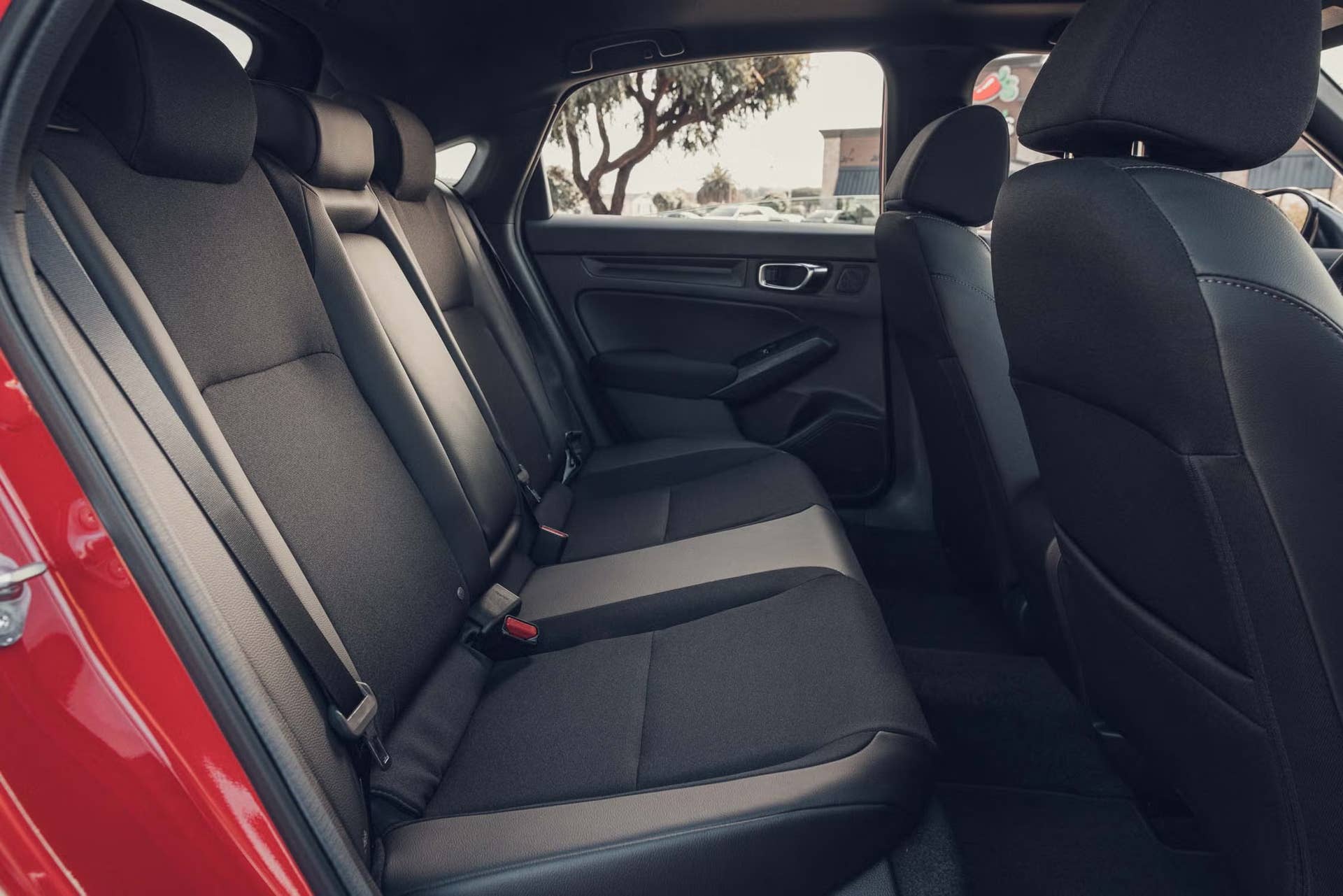
Honda offers the Civic Hybrid as both a sedan and a hatchback, serving two distinct buyer preferences with a single platform. Sedan buyers get a traditional trunk with 14.8 cubic feet of cargo. Hatchback buyers get a wider opening and more versatile loading. Both share the same powertrain, interior, and driving character, which means you are choosing based on how you load groceries rather than how you drive to the store.
Honda
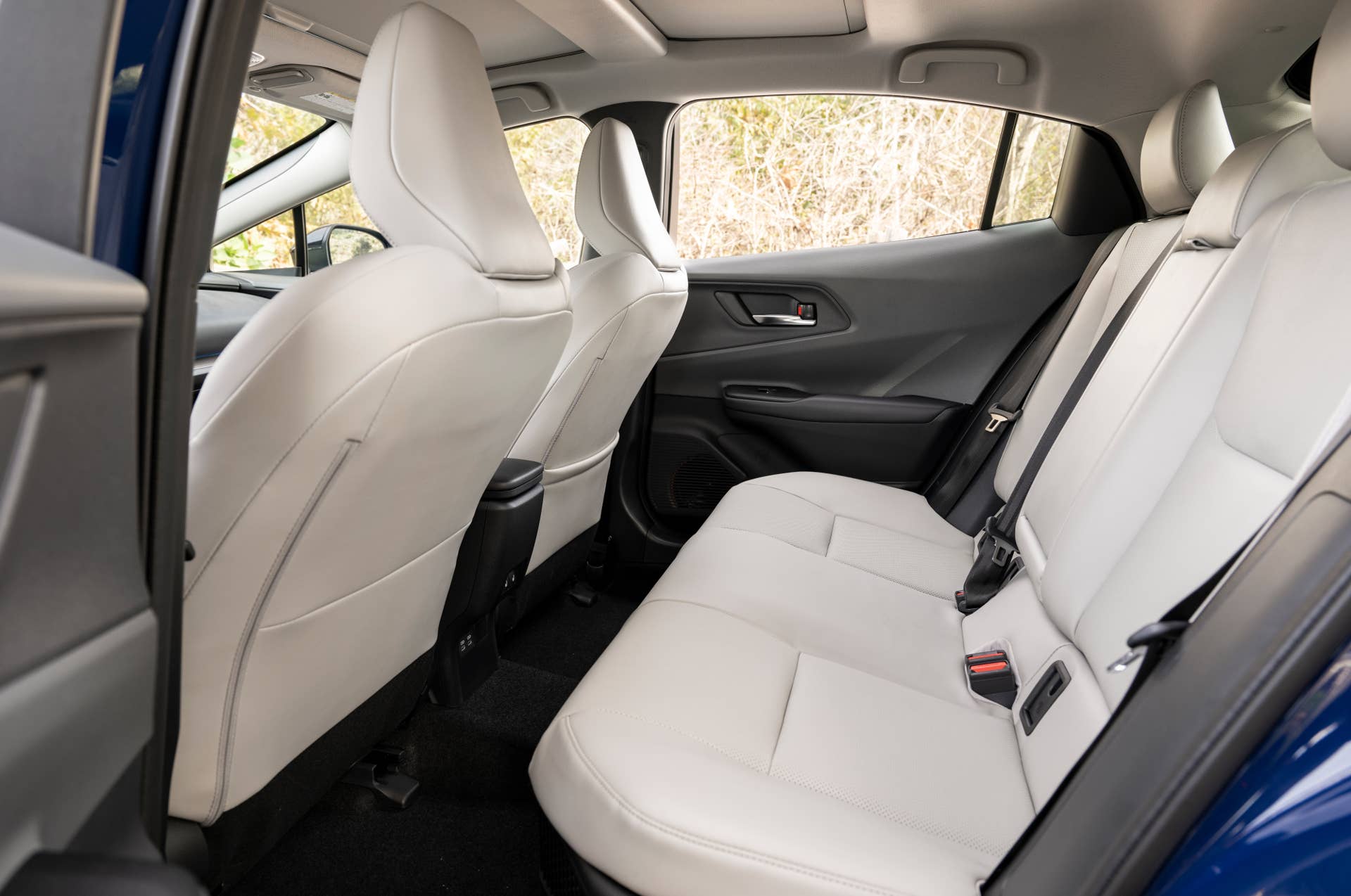
The Prius comes exclusively as a hatchback with 25.3 cubic feet of cargo behind the rear seats. That is meaningfully more than either Civic configuration and makes the Prius the better choice for buyers who haul gear, sports equipment, or the accumulated debris of a life that requires more trunk than a sedan provides. If you need a sedan because you prefer the look or the lower liftover height, the Prius does not offer one. If you need maximum cargo in the smallest footprint, the Prius wins by default.
AWD availability is a Prius exclusive
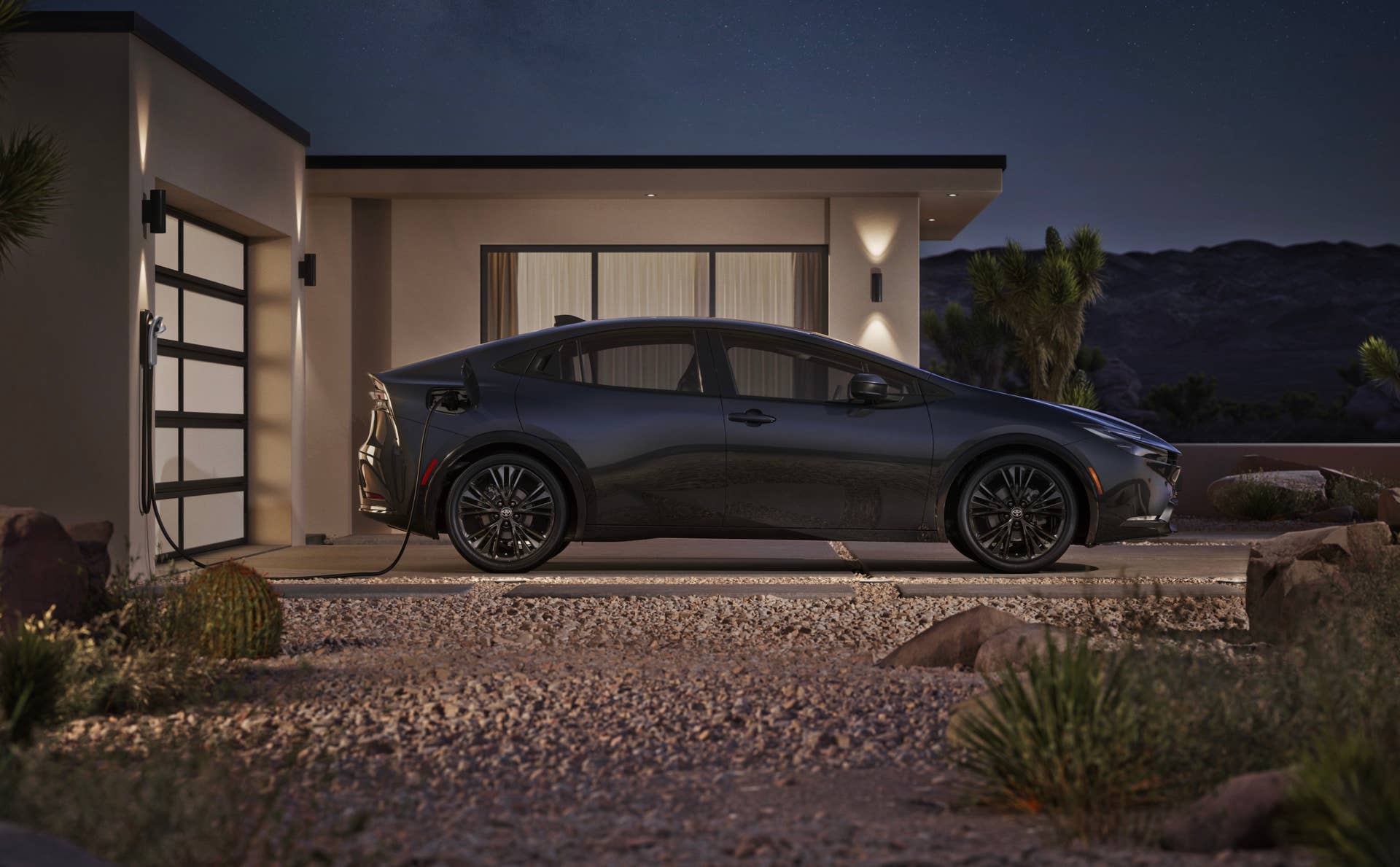
In states where winter starts in October and lasts until April, this difference alone can decide the comparison. Toyota offers the Prius with available AWD-e for roughly $1,400 more than the front-wheel-drive model, adding an electric motor on the rear axle that engages automatically in low-traction conditions. It works seamlessly, adds minimal weight, and drops efficiency by only 3 mpg to a still-excellent 54 combined.
Toyota
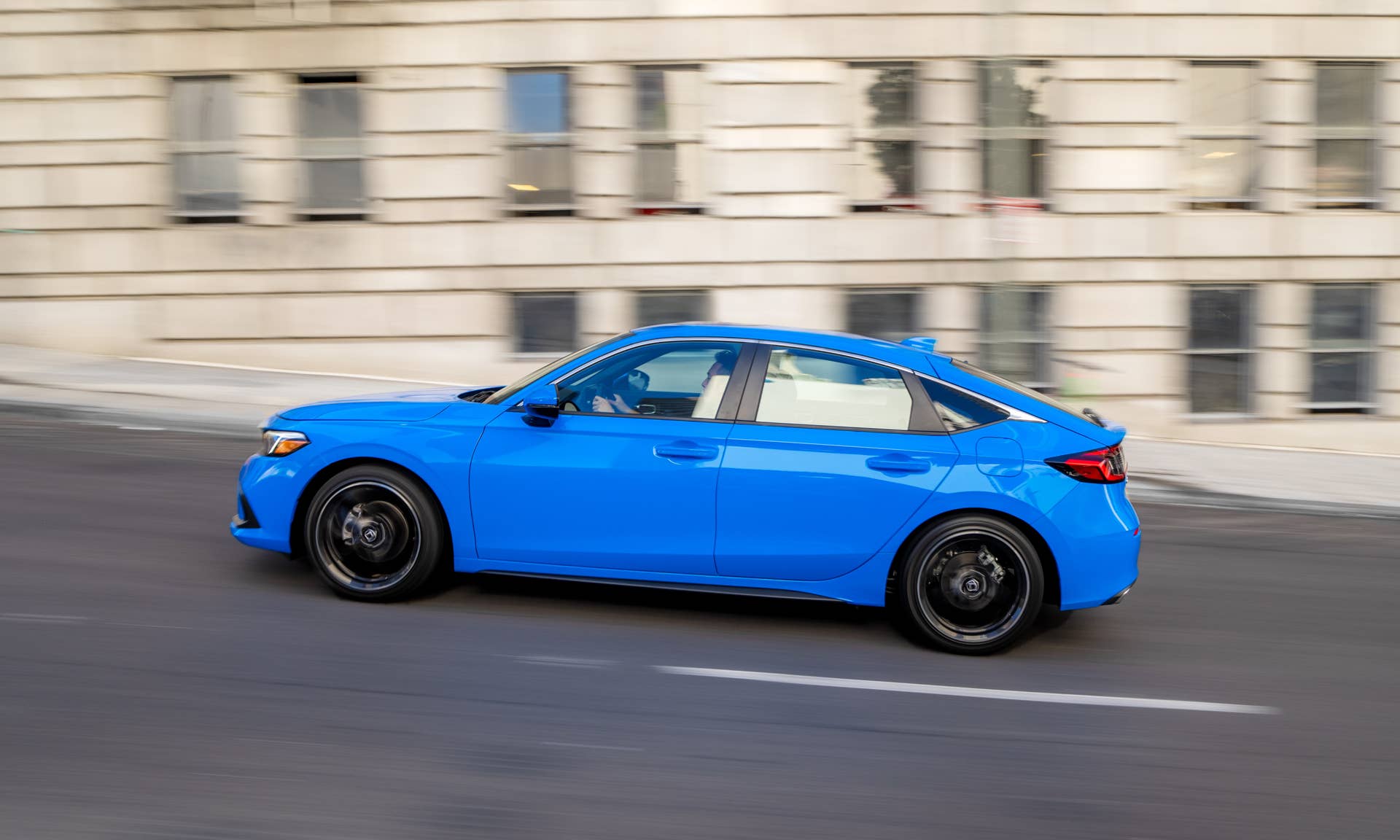
Honda does not offer AWD on the Civic Hybrid in any configuration. Front-wheel drive is it. If you live in the Sun Belt or a mild climate, this is irrelevant. If you live anywhere that sees regular snow and you refuse to buy winter tires, the Prius is the only hybrid in this comparison that can accommodate your stubbornness. Toyota made AWD affordable enough that it almost feels irresponsible not to check the box.
Honda
Appearance may be the deciding factor here
Civic Hybrid looks like a Civic, which in 2026 means it looks like a handsome, well-proportioned compact sedan or hatchback that will age gracefully and offend nobody. It blends into traffic. It parks at a restaurant without making a statement. Your neighbors will not know it is a hybrid unless you tell them, which is either a feature or a flaw, depending on how loudly you want your vehicle choices to announce your values.

Honda
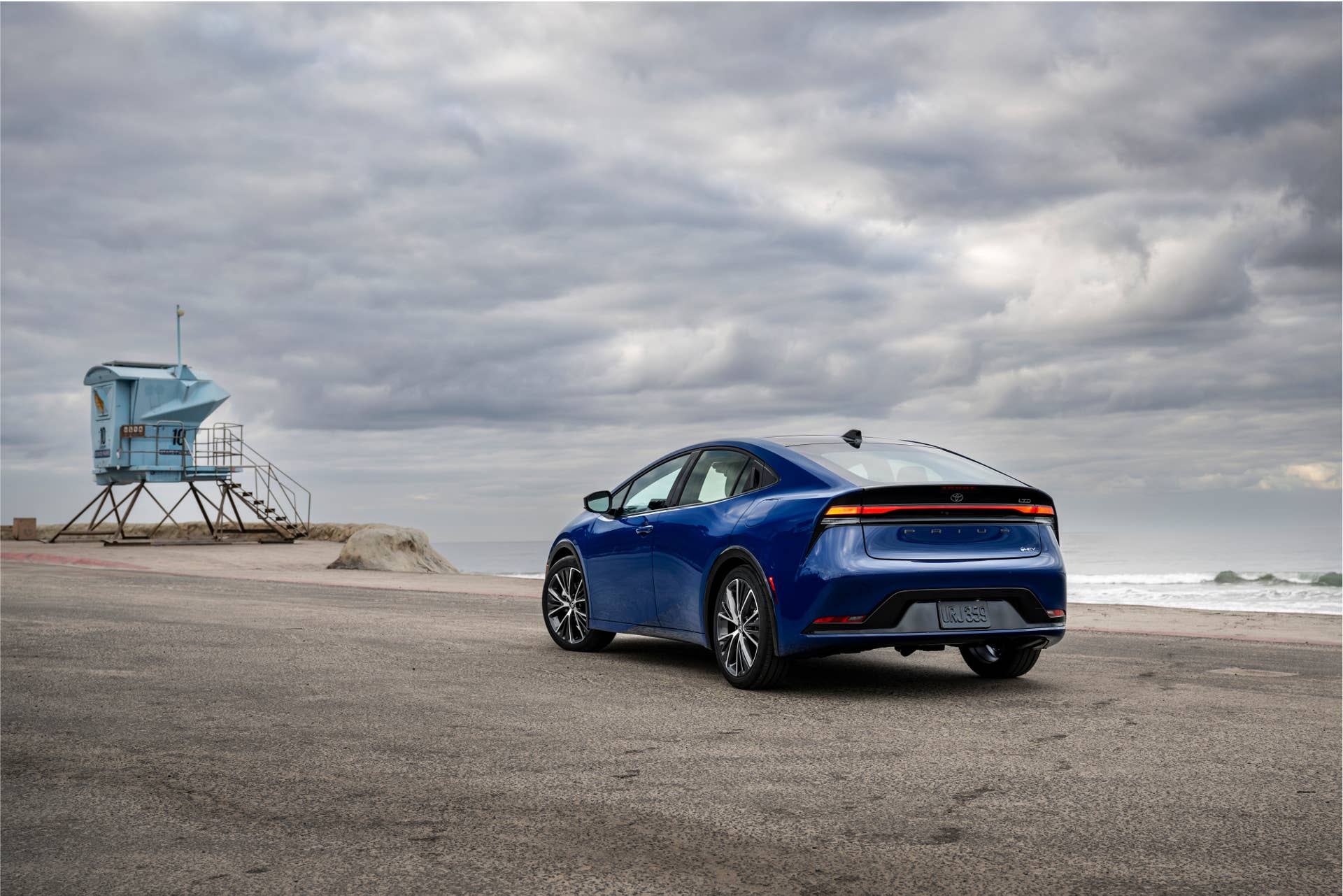
Prius looks like a Prius, which in 2026 means it looks like a spaceship designed by someone who watched too much anime and decided that aerodynamics should also be a personality trait. It is polarizing in the way that all confident design is polarizing: some people love it, some people hate it, and nobody ignores it. Toyota leaned into the wedge shape, sharp creases, and aggressive rear haunches, making the previous generation look timid. Whether that appeals to you is a question only you can answer, but the Prius will never be accused of playing it safe.
The bottom line
Buy the Civic Hybrid if you want a compact hybrid that drives like a proper car, looks like a proper car, and happens to return 49 mpg while producing more horsepower than the sport model it spiritually replaced. Buy the Prius if you want maximum efficiency at 57 mpg, available AWD, more cargo space, and the knowledge that your fuel bill will be the lowest of anyone in the parking lot. Both are light-years beyond the hybrids that preceded them. One just prioritizes the driving. The other prioritizes the math.
About the author

Kyle Edward
Editor-in-Chief, Autoblog