
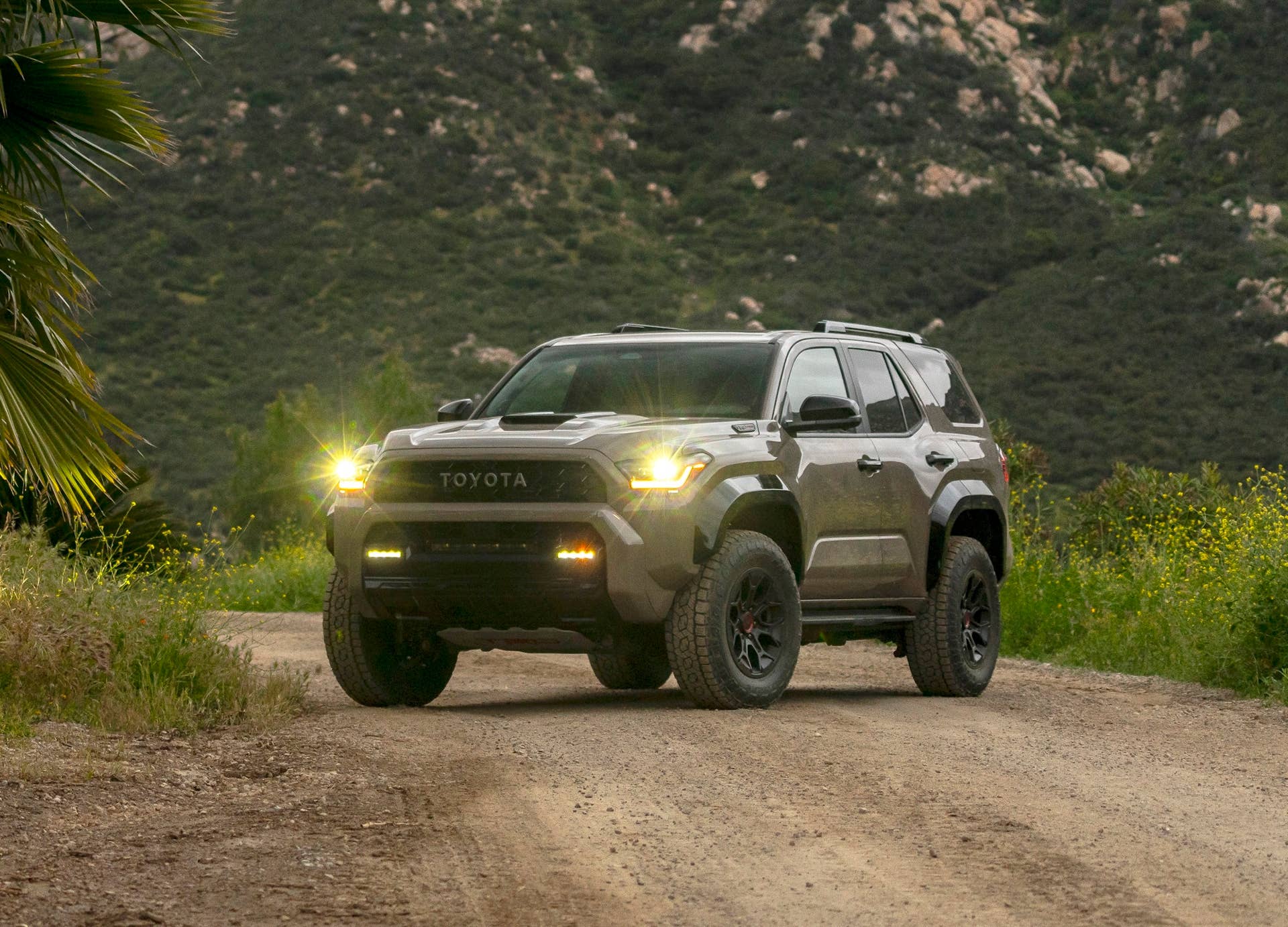
The 4Runner is an icon of off-road SUVs
After 15 years of rocking the same feature set, Toyota has finally revised the iconic 4Runner SUV, which shares its platform with the Toyota Tacoma, Tundra, Land Cruiser, and Sequoia.
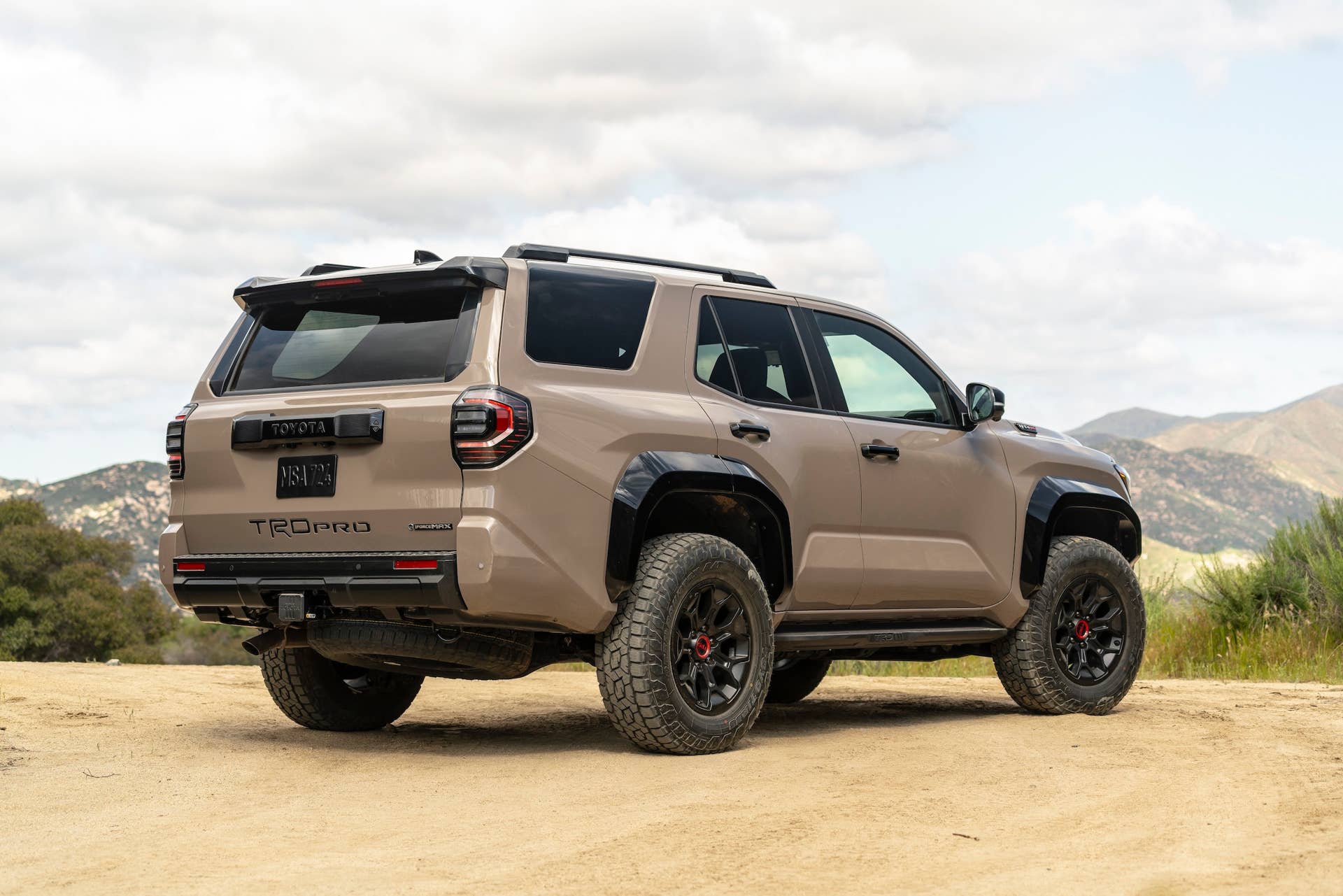
Each of the 4Runner’s trim levels is tuned for its own specific purpose. The TRD Sport is tuned for a more responsive feel, while the TRD Off-Road provides extended wheel travel, greater heat dissipation, and increased damping force. The TRD Pro is made for high-speed off-road performance, while the Trailhunter is tweaked for off-road control. And, as you might expect, the Limited and Platinum trims’ adaptive variable suspension make for a smooth on-road ride.
Toyota
Power comes from a turbocharged 2.4-liter four-cylinder that produces 278 horsepower and 317 pound-feet of torque, which is more than the outgoing V6. You can also opt for the more powerful hybrid, which mates a 2.4-liter turbocharged engine with a 48-horsepower electric motor for 330 horsepower and 415 pound-feet of torque. An 8-speed automatic transmission is standard, and towing capacity is rated at 6,000 pounds. Rear-wheel-drive is standard, but a full-time four-wheel drive system with a two-speed transfer case is optional.
Toyota
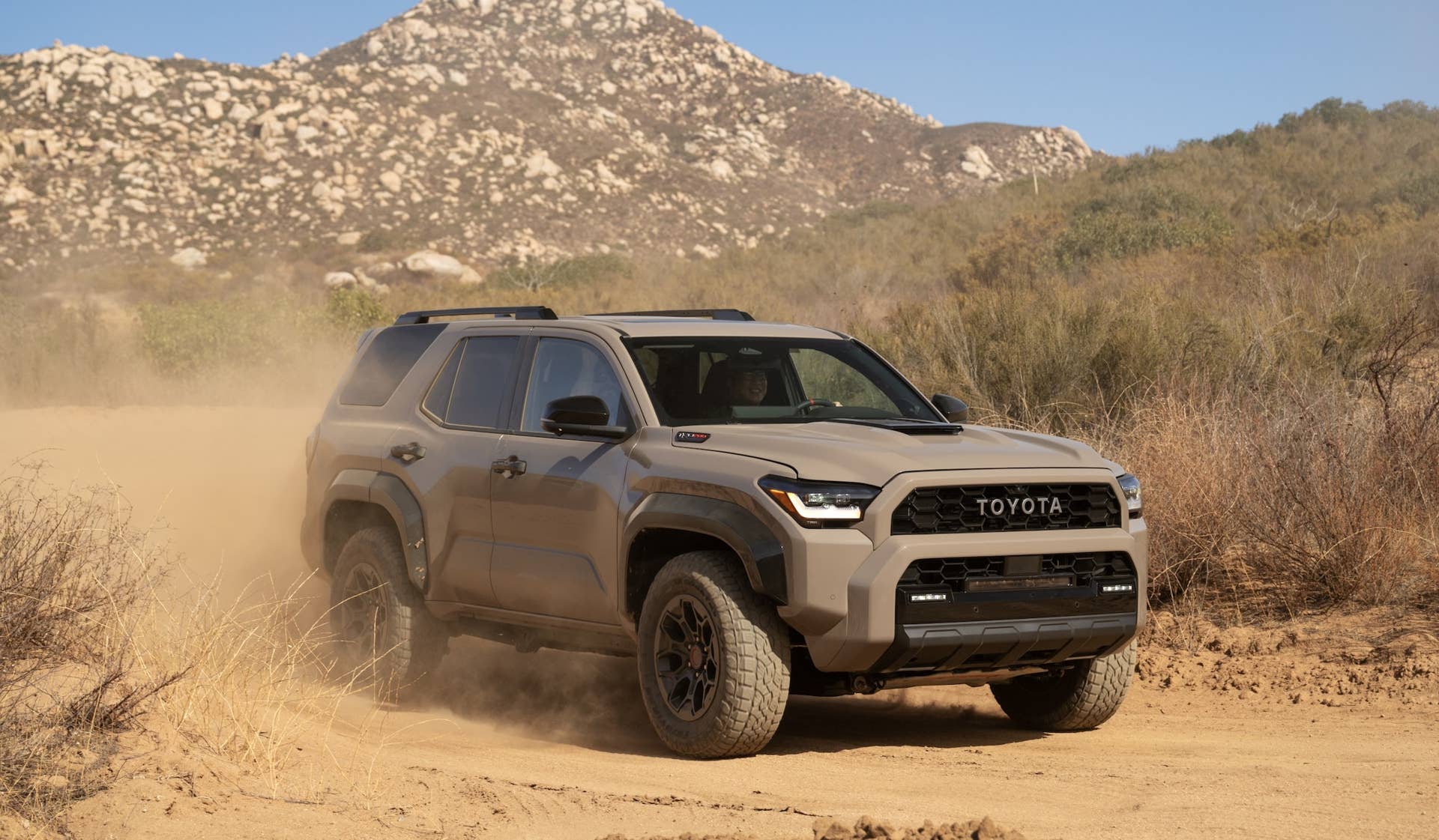
The 2025 Toyota 4Runner’s approach angle ranges from 18 to 33 degrees, its departure angle is between 22 and 24 degrees, and its breakover angle spans between 23 to 24 degrees, depending on the trim level. The same is true of ground clearance, which ranges from 8.1 to 10.1 inches.
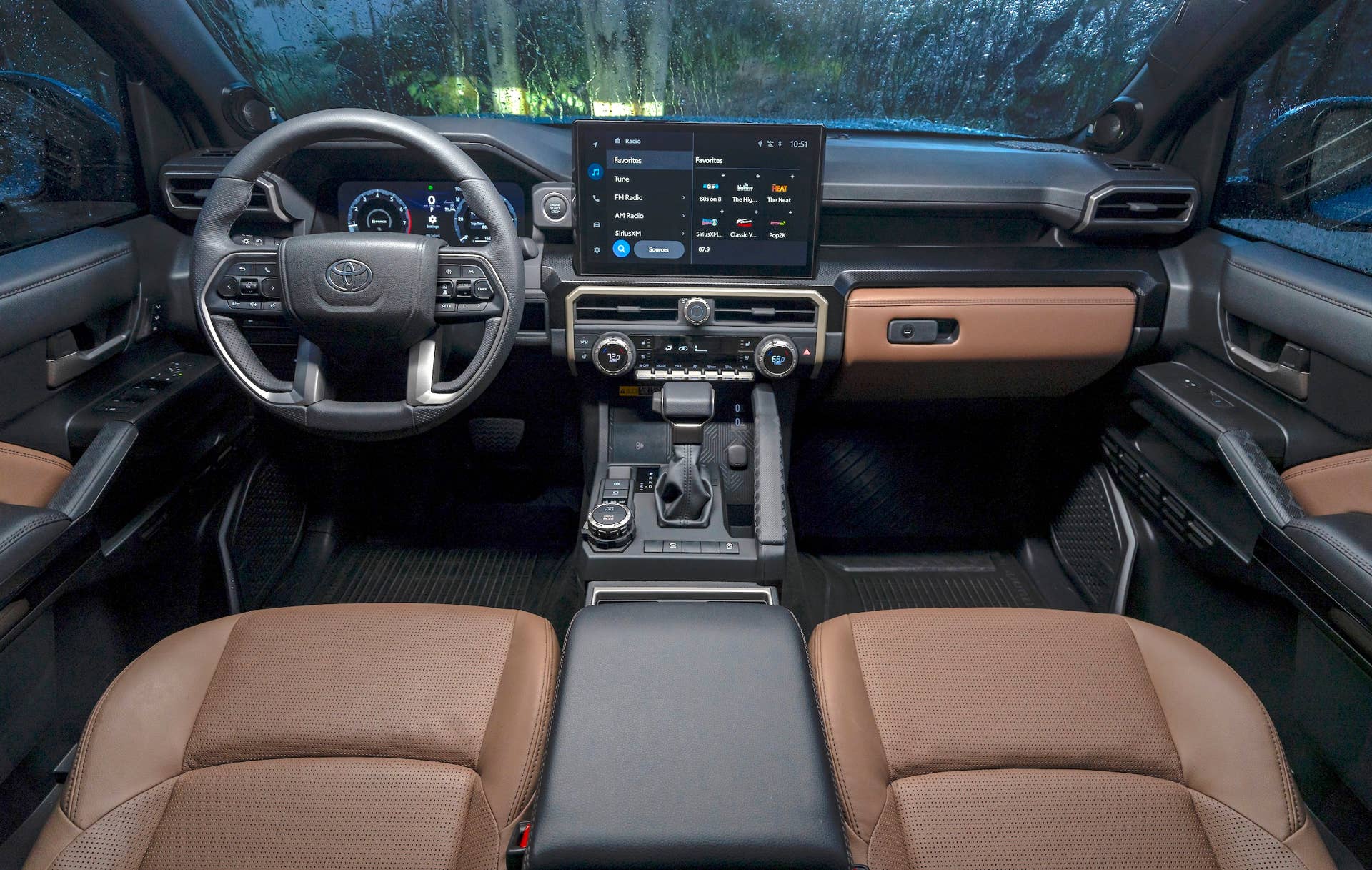
Inside, you’ll find an instrument panel that mimics the Tacoma’s and includes a standard 8-inch infotainment touchscreen along with wireless Apple CarPlay, Android Auto, and a digital key. A 14-inch infotainment touchscreen and a 12.3-inch digital instrument cluster are optional. Unlike some of its competitors, the roof and doors are fixed, but the 4Runner is offered with three rows, although the optional third row is best suited for adults you despise. Cargo space with the third row is a mere 12 cubic feet, expanding to 45 cubic feet without it.
Toyota
The 4Runner’s lack of pretense makes the lower trim levels a more natural fit than its haughty Limited or Platinum trim. That said, its on-road ride is better than before without affecting its off-road agility. Still, you might wonder what other boulder-bashing SUVs are like. Here’s a sampling.
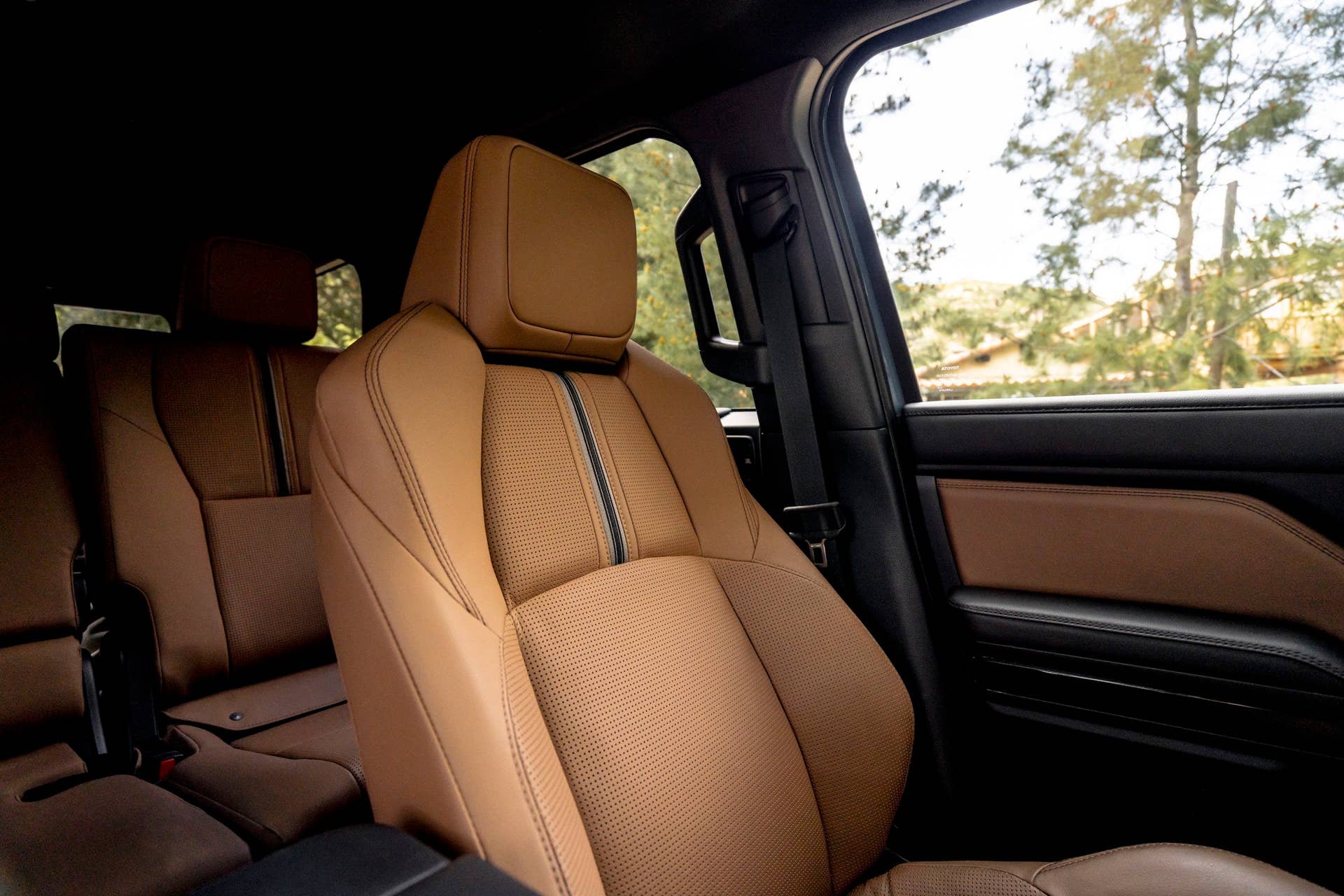
Toyota Land Cruiser
One of the 4Runner’s chief rivals comes from the same automaker. The Land Cruiser, which shares the 4Runner’s platform, hybrid driveline, eight-speed automatic transmission, and infotainment systems, is rated at 326 horsepower and 465 pound-feet of torque, making the two nearly equal in performance. The Land Cruiser’s towing capacity is identical to the 4Runner’s at 6,000 pounds.
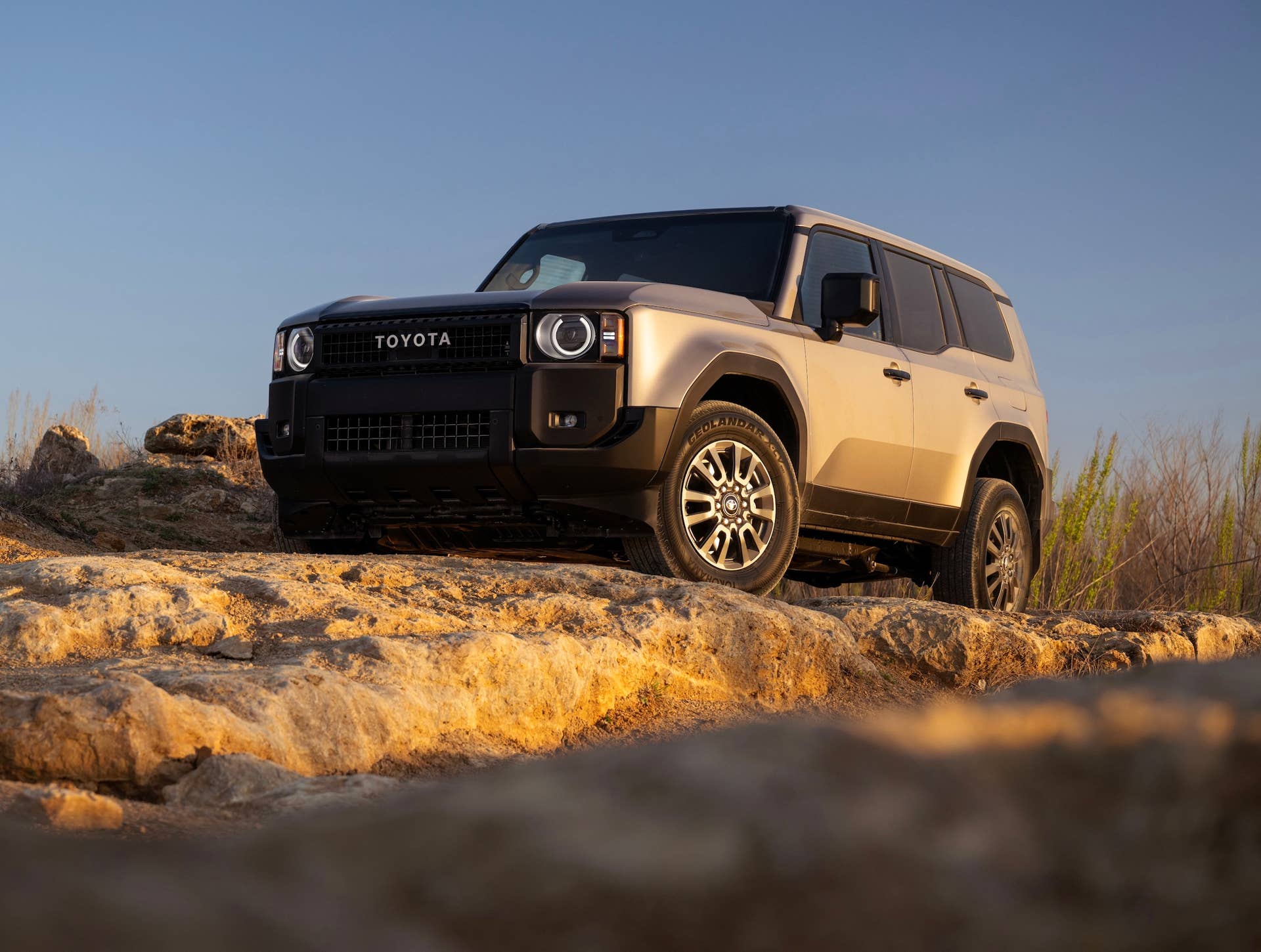
Toyota
As you might expect, the Land Cruiser comes with standard locking center and rear differentials, rear coil springs, full-time four-wheel drive, a two-speed transfer case, and a brake controller. It provides a 31-degree approach, a 25-degree breakover, and a 22-degree departure angle. Ground clearance is 8.7 inches, which is less than some 4Runners, and 27.6 inches of water fording.
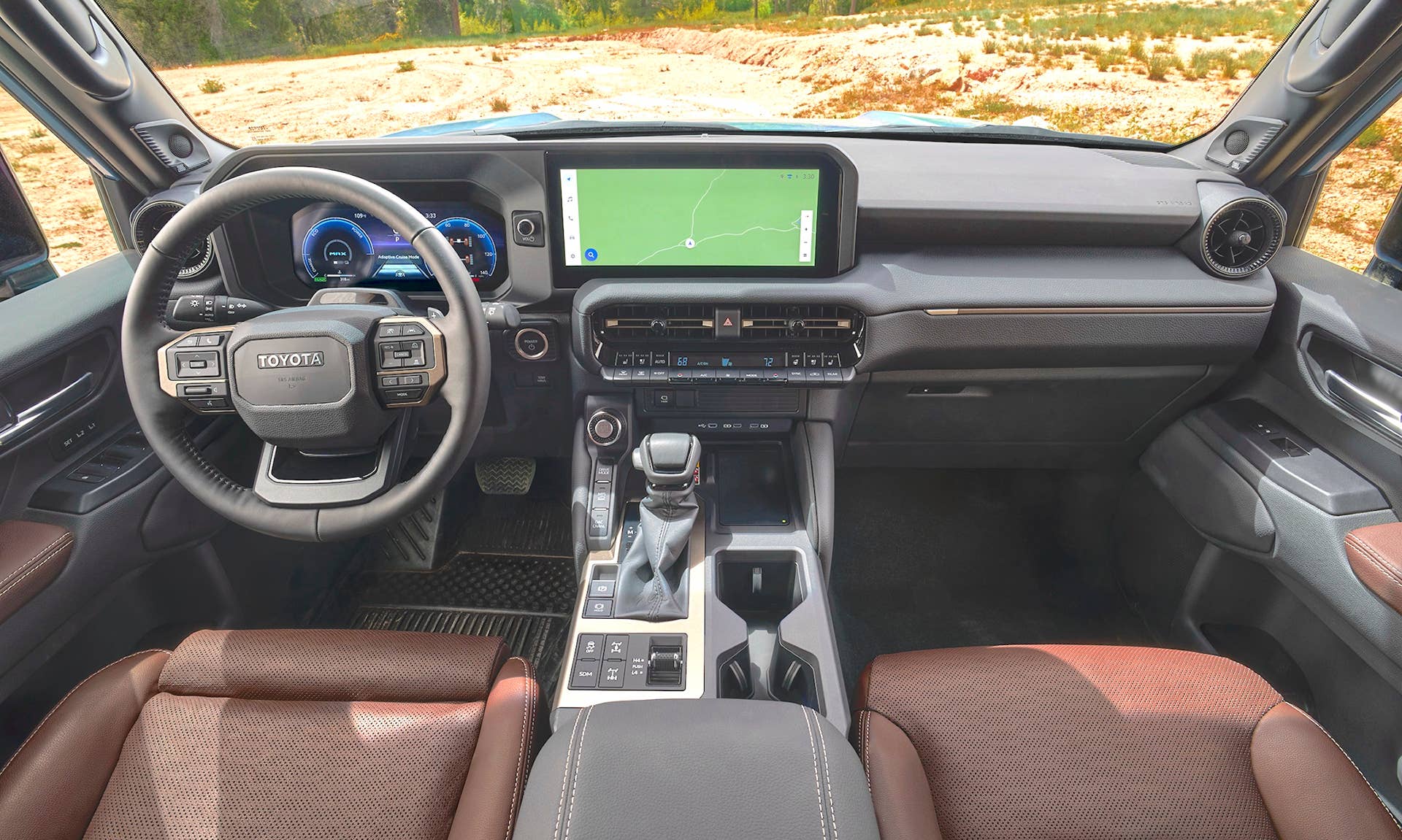
Toyota
Off-road work is a snap, with a throttle that’s easy to modulate. Nevertheless, the steering has a surprising lack of precision, causing constant cranking of the wheel off-road. Its ride is far more civilized on-road than the 4Runner’s, and its cabin feels roomier, with a higher roofline and 38-82 cubic feet of cargo space. Still, its posher trim seems better suited than it does on the 4Runner, but you’ll pay more to get it.
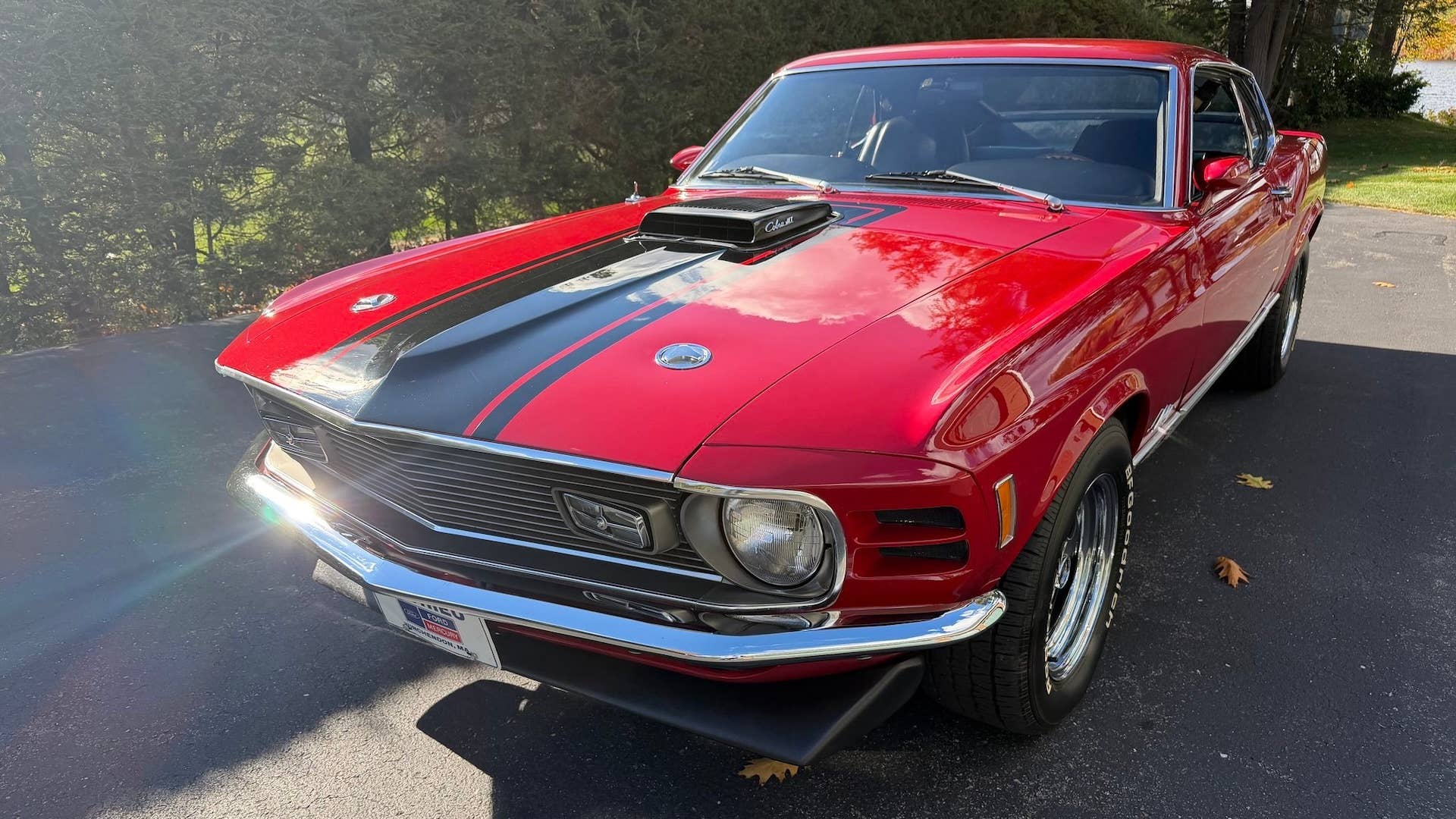
Ford Bronco
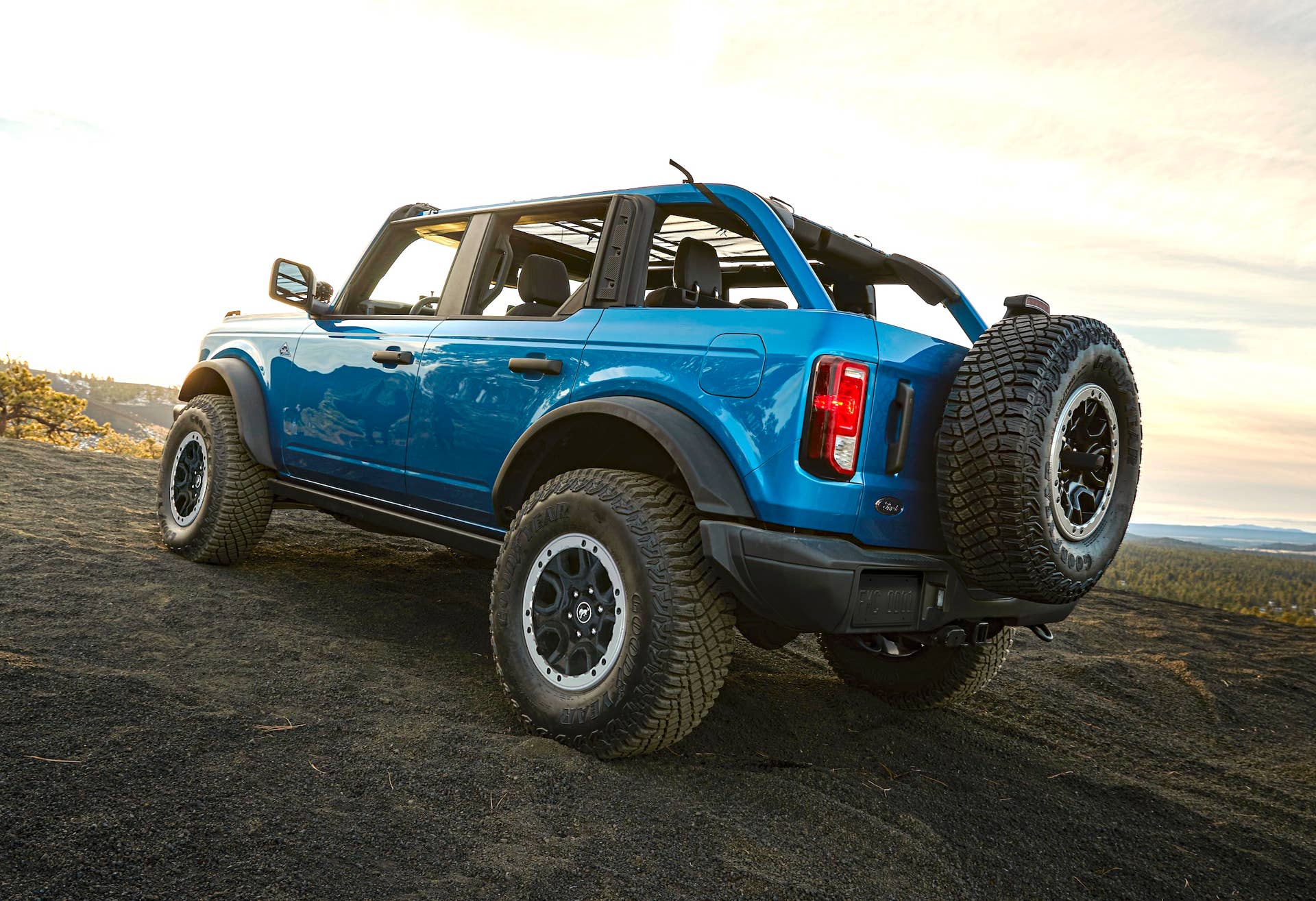
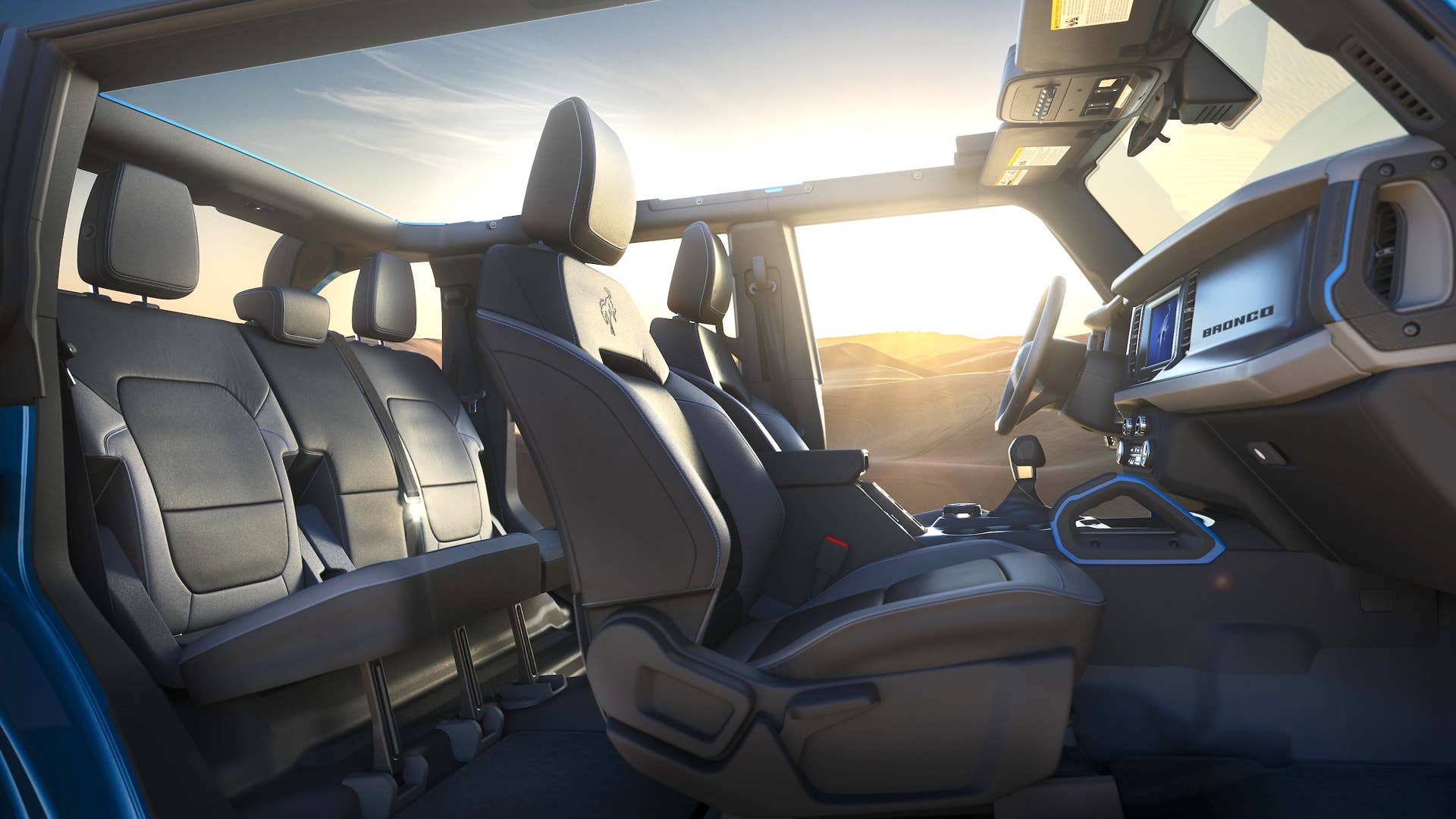
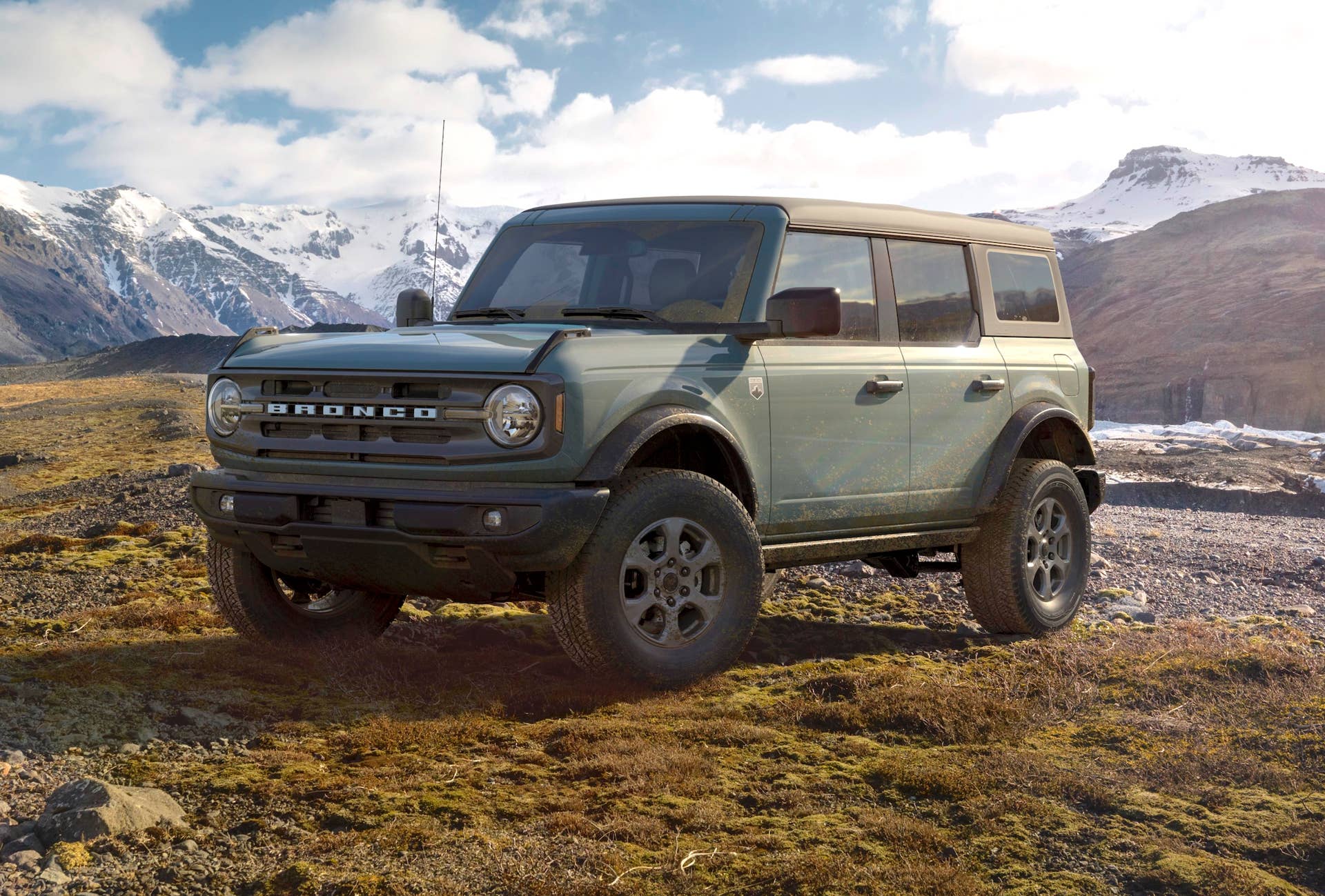
The Bronco is the top of the pops when it comes to off-roaders, offering chops on the trail and civility on the tarmac. Challenging the Jeep Wrangler for off-road supremacy, the Bronco follows its playbook by offering two or four doors, soft tops or hardtops, and removable doors and roof panels. Four-door Broncos have enough space to store all four doors onboard, and cabins can be trimmed in rubberized flooring and marine-grade vinyl.
Ford
A 2.3-liter four-cylinder engine and a seven-speed manual transmission are standard, while a 10-speed automatic is optional. The standard four-cylinder makes 300 horsepower and can tow 3,500 pounds, but the optional 2.7-liter turbocharged V-6 is rated at 330 horsepower and is paired with the automatic. Broncos come with an electronic 4×4 system, a two-speed electronic shift-on-the-fly transfer case, as well as seven G.O.A.T. Modes (an acronym for Goes Over Any Terrain). An optional 4×4 system features a two-speed transfer case with automatic gear selection. Opting for it and the manual transmission brings a crawler gear ratio of 94.75:1, dropping to 67.8:1 with the automatic. The Ford Bronco boasts an approach angle of 43.2 degrees, a breakover angle of 29 degrees, and a departure angle of 37.2 degrees. Ground clearance is a substantial 11.6 inches and, depending on trim, 36.4 inches of water fording.
Ford
The Bronco’s 12-inch infotainment screen has more than 1,000 curated trail maps and a 360-degree camera that includes off-road spotter views. It also offers storage space, with the two-door offering 22-to-52 cubic feet and the four-door providing 38-to-83 cubic feet. The only complaints are its noisy ride, much like the Jeep Wrangler, and a cabin festooned with cheap, hard plastic.
Ford
Jeep Wrangler
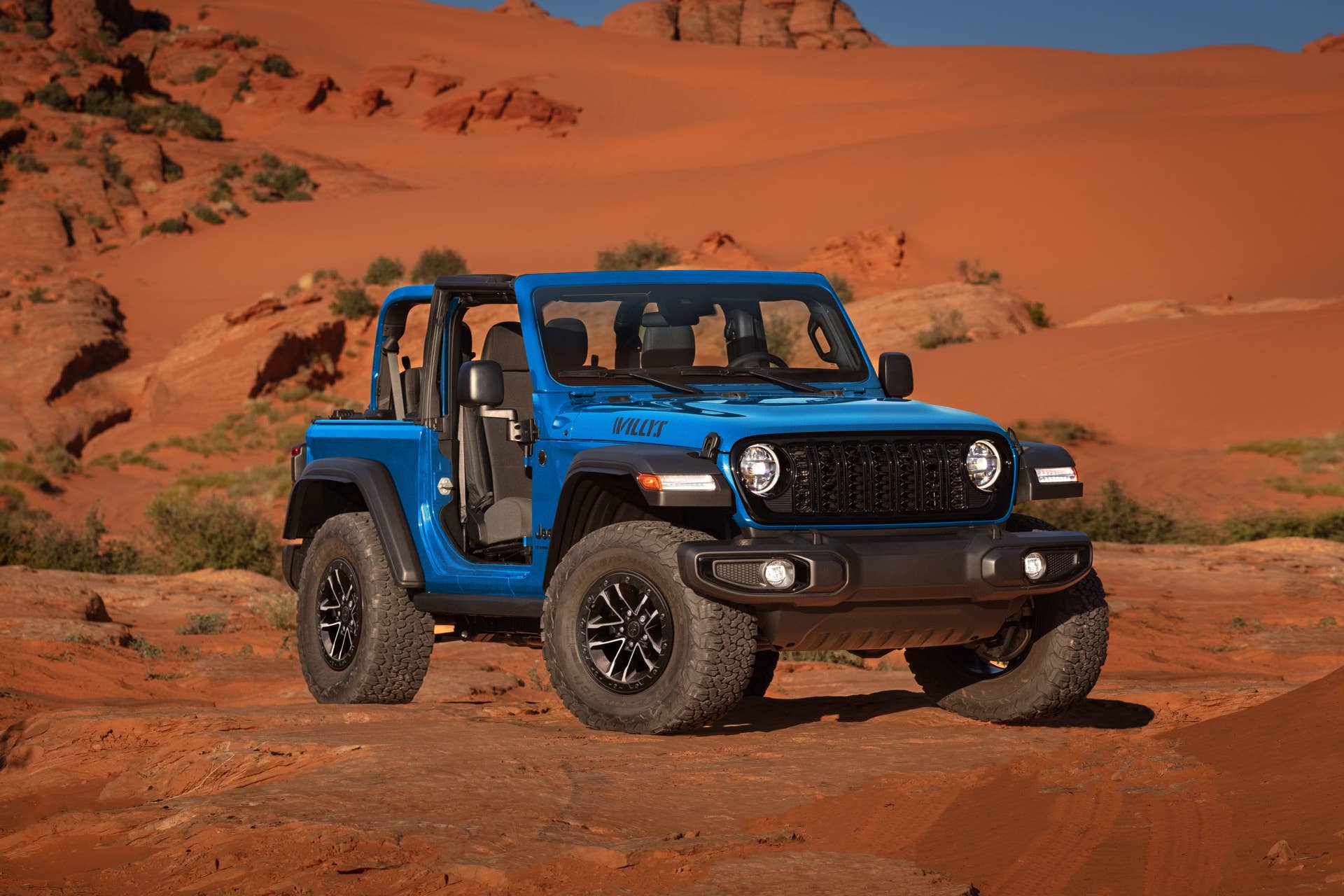
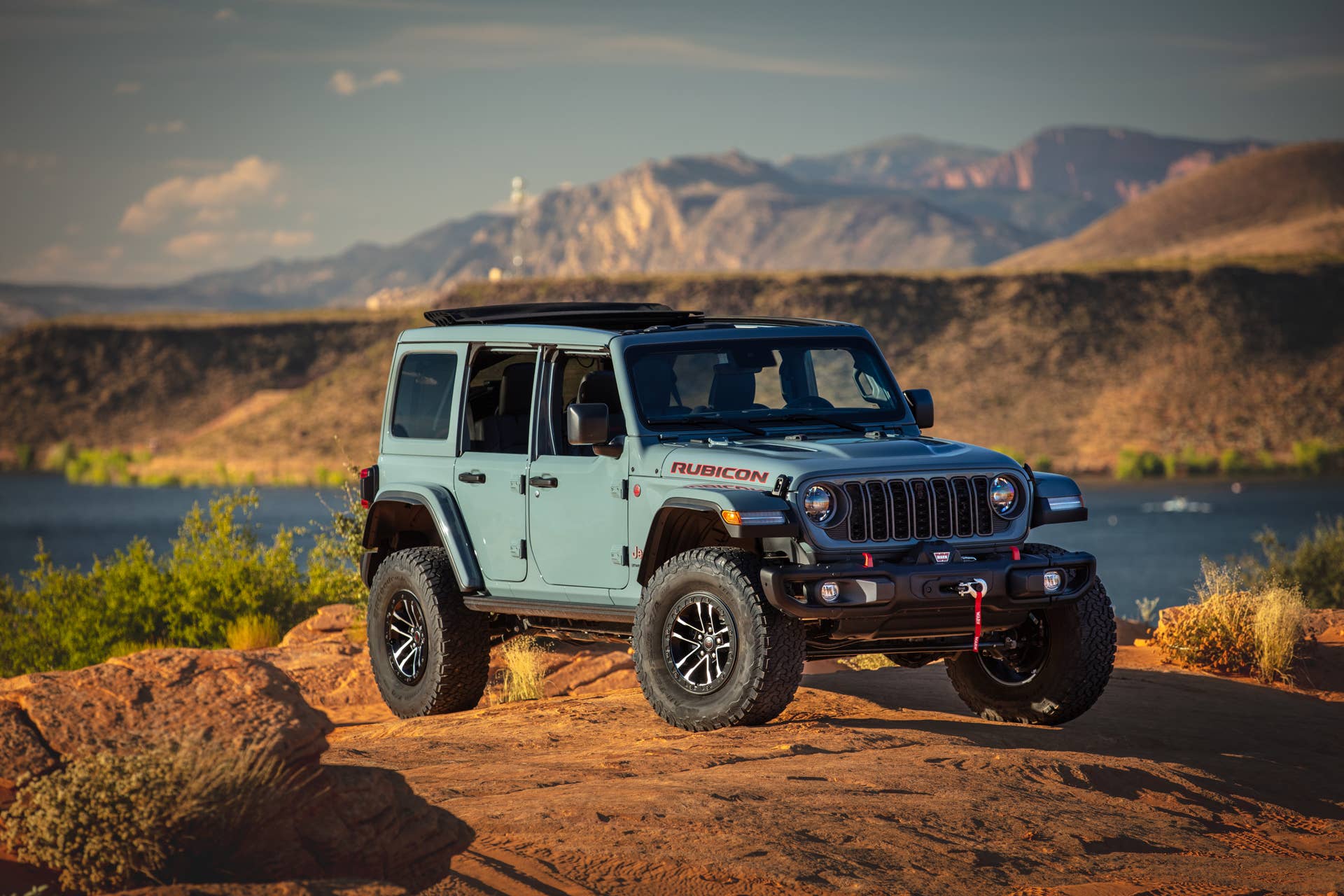
This is the descendant of the one the SUV that started it all. As such, it embraces a certain lack of sophistication that has long defined its personality as much as its go-anywhere ability. Almost every competitor offers a more refined driving experience, but the Wrangler gives them all a run for their money once the sidewalk ends. If the Bronco is a revival of what has been a belated icon, the Wrangler has been one since its birth.
Jeep
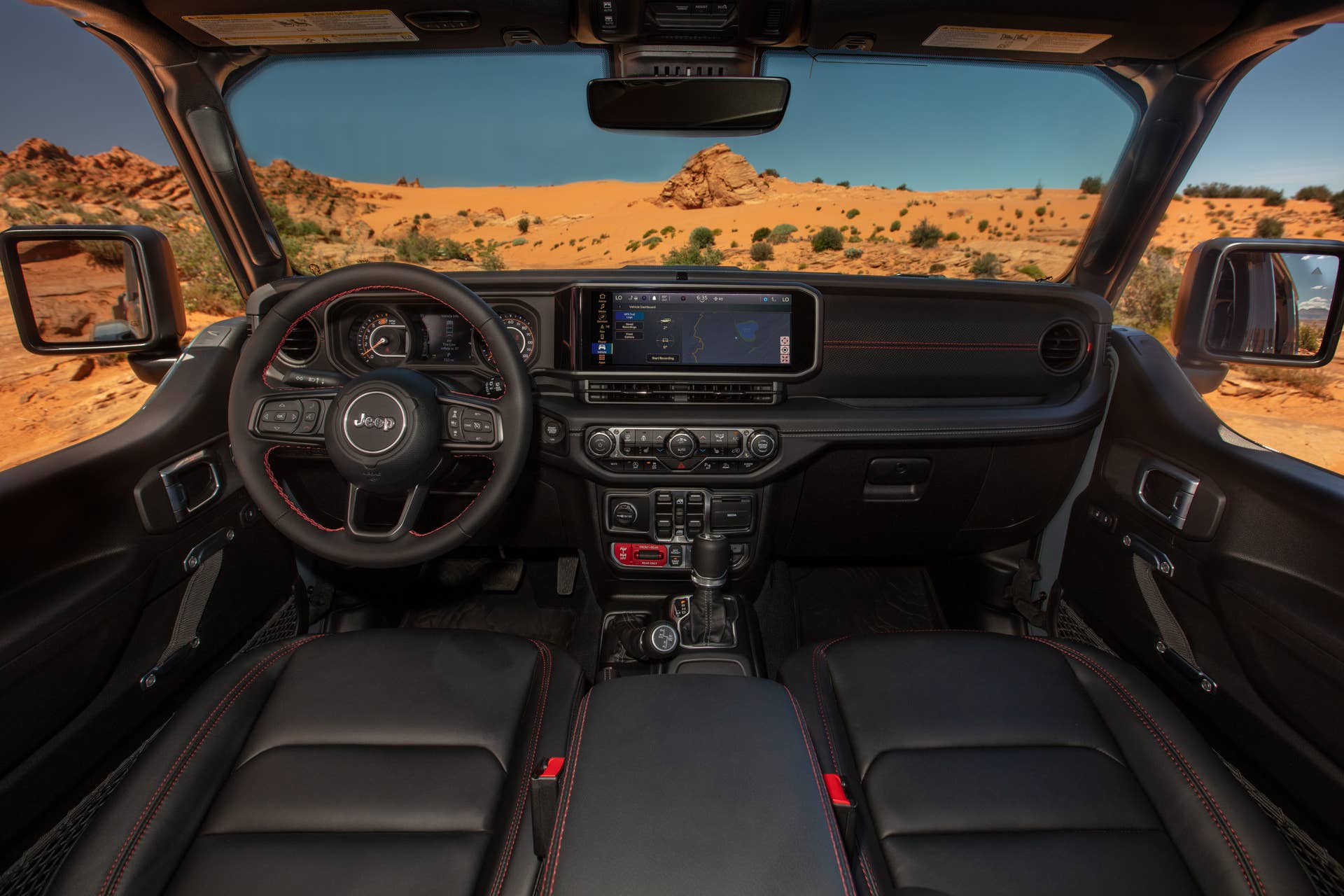
That doesn’t mean it lacks modernity. After all, it offers a 12.3-inch infotainment touchscreen with wireless Apple CarPlay and Android Auto as standard, but Trails Offroad trail guides are optional.
Jeep
The Wrangler offers the widest array of powertrains of this bunch. A 285-horsepower 3.6-liter V-6 pairs with a six-speed manual or optional eight-speed automatic transmission, while a 270-horsepower 2.0-liter turbocharged inline four-cylinder couples to the automatic. There’s also a 470-horsepower 6.4-liter V-8 Hemi engine and a 375-horsepower 4xe plug-in hybrid that delivers 21 miles of all-electric range. It employs front and rear solid axles and available electronic lockers, a full-float Dana rear axle, a factory-installed 8,000-lb.-capacity Warn winch, and an incredible maximum crawl ratio up to 100:1.
Jeep
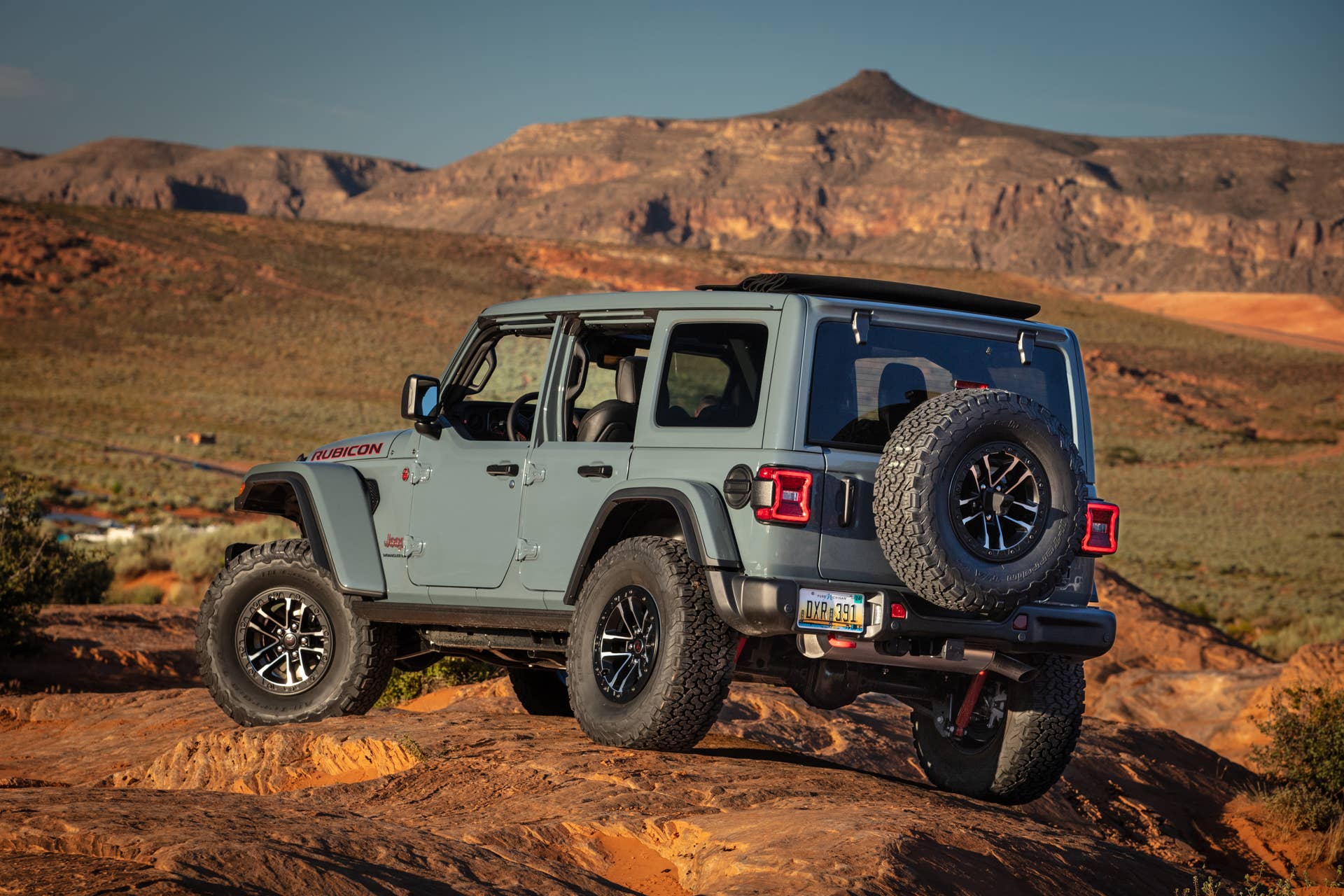
Pop for the Rubicon and Willys models with the Xtreme 35 Tire Package, and you’ll get a 47.4-degree approach, 32.4-degree breakover, and 40.4-degree departure angle. Ground clearance is 12.9 inches, while water fording is rated at 34 inches.
Jeep
With two or four doors, soft tops or hardtops, and removable doors and roof panels, the Wrangler lacks the space, comfort, and on-road refinement of its competitors. But its decades of off-road refinement, along with a plethora of powertrain choices and a smattering of convenience features, make this tempting choice for buyers whose only thought is to drive a World War II veteran. This explains its turbulent ride and vague steering, making the 4Runner or Land Cruiser seem like paragons of precision. On-road, its handling is a pure truck. Off-road, it’s legendarily good.
Final thoughts
All four vehicles offer the sort of extreme off-road capability to suit any enthusiast. The question becomes which favor do you prefer. The Wrangler is definitely the most trucklike, while the Land Cruiser is the most refined. The Bronco and 4Runner fall somewhere in the middle, offering a bit of both worlds if you don’t want to fully dedicate to either the luxurious off-road or the hardcore off-road crowd.
About the author

Larry Printz
Contributing Writer, Autoblog