
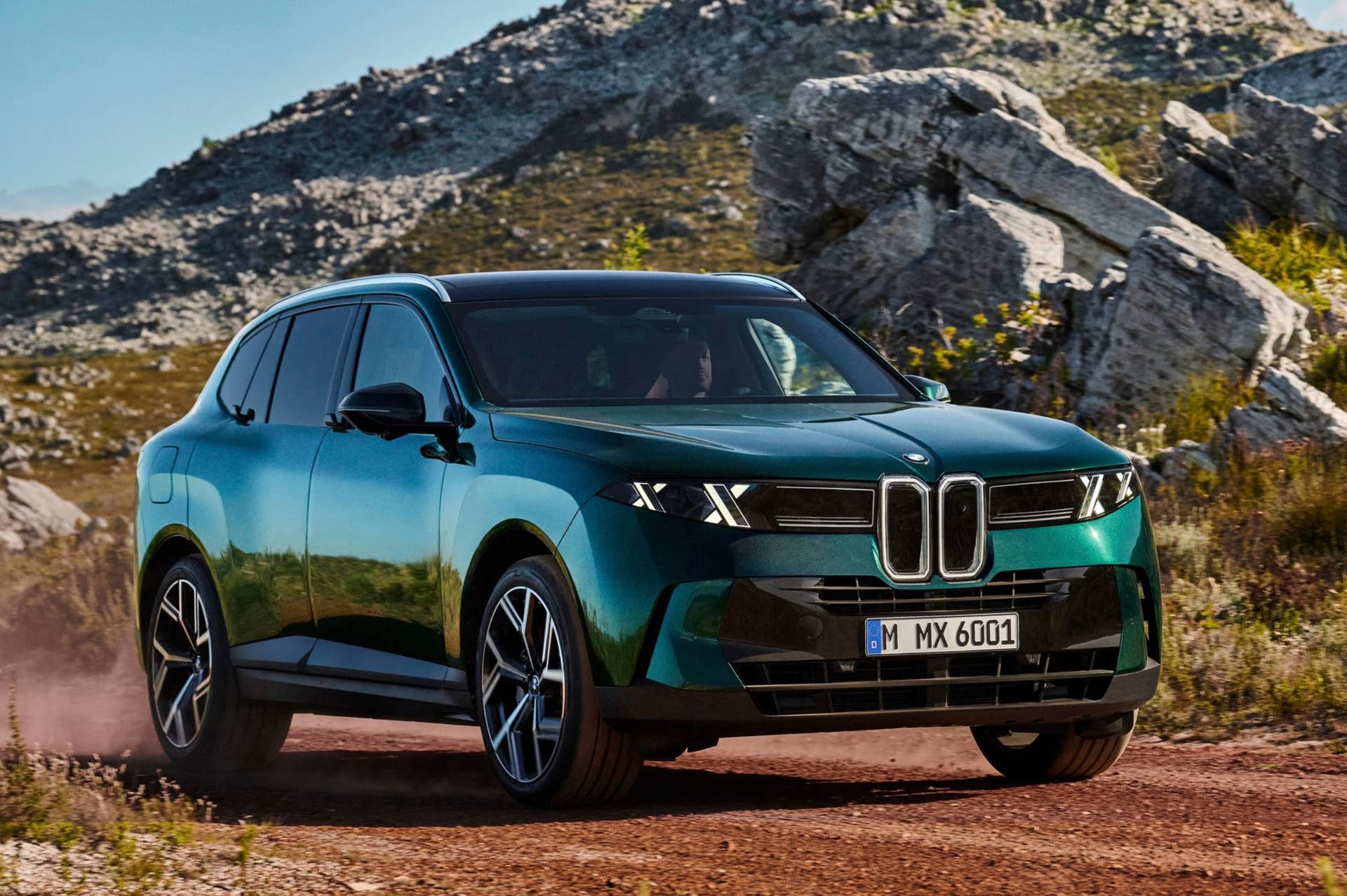
The fifth-generation 2027 BMW X5, its first all-electric sibling, the iX5, and the heavily reworked 7 Series all wear the brand’s Neue Klasse design and new tech. I drove them across Southern California on highways, back roads and city streets. I drove four: the X5 40 xDrive, the iX5 60 xDrive, the 740 and the i7 60 xDrive. Three of them were sporty and engaging. The fourth reminded me that physics still applies to luxury flagships.
The X5 Is Still the One to Beat
The X5 is BMW’s bread and butter, and the new one drives like it knows it. The X5 40 xDrive uses a 3.0-liter turbocharged inline-six with a 48-volt mild-hybrid system, good for 394 horsepower and 428 lb-ft of torque. That’s up 19 hp and 45 lb-ft over the outgoing model, and BMW quotes 0-60 mph in 5.1 seconds.
BMW USA
On the road it’s sporty and engaging in a way many midsize luxury SUVs aren’t. It’s planted on the highway, eager on back roads and very smooth around town. Standard adaptive suspension and near 50:50 weight distribution do a lot of the work.
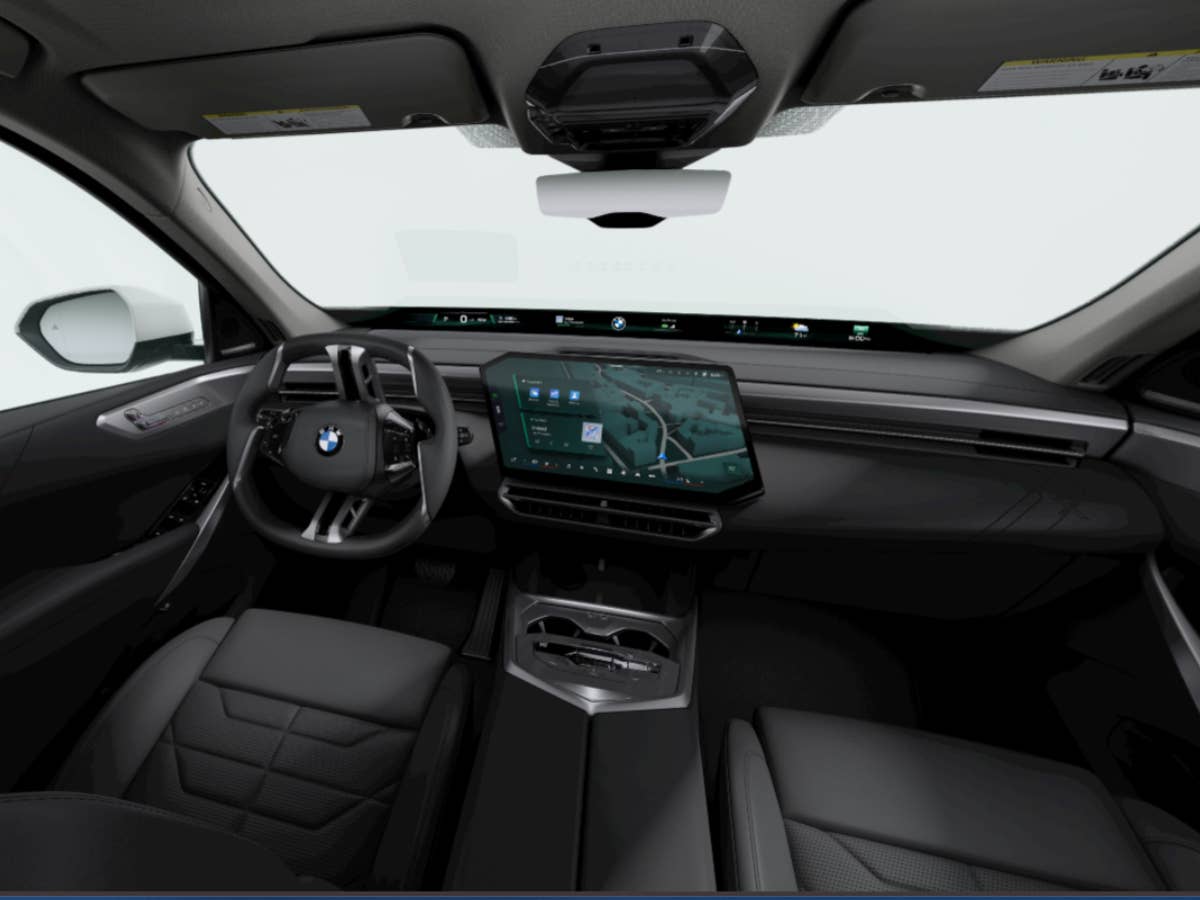
The cabin is the bigger leap. The wheelbase grows 2.4 inches and rear legroom grows nearly 3 inches. The dash pairs a 17.9-inch touchscreen with BMW’s new Panoramic iDrive display, which is projected across the base of the windshield. I love it. Key info sits right in your sightline, and it makes the old twin-screen layout feel dated instantly.
BMW
The iX5 Makes the Case for Going Electric
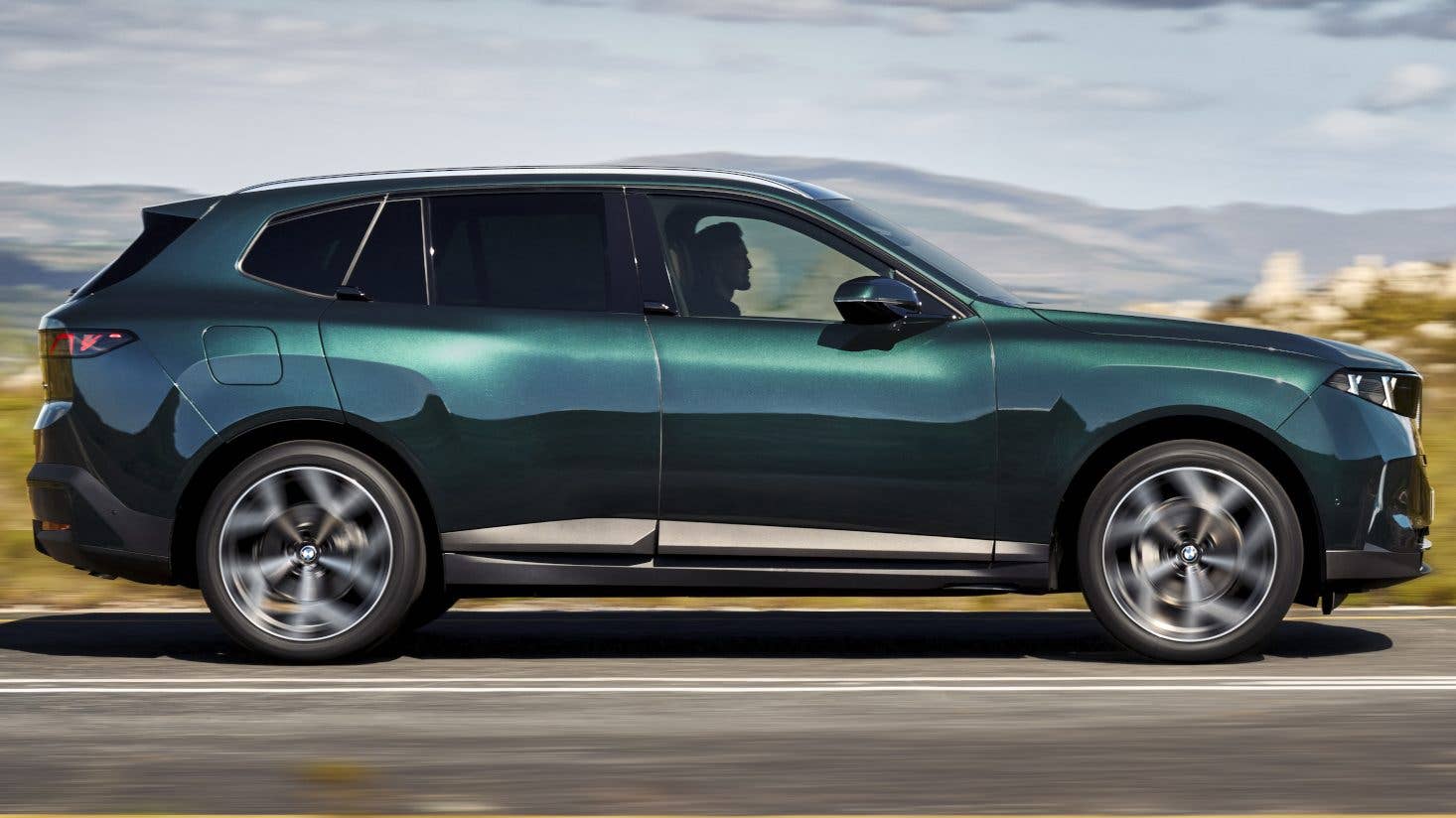
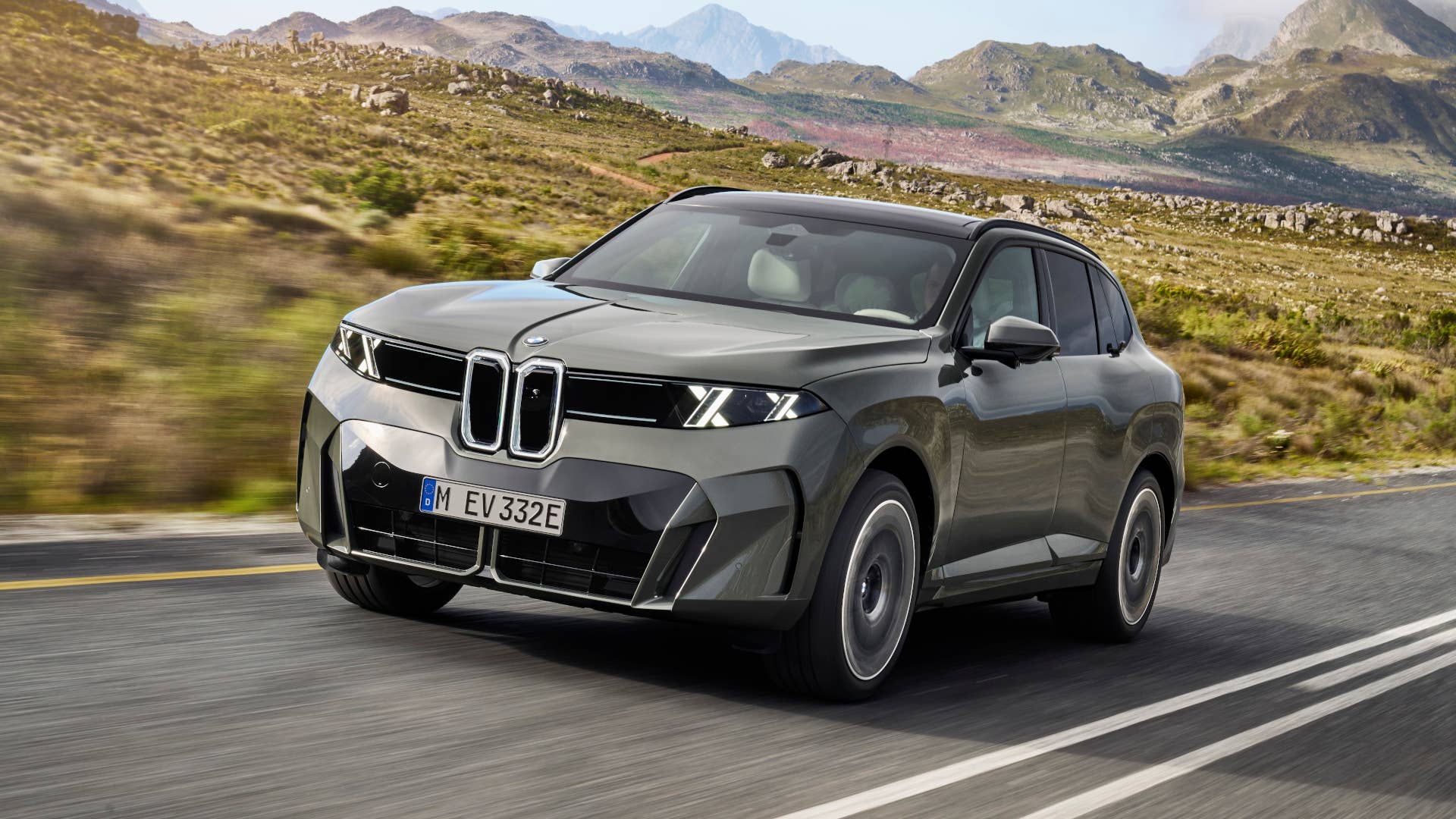
The iX5 60 xDrive is the first fully electric X5, and it doesn’t drive like a science project. Dual motors make roughly 575 hp and 593 lb-ft, and its 144-kWh usable battery is the largest BMW has ever fitted. BMW estimates up to 435 miles of range.
Like the gas X5, it’s sporty, engaging and very smooth. It shares the same cabin and the same projected display, so moving between the two feels seamless. The 800-volt system supports DC fast charging at up to 460 kW, with 10% to 80% in about 22 minutes under ideal conditions, and a NACS port means Tesla Superchargers are on the table. It starts at $81,250.
BMW
The 740 Is the Balanced Flagship
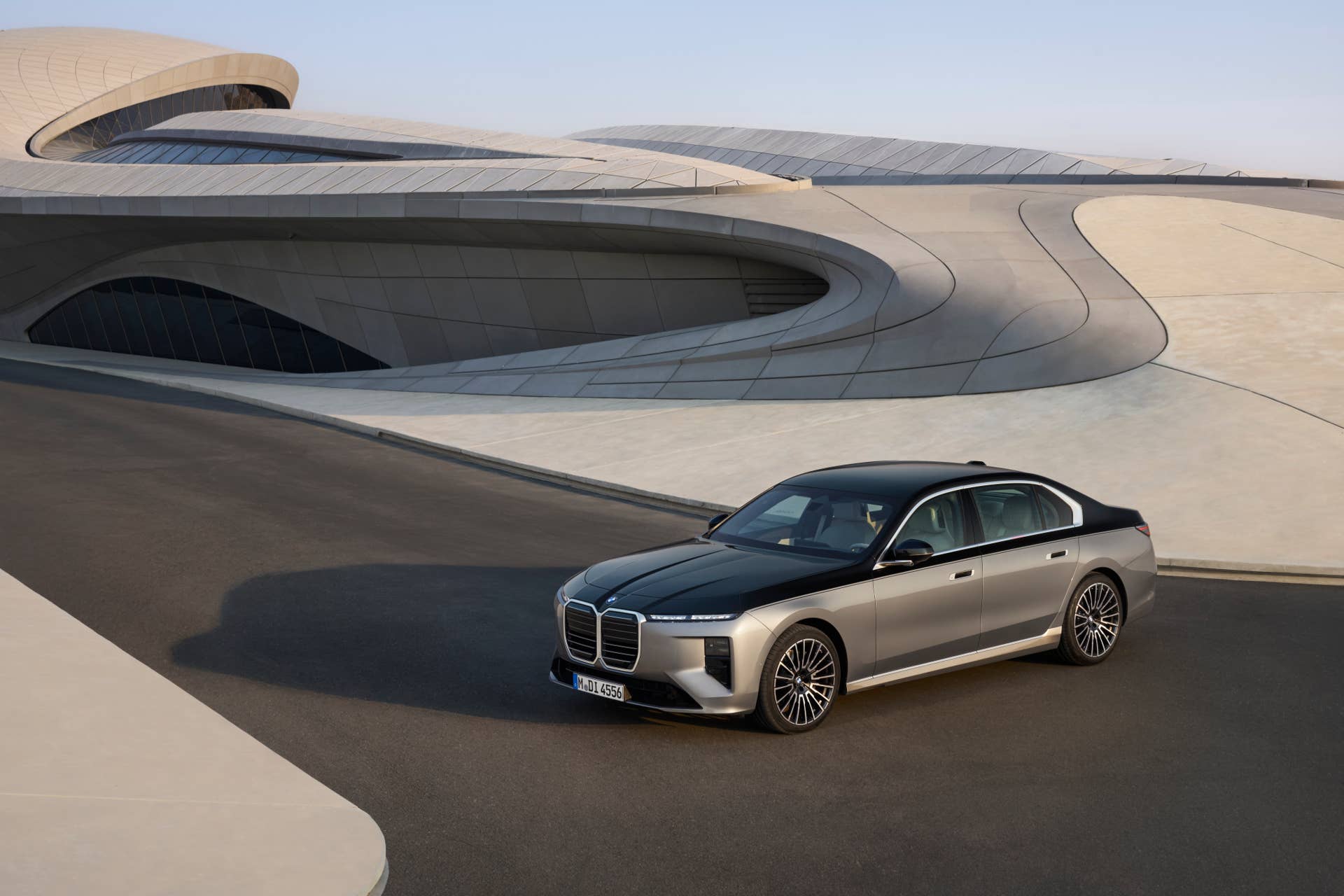
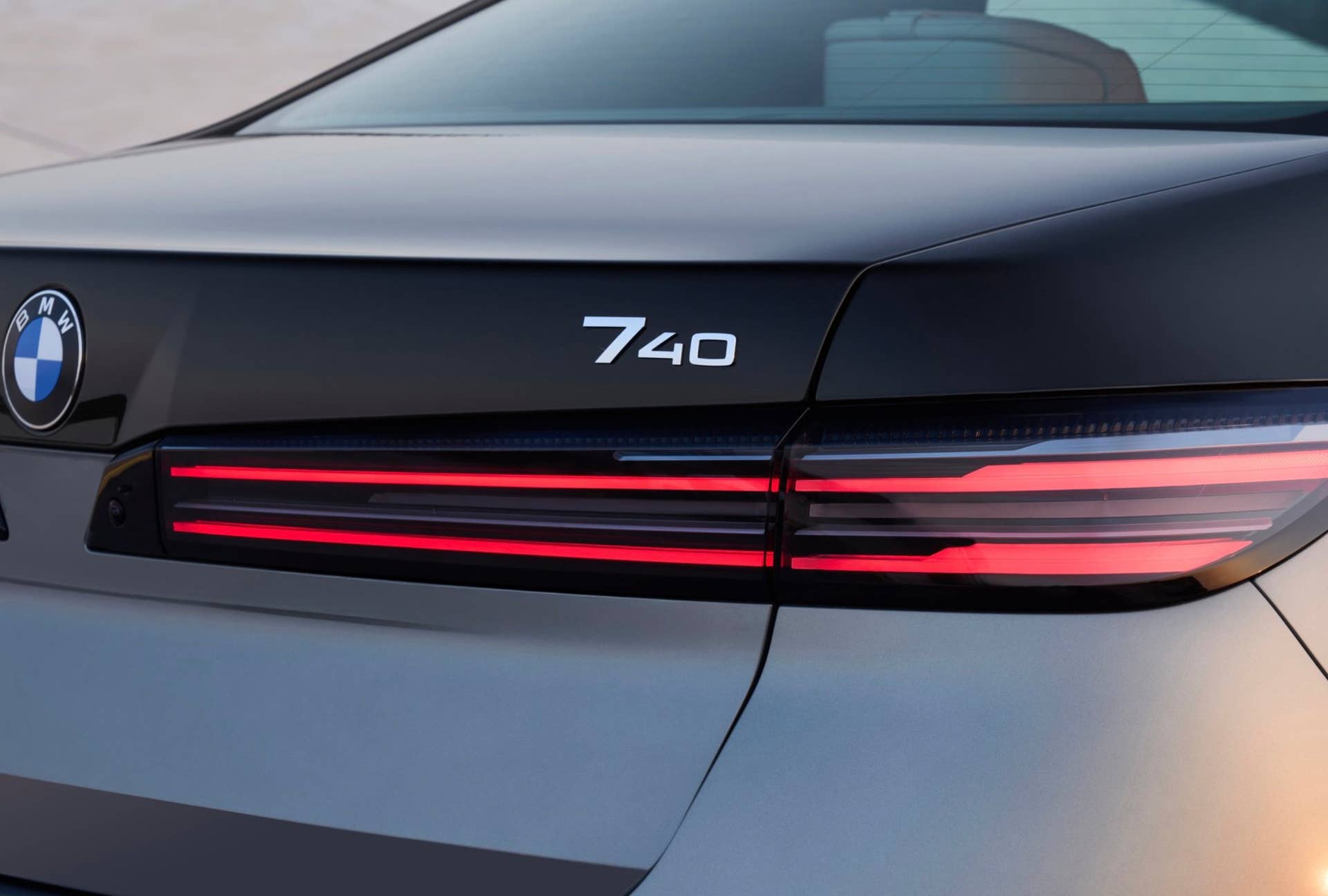
The refreshed 7 Series gets a flatter, cleaner face, a nearly all-new interior and the same panoramic display. The iDrive knob is gone, and climate controls now live on the 17.9-inch screen. Rear passengers can still get the 31-inch 8K theater screen. The 740 uses a 394-hp inline-six and starts at $101,350. It’s quiet, polished and smooth, yet it still feels composed and willing when the road bends. Of the two 7 Series models I drove, it’s the better-balanced car.
BMW
The i7 60 Feels Its Weight
The i7 60 xDrive is the outlier. On paper it’s impressive: 536 hp, a larger 112.5-kWh battery, up to 350 miles of estimated range and 250-kW charging. It’s also lovely inside and very smooth on the highway. But it’s heavy, and you feel it. The mass is obvious under braking, and in corners it carries its weight in a way the 740 simply doesn’t. It’s the least engaging of the four by a clear margin, and at $126,250 that’s worth knowing before you sign.
The Verdict
BMW’s new era starts on strong footing. The X5 remains a benchmark midsize luxury SUV, the iX5 is a convincing electric version of it, and the 740 delivers flagship comfort without feeling like a barge. The panoramic display is the star across all of them. Just know that if you choose the i7 60, you’ll feel every pound.
About the author

Kyle Edward
Editor-in-Chief, Autoblog