
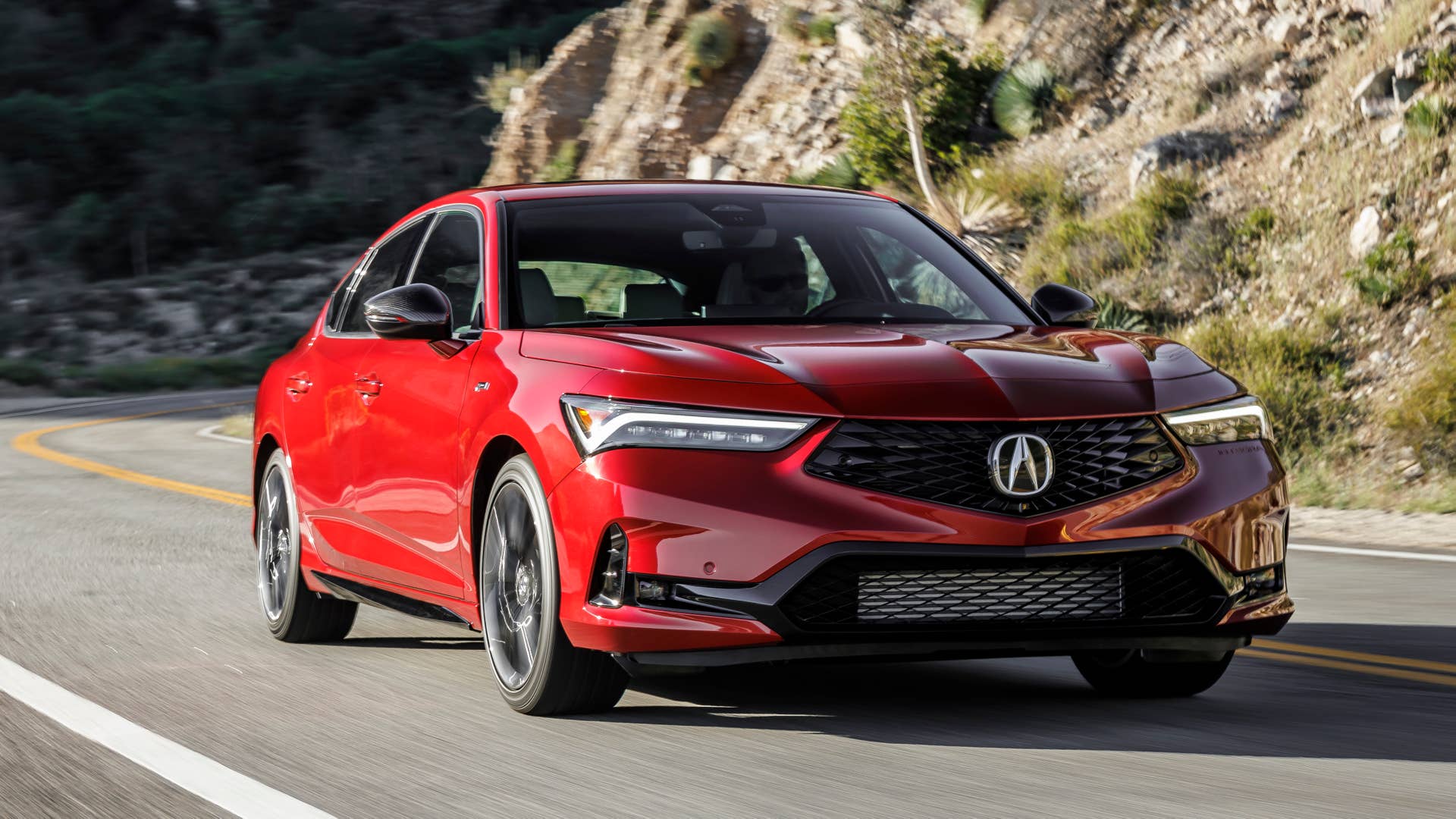
A fair battle all things considered
Most of you know that Acura is the luxury/performance brand from Honda. Interesting bit of history: among the spinoff brands from Japan (Lexus, Infiniti, and Acura), Honda was the very first to establish Acura back in 1986. The others came along about three years later. What many don’t know is that Mazda wanted a similar extension of their brand called Amati many years back. While that never materialized, the brand managed to move a bit upmarket. Now, many Mazda products are knocking on the door of higher-end Asian and European brands. At the same time, Acura is building more vehicles like the Integra and ADX that are tempting value-conscious consumers.
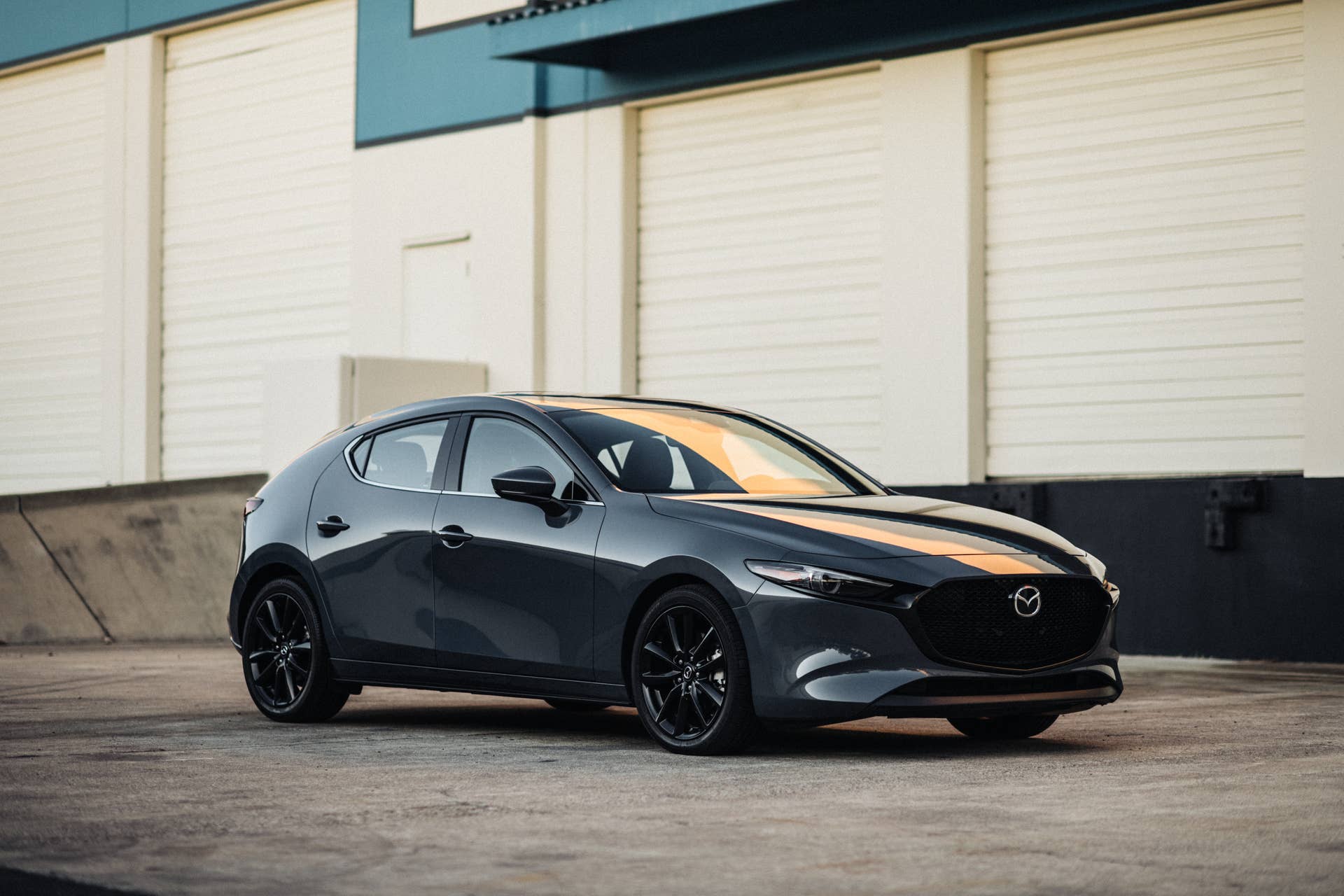
Mazda
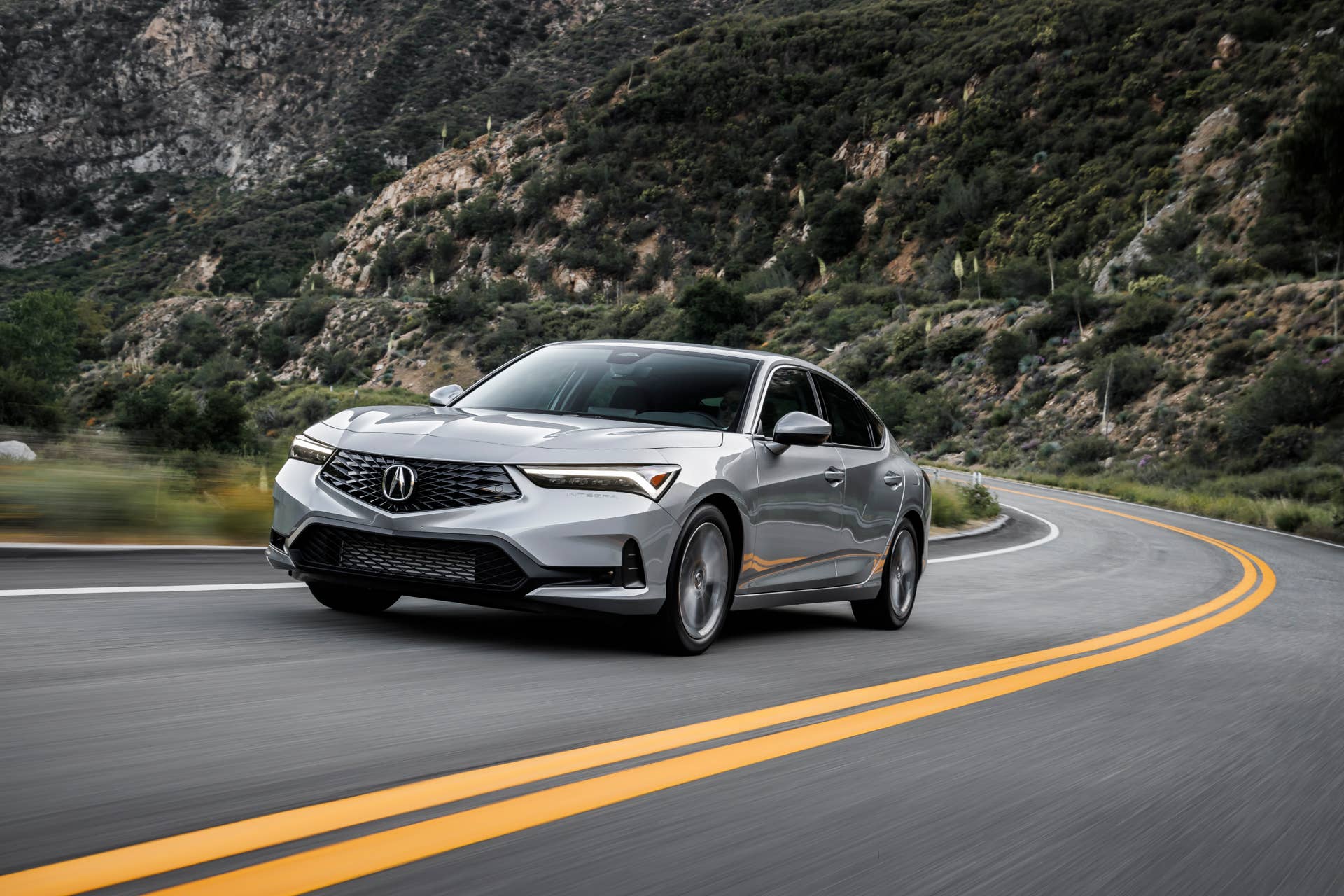
Acura
Yes, both the Mazda 3 and the Acura Integra have hotter, more expensive versions. Mazda offers a turbocharged 250 horsepower powertrain, which comes standard with all-wheel drive (AWD), while the Acura Integra Type S has a turbocharged 310 hp engine and an aggressive suspension setup, which is far more track-oriented. These models do not compete against each other, but the entry models truly do.
Mazda 3 Sedan ($24,150)
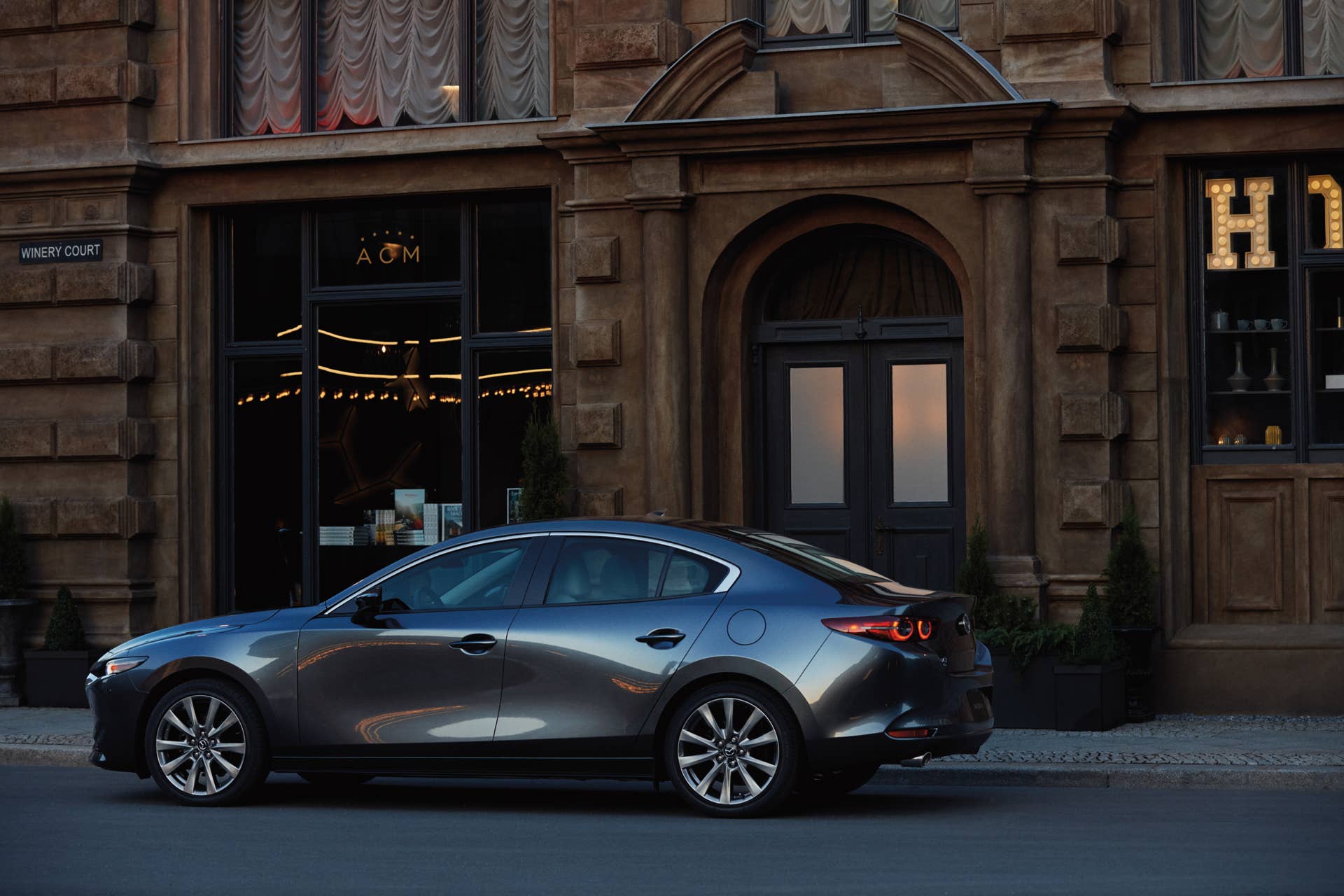
Mazda
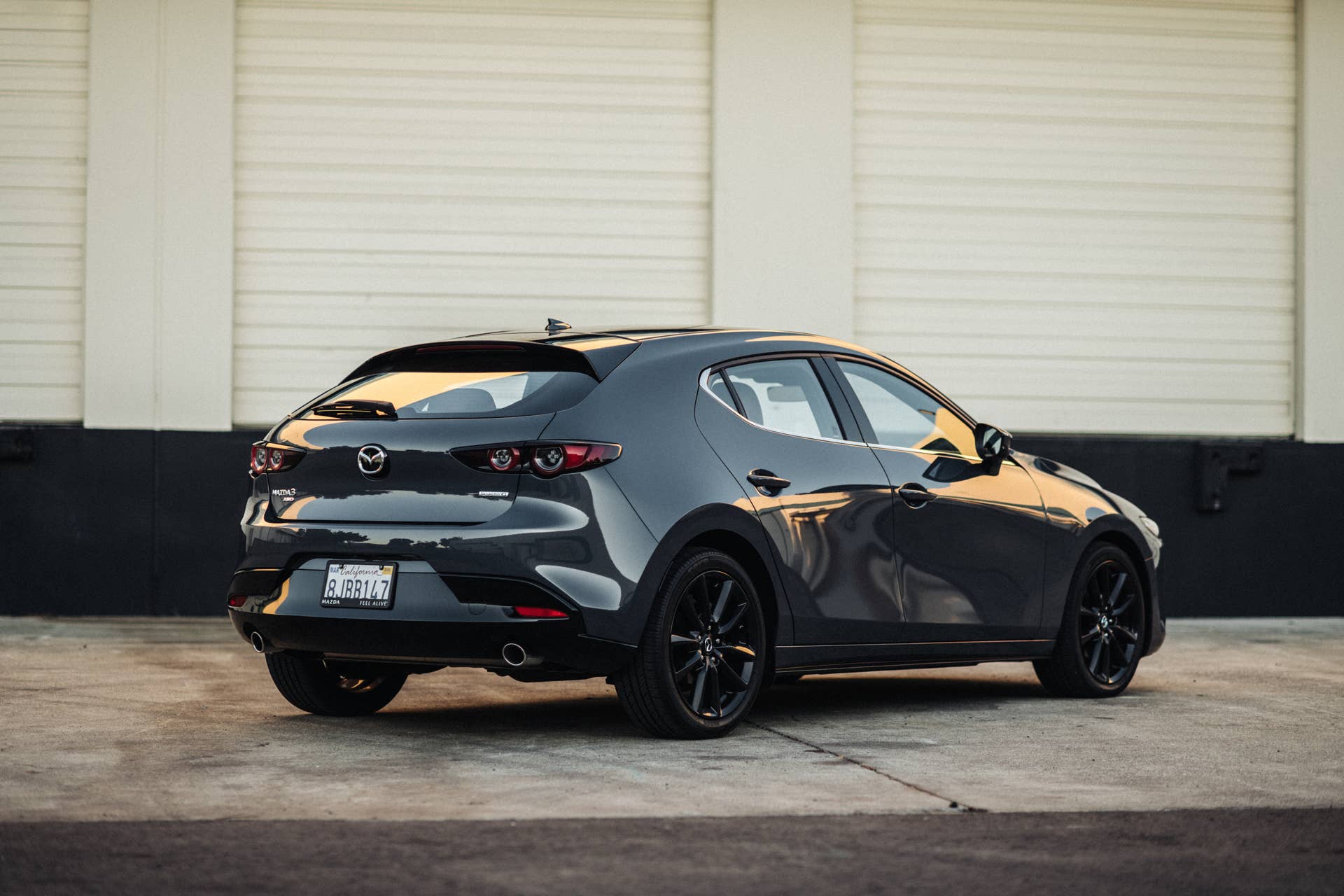
The 2025 Mazda 3 comes standard with a 2.5-liter four-cylinder that makes 191 hp and 186 lb-ft of torque. It’s paired with a six-speed automatic transmission, unless you get the top-of-the-line Mazda 3 front-drive hatchback, which has an optional 6-speed manual transmission. AWD is available, but only if you get the higher trims with the turbocharged engine. The non-turbo engine is rated at 27 mpg city and 37 mpg highway, but the hatchback (which has a $1,000+ premium) is slightly lower.
Mazda
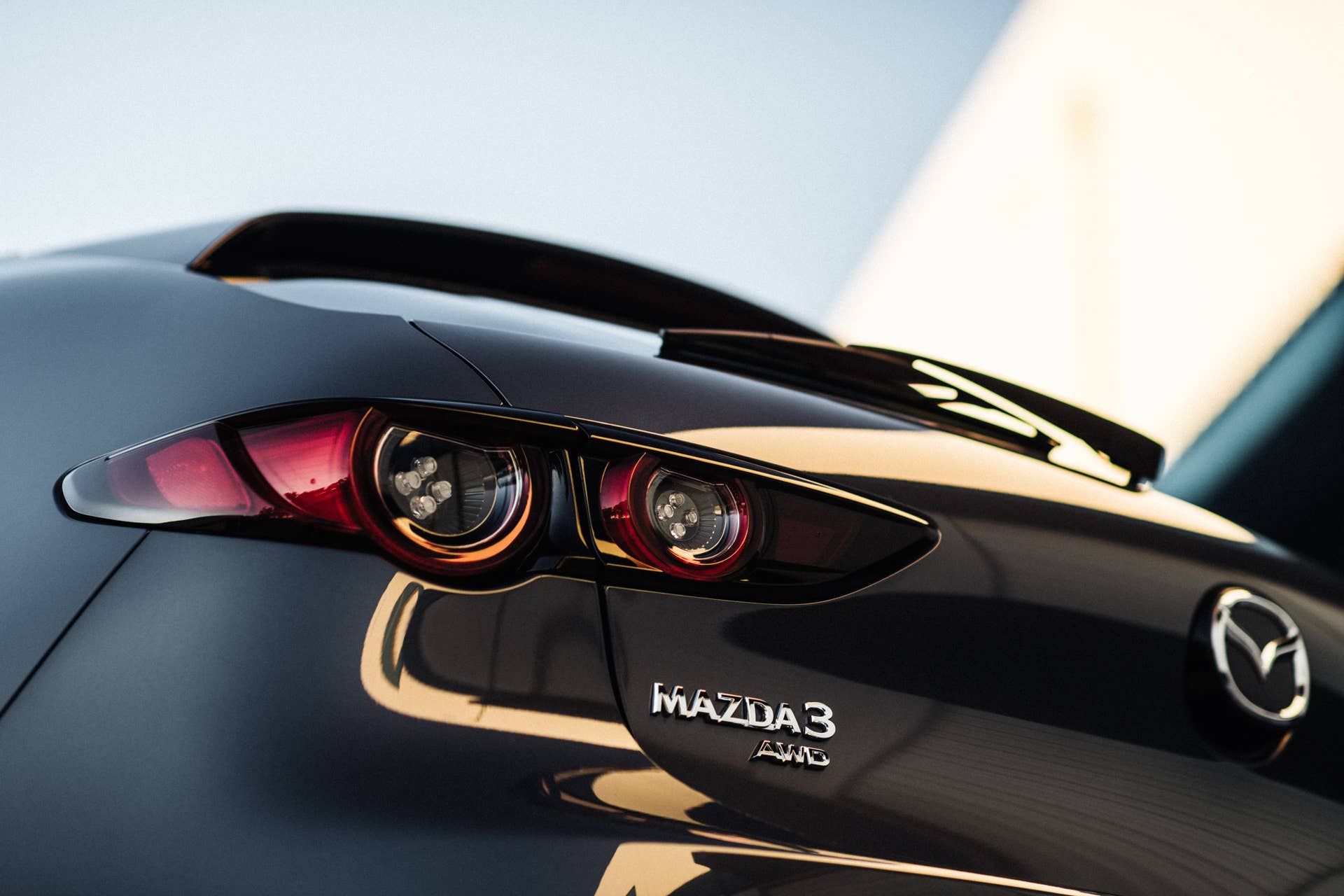
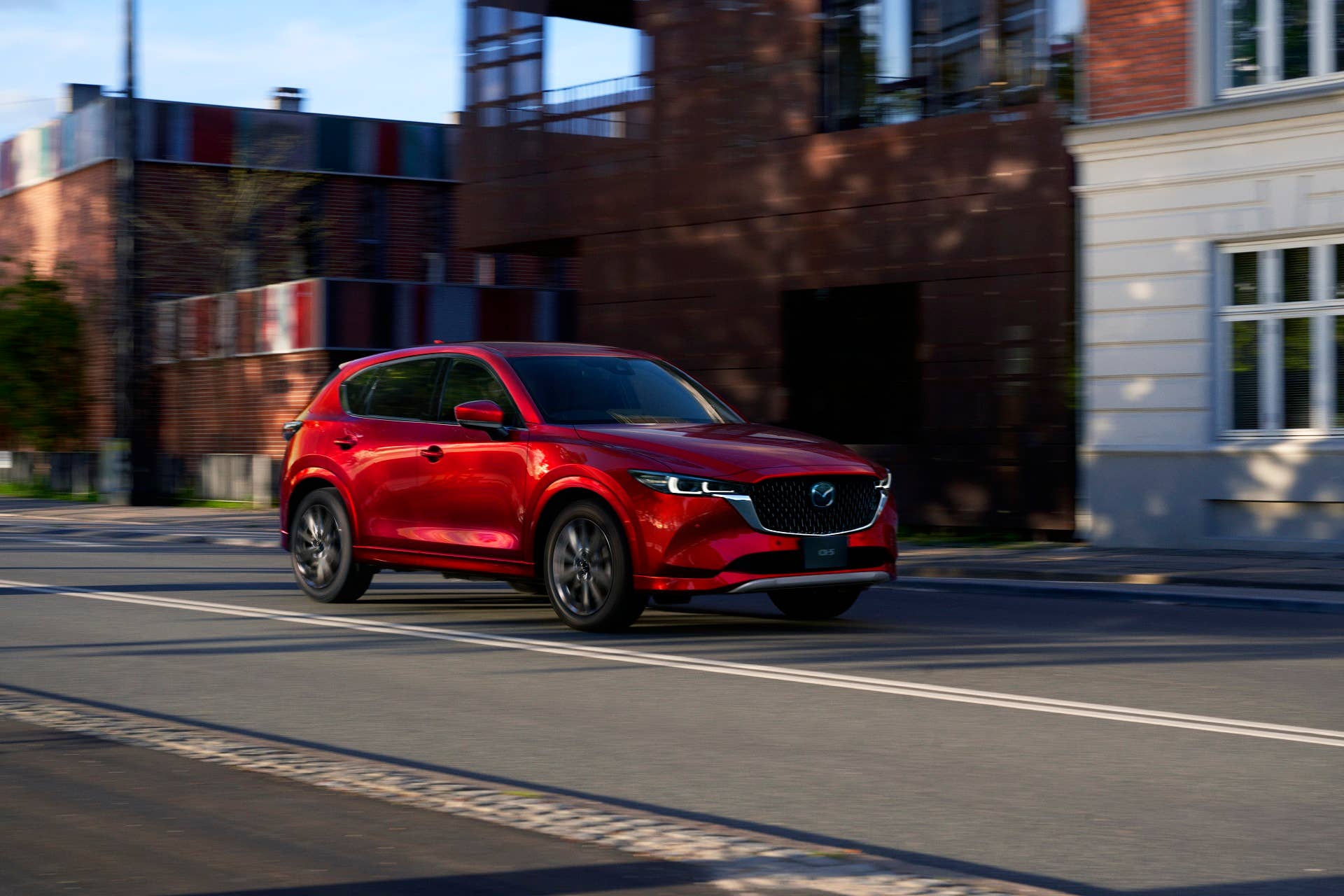
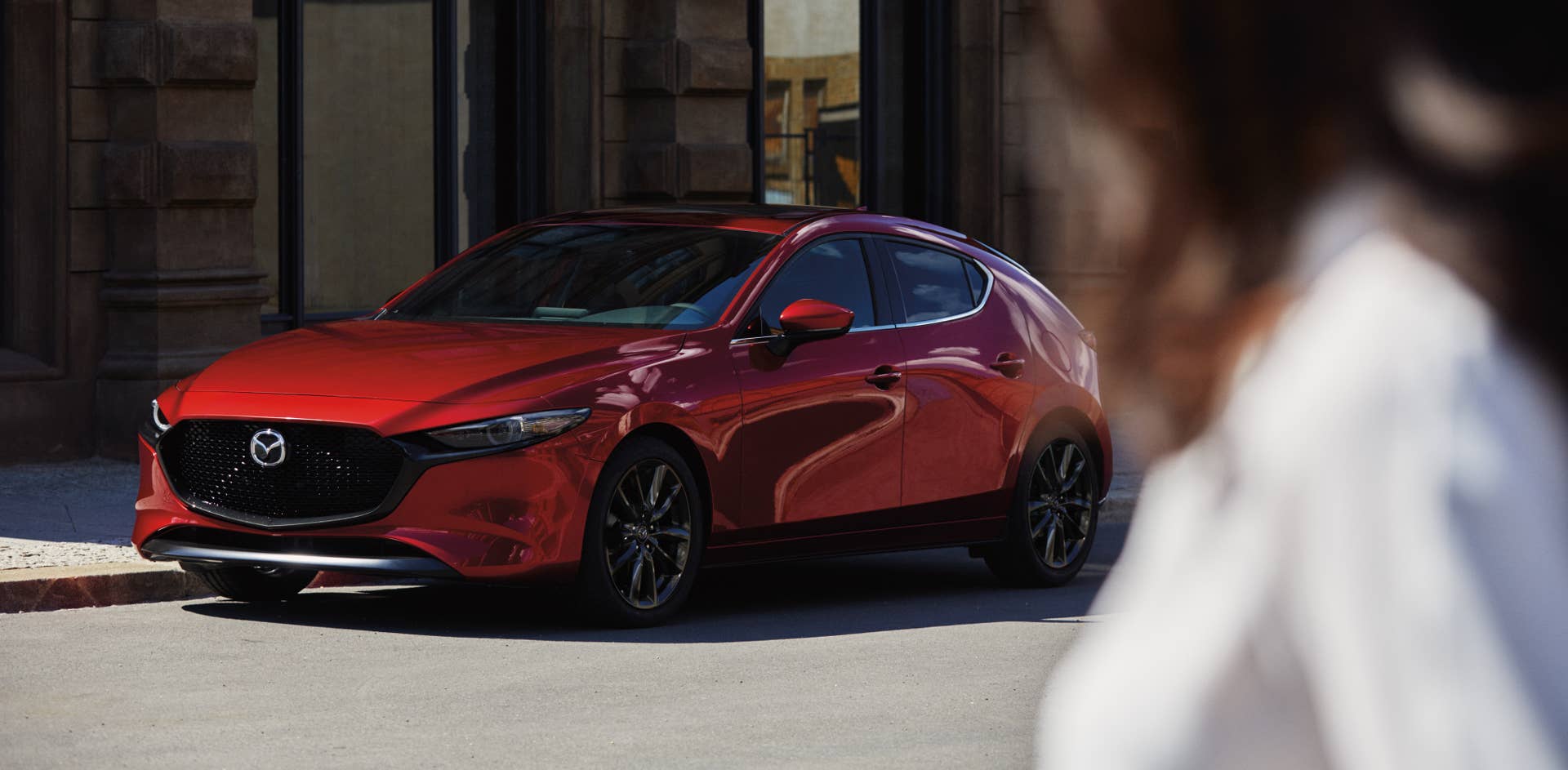
Many find the exterior and interior design of the Mazda 3 to be top-notch. Mazda’s KODO design is supposed to evoke a sense of motion and emotional stimulation. I will say that the minimalist design has a feeling of Italian and hints of German in the most positive way. It’s striking, but it’s not everyone’s cup of tea. Still, it feels like a more expensive vehicle, inside and out. I would probably go with the $26,540 Mazda 3 2.5 S Preferred sedan as it comes with heated front seats, sliding glass moonroof, nicer wheels, and more safety features, among other goodies. The AWD turbocharged Carbon S Turbo (which is the entry point for the AWD turbo) starts at $32,300.
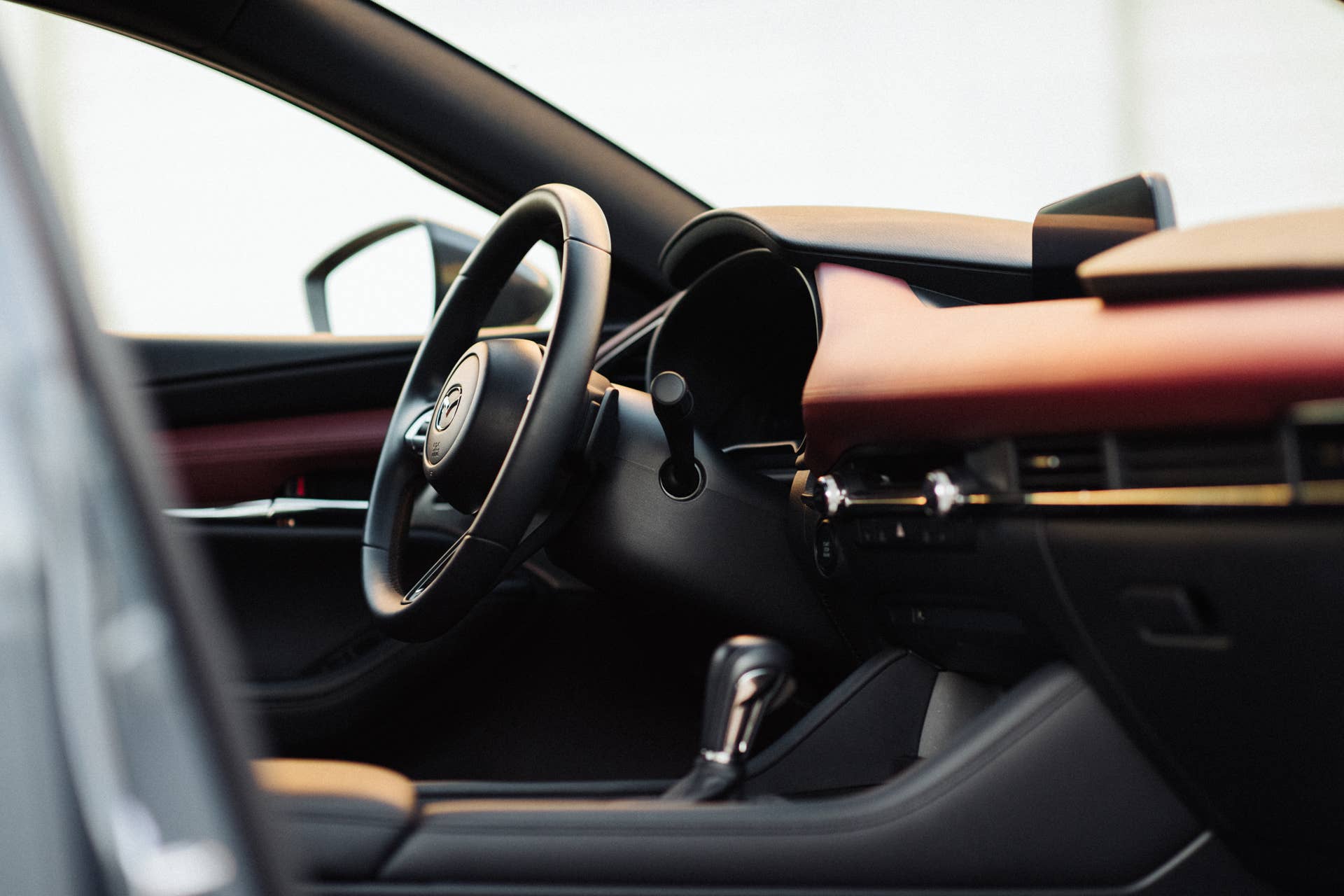
The standard 10.25-inch infotainment screen takes time to get used to, as it’s mainly controlled by the use of a dial located south of the gear lever. Wireless Apple CarPlay and Android Auto are standard, and even the base model’s six-speaker sound system provides good audio. Seating materials are excellent, with a great deal of care being put into all of the components’ feel and location. If there is any weak point to the Mazda 3’s interior design, it’s down to rear space. Passenger space in the back seat is a bit tight, and the cargo space in the sedan is 13.2 cubic feet, which is adequate. The hatchback has a maximum of just over 47 cu-ft of cargo space, which is on the lower side for the class.
Acura Integra ($33,000)
Acura
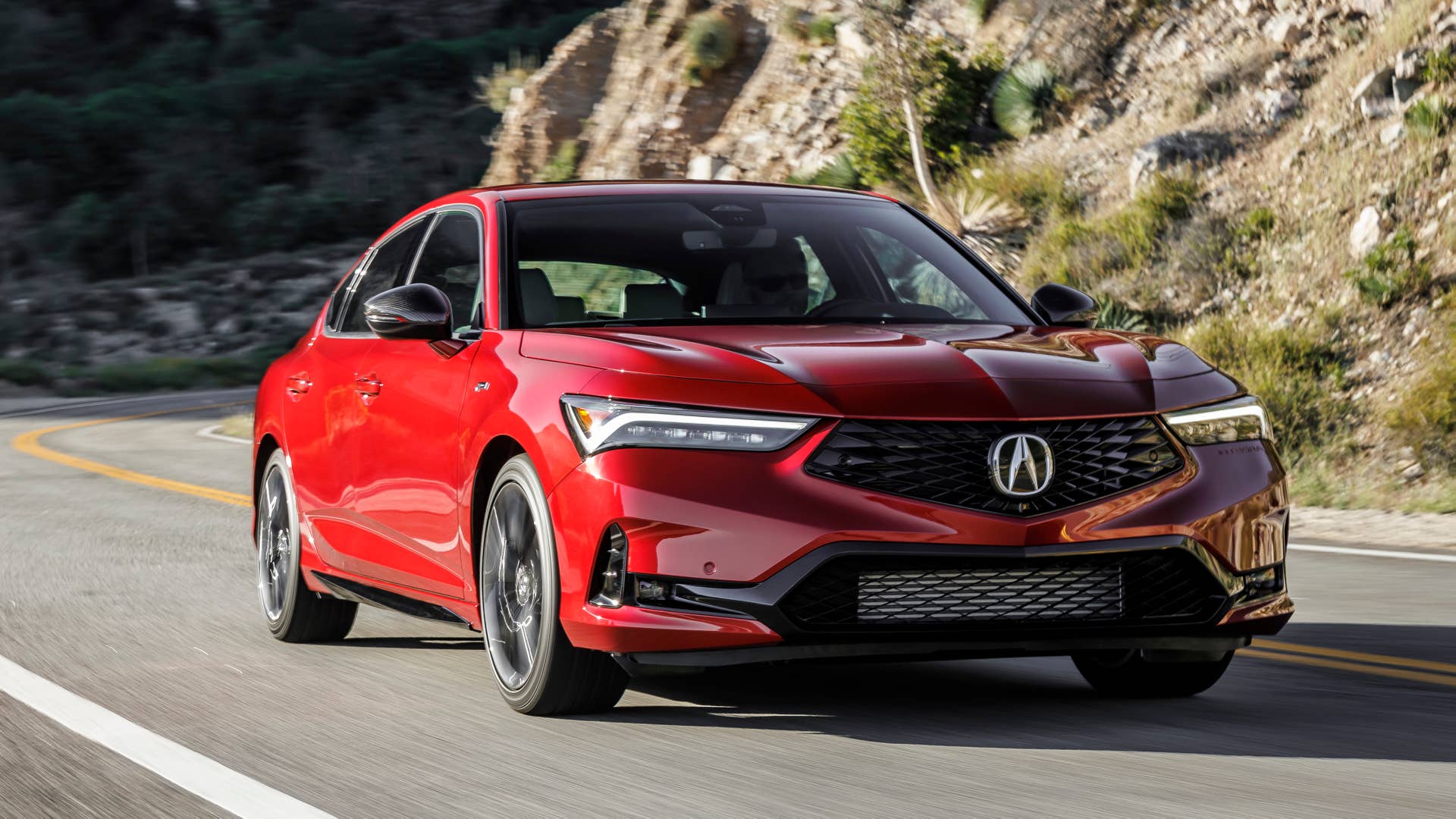
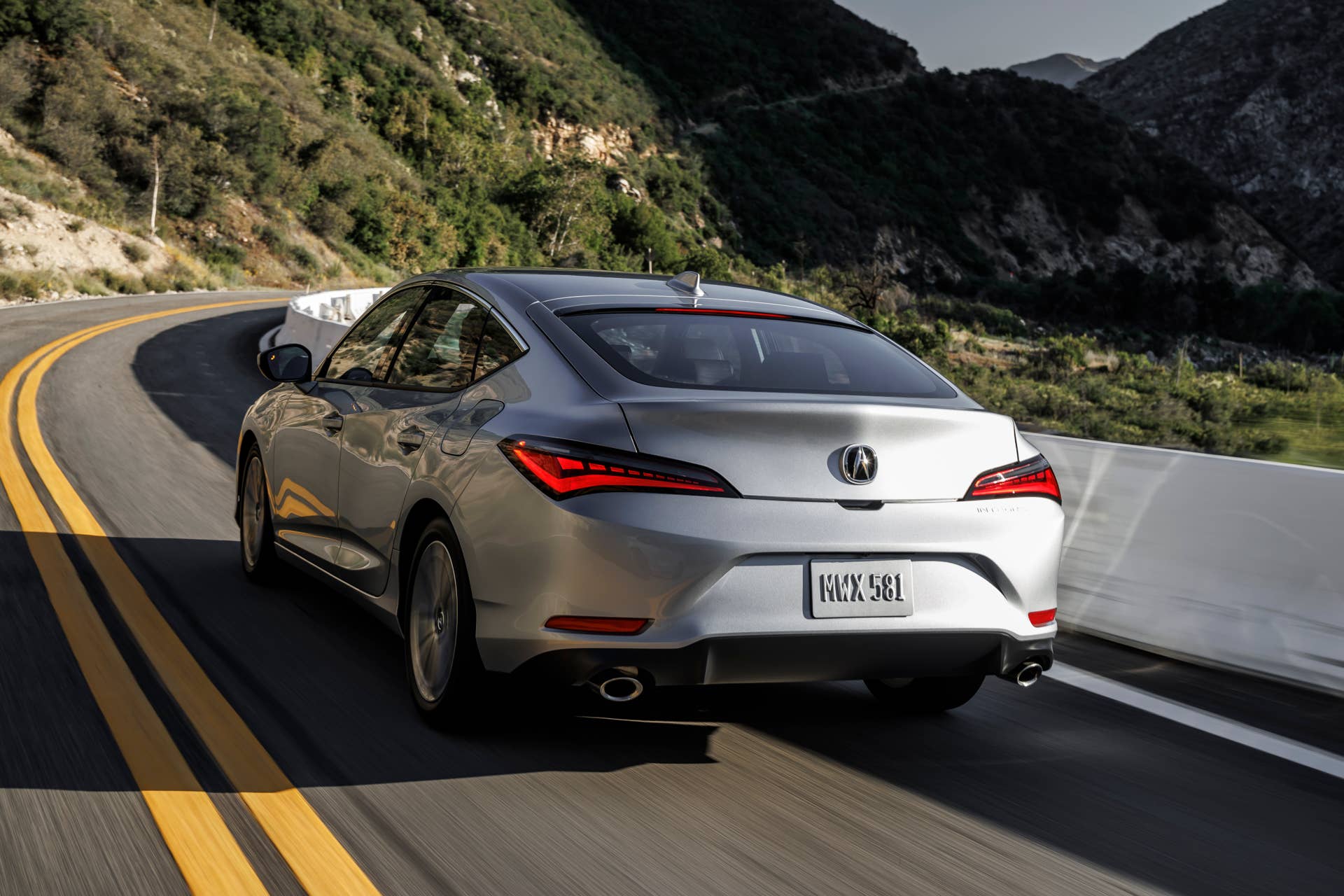
The 2025 Acura Integra comes with a turbocharged 1.5-liter four-cylinder that makes 200 hp and 192 lb-ft of torque. It’s connected to a continuously variable transmission (CVT), unless you get the A-Spec w/Technology 6MT, which (obviously) comes with a manual transmission. There is no AWD option, so all Integras come with front-wheel drive. Those who desire AWD should probably look at the Acura ADX, as it’s somewhat based on the Integra. The EPA-estimated fuel economy for the Integra is 30 mpg city and 37 mpg highway. The Integra A-Spec with Technology Package, with the manual transmission, is rated at 26 mpg city and 36 mpg highway.
Acura
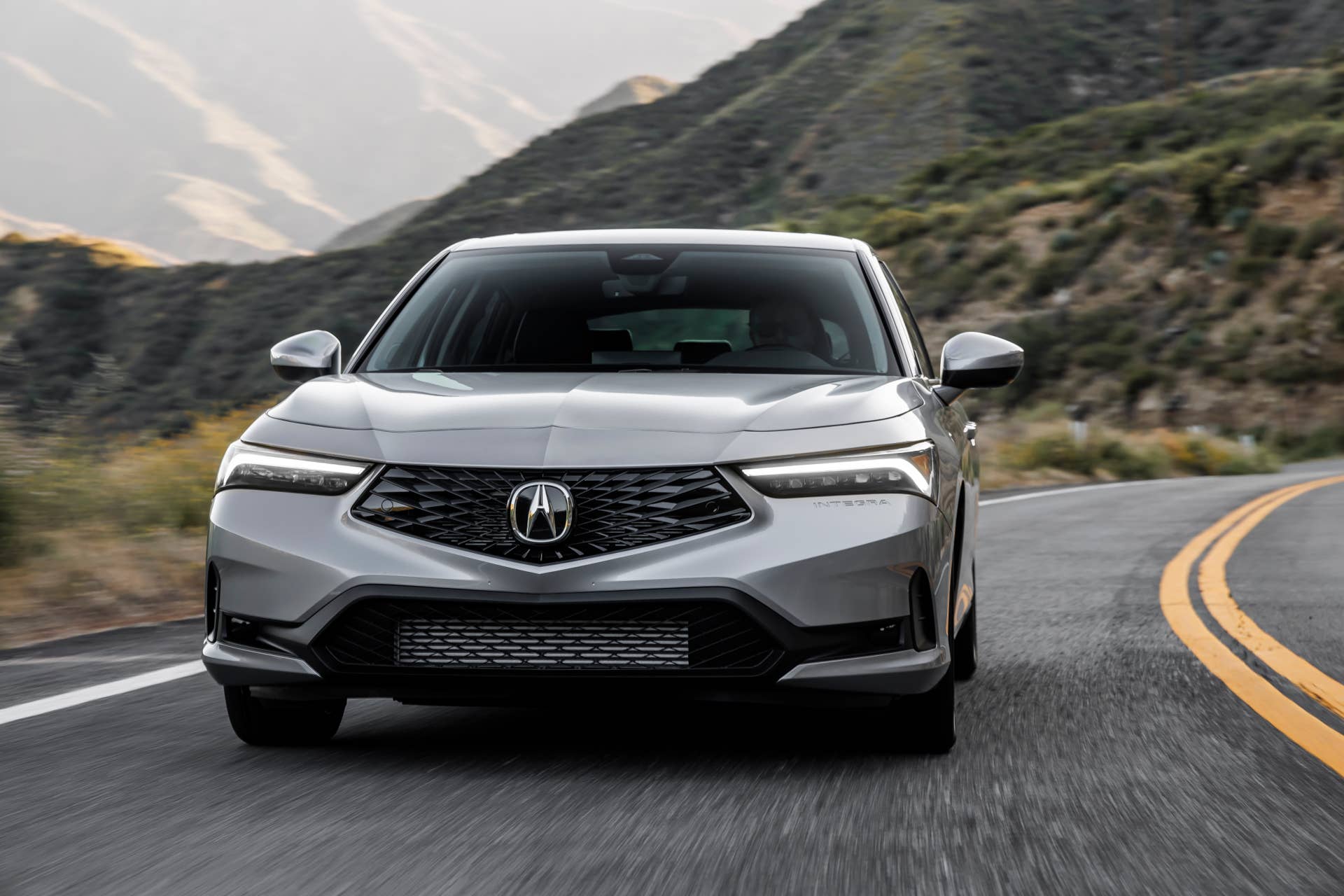
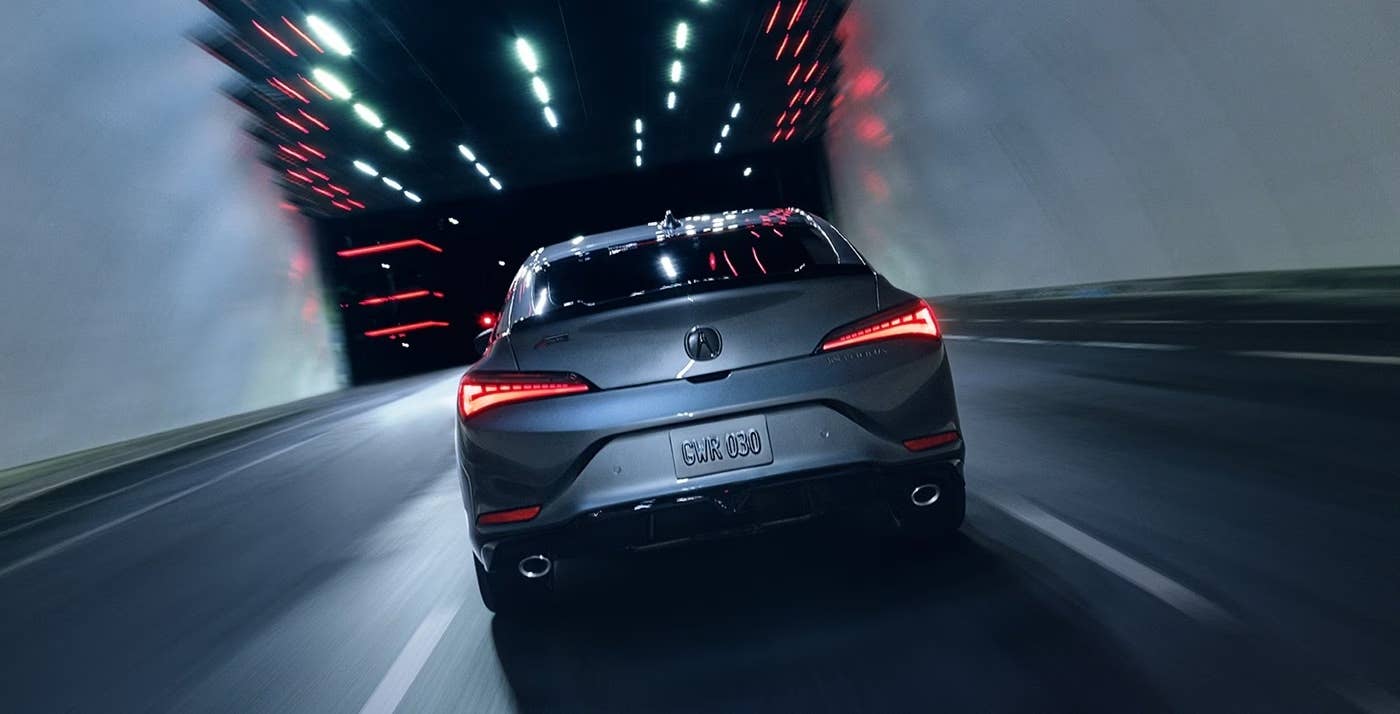
Many feel that the Acura Integra’s exterior design is a bit polarizing. The nose is all Acura, but the rear might look a bit soft for some. Once you step up to the $52,900 Type S, the entire design becomes hard and street-aggressive. Still, that’s a completely different animal, and I would aim for the $38,000 A-Spec w/Technology 6MT if you like to row your own gears. This gives you great bang for the buck while still providing a pleasant daily commute.
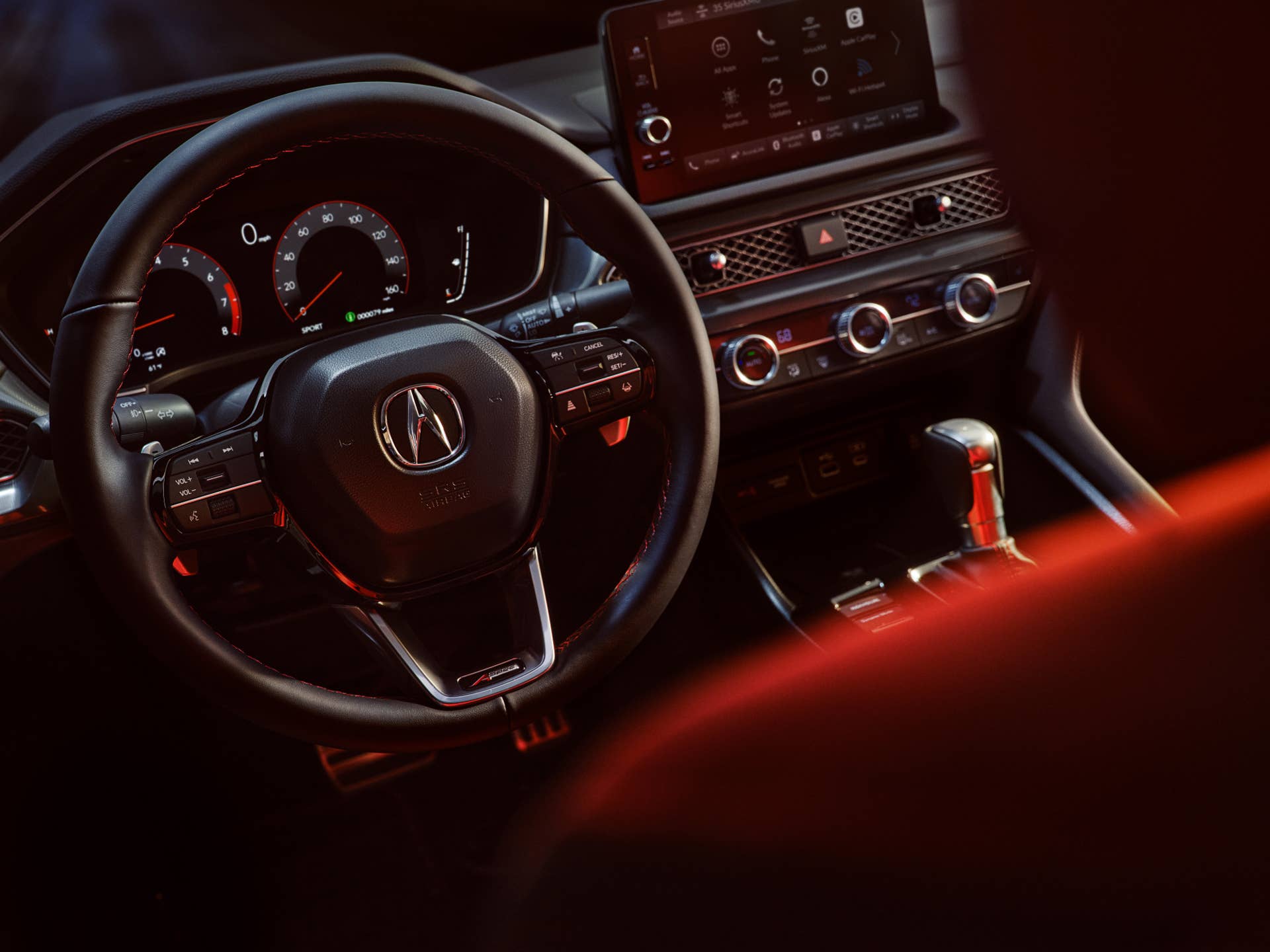
Offering standard Apple CarPlay and Android Auto, the Integra offers a standard 7-inch digital infotainment touchscreen, which is definitely small. The optional 9-inch touchscreen comes with the Technology Package, and it’s far better. At least all models come standard with a 10.2-inch digital gauge cluster. The legroom in the back seating area is far more generous than the Mazda’s, while the cargo area measures 24.3 cu-ft behind the rear seats. The interior of the Acura Integra is nicer than the Honda it’s based on, but lacks the sophistication of the Mazda’s design.
Mazda
Acura
Driving both head-to-head
If you drive the $30,850 Mazda 3 Hatchback 6-speed manual directly against the Acura Integra A-Spec w/Technology 6MT, you might be surprised how they both behave. The Acura costs about $8,000 more, yet it doesn’t feel like it should be that much more expensive. It is more athletic, and the engine tuning is more aggressive, but it feels no more sophisticated than the Mazda. In fact, the Mazda 3 has a smoother ride and a quieter interior.
On the other hand, the Acura is much more engaging to drive, especially if you’re looking for fun. It’s quicker, and its 0 to 60 mph time of about 7 seconds is nearly 1/2 a second faster than the Mazda 3 manual. The Acura’s adaptive dampers enhance handling and solidify the ride, something that can’t be said for the Mazda. Steering response in both cars is at the top of their class, but the Acura feels more dialed in, as if it’s communicating better.
Mazda
Final thoughts
This is a tough choice. The Acura is a ton of fun to drive, and it offers lots of usable space along with a thrifty and eager engine. On the other hand, the Mazda is more luxurious, providing a more sophisticated experience, and it’s less expensive. Both are outstanding, and it makes me wonder where Mazda would be if they had actually gone ahead with building their own luxury/performance brand decades ago.
About the author

Nathan Adlen
Contributing Writer, Autoblog