
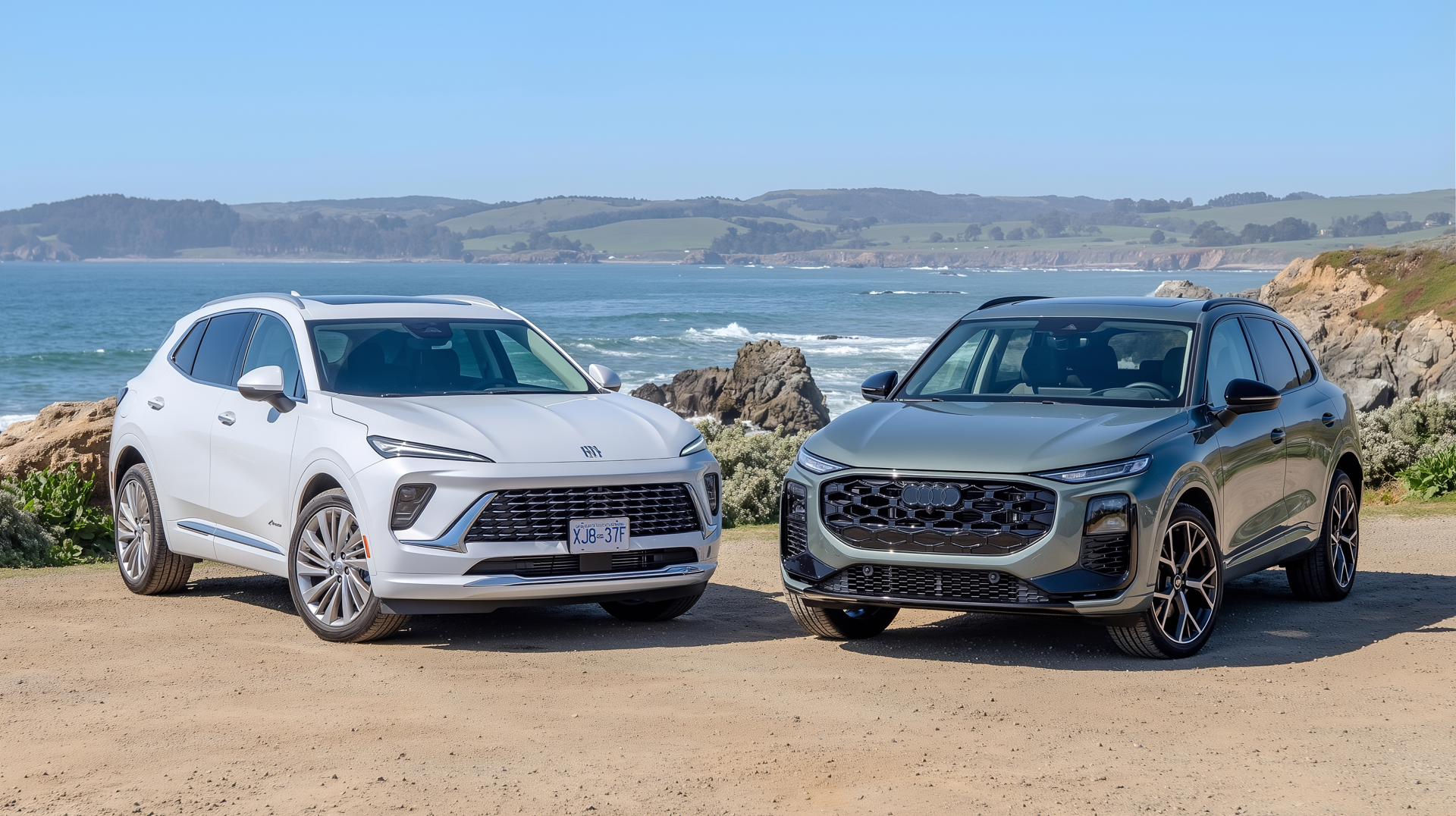
Buyers of compact luxury crossovers often find themselves shopping in the segment not so much as an indulgence as a carefully considered compromise. They are the kinds of cars you buy when life has become too complicated for a coupe, too expensive for a six-cylinder German sedan, and too full of obligations to tolerate anything that makes daily driving feel less seamless than it needs to. These vehicles are meant to smooth things over. They are meant to absorb errands, traffic, weather, groceries, backpacks, and the general administrative burden of adulthood with as little drama as possible.
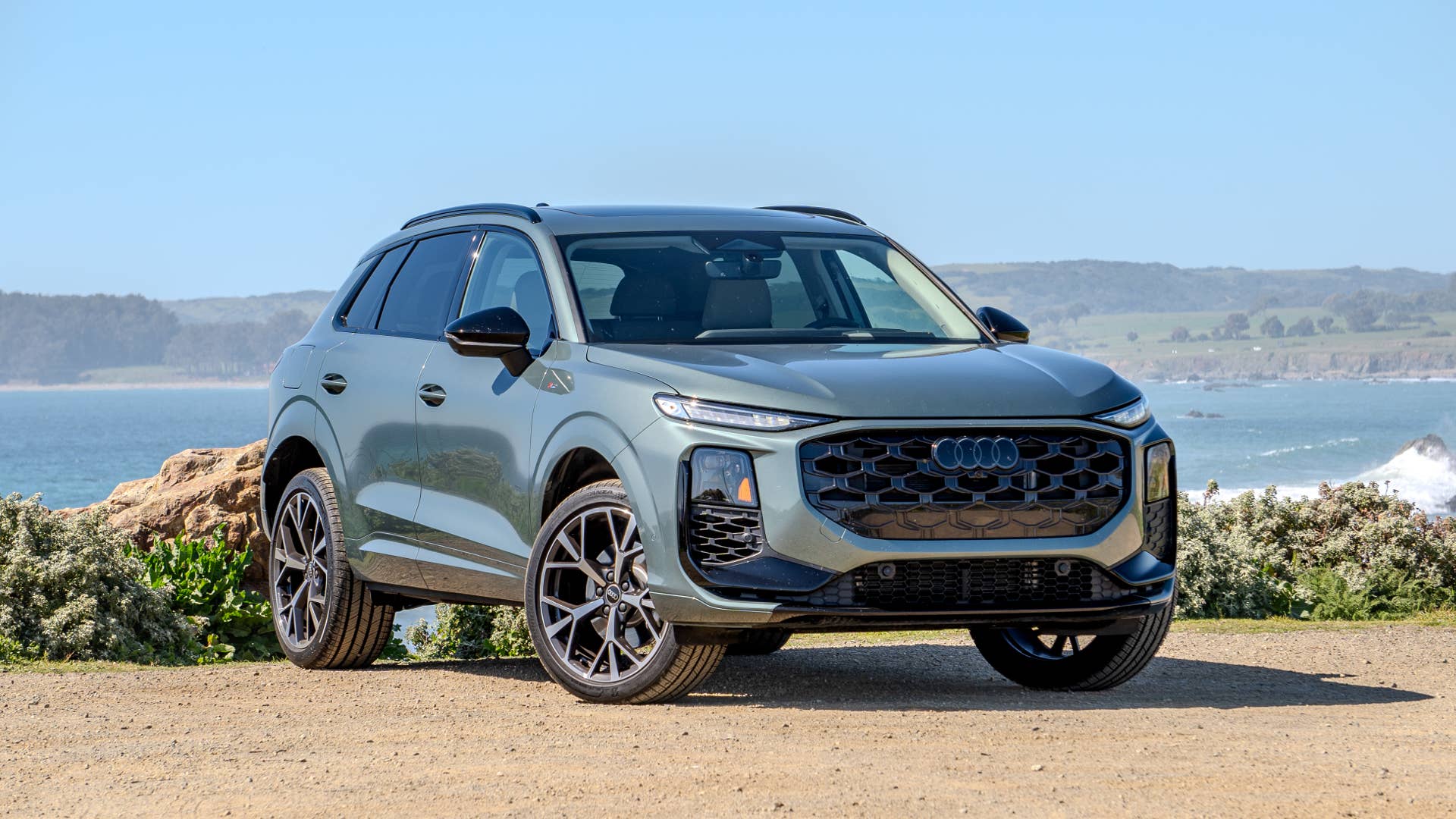
The 2026 Audi Q3 S line quattro and the 2026 Buick Envision Avenir come at the same problem from opposite philosophical directions. The Audi is the sporty, stylish, prestige-coded answer: a compact crossover that feels youthful, sharp, and expensive in the contemporary premium sense. The Buick, meanwhile, is the more unassuming rebel here. It is less concerned with looking fashionable in a downtown valet line and more interested in being comfortable, stately, and deeply agreeable to live with. I drove the Audi Q3 for a day in San Luis Obispo, California, and spent a week with the Buick Envision Avenir at home in Vancouver. On paper, the Audi looks like the obvious enthusiast pick. In practice, this comparison proved much less predictable than that.
Cole Attisha
What’s Actually Different Between the 2026 Audi Q3 and 2026 Buick Envision?
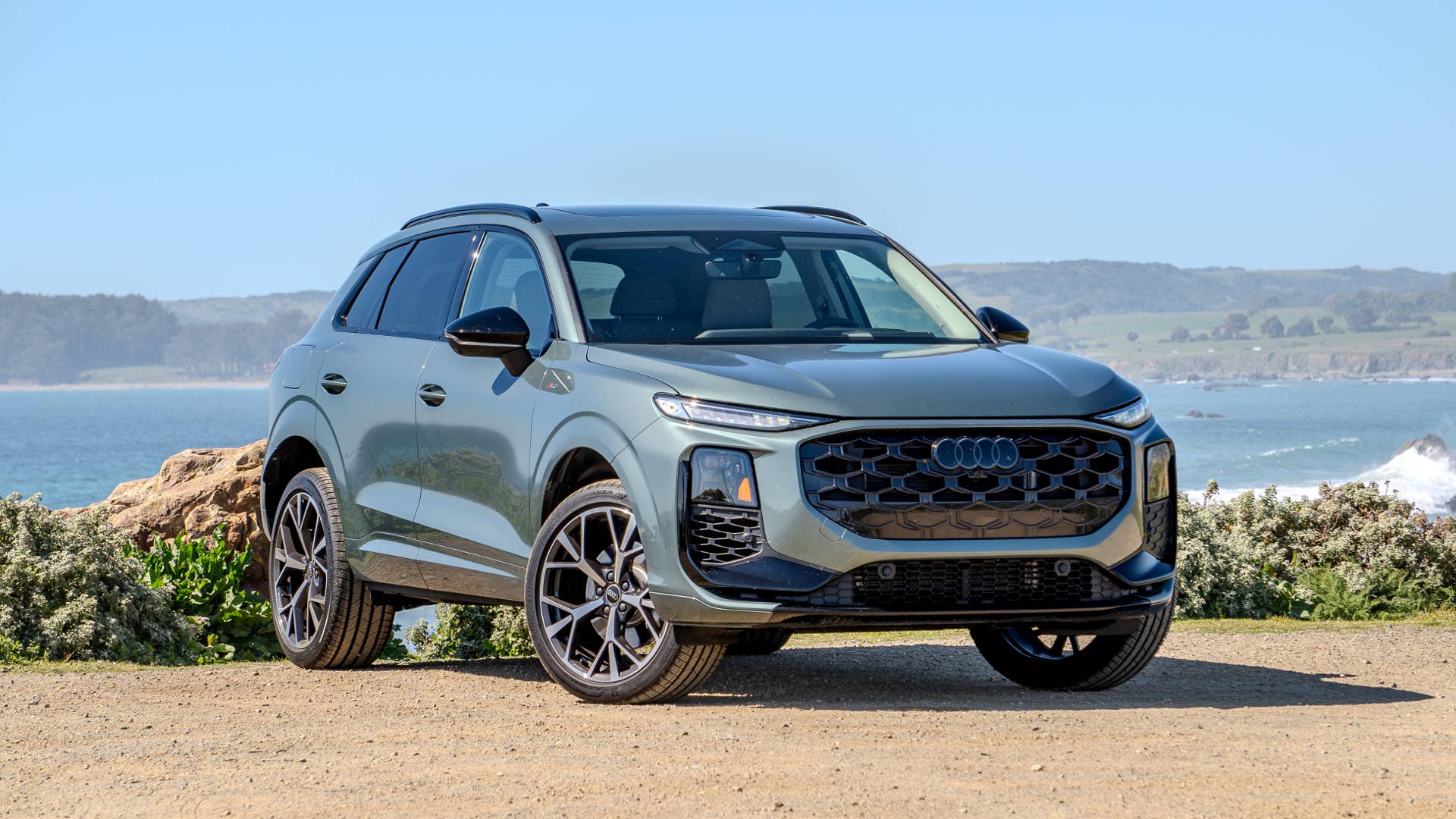
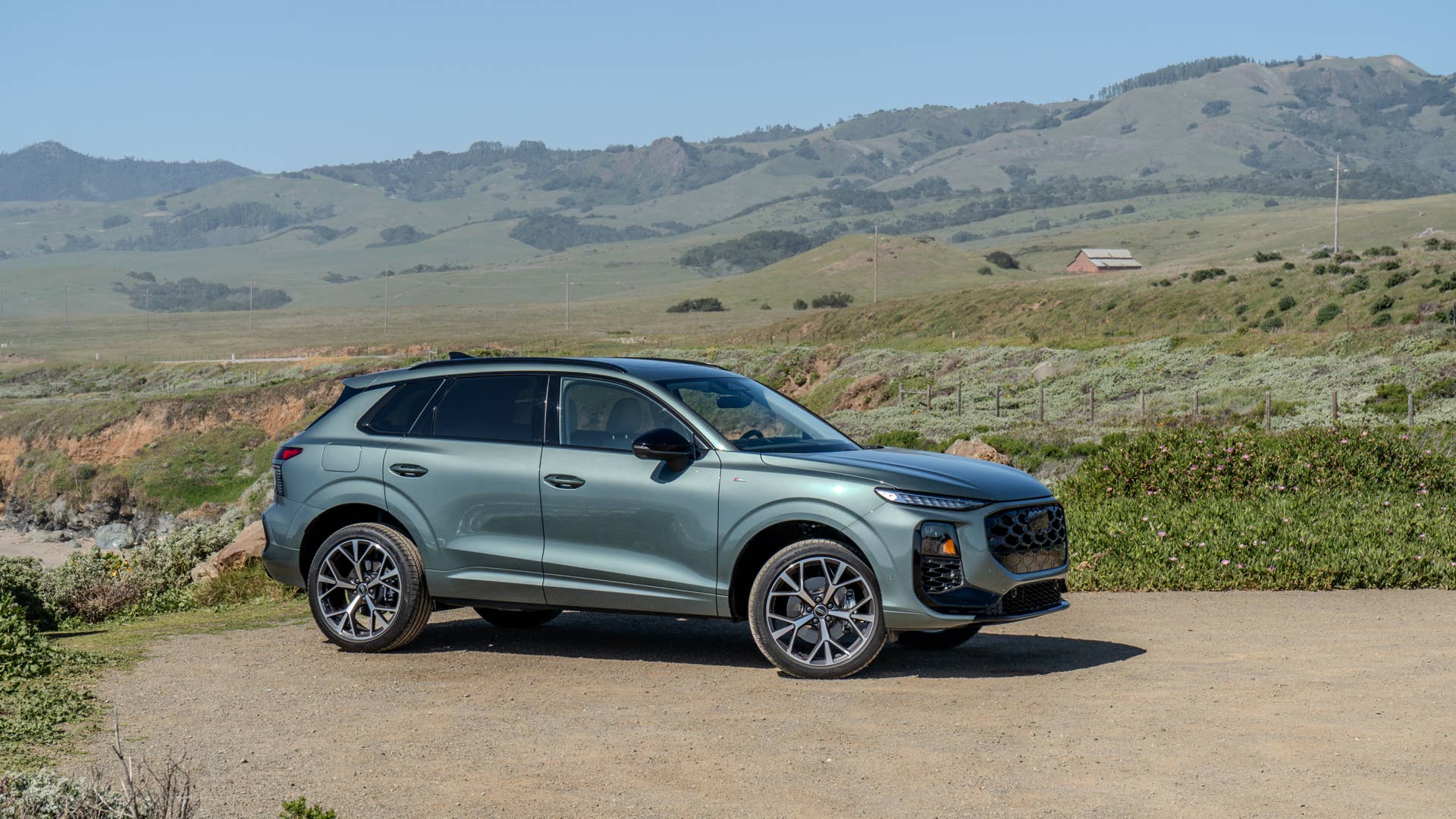
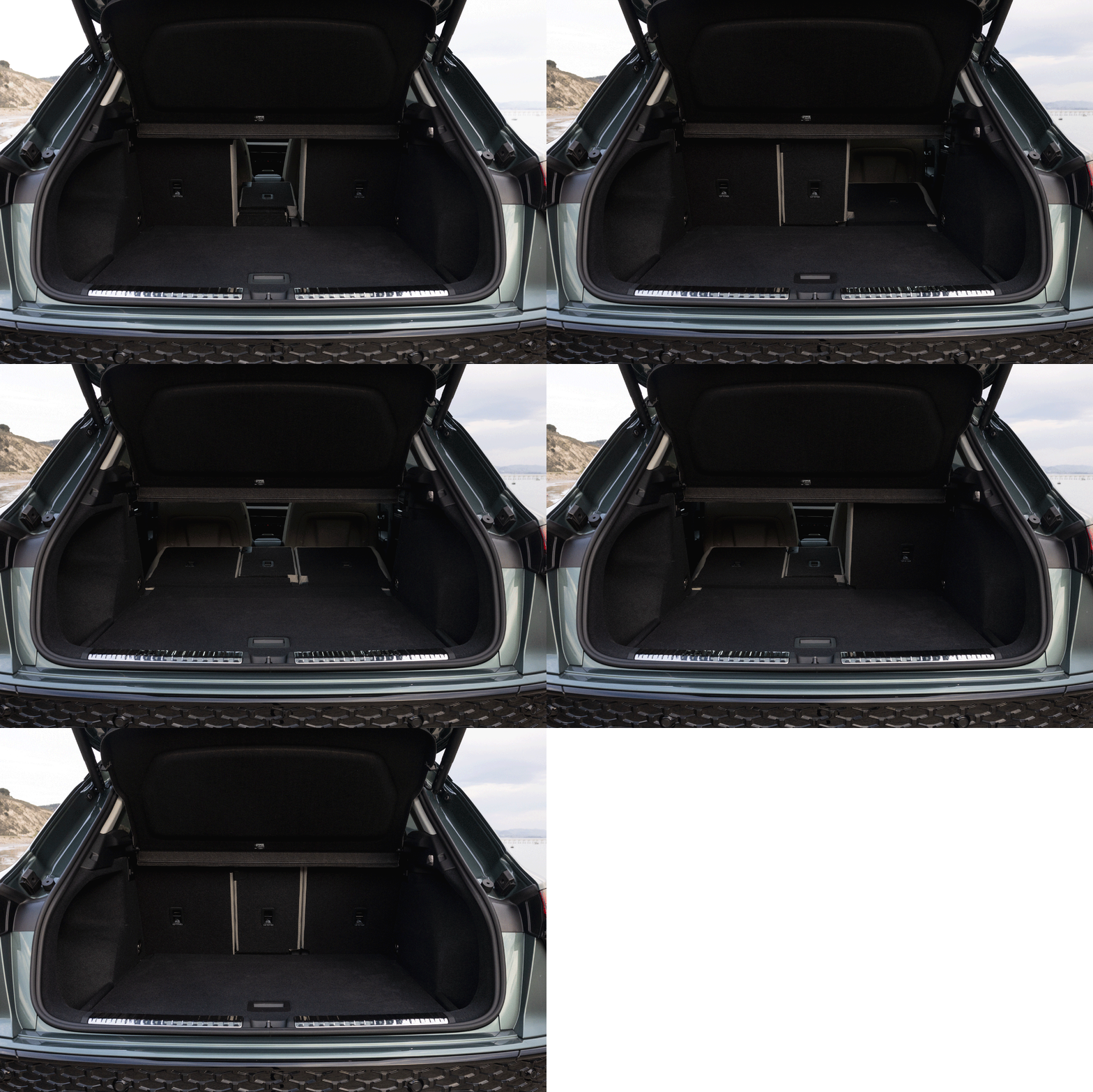
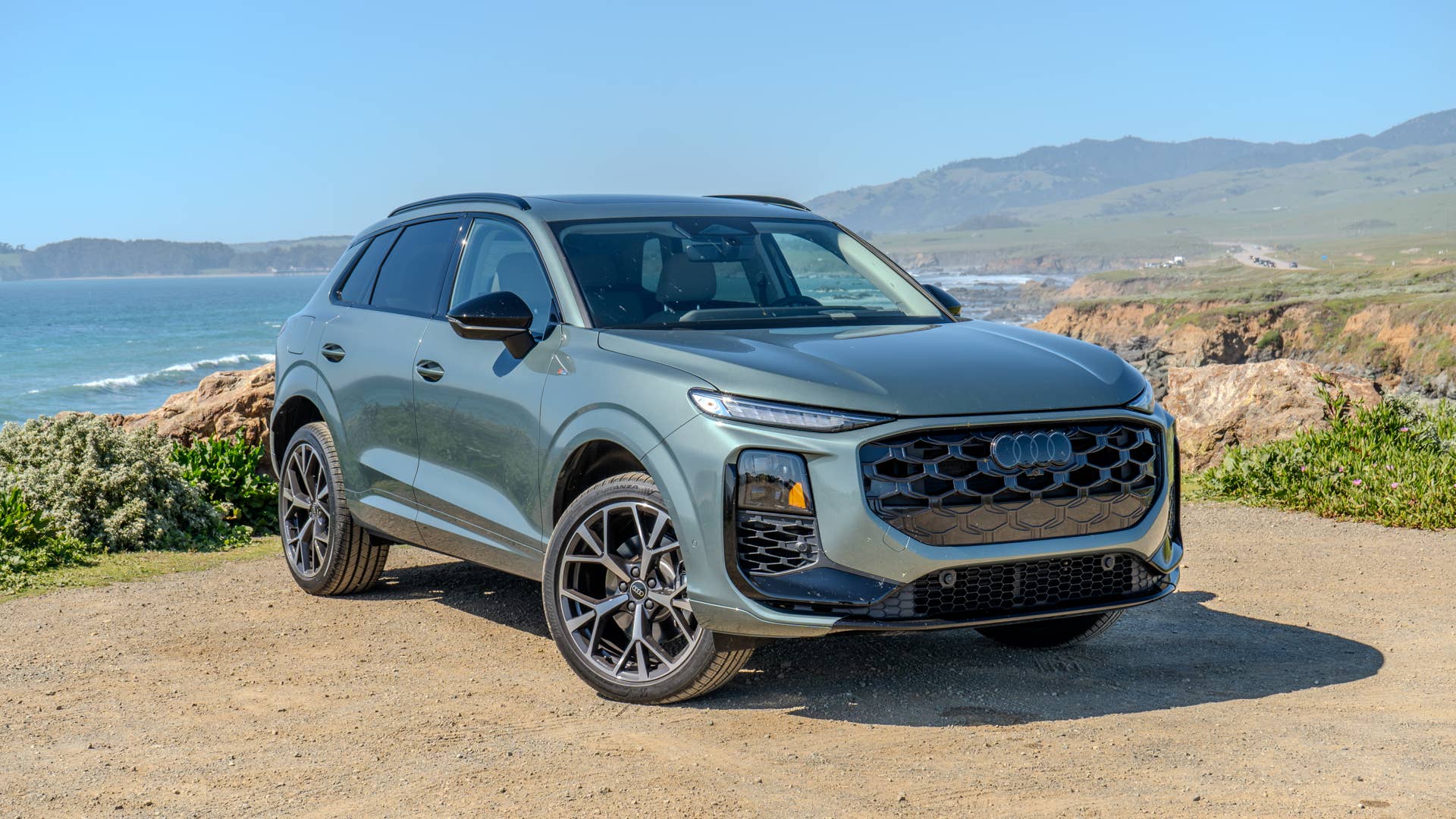
The Audi and Buick are similar enough in mission to warrant a direct comparison, but they approach it very differently. The 2026 Audi Q3 S line quattro comes with a 2.0-litre turbocharged four-cylinder making 255 horsepower and 273 lb-ft of torque, paired with a 7-speed dual-clutch automatic and standard quattro all-wheel drive. Audi quotes a 0-60 mph time of 5.5 seconds, and the new Q3 starts at $43,700 before destination, or $44,995 including destination. It rides on a 105.6-inch wheelbase, measures 178.4 inches long, returns an EPA-estimated 22/29/25 mpg city/highway/combined, and offers 24.97 to 29.03 cubic feet of cargo space behind the second row, depending on seat position, or 49.95 cubic feet with the rear seats folded. Audi also includes 3 years or 30,000 miles of scheduled maintenance.
Standard equipment is generous. Every U.S.-spec Q3 gets Audi’s S line exterior treatment, an 11.9-inch digital instrument cluster, 12.8-inch central touchscreen, wireless Apple CarPlay and Android Auto, heated front seats, a panoramic sunroof, leather seating surfaces, acoustic front side glass, three-zone climate control, sliding and reclining rear seats, a power tailgate, and trailer hitch preparation.
Cole Attisha
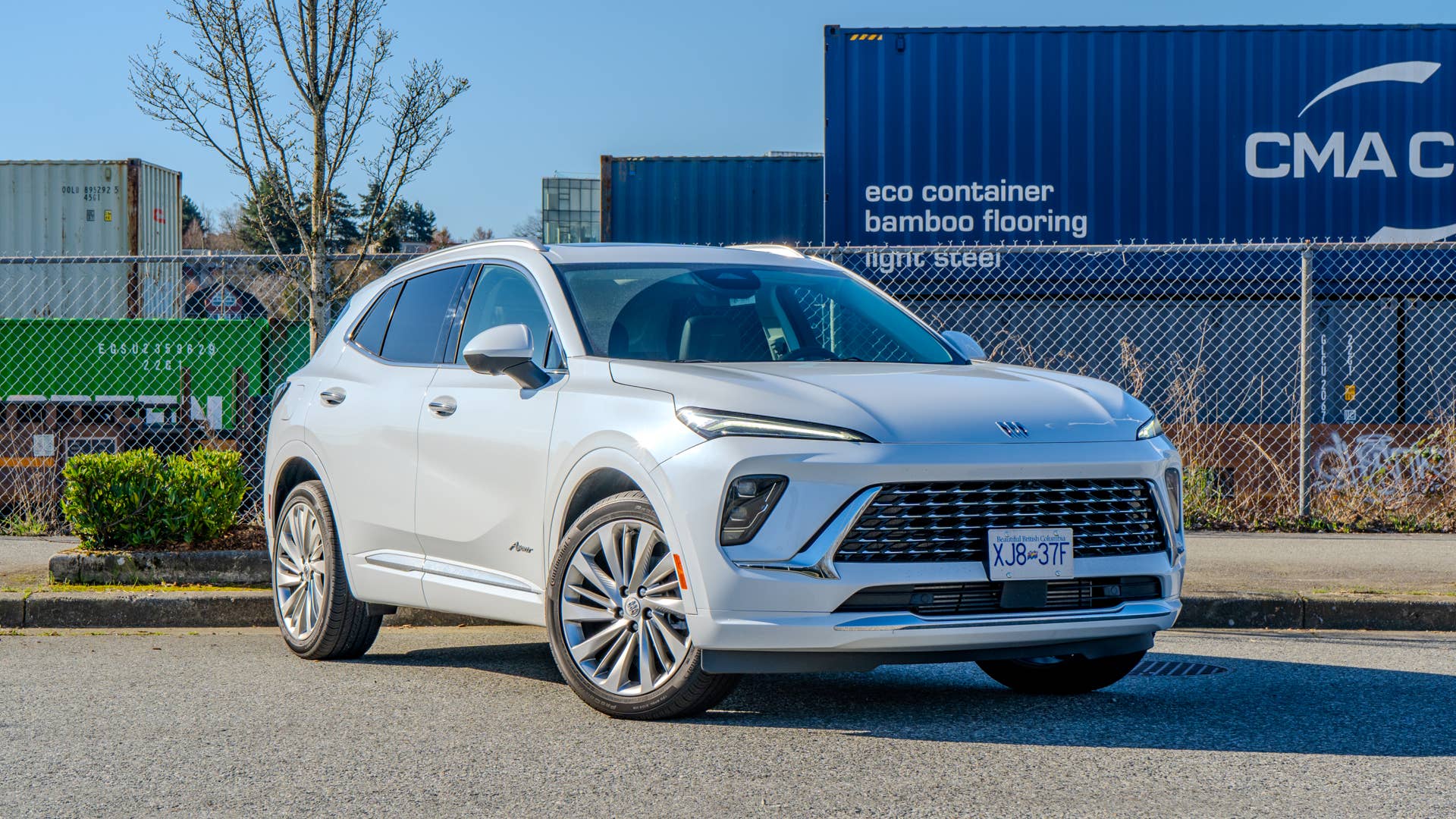
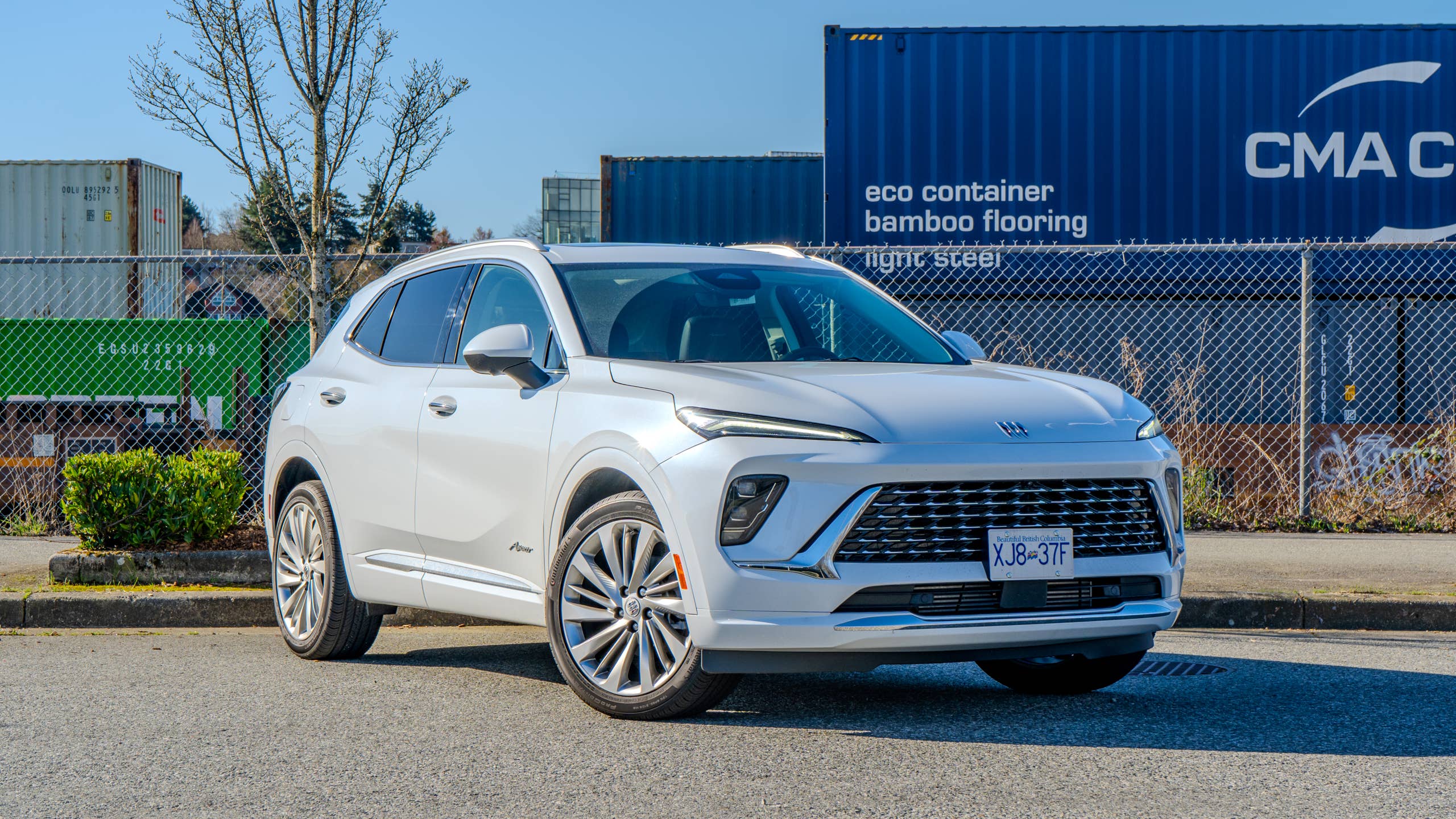
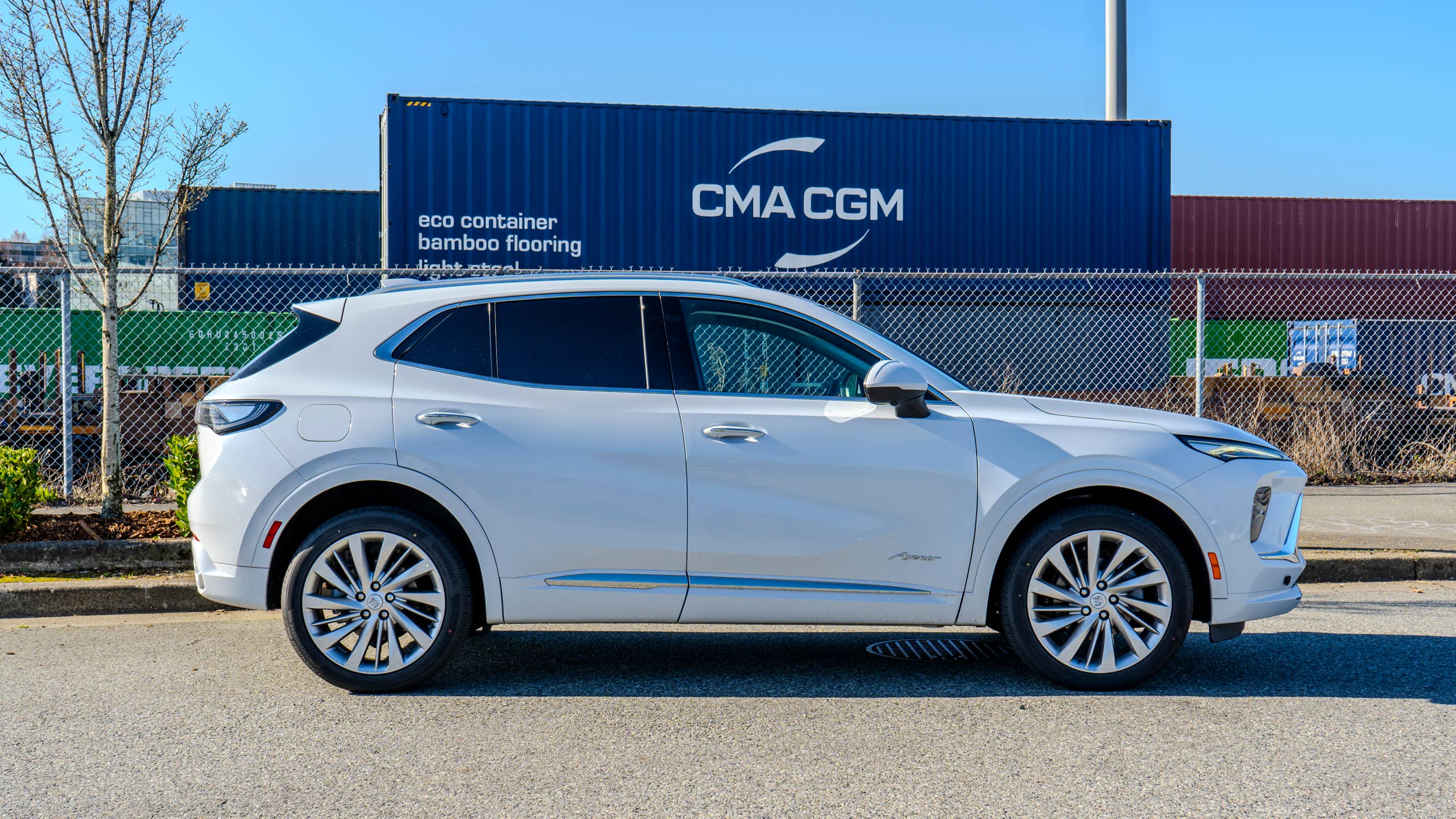
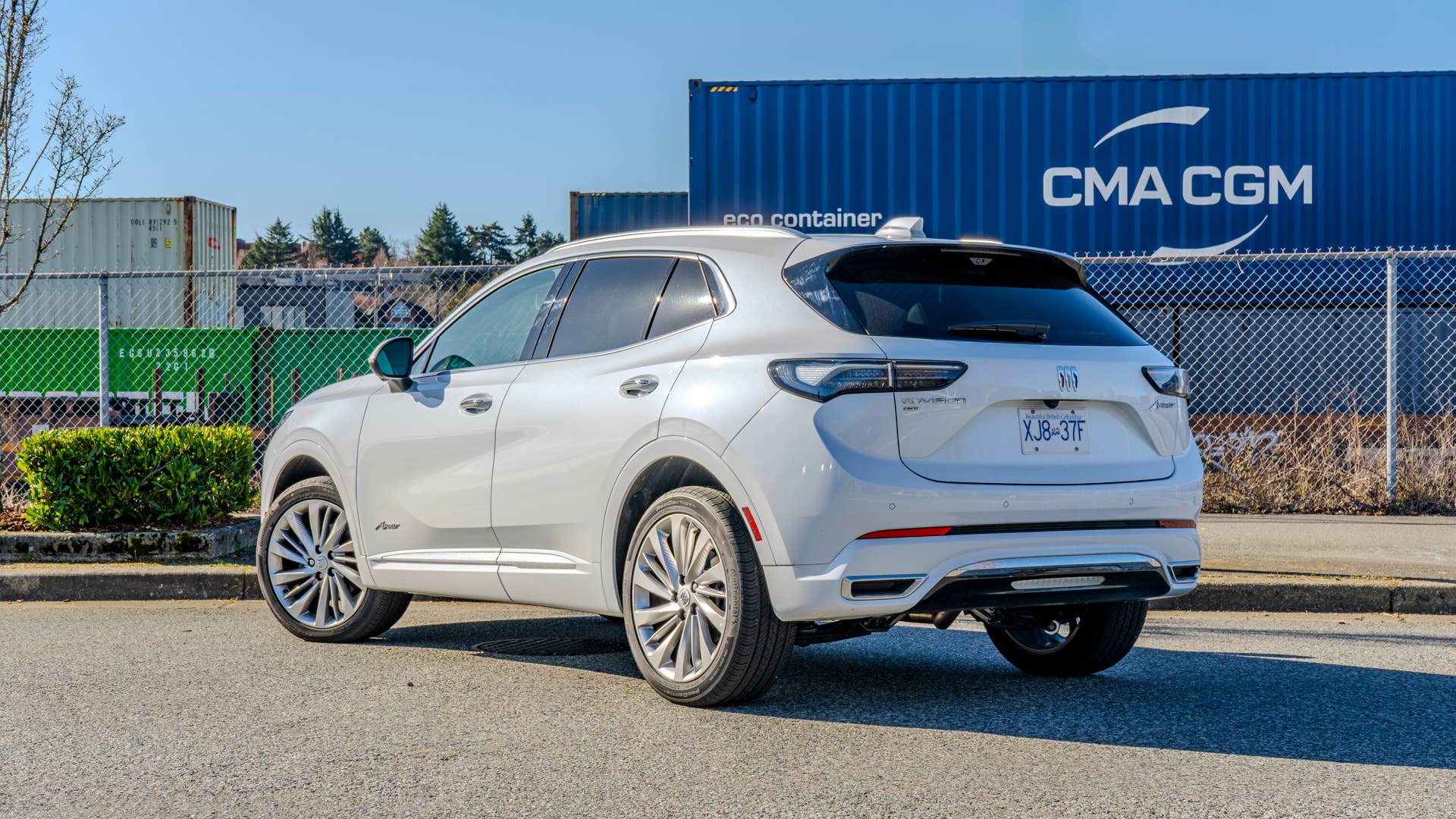
The Buick Envision Avenir, by contrast, uses a 2.0-litre turbocharged four-cylinder with 228 horsepower and 258 lb-ft of torque, paired with a 9-speed automatic. The Avenir trim starts at $50,700, while the Envision lineup as a whole starts at $41,000. Buick quotes 22/28 mpg city/highway for the AWD Envision, and the Avenir brings features like Intelligent All-Wheel Drive with active twin clutch, Continuous Damping Control, a 30-inch ultrawide display, QuietTuning with Active Noise Cancellation, quilted perforated leather-appointed seats, heated and ventilated front seats, a panoramic moonroof, and a massaging driver’s seat. Buick also lists up to 52.7 cubic feet of max cargo capacity for the Envision family.
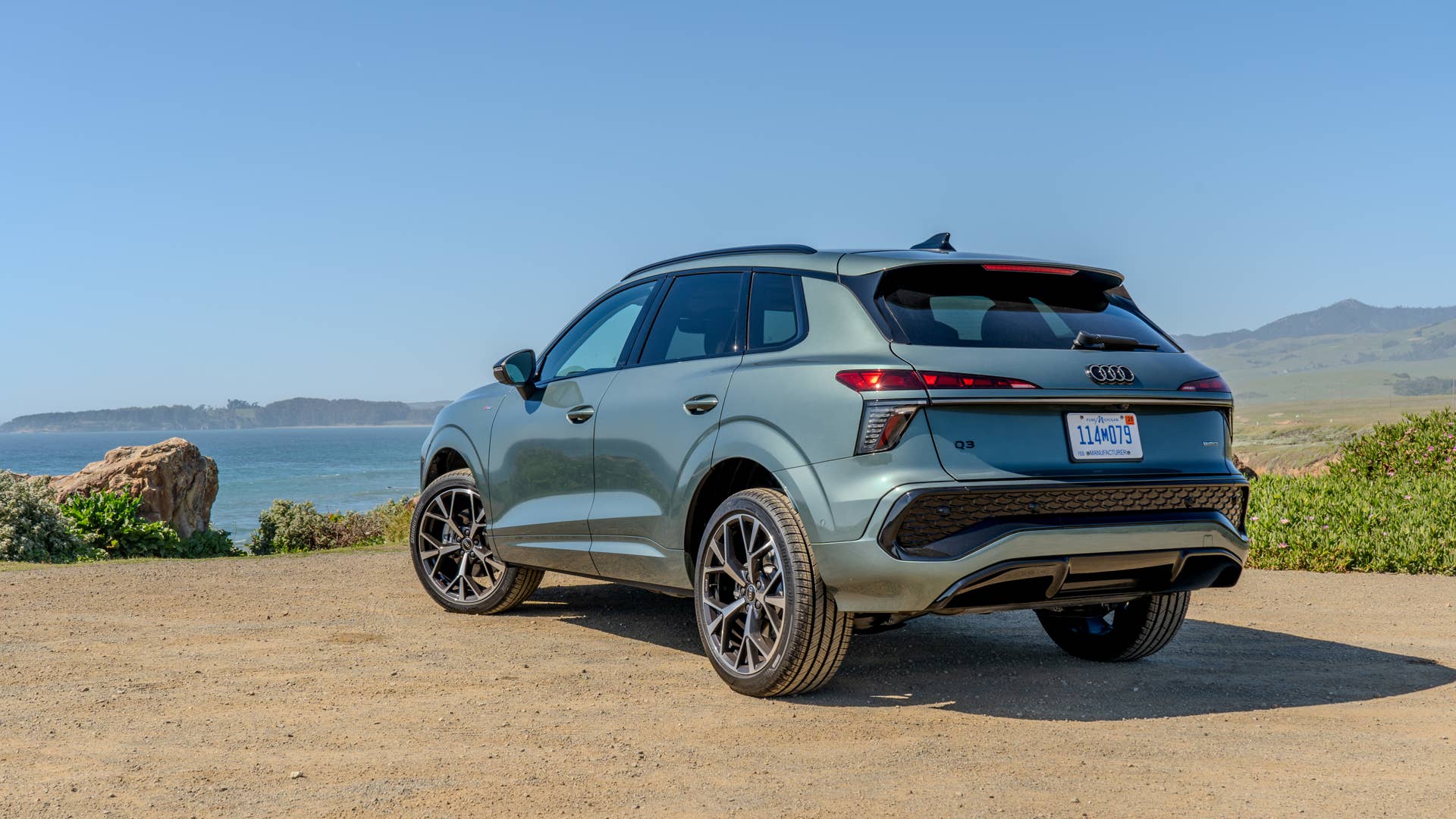
That is what makes these two comparable despite their different identities. They overlap in footprint, pricing, equipment, and target buyer. Both are compact all-wheel-drive two-row crossovers with upscale cabins, strong feature content, and mainstream-premium aspirations. But the Audi leans toward performance, image, and design-forward sophistication, while the Buick leans toward serenity, space, and understated luxury. One is sporty and fashionable. The other is comfortable and stately.
Cole Attisha
Which SUV Is Better to Drive: Audi Q3 S Line Quattro or Buick Envision Avenir?
The Audi is the one that initially flatters the enthusiast ego. It is quicker, more eager, and more athletic in the way it changes direction. The added power is noticeable, and the chassis feels as if it were tuned by people who believe that even a compact crossover should have some rhythm. On a winding road, the Q3 makes a strong case for itself. The steering is firmer and more deliberate, the body control is tighter, and the whole experience feels more alert. If your idea of a sensible everyday vehicle still includes the occasional back-road detour, the Audi is clearly trying to keep that part of you alive. Its updated powertrain, standard AWD setup, and more assertive suspension tuning all support that mission.
Cole Attisha
Despite making less power, the Envision never really felt meaningfully less responsive in the real world. Its 9-speed automatic does an excellent job of delivering quick acceleration smoothly and naturally, and in day-to-day driving, it often feels more polished than the Audi’s dual-clutch gearbox. The Audi is faster, yes, but the Buick is easier. There is less hesitation, less mechanical fuss, and less of that low-speed dual-clutch awkwardness that can make a powertrain feel slightly out of sync with the vehicle’s mission.
Need New Tires? Save Up To 30% at Tire Rack
Find the perfect tires for your exact vehicle and driving style. Click here to shop all top-tier brands, including Michelin, Bridgestone, and more, directly at Tire Rack.
Audi
Which One Feels More Premium Inside?
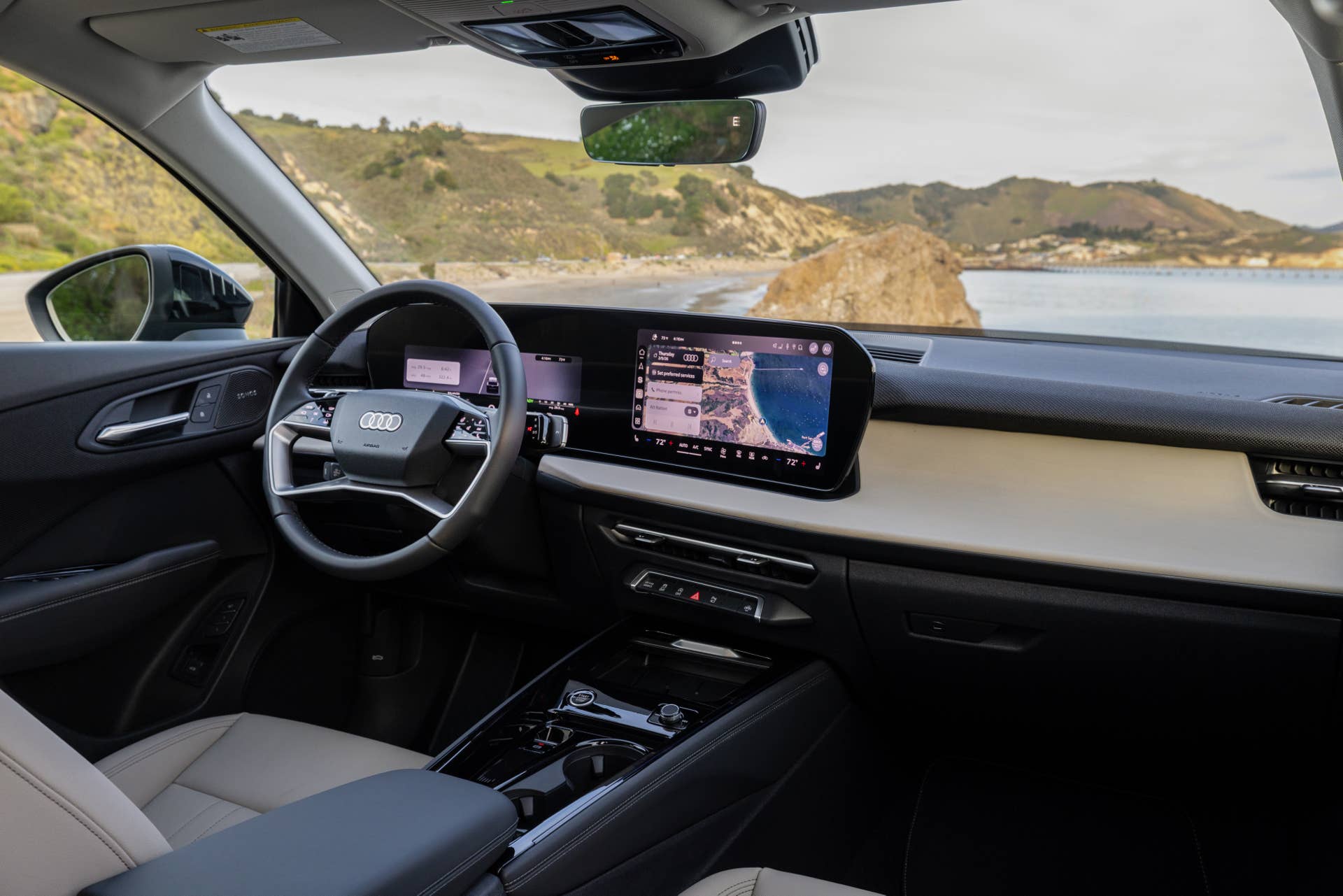
This depends almost entirely on how you define “premium.” The Audi feels more premium in the contemporary luxury sense. Its interior design is sharper, more fashionable, and more obviously curated to impress. The new Digital Stage layout, the screen presentation, the trim execution, and the overall aesthetic all feel like they belong to a brand obsessed with visual modernity. Audi has also done a good job with packaging improvements, materials, and small usability details in the new Q3, while acoustic glass helps reinforce that polished, class-above feel.
Cole Attisha
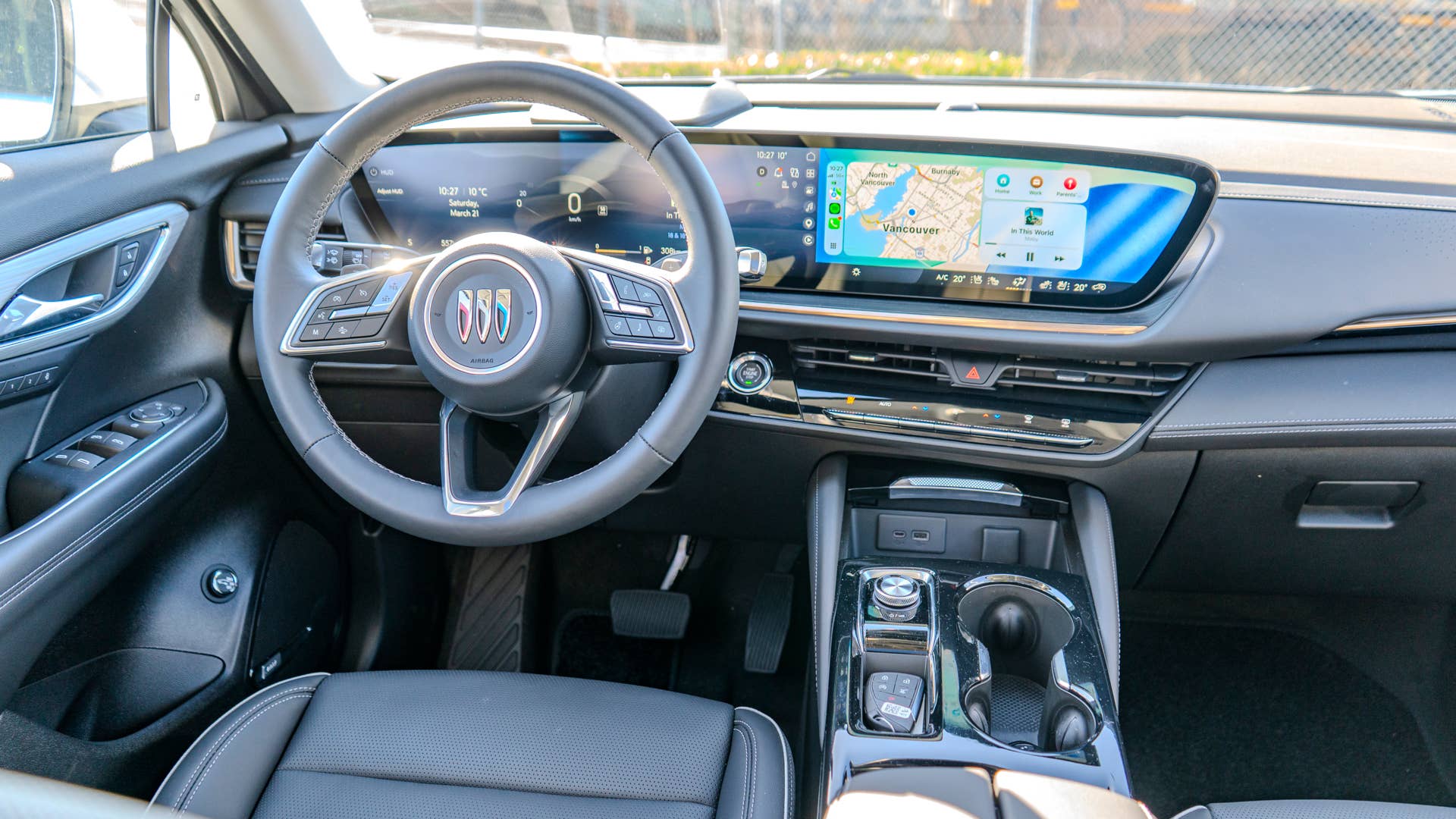
The Buick, though, feels premium in a more subtle and arguably more mature way. It is less interested in evoking “coolness” and more interested in making you feel comfortable, insulated, and well looked after. The seats are the clearest example. The Audis’ chairs are firmer and more supportive in a sporty-German sort of way, but the Buicks’ are simply more comfortable over time. Design follows the same pattern. The Audi looks sharper, more expensive, and more current. The Buick is handsome, restrained, and avoids trying too hard in an almost old-money way.
Audi
Tech, Space, and Everyday Usability Compared
The Audi scores points for presentation and flexibility. Its 11.9-inch digital cluster and 12.8-inch center display are crisp and contemporary, the interface feels convincingly upscale, and the sliding, reclining rear seat gives the Q3 a useful bit of packaging versatility. Cargo capacity is also respectable for the segment, and the availability of trailer hitch prep adds a small but welcome layer of real-world utility.
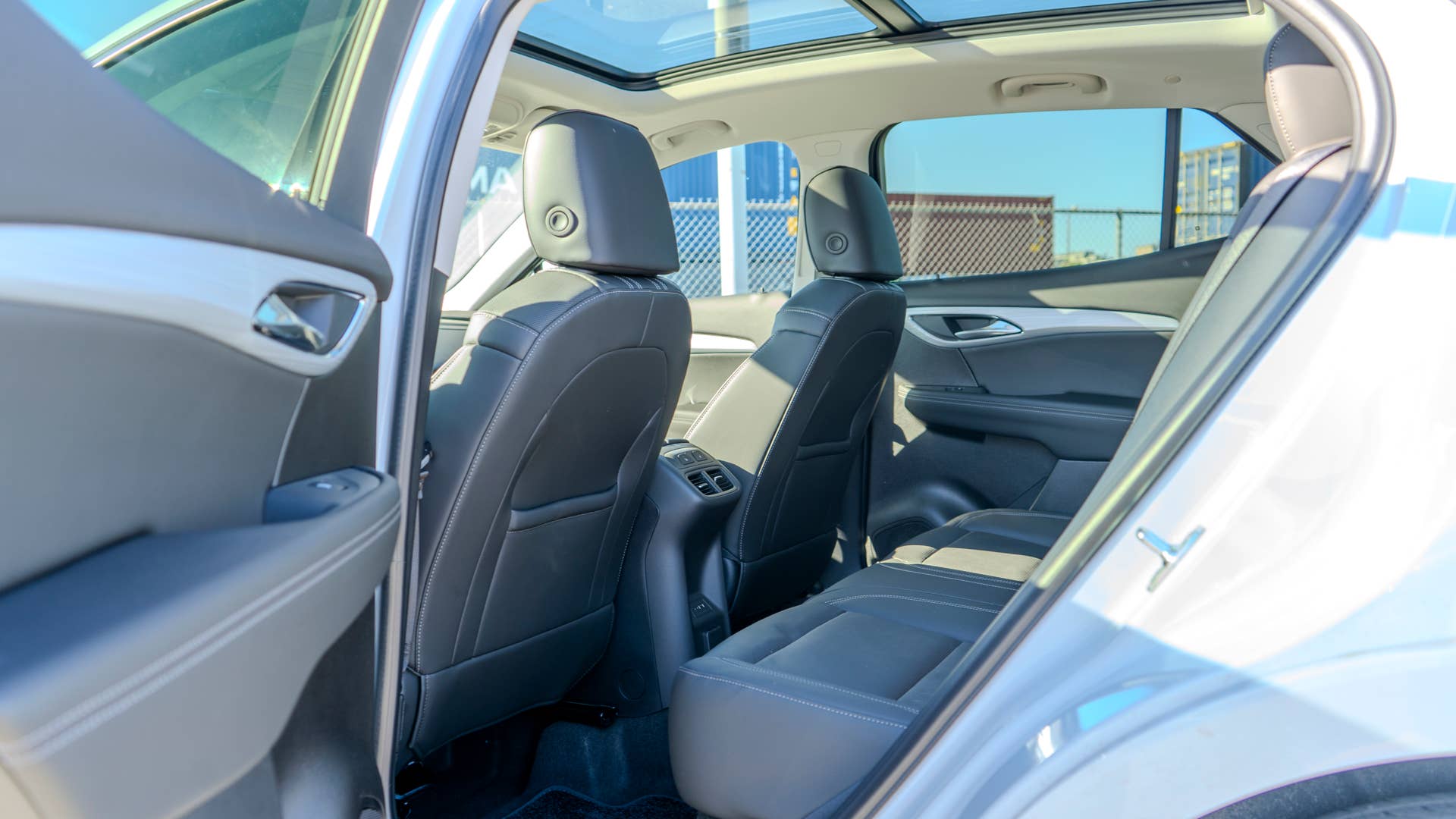
The Buick counters with a cabin that feels more spacious in actual use and a tech setup that is less flashy in a German luxury-brand way but arguably just as effective. The 30-inch ultrawide screen is the obvious centrepiece, and Buick’s integration of Google built-in, Bose audio, wireless charging, and its quiet-cabin philosophy all make sense in a daily-driver context. QuietTuning with Active Noise Cancellation is not a glamorous spec, but it contributes directly to the Envision’s biggest strength: serenity.
Cole Attisha
Even before consulting dimensions or cargo figures, the Buick simply feels airier and more generous inside. That subjective sense of ease counts for a lot in this segment. On paper, Audi’s cargo area is competitive. In practice, the Buick feels more like it was designed around making your life less cramped. This is also where the comparison starts to echo something we sometimes talk about at Road Ethos, the enthusiast-led automotive publication: not every worthwhile car has to perform its goodness theatrically. Sometimes the best design choice is the one that makes a car easier to live with on an ordinary Tuesday, where utility comes before vanity. The Buick understands that instinctively. The Audi understands it too, but filters it through a more image-conscious lens.
Cole Attisha
Pricing and Value: Is the Audi or Buick the Smarter Buy?
The 2026 Audi Q3 starts at $43,700 before destination, or $44,995 with Audi’s $1,295 destination charge. The 2026 Buick Envision lineup, meanwhile, starts at $41,000 in Preferred trim. Simply put, the Envision gets you in the door for less money than the Q3. From a base-trim perspective, that matters. Even the Envision Preferred still gives you a lot of the stuff buyers in this class care most about, including Buick’s 30-inch ultrawide screen, Google built-in compatibility, QuietTuning with Active Noise Cancellation, a full suite of driver-assistance tech, and the same 228-horsepower 2.0-litre turbo paired with a 9-speed automatic that every Envision gets. Preferred also offers standard all-wheel drive, adaptive headlights, heated mirrors, and a 9-speaker Bose audio system. In other words, the cheapest Envision is not some stripped-out rental spec; it already feels like a properly equipped near-luxury crossover.
Move up to the Envision Sport Touring at $43,500, and it lands even closer to the Q3’s starting price while adding memory settings, perforated leather-appointed upholstery with suede-like inserts, a flat-bottom steering wheel, alloy sport pedals, and the darker visual treatment that gives it a more athletic look. That makes the ST the trim that most directly overlaps with the Audi in spirit: still comfort-led, still smoother and roomier-feeling, but no longer giving up quite as much showroom drama.
Cole Attisha
The Audi Q3 still makes a persuasive case for its money. Standard equipment is strong: quattro AWD, 255 horsepower, an 11.9-inch digital cluster, a 12.8-inch center display, heated front seats, leather seating surfaces, acoustic front-side glass, a panoramic sunroof, three-zone climate control, a sliding and reclining rear seat, and three years/30,000 miles of scheduled maintenance. It also brings the stronger badge, sharper cabin presentation, and a noticeably quicker powertrain. For buyers who want their compact crossover to feel stylish, sporty, and properly premium in the modern German sense, the Audi does not feel overpriced.
The Q3 tops out at $51,790 with every option box ticked, whereas the top-trim Envision Avenir comes in at $51,899 when equipped with a premium paint colour ($600) and 3-Year MobileService+ ($599). That means in full-fat guise, both the 2026 Audi Q3 S Line Quattro and the 2026 Buick Envision Avenir share nearly identical price tags. On paper, both offer plenty of posh amenities, similar drivetrains, and similar size. Whether one offers better value than the other is entirely up to you, and whether you value brand appeal and sharpness more than regality and uncompromised comfort and practicality.
Cole Attisha
The Real Verdict: Audi Q3 or Buick Envision?
This really comes down to what you believe a compact crossover should be. If you want your daily driver to feel sharper, more stylish, and a little more fashion-conscious, the 2026 Audi Q3 S line quattro is the better fit. It looks more contemporary, feels more athletic from behind the wheel, and carries the kind of badge appeal that still matters in this part of the market. It is the crossover for the buyer who wants practicality, but does not want to feel like they have surrendered entirely to it.
The 2026 Buick Envision, meanwhile, takes a different view. It is less interested in performative sportiness and more interested in making your life easier. It feels roomier, rides better, isolates you more effectively from the outside world, and generally behaves like a compact crossover that understands the assignment. In Avenir form, especially, it leans into comfort and understated luxury in a way that feels refreshingly mature. That is why, perhaps somewhat surprisingly, I would choose the Buick.

Cole Attisha
Not because the Audi is worse. In many ways, it is the more exciting and more outwardly desirable vehicle. But in a segment like this, excitement has its limits. A compact crossover is supposed to be an all-in-one solution, not a compromised imitation of a sports sedan or hot hatch. The Q3 does a commendable job of injecting some edge into the formula, and for some buyers, that alone will make it the right choice. But during my time with both, I found myself appreciating the Buick’s serenity more than the Audi’s sharpness. The Audi is the one I admire. The Buick is the one I would rather live with.
About the author

Cole Attisha
Staff Writer, Autoblog