
Luxury, at least in the automotive sense, gets harder to define the smaller a vehicle is. For a full-size SUV, the formula is simple enough: more insulation, more power, more equipment, more of everything. In something compact, the trick of the trade changes drastically. Space is tighter, and proportions are trickier to work with. Buyers still expect premium materials, strong tech, and a sense of occasion, but they also expect the vehicle to justify itself as a small one rather than apologize for being one, all while remaining less expensive than larger alternatives. That has always been the Audi Q3’s challenge. For years, it has done most of what was asked of it. It looked smart, felt expensive enough, and delivered the kind of polished road manners people associate with the four-ringed badge. But it also tended to feel like exactly what it was: Audi’s smallest and least-expensive SUV, and often the one you bought on the way to something else.
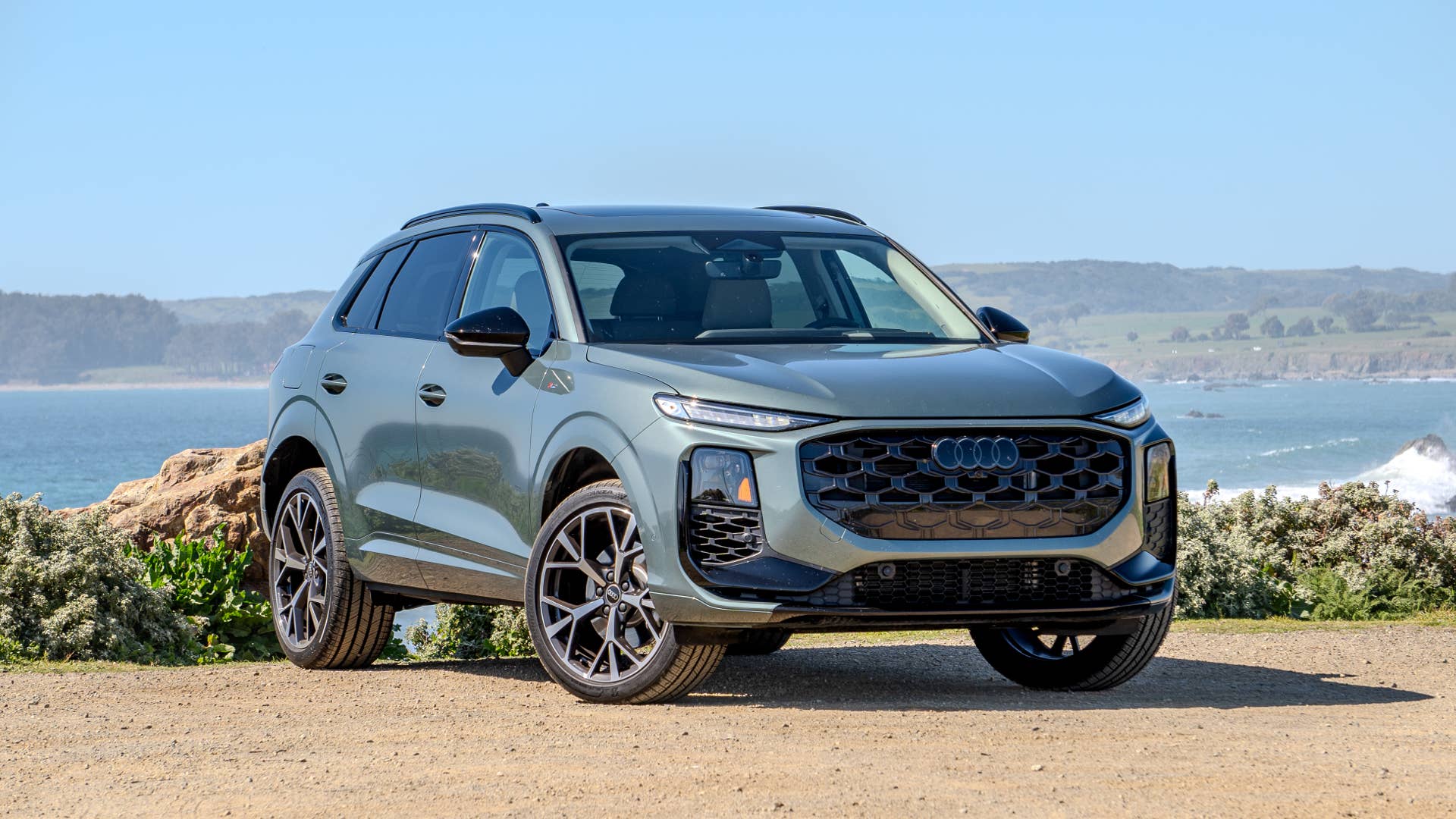
After driving the redesigned 2026 Audi Q3 S line quattro around San Luis Obispo, California, I came away thinking Audi has made that compromise much less obvious. The new Q3 is more powerful, more polished, and more convincing from both behind the wheel and at the curb. It also looks more premium than before, thanks in part to a longer hood and more assertive proportions that give it a stance closer to that of a scaled-down Q5 than to a dressed-up VW Taos.
That said, this is not a revolutionary rethink of the Q3 formula. Rather, it is a very well-executed refinement of it. The 2026 model feels modern in ways that matter, more composed in the corners, and more upscale inside, but it also leaves some room for improvement. Its ride is firm enough to remind you that Audi tuned this one with the driver in mind, and while the redesign is handsome, it does not fully escape a certain generic quality. The result is a compact luxury SUV that is easy to respect, easy to recommend, and just a little harder to really fall in love with.
Cole Attisha
The 2026 Audi Q3 Looks More Expensive Than It Is
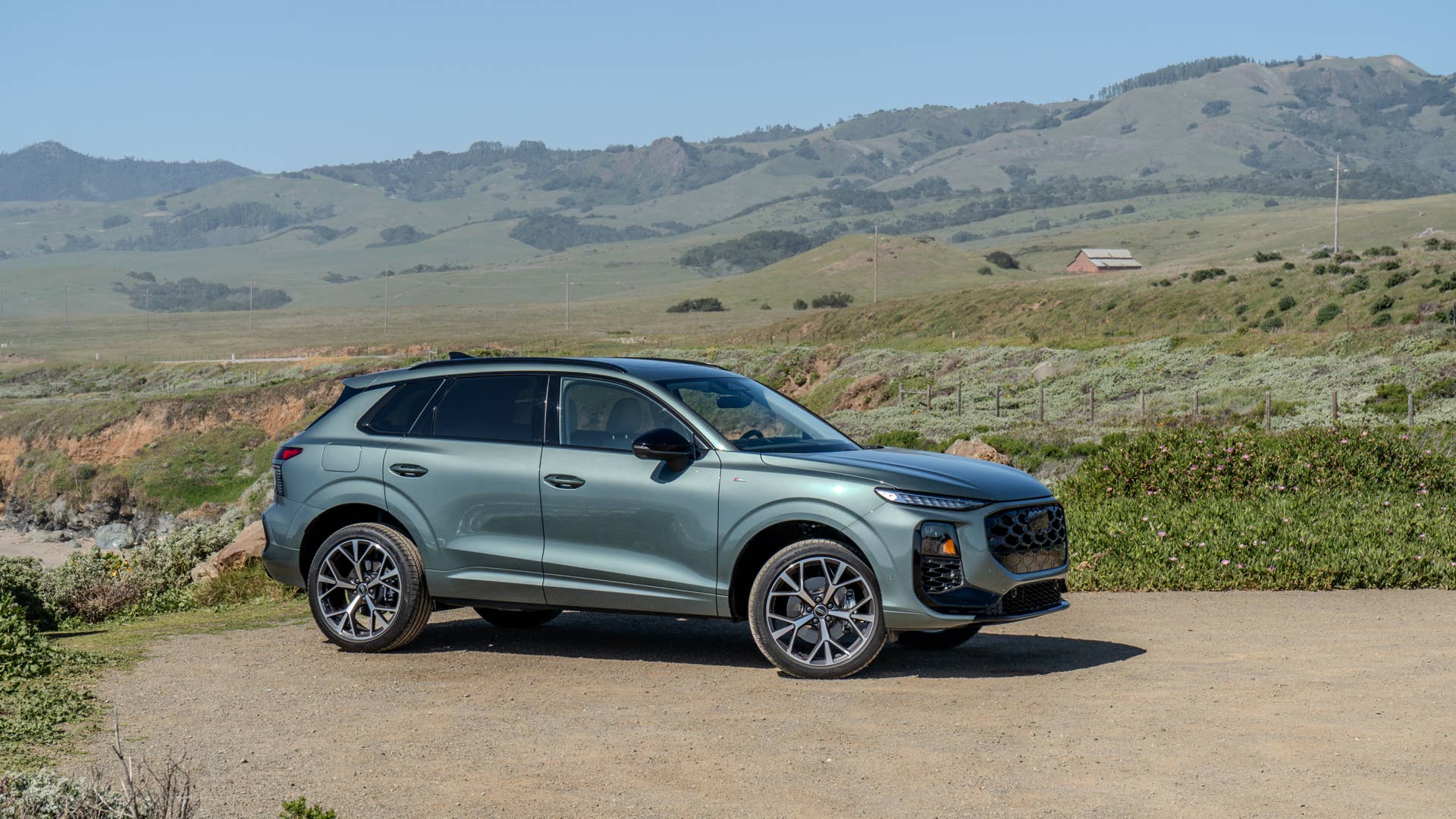
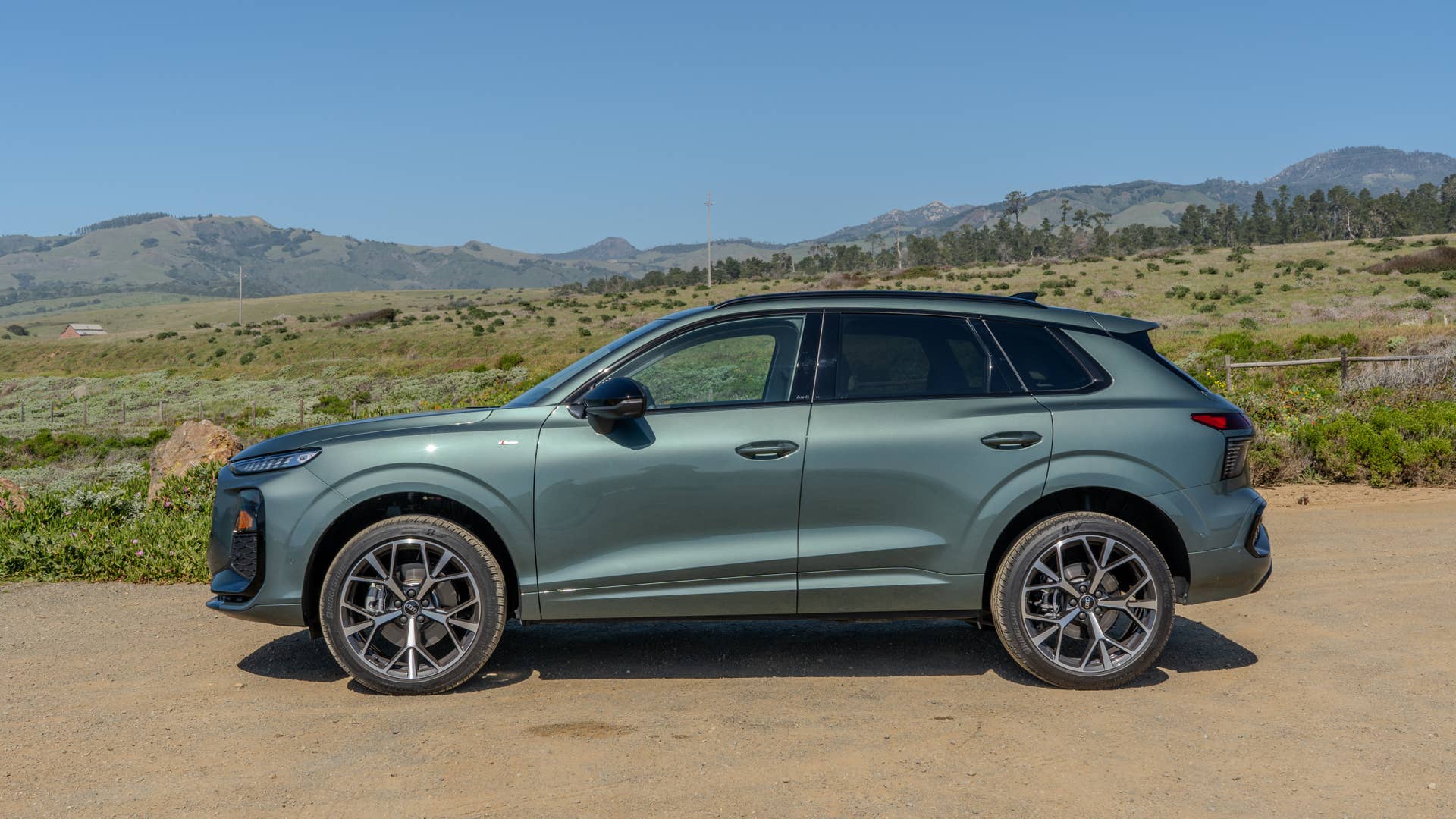
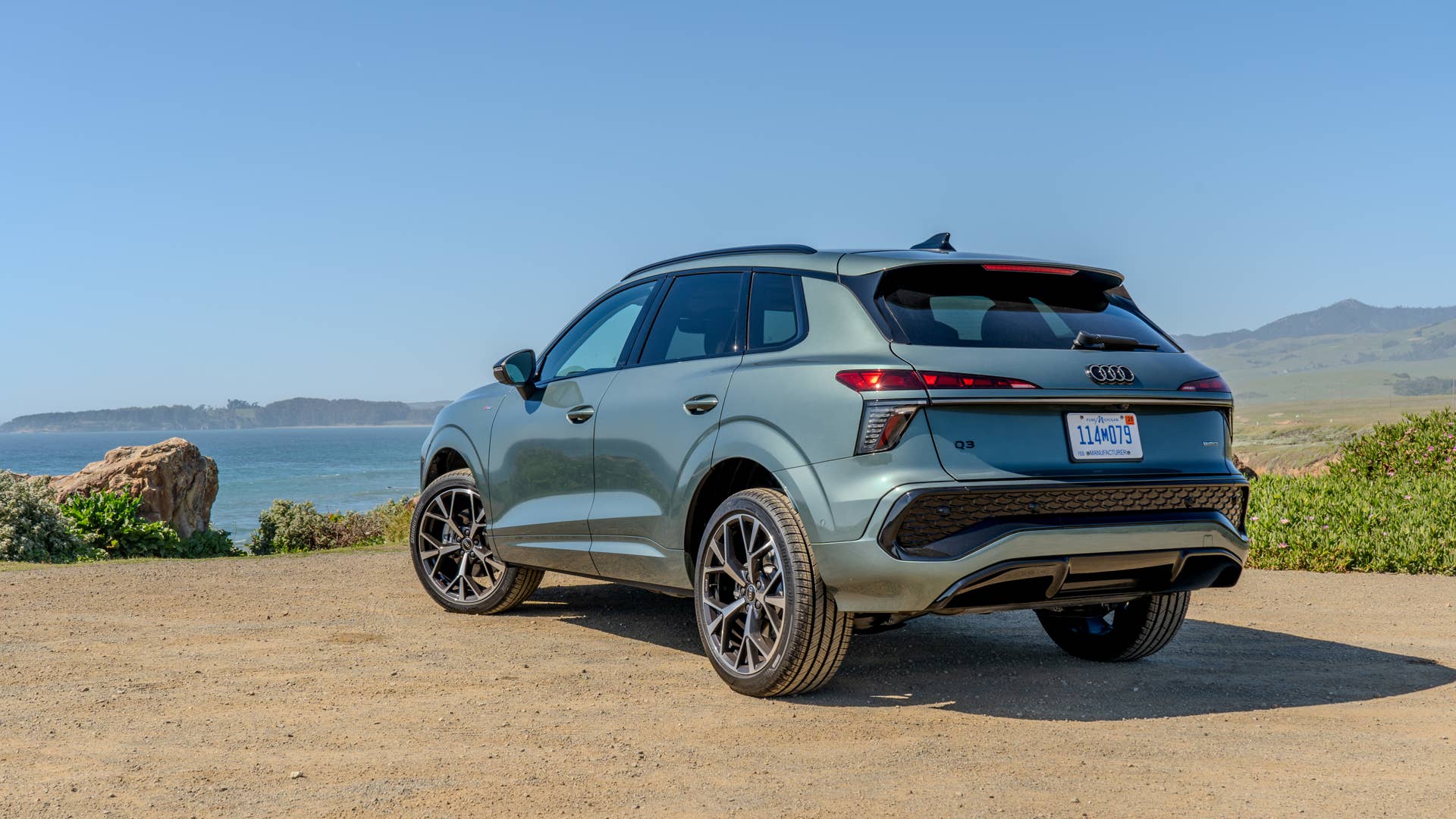
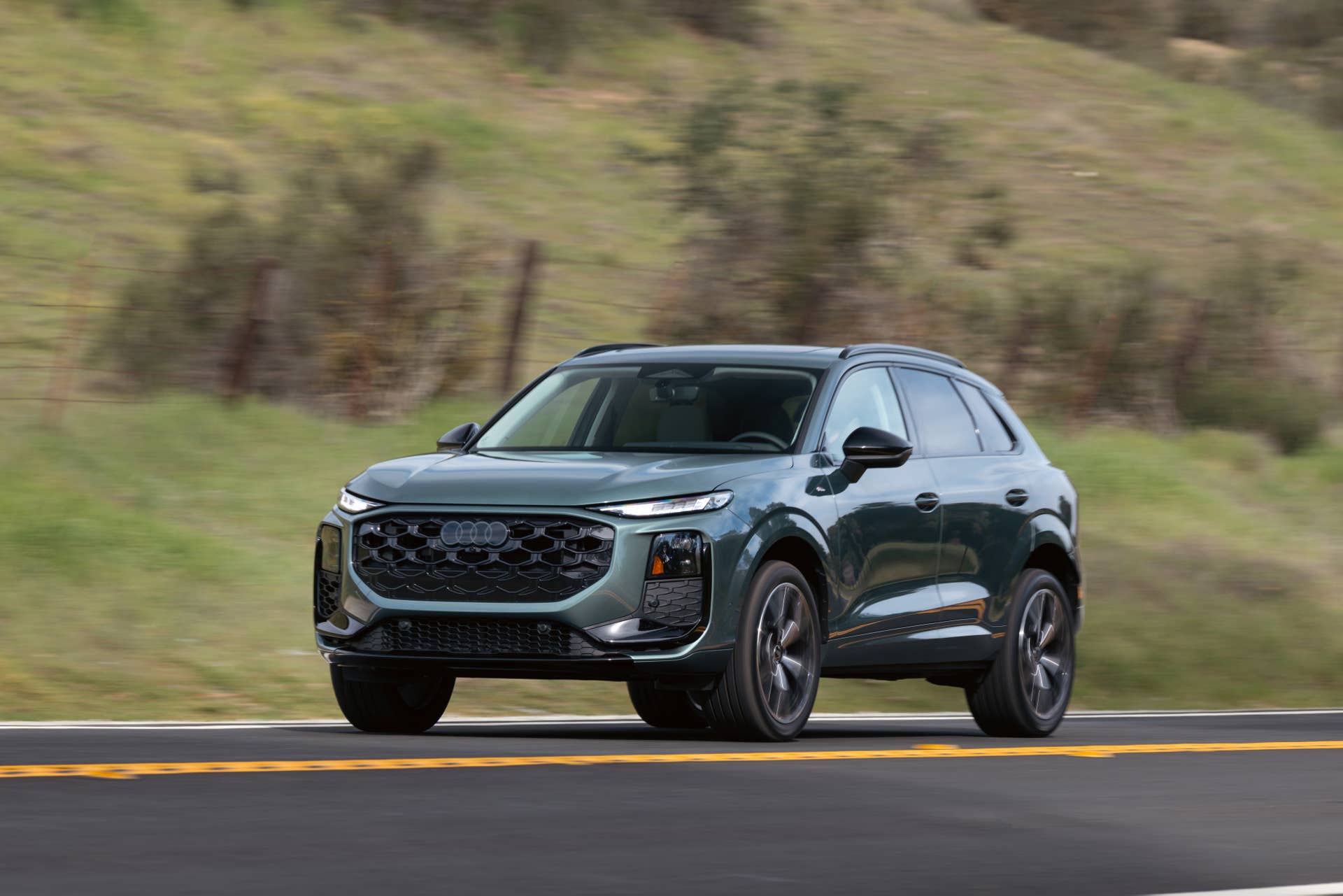
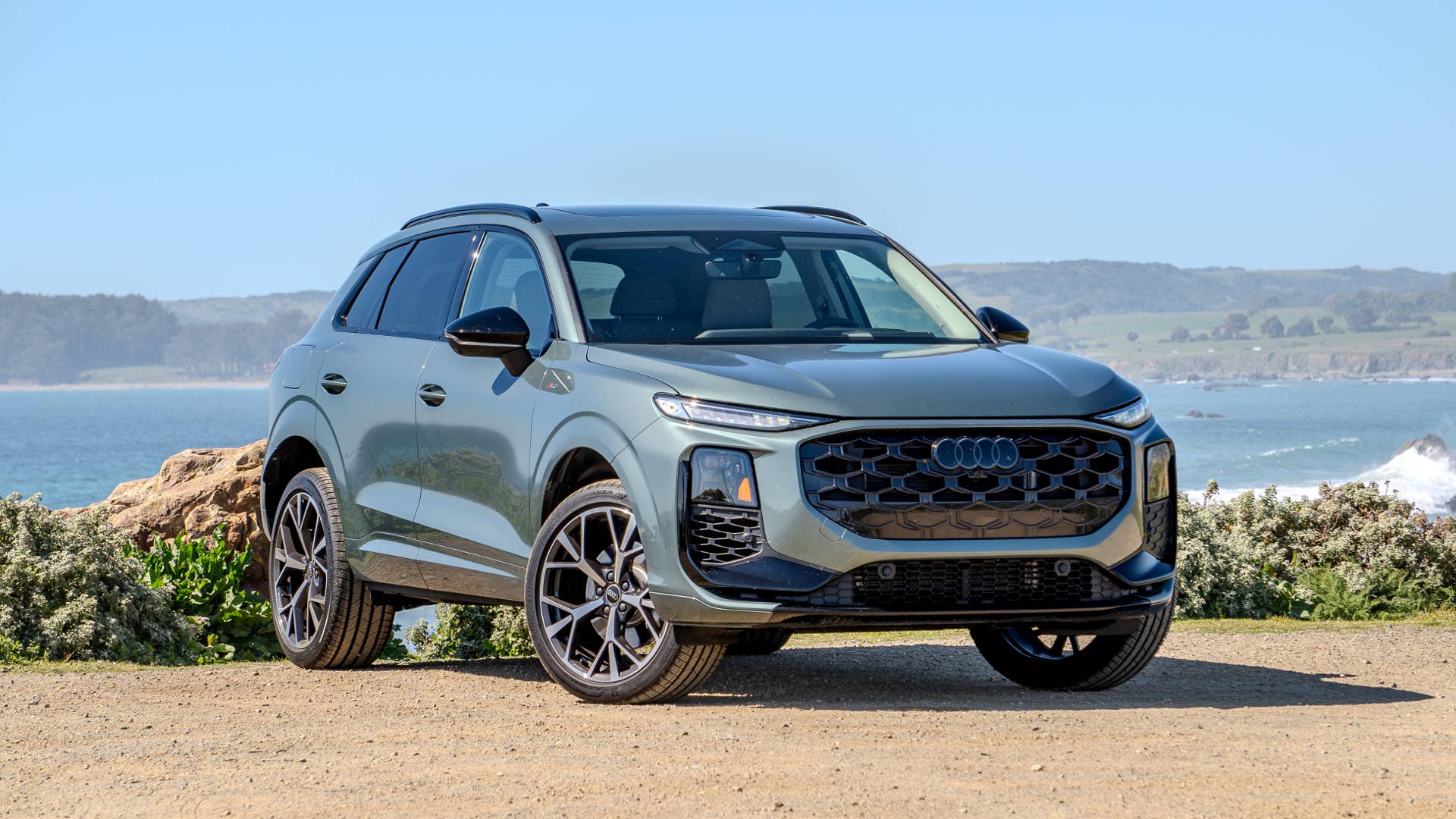
The design is one of the new Q3’s strongest cards, and probably the most immediate sign that Audi understood what needed fixing. The old Q3 wasn’t unattractive, but it could look a little too upright, and a little too aware of its entry-level status. This new one does a much better job of hiding that. The longer hood changes the car’s overall attitude. It gives the Q3 a more planted, more rear-drive-looking stance, even if the mechanical layout underneath has not changed its basic philosophy. Visually, that matters. It makes the SUV look more premium, more confident, and more substantial than before.
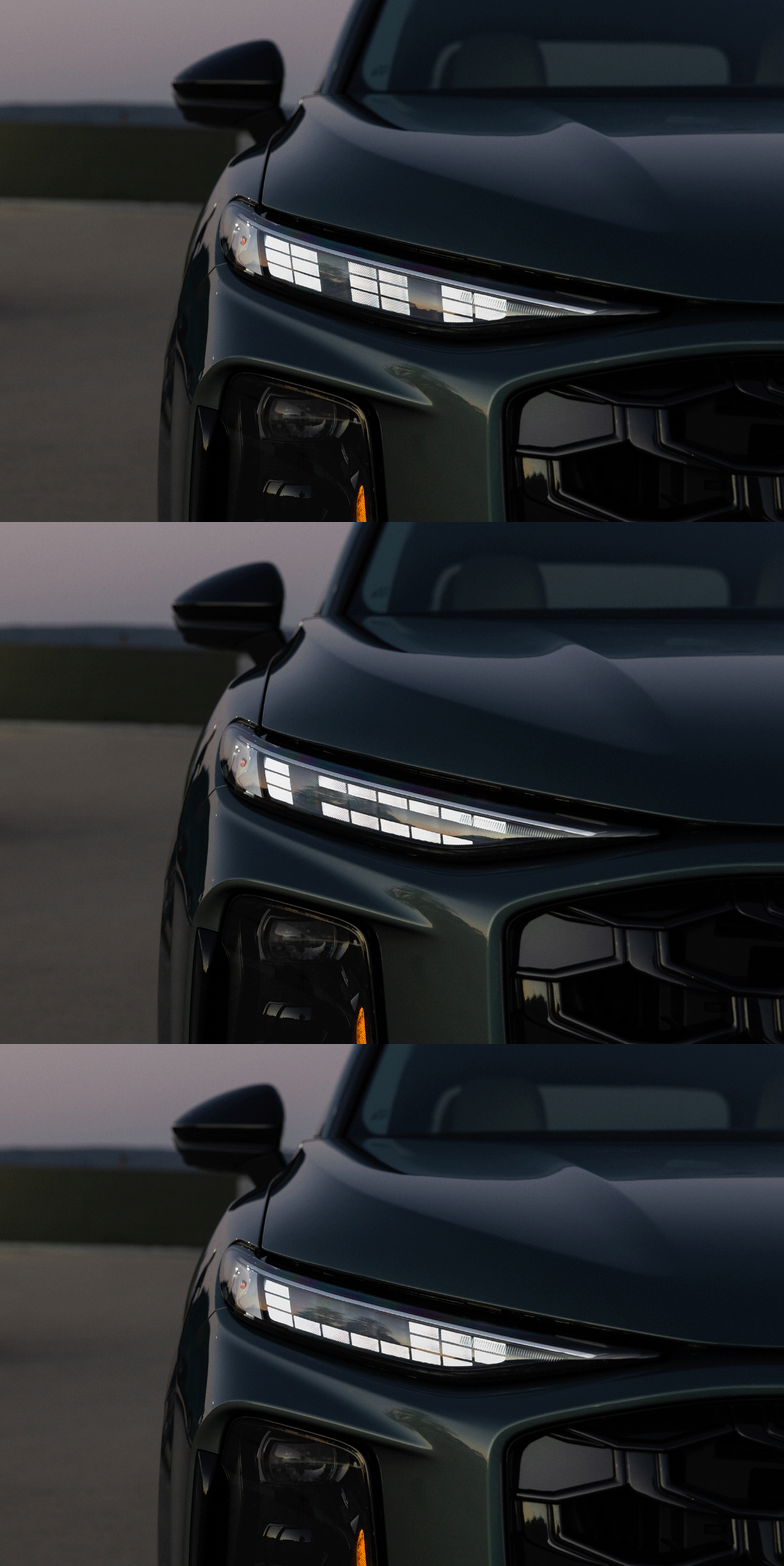
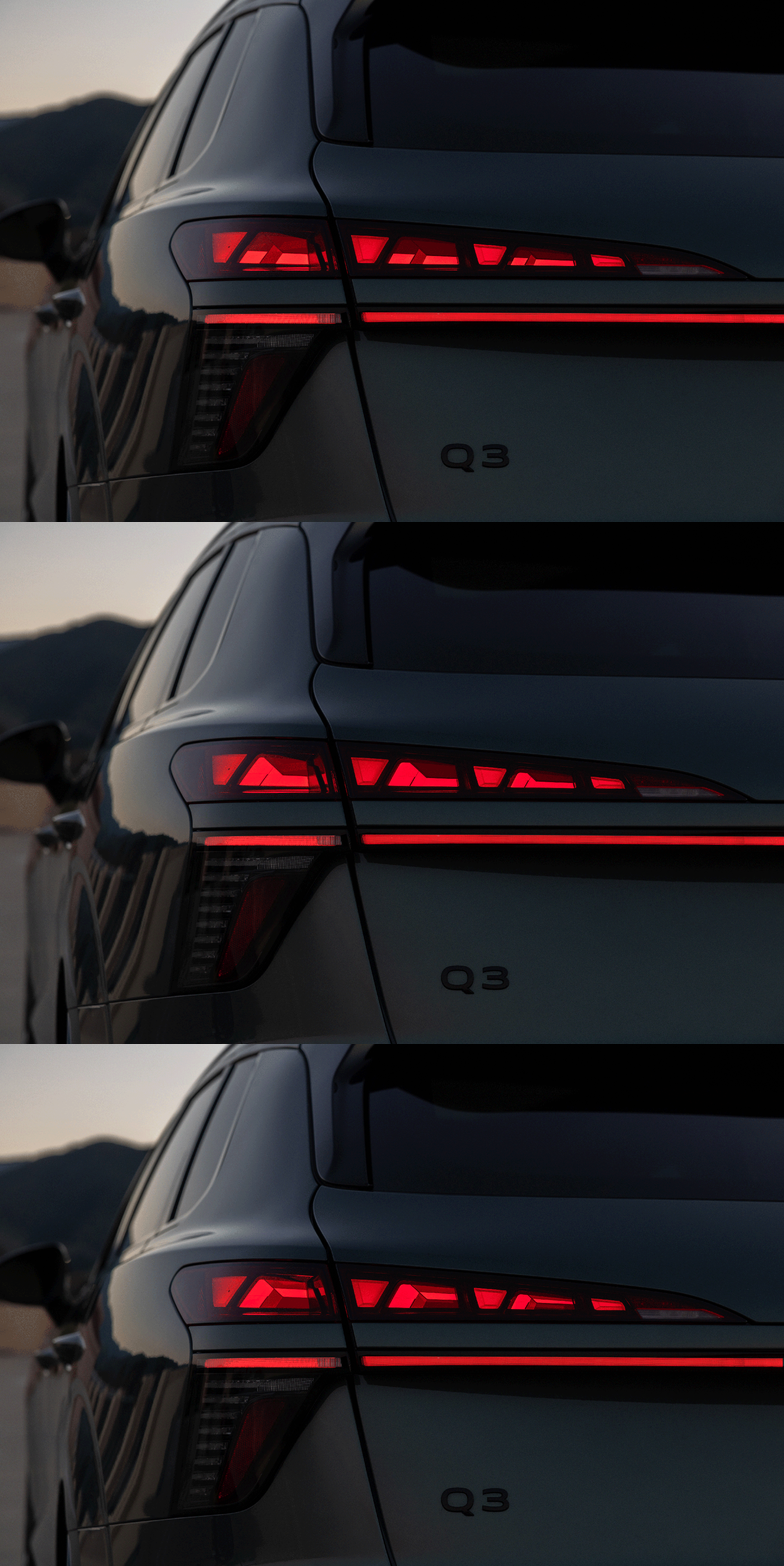
Audi also did a solid job of making the new Q3 feel like it belongs with the rest of the lineup. The front end is sharper, the split-lighting signature is more modern, and the overall shape feels more cohesive with both Audi’s current gas-powered SUVs and its e-tron EVs. All U.S.-spec Q3s now come standard with S line exterior treatment, Phantom Black grille detailing, LED headlights, illuminated rear Audi rings, and wheel options ranging from 18 to 20 inches.
Cole Attisha
The 2026 Q3 starts at $43,700 before destination, or $44,995 with Audi’s $1,295 destination charge included. My test car, finished in Sage Green Metallic over Parchment Beige with Steel Gray stitching, landed at $51,790 as tested. That figure included the $595 paint, $1,800 20-inch wheel package, $750 Black Optic package, $1,250 Driver Assistance package, $1,000 Infotainment package, and $1,400 Technology package.
At nearly fifty-two grand, the Q3 has to do more than just look cleaner and newer than before. It has to look convincingly premium—and to its credit, it mostly does. The Sage Green paint suits it well, the 20-inch tripod wheels help fill out the new proportions, and the Black Optic package gives the whole thing a little more presence without dipping too far into try-hard territory.
Audi
Audi
Even beyond the options, Audi has built in a fairly strong standard-equipment feature list. Leather seating surfaces, heated power front seats with lumbar and driver memory, a panoramic sunroof, natural tulipwood inlays, three-zone climate control, an 11.9-inch virtual cockpit, a 12.8-inch center display, acoustic front side glass, navigation, wireless Apple CarPlay and Android Auto, adaptive cruise control, and a power tailgate all come standard. That helps the Q3 make better sense of its price, especially since Audi also now includes three years or 30,000 miles of scheduled maintenance, which previously cost around $1,300.
Still, “handsome but a bit generic” feels like the right way to describe it. The redesign is successful, but not especially adventurous. It is more cohesive and more premium, but it does not completely shake the sense that Audi is working within a familiar luxury-crossover template rather than trying to create something especially distinctive. That is not necessarily a flaw, as cars in this segment do not need to be eccentric. But Q3’s styling is more likely to impress you for being clean and well-judged than for being memorably theatrical.
Cole Attisha
Audi Finally Gave the Q3 the Powertrain It Needed
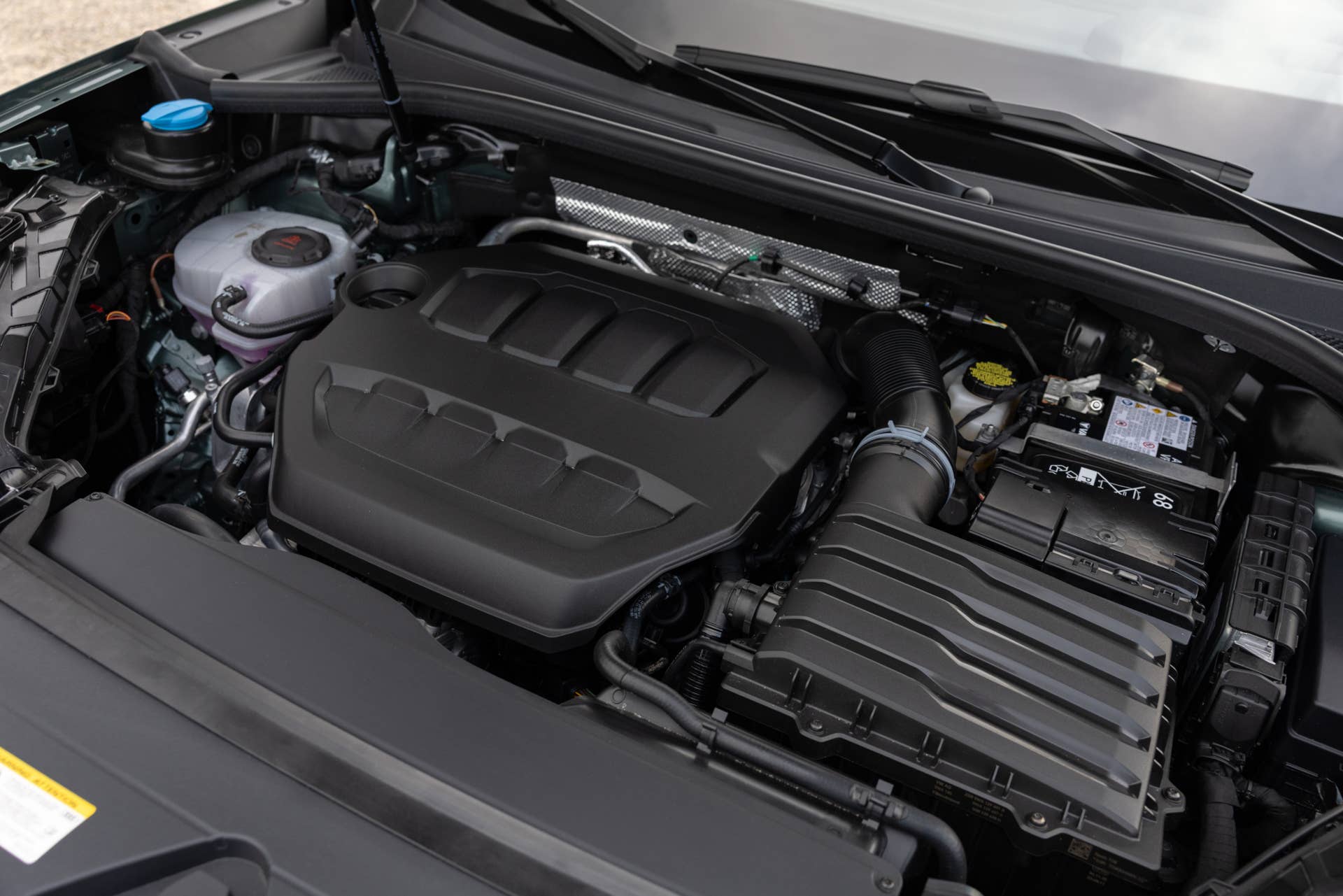
On paper, the 2026 Q3 makes an even better first impression. Its turbocharged 2.0-litre four-cylinder now produces 255 horsepower and 273 pound-feet of torque, and it sends that output through a seven-speed dual-clutch transmission to all four wheels. Audi says it will reach 60 mph in 5.5 seconds, which is properly quick for a compact luxury SUV and a notable improvement over the old Q3. EPA estimates land at 22 mpg city, 29 mpg highway, and 25 mpg combined, which is respectable for a compact luxury SUV with standard all-wheel drive, though not especially remarkable. Importantly, though, the Q3 is one of the very few options in its segment that will happily accept regular gas in its tank—no premium fuel is required.
From the driver’s seat, those numbers all feel believable. The Q3 has enough power to feel modern and competitive, but never so much that it feels abundant. The new Q3 is quicker than it used to be, and it feels usefully quicker in the real world. Getting up to highway speeds is easy, overtaking is straightforward, and there is enough shove on demand that you don’t have to second-guess the car in ordinary driving. What there is not, though, is any real sense of excess. The Q3 hits a sweet spot where it feels strong enough to be satisfying without ever lifting the hairs on the back of your neck. When passing on two-lane roads, I always had a clear sense of when I could overtake and when I could not. That sounds like an odd compliment, but it speaks to how the Q3 delivers its performance: not with abundance, but with clarity.
Audi
That basic theme carries over into the engine’s character. The EA888 turbo four is polished, smooth, and never coarse, but it is also more of an effective tool than a sentimental centrepiece. It does exactly what you expect from a modern Audi-VW Group four-cylinder. It pulls cleanly, feels refined enough, and never embarrasses itself, yet it does not bring much personality to the experience. This is not an engine you remember for its sound or sense of occasion. It is one you appreciate for getting the job done properly.
The dual-clutch gearbox is similarly well-tuned. Audi has clearly softened its behaviour to suit the reality of how most buyers will use this vehicle. In start-stop traffic, it can still be a bit fussy, but otherwise it is smooth enough that most drivers will barely register that it is a dual-clutch. In automatic mode, it behaves more like a well-sorted conventional automatic than the sometimes busy or abrupt unit people may associate with older DSGs. Use the paddle shifters in Dynamic mode on a twisty road, and the transmission still responds well enough to remind you it’s listening closely to your inputs. But it never feels especially eager to play along in the way a GTI or Audi S3 might. The Q3 does not want to be a hot hatch in disguise. It wants to be a luxury crossover with some added sharpness. In that sense, Audi gets the balance just about right.
Audi
How the Q3 S line quattro Feels on California Roads
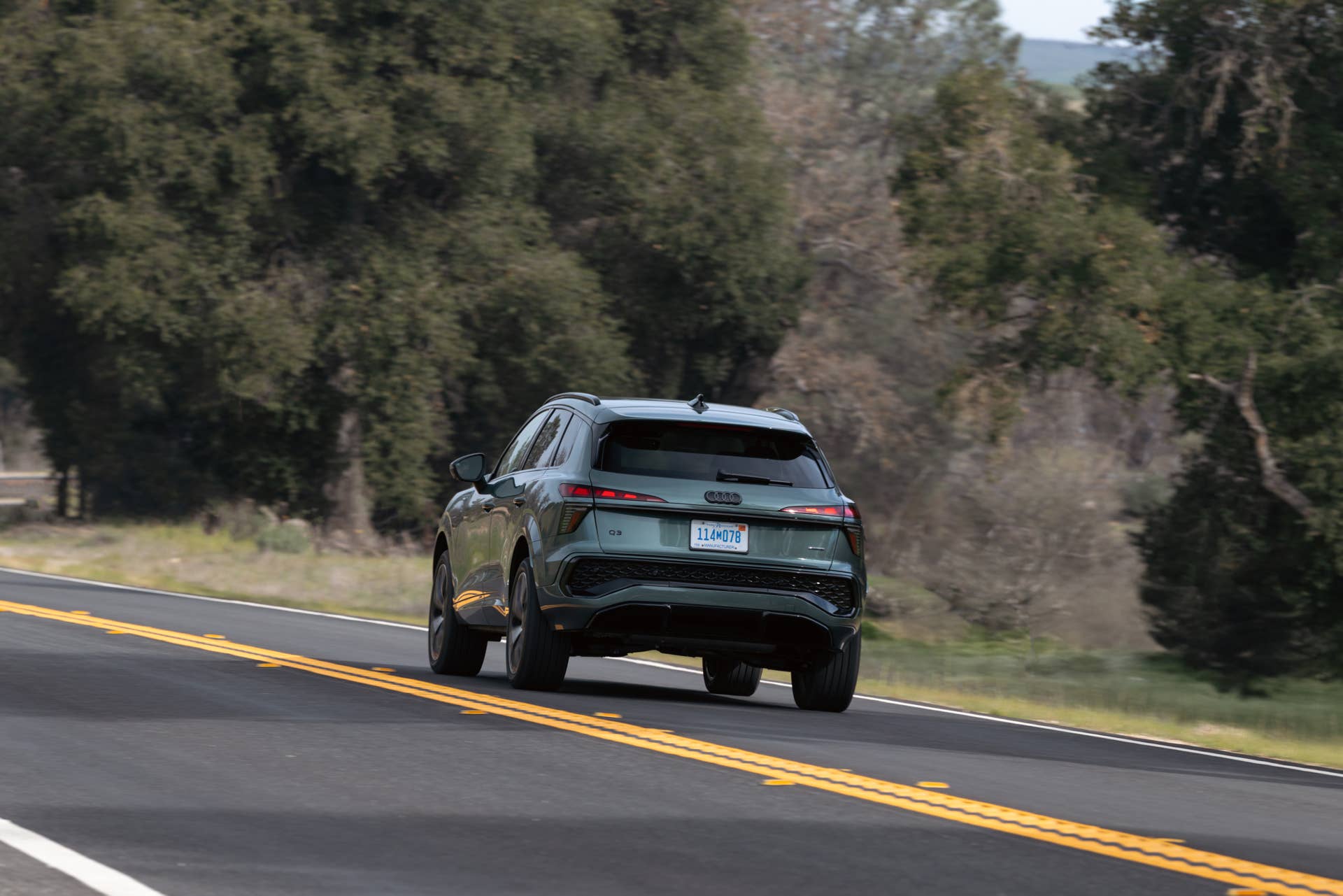
The roads around San Luis Obispo suited the Q3 well, giving it room to show both its strengths and its compromises. Our route mixed canyon roads with tight bends and constant elevation changes, plus sections of highway along the Pacific Coast Highway. The pavement was mostly in good shape, so this was not a punishing route, but it was enough to get a read on what Audi was chasing with the new chassis tuning.
The first thing that stands out is that the Q3 feels more agile than its shape suggests. The steering is accurate and nicely weighted, with tuning that leans toward sportiness and feedback rather than softness or effortlessness. It is not chatty in the old-school sense, but it is precise enough to encourage confidence, and the front end goes where you point it without hesitation. The chassis offers flatter cornering than expected, and through tight canyon sections, the Q3 feels smaller and more eager than the rivals in this segment that don’t tout “AMG” or “M” badging.
Audi
The suspension is firm. On a good road, that firmness helps the Q3 feel tied down and composed. On a longer drive, when tackling broken pavement, or from the passenger seat, it can start to wear on you. The constant motion over twisty roads and repeated elevation changes made me extremely nauseous as a passenger, though to be fair, almost any amount of discomfort will set off my motion sickness and vertigo—I am a delicate flower. Even allowing for that, the experience reinforced something important about the Q3’s character: it is tuned first and foremost for the person holding the wheel.
That is not always the safest choice in this segment. A lot of small luxury SUVs succeed by trying to be all things to all people: comfortable enough for the family, soft enough for long trips, and vaguely sporty when the road turns interesting. The Q3 takes a clearer side. It is practical, yes, but its suspension tuning suggests Audi was more concerned with making it feel sharp and youthful than with making it plush and isolating. The brakes also fit the “S Line” character. They are progressive and easy to modulate, though they do ask for more pedal effort than some buyers might expect. Audi’s hardware here is fairly serious for the class, too, with 13.4-inch ventilated front discs and 12.2-inch ventilated rears.
At speed, there is still noticeable road noise. The standard acoustic front glass helps keep outside sounds from becoming intrusive, but the Q3 is not as hushed as some buyers may expect from a modern luxury SUV. In that sense, it still feels like a compact Audi rather than a scaled-down flagship. Compared with a Mercedes-Benz GLA, though, the Q3 feels more playful and less frustrating, especially in the way the transmission works with you rather than against you.
Audi
The Cabin Feels Like a Mini Audi, Not a Budget One
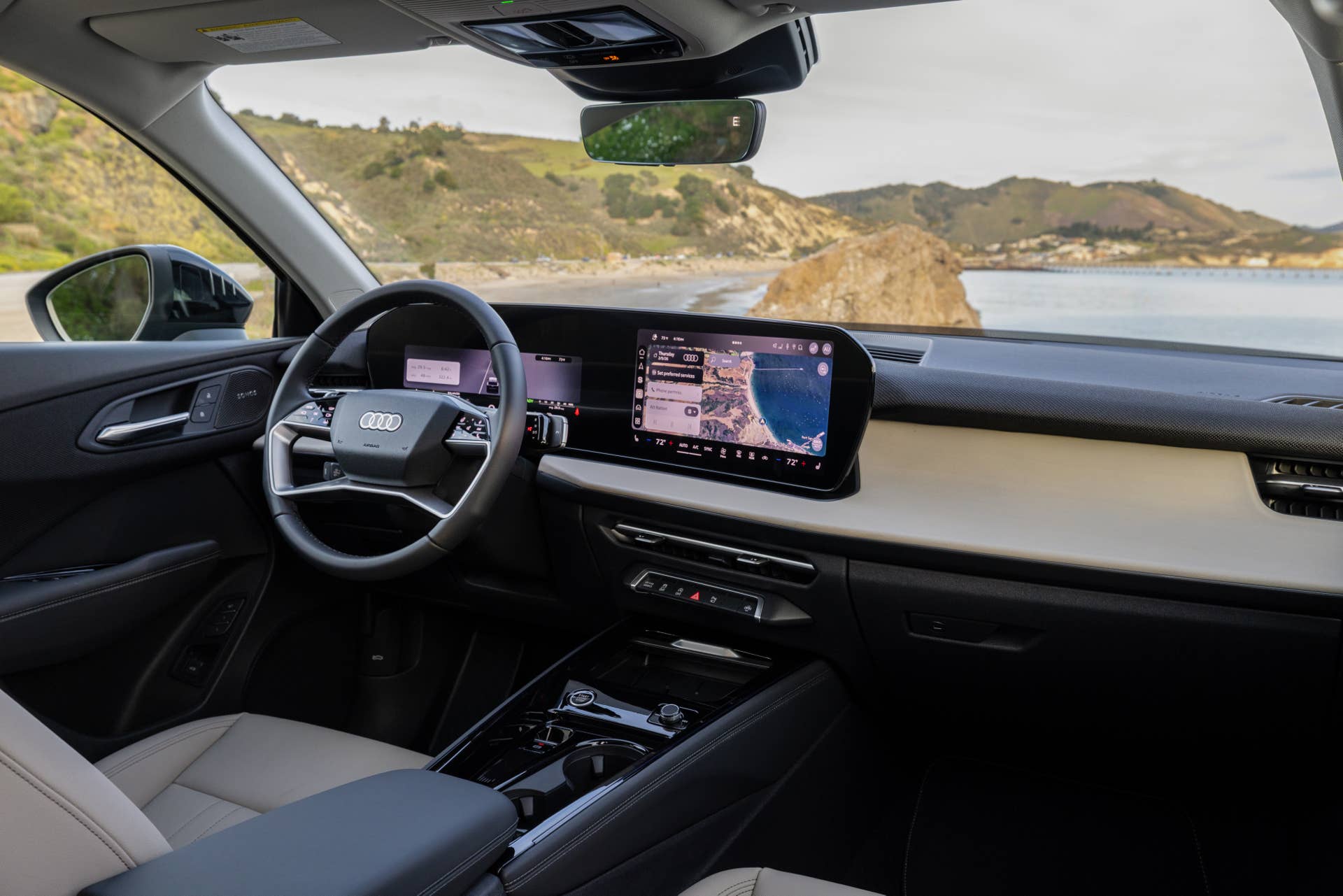
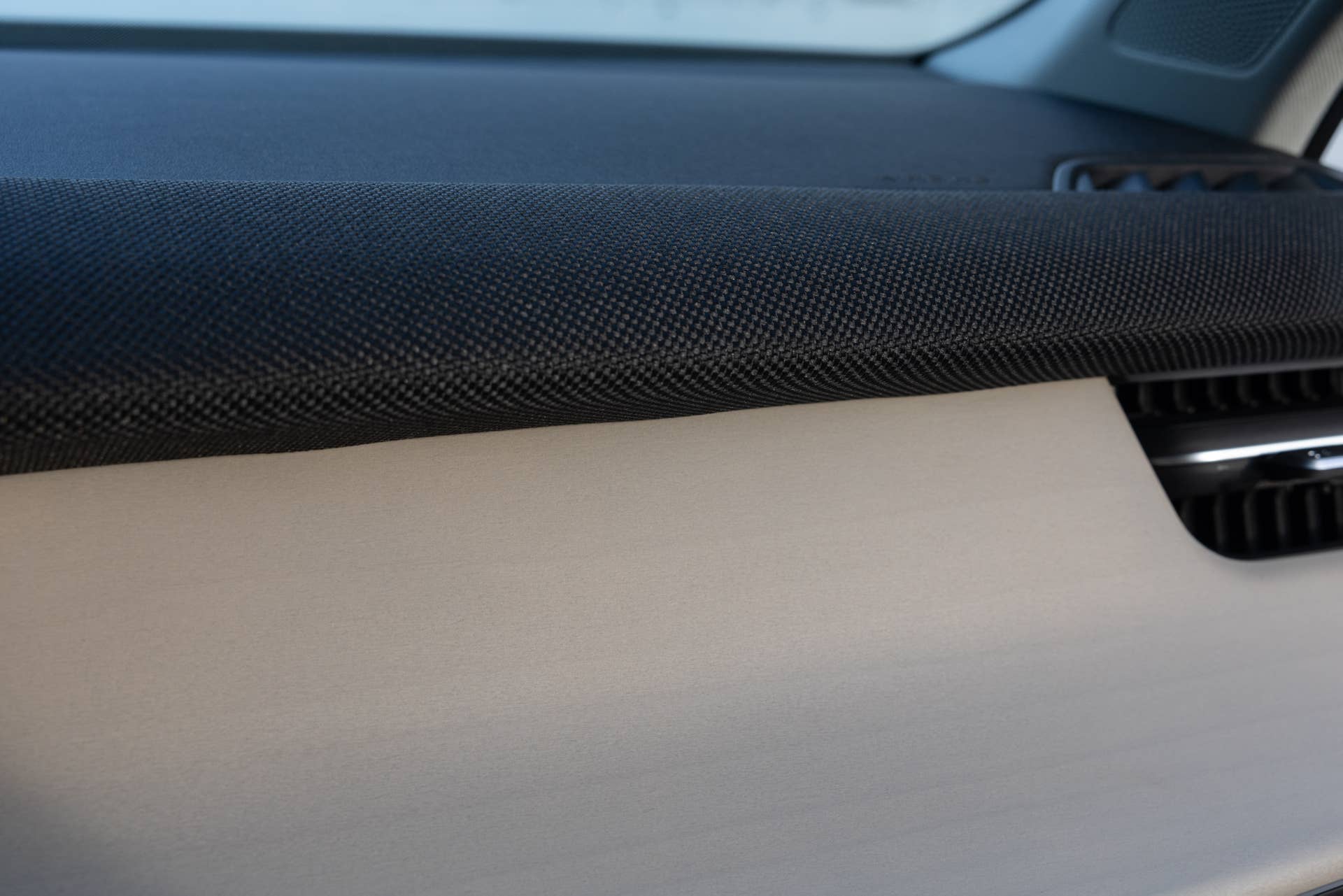
Inside, the Q3 makes one of its clearest cases for itself. The cabin feels materially richer than the old Q3 and, more importantly, properly assembled. That may not sound glamorous, but in this part of the market, it really matters. Some lower-end luxury interiors can look impressive in photos but feel thin, brittle, or poorly screwed together in person. The Q3 avoids that. Everything felt solid and well put-together, with none of the squeaks and creaks I have noticed in some low-end Mercedes cabins.
Audi’s latest screen-heavy interior design works reasonably well here. I appreciated the return of the virtual cockpit with integrated navigation, and the lower placement of the driver information area makes it easier to see through the steering wheel. That said, the surrounding dashboard area leaves noticeable dead space, which can look a little blank and underutilized. It is not ugly, exactly, but it does make some aspects of the interior feel like afterthoughts.
Audi
Audi
Audi
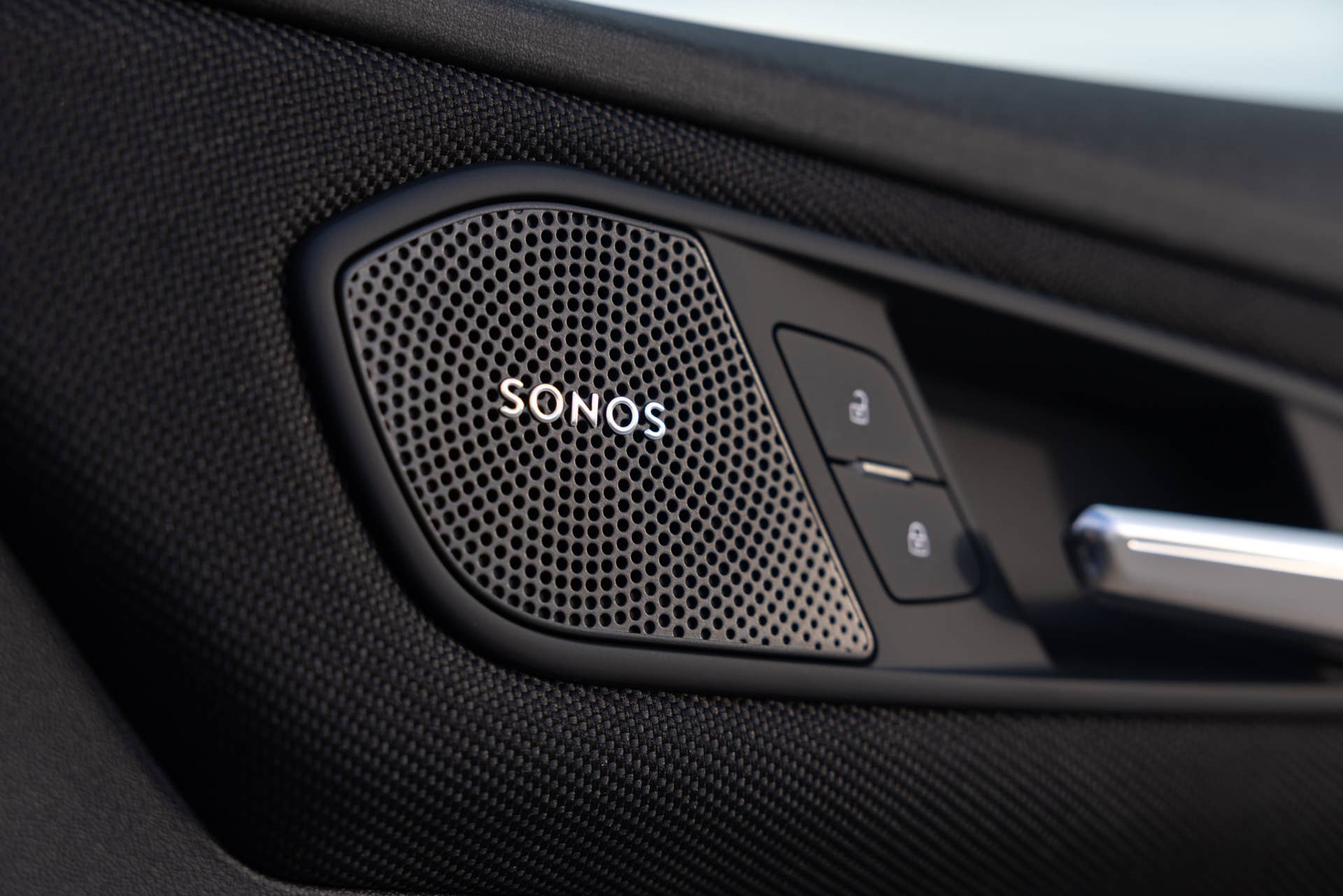
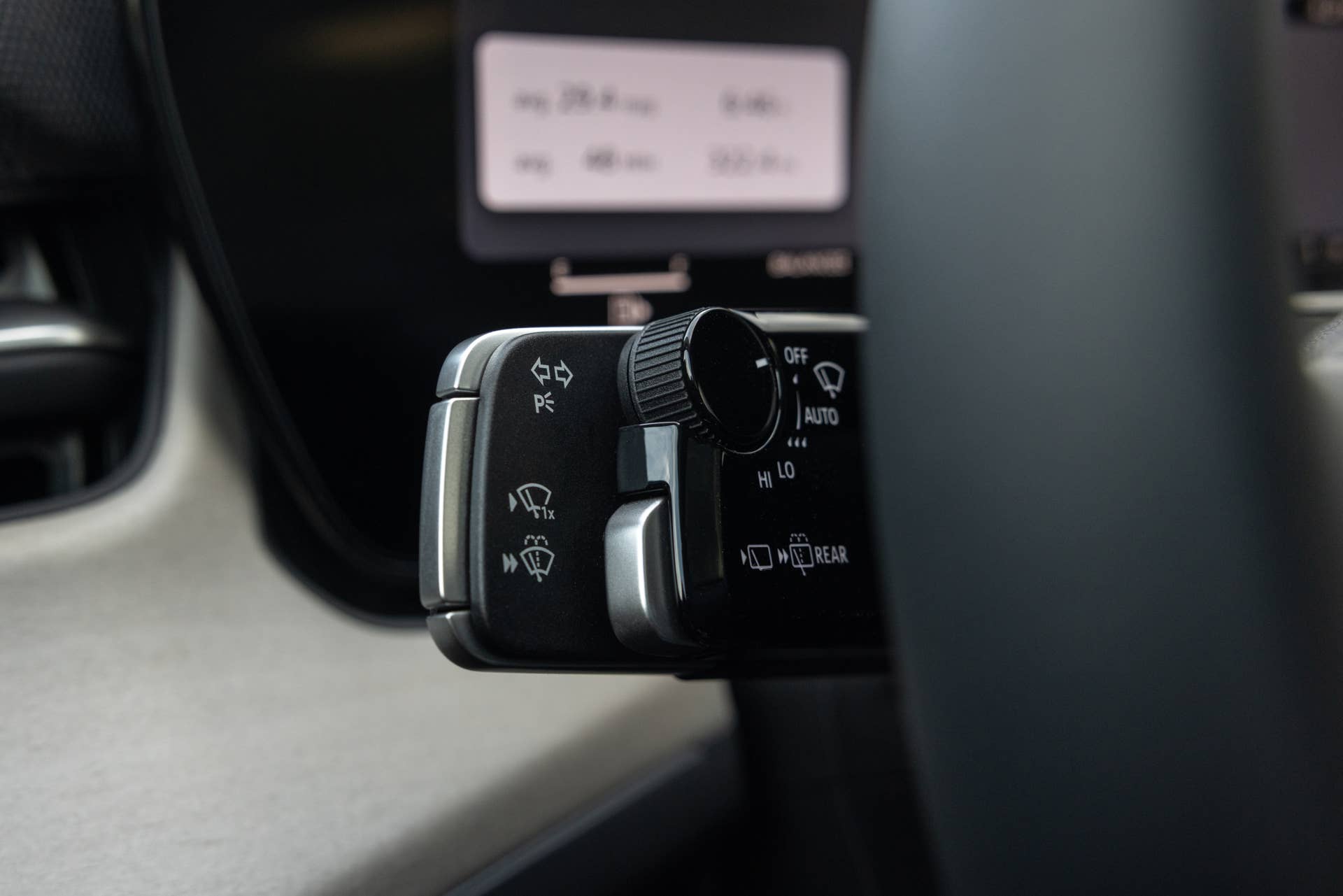
Material quality is generally strong. The large wood trim piece was a thoughtful touch, and piano black has thankfully been kept to a minimum (though not entirely absent). That alone deserves praise in 2026. Audi’s new column-mounted shifter and turn-signal arrangement also proved easier to adapt to than expected. It felt satisfying to the touch and stopped feeling unusual fairly quickly. The Sonos sound system is crisp and respectable for the class, though I am not fully convinced it is an improvement over the Bang & Olufsen systems I remember from older Audis like my own 2016 S3.
The main weakness is one common to almost every modern luxury car: there are still not enough physical controls. Audi has done a better job than some rivals at keeping the Q3 from becoming a total touchscreen hostage situation, but a few more real buttons would still improve the experience. There is a difference between clean design and over-editing, and the Q3 occasionally edges toward the latter.
Audi
Is the 2026 Audi Q3 Actually Practical?
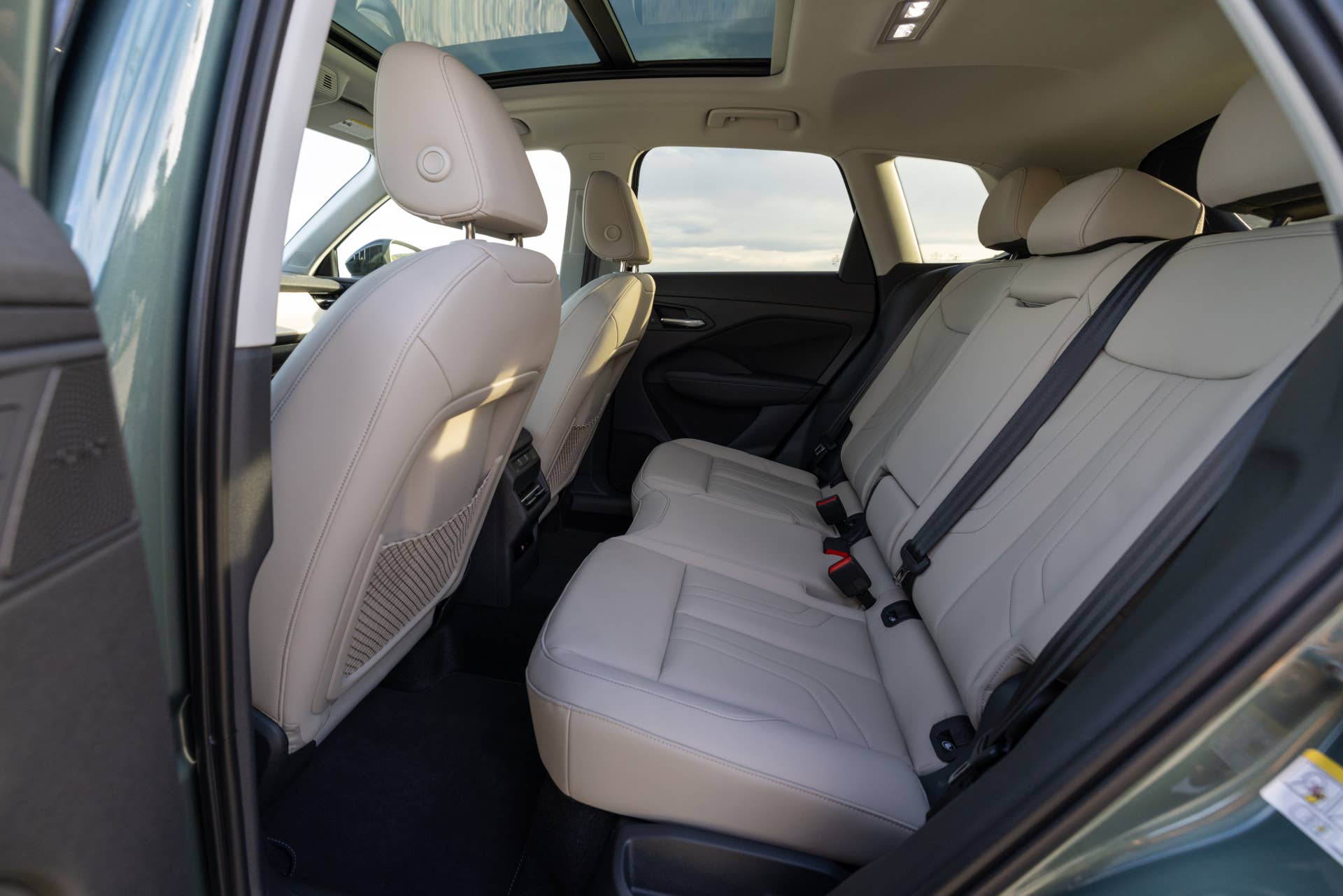
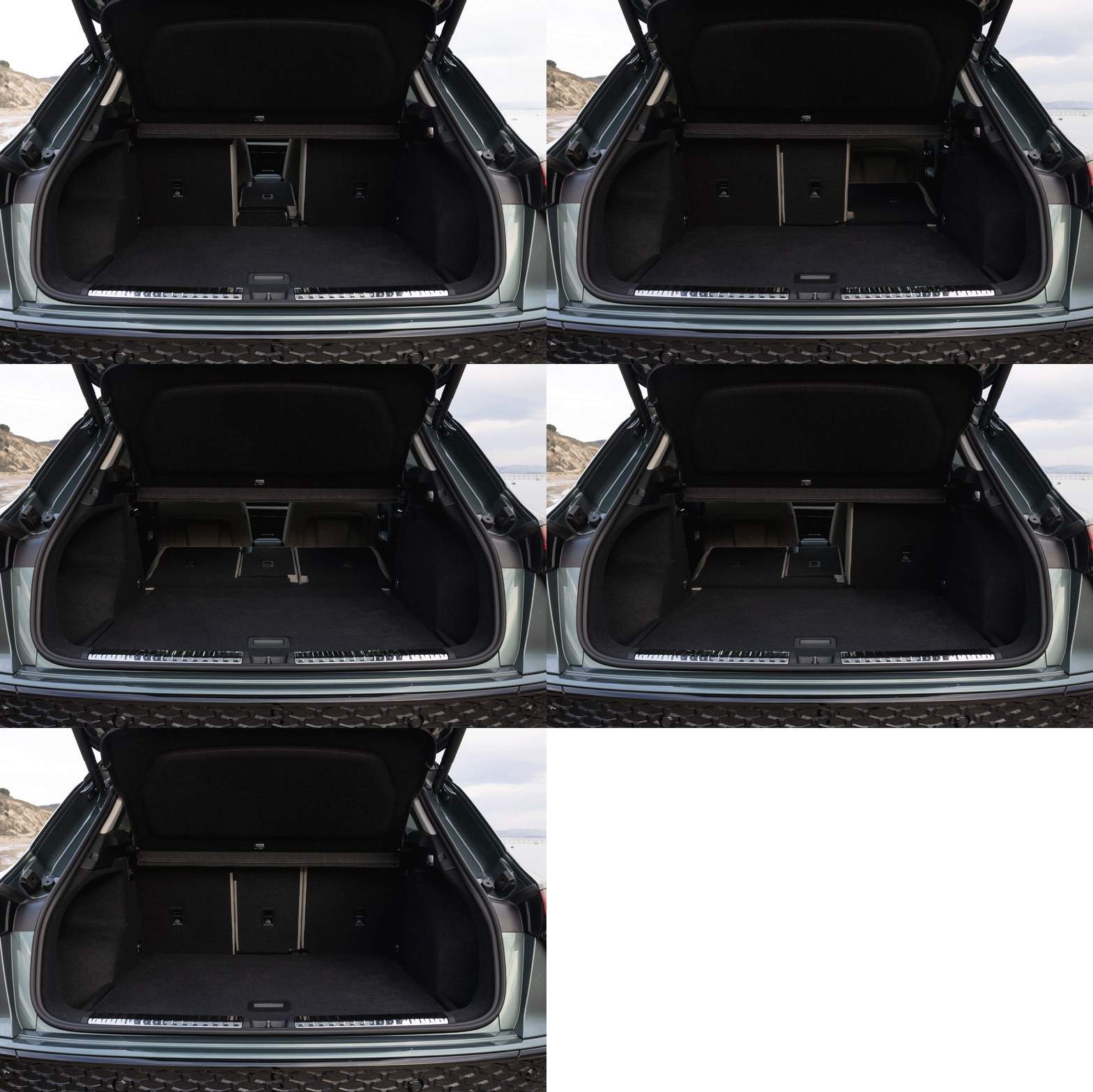
Yes, and that is part of what makes it easy to recommend despite its shortcomings. The enlarged interior does make a real difference. At 5-foot-9, I never felt shortchanged for space in either row, and the cabin felt comfortably sized without losing the compact footprint that makes something like a Q3 appealing in the first place, although I may not be the ideal test subject when it comes to height. The cargo area also feels more useful than the exterior dimensions might suggest. Officially, the Q3 offers 24.97 cubic feet behind the second row in its standard seating position, expanding to 29.03 cubic feet when the sliding rear bench is moved fully forward. Fold the second row down, and that grows to 49.95 cubic feet. The rear seat also slides and reclines as standard, with a 40:20:40 split, which gives the Q3 a bit more flexibility than some rivals when you are balancing passenger comfort against cargo duty.
Audi
Who the New Q3 Is Really For
The answer here is probably younger premium buyers, first-time Audi customers, and anyone who wants a small luxury SUV that still feels like it’s awake on the road. That might sound obvious, but it matters because the Q3’s tuning makes its target audience fairly clear. This is not the compact luxury SUV for someone chasing maximum softness, maximum isolation, or a serene long-distance family hauler. It is for someone who wants a premium badge with the premium experience to back it up, modern tech, useful compact dimensions, and handling that doesn’t completely numb when the roads begin to meander.
The Q3 also makes sense for buyers who want the Audi experience without feeling like they have bought the bottom rung of the ladder. That may be the biggest compliment I can give it. The old Q3 could feel like an entry point. This new one feels more like a deliberate choice. That still does not make it especially exciting. I respected its competence more than I admired its personality or its emotional charisma. The design is strong, the cabin is well judged, and the chassis has genuine merit. Though this feels less like a revolutionary reworking of the Q3’s philosophy and more like a well-aimed, well-executed remaster of it.
Cole Attisha
Final Verdict: Audi’s Smallest SUV Has Grown Up
The 2026 Audi Q3 S line quattro is clearly an improvement over the one it replaces, and not in some vague, brochure-friendly sense. It looks more premium, feels more modern, offers more useful power, and delivers a sharper, more confident driving experience than before. Audi has done the hard part well: it made the Q3 feel less like a compromise. That alone makes this redesign a success.
At the same time, the new Q3 is not beyond criticism. The ride is firm enough to limit long-distance comfort, the engine is effective without being charismatic, and the design, for all its improvements, still lands on the safe side of memorable. It is a desirable compact luxury SUV, but not quite a mind-blowing one. That’s not necessarily a fault. Not every small premium crossover needs to be especially soulful and quirky to be worth buying. Some just need to be thoughtful, cohesive, and honest about what they are. The new Q3 is all of those things and more. It feels appropriately modern for 2026, more premium than before, and better sorted in nearly every important area.
About the author

Cole Attisha
Staff Writer, Autoblog