
A Multi-Million-Dollar Settlement
Last week, General Motors agreed to pay $220 million to settle allegations that it improperly sold customers’ driving behavior and location data to third-party data brokers, which subsequently passed the information to insurance companies. The controversy has put a bigger question in front of the automotive industry: How much information should automakers collect from connected vehicles, and how much control should owners have over it?
Ford, meanwhile, is making its position clear through a newly announced initiative called the Privacy Promise.

Ford
Ford Wants Customers to Have More Control Over Their Data
Ford says its Privacy Promise is intended to make the company’s commitment to protecting customer information more transparent. Alongside the announcement, the automaker launched a dedicated website explaining its privacy practices and showing customers how to adjust their vehicle data-sharing preferences.
The initiative revolves around three principles. First, Ford says privacy should be considered throughout the development of its products, covering how information is collected, used, stored, and eventually disposed of. The company also says it may use anonymization and data aggregation technologies to provide additional protection.

Second, Ford promises to ditch the legalese and actually explain what data your car is collecting and where it’s going, instead of burying it in a mountain of fine print.
The third principle puts customers in charge of their privacy choices. Ford acknowledges that connected vehicle features rely on certain information, but says owners can customize their data-sharing settings depending on which services they want to use.
One particularly relevant clarification is that Ford says it never sells information about how customers drive their vehicles to data brokers.

Ford
What Happens When You Turn Off Data Sharing?
Ford’s Privacy Promise also comes with some practical considerations. Connected vehicles can collect different types of information, including diagnostic data, driving characteristics, and location details. According to the automaker, this information helps power services such as embedded navigation, real-time traffic updates, and roadside assistance.
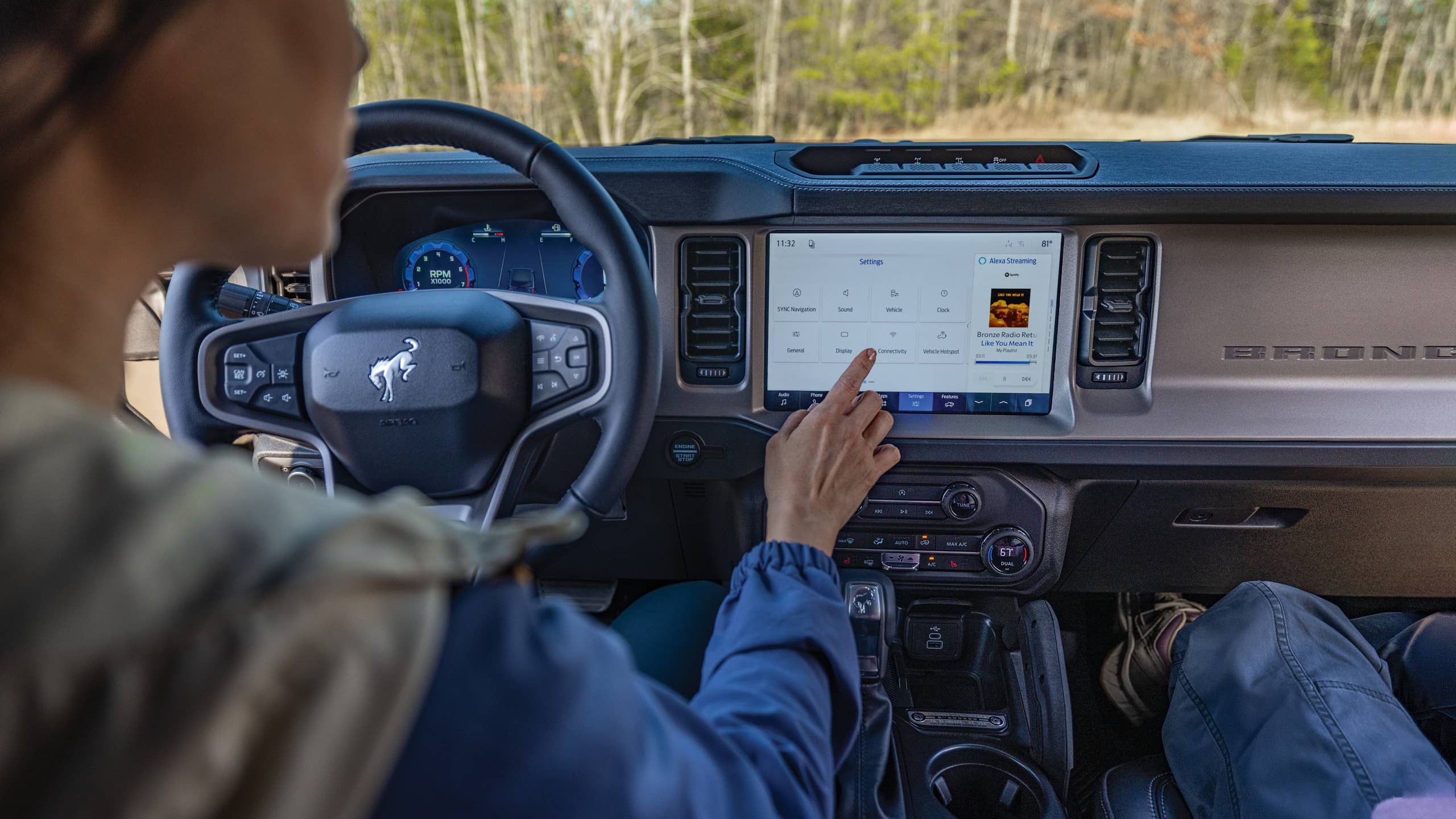
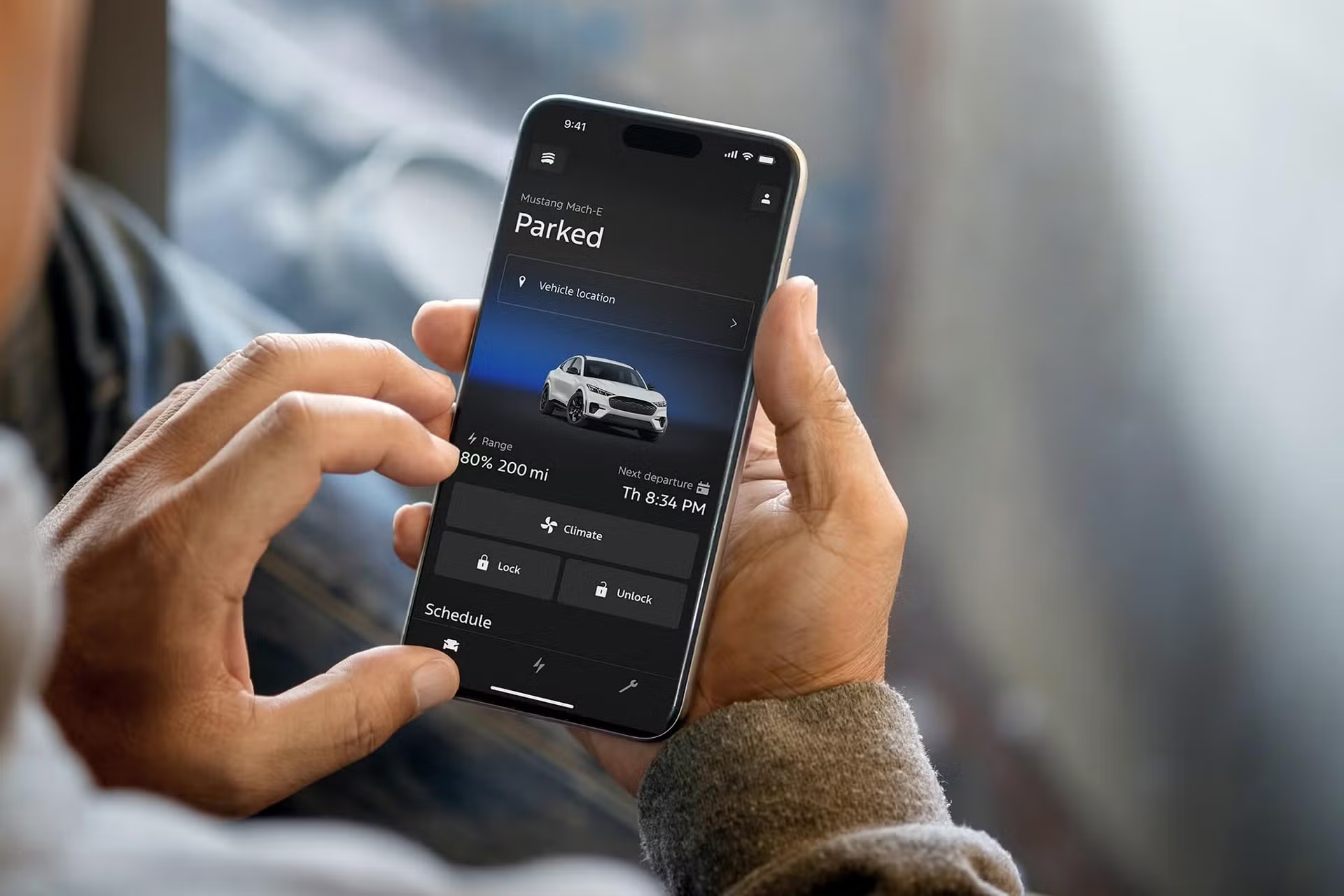
It also helps with troubleshooting, product tweaks, and those personalized touches. But if you’d rather keep your data to yourself, you can opt out right from your car’s screen. Just know that some features – like BlueCruise, internet access, and tracking your car with the Ford App – might stop working.
Ford says vehicles manufactured in 2018 or later should have privacy settings accessible through their infotainment screens. The company also surveyed just over 1,000 American consumers, including Ford owners and people driving other brands. The findings suggested that privacy matters to customers, but so does having the ability to adjust permissions whenever they want.
Ford
About the author

Jacob Oliva
Senior Editor, Autoblog