
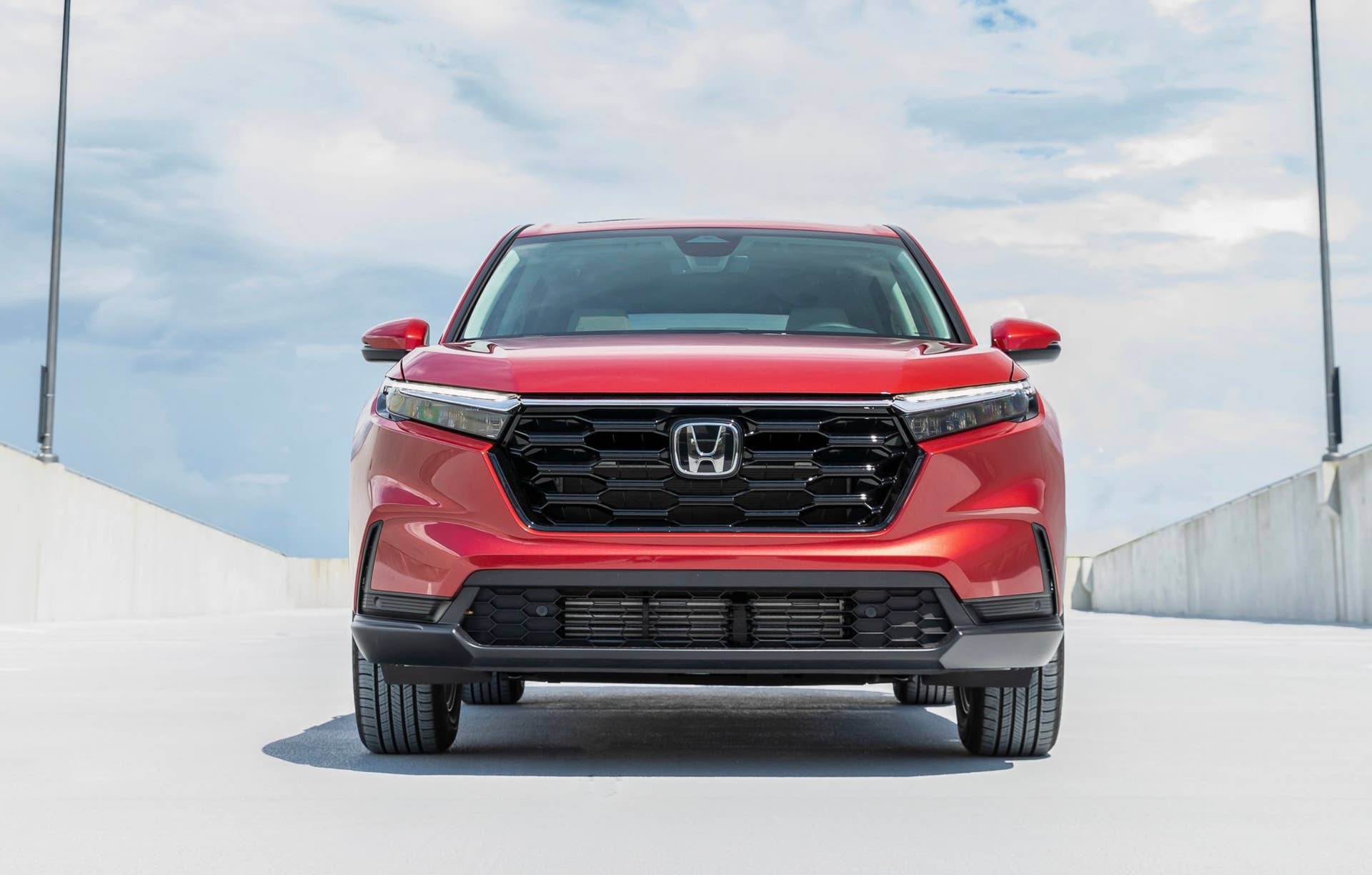
Even some of the most popular, highly regarded cars in the world have their quirks. We found out that much with the latest Toyota RAV4, which has a center console design that many owners have found compromises comfort. It turns out that the Honda CR-V, the RAV4’s fiercest rival, has an unusual pain point of its own. The best-selling SUV in the U.S. this year so far, numerous CR-V owners have uncovered flaws in the Honda’s windshield wiper design. One would imagine that getting a wiper design wrong in 2026 is near impossible, but a lot of CR-V owners have been left frustrated by the wiper system’s inability to properly clean the windshield.
What’s Wrong With Honda’s Wiper Design?
Honda
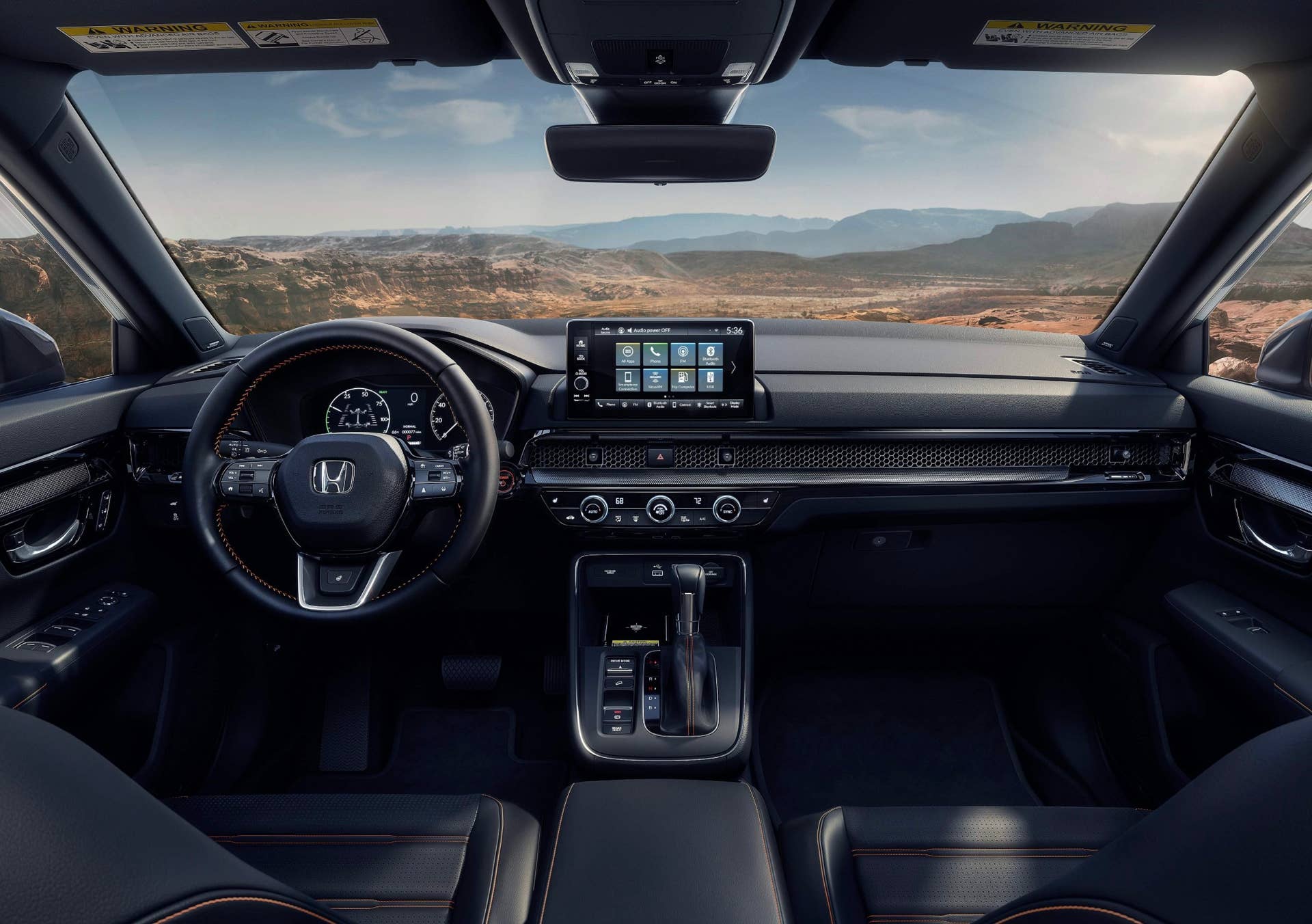
There are two separate issues with the CR-V’s wiper design, both of which have been spoken about at length on several social media forums. We also found complaints listed on the National Highway Traffic Safety Administration (NHTSA) website.
The first issue involves the placement of the wiper system spray nozzles, which are situated on the wiper arms themselves. Many owners have found that when attempting to clean the windshield, the nozzles only begin spraying water when the wiper blades are roughly halfway up the windshield. As a result, many owners have complained that it’s not possible to properly clean the windshield, particularly in snowy or icy conditions, where hood-mounted nozzles would be more practical and better able to disperse the water.
“I will die on this hill. The wipers (especially when I’m using them w/windshield wiper fluid) are my ONLY gripe about this car. The design is terrible,” said one owner on Reddit.
“Having the windshield wiper fluid come out of the blades rather than spraying directly onto the windshield is useless as the fluid comes out while the wipers are half way up and fluid then gets pushed off the windshield and flows down the driver’s side window again affecting the driver’s visibility,” said another owner of a 2023 CR-V, who is based in Connecticut. This owner shared their experience on the NHTSA’s website.
These wiper-mounted nozzles are meant to eliminate the wind deflection or blind spots created by traditional, hood-mounted nozzles, but it appears that the current CR-V’s nozzles have not been properly engineered.
Not The CR-V’s Only Wiper Issue
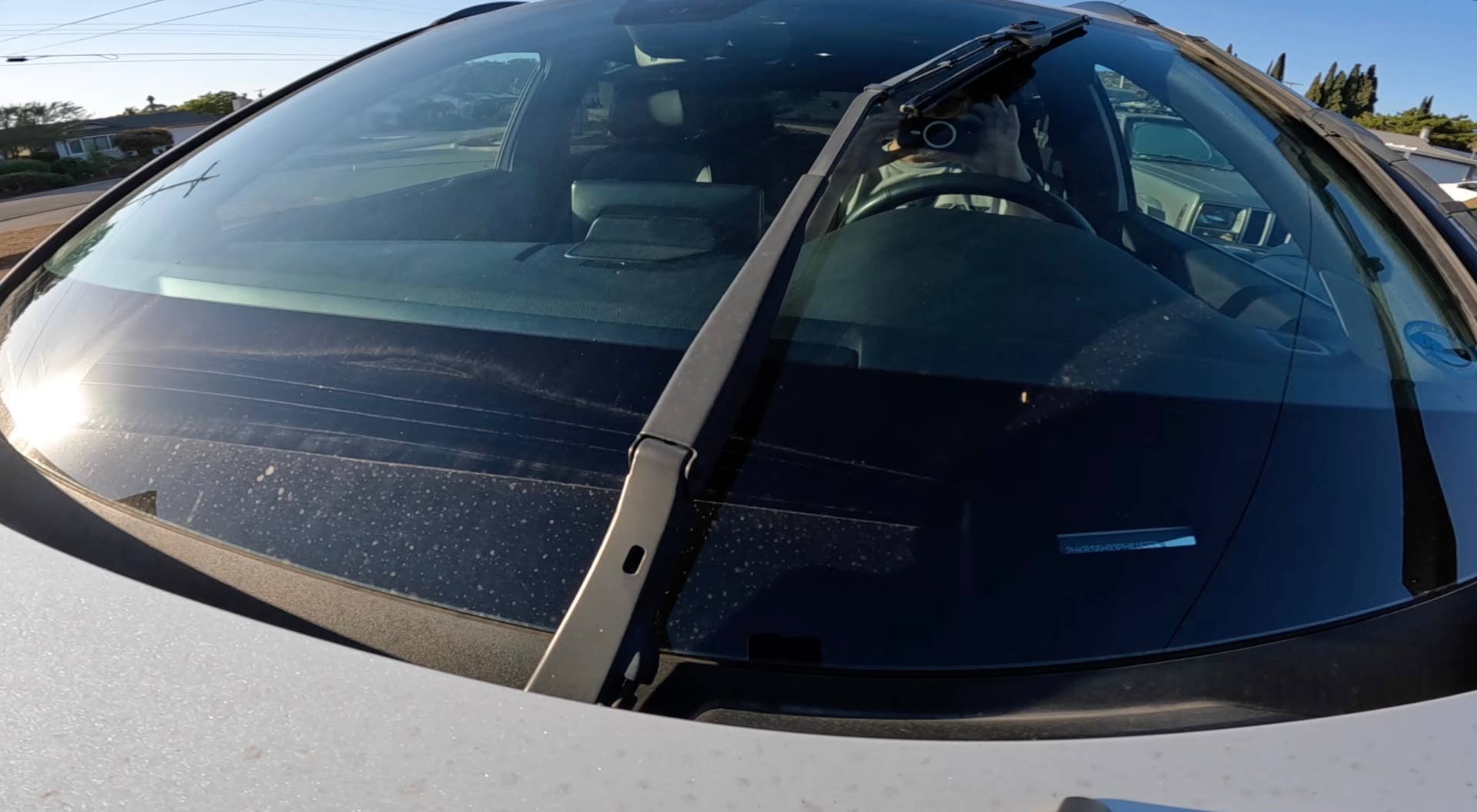
The second issue involves the driver’s-side wiper, which several owners say does not reach the edge of the windshield on the left. This leaves a significant portion of the windshield covered in dirt, creating another visibility concern. Some owners say the wipers only work properly if the vehicle is in Accessory Mode, while others were told by dealerships that the gap left on the driver’s side is normal.
MattsGarageMiscDIY/YouTube
“While driving my 2025 Hybrid CRV with 4K miles in a light rain, the wiper stopped going all the way to the edge and now only goes 90% of the way up no matter the setting. In a heavy rain, it will go 96%, and in accessory mode it goes up 100% of the way,” said an owner of a 2025 CR-V on Reddit. Other owners in the thread reported the same issue, with many filing complaints with the NHTSA and hoping for a recall. After all, visibility-related safety defects are often considered serious enough to initiate a recall.
A video posted by another Reddit user shows that an unacceptably large portion of the CR-V’s windshield isn’t reached by the left wiper blade, with a few commenters suggesting that it’s a software issue, not a mechanical alignment problem.
Autoblog’s Take
Honda
Manufacturers have invested heavily in technologies that enhance driver visibility, from blind-spot monitoring systems to surround-view monitors and pedestrian detection systems. But all of that doesn’t mean much if one of the most basic safety features, the windshield wiper, doesn’t do its job properly. At the very least, the performance of the current CR-V’s windshield wipers are inconsistent from one model to the next. While no recall has been issued for this condition and windshield wiper testing does not form part of safety tests run by the Insurance Institute for Highway Safety, that does not mean there isn’t a genuine concern. As visibility impacts overall safety, we would like to see Honda address the concern.
About the author

Karl Furlong
Senior Editor, Autoblog