
The official engine of the For You Page
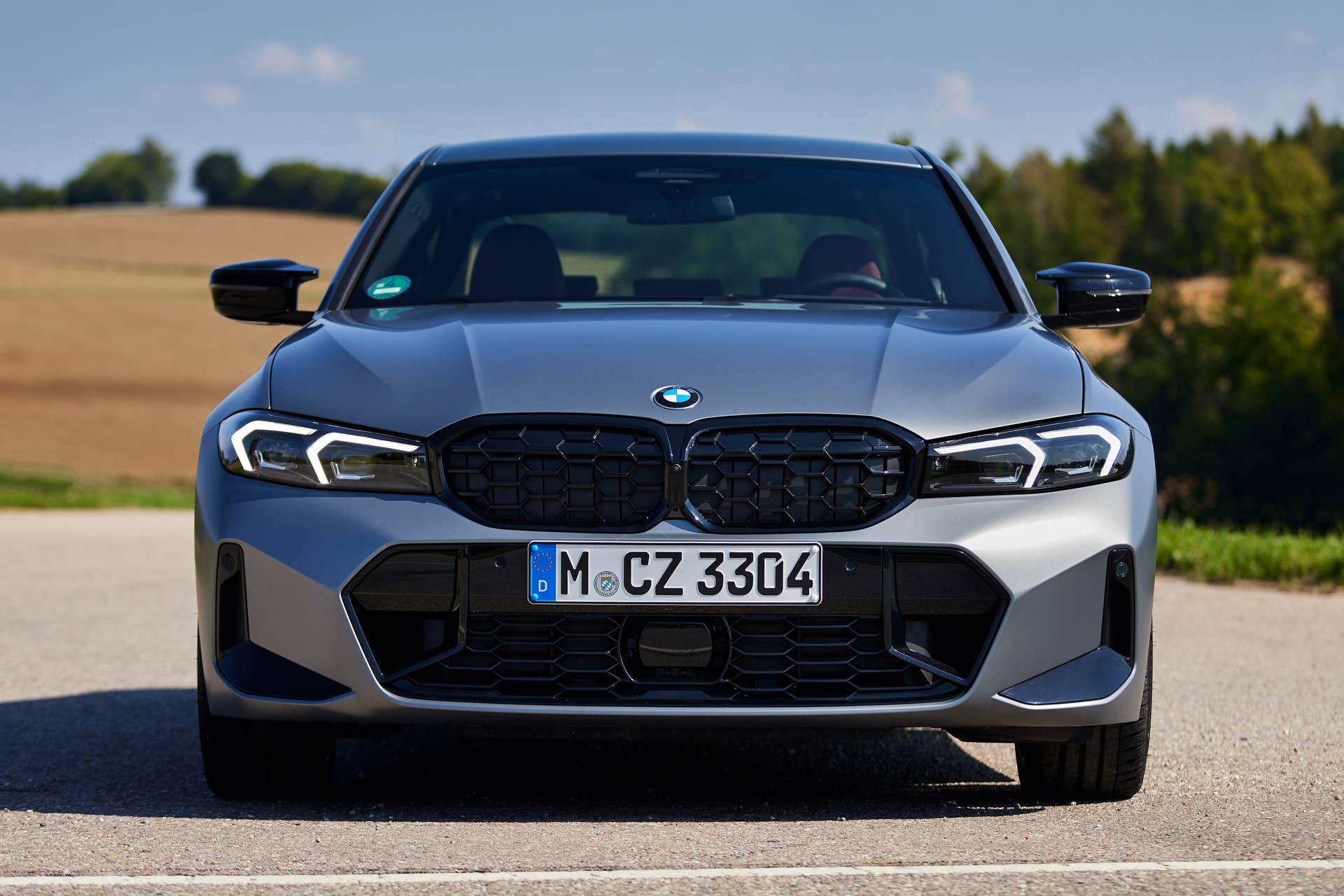
If you’ve spent any time on the automotive side of TikTok or Instagram, you’ve probably encountered someone in a BMW showing off how fast their car is and/or how good their car sounds, which will almost always have a comment section flooded with replies along the lines of “B58 goes crazy.” These kinds of videos are carbon-copies of each other; a stock-looking 3 Series pulls up to a dyno or a dragstrip to show that it is pushing more than 500 horsepower on just a tune and a downpipe to the amusement and entertainment of netizens.
Even if a particular car video on these platforms doesn’t feature a BMW or a car powered by a B58 motor, social media users who identify as car enthusiasts will steer the conversation there. On any given day, it isn’t hard to encounter passionate long-winded debates as to why a particular car needs a B58 shoehorned under the hood. Recently, YouTuber Trevor Elan garnered attention as he began preparing a BMW i8 for a B58 swap.
Although it may seem like a meme by this point, the internet-age enthusiasts’ unconditional love for the B58 isn’t entirely built on baseless hype. A deeper dive and historical look into the BMW B58 motor shows that the turbocharged inline-six’s internet fame is reflective of strong engineering prowess and reputation as one of the greatest and most reliable engines that the Bavarians ever made.
What Even Is the B58?
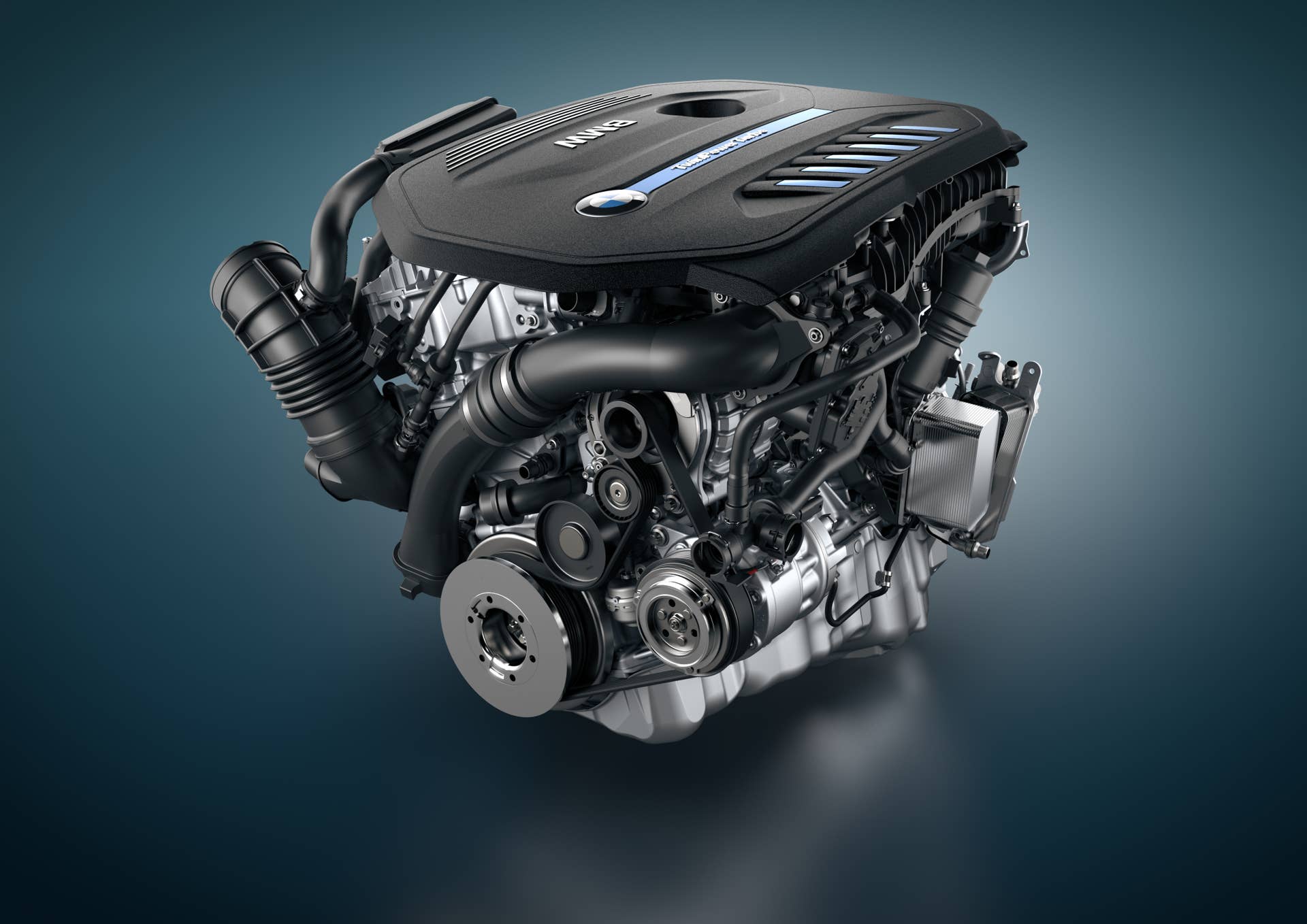
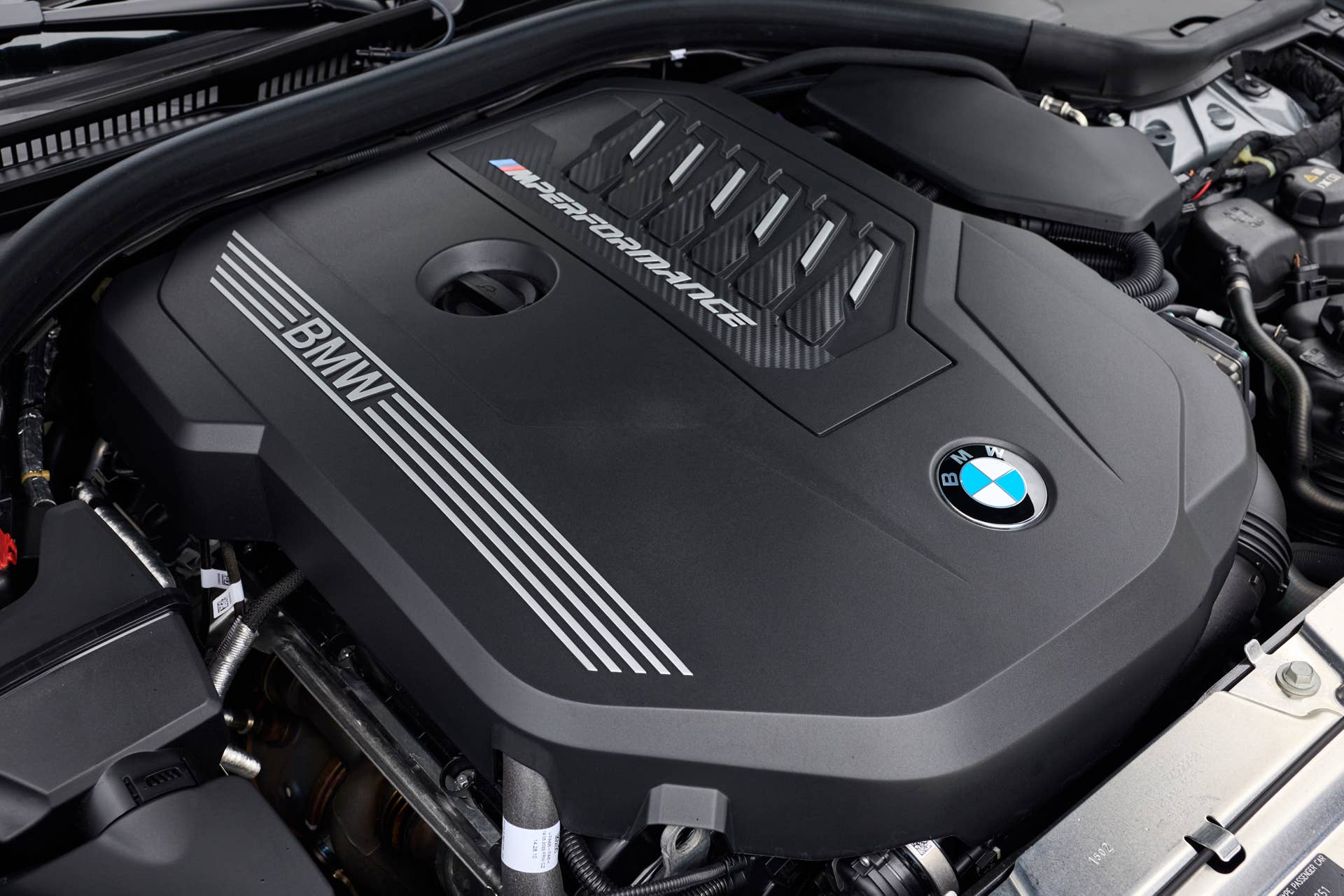
If you are unfamiliar about the BMW B58, the first thing you should know is that it is a 3-liter turbocharged inline-six engine that BMW introduced in 2015. It succeeded a fairly competent motor, the N55, but BMW took the formula that enthusiasts came to love and strengthened it to create the B58.
While the B58 retained the former motor’s aluminum head and block, its 7,000 RPM redline, dual overhead camshafts, variable valve timing, and variable valve lift, BMW upped the compression, bored out an extra 19 cc of displacement, gave it a closed deck engine block design, added a twin-scroll turbocharger and a more efficient water-to-air intercooler.
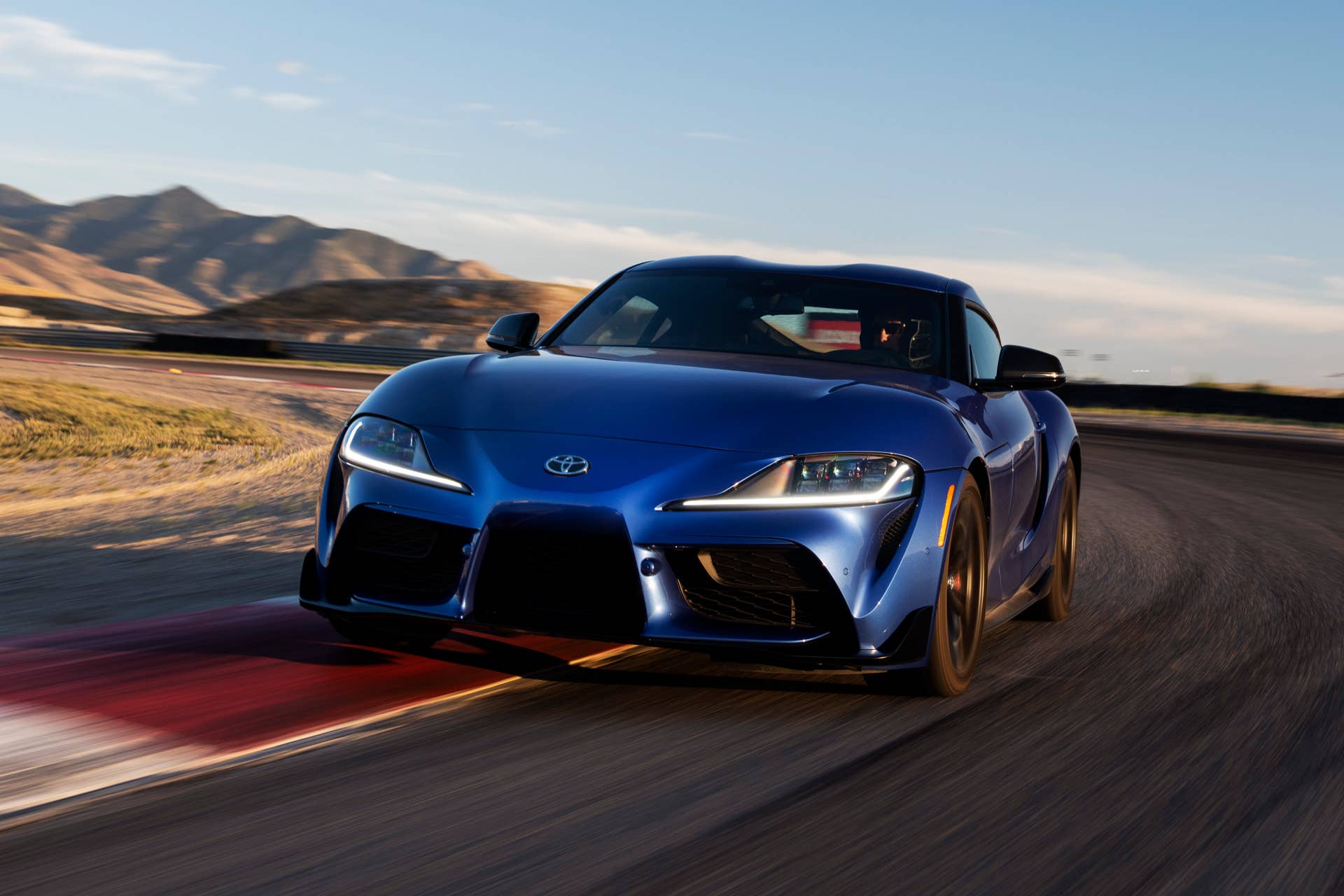
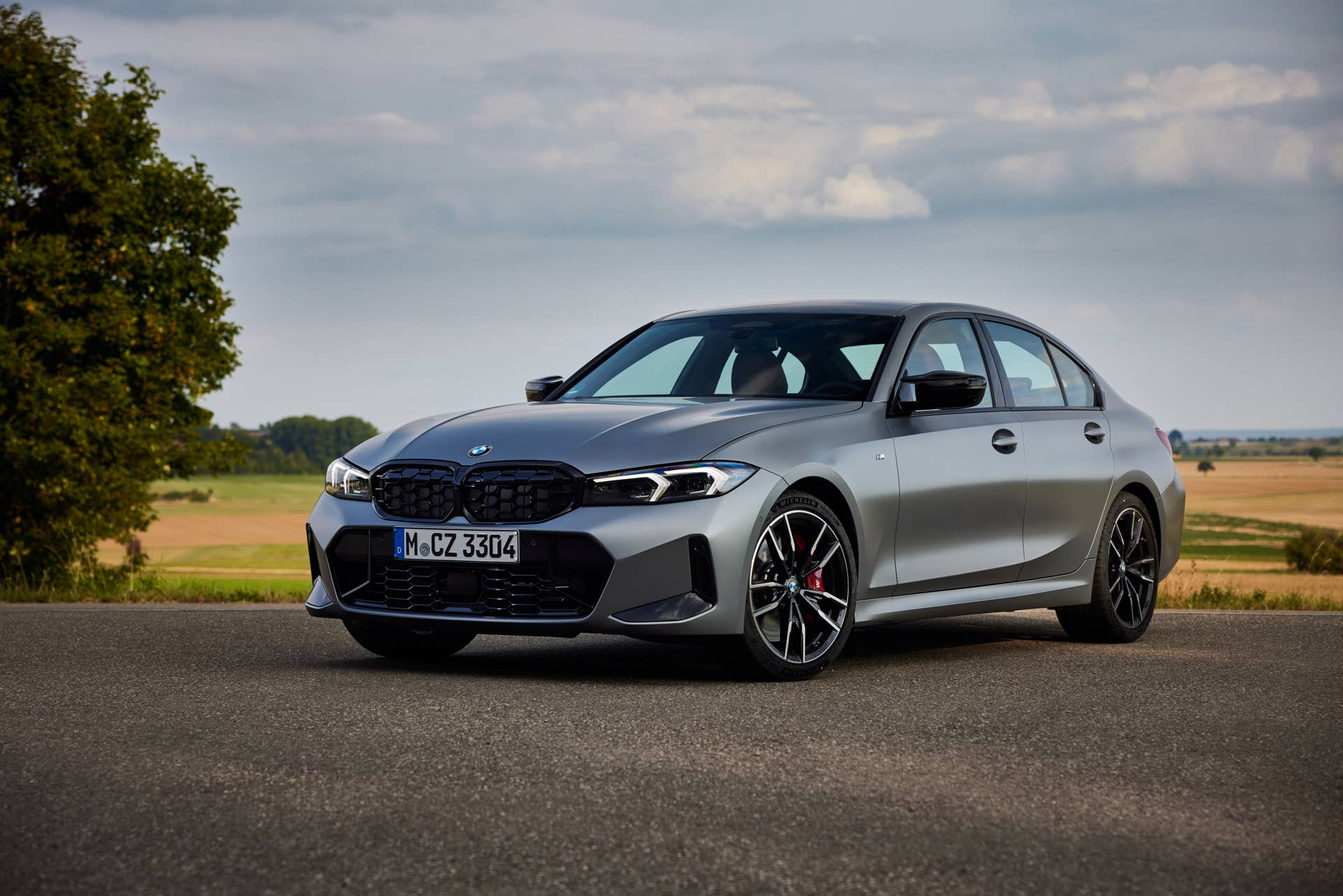
These refinements found themselves in engines across a broad range of BMW models, including BMW’s 340i, 440i, 540i, 740i, Z4, the Toyota GR Supra, as well as the Ineos Grenadier. In its most powerful factory configuration, namely in cars like the M240i and similar M-sport models, it makes 382 horsepower and 369 lb-ft of torque. However, there is room for much, much more power.
Joel Stocksdale
BMW
The 2JZ Comparison
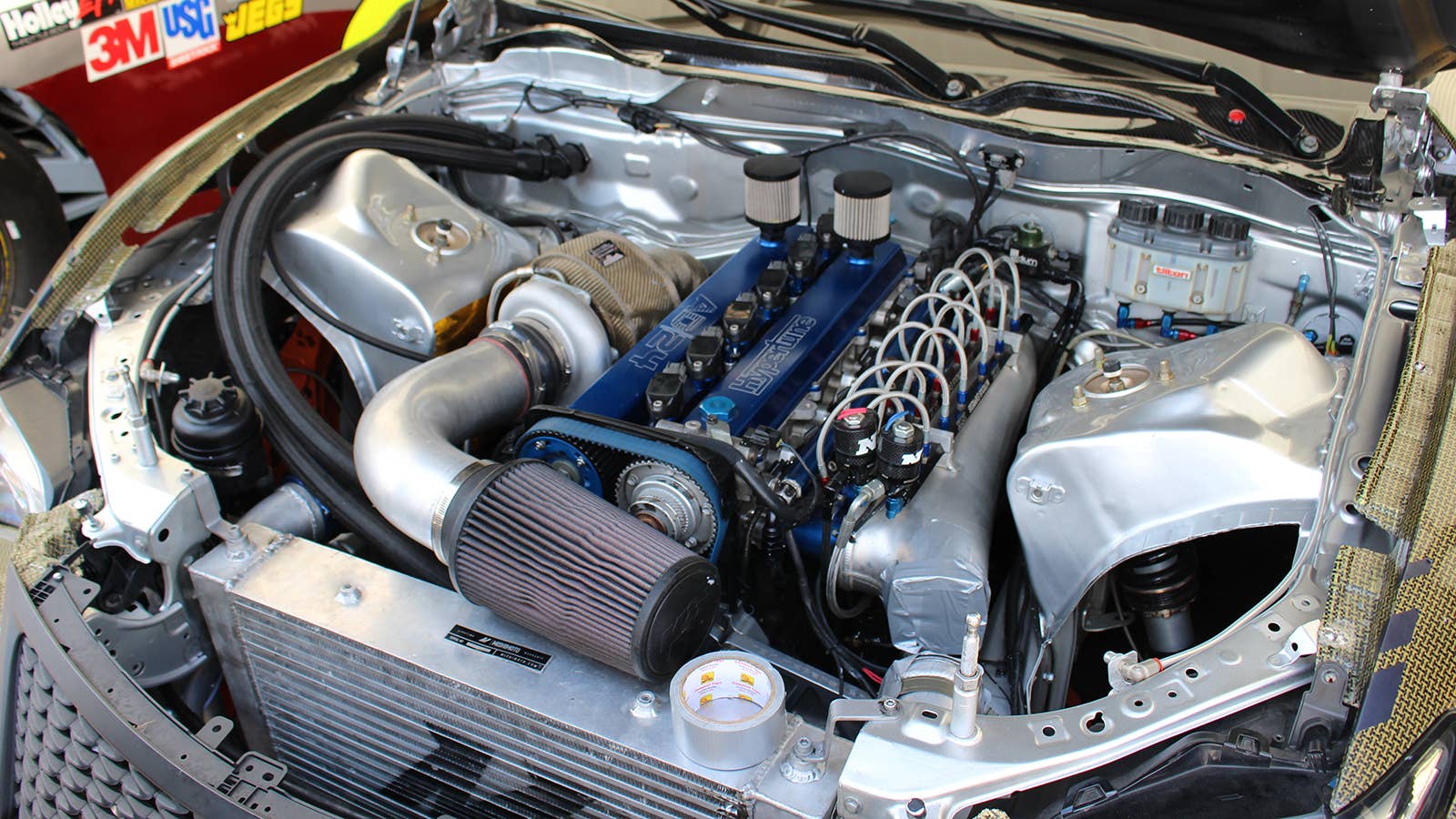
To understand why the B58 has such a mythical status, you’d have to know about an engine that fans graciously compare it to: the legendary Toyota 2JZ-GTE. For historical context, the famous Toyota inline-six was used in a variety of Japanese and American-market Toyota and Lexus vehicles. However, it was most famously used in the MK4 Supra, where it achieved mythological status among tuners and enthusiasts due to its extraordinary tolerance for power on completely stock internals. Tuners extracted 600, 700, and even 1,000+ horsepower through unmodified shortblocks, making it the definitive benchmark for what a reliable, tunable platform can look like.
However, in today’s hyper-viral, TikTok era, the BMW B58 has been getting the same kind of credibility in real time. In a similar vein to the 2J, the B58 engine came with forged internals straight from the factory, including a forged crankshaft and forged connecting rods. These stronger, more robust components are more durable than ordinary cast ones, and can take the kind of abuse that a high-performance aftermarket build demands.
In addition, the B58 has been known for its ease of access to quick and easy power. Enthusiasts note that the B58 can reliably make 450 to 500 horsepower from just a simple ECU tune alone. Simple supporting modifications, including a cold air intake, a high-flow downpipe, and an upgraded intercooler can unlock more power. On the extreme end, some tuners have pushed B58 engines well past 700 horsepower using upgraded turbos while still relying on the factory internals.
Toyota
BMW
Part of the B58’s appeal is that it powers attainable “cool cars.”
Generations of car enthusiasts were first drawn into the hobby through the allure of inexpensive, used performance cars. In the old days, a young buck may have seen drooled over listings of muscle cars and sports coupes on the Auto Trader. These cars had a high horsepower-to-dollar ratio, making speed accessible to high schoolers, college students, and young adults saving up their first paychecks. This low barrier to entry was the backbone of youth car culture as countless nights and weekends with friends and like-minded peers were spent wrenching on driveways, and creating memories that lasted a lifetime.
In the case of the B58, its tuning potential could’ve been reduced to moot if it were under the hood of cars that everyday car enthusiasts couldn’t afford; thankfully it doesn’t. Second-hand examples of B58-equipped vehicles, including the G20-generation BMW 340i and the A90-generation Toyota GR Supra regularly appear on listing at anywhere between the $20,000 to $40,000 range; the kind of price point isn’t exactly unaffordable, but still within the kind of aspirational reach that young, budding car enthusiasts could achieve if they save up their checks diligently.
Although it may be a tempting purchase, prospective buyers should know that B58-equipped cars aren’t exactly perfect. Known issues with the engine include typical BMW valve cover and cylinder head gasket issues, coolant leaks, and oil filter housings. In February 2026, a class action lawsuit filed in New Jersey alleges that the polycarbonate oil filter housings installed on many post-2011 BMW engines may fail much earlier than expected, leading to thousands of dollars in repairs.
BMW
Conclusion
Legendary engines don’t earn their status through marketing alone; years of documented abuse and off-warranty modification, can prove to be better than any proving ground R&D test an automaker can do. The Toyota 2JZ didn’t ascend to iconic status overnight, generations of tuners and their successes and failures have cemented that engine’s place in automotive folklore. BMW’s B58 is following closely in its footsteps, however, a more connected world and a more accessible tuning infrastructure has helped the community behind it preach its gospel much more effectively.
While the meme-fueled digital landscape of internet culture and the gravitational pull of social media frequently promotes fackless trends over actual quality, the BMW B58 has benefitted from the youth’s hyper-connected, meme-driven environment. The cult-like hype around BMW’s turbo-six simply proves that BMW’s factory engine is a modern tuning icon celebrated across the world’s screens and streets.
About the author

James Ochoa
Senior Editor, Autoblog