
It isn’t uncommon for at least one automaker to lose their way, whether as a result of an aging lineup, rising competition, or financial struggles. In fact, some automakers are facing these struggles right now. While some manufacturers never manage to recover, others create a vehicle that’s so successful it changes their fate and revitalizes the brand. From the years following World War II to the early 2000s, there’s no shortage of examples of cars that have provided their brands with another chance at prosperity.
Porsche
1962 BMW 1500
Like many companies in the decades following World War II, BMW was struggling to find its place in the world. The German automaker lacked a profitable vehicle that sold well, and by 1959, the company was in major trouble. BMW was losing money and was nearly bought by Mercedes-Benz. It’s only through a last minute intervention by small shareholders and an influx of capital that BMW had the chance to reestablish itself.
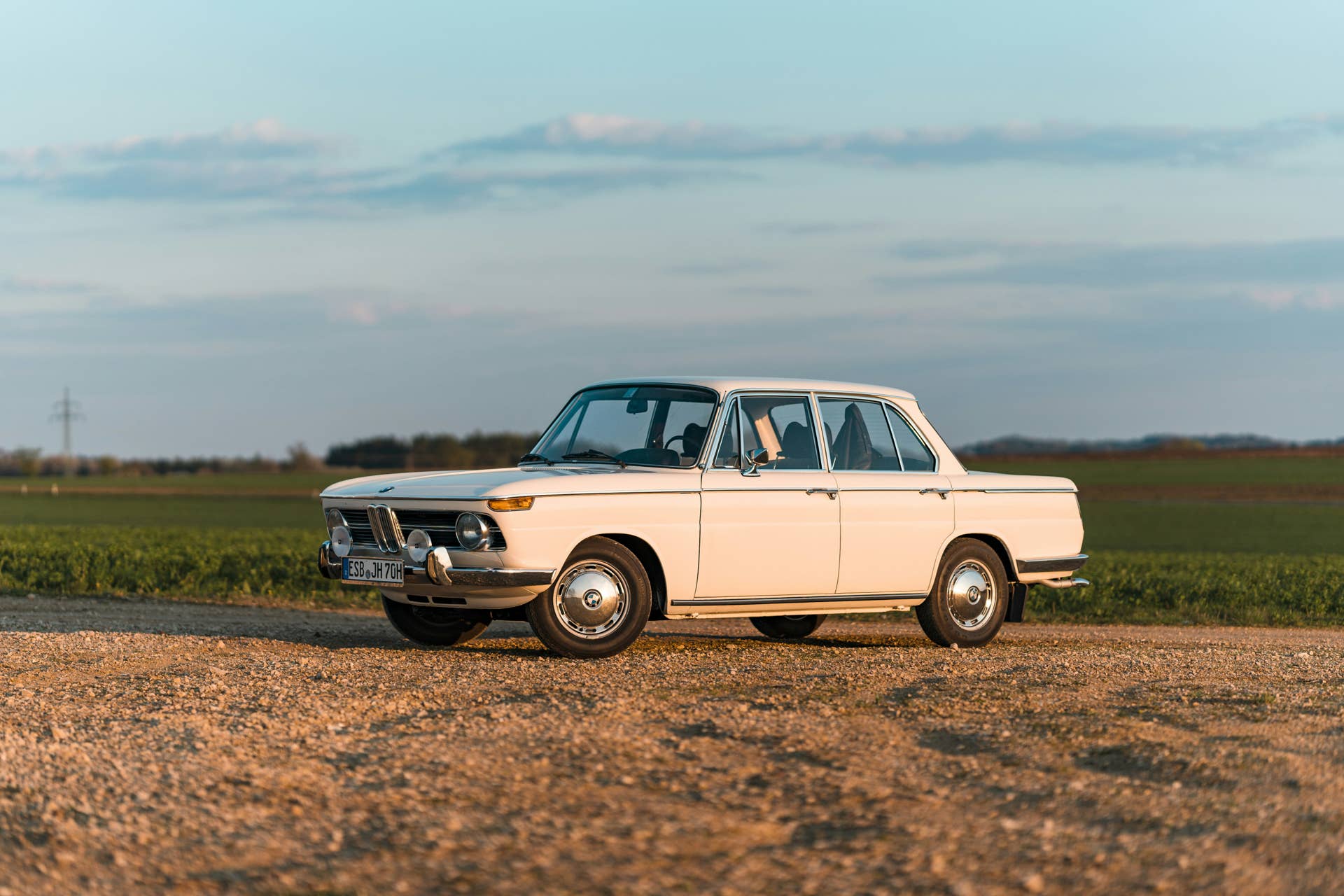
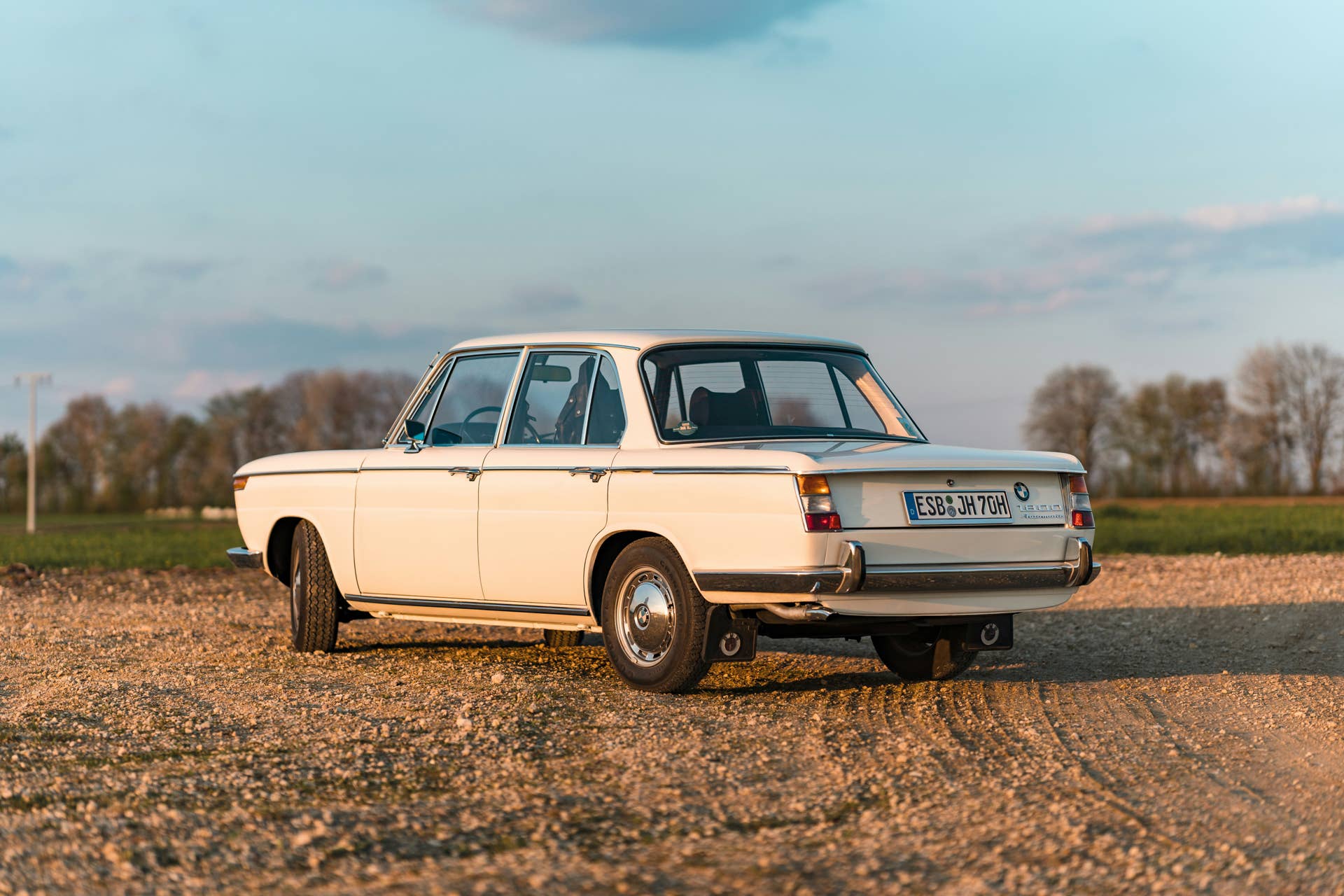
A few years later, BMW introduced the 1500, a midsize sedan that featured an overhead-cam four-cylinder engine, sporty handling, and room for the whole family. The model began production in 1962 and became a massive success for the brand. In the following years, the German automaker expanded its offerings with the 1600, 1800, and 2000. Thanks to the 1500 and the sedans that followed, BMW managed to gain an identity as a manufacturer of premium sport sedans.
Prior to the introduction of the BMW 1500, the German automaker’s lineup fell into two categories. The premium sedans were expensive and profitable, but sold in low numbers, while the small, more affordable models saw higher sales figures, but didn’t provide enough profit to keep the automaker afloat. Between 1962 and 1964, BMW sold over 23,800 examples of the 1500, effectively paving the way for the 1800, which saw more than 141,000 units leave dealer lots from 1963 to 1972.
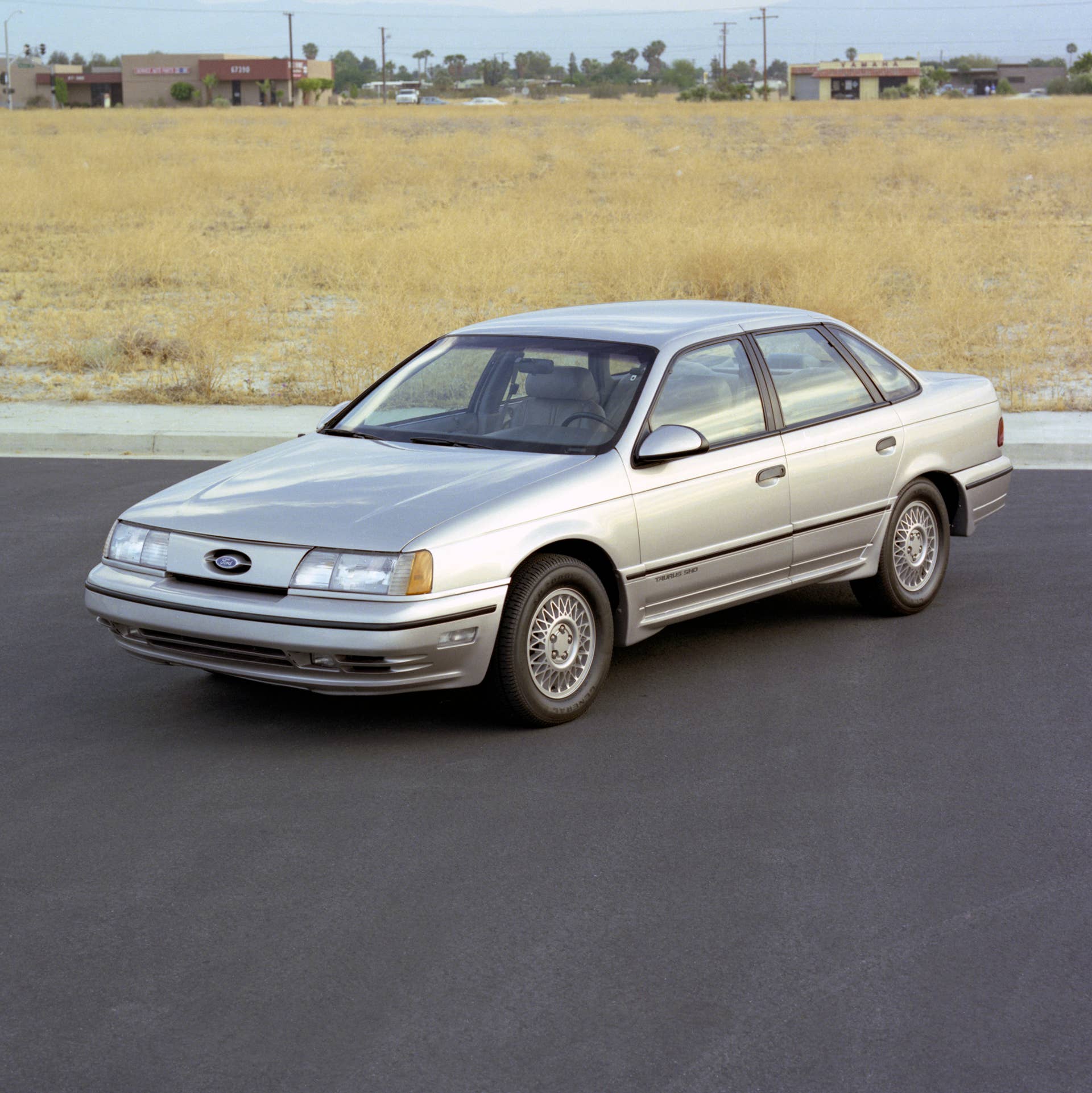
1986 Ford Taurus
In the early 1980s, Ford was on the brink of ruin. Its lineup was largely considered dated, and Japanese automakers were gaining ground with their fuel-efficient cars. On top of that, the American automaker was in a tough spot financially as a result of a recession that ended around 1982.
Ford
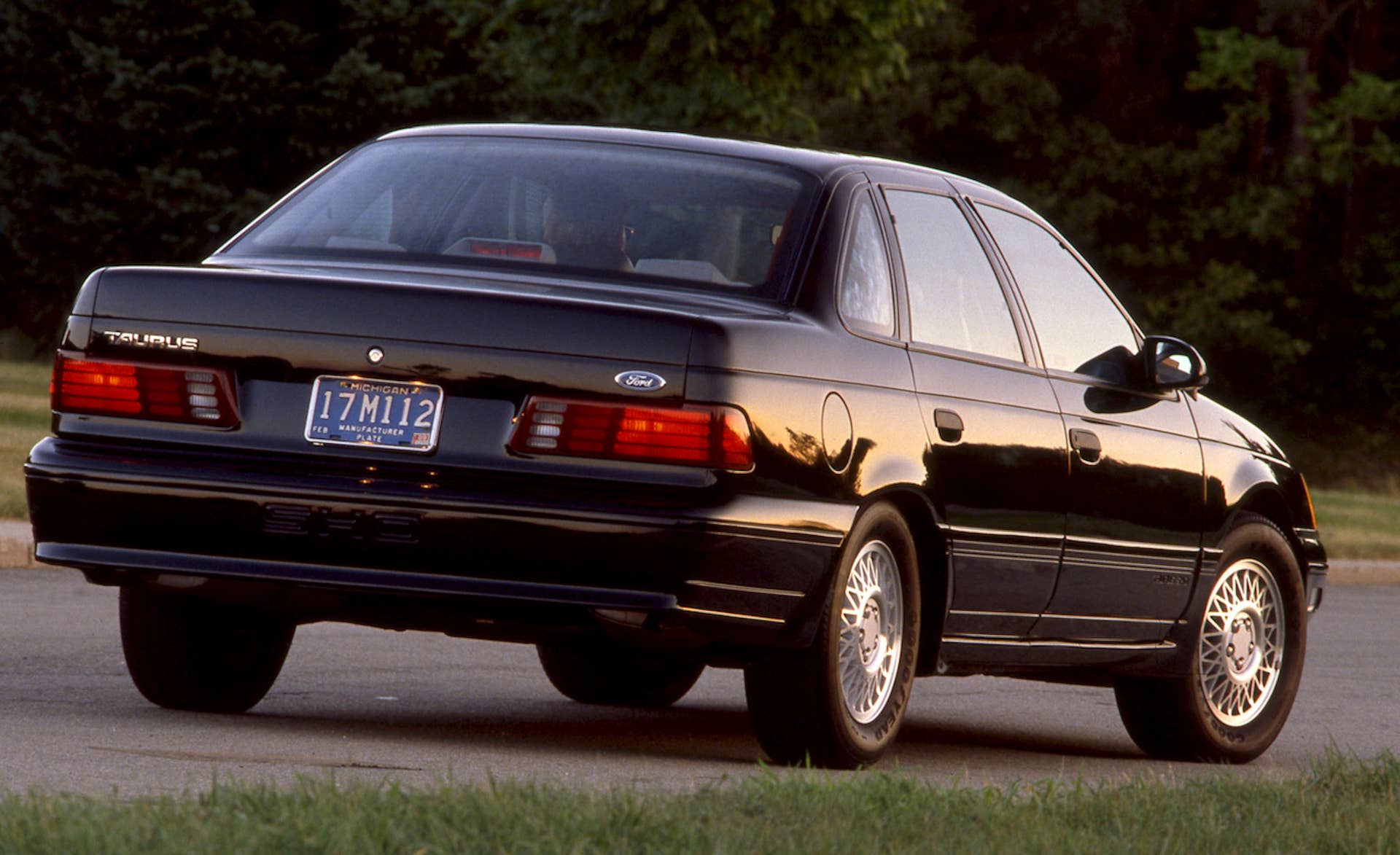
In order to turn things around, Ford had to do something drastic. The American marque ultimately invested around $3 billion in the development of a midsize sedan. The end result was the Taurus, a model that revolutionized the industry. It featured a smooth aerodynamic style that stood out amongst a sea of boxy sedans. Inside, the Taurus boasted a driver-focused interior that was as modern as could be for the time.
Ford’s investment paid off, and the Taurus proved to be a massive success. In just three years, the automaker moved more than a million examples of the sedan. It became one of the best-selling models in the United States, and by 1992, it had surpassed the Honda Accord to become the nation’s best-selling car. With the profits from Taurus sales, Ford came out of the 1990s in a much stronger position than it would have without the sedan.
Ford
Thinking about selling your car? Get an instant cash offer online now. Click here to get started.
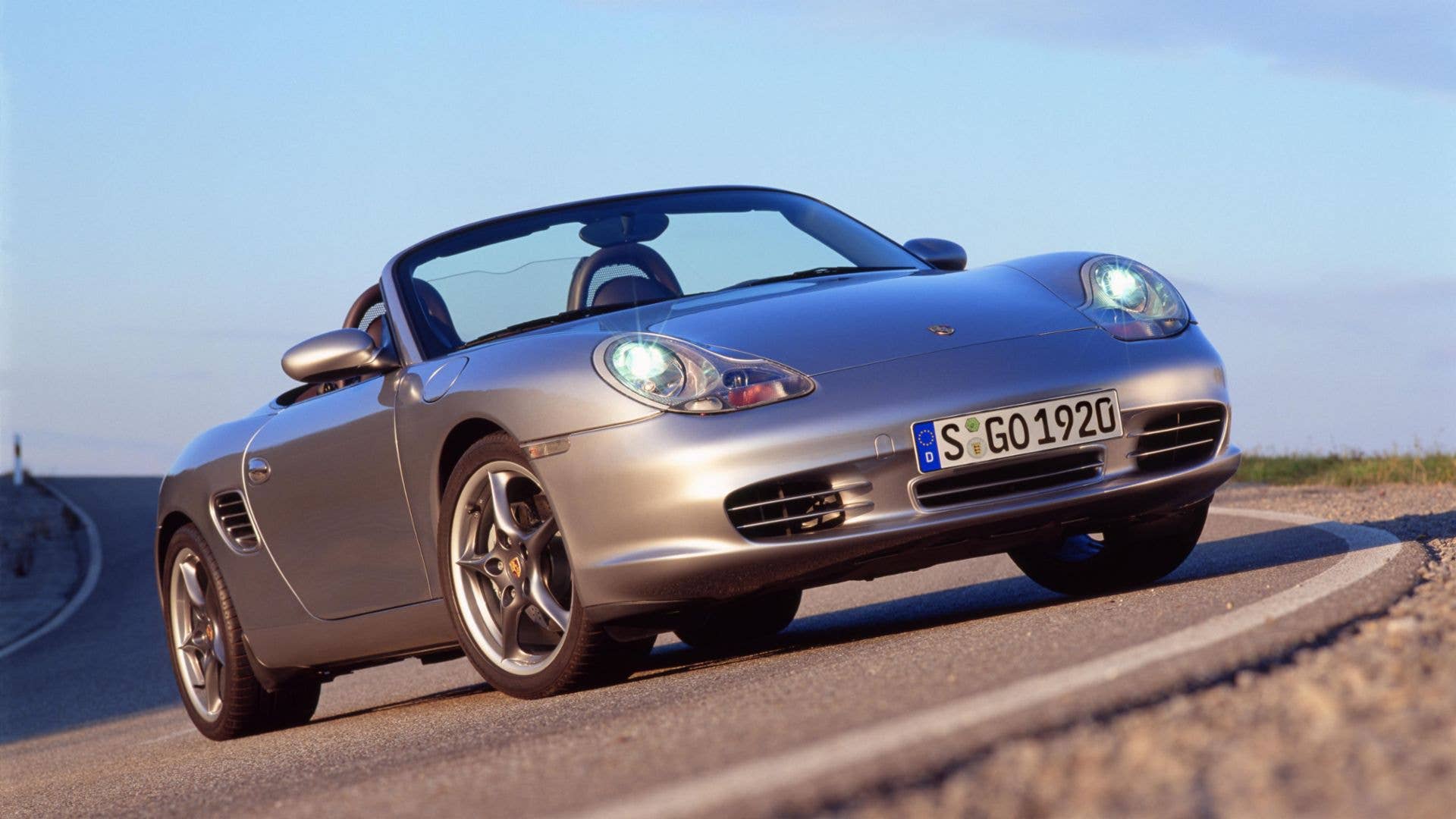
1997 Porsche 986 Boxster
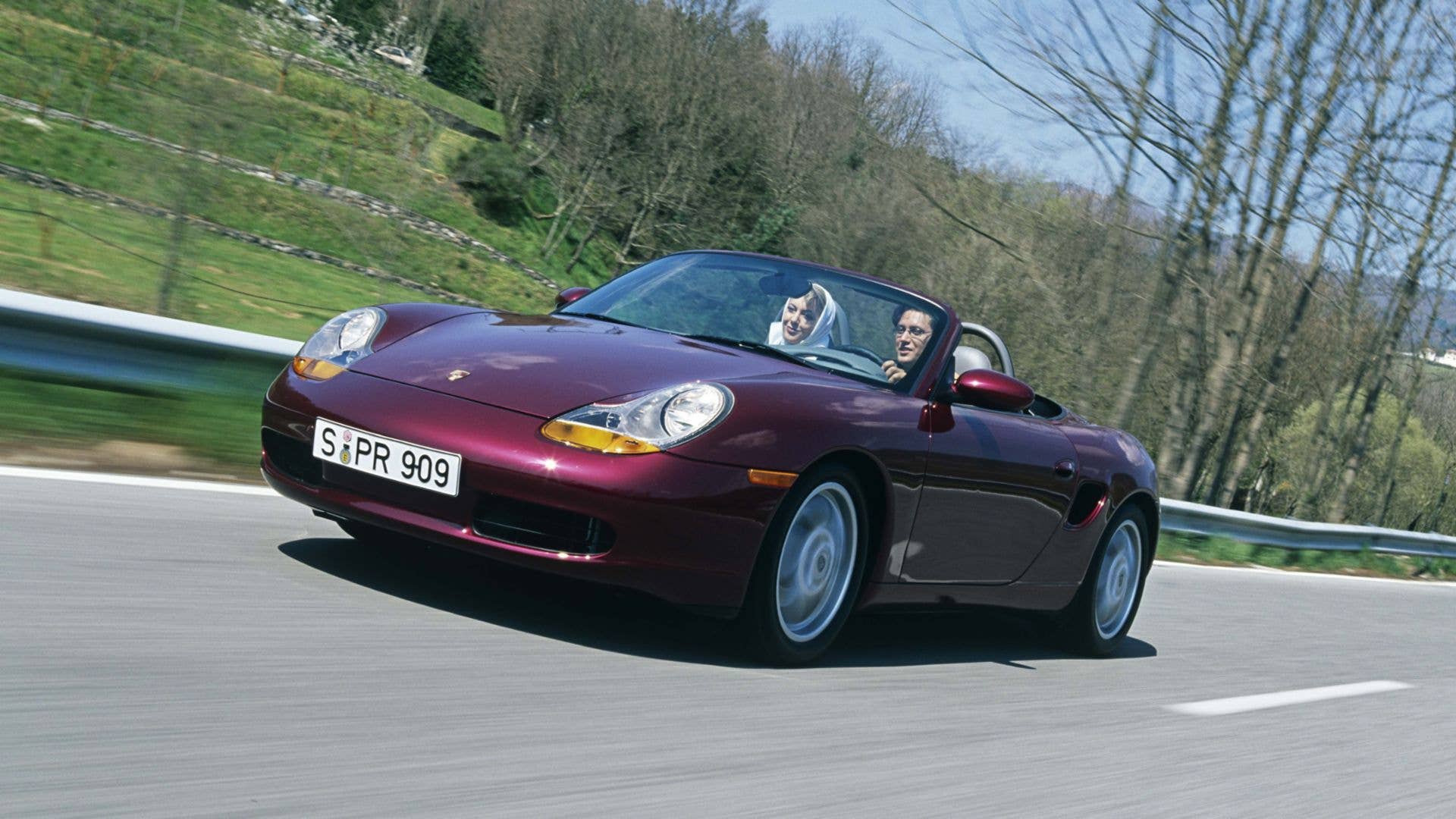
In the late 1980s and early 1990s, Porsche was in serious financial trouble. The German marque had seen its sales fall to around 14,000 vehicles, down from 50,000 just a few years prior. The lineup, which included the 911, was dated, and their manufacturing proved to be both inefficient and expensive. In short, Porsche was losing money hand over fist, and the only solution was to cut costs while increasing production.
Porsche
After showing off the 986 Boxster at the 1993 Detroit Auto Show, Porsche was under pressure to build the car. To solve the expensive manufacturing issues, the automaker brought in a team of consultants made up of former Toyota executives. With their help, Porsche ditched its outdated manufacturing processes and made the shift to modern methods.
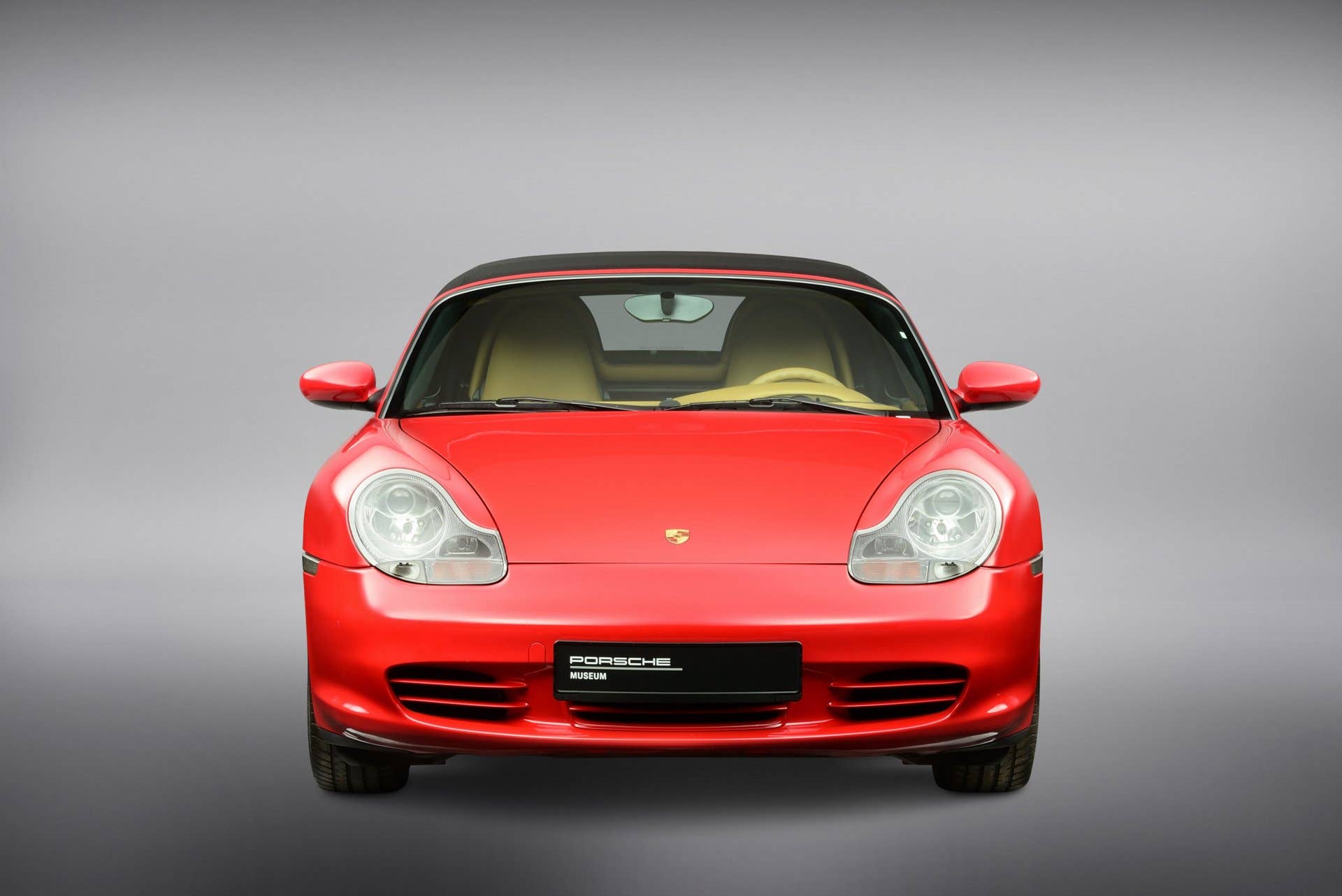
Although the shift to modern production cut the cost of producing the Boxster in half, Porsche still had other issues to solve. Their production facilities were already at their maximum, so Porsche worked with Valmet, a Finnish company, to produce the 986 Boxster. Initially, the 986 Boxster was supposed to double the company’s production, but it ended up quadrupling it instead.
Porsche
Notably, the Boxster shared roughly half of its parts with the 996-generation 911, a factor that helped further reduce production costs. When it hit the market for the 1997 model year, the 986 Boxster proved to be a massive success, moving more than 55,000 units globally. After the 986 Boxster pulled Porsche out of a financial hole, the Cayenne arrived and propelled the German marque on to even greater financial success.
Shopping for a new car? Click here to get a great deal on your next vehicle. Powered by Carvana, no haggle pricing, 100% online.
2003 Lamborghini Gallardo
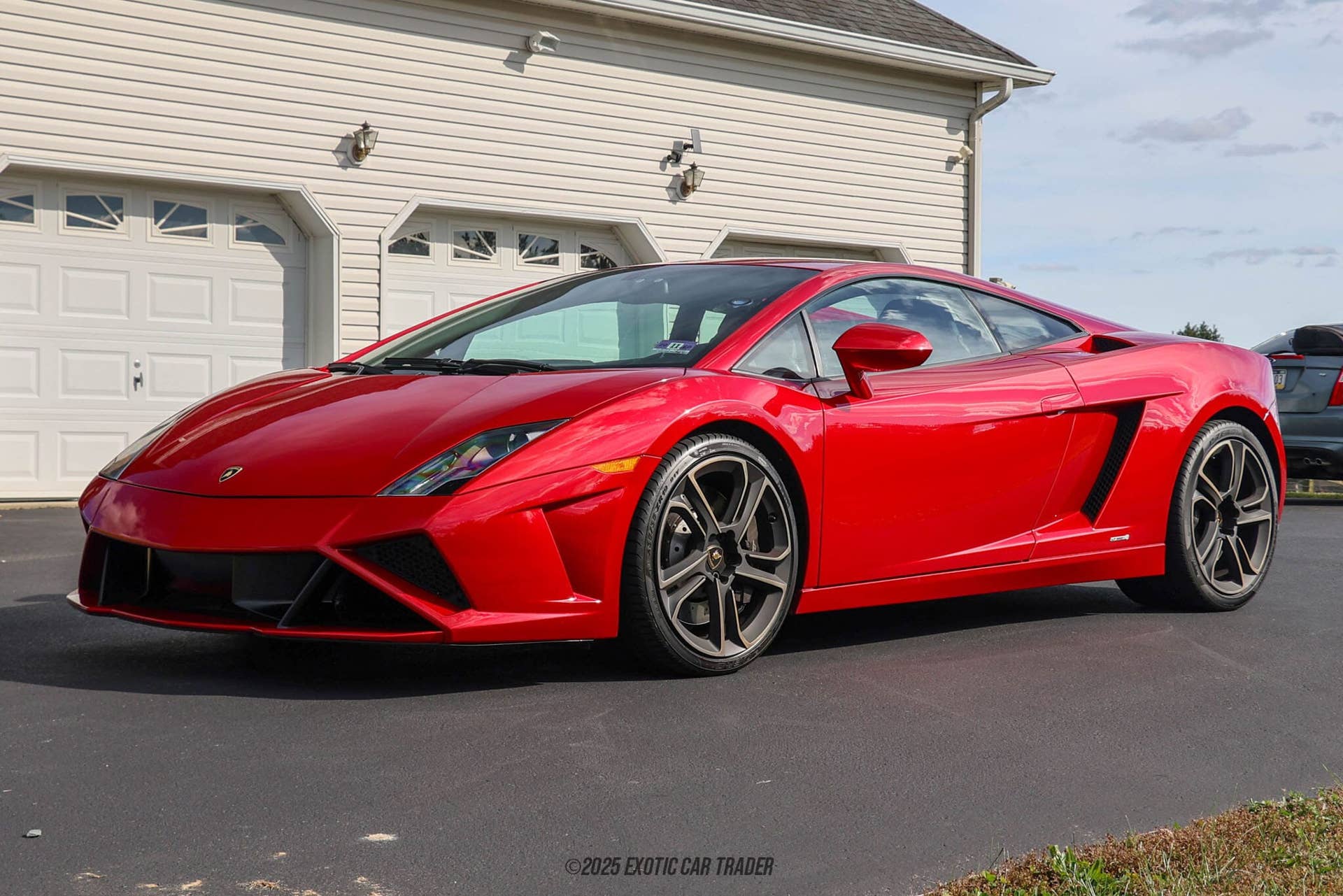
Lamborghini had a rocky history prior to Audi’s acquisition of the exotic marque. The company went bankrupt in 1978 and changed ownership multiple times over the next two decades. Audi took over in 1998, providing the automaker with much-needed financial backing. At the time, however, the brand’s lineup was heavily reliant on the low-volume Diablo.
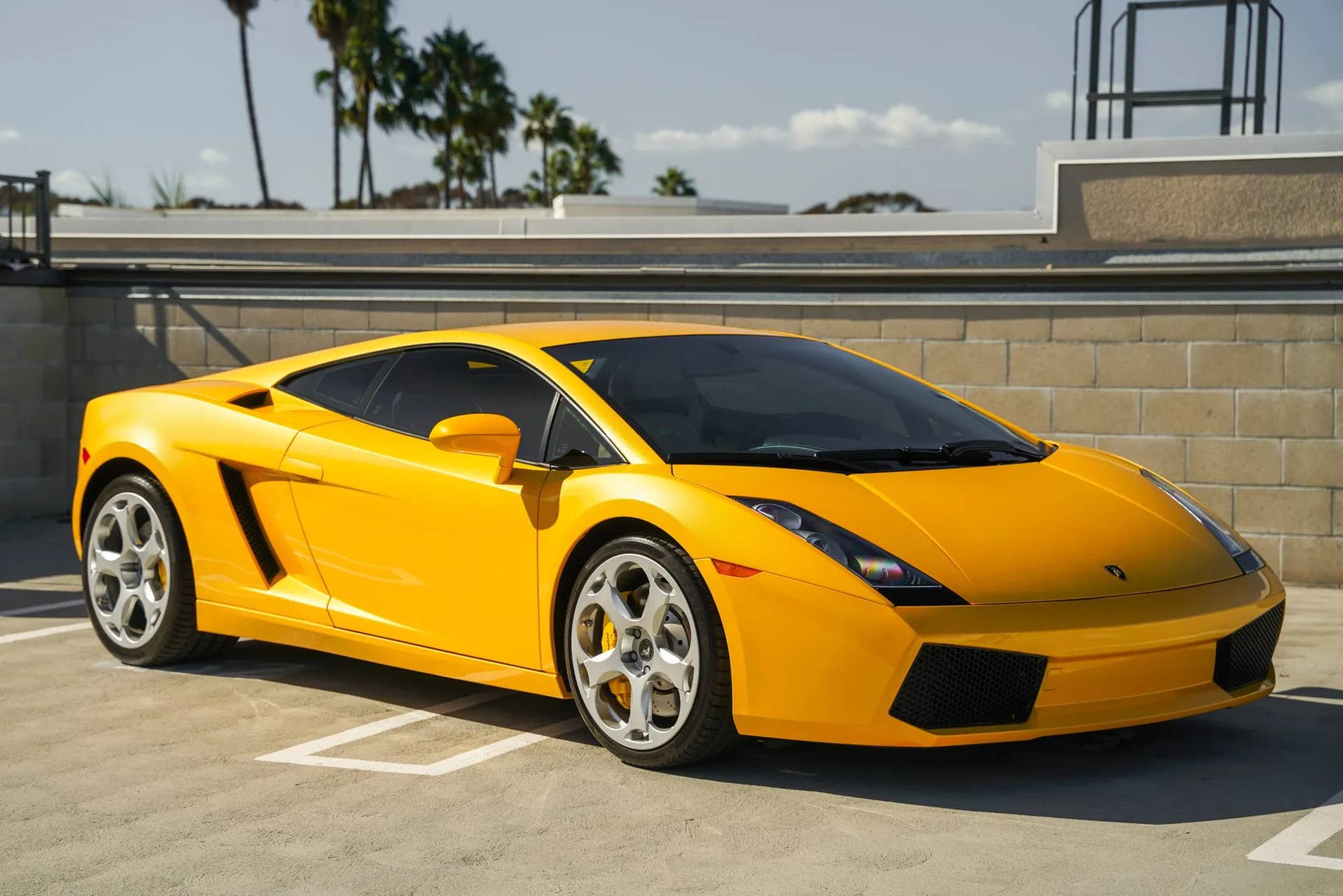
Bring A Trailer
In order to stand on its own and avoid being sold off yet again, Lamborghini introduced its first entry-level model, the Gallardo. It came equipped with a V10 engine instead of a V12 and, more importantly, could be had for a much lower price. Over its decade-long run, the Gallardo became Lamborghini’s best-selling model, with more than 14,000 sold.
Today, the Lamborghini Gallardo is considered one of the brand’s most successful models. While the supercar rode off into the sunset following the 2013 model year, it was succeeded by the Huracán, which became the most produced model in the Italian marque’s history. In 2024, the Temerario took the reins, bringing with it a twin-turbo V8 engine paired with three electric motors.
Final thoughts
In most circumstances, it isn’t the car itself that saves the brand, but the automaker’s willingness to meet consumer demands. As automotive history has shown us time and time again, manufacturers that evolve and keep up with trends tend to be successful and avoid financial strife. Those that fail to move forward often end up with dated offerings and find themselves in a tough spot. With the world gradually making the jump to electrification, we’ll likely see more examples of cars that make or break their brands in the near future.
Disclaimer: Autoblog aims to feature only the best products and services. If you buy something via one of our links, we may earn a commission.
About the author

Joseph Pudlewski
Contributing Writer, Autoblog