
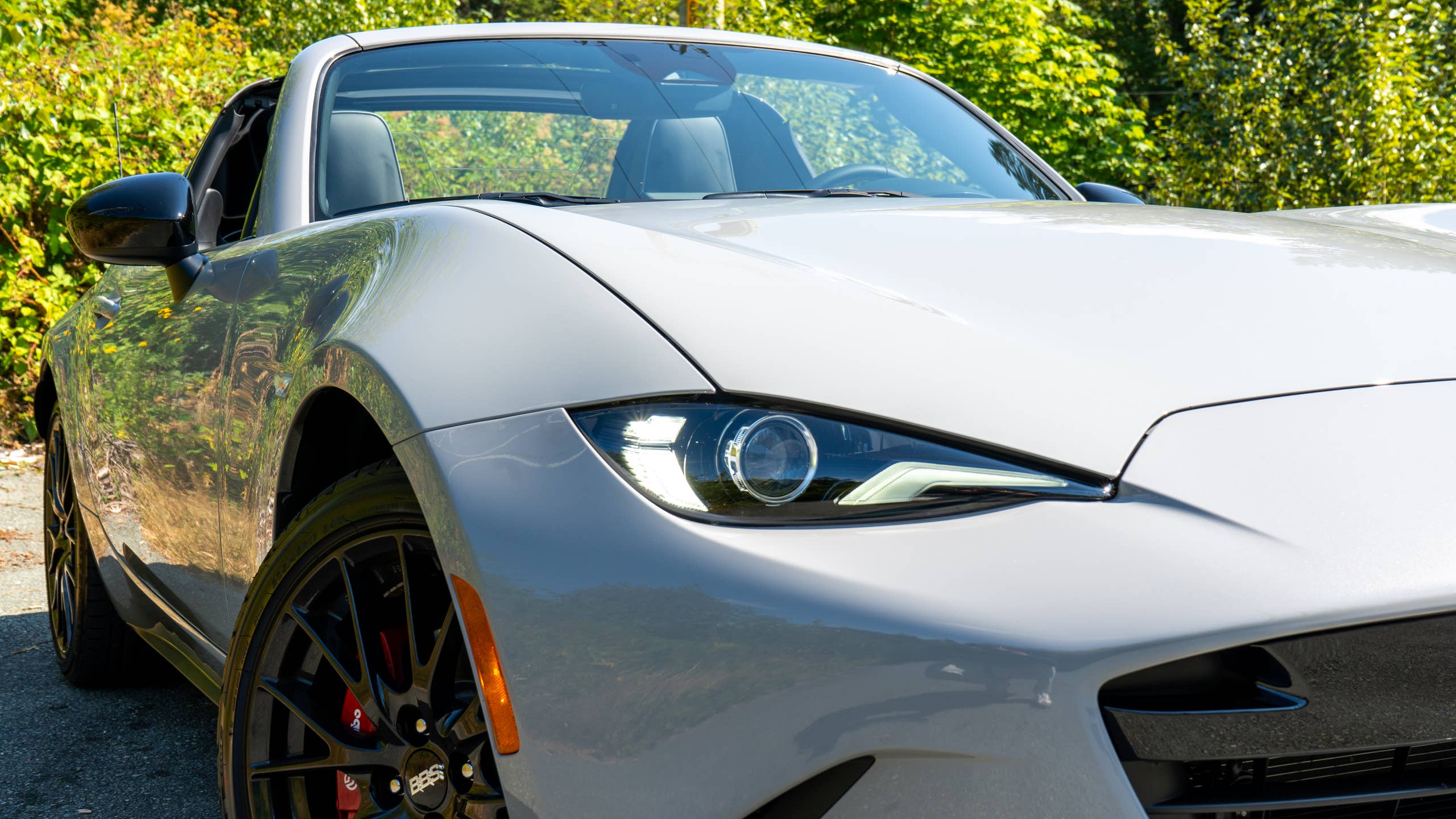
You probably have a favorite shirt, a favorite hat, a favorite food, a favorite film, and a favorite song, and now you want to enjoy your favorite genre of automobile, the sports car. More specifically, you want something you can buy new in 2027. A purpose-driven machine that excites the senses is something every enthusiast can appreciate, regardless of budget, and in this article, we’re going to discuss the cars that can make a person fall in love with the artful ritual of performance driving, whatever their experience level. We’ve chosen cars from various price points and with different characteristics, but all of them drive the rear wheels.
Winner: Mazda MX-5 Miata
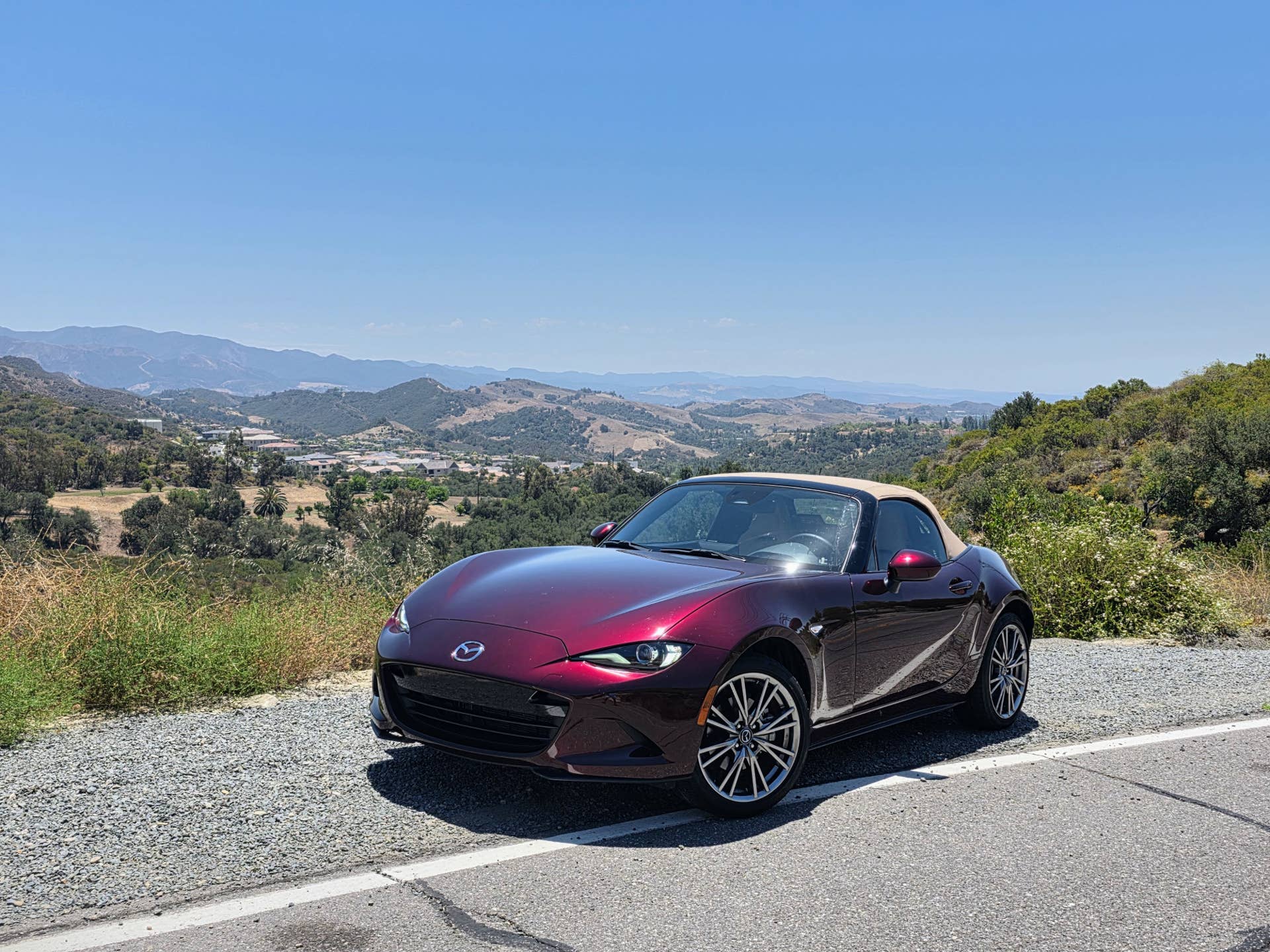
Kyle Edward/Autoblog
First, let’s address any complaints with this award. Yes, the fourth-generation ND Mazda MX-5 Miata is over a decade old now, having first debuted in 2014 and entering production in 2015. And yes, in 2027, the car is almost identical to the first model year, having only had subtle (albeit important) tweaks over the years. And yes, it’s relatively slow in a world where BMW sports coupes making over 500 horsepower from the factory are commonplace. But if all those factors are so relevant, why does it keep selling? The simple answer is that, as enthusiasts, we may be tired of hearing that Miata Is Always The Answer, but it clearly is; we’re more tired of explaining why many new cars don’t excite the soul. If the last 10 years have shown us anything, it’s that the Miata is one of the last remaining bastions of simple, basic fun. Simplicity is why the Slate electric pickup is generating so much interest, and if the Miata’s fuss-free recipe were cooked up for the first time in 2027, we’d all be hailing it as a generational great.
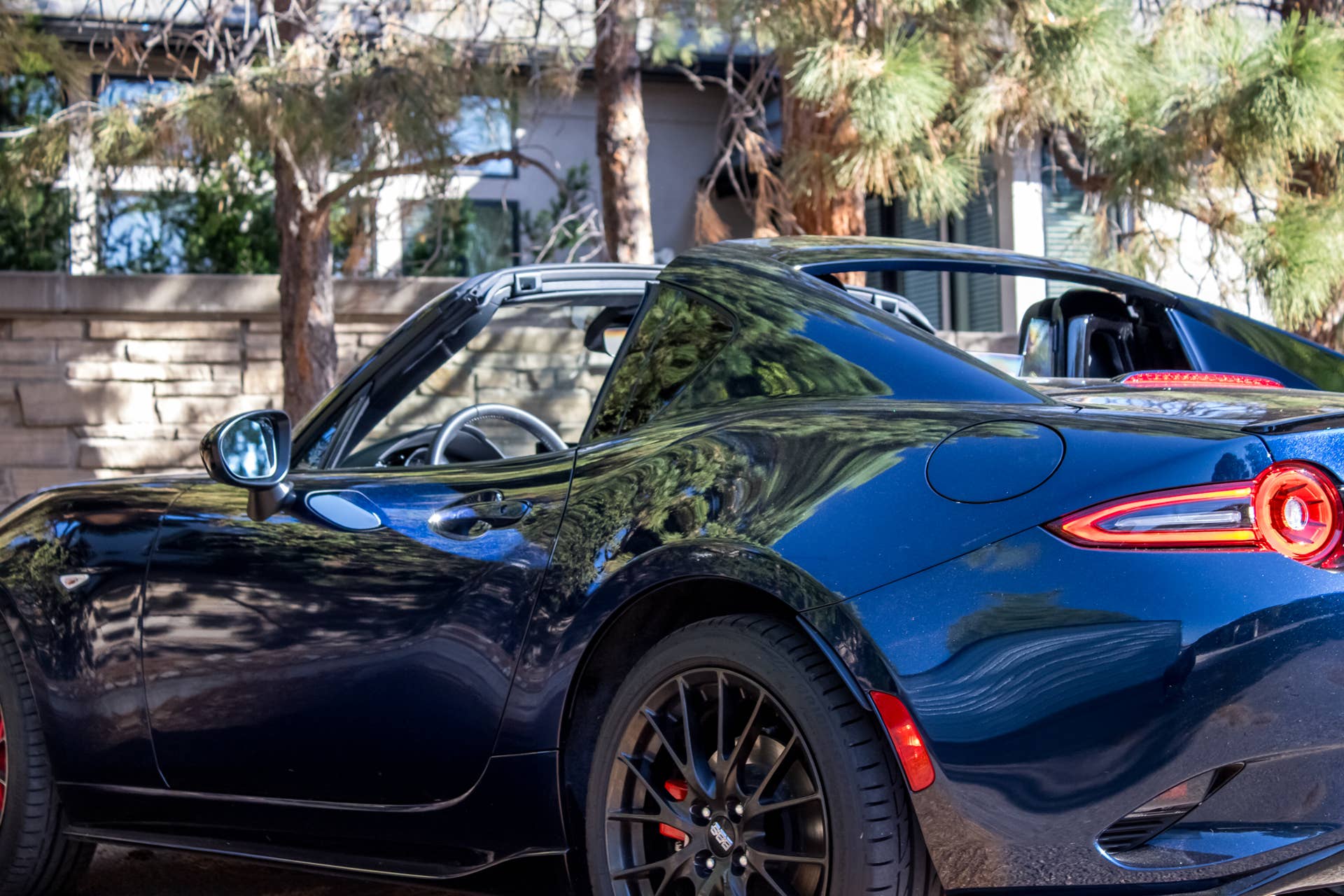
Chase Bierenkoven/Autoblog
The steering wheel is simple and uncomplicated, the gauges are easy to read, there’s physical switchgear, a manual gearbox is available, it can be ordered with a folding hard-top, the trim levels offer tangibly different experiences compared to each other, and unless you tick every single box, it’s pretty cheap. On top of all that, the naturally aspirated 2.0-liter four-cylinder engine is a peach, revving to 7,500 rpm eagerly, and its output of 181 hp and 151 lb-ft of torque only has to propel a curb weight (excluding a driver) as low as 2,366 pounds. It’s cheap, simple, light, peppy, and well equipped. It’s also beautifully balanced (53:47 front:rear); it allows a novice to learn car control at the limit without hitting triple-digit speeds while still providing an appealing experience for the expert wheelman. And finally, the fact that a Miata is so commonplace and affordable means you feel no guilt driving it as it was designed to be, unlike a Porsche 911 S/T, for example. Crash a Miata today, buy a new one tomorrow, and life goes on. Not so with a limited edition from Germany.
Mazda MX-5 Miata Pros
- Mid-range Club trim adds Bilstein dampers, limited-slip differential, and shock tower brace without high cost
- Manual gearbox, RWD, and revvy NA engine provide fun at any speed
- Lightweight chassis contributes to excellent balance through corners
- Relatively affordable pricing for a sports car
- Choice of manual soft-top or automatic folding hard-top
- Multiple gear changes are possible before breaking highway speed limits
Mazda MX-5 Miata Cons
- Storage is poor; small trunk shrinks with slow RF hard-top, cupholders are too small
- Cabin space for both passenger and driver is snug, albeit not uncomfortable
- Infotainment feels dated compared to newer cars
- Straight-line acceleration is weak by modern standards
Scores:
Performance: 4/5
Driver Appeal: 4/5
Value: 5/5
Who’s It For?
Both the budding car enthusiast and the experienced aficionado will enjoy driving an MX-5 with purpose. It’s particularly appealing to the person who wants a single affordable weekend car backed by a community focused entirely on creating smiles. It’s far more sports car than grand tourer, but it’s just as rewarding to drive slow with the top down as it is to carve a canyon.
Recommended Trim
The mid-range MX-5 Club is the one we’d spend our money on. Handling upgrades bring this version of the Miata as near perfection as any mainstream OEM can get for less than $40k. Whatever Miata suits you, we recommend the soft-top, as it’s lighter and takes up less space than the RF’s folding hard top. The RF’s buttresses also affect blind spots in a big way.
Top Ranked: Chevrolet Corvette
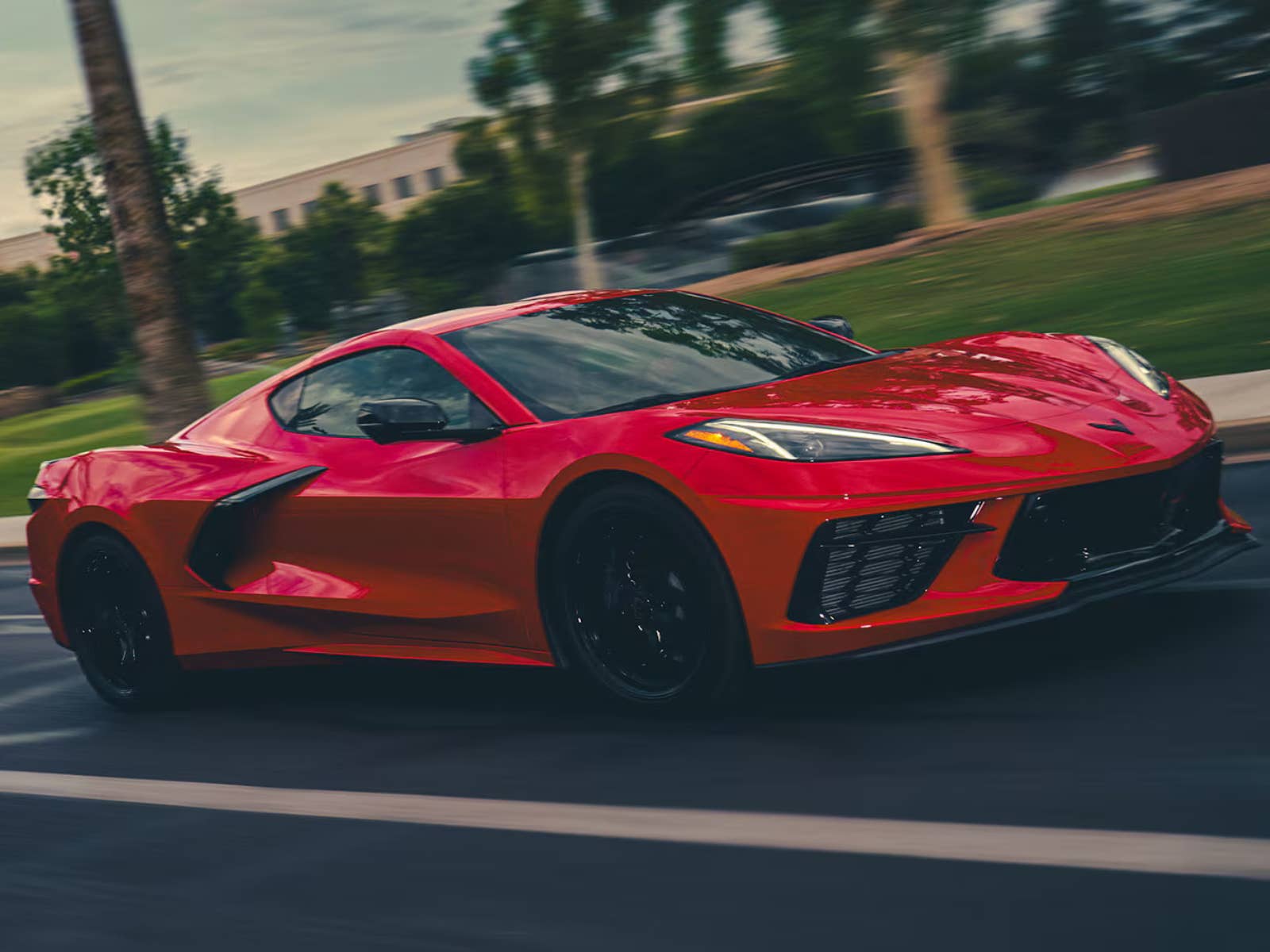
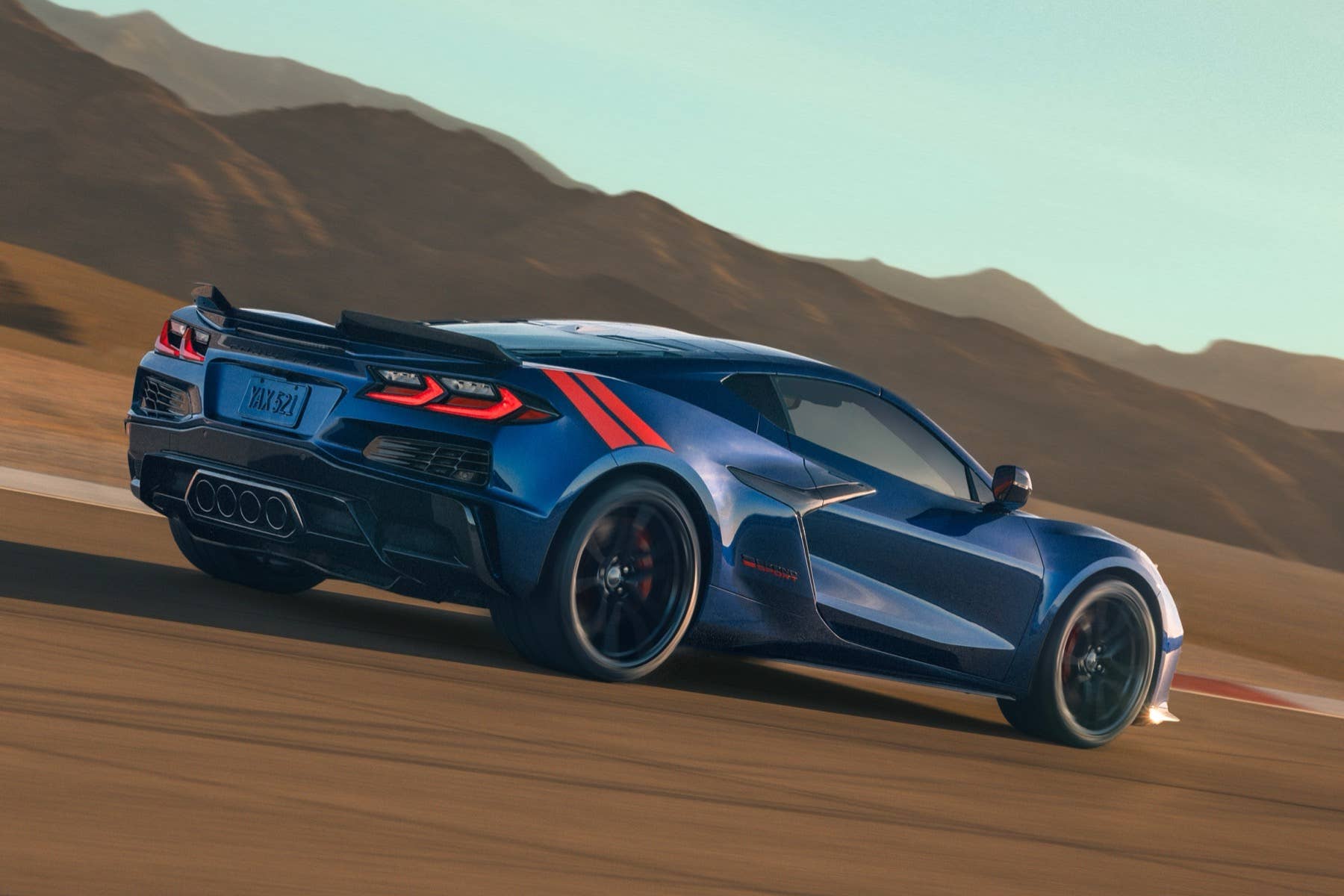
In 2027, America’s sports car is even better than before. At one end, we have the ZR1X, a “budget hypercar” with 1,250 hp from a 5.5-liter twin-turbocharged LT7 V8 and electric motors, and at the other, the base Stingray gets a new 6.7-liter LS6 with 535 hp. In between, we have the Grand Sport with track-focused upgrades you can put up with on a daily basis, the Grand Sport X with the same V8 and e-AWD, the LT6-powered Z06 with an exotic exhaust note, and the rear-drive ZR1 with 1,064 hp. It’s a staggering lineup of performance options, showing how one mid-engine car built in America can be home to a diverse range of V8-based powertrains, yet deliver unique experiences through each variant.
Chevrolet
Those who regularly indulged in the front-engine nature of every Corvette before the C8 will always argue that the sports car has lost its character, but it’s impossible to argue with the performance benefits of a mid-engine setup, where acceleration pushes the heaviest part of the car onto the rear axle, improving traction and even lateral grip. A Dodge Demon 170 spinning its tires in 4th gear on anything but a prepped sticky surface is all the proof you need that putting the engine behind the driver is good. Yes, it’s a layout borrowed from exotics, and the Corvette trims that start with a Z are arguably all cut-price supercars, but isn’t the democratization of performance a good thing? In 2027, the Corvette lineup proves you don’t need to spend six figures to get supercar sensations, nor do you need to spend seven figures to experience the warp speed of a hypercar. Approachability, progressive performance through trim levels, inherent balance, and attention-grabbing looks all contribute to some of the best experiences you can have in a two-seater, whatever your skill level.
Chevrolet Corvette Pros
- Exotic styling at a fraction of the price
- Outstanding performance starting at 535 hp and crescendoing at 1,250 hp
- Two trunks provide relative practicality
- Driver-focused cabin with multiple color and upholstery options
- Roofless driving experience on both coupe and convertible
Chevrolet Corvette Cons
- No manual transmission
- Corvette badge lacks the prestige of some European alternatives
- Low ride height makes ingress and egress trickier
- Rear visibility is weak
- Squared steering wheel won’t suit all drivers
Scores:
Performance: 4.5/5
Driver Appeal: 4/5
Value: 3.5/5
Who’s It For?
The C8 Corvette appeals to those who want breakneck looks without spending six figures. Beyond its styling appeal, this is the cheapest way to get into a new mid-engine car, opening a fascinating new driving experience to more enthusiasts.
Recommended Trim
The mid-range option is usually the best value, and in terms of models, we suggest the Grand Sport, pairing the 6.7-liter V8 with extra track capability. If only the Stingray is attainable, again, we recommend aiming for the middle trim (2LT). Those shopping at the other end of the Corvette range will likely want every option for bragging rights, but in the real world, a Stingray 2LT or Grand Sport 2LT is more than enough.
Top Ranked: Porsche 911 Carrera
Porsche
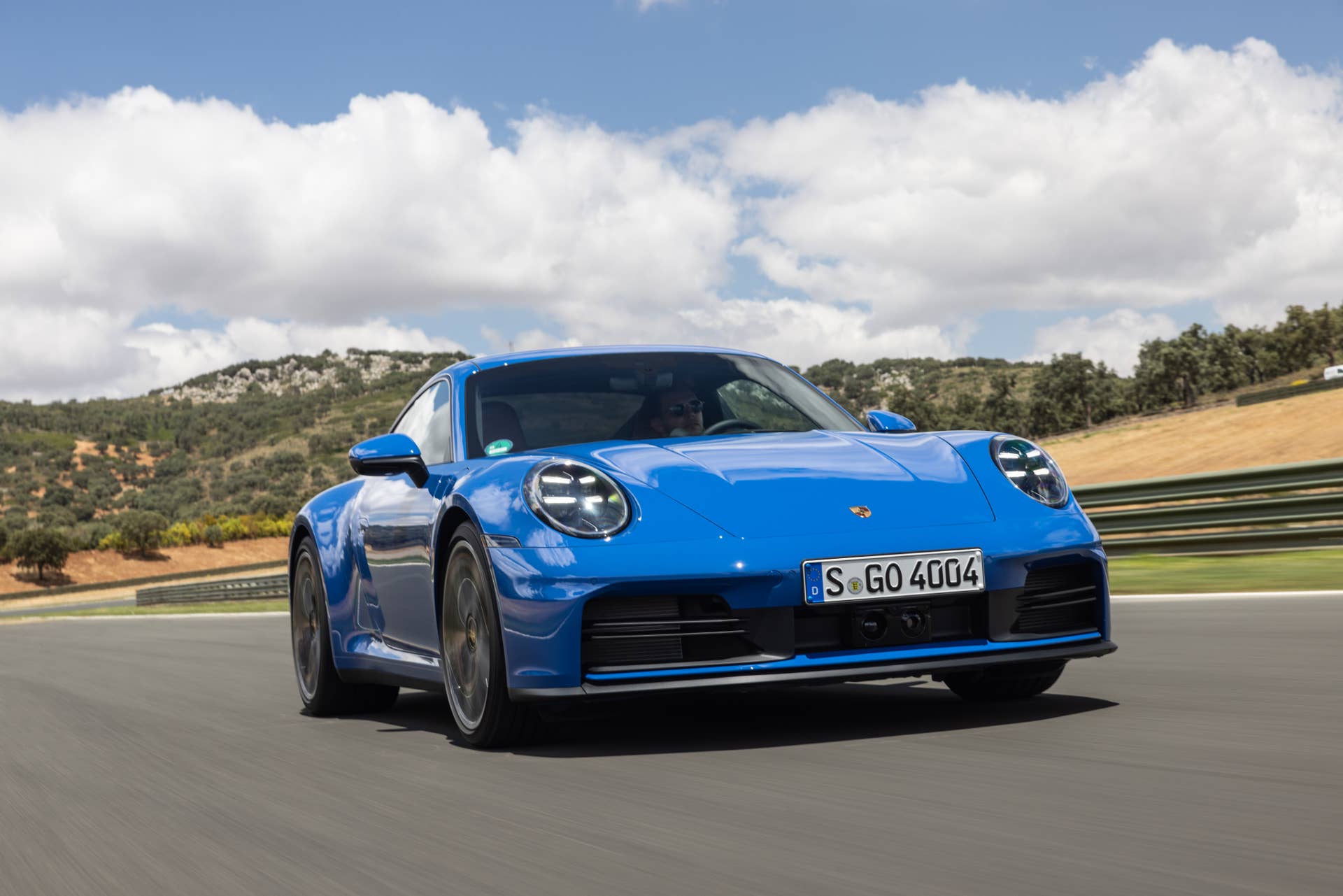
The Porsche 911 range is full of tiny variances, but whether you get a base Carrera or a top-tier Turbo S, every single version turns a regular drive into something as fascinating and beautiful as a Michelangelo painting, with more layers of excellence the more you engage with it. Take one to a track, and the sensation of hard braking, easing off the pedal, turning in with alarmingly good precision, and mashing the throttle to get the rear end to squat under load is tough to convey in words, but it’s a beautiful, instinctive dance that makes the soul leap for joy. If your hands are quick, you can turn off the traction control, and once your instincts are synchronized with the rear-engine layout’s unique movements, you can turn the tango into the twist with supreme, predictable confidence.
Porsche
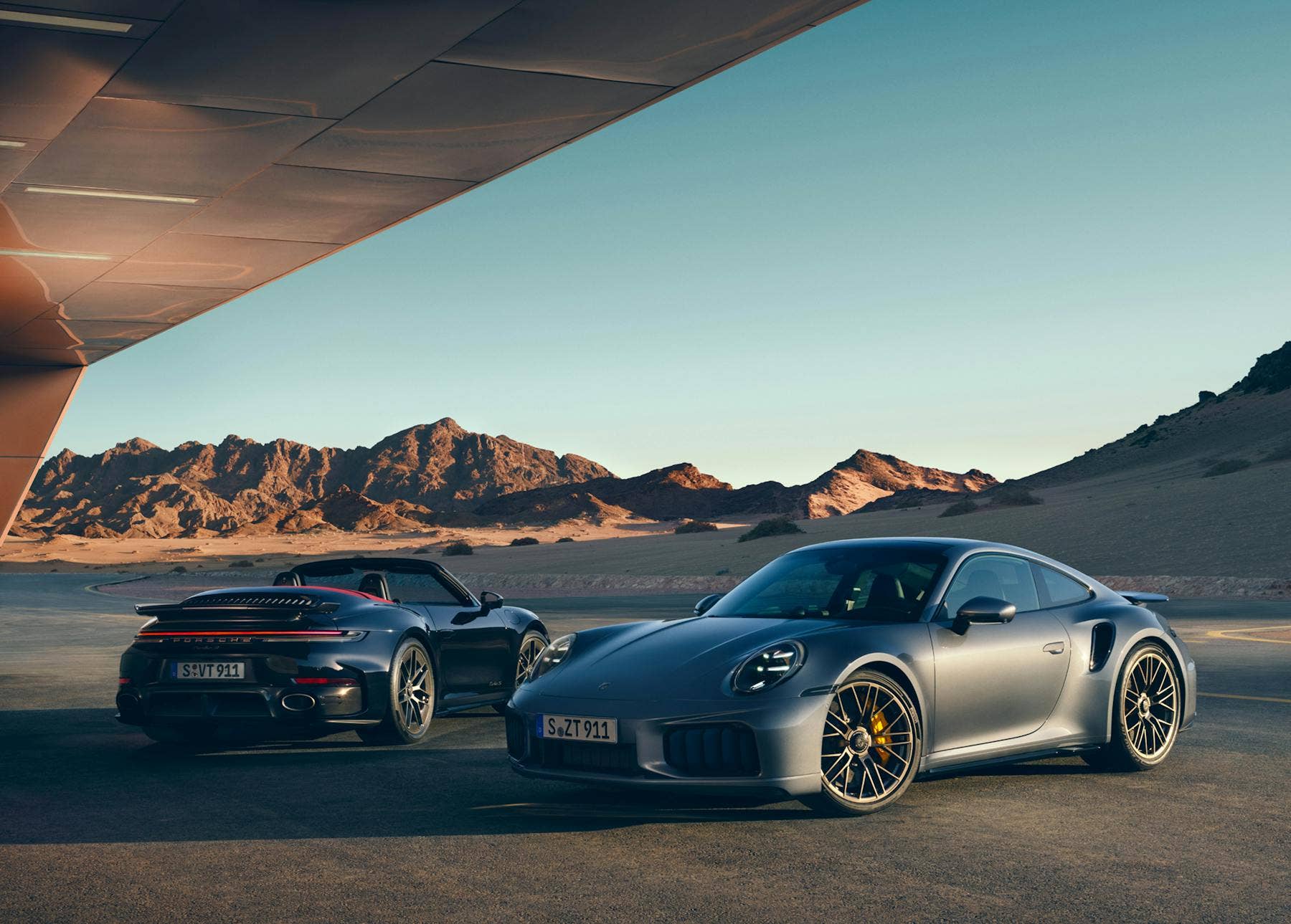
While the Porsche 911 range has become costlier and more convoluted in recent years, it remains the benchmark for driving feel and response. Even the T-Hybrid model turns something that’s usually a downer for car enthusiasts into something of extreme engineering interest, and while getting the best 911 variants is difficult without building a long relationship with a prominent dealer, the fact that a boxer-six still comes in the back of a sports car, sometimes paired with a manual, is worth celebrating. Despite increased speed, luxury, safety, and technology, Porsche has ensured every 911 is capable of creating ear-to-ear smiles whenever corners appear.
Porsche 911 Carrera Pros
- Unimpeachable handling and steering precision
- Phenomenal acceleration, particularly in T-Hybrid or Turbo forms
- Multiple configurations available, including convertibles
- Outstanding build quality
Porsche 911 Carrera Cons
- Manual transmission only available with base engine (excluding expensive and difficult-to-attain GT3 variants)
- Digital gauges make the 911 interior less special than it used to be
- Trims get very expensive
- Limited cargo space
Scores:
Performance: 4.5/5
Driver Appeal: 4.5/5
Value: 4/5
Who’s It For?
The well-to-do driving enthusiast who wants exceptional handling, strong build quality, badge prestige, and luxury in a proven package. Nothing else drives this well, and everyone knows it.
Recommended Trim
The only downside to a Porsche 911 is that somebody else always has a rarer or more exclusive spec. We’d ignore all that and aim for the Carrera T, blending a manual gearbox with a relatively lightweight powertrain. If Carrera T availability is a problem, the Carrera GTS is and always will be the best non-GT3 version of the 911, and now with T-Hybrid turbocharged power, it’s not far off the range-topping Turbo S for exhilaration.
Honorable Mentions
BMW M2
BMW
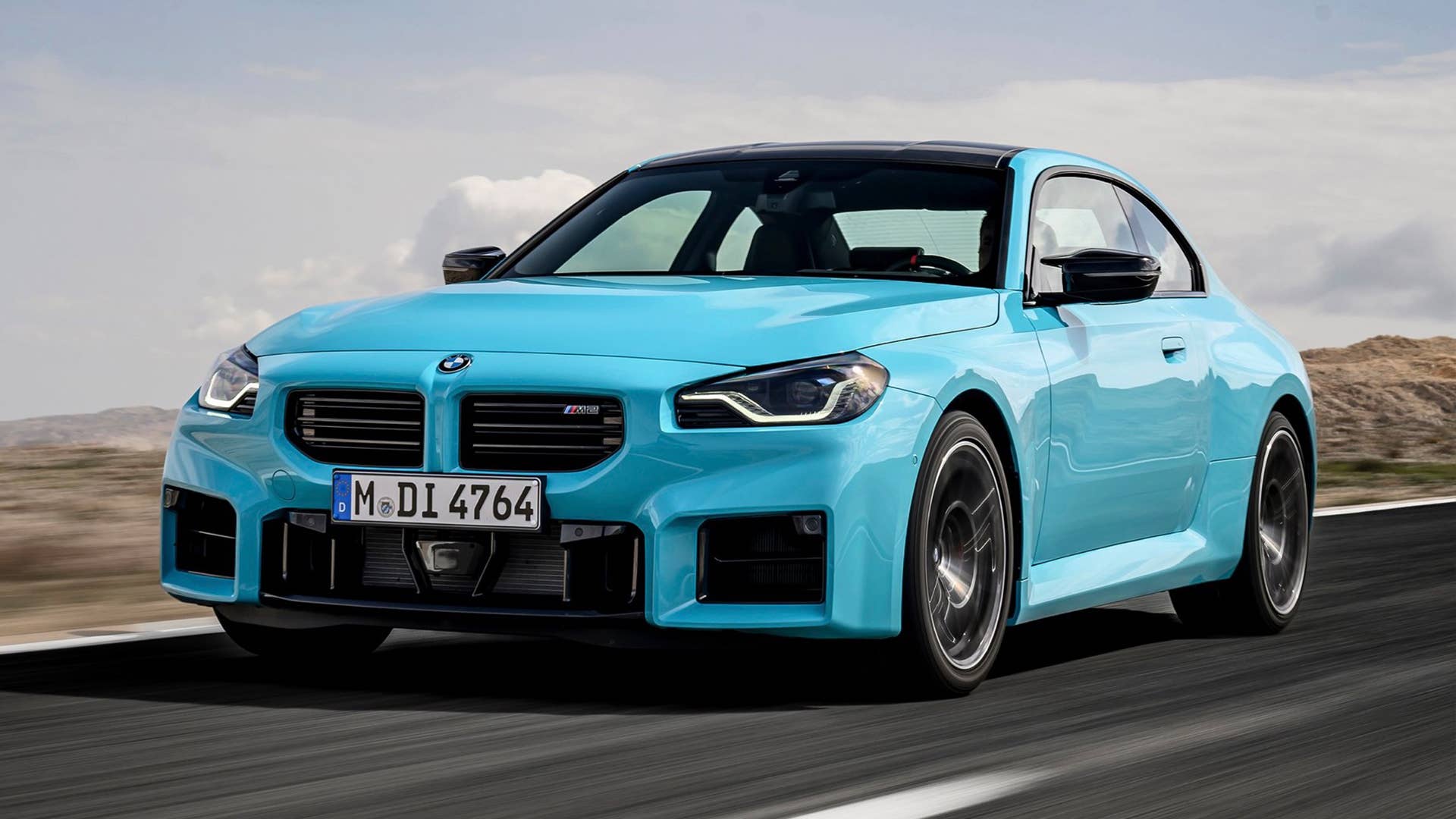
Purists will argue that a sports car should only have two seats and be built on a dedicated platform, but economies of scale make that nearly impossible, so the M2 gets the nod. And in fairness, the rear seats of most 2+2 sports cars, including the M2, are practically decorations. With M xDrive all-wheel drive in 2027, the new BMW M2 blends turbocharged grunt with all-weather capability, and it can still hang its tail out. Also available with a manual transmission, the M2 is among the last of its kind, and while some elements are synthetic, the driving experience is both exciting and assured.
Toyota GR86/Subaru BRZ
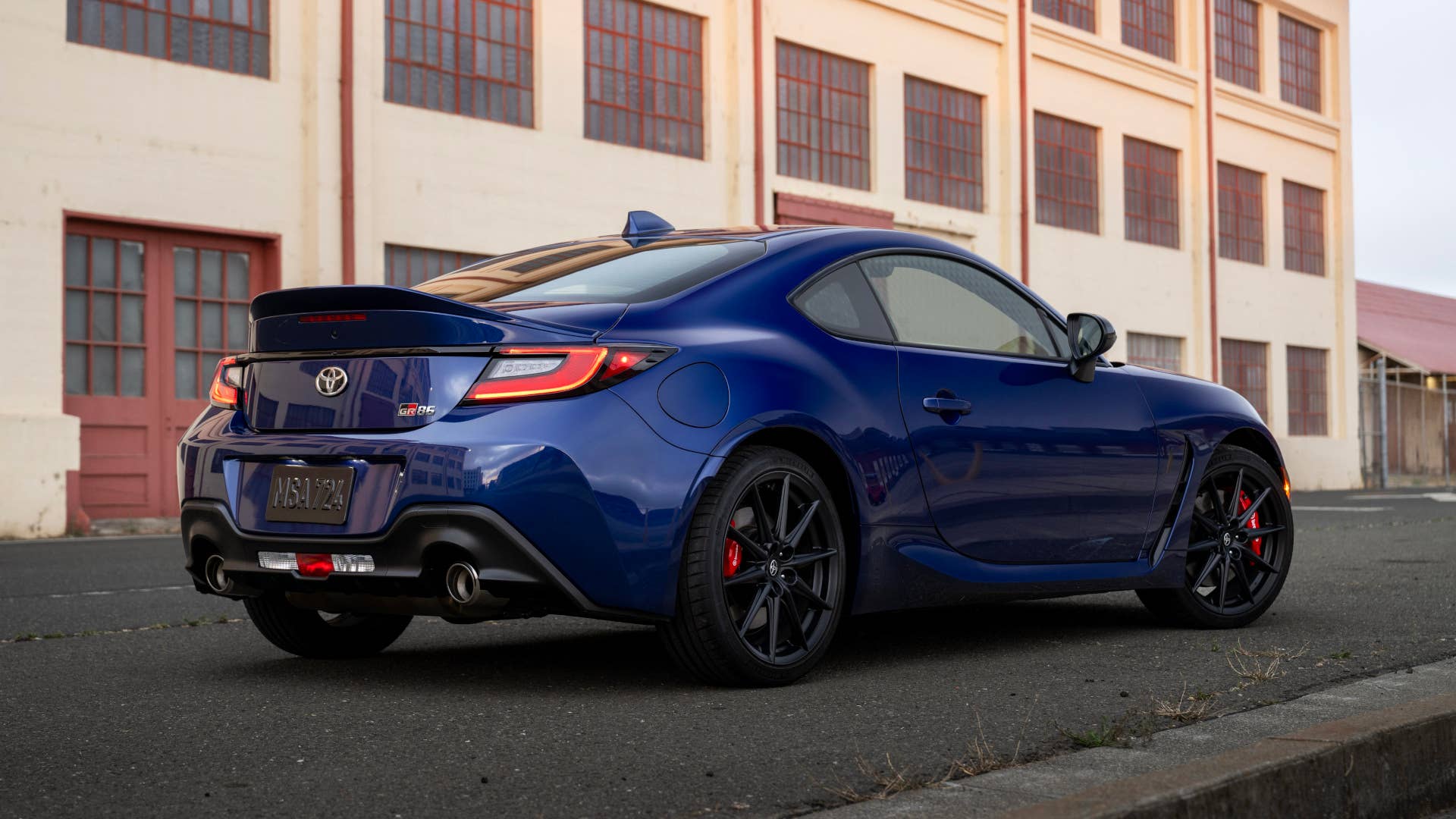
Another 2+2, the Toyota GR86 and its Subaru BRZ twin provide rear-drive boxer-engine thrills through a manual gearbox for similar money to a Miata. The GR86 is more practical and more powerful than an MX-5, and in 2027, it gets better safety tech, a smoother shift, better throttle response, and the availability of a performance package with SACHS dampers and Brembo brakes. If you want something sporty that you can lean on hard, this is tough to beat. The biggest reason the Miata edges the GR86/BRZ to win top spot is that, back to back, the MX-5 feels slightly purer and more connected. These sensations are fading fast in the 2020s, but the GR86 is still a better vehicle for engaging driving than most cars on the market.
Ford Mustang Dark Horse
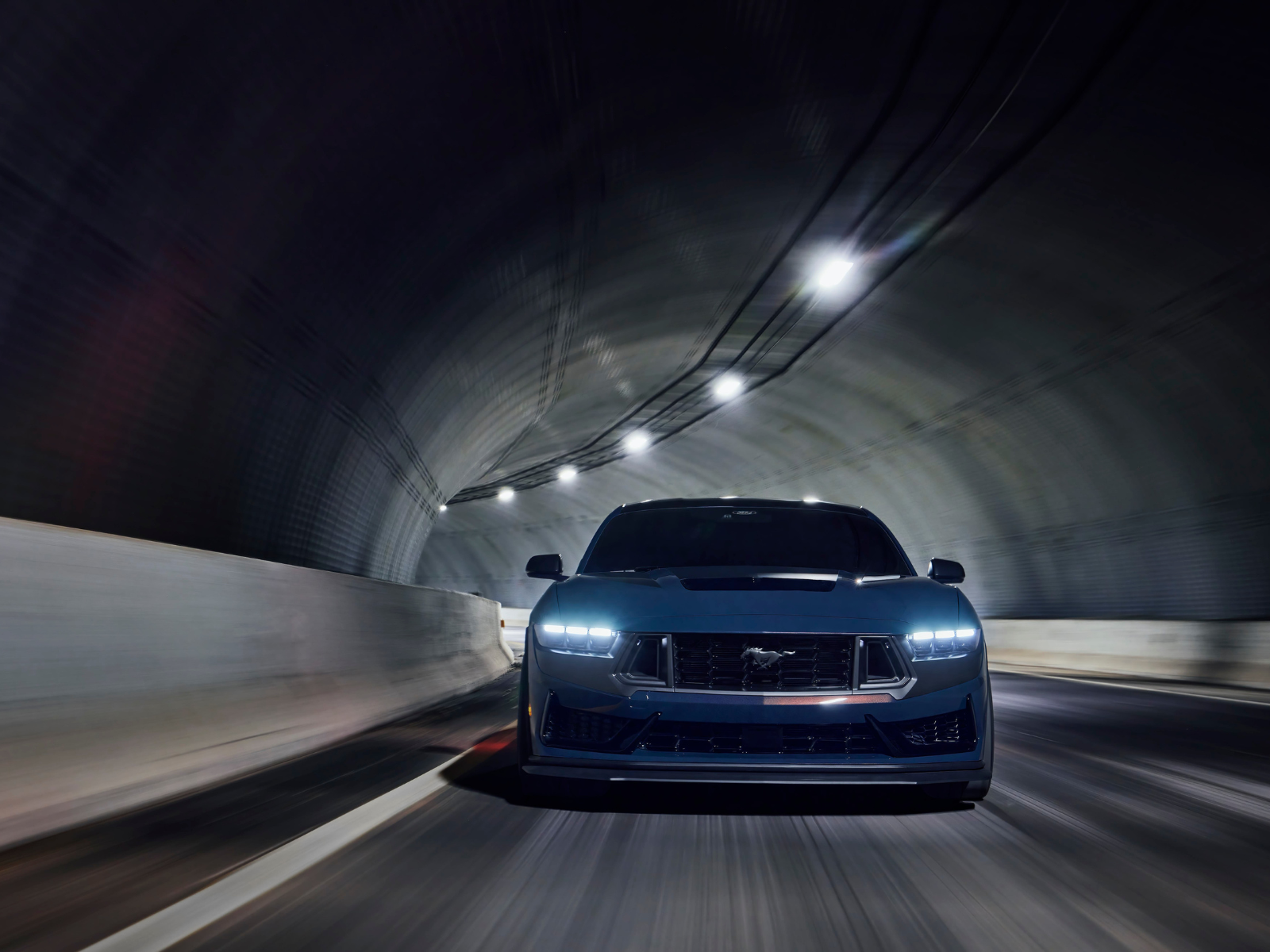
The Ford Mustang range is another that provides plenty of variety, including a supercharged Dark Horse SC. We recommend the regular Dark Horse, though, as it’s more attainable. This couples a 500-hp Coyote 5.0-liter with a model-specific TREMEC six-speed (an auto is also available), and though the Mustang is a heavy pony, 500 hp is both exploitable and exciting. A base Mustang GT is also loads of fun, but the Dark Horse’s improved output, shifting, braking, and MagneRide suspension turn the experience up a notch.
Conclusion
With front-, mid-, and rear-engine options available across massive differences in price, the sports car market in 2027 can hold its head high. As safety, comfort, and performance requirements shift through the end of the decade, it’s encouraging to know that, whatever your budget, there are still options available on dealer floors that put driving pleasure first and everything else second. It’s becoming more difficult, but the likes of Mazda, Ford, Chevy, Toyota, Porsche, BMW, and even Subaru remain committed to giving us cars we fall in love with for the way they handle on a twisty road, not just for how much power they make on a dyno.
About the author

Sebastian Cenizo
Senior Editor, Autoblog