

The high cost of insuring an EV
Car insurance premiums for electric vehicles are rising much faster than for gas-powered cars. According to Insurify data, EV owners now pay an average of $4,058 per year to insure their vehicles — 49% more than the $2,732 average for gas cars.
The reasons are complex but largely tied to the higher cost of repairing advanced technology and batteries. State adoption rates, weather risks, and even theft trends also play a big role in shaping the numbers. While some states are starting to narrow the insurance gap, others stand out for charging drivers thousands more.
10. Florida
Chevy
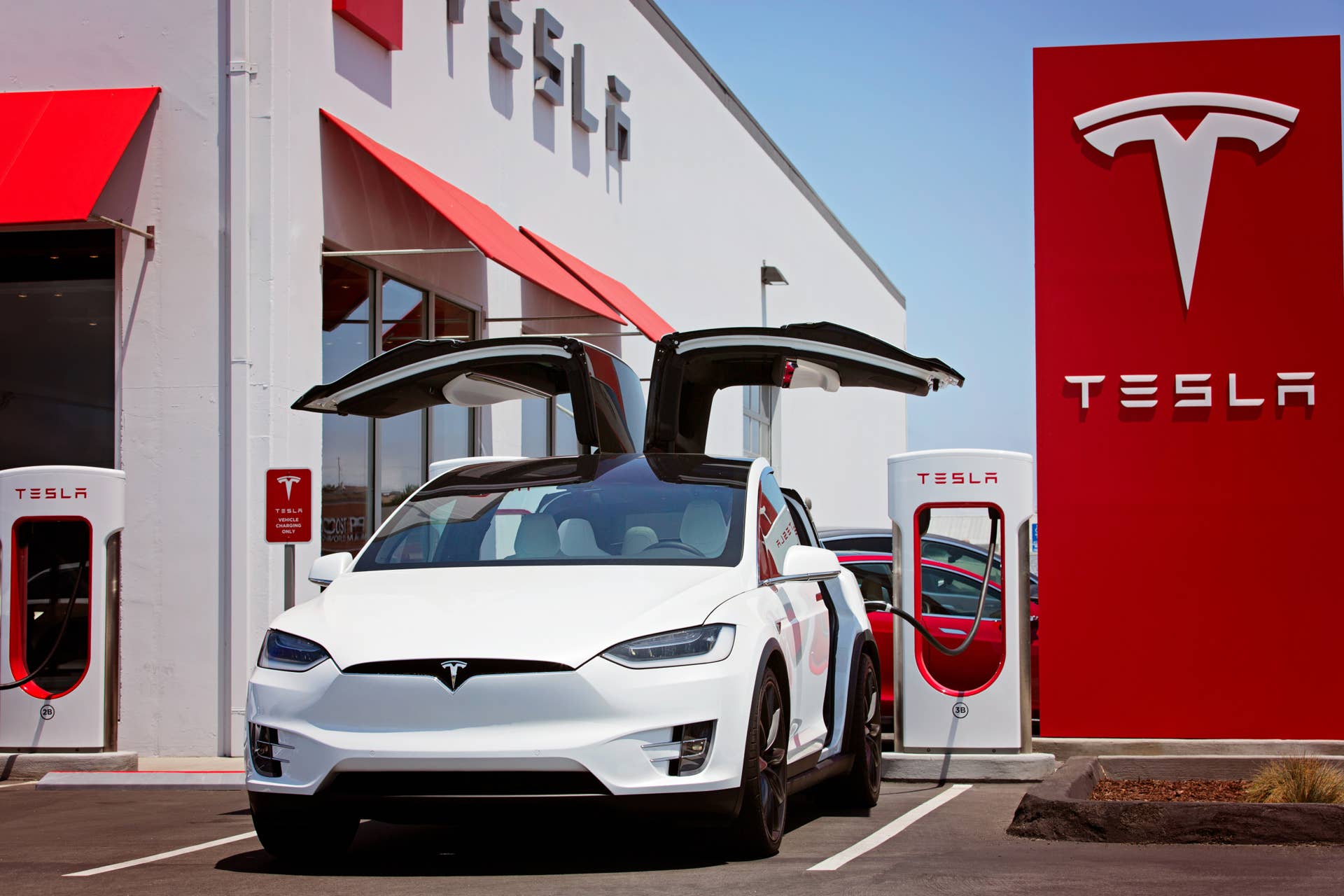
Rounding out the top 10, Florida EV drivers pay an average of $5,283 annually for coverage, 66% more than gas-powered vehicles. With strong adoption rates and plenty of charging stations, Florida looks like an EV-friendly state. However, high rates of insurance fraud, severe weather, and costly repairs make it one of the most expensive places to own and insure an electric car.
9. New Mexico
New Mexico drivers spend $3,597 annually to insure an EV, compared to $2,117 for gas cars — a 70% increase. The state has just a 0.52% adoption rate and limited Tesla access, though new laws will soon require dealerships to carry more zero-emission vehicles. Car theft rates are also among the highest in the nation, adding to insurers’ risk models. Combined with the state’s high poverty rate, the added costs may slow down EV adoption.
8. Nevada
Nevada stands out because it actually has higher-than-average EV adoption, at 1.85%. Yet it’s still one of the most expensive states for EV insurance, with drivers paying $5,791 per year compared to $3,403 for gas cars — a 70% difference. Las Vegas has more than 1,300 public charging stations, but high rates of vehicle theft and the state’s already expensive insurance market push premiums up.
7. Indiana
Getty Images
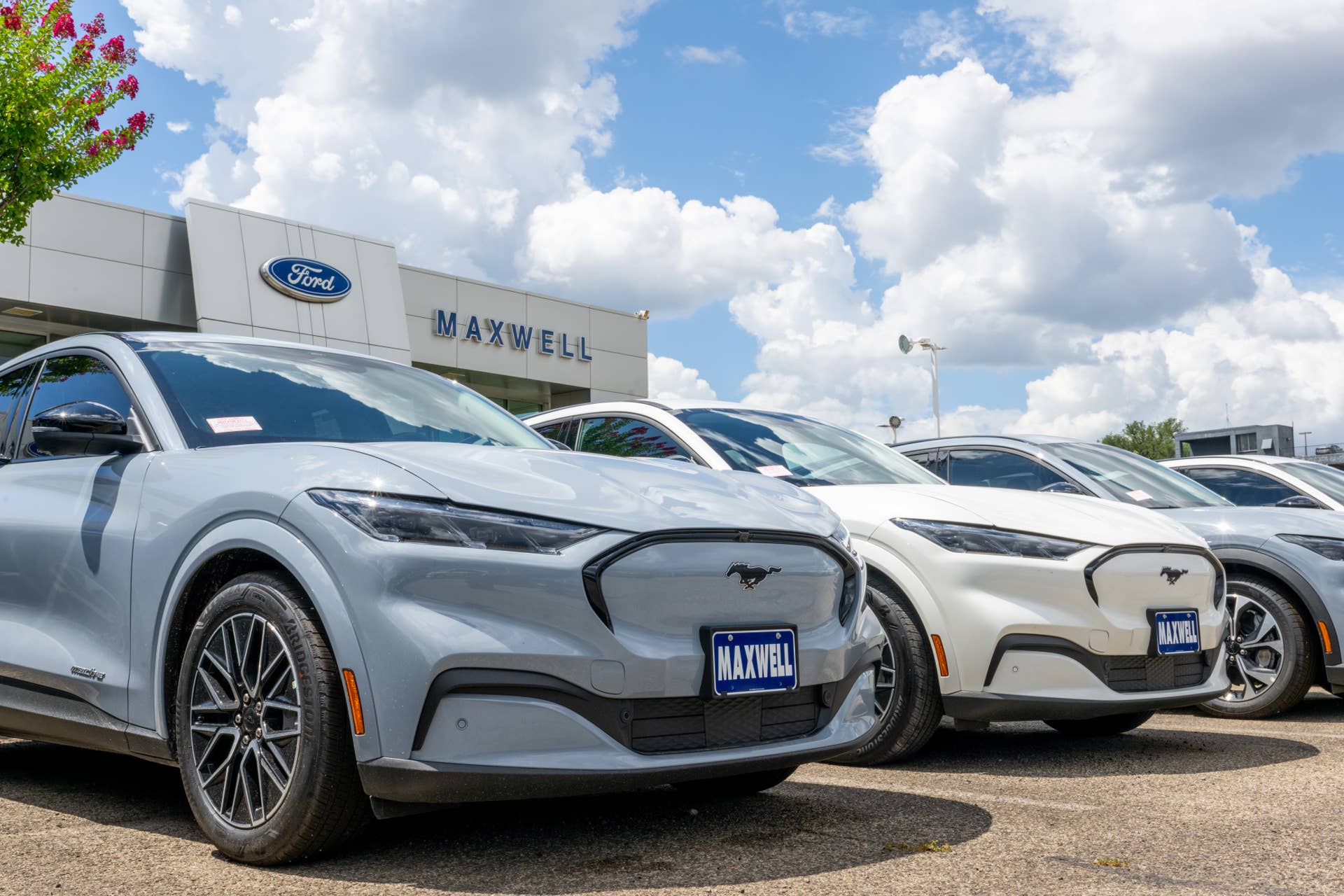
In Indiana, EV insurance costs $3,520 per year, 71% more than for gas cars. Adoption is still relatively low, at 0.42%, and state-level incentives are limited. Indiana also has just two Tesla stores, both near Indianapolis, making it harder for drivers to buy and maintain their vehicles. The combination of low adoption and limited repair networks keeps premiums elevated.
6. Louisiana
Louisiana EV drivers spend an average of $5,197 annually on insurance, 72% more than their gas-driving counterparts. Hurricanes, hail, and flooding all contribute to high comprehensive insurance costs, which hit EV owners particularly hard due to the expensive technology involved. With one of the lowest EV adoption rates in the nation — just 0.22% — insurers have little local claims data to go on, making them more cautious in setting prices.
5. Delaware
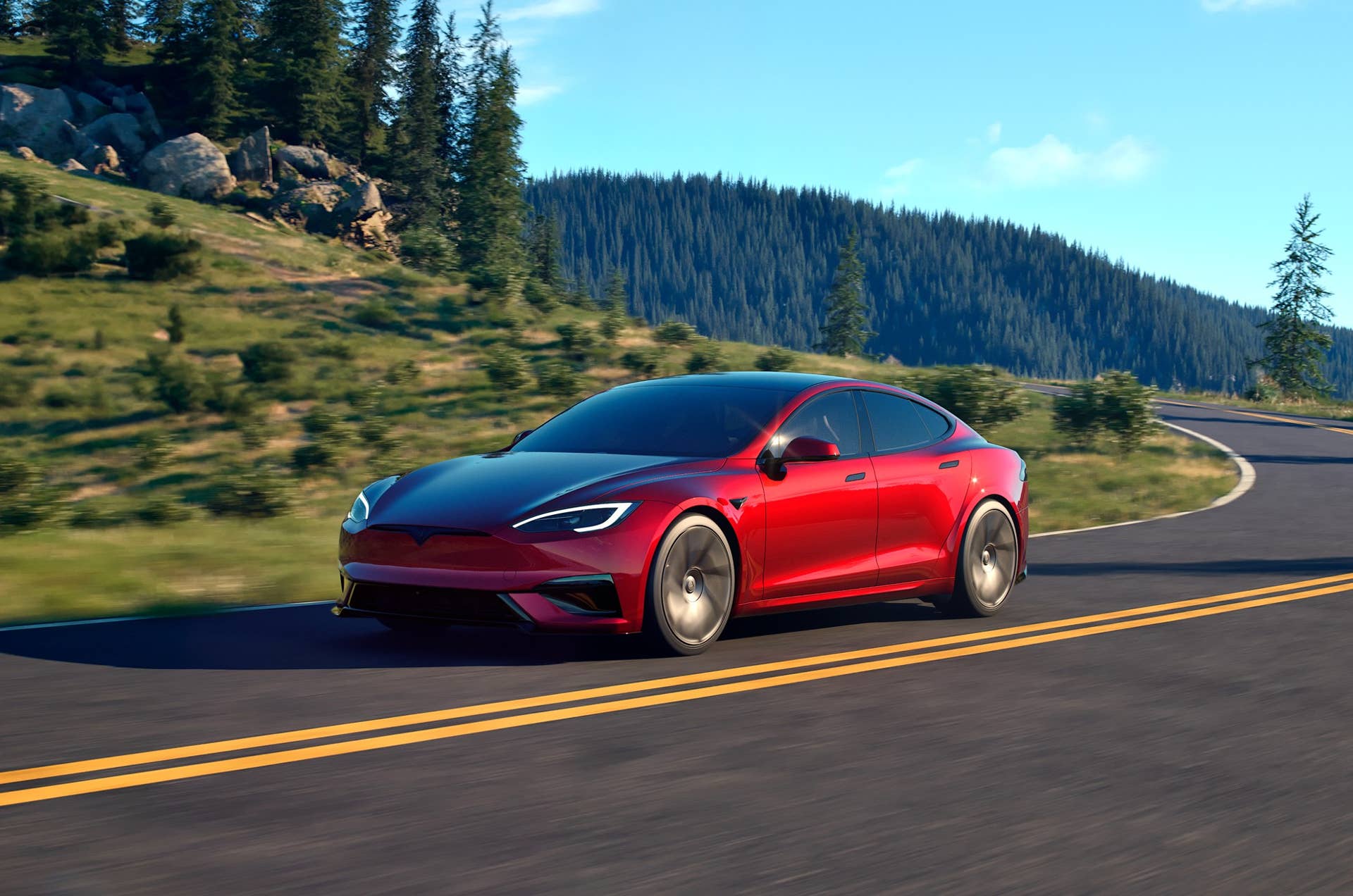
Delaware EV owners pay some of the highest premiums in the country at $5,840 per year, compared to $3,310 for gas-powered cars. That’s a 76% increase, driven in part by the state’s already high baseline insurance rates. Delaware’s dense population makes accidents more common, and while incentives and rebates exist for EV purchases and charging, the state’s insurers still price EVs at a steep premium.
4. Iowa
Iowa drivers also face high premiums, with EV insurance averaging $3,354 per year — an 87% increase over gas cars. The state’s low EV adoption rate of just 0.29% means there are fewer specialized mechanics, and when severe weather strikes, the costs pile up. In 2024 alone, Iowa saw 330 severe hailstorms and multiple tornadoes, making comprehensive claims more likely and expensive for EVs with advanced sensors and technology.
3. Idaho
Getty Images
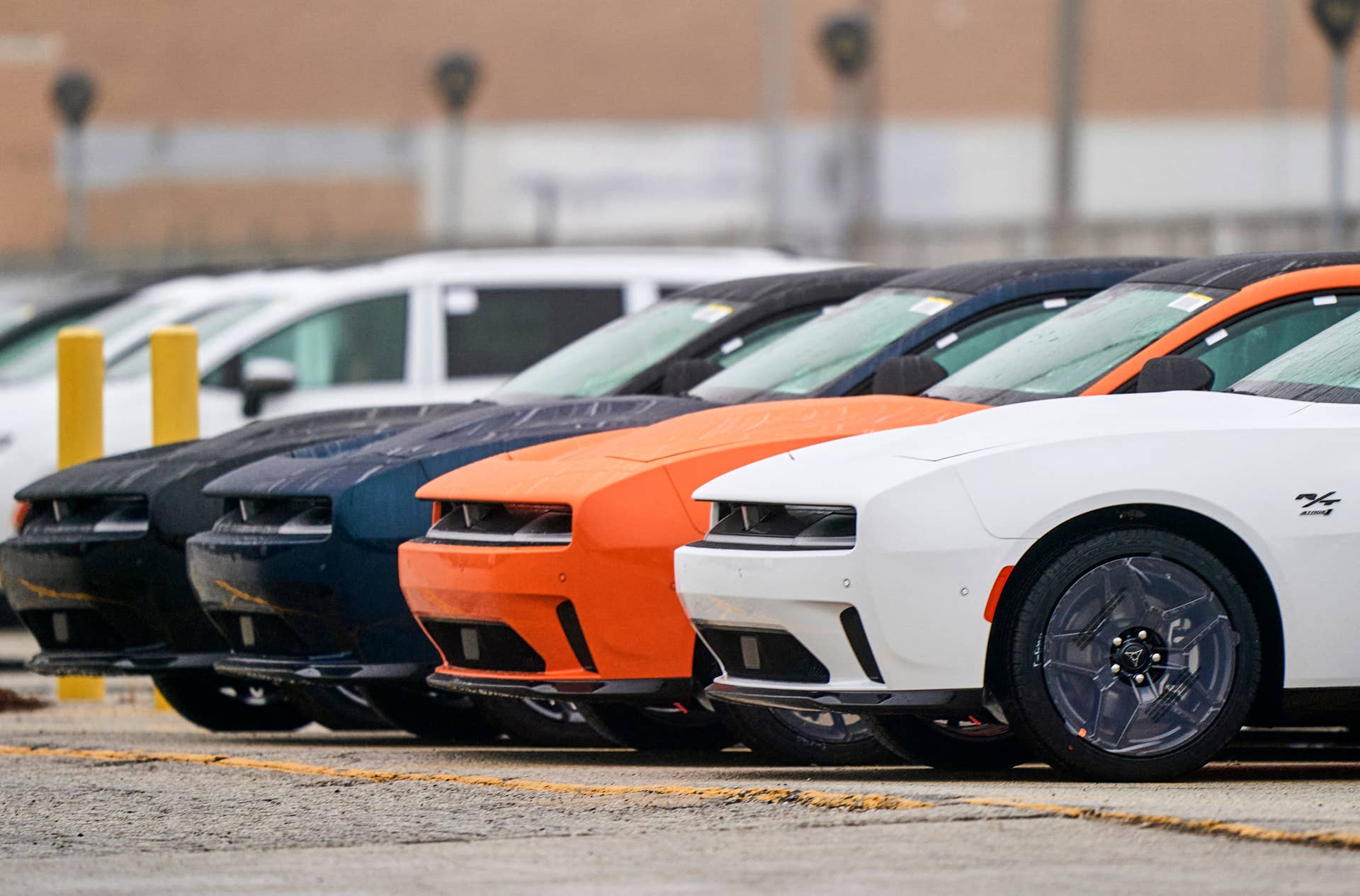
In Idaho, EV insurance costs $3,332 per year — 95% more than for gas-powered vehicles. The state has invested in new charging stations along highways, but the federal government’s pause on infrastructure funding has slowed progress. EV adoption is still just 0.43%, and insurers price policies higher in areas with little history of EV claims. Severe weather risks are lower than in states like Arkansas or Iowa, but limited repair options still make insurance costly.
2. Pennsylvania
Pennsylvania is another state where EVs cost 99% more to insure. Drivers pay an average of $4,598 annually, compared to $2,314 for gas cars. Most EV registrations cluster around cities like Philadelphia and Pittsburgh, where dense traffic, vandalism, and theft already make insurance expensive. Even though the state offers rebates of up to $3,000 and is building more charging stations, its relatively low adoption rate and urban risks keep premiums high.
1. Arkansas

Ford
Arkansas tops the list, with EV drivers paying nearly double what gas car owners do for coverage. The average annual premium for an EV in the state is $4,817, compared to just $2,415 for a gas-powered vehicle.
Despite some growth in EV registrations, adoption remains low at only 0.27% of vehicles statewide. Fewer repair shops and limited charging infrastructure push costs higher, while the state’s severe weather — also hail and tornadoes — further inflates comprehensive insurance premiums.
Final thoughts
The data shows that while EV adoption is growing, insurance costs remain a stubborn barrier for many drivers. In states with low adoption rates, premiums are inflated by a lack of repair infrastructure and limited claims history.
In places like Florida and Nevada, environmental risks and theft trends add another layer of expense. Over time, more widespread adoption and falling battery costs may help close the gap. For now, though, EV drivers in these ten states face a significantly higher price tag for going electric.
About the author

Elijah Nicholson-Messmer
Contributing Writer, Autoblog