
A messy mix of salt, sand, and slush
Winter is rough on cars in places where road crews lay down salt, brine, or sand at the first sign of freezing weather. Rust doesn’t show up overnight, but it can start forming long before you ever see a brown patch on a rocker panel.
That’s why dealerships, repair shops, and detailers push undercoating hard in the fall and early winter. Some of it is genuinely helpful. Some of it is a waste. And a lot depends on your car, your climate, and how long you plan to keep the vehicle. Below, we break down how undercoating works, who actually needs it, and what to watch for before you say yes.
First, understand what undercoating actually does
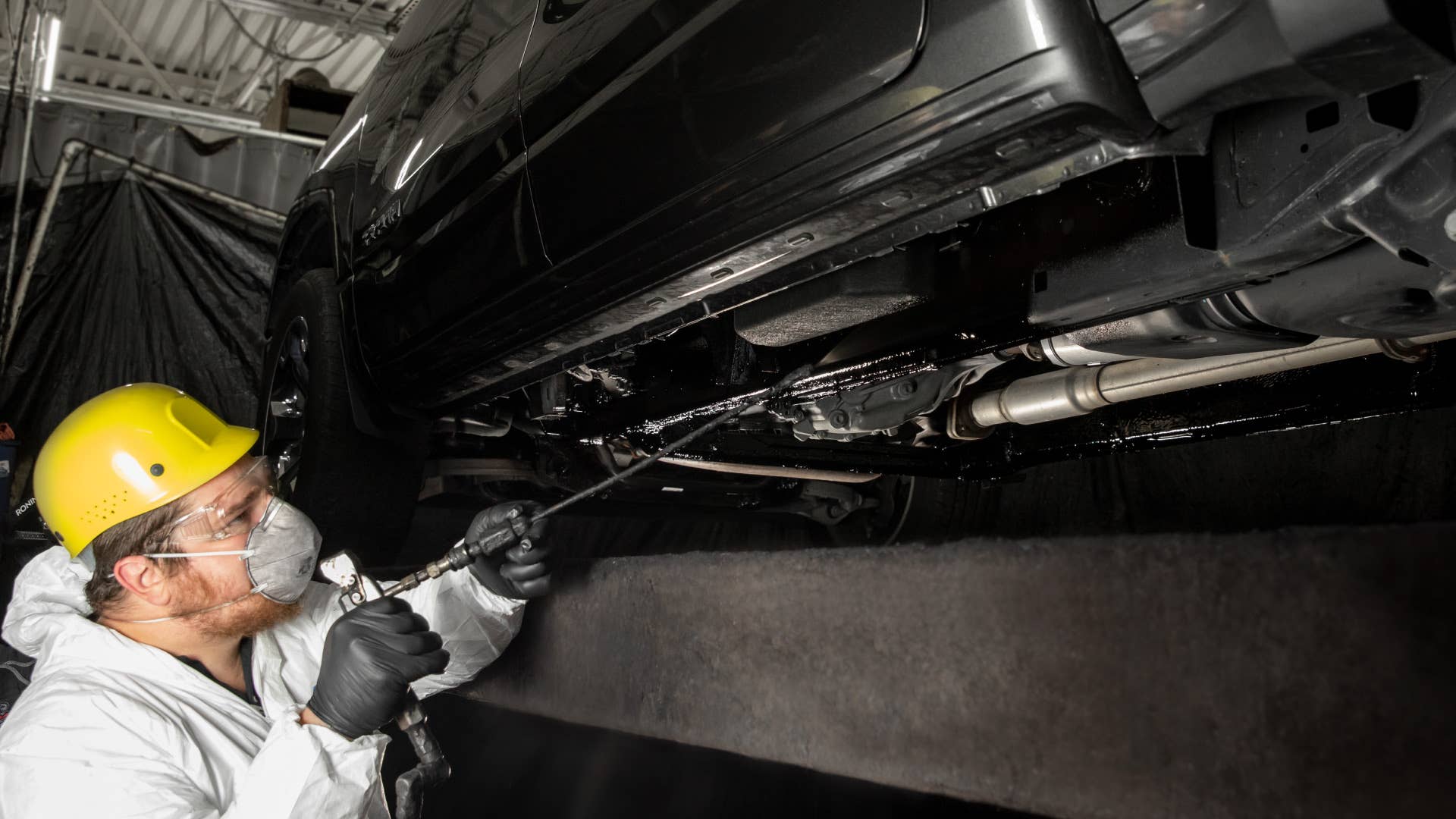
Undercoating creates a protective barrier on the underside of your car—frame rails, wheel wells, floor pans, suspension components, and exposed metal. The idea is simple: keep out moisture, road salt, and debris so rust can’t take hold.
Kristen Brown
Shops typically offer rubberized or tar-like undercoating, which is thick, black, and dries into a firm layer that resists chipping. It’s usually the pricier option and lasts several years. The other common approach is oil-based rustproofing, often sold as an “oil spray.”
These products are thinner, seep into seams more effectively, and need to be reapplied annually. They’re especially popular in Canada and the northern U.S. because they’re inexpensive and can reach places thick coatings can’t. Both types work, but they serve different needs and last for different lengths of time.
Consider your climate before anything else
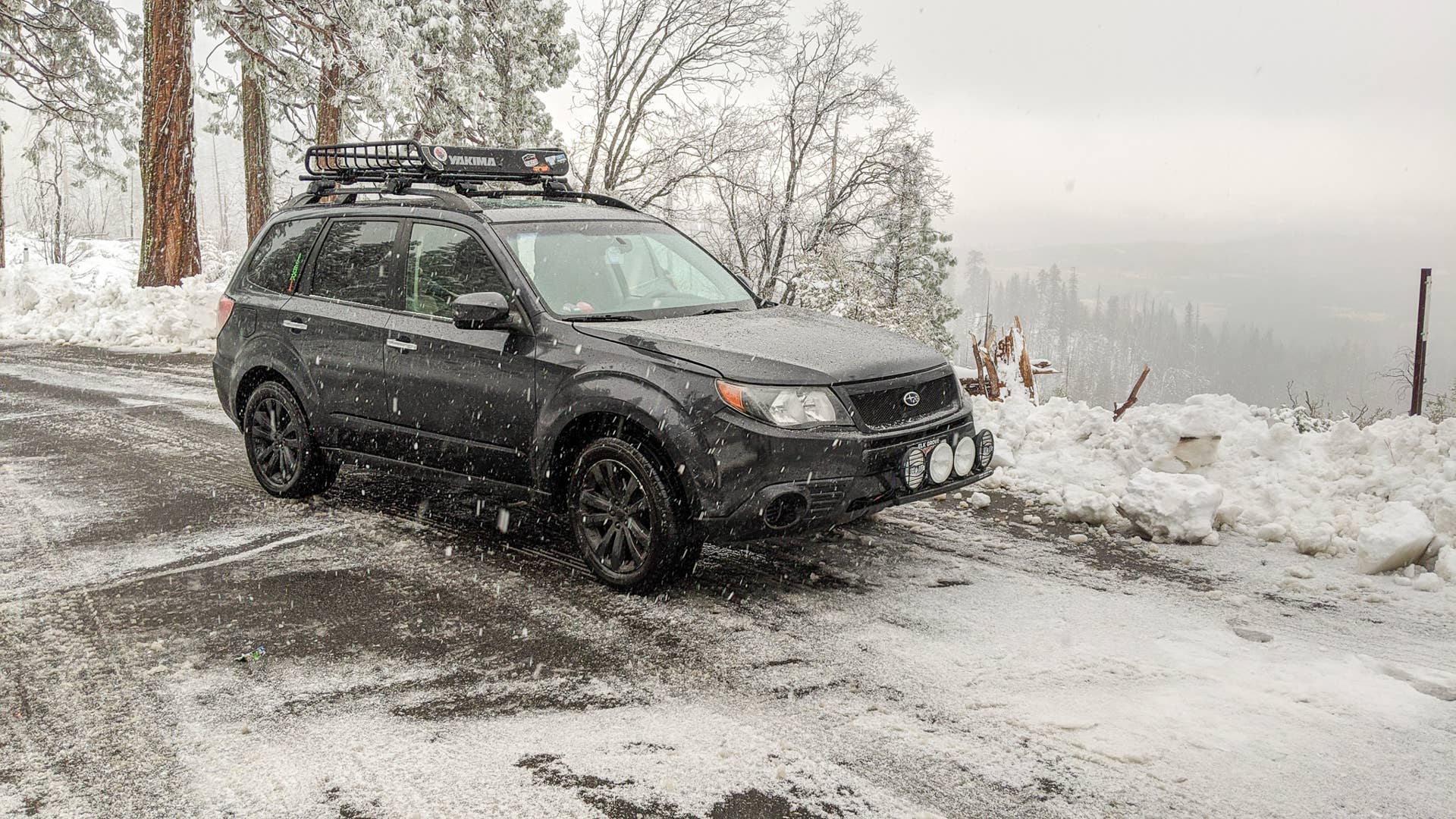
Rust relies on a mix of oxygen, moisture, and salt. Winter roads in the Northeast, Midwest, and much of the northern Rocky Mountain region provide this nonstop. If you live in a place like Minnesota, Michigan, Ohio, Vermont, or upstate New York, undercoating can make a meaningful difference in how long your car lasts.
Singer
In dry climates like Arizona, Nevada, large parts of Texas, or coastal Southern California, undercoating is usually unnecessary. Cars in these regions simply don’t experience the same level of corrosion, and many easily last 15 or 20 years without major rust issues.
Coastal climates fall somewhere in between. Salt air can be corrosive, but undercoating isn’t a cure-all. In many cases, consistent washing does more to protect a car than a spray-on layer that might trap moisture if applied incorrectly.
Check what’s already on your vehicle
Modern vehicles come with far better corrosion protection than older ones. Automakers use galvanized steel, factory primers, wheel-well liners, and various sealers on body seams. Many new trucks and SUVs even get factory-applied underbody coatings that do essentially the same job as aftermarket ones.
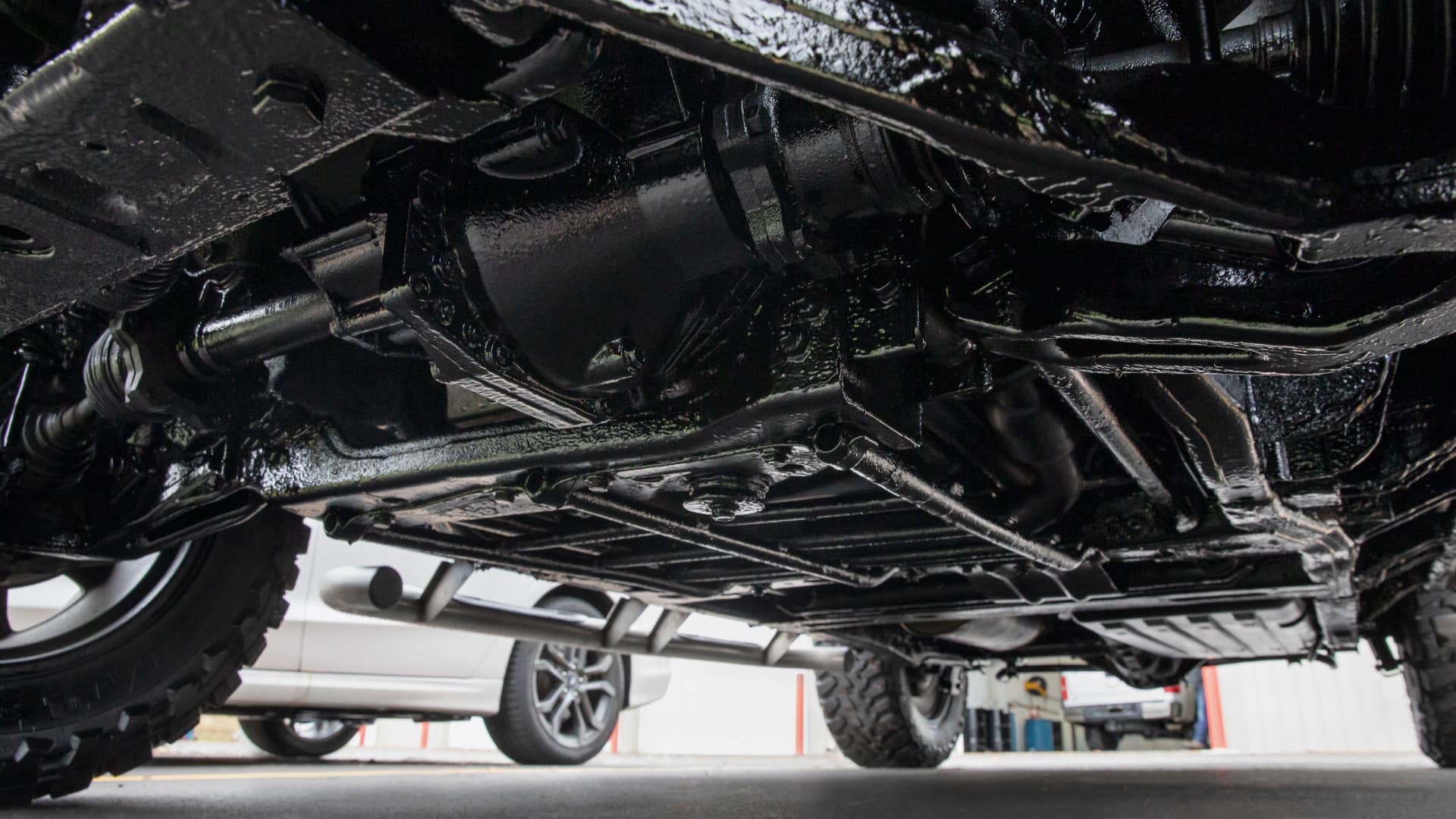
If your car is only a few years old, you may already have excellent protection underneath. Spraying an aftermarket product on top might be redundant. It could give you peace of mind, but the real-life benefit is often small.
Undercoating makes more sense for older vehicles you plan to keep for years, for models known to develop rust in common trouble spots, for work trucks that spend their life in slush and brine, or for used cars that have already lived in high-salt regions. If the underside already shows light surface rust, an oil-based coating can slow the spread. A thick, rubberized layer should never be applied directly over active rust, since trapped moisture can accelerate corrosion.
Decide how long you plan to keep the car
Undercoating is most valuable to drivers playing the long game. If you’re leasing your car or expect to trade it in after two or three years, the return on investment is minimal. Most vehicles don’t show serious rust within that short window, especially if they’re new.
But if you plan to keep your car for eight, ten, or fifteen years—or pass it down to someone else—undercoating can be a smart move. Rust isn’t just cosmetic. When structural parts like brake lines, subframes, and suspension components decay, repairs can cost thousands and sometimes exceed the value of the car. Spending a few hundred dollars now can prevent those headaches later.
This is part of why you’ll see certain older Hondas, Subarus, and Toyotas covered in rust long before the mechanical parts quit. A bit of prevention earlier in the vehicle’s life would have helped.
David Paul Morris/Bloomberg via Getty Images
Be careful about dealership offers
Dealerships love to bundle undercoating into expensive “environmental protection” packages. These offerings are often overpriced and not always applied carefully. A dealership might charge close to a thousand dollars for something a dedicated rustproofing shop can do for a fraction of the cost.
Independent shops that specialize in rustproofing typically use better equipment, reach more hidden areas, and provide clearer explanations of what they’re applying. If you decide undercoating is worth it, there’s usually no reason to get it done at the dealership.
Land Rover
Watch out for improper application
Undercoating is helpful only when the job is done correctly. A sloppy application can create pockets where moisture gets trapped, making rust worse. A good shop should clean the underside before spraying anything, avoid coating exhaust components, use a wand to reach inside frame rails, and ensure the product dries properly before you drive away.
Reputable shops will usually let you inspect the car or show before-and-after photos. If you’re tempted to apply an oil-based spray yourself, it’s not complicated, but the underside should still be cleaned, the spray applied evenly, and the process repeated each year. DIY jobs tend to be messier, but they can be effective when done consistently.
Don’t underestimate how much washing helps
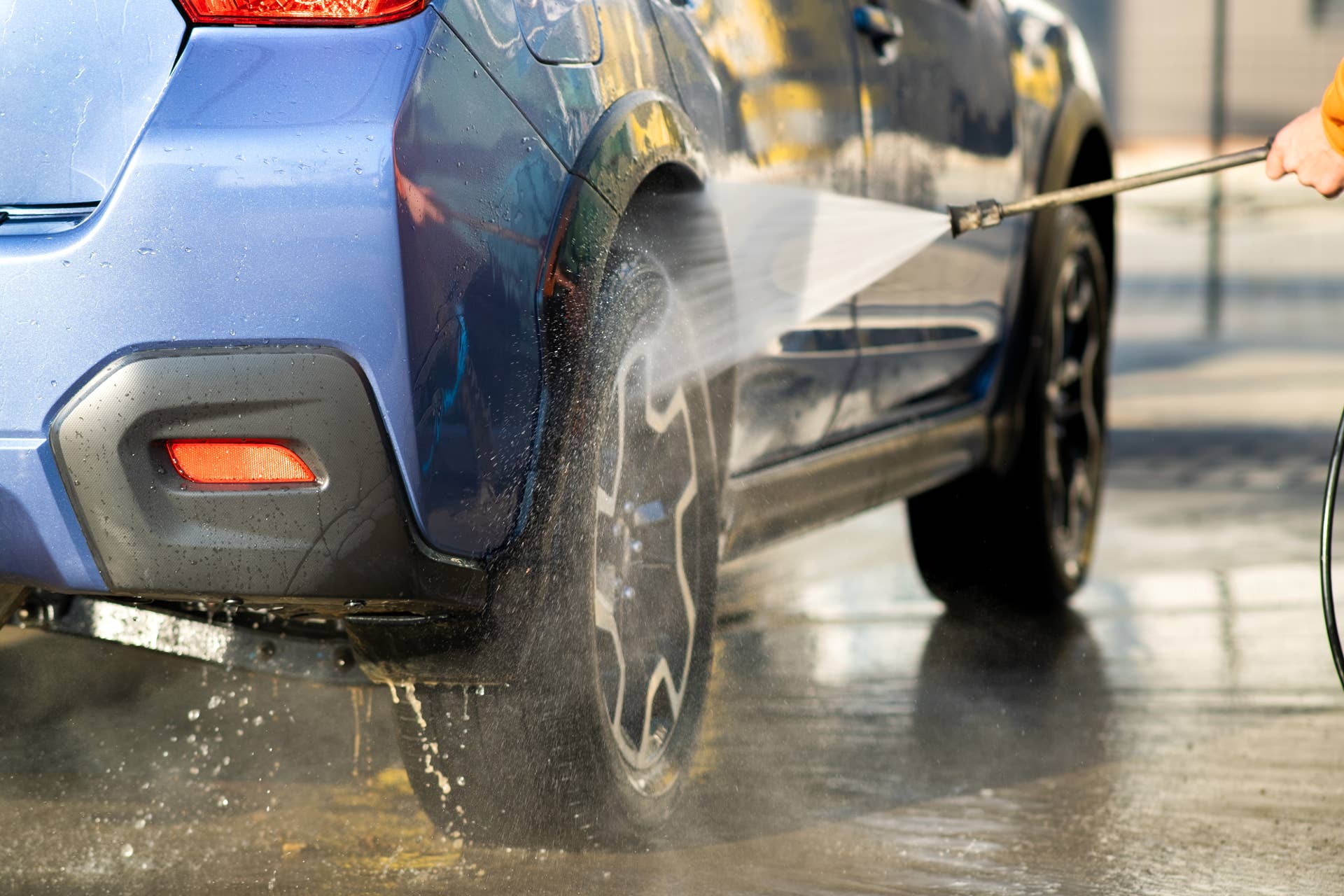
Even high-quality undercoating can’t replace regular winter washing. Salt left on suspension parts, wheel wells, and the underside of the vehicle will eventually cause corrosion. Rinsing the car after major storms, using car washes with underbody sprayers, and giving the vehicle a thorough clean at the end of winter go a long way toward keeping rust at bay.
Skipping washes for months at a time is one of the fastest ways to undo the benefits of undercoating. The spray helps, but it isn’t magic.
So…should you do it?
Undercoating can be worth the investment, but only when your climate, your car, and your long-term plans line up. Drivers in salt-heavy states who want to keep their vehicles for many years often benefit the most. Those in dry climates or with newer cars may not see much difference.
The type of coating matters too. Many long-term owners prefer annual oil sprays because they’re cheap, effective, and easy to reapply. Others opt for a thicker, rubberized coating as a one-time measure. There’s no universally correct choice—only what best fits your situation.
Final thoughts
If you’re still unsure, ask a trusted mechanic to inspect the underside. They can tell you whether rust is already forming and whether undercoating would help or if your car’s factory protection is already doing the job.
Either way, don’t wait until rust becomes visible. By the time you notice it on the surface, far more damage has already begun underneath. Winter may be harsh, but the right protection can keep your car healthier—and on the road longer.
About the author

Elijah Nicholson-Messmer
Contributing Writer, Autoblog