
Battle of the EV newcomers
Volvo
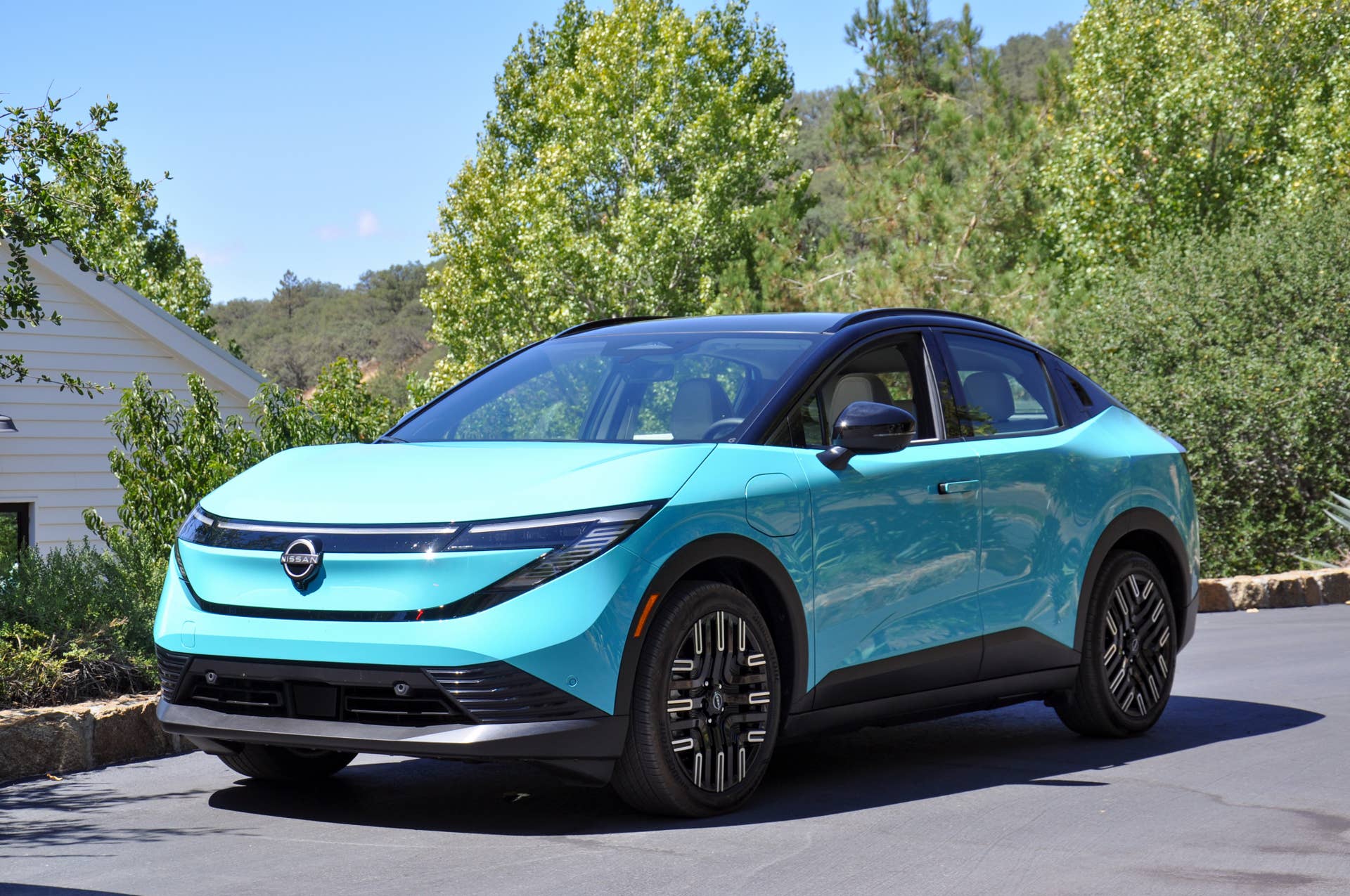
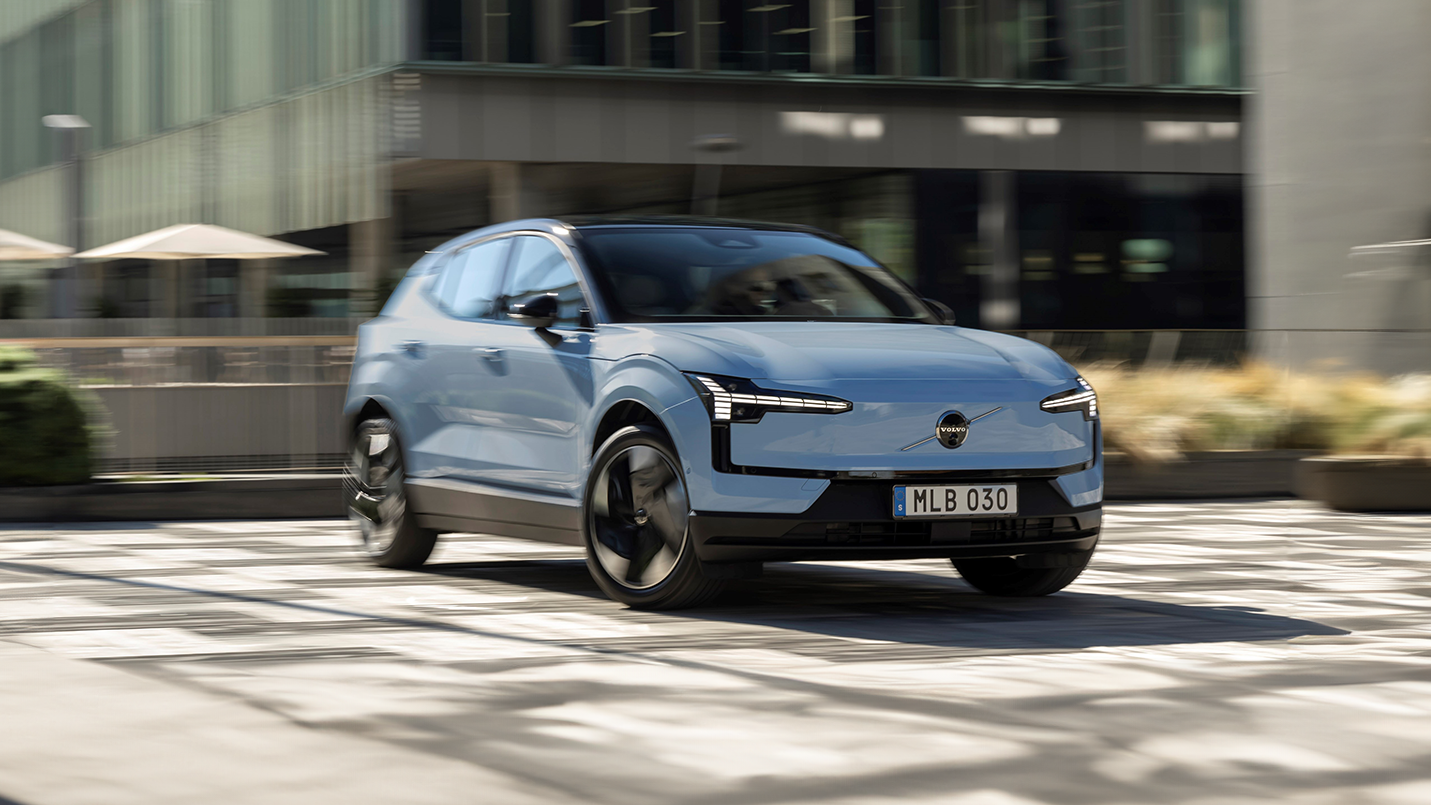
Before the tariff increase, Volvo positioned the EX30 squarely in the mid-$30,000 range, an aggressive move that would have made it a runaway bargain. Even with the price bump, it remains competitive. I had the chance to drive the EX30 just before a week-long loan of a 2026 Nissan Leaf Platinum+, and while the Leaf proved to be an excellent EV value and a charming little car, the Volvo was equally compelling in a very different way.
Ultimately, this comparison comes down to value, driving character, and overall personality. These two EVs couldn’t feel more different. Other competitors include the Chevrolet Bolt, Hyundai Kona Electric, Chevy Equinox EV, and Fiat 500e. Each brings something unique, but both the 2026 Nissan Leaf and Volvo EX30 are all-new this year and showcase genuinely fresh design thinking.
2026 Nissan Leaf Platinum+: Resurrection of an innovator (Approximately $41,000 as equipped)

Nissan
The base Nissan Leaf S starts close to the $30,000 mark, though it offers less power and fewer amenities than my Platinum+ tester. Upper trims benefit from a 214-horsepower electric motor producing 262 lb-ft of torque. That figure may not sound impressive in today’s EV landscape, but it’s more than adequate for the Leaf’s mission. The new Leaf has a built-in North American Charging Standard (NACS) compatibility for Level 3 DC fast charging on the passenger side, plus a traditional J1772 port on the driver’s side for Level 1 and 2 AC charging.
With its 75 kWh battery, the Leaf S+ is rated for over 300 miles of range. The SV is rated at 288 miles, while my fully loaded Platinum+ carried an EPA estimate of 259 miles. In real-world testing – including a 250-mile round trip from Los Angeles to San Diego – the Leaf consistently returned numbers closer to 300 miles.
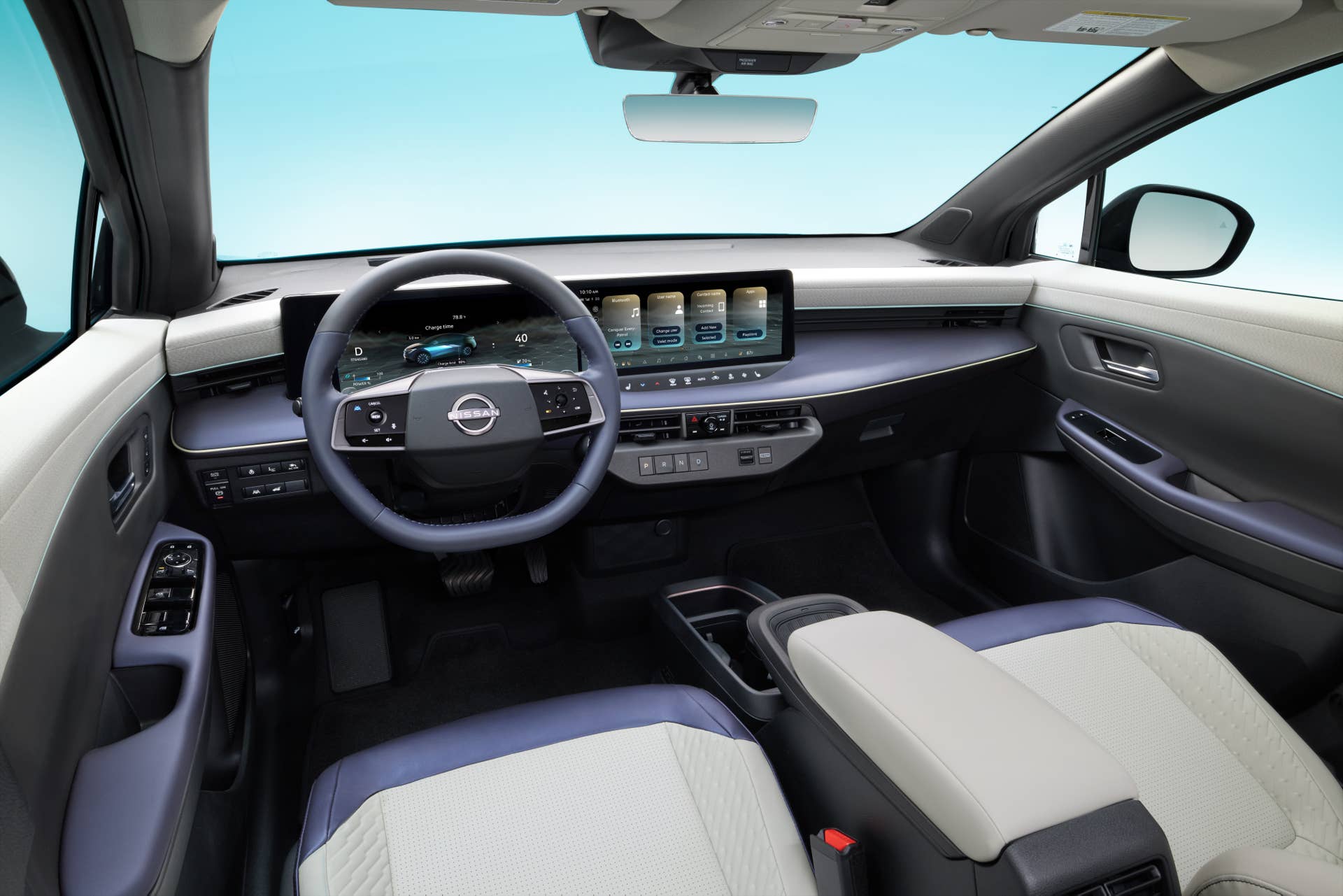
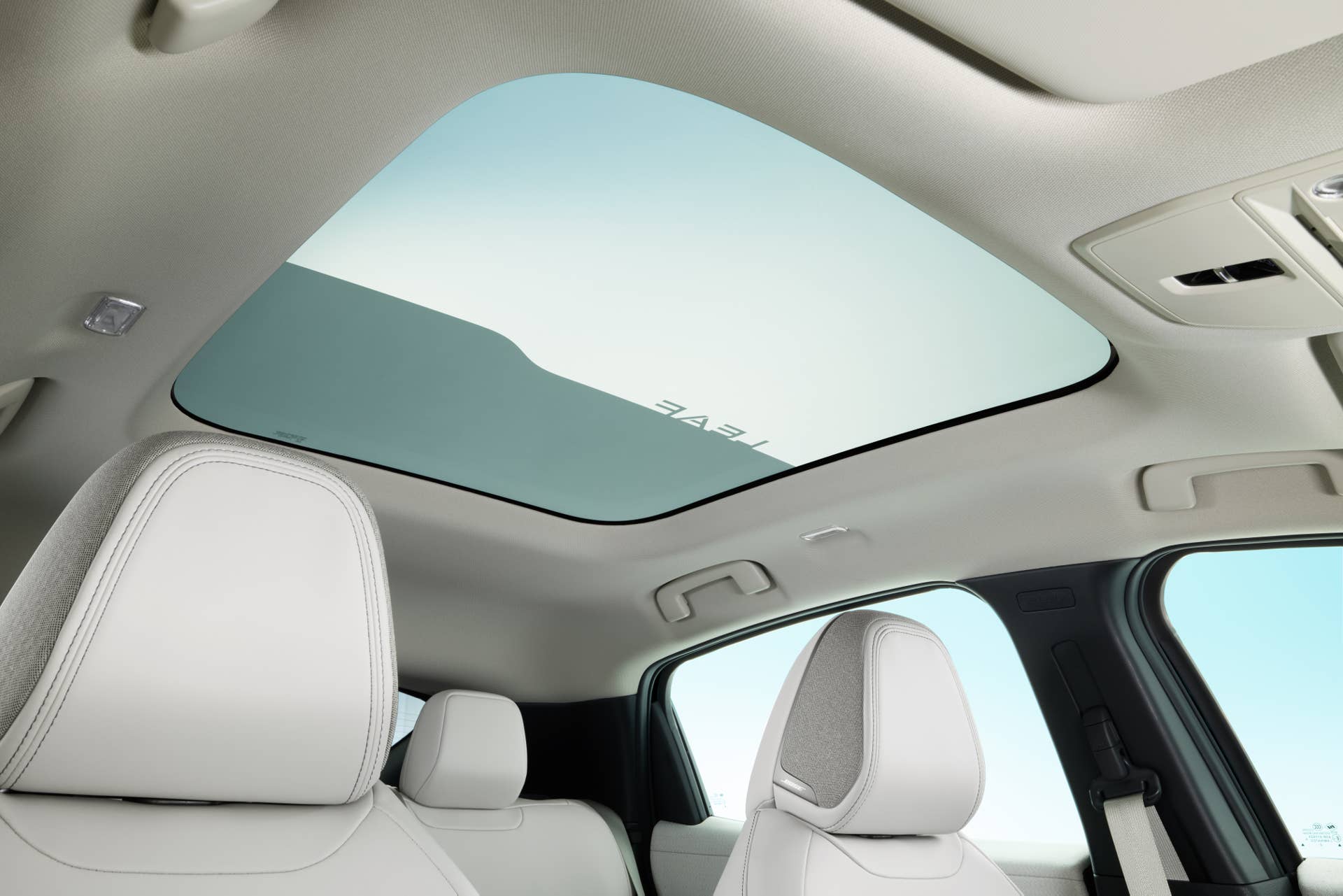
Inside, the cabin comfortably accommodates four adults, with room for five in a pinch. Two 14.3-inch displays, one for driver information and one for infotainment, sit side by side in a clean, modern layout. A push-button transmission selector is positioned near the climate controls, keeping things simple and intuitive. The overall aesthetic is fresh and welcoming. Top trims also receive an electrochromatic glass roof that can switch from clear to opaque at the push of a button, with adjustable opacity zones to fine-tune light intrusion.
Unfortunately, this clever roof doesn’t open and is exclusive to the Platinum+ trim; it’s not available as a standalone option. Cargo space is respectable, with 20 cubic feet behind the rear seats and 56 cubic feet with them folded, placing it firmly in compact SUV territory.
Nissan insists the new Leaf is an SUV. Realistically, only the roofline and rear hatch support that claim. With less than six inches of ground clearance and front-wheel drive only, it’s better described as a tall hatchback, and that’s not a bad thing.
Volvo EX30 Single Motor: Making the cube chic again ($40,245 base MSRP)

Zac Palmer
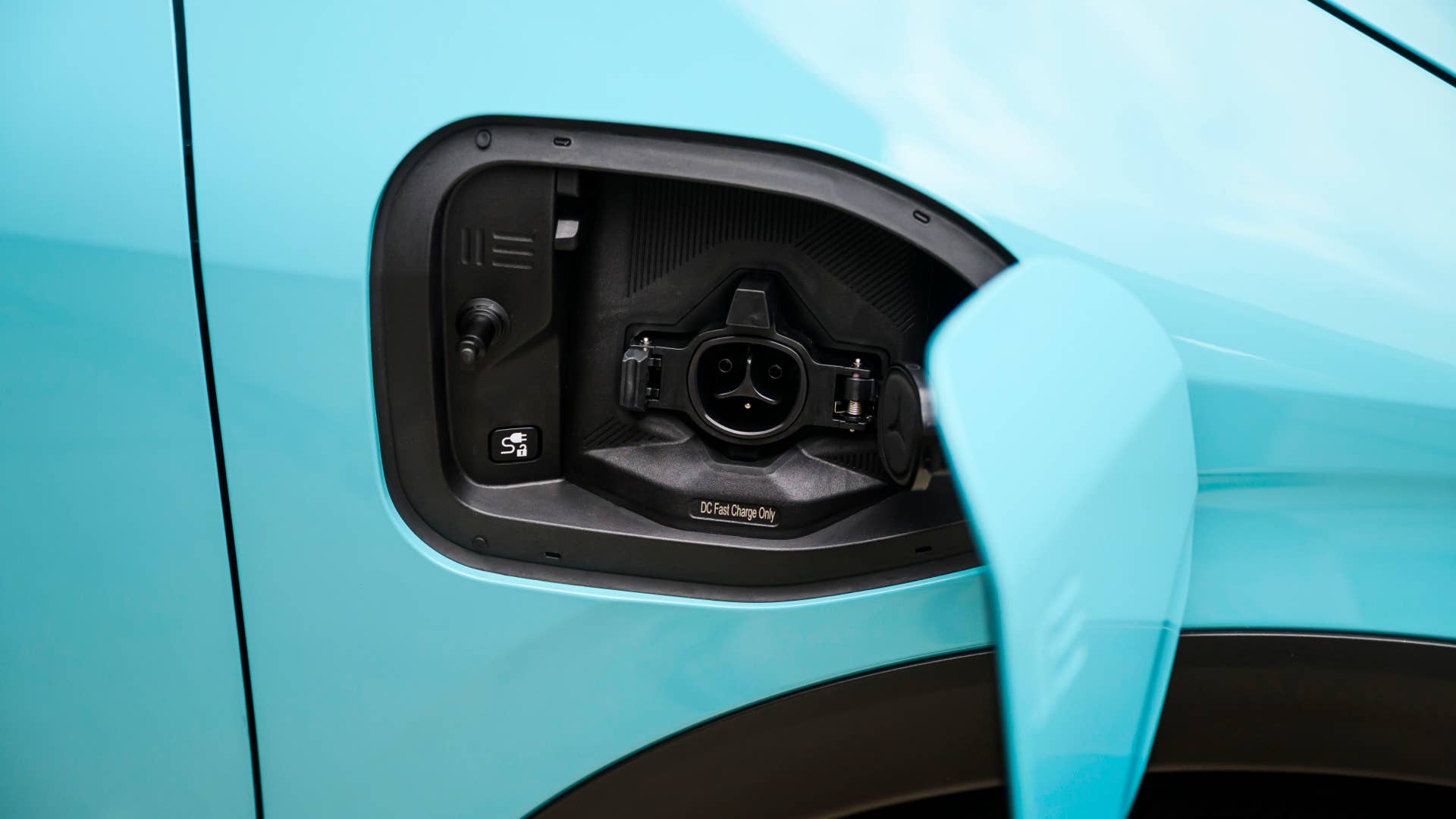
The EX30 lineup includes rear-wheel drive and all-wheel drive configurations, plus a Cross Country variant with rugged tires. Here, I’m focusing on the single-motor, rear-wheel-drive model producing 268 horsepower. Powered by a 69 kWh battery, it’s rated for approximately 260 miles of range. Volvo also claims DC fast-charging capability up to 153 kW. The 2026 Volvo EX30 supports the North American Charging Standard (NACS) via a purchasable adapter. Otherwise, it uses CCS.
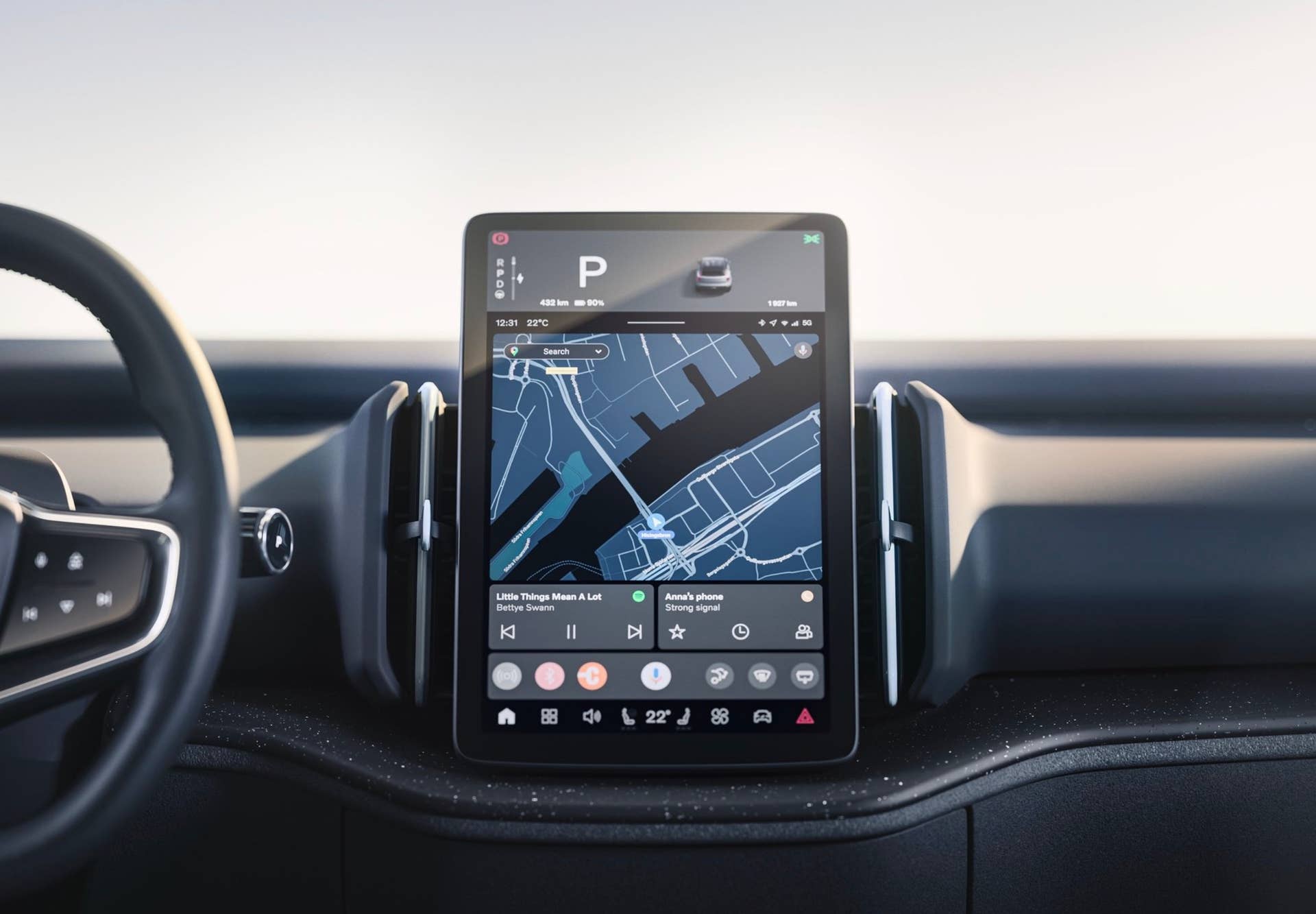
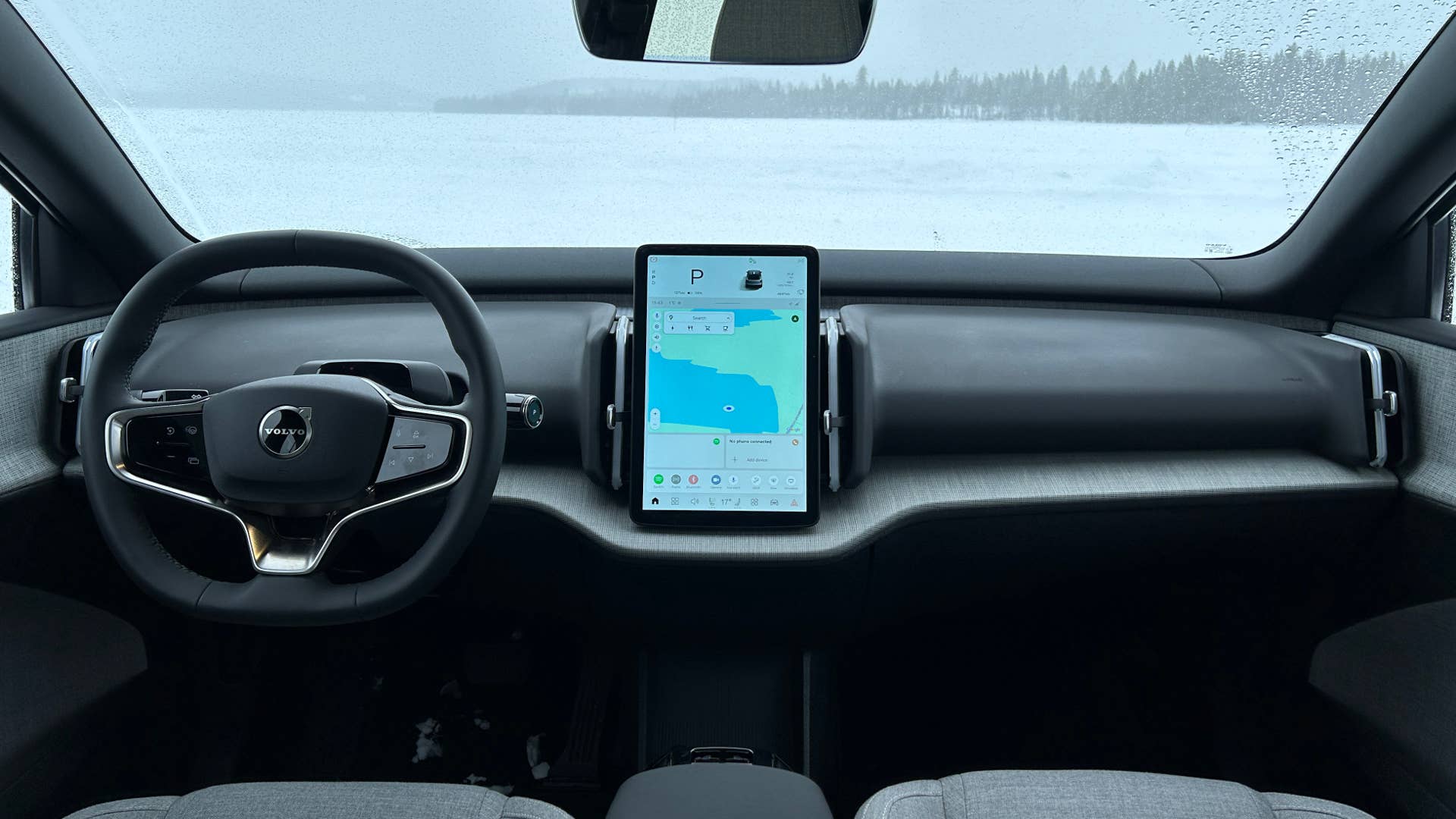
Inside, the EX30 features a single 12.3-inch tablet-style touchscreen that serves as both the instrument cluster and infotainment hub, complete with Google built in. This approach has pros and cons. It reinforces the clean, minimalist aesthetic and looks modern, almost upscale, but functionality can suffer. Having the speedometer slightly offset on a busy screen took some acclimation and proved mildly distracting in practice.
Volvo
Zac Palmer
That said, Volvo’s interior design remains distinctly European and unmistakably Volvo. The EX30 continues that tradition. Window switches are silly and require brainpower to use, but the rest is quite nice. The seats are excellent, most of the controls are intuitive, and rear-seat space is surprisingly generous given the vehicle’s compact footprint.
Cargo capacity, however, is where the EX30 concedes ground. With the rear seats up, it offers just 11.2 cubic feet of space, expanding to 27.8 cubic feet when folded. This includes a 2.2-cubic-foot underfloor compartment. While the Nissan lacks a front trunk entirely, the Volvo counters with a tiny 0.2-cubic-foot frunk. Still, overall utility heavily favors the Leaf.
Driving both: Night and day difference
Nissan
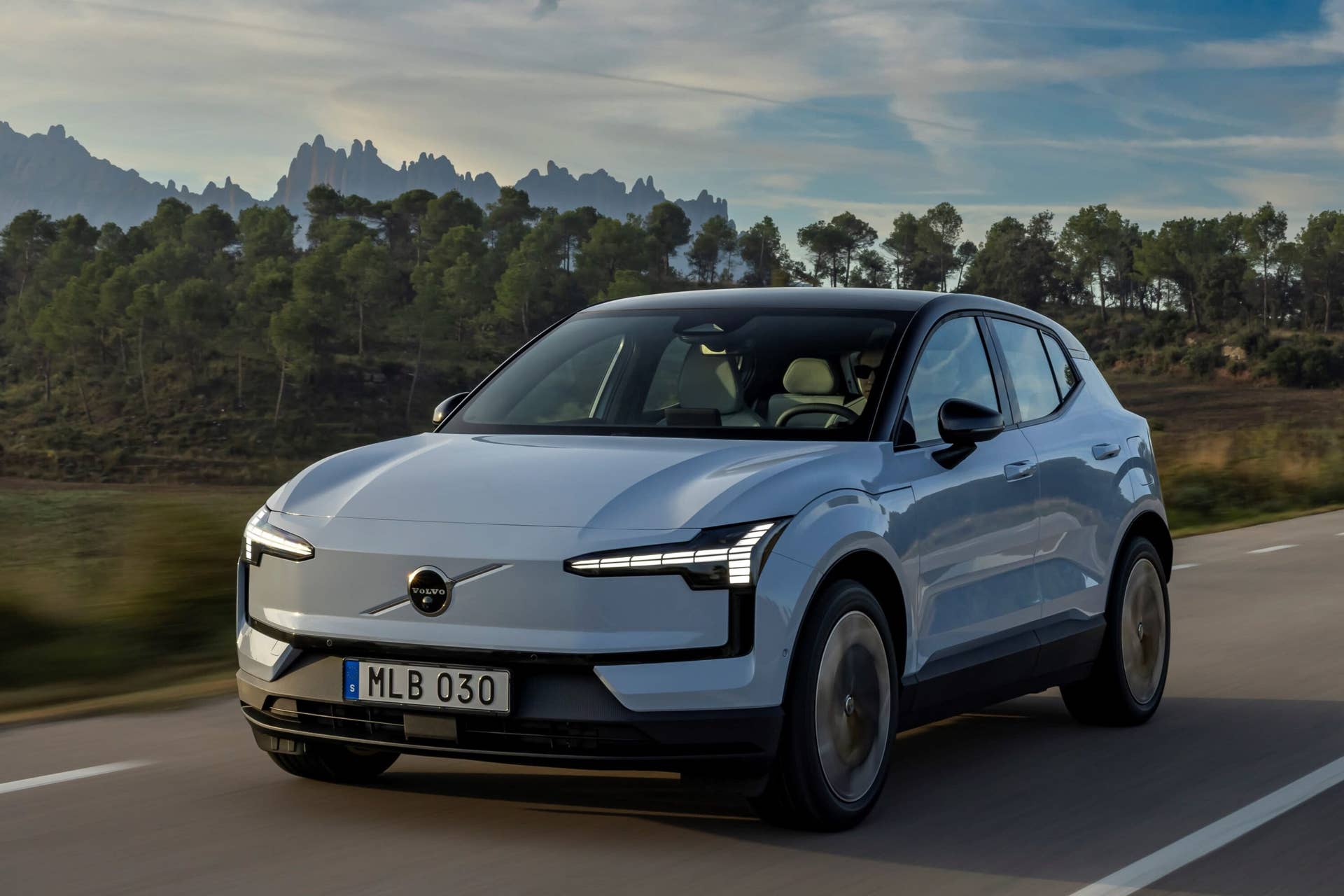
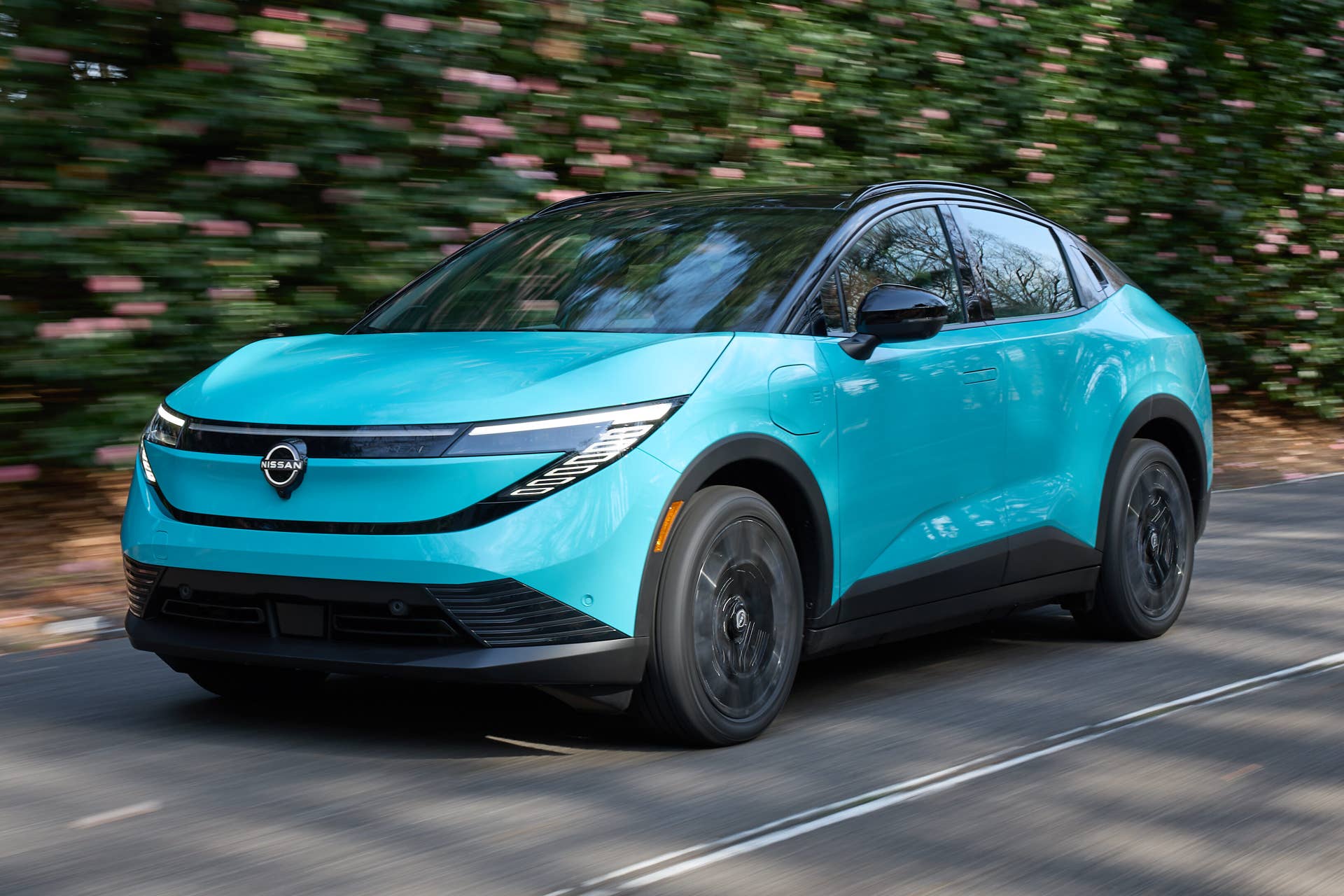
Driven back-to-back, the differences are immediate. The Nissan Leaf is calm, predictable, and perfectly suited for traffic-heavy commutes. The Volvo EX30, by contrast, feels downright sporty. Its rear-wheel-drive layout, balance, and eager personality make it far more engaging to drive.
Steering feedback in the EX30 is minimal, but effort levels are well judged, and the chassis responds quickly. Ride quality skews firm, especially over broken pavement, but it never feels unrefined.
The Leaf takes a different approach. Steering is extremely light yet accurate, and while feedback is nonexistent, it communicates direction well enough. The brake pedal—positioned close to the accelerator—requires some acclimation, but ride quality is surprisingly plush and almost luxurious.
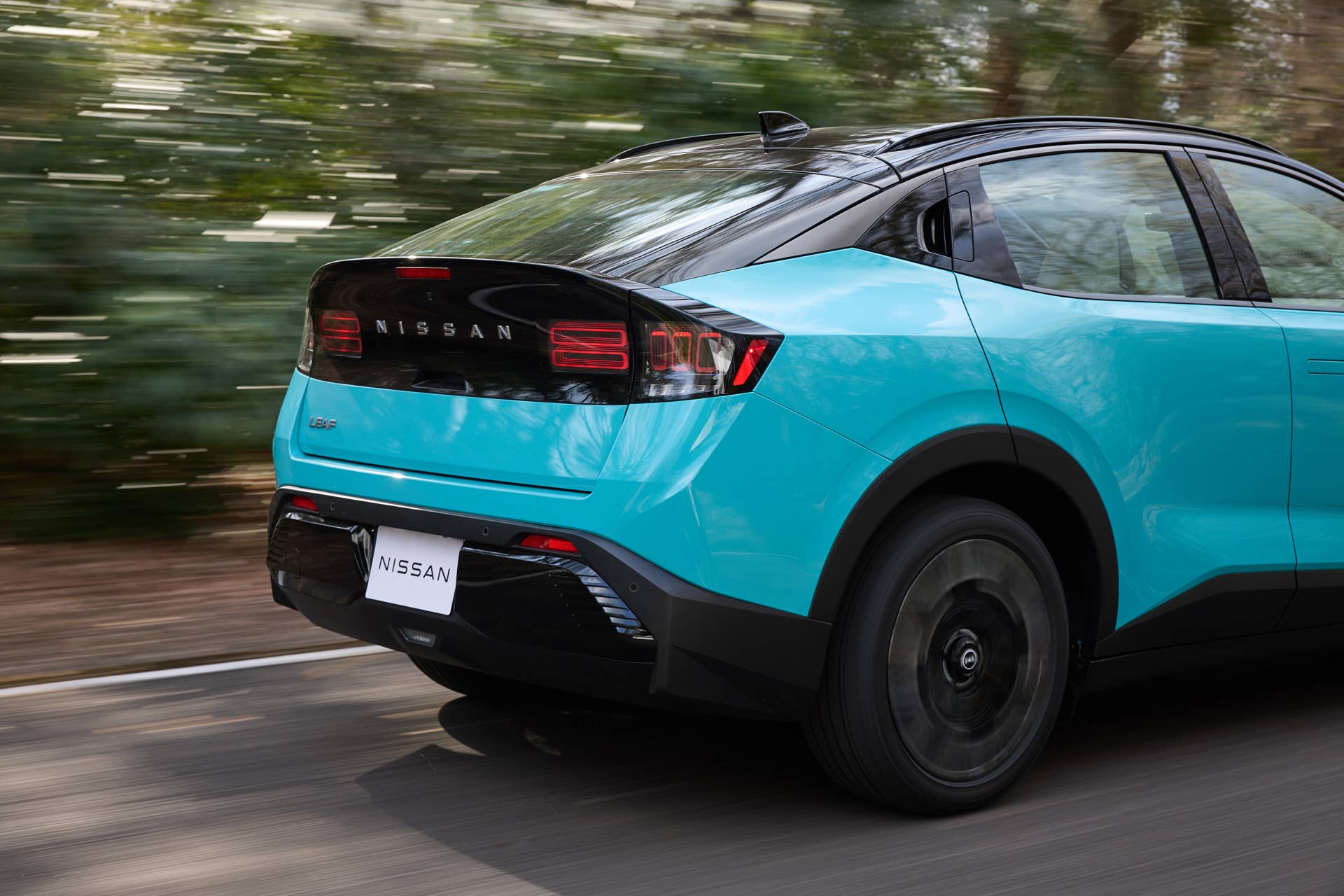
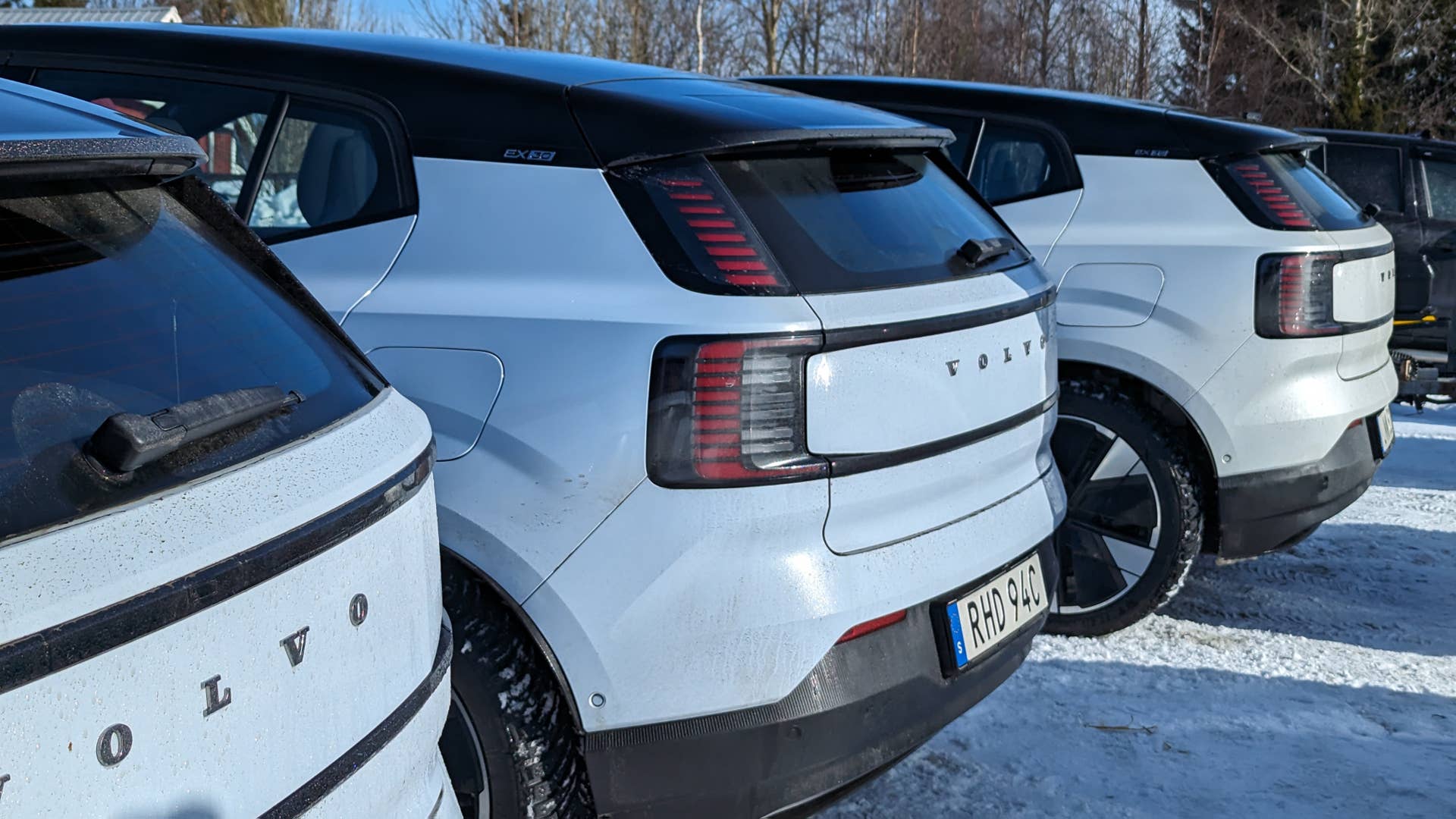
A notable Leaf omission is the lack of a rear wiper. Aero efficiency aside, it’s something I’d miss as an owner. Meanwhile, the Volvo could benefit from more expressive artificial motor sounds and perhaps meatier tires to better match its dynamic intent. Yes, the XC30 has a rear wiper.
Nissan
Zac Palmer
Final thoughts
It’s easy to appreciate both vehicles for what they are. Living in Los Angeles, each makes excellent sense as a commuter EV. The 2026 Nissan Leaf excels at comfort, ease of use, and smart packaging. It’s smooth, quiet, and delivers just enough punch to make daily driving effortless. Small families will appreciate its space and practicality.
The Volvo EX30, however, brings excitement to the equation. It’s more athletic, more expressive, and simply more fun to drive. While it sacrifices cargo capacity, it compensates with clever interior design and a cube-like layout that maximizes usable space.
In the end, the Leaf appeals to logic and livability. The EX30 appeals to emotion and engagement. Neither choice is wrong; it simply depends on whether you value serenity or stimulation in your daily drive.
About the author

Nathan Adlen
Contributing Writer, Autoblog