
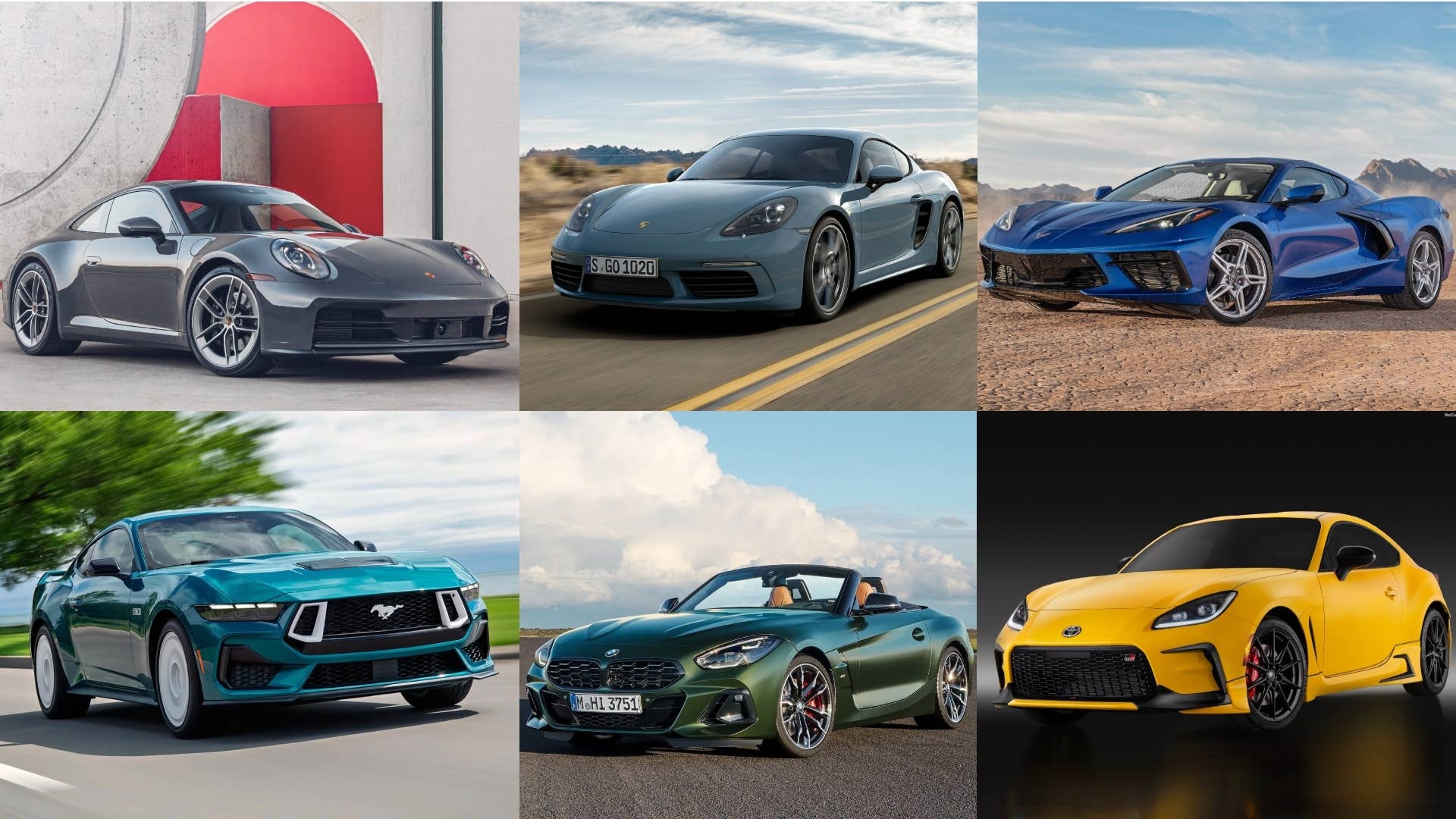
The 2026 Porsche 911 scores 91 out of 100 on J.D. Power’s Quality and Reliability index, the highest mark among sports cars on sale. The Chevrolet Corvette follows at 89. A Porsche 718 Cayman sits third at 86, and after that the numbers drop into the mid-80s and below. That’s the entire list. Six sports cars have a verified J.D. Power score for the current model year. The Miata, the Z, the BRZ, the GR Supra, the Lexus LC: none of them have ratings, mostly because too few have sold for J.D. Power to build a valid sample.
Meanwhile, the broader industry is heading in the other direction. J.D. Power’s 2026 Dependability Study recorded 204 problems per 100 vehicles, the worst since the study was restructured in 2022. The complaints are not about engines or transmissions. They’re about touchscreens, phone pairing, and software updates that owners say did nothing. The six sports cars that cleared the ratings threshold have older engines, established platforms, and not much software to go wrong. These are the six models, ranked highest to lowest:
Porsche 911
J.D. Power Q&R: 91/100 (2026) | 3.0L twin-turbo flat-six, 388 hp | RWD / AWD

Porsche
The 911 holds the top spot among sports cars in the current ratings, and it also posted the best initial quality score of any vehicle in the 2025 study across all segments — sedans, SUVs, trucks included. Porsche as a brand finished third among premium manufacturers in both the 2025 and 2026 Dependability Studies, behind Lexus and Cadillac. The 992-generation flat-six has been on sale long enough for issues to emerge, and they largely haven’t. The PDK dual-clutch transmission remains one of the more proven units available at this price point.
The one area where Porsche consistently ranks near the bottom is service and repair expenses, so while the car holds up well mechanically, routine maintenance at a Porsche dealer will still run four figures and is worth accounting for before you commit.
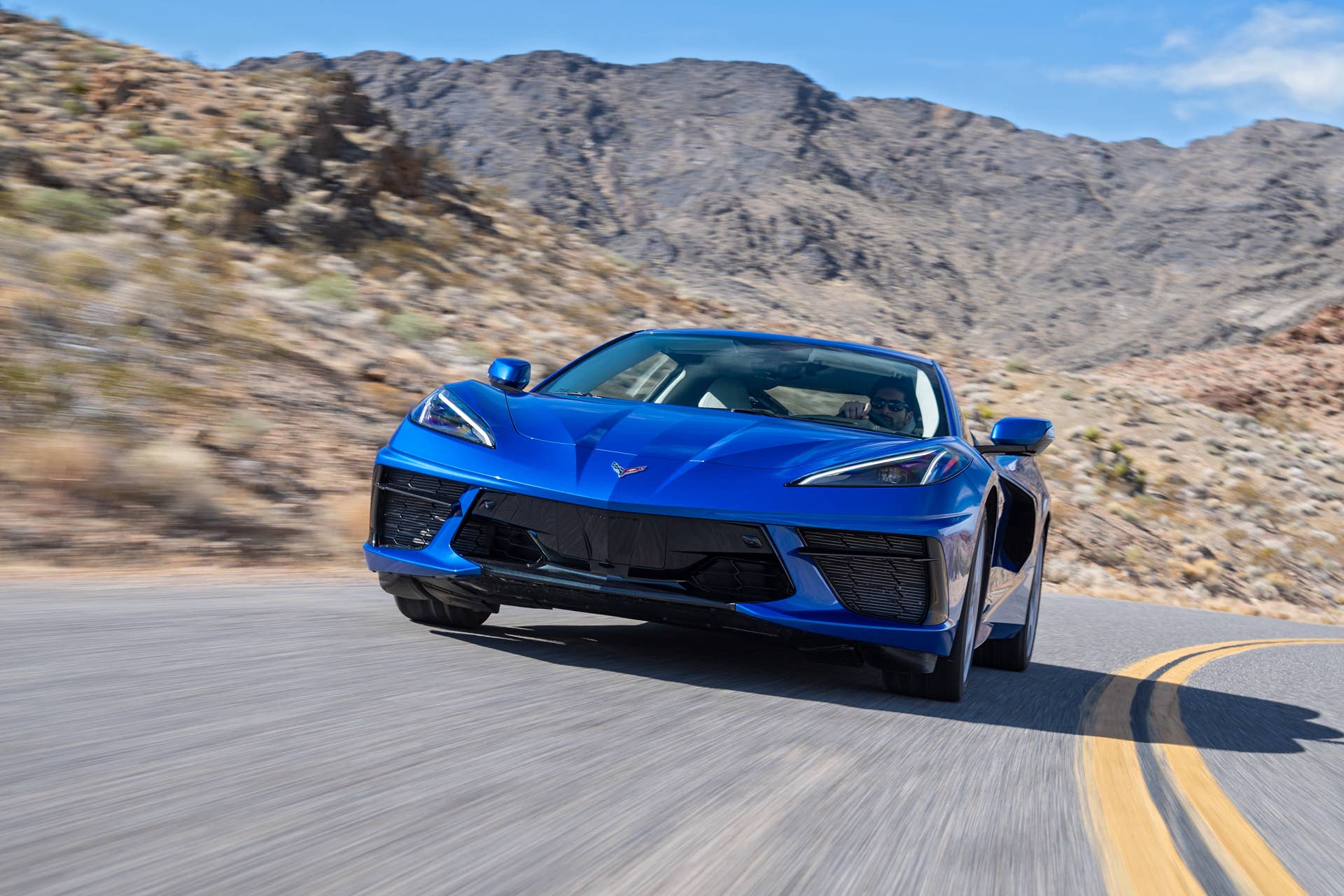
Chevrolet Corvette
J.D. Power Q&R: 89/100 (2026) | 6.2L V8, 490 hp | RWD / AWD (E-Ray)
Chevrolet
The Corvette scores two points below the 911 despite being a mid-engine car with 490 horsepower, which is a reasonable illustration of the fact that performance and dependability don’t have to work against each other.
The C8 won the Premium Sporty Car category in J.D. Power’s 2025 Vehicle Dependability Study — the only car in its segment to finish above the class average. The 6.2-liter LT2 is a pushrod V8 with old roots, and that relative simplicity works in its favour. Early dual-clutch complaints have eased with each model year.
Chevrolet placed fifth overall in the 2025 VDS, with four segment wins across its lineup. The Corvette’s reliability isn’t a one-off — it reflects a brand that has quietly gotten quite good at this. It also starts at roughly half the price of the car above it.
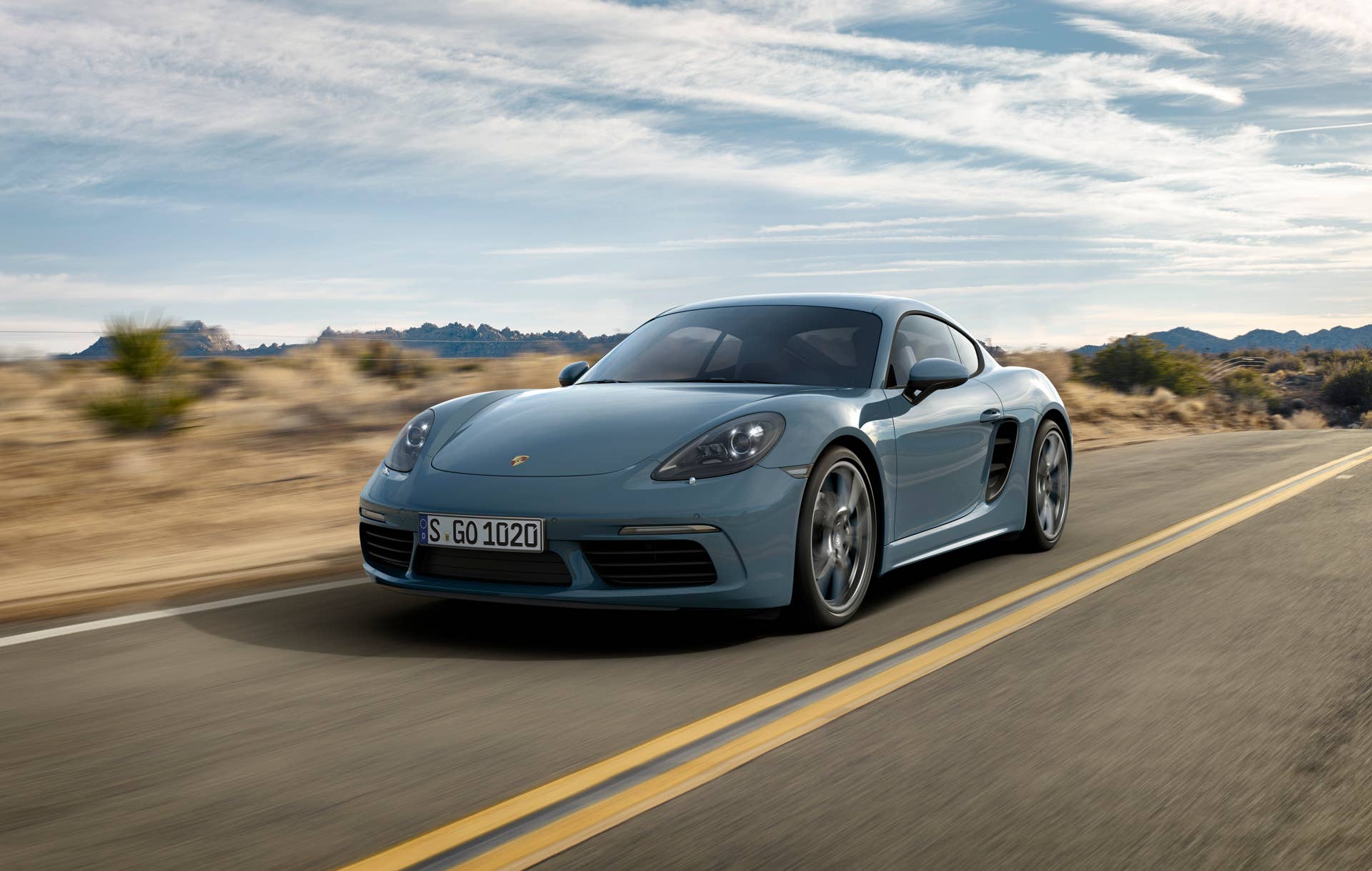
Porsche 718 Cayman
J.D. Power Q&R: 86/100 (2025) | 2.0L turbo flat-four, 300 hp | RWD
Porsche
The 718 Cayman gives Porsche two entries in the top three, having won its segment in the 2024 VDS and scored consistently between 86 and 90 across recent model years. The Osnabrück plant where it’s built received a Gold Plant Quality Award in 2024.
The mid-engine layout here feels sharper and more immediate than the 911 — less forgiving at the limit, more involving in everyday driving. While the base turbocharged four-cylinder does the job, the GTS 4.0’s naturally aspirated flat-six does it better, though the simpler engine may be the wiser long-term choice for high-mileage owners. Whichever version you choose, Porsche’s running costs come with it, so it’s worth factoring those in before you buy.
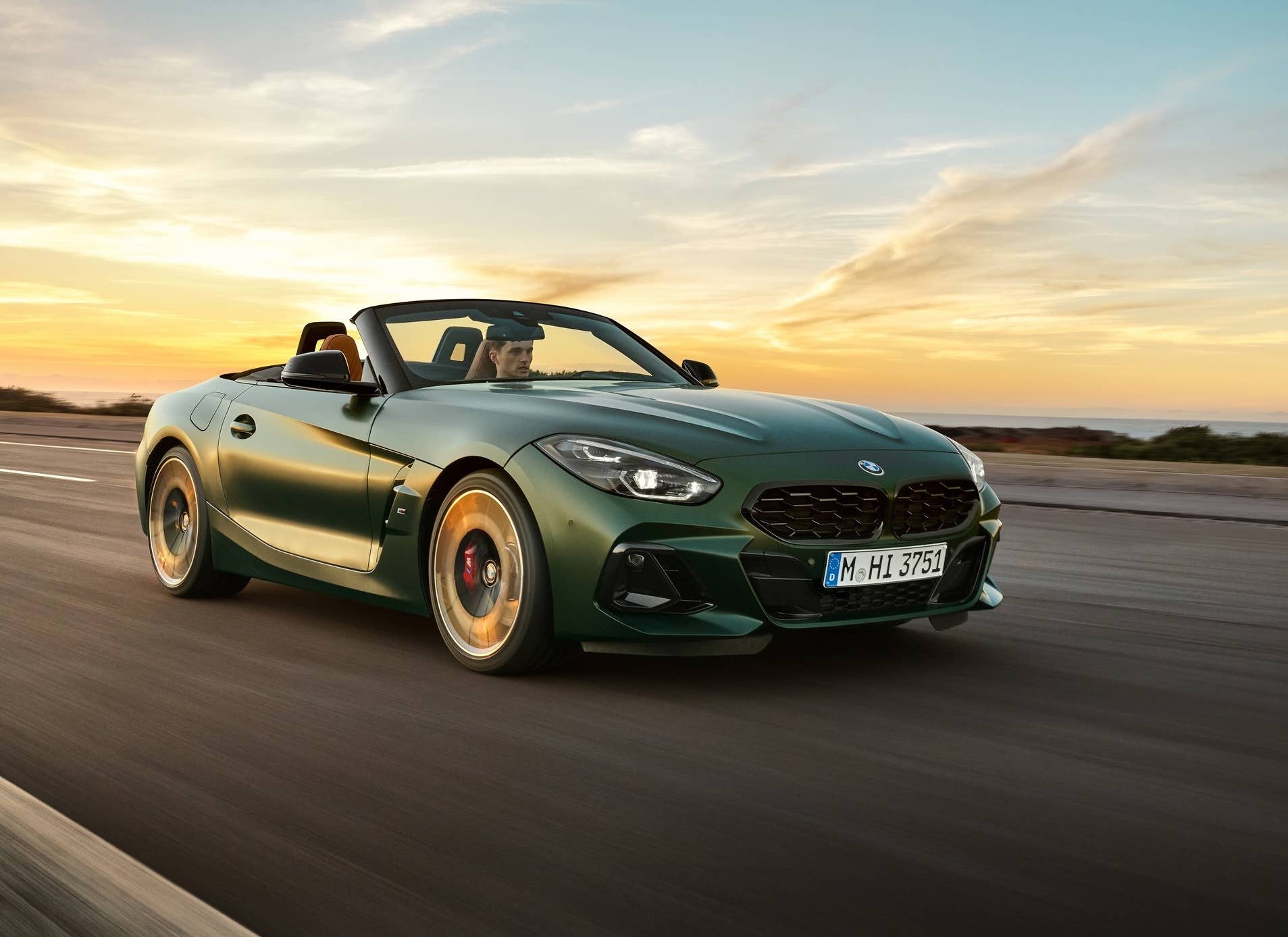
BMW Z4
J.D. Power Q&R: 85/100 (2026) | 2.0L turbo four / 3.0L turbo six, 255–382 hp | RWD
BMW
The Z4 earned its place here with a third-place finish in the Premium Sporty Car segment for 2026, and its Magna Steyr assembly plant in Austria received a Platinum Plant Quality Award in the 2025 IQS. BMW’s broader reliability record is uneven enough that the Z4’s result is notable rather than assumed.
The Z4 shares a platform with the Toyota GR Supra but the two feel quite different in use. The BMW leans into the soft-top roadster experience, and the M40i’s turbocharged inline-six is one of the better engines in BMW’s current range — responsive and refined in a way the smaller four-cylinder isn’t.
With production ending in 2026, buyers looking for a reliable premium roadster with a proper straight-six don’t have long to act on it.
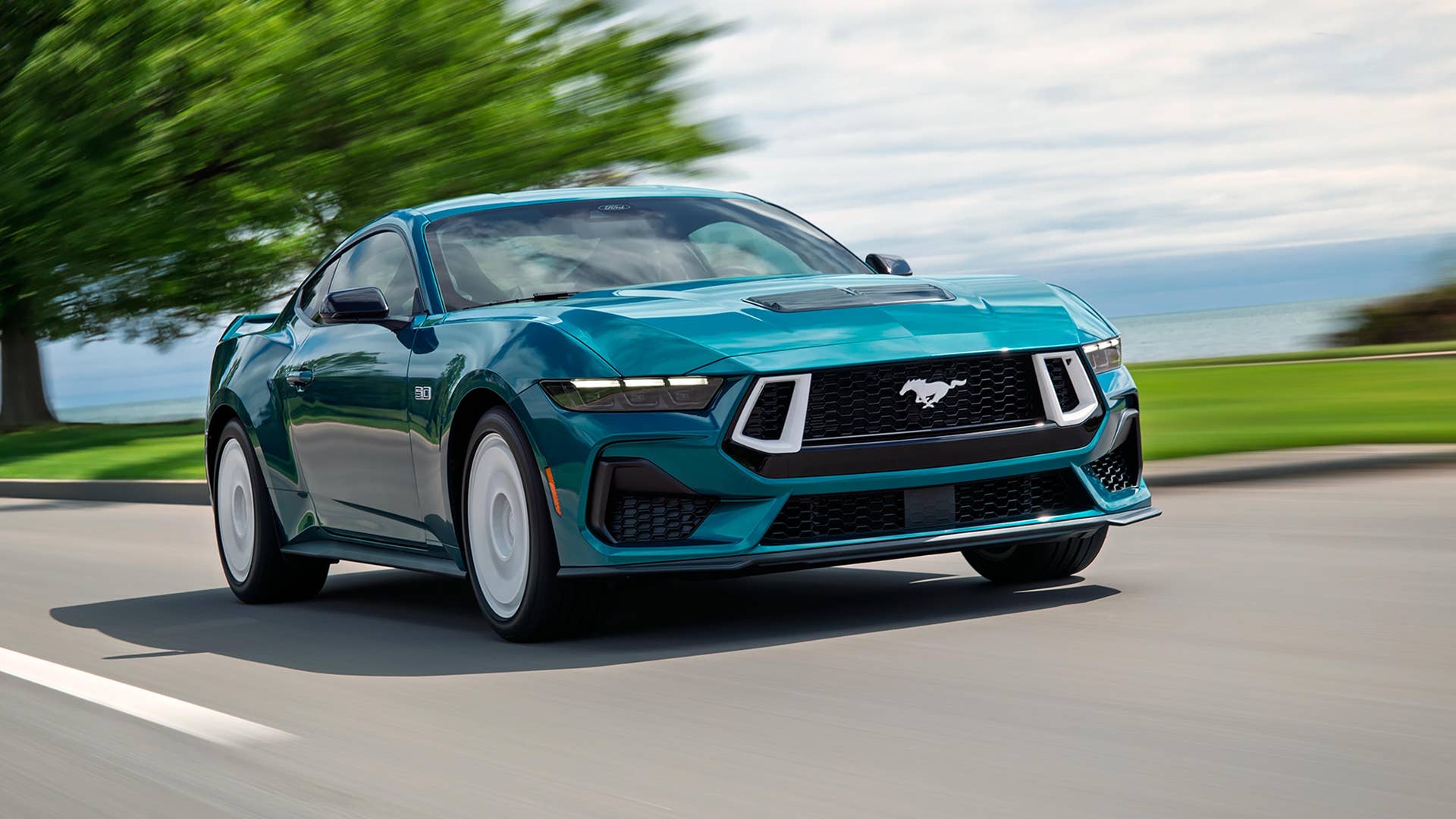
Ford Mustang
J.D. Power Q&R: 85/100 (2026) | 2.3L turbo four / 5.0L V8, 315–500 hp | RWD
Ford
With the Camaro and Challenger both discontinued, the Mustang is now the only American V8 muscle car available new, and the reliability data gives buyers good reason to seriously consider it.
Ford climbed ten places in the 2025 VDS, and the S650 Mustang won its segment in the 2025 Initial Quality Study. The EcoBoost four is more complicated but has logged enough miles across Ford’s lineup to prove itself. The weak point, consistently, is the infotainment — Ford’s touchscreen system draws more complaints than the powertrain does.
The 5.0-liter Coyote V8 has a long track record and broad aftermarket support behind it, and for most buyers it’s the more straightforward long-term choice — particularly if you keep the options lean and prioritise the driving experience over the technology features.
Toyota GR86
J.D. Power Q&R: 79/100 (2026) | 2.4L flat-four, 228 hp | RWD
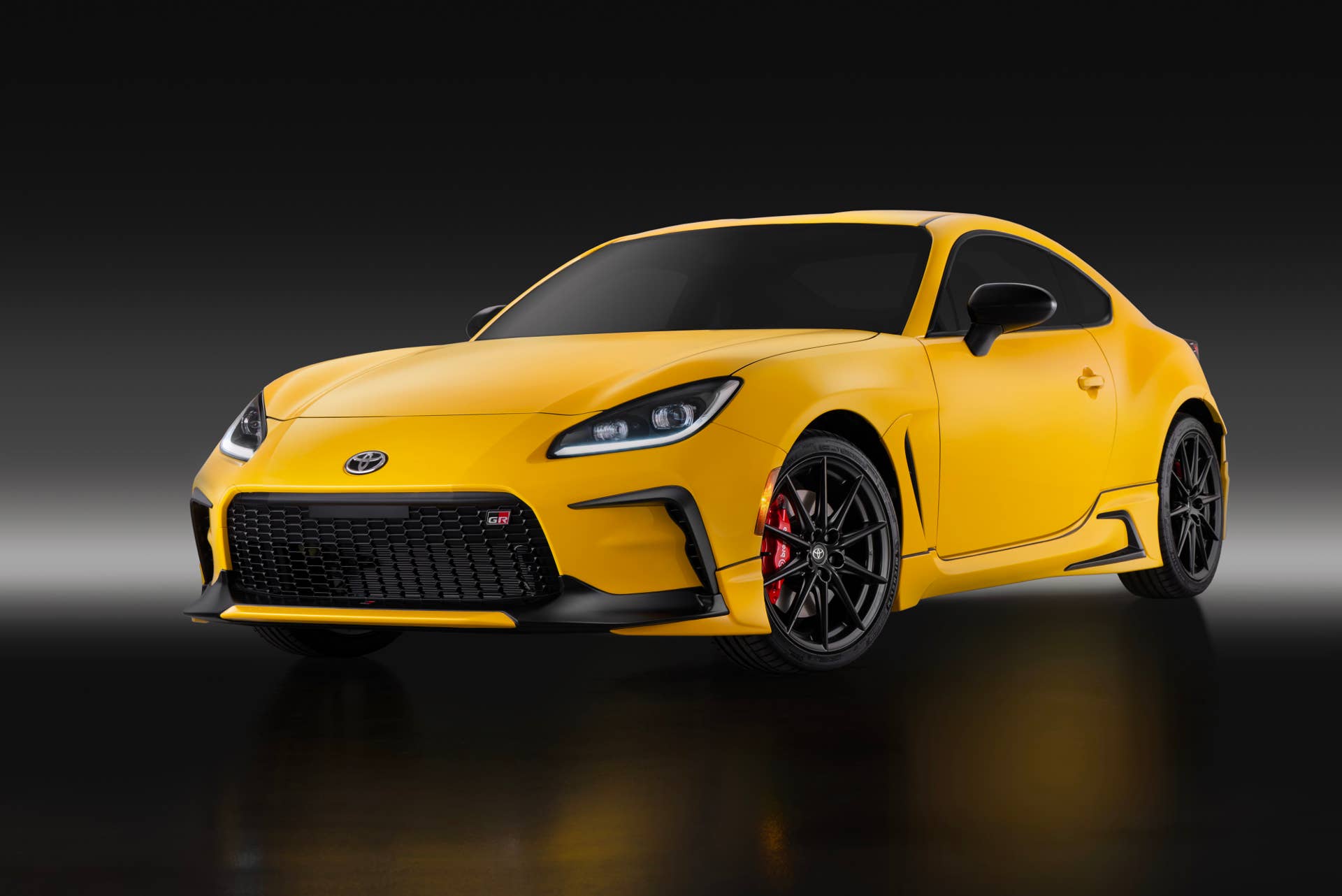
The GR86 sits last on this list, though it offers the strongest value of any car here by a notable margin. At just over $30,000, the GR86 arrives with a naturally aspirated boxer engine, a proper six-speed manual, and no turbocharger, hybrid system, or complex infotainment to go wrong. Estimated 10-year maintenance runs around $4,800, and the probability of a major repair over that period is roughly 5 percent below the class average.
Where the GR86 likely loses points in the scoring is interior quality rather than mechanical reliability — the cabin and materials are on the basic side, and the ratings reflect that, though neither affects how the car drives or how often it needs attention. The steering is direct, the chassis is responsive, and the GR86 starts reliably day to day, which is the point of this list.
What These Six Share
The industry’s reliability decline is largely a technology story. Of the nine problem categories J.D. Power tracks, infotainment alone accounts for 56.7 PP100, more than double the next-highest category. Conventional gasoline powertrains posted the lowest problem counts of any fuel type in the 2026 study. All six cars on this list run proven, mechanically mature engines on platforms with years of accumulated data, and none depends heavily on the software and connectivity features generating the bulk of complaints elsewhere. The 911 and the GR86 sit at opposite ends of the price range, but the pattern that put both on this list is the same.
About the author

Adam Lynton
Co-Editor-in-Chief, Autoblog