
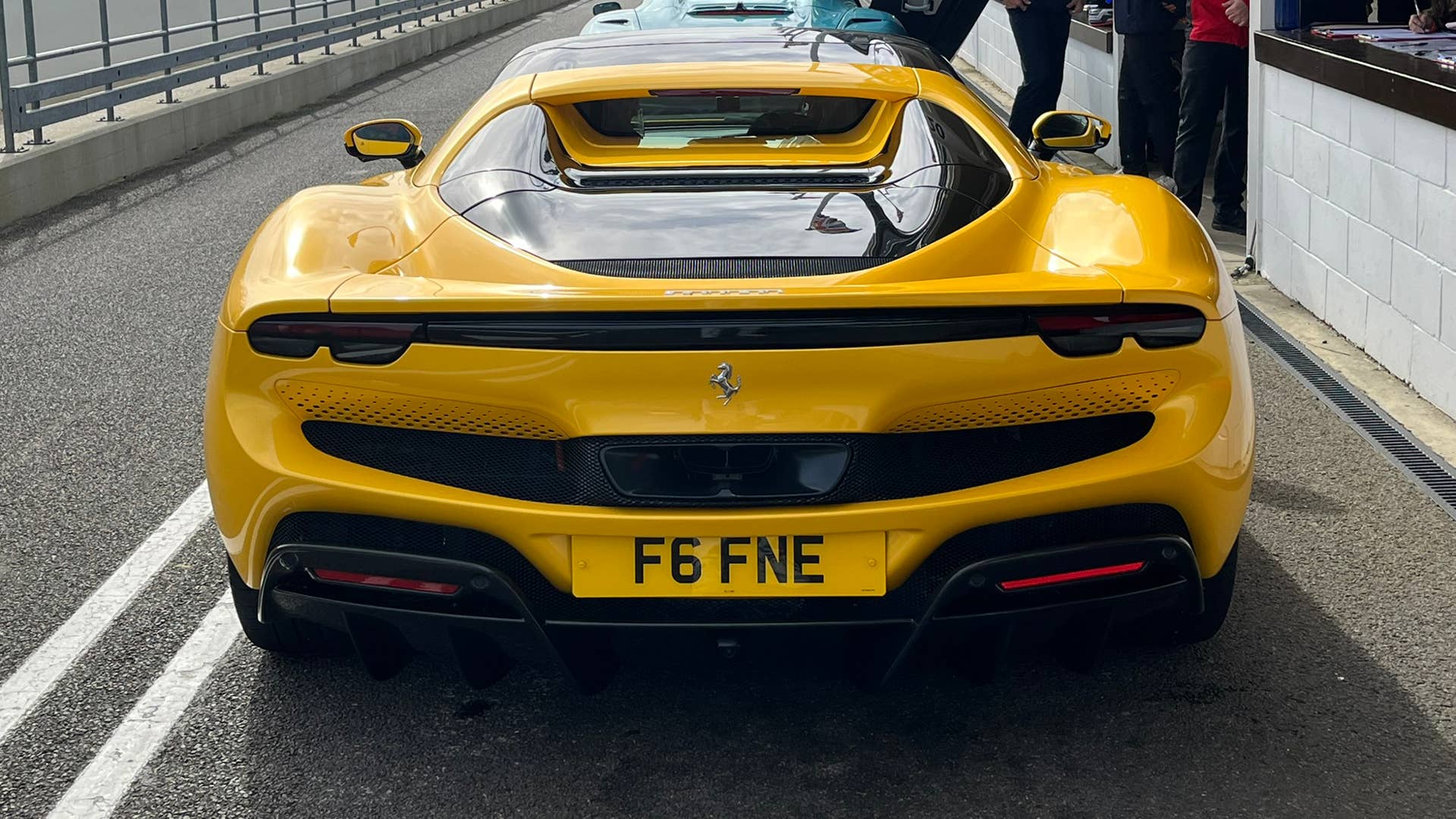
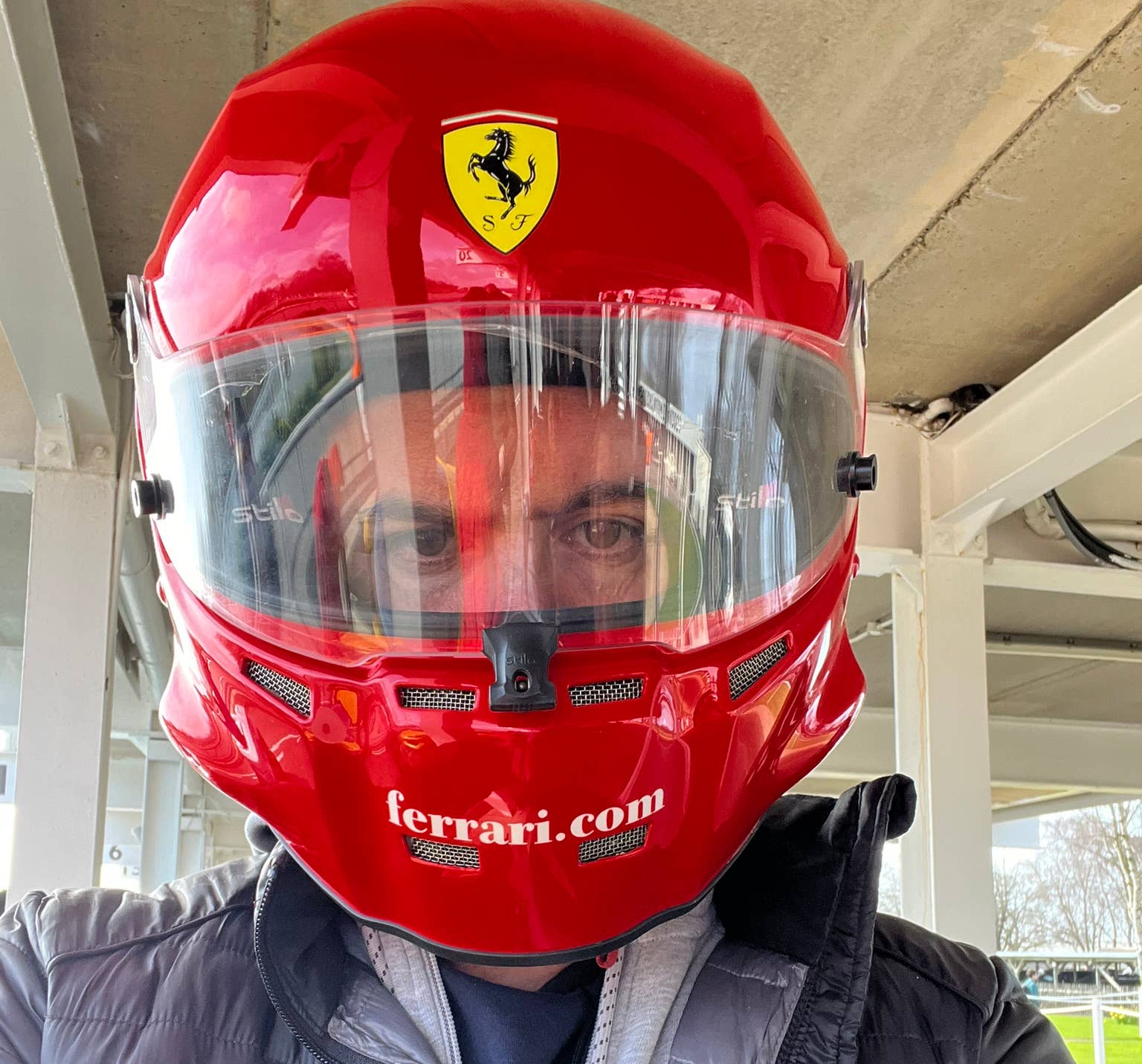
A few laps in the Ferrari 296 GTB at Goodwood Motor Circuit are enough to understand what the car does so well. The way it turns in, the stability under braking, and the immediacy of the hybrid powertrain all feel cohesive, deliberate, and fast in a way that’s easy to trust.
It’s also enough to make one thing clear: this is exactly the kind of car you’d want to own without worrying about what sits underneath it. Which is where Ferrari’s hybrid battery promise comes in, and something the Prancing Horse was keen to remind us of at Goodwood’s 2026 Media Day held this week at the historic racing track.
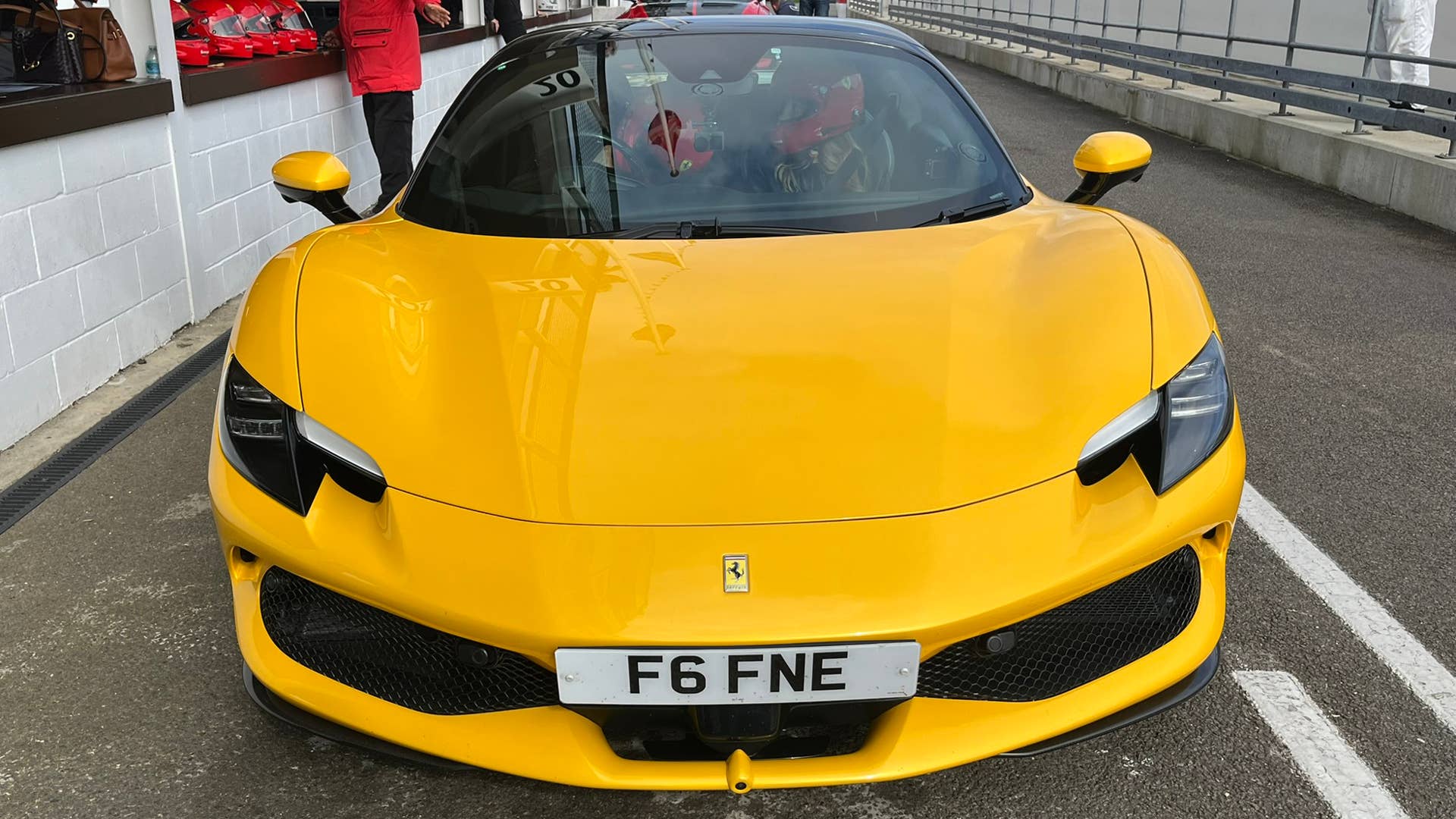
How Ferrari’s Hybrid Battery Coverage Actually Works
When Ferrari introduced its extended warranty programs in 2024 (aka Ferrari Service Contracts in the US), the headline sounded reassuring: the high-voltage battery would be replaced at year eight, and again at year 16, at no additional cost. For a performance hybrid this complex, that sounds like exactly what cautious buyers want to hear. But the details are worth reading carefully.
Ferrari’s plug-in hybrid models come with a five-year warranty covering key electrified components: the battery, electric motors, and inverters. The system is also monitored over time, with coverage designed to intervene if battery health drops below a defined threshold. From there, owners can extend coverage through two programs: Ferrari Service Contract Hybrid, which runs through year eight; and Ferrari Power Contract, which extends coverage through year 16, covering major powertrain and vehicle systems in addition to the hybrid components. Stay continuously enrolled in both, and Ferrari will replace the high-voltage battery at each milestone at no additional cost. That phrase, however, comes with important context.
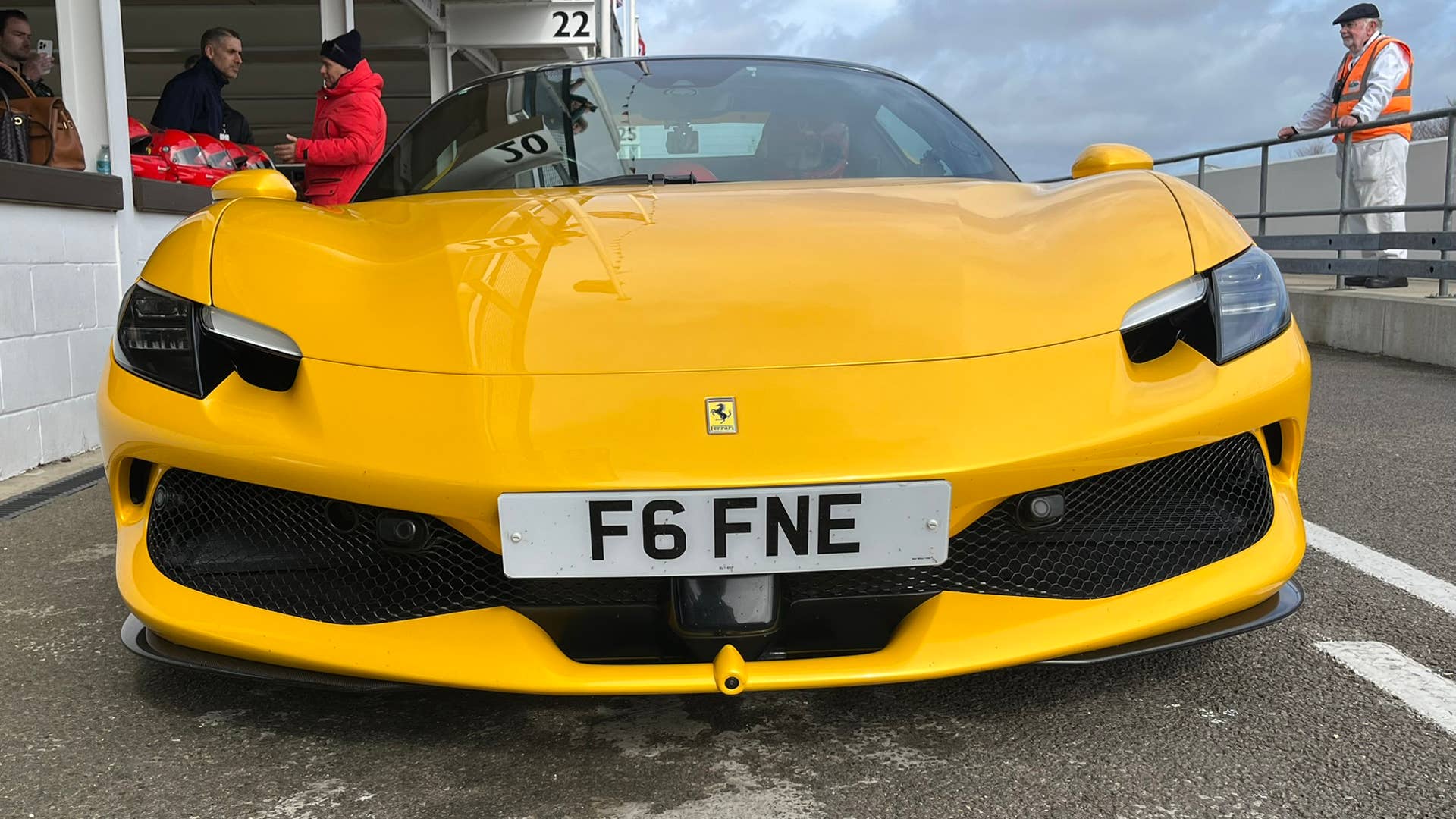
Maintaining coverage requires annual renewals that vary by model and program. For hybrid models, Ferrari Service Contract Hybrid pricing sits at around $11,300 per year during years 4 to 8. From years 9 to 16, the Ferrari Power Contract drops to approximately $5,595 per year for V6-based hybrids like the 296, or $7,195 for V8-based systems like the SF90. Opting for Ferrari Power Contract plus Maintenance increases that to roughly $6,450 and $7,920 per year respectively.
Ferrari Service Contract Pricing (US) as of March 2026
| Phase | Program | V8 ($/yr) | V12 ($/yr) | Hybrid ($/yr) |
|---|---|---|---|---|
| Years 4–8 | Ferrari Service Contract | 8,390 | 11,300 | — |
| Years 4–8 | Ferrari Service Contract Hybrid | N/A | N/A | 11,300 (V6 PHEV + V8 PHEV) |
| Years 9–16 | Ferrari Power Contract | 5,595 | 7,195 | 5,595 (V6 PHEV) / 7,195 (V8 PHEV) |
| Years 9–16 | Ferrari Power Contract + Maintenance | 6,450 | 7,920 | 6,450 (V6 PHEV) / 7,920 (V8 PHEV) |
Ferrari’s hybrid pricing sits at the top end of its Service Contract range, broadly aligning with V12 models during the early years of coverage. That variation becomes clearer when you look at the cars themselves. A Ferrari 296 GTB starts at roughly $340,000 in the U.S., with most examples optioned well beyond that.

Over time, maintaining continuous Service Contract coverage on a 296 can add up to just over $100,000 across a full 16-year period, depending on how the car is specified and maintained. Within that context, those costs sit as part of the broader ownership structure rather than outside it, particularly for a hybrid system operating at this level.
That structure is deliberate. Rather than leaving owners exposed to unpredictable battery degradation, Ferrari has effectively converted long-term risk into a managed, ongoing expense. In the used market, that creates a straightforward split. A 296 with active coverage has a clear, manufacturer-backed future, with coverage that can transfer to subsequent owners. One without it leaves the next owner guessing what a battery replacement might cost, and used car prices are already starting to reflect that difference. For buyers who find a car that hasn’t been enrolled, there is a way in. Subject to eligibility and inspection, coverage may be reactivated or extended through Ferrari’s dealer network. If the car is within the eligible window, you can pay the preceding years’ premiums upfront to join the program, effectively catching up before the coverage kicks in.
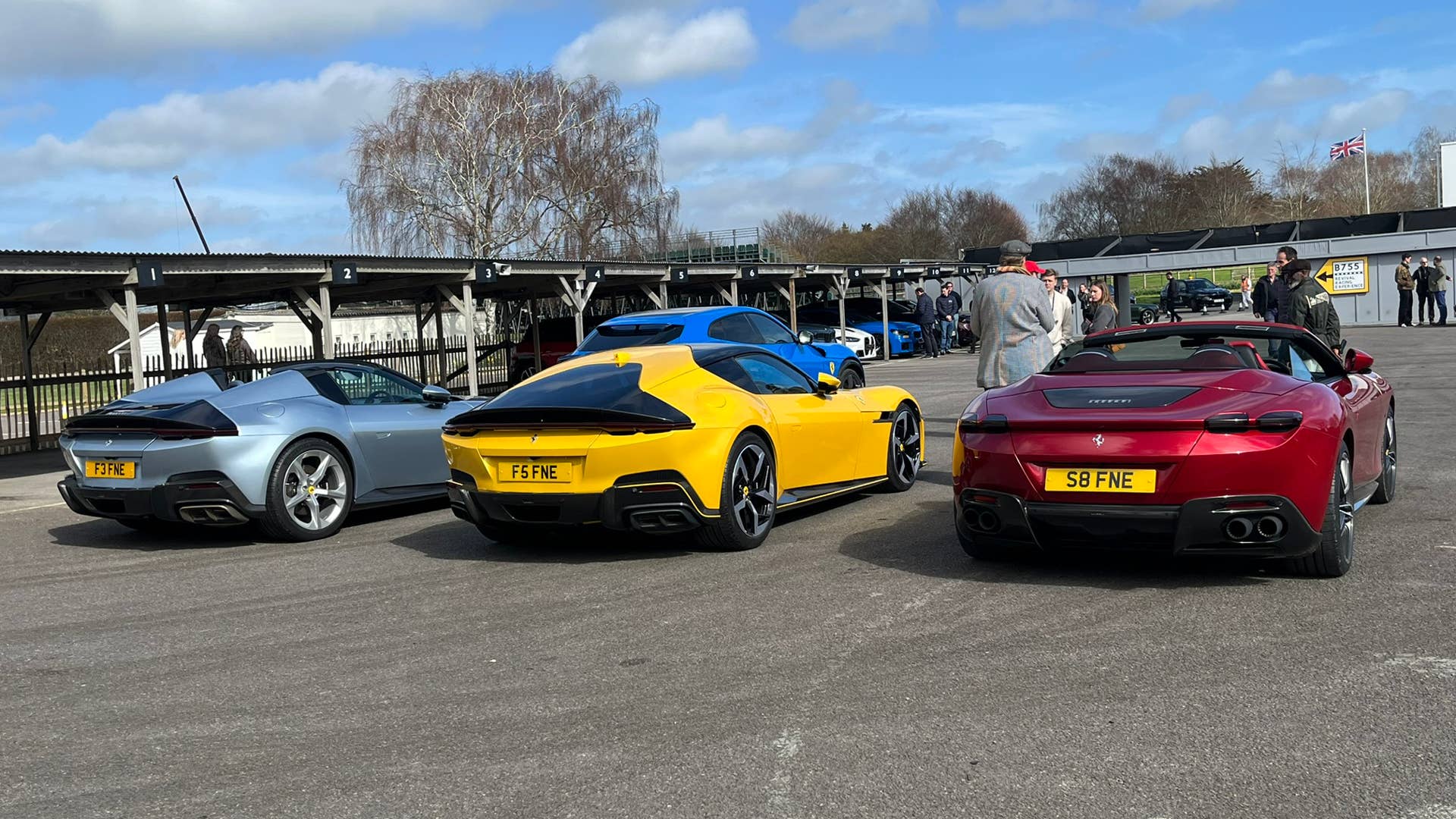
A Brief Moment at Goodwood
A handful of laps at Goodwood Motor Circuit isn’t really a test and was more of an introduction, albeit a persuasive one.
The 296 feels more agile than its 3,240 lb dry weight suggests. With the manettino set to Race, the steering is immediate and the front end commits to a line without hesitation. Under braking into sharp corners or chicanes, the brake-by-wire system does something unusual for a car this powerful: it doesn’t unsettle the chassis. The nose stays planted, the weight transfer is controlled, and the car arrives at the apex composed rather than scrambled.
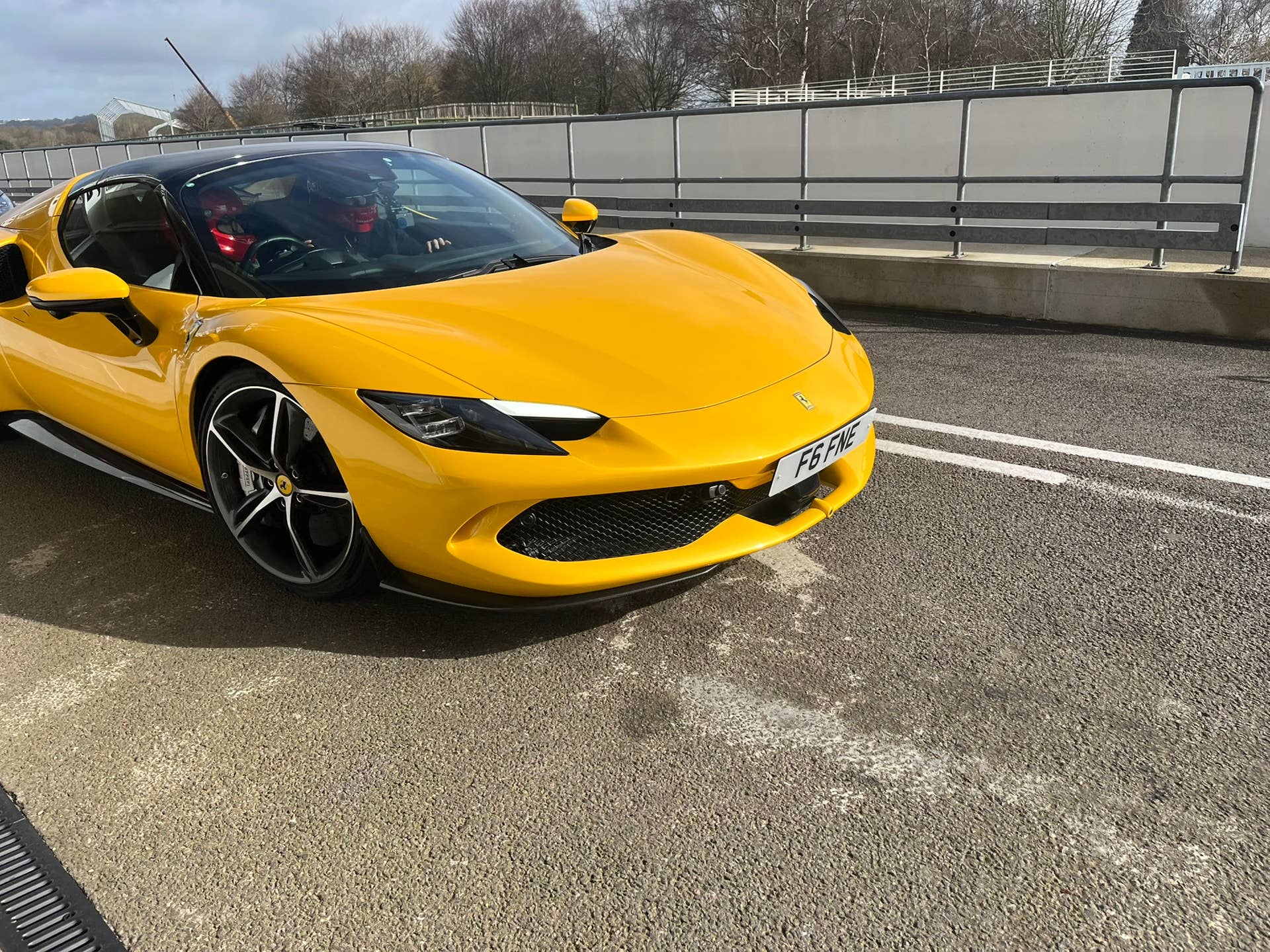
Even in Race mode, the rear moves, whether on entry, through the corner, or on exit, but always within a range that feels intentional rather than alarming. With 819 horsepower being carefully managed, that composure isn’t accidental. It’s the result of systems working quickly and quietly beneath the surface.
The hybrid powertrain is the detail that lingers. There’s no lag, no transition, no moment where the combustion engine takes over from the electric motors. The power is simply there in a way that makes the V6 feel like something with far more displacement. The sound purists worried would be diminished by fewer cylinders holds its own. It doesn’t have the wail of a naturally aspirated V8, but it’s purposeful and characterful in its own right.
A few laps are enough to understand what the car is. It’s nowhere near enough to understand what it can do…

The Ownership Equation
…which makes the financial commitment feel more consequential, not less. You step out understanding exactly what Ferrari has built, how fast it is, how approachable it feels, and how much engineering sits beneath the surface to make it all work so seamlessly. From there, it becomes easier to see what that long-term warranty commitment is designed to protect.
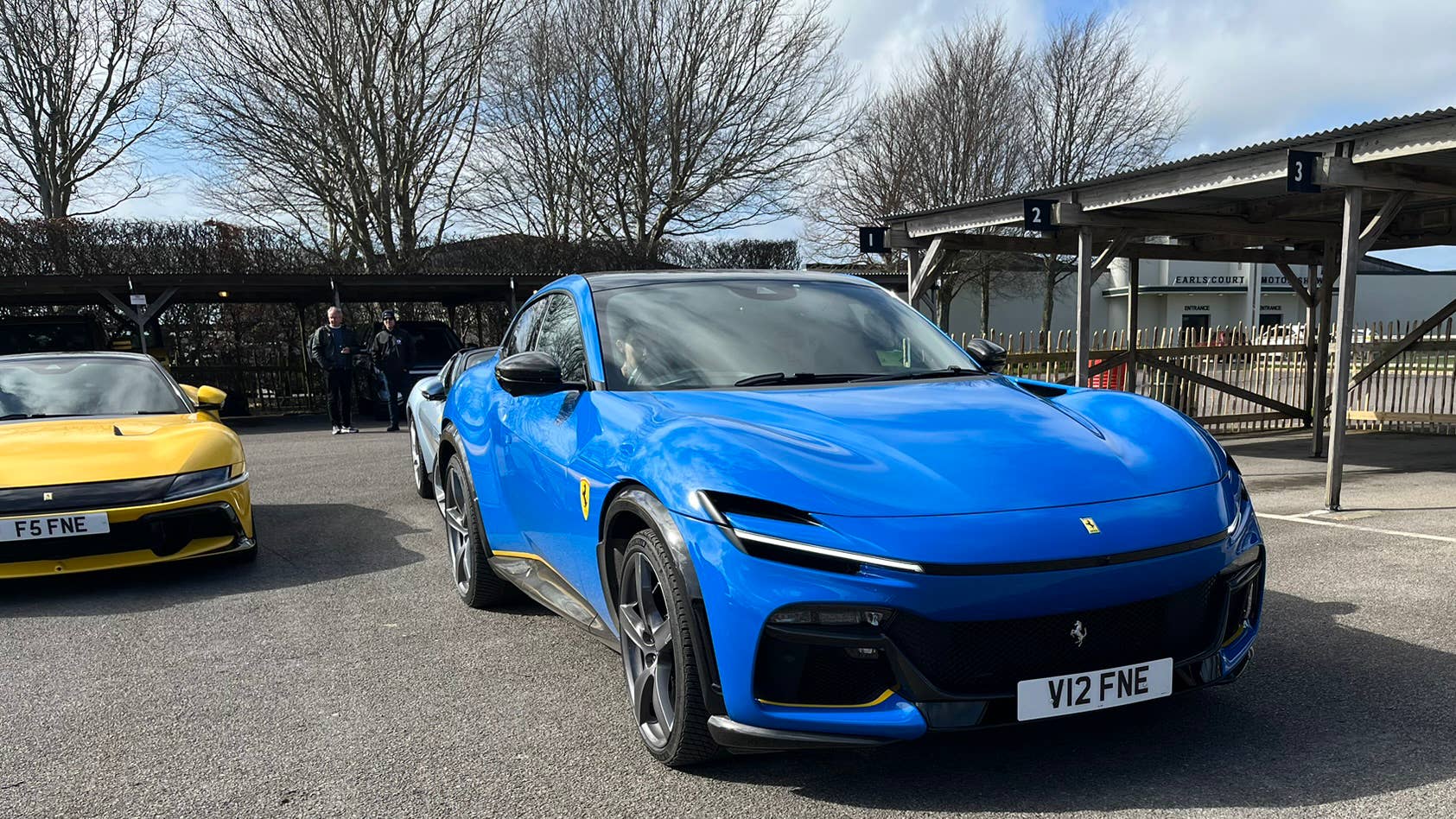
Unlike most automakers, which cap battery coverage at eight to ten years, Ferrari extends the lifecycle to 16, but only for owners who remain within its programs. The replacement may be included, but maintaining that coverage is part of the ownership equation.
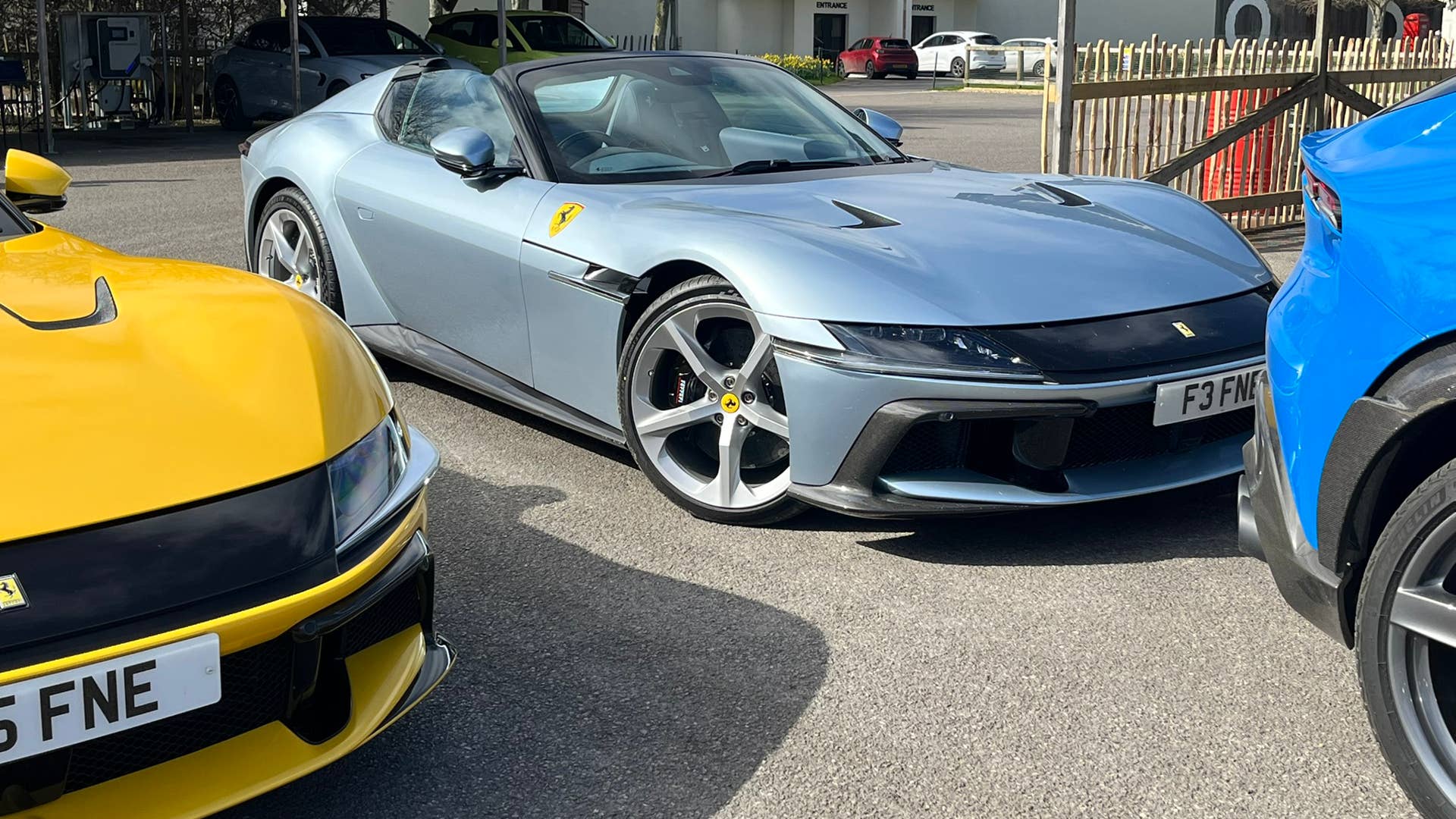
Ferrari’s hybrid promise isn’t simply about replacing a battery. It’s about ensuring the car you experience on track remains predictable, precise, and usable at its limits long after the first owner has stepped out of it.
About the author

Adam Lynton
Co-Editor-in-Chief, Autoblog