
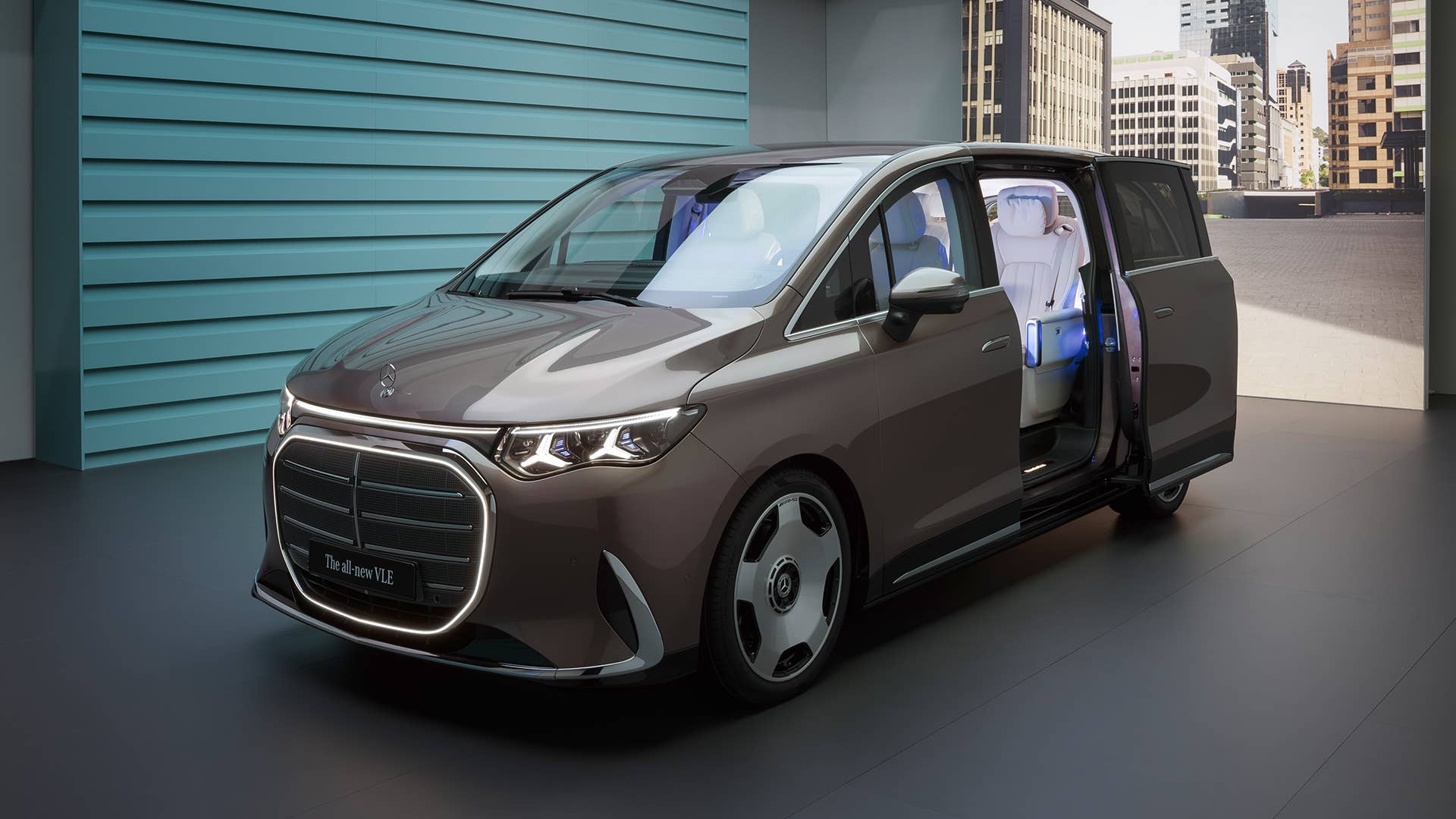
Merc’s new luxury seven-seater is coming to the States
Last year, the German luxury giant Mercedes-Benz showed off the Vision V, a futuristic, luxurious electric minivan that it touted as the next generation of limousines. Shown at that year’s Auto Shanghai, the Vision V previewed what the future of chauffeur-driven motoring could look like in the future; where the scales for maximum comfort and opulence are turned up to 11. The Vision V’s swan song is what it dubbed the “Private Lounge,” an interior that blends spaciousness, elegance, and high-tech features like lounge-like seating, a 65-inch 4K retractable screen and ambient and adjustable mood lighting.
On March 10, Mercedes introduced its production-ready variant; the VLE, a classy electric luxury minivan designed to haul both little tykes and fully-grown adults in style. The new Merc van boasts an electric powertrain powered by a new battery platform that delivers a maximum WLTP range of about 435 miles, while seating up to eight people. Inside, Mercedes has loaded many luxurious and high-end touches including ambient lighting, a glass panoramic roof, electric adjustable and massaging rear seats and a 31.3-inch panoramic 8K screen.
Mercedes says that the VLE is slated to arrive in the United States sometime in 2027, with an ultra-luxurious Maybach variant also on the way. But while today’s parental figures en masse have shunned minivans for big ol’ SUVs in America, luxury-focused MPVs are a segment that have been a notable curio in key markets in the rest of the world. They are particularly popular in China; Mercedes’ biggest market, where according to Bloomberg, have been “repositioned as luxury products,” as “chauffeur-oriented models have surged in popularity.”
Unfortunately, what this means is that Americans have been missing out on some really cool minivans that could be the “it car” on the school run. Across the Pacific, posh electric minivans from manufacturers like BYD and Geely rival even Rolls-Royce and Bentley, as they are jam-packed with features that rival first-class airline seating.
Zeekr
Zeekr
Zeekr
Zeekr
The Zeekr 009 and Denza D9 are the pinnacle of the Chinese EV Minivan
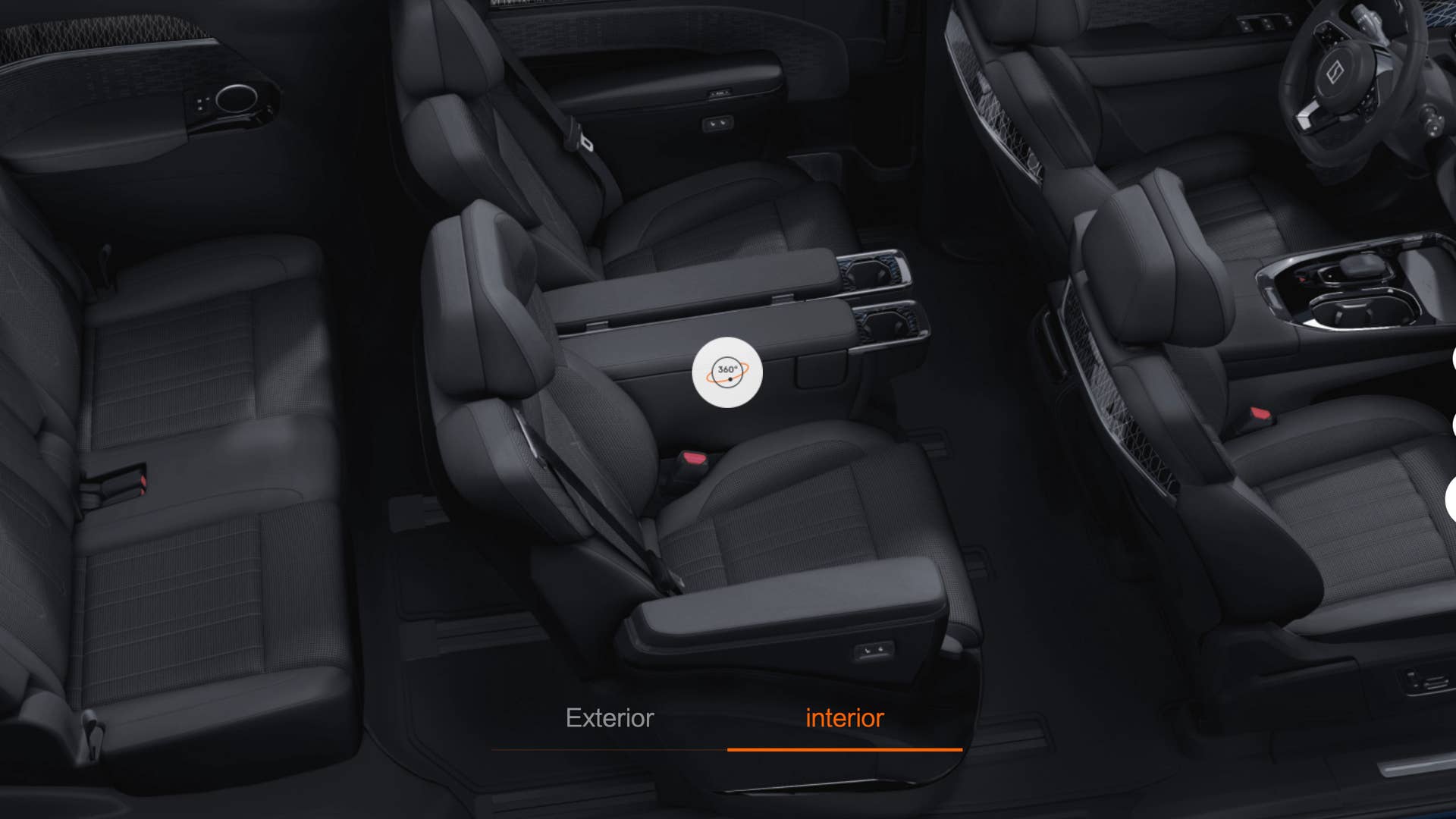
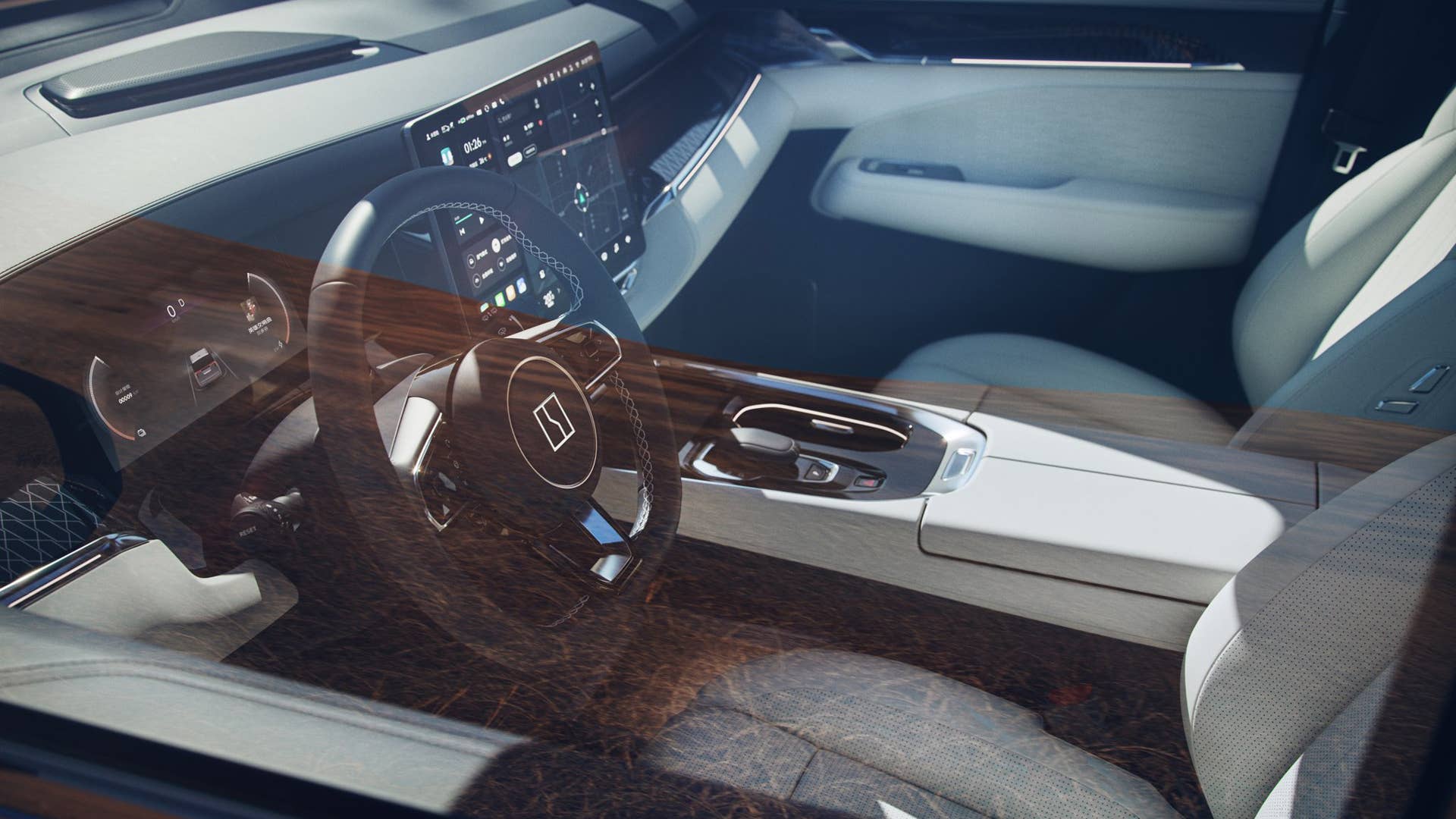
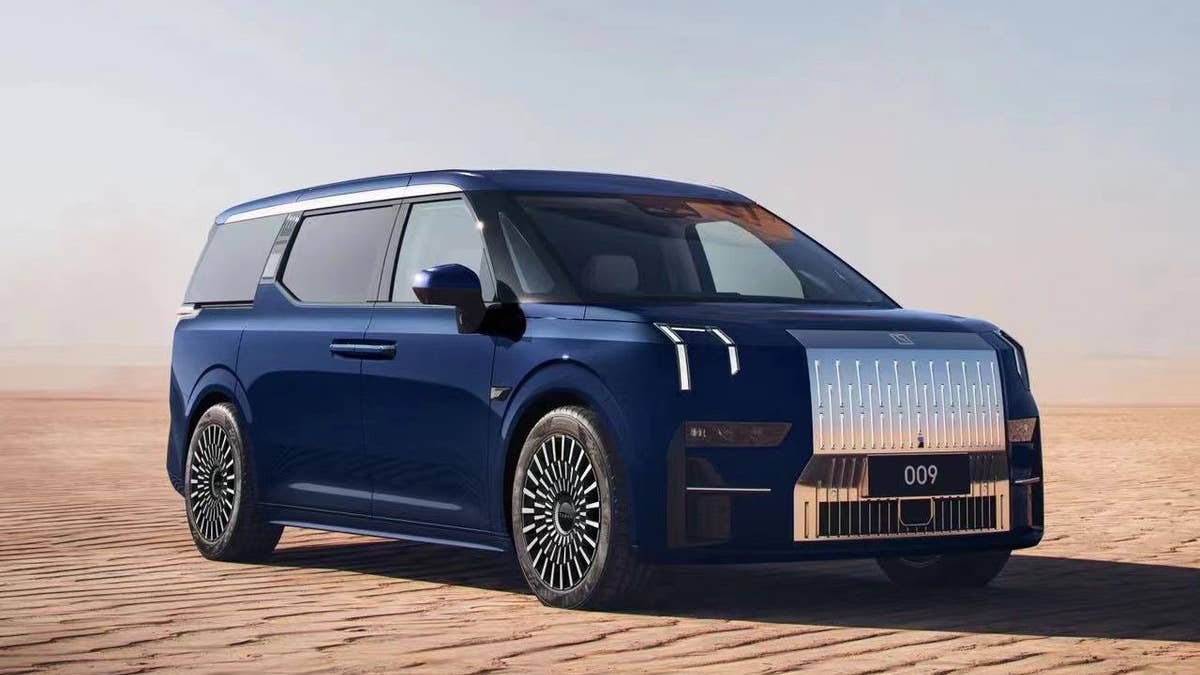
If there is one vehicle that can closely exemplify how far and advanced the Chinese auto industry has come, the Zeekr 009 is a prime example of the loaded, technologically advanced vehicles to come out of the industrious nation. Built by Volvo and Polestar parent company Geely and sold under its Zeekr premium EV sub-brand, the 009 has been quietly evolving since it launched in 2023. An updated model is due for later this year, but the current iteration is already a powerful and luxurious people mover to boot.
Visually, the Zeekr looks like a minivan from decades into the future, as it combines sharp edges and fine details from Europe’s most expensive luxury cars with accented styling straight out of Cyberpunk. From a size comparison, the Zeekr 009 is slightly longer, wider, and more imposing than American MPVs like the Chrysler Pacifica, as it is entirely focused on seating passengers in absolute luxury. Underneath its sleek, sophisticated futuristic skin is a large and powerful 116 kWh battery powering up to two electric motors that make a combined 600 horsepower. While it is a hefty cruiser that tips the scales at over three tons, it’s good for 0-62 mph in just 4.5 seconds and a range of 582 km (~361 miles) on the WLTP cycle.
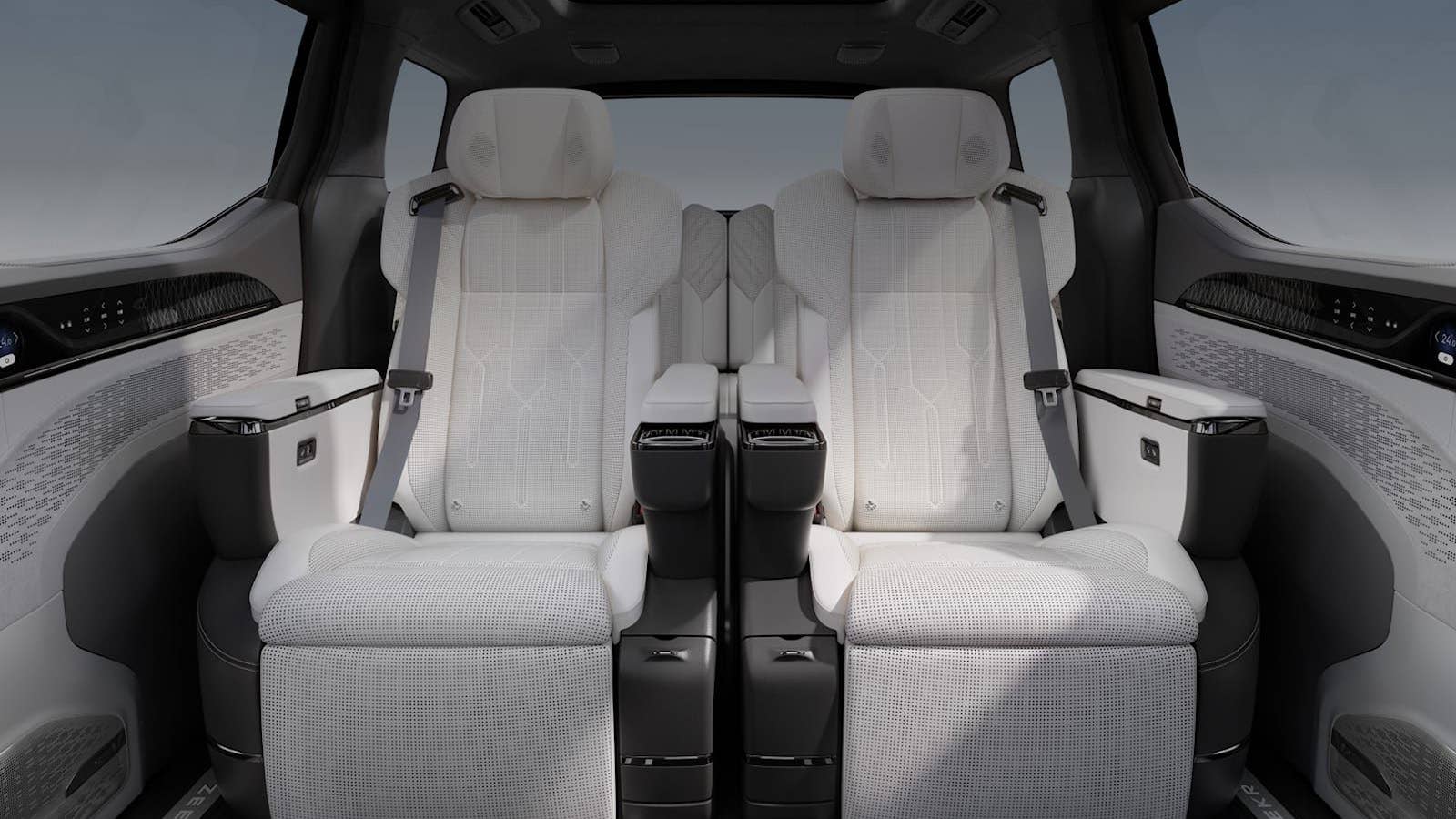
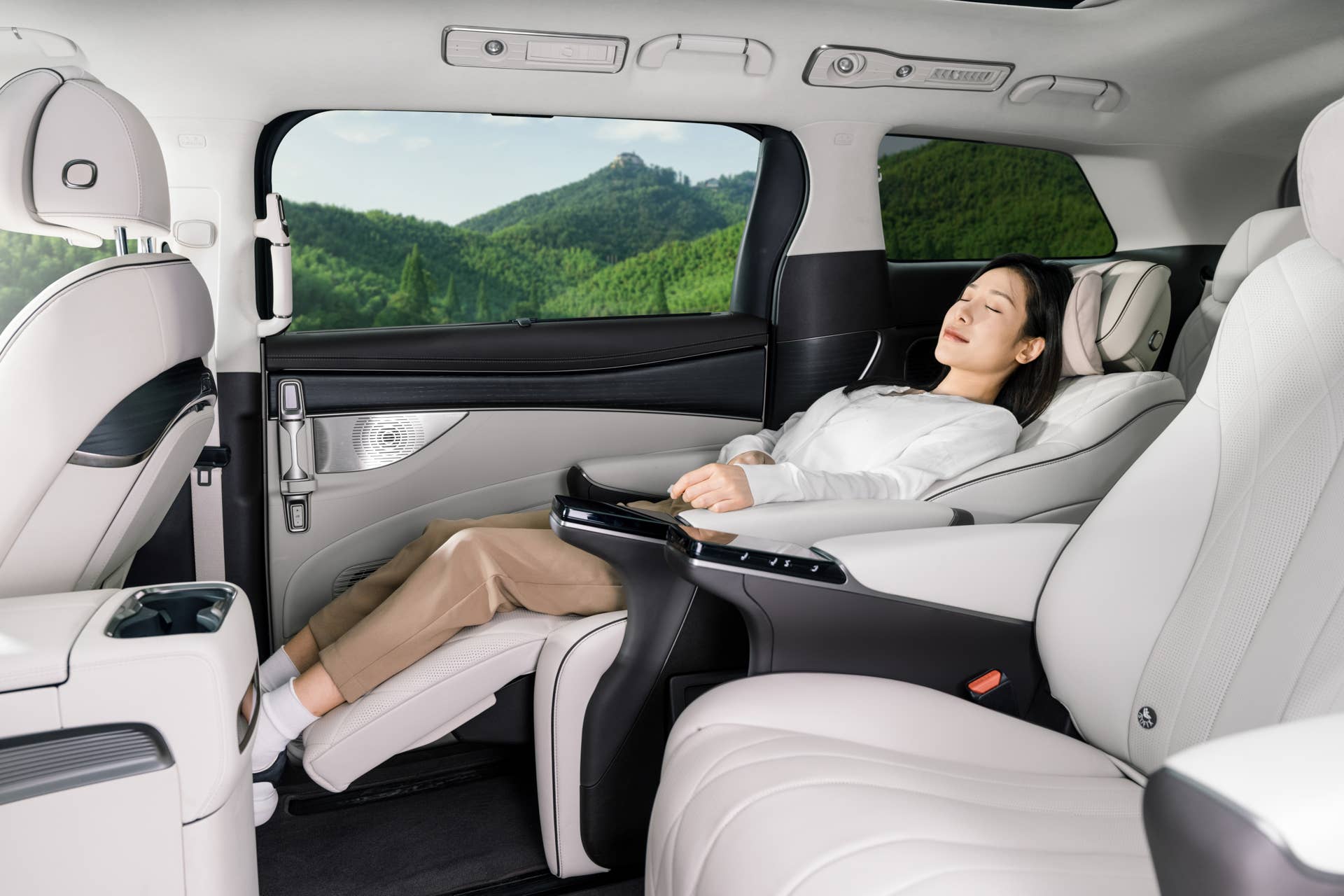
But while it may sound nice to drive, the 009 is more about the experience of being driven than anything else. Whether in six or seven-seat configuration, the passenger area of the 009’s cabin closely resembles that of a first class section of an international airliner. The second row is equipped with what Zeekr calls “Sofaro First-Class Aeronautic” seats, which recline, fold flat, have attached foldout tables, as well as heating and massage capabilities. In addition, it also comes equipped with a refrigerator, a roof-mounted 17-inch screen, and a 30-speaker Yamaha surround sound system with eight additional speakers in the headrests.

Denza
Denza
Denza
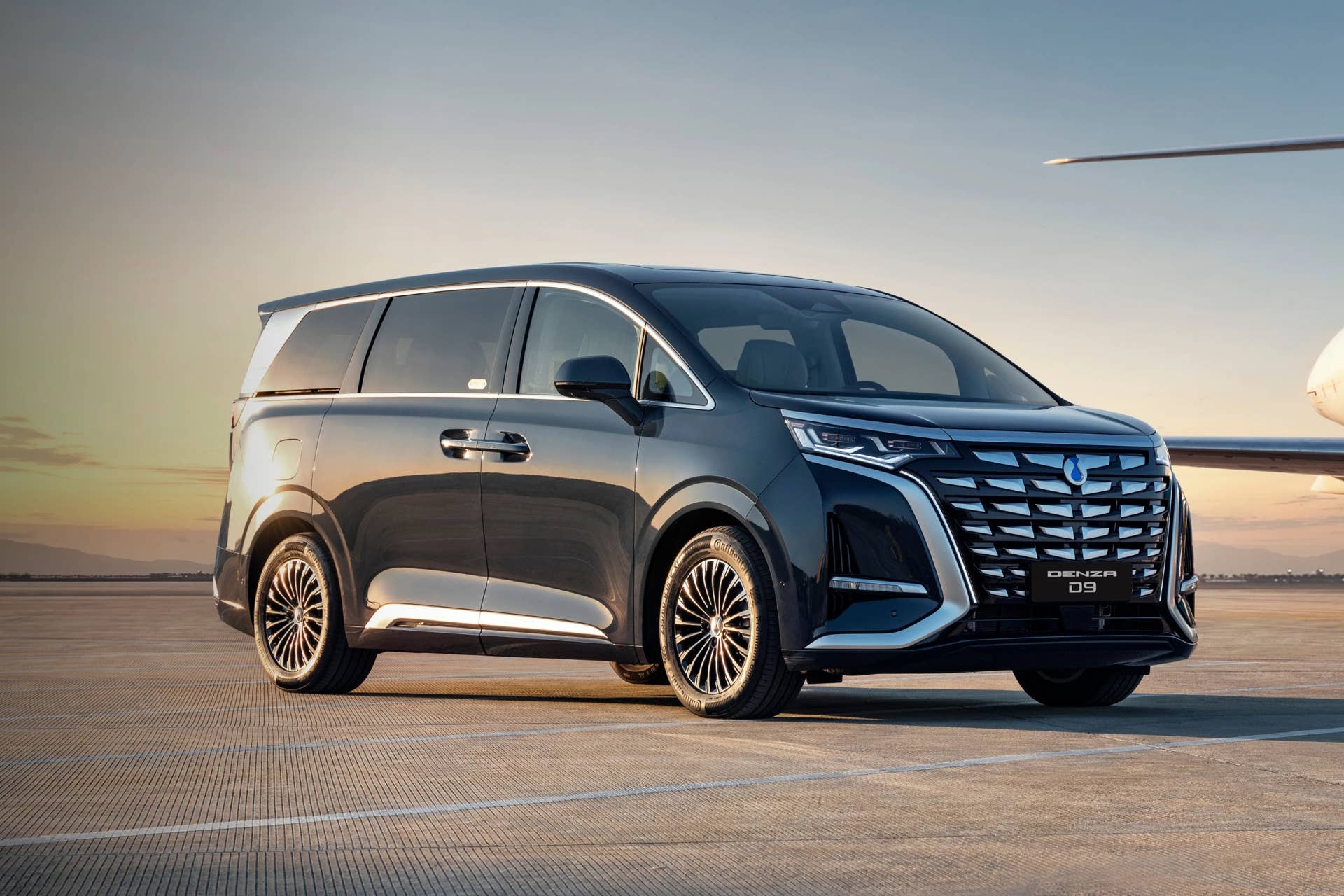
The Zeekr, however, is not without its competitors, and the competition in its home market for these types of vehicles is quite fierce. One of its main competitors is the Denza D9; an offering from one of BYD’s luxury sub-brands. If the Zeekr 009 is the audacious overachiever of this segment, the D9 is could be considered its more composed rival.
The D9 is also a sizable machine, as it is built to seat seven in a cabin that is centered entirely around the comfort of those sitting in the second row. Both the front-wheel-drive and all-wheel-drive versions are underpinned by the same 103.3 kWh Blade LFP battery; BYD’s technologically advanced system that cemented BYD’s EV market reputation for safety and longevity. Denza says that the FWD variant of the D9 has a WLTP range of up to 520 km (~323 miles), with the AWD model returning 480 km (~298 miles).
In the same vein as the Zeekr, the D9 is also genuine luxury vehicle in a minivan form factor. Second row passengers are treated to a pair of heated, ventilated, and massaging captain’s chairs, which are each controlled by its own 5.5-inch display. In addition, a plethora of luxurious features dominates the passenger experience, including a 14-speaker Dynaudio sound system, a built-in dual-mode refrigerated and heated food and drink storage box, soft-close doors and a panoramic dual-roof system. By any measure, these vans are much more sophisticated than any minivan that American buyers can purchase, however, they just can’t buy them.
Toyota
Toyota
Toyota
Japan’s Original Luxury MPV: Toyota Alphard/Vellfire
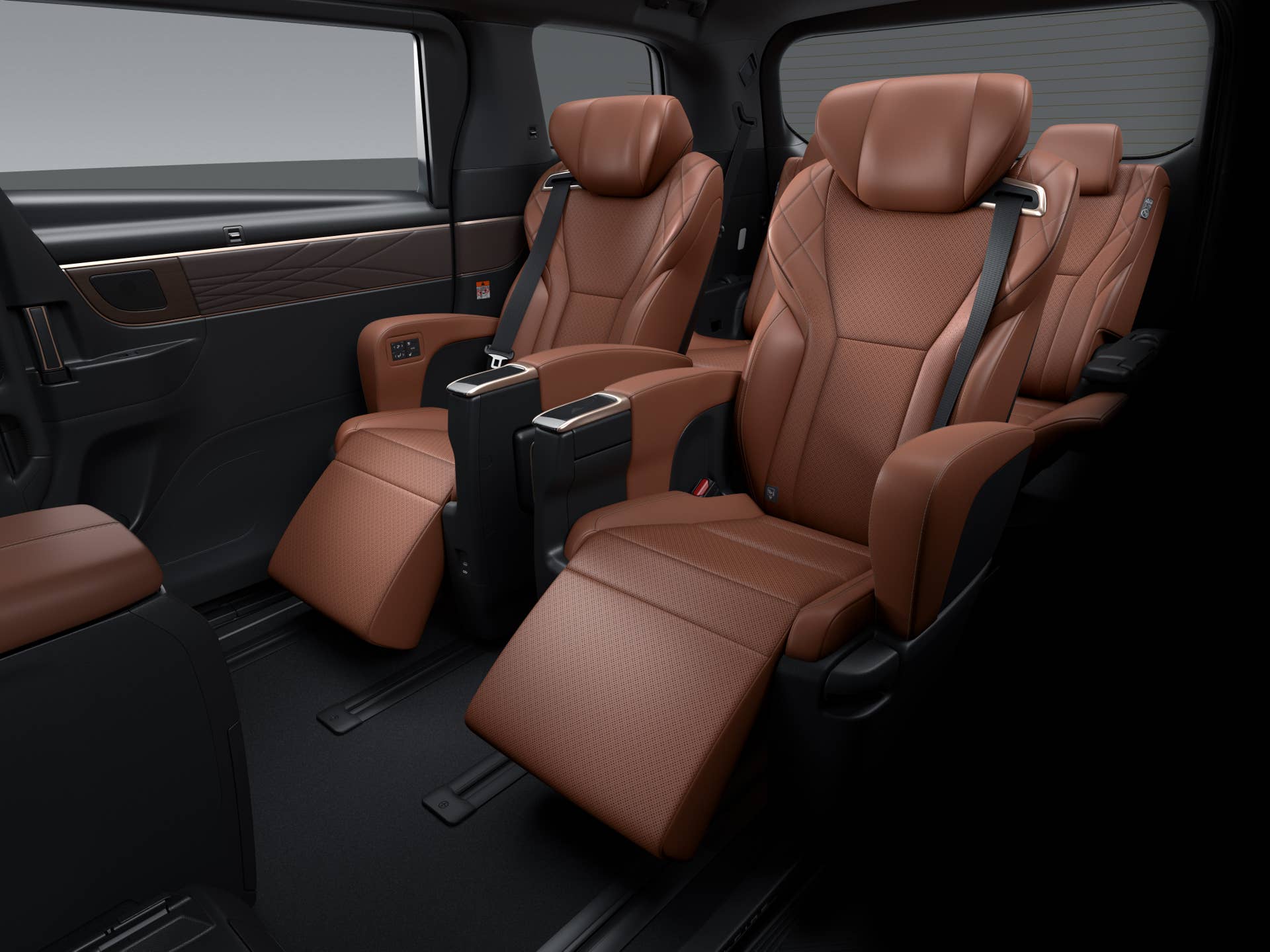
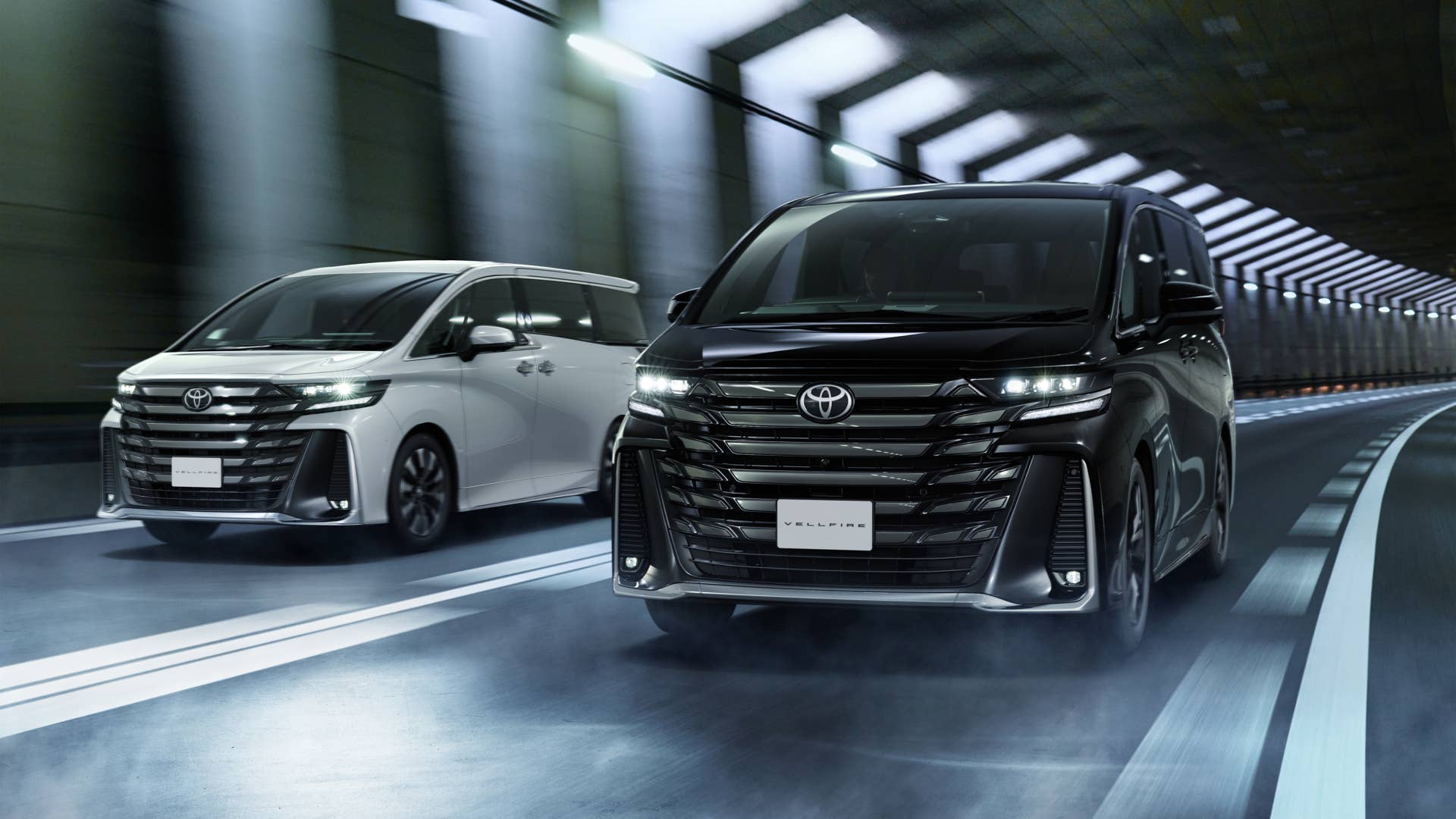
While China’s luxury MPV scene is relatively new, the Japanese has been at this for decades. Although Toyota’s US catalog includes some premium offerings like the Crown and Crown Signia, as well as the entire lineup of its luxury-oriented Lexus brand, it doesn’t come close to what it offers in Japan and the rest of Asia.The Toyota Alphard has been the benchmark for Japanese luxury people-movers since its debut in 2002, and in nearly all parts of the Asia-pacific region, it has enjoyed status as a genuine status symbol as the vehicle of choice for executives, celebrities, and other wealthy individuals. The latest iteration, launched in 2023, is the most refined version yet and makes the American Toyota Sienna look like basic transportation.
Built on Toyota’s TNGA-K platform, the Alphard differs from its Chinese contenders by being built for passenger comfort and driver feedback instead of raw horsepower and technological gizmos and gimmicks. The latest Alphard is built more like one of its Crown, Century or Lexus luxury sedans; its shell is built for structural rigidity and improved hanfling, while its seat cushions have memory foam to absorb road vibrations, while noise-isolation measures throughout its exterior design are used to give the cabin luxury sedan levels of serenity. The Alphard comes standard with hybrid powertrains,though a new plug-in version offers 73 kilometers (~45 miles) of pure-electric range as well as vehicle-to-home power that can power an average house for over five days.
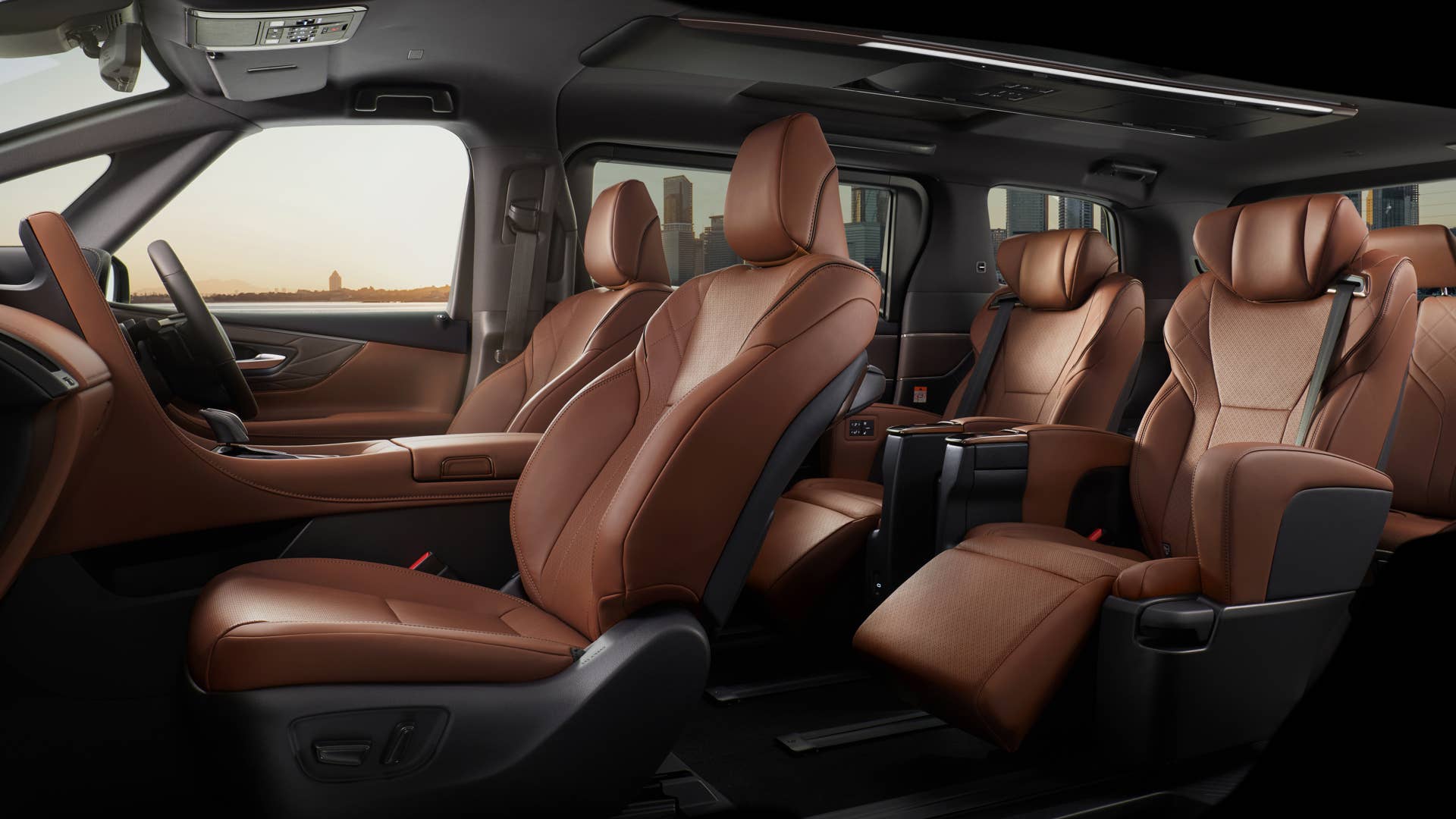
The passenger experience in the top-spec Executive Lounge grade is where the Alphard really shines. Much like the Zeekr and Denza, the cabin features a first class-style second-row with power reclining and massaging captain’s chairs with touchscreen controls, as well as integrated pull-down sunshades, plane-style picnic tables, a JBL 15-speaker audio system, and a rear-seat entertainment setup centered on a 14-inch full-HD flip-down monitor. In addition to the luxe Alphard, this van also comes as the Vellfire, a version of the Alphard that swaps chrome for a blacked-out ‘stealth’ look, sportier suspension and a turbocharged engine for maximum performance. Although Toyota sells the Sienna in America, comparing the two is like comparing a Holiday Inn to something like the Ritz-Carlton; they’re completely different.
Conclusion
The funny thing about Mercedes introducing yet another luxury minivan (that is, if you consider the R-Class a minivan) in the United States is that luxury-focused minivans already exist; they’re simply being sold in the wrong countries. The Zeekr 009, Denza D9 and the Toyota Alphard shows that minivans aren’t lame, they can be something that business-class travellers and car enthusiasts could genuinely want on their driveways.
In recent years, American automakers and the market that shaped it has made a different choice, pivoting hard toward SUVs and leaving the minivan behind. Although “cool vans” like the latest Kia Carnival has taken a page from Asia’s finest, the majority of family buyers still favor large SUVs as family cruisers. If the American market ever decides to prioritize first-class comfort and high-tech elegance over sheer size and rugged aesthetics, it will discover a world of luxury MPVs far superior to what is currently available. Until then, the opulent, chauffeur-worthy sanctuaries built by Asian manufacturers will remain a testament to what a minivan truly can be.
Need New Tires? Save Up To 30% at Tire Rack
Find the perfect tires for your exact vehicle and driving style. Click here to shop all top-tier brands, including Michelin, Bridgestone, and more, directly at Tire Rack.
About the author

James Ochoa
Senior Editor, Autoblog