
The 80s were a different decade for cars.
In the 1980s, American car companies, fresh with new optimism and confidence, decided that it wanted to enhance their Detroit-rooted image by going on a European shopping spree for ownership of legacy limited-production brands. Detroit’s Big Three firms had the urge to splurge, buying up old names when they could. In 1987, Ford bought a 75% stake in Aston Martin, a year earlier, General Motors bought Lotus, and even earlier, Chrysler bought a 15.6% share in Maserati in 1984, following it up with its ownership of Lamborghini in 1987.
At the time, it seemed a little bit plausible as to why Chrysler would want to buy them. Despite having models like the Imperial and a few dressed-up cars like the Fifth Avenue, Chrysler wasn’t exactly a capital-L luxury brand like Mercedes, BMW, or even Cadillac or Lincoln. After all, its superstar CEO, Lee Iacocca wanted Chrysler to be the end-all-be-all automotive marque, having some street cred with not only the budget-conscious family car buyer, but also among the wealthy and sophisticated.
However, this seemingly relentless pursuit of sophistication would turn out to be a headscratcher for Chrysler. Leveraging a partnership he started in his Ford era, Iacocca teamed up with Alejandro de Tomaso, the founder of the Italian sports car firm that bears his namesake, and the then owner of Maserati. When Chrysler formed a working partnership in 1984 with De Tomaso’s Maserati, it was more than just owning a chunk of the company, it was a co-development deal where both parties theoretically brought something to the table.
TC didn’t stand for Town & Country.
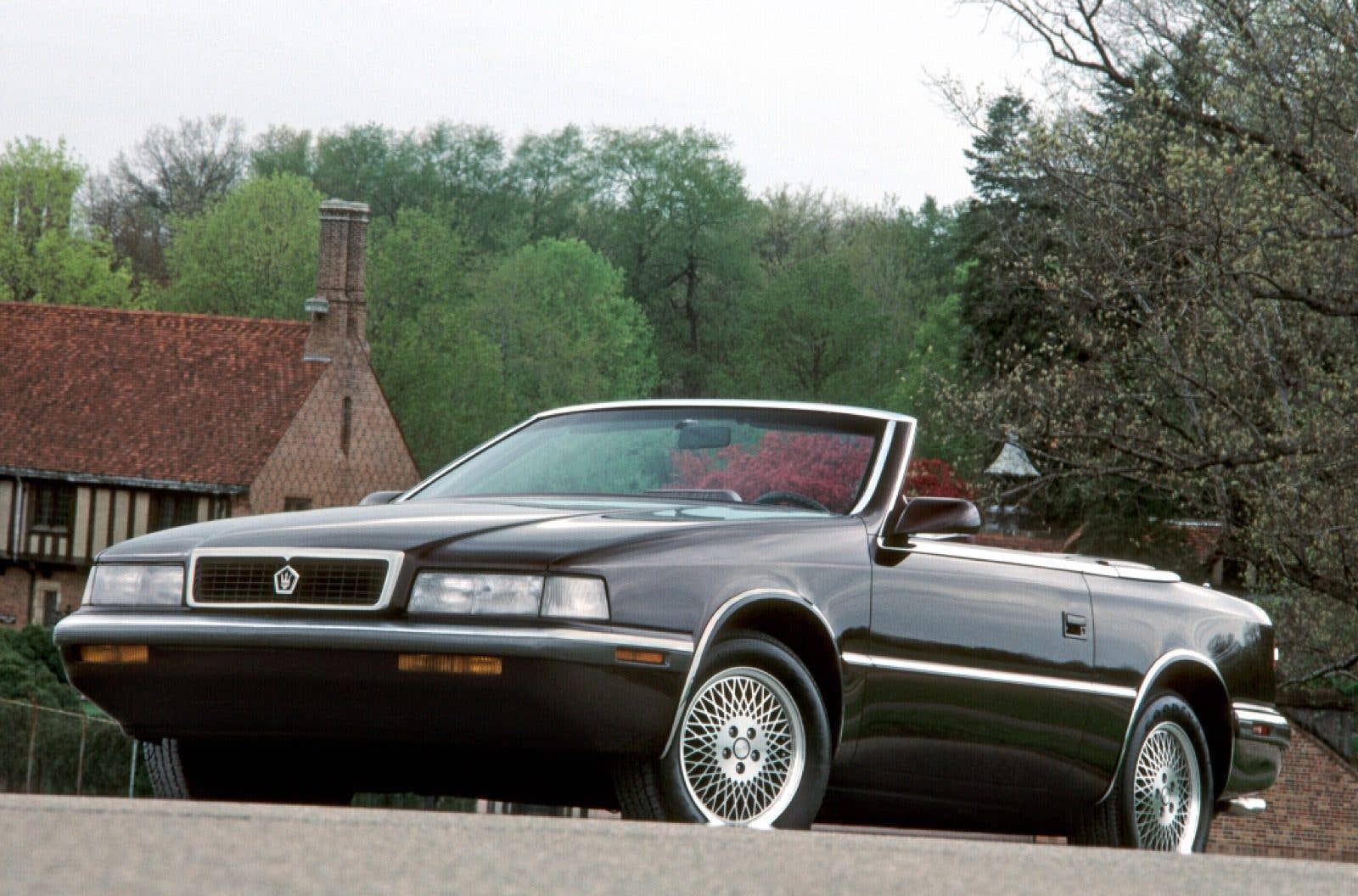
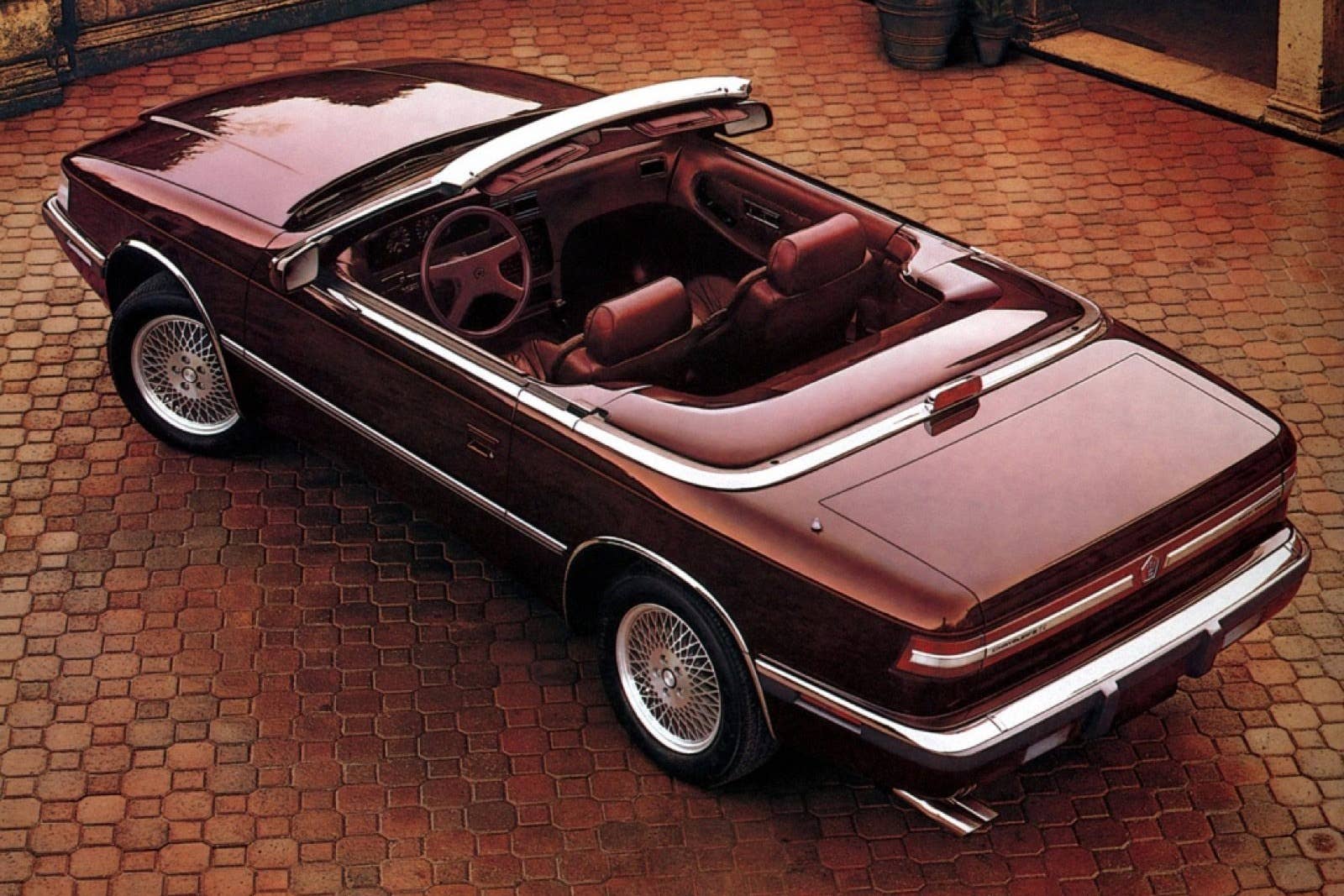
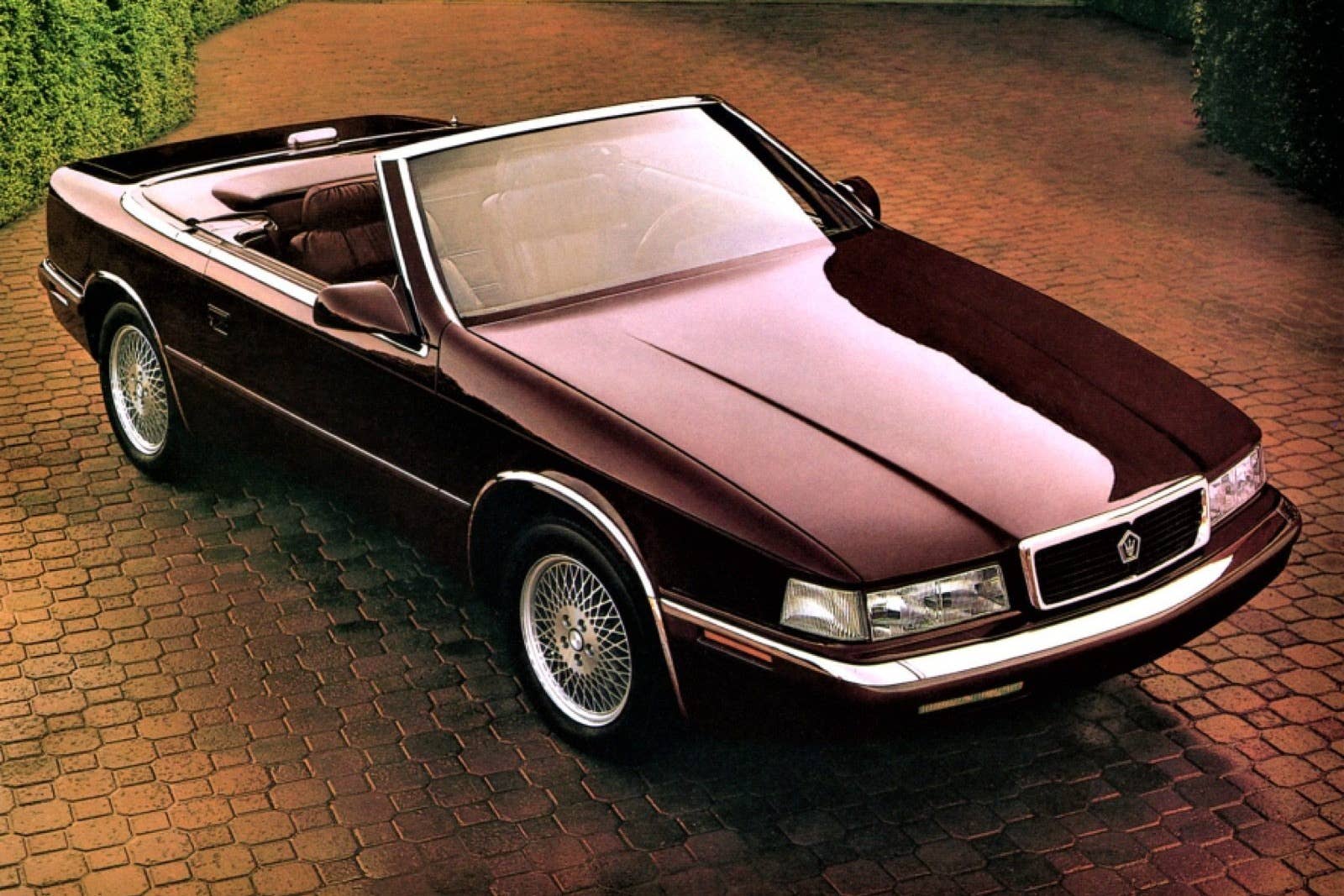
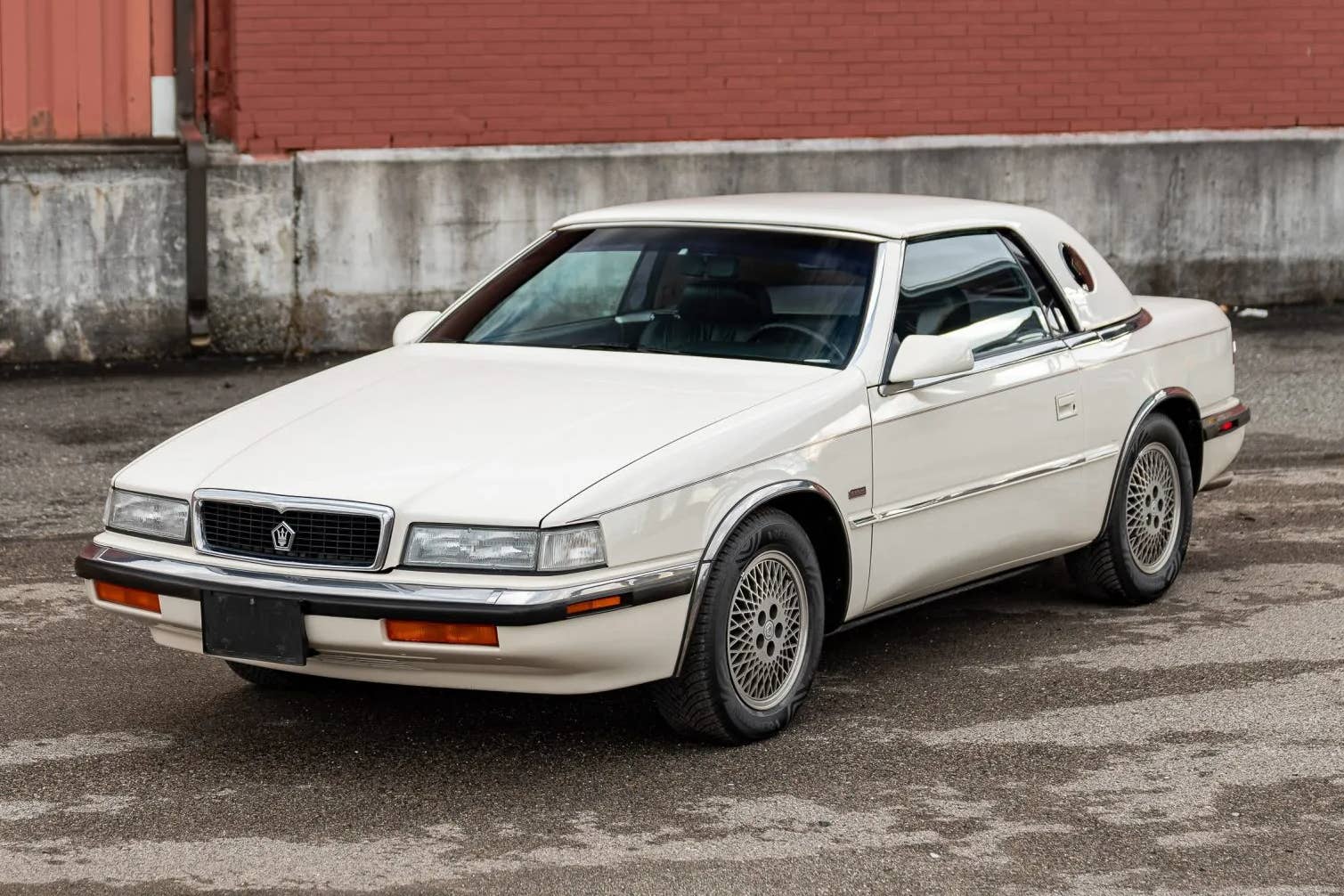
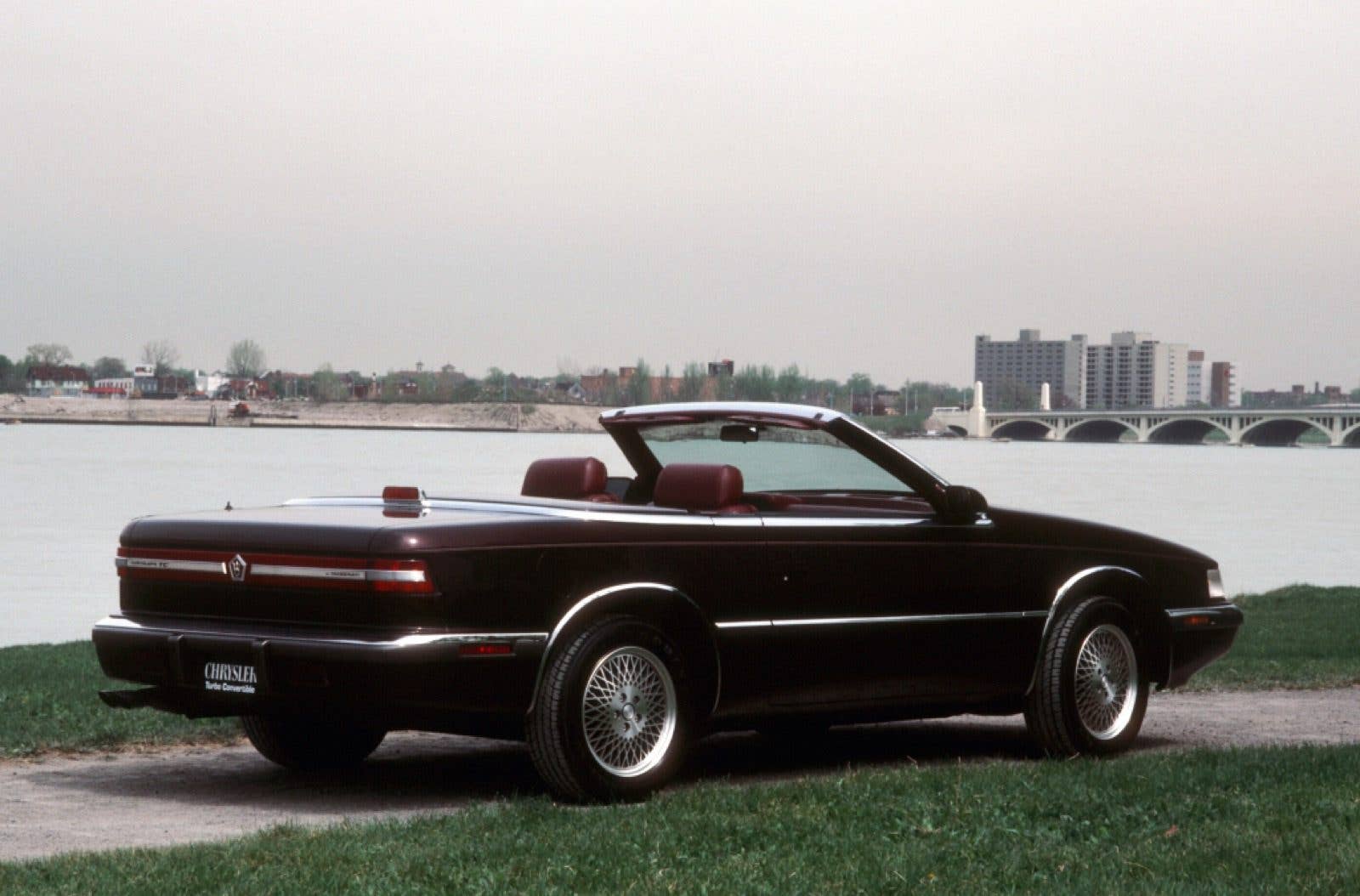
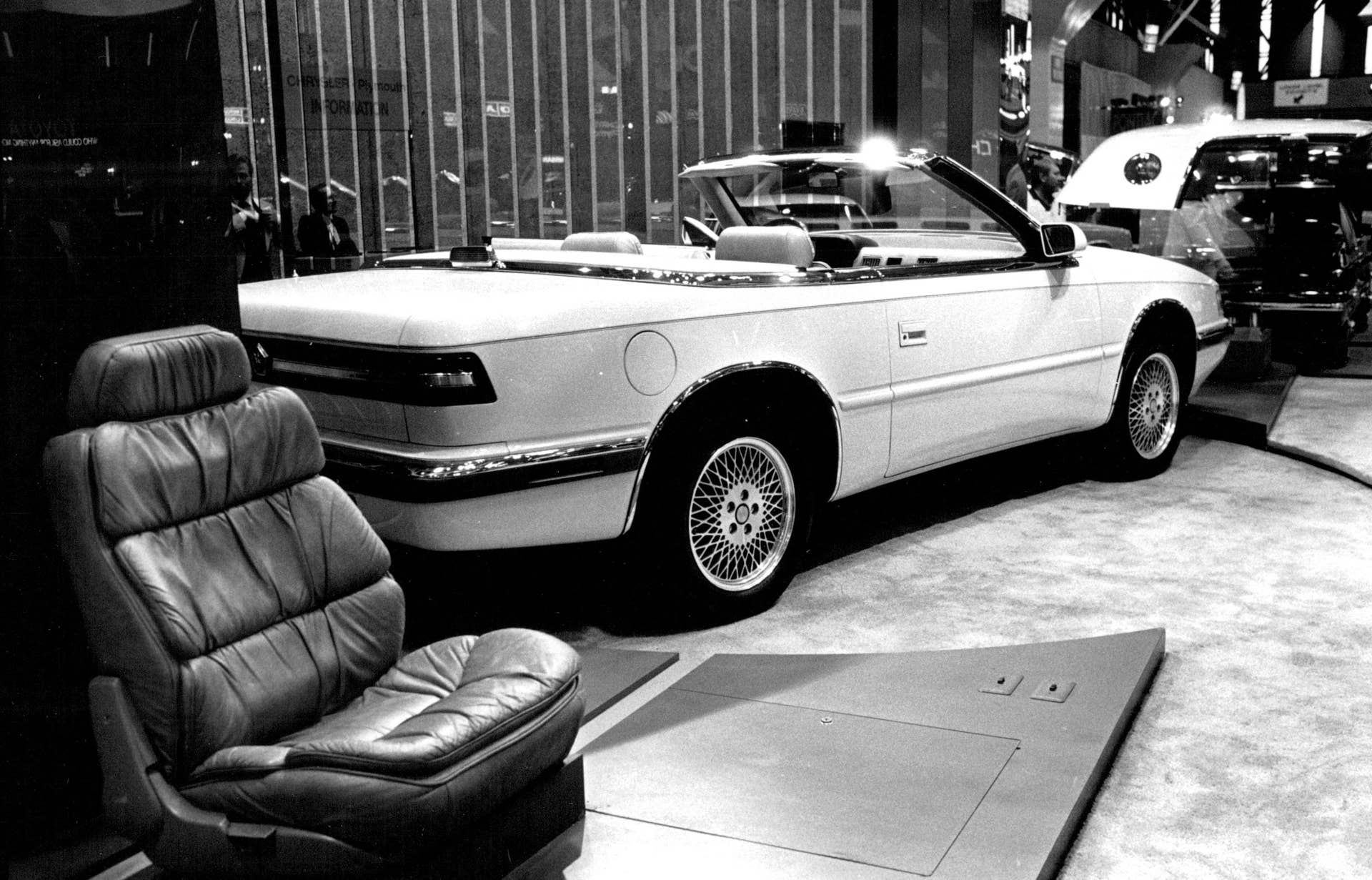
What emerged from this working partnership was the Chrysler TC by Maserati. Introduced at the 1986 Los Angeles Auto Show, and entering production in 1989, the TC was a marriage of the Pentastar and Maserati, who were intent on creating a personal luxury car that could roll with its European counterparts. Iacocca, a second-generation Italian-American, was so confident about the car, that he reportedly told the press that the new ‘vert would be the “prettiest Italian to arrive stateside since his mother immigrated” prior to its introduction.
Even though the TC was basically built with a ton of Chrysler parts, the engineering behind it seemed pretty solid. It was based on a tweaked version of Chrysler’s reliable K-car platform, but what really separated it from the Daytonas, Omnis, and minivans with the same basic mechanicals was its body, which was penned by designers from both sides of the pond. Despite having Detroit DNA, the final car was put together in Milan, Italy, at Maserati’s Innocenti plant.
Chrysler
Chrysler
Chrysler
On paper, the TC seemed to offer American buyers a real taste of Italian sports car flair. Underneath the Innocenti-designed and handcrafted body, the TC featured a specially designed suspension system from Fichtel and Sachs, a Teves anti-lock braking system, as well as a set of alloy wheels made by Formula One supplier Fondmetal.
Under the hood, the Chrysler TC by Maserati came standard with the Dodge Daytona’s 160-horsepower, intercooled 2.2-liter turbocharged inline-four with a three-speed automatic gearbox, however, a 200-horsepower, Maserati-tuned four-pot was a no-cost optional extra. Built upon Chrysler’s Turbo II powerplant, this special 16-valve “Maserati” engine was mated to a Getrag five-speed stick, and had a bespoke block, upgraded Masearti-produced crankshaft, rods and a cylinder head cast by Cosworth in England and finished by Maserati. In lter years, there was also a Mitsubishi 3-liter V6 available as well.
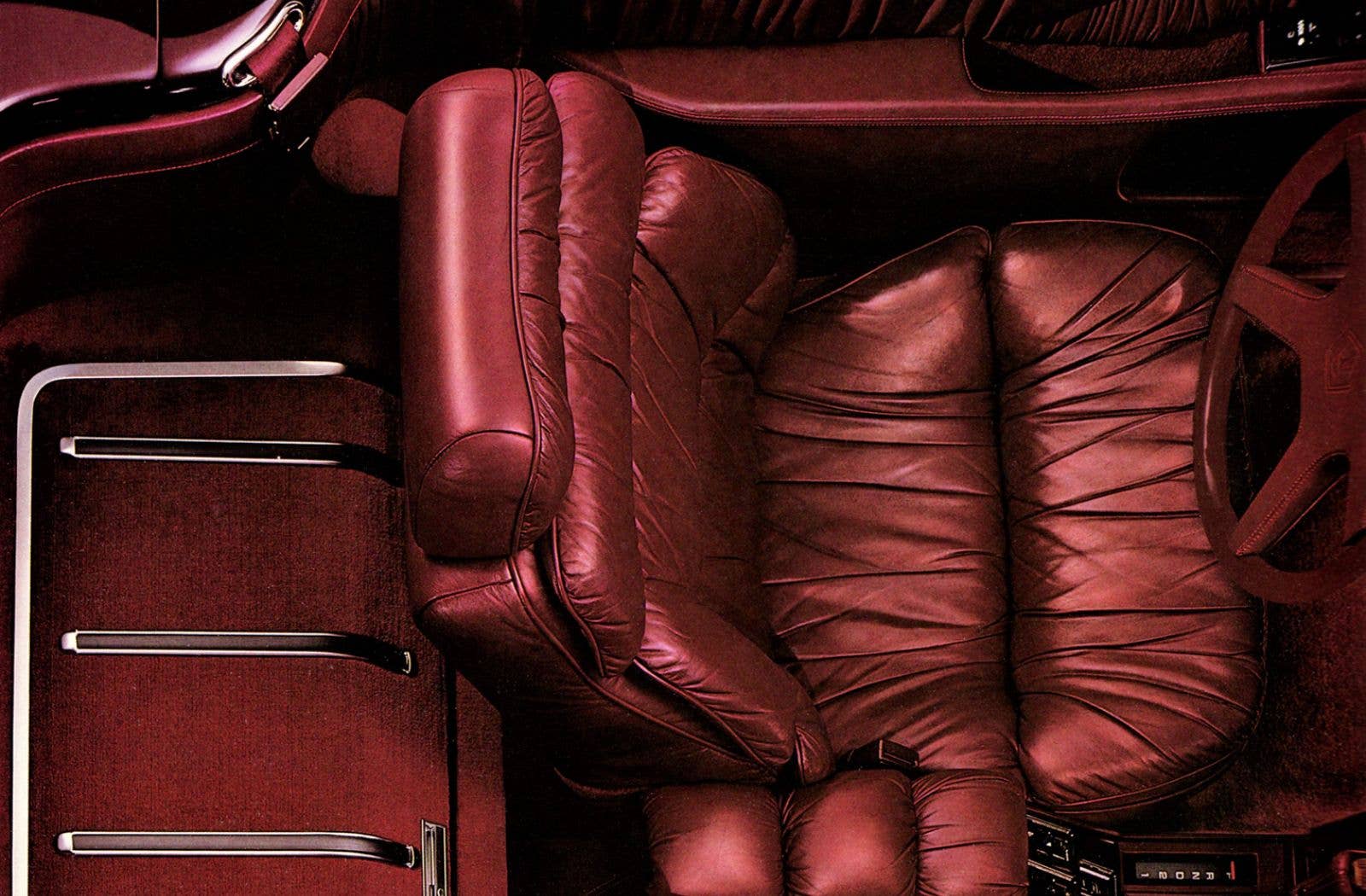
Every TC featured a detachable hard top with circular, beveled-glass opera windows, a hand-stitched leather interior, as well as a smattering of period-era luxuries. These included, power windows, 6-way power seats, power door and trunk locks, map lights, puddle lamps, cruise control, a tilt steering wheel and a 10-speaker Infinity AM/FM cassette stereo. The only option on this $33,000 (~$88,631.84 adjusted for inflation) car was a CD player that plugged into the standard cassette unit.
Bring A Trailer
Stellantis
The LeBaron Problem
Although this seemed like a car positioned to be a winner, the only problem that it had against it was none other than corporate bureaucracy and timing; bad timing, as a matter of fact. While the car was introduced at the 1986 Los Angeles Auto Show with the intent to be in production as a 1987 model, the TC didn’t enter production until 1989, largely due to disagreements between both designers and engineers at Chrysler and Maserati.
Initially, Chrysler intended for the TC to be its ‘halo car,’ a special model that was supposed to grab the buyers’ attention and make people want to check out the rest of the brand’s cars, as well as serve as inspiration for both designers and engineers for future models down the road. For certain brands, this idea can be successfully done; for instance, many 90’s Hondas and Acuras slowly incorporated design elements and engineering tech from the NSX.
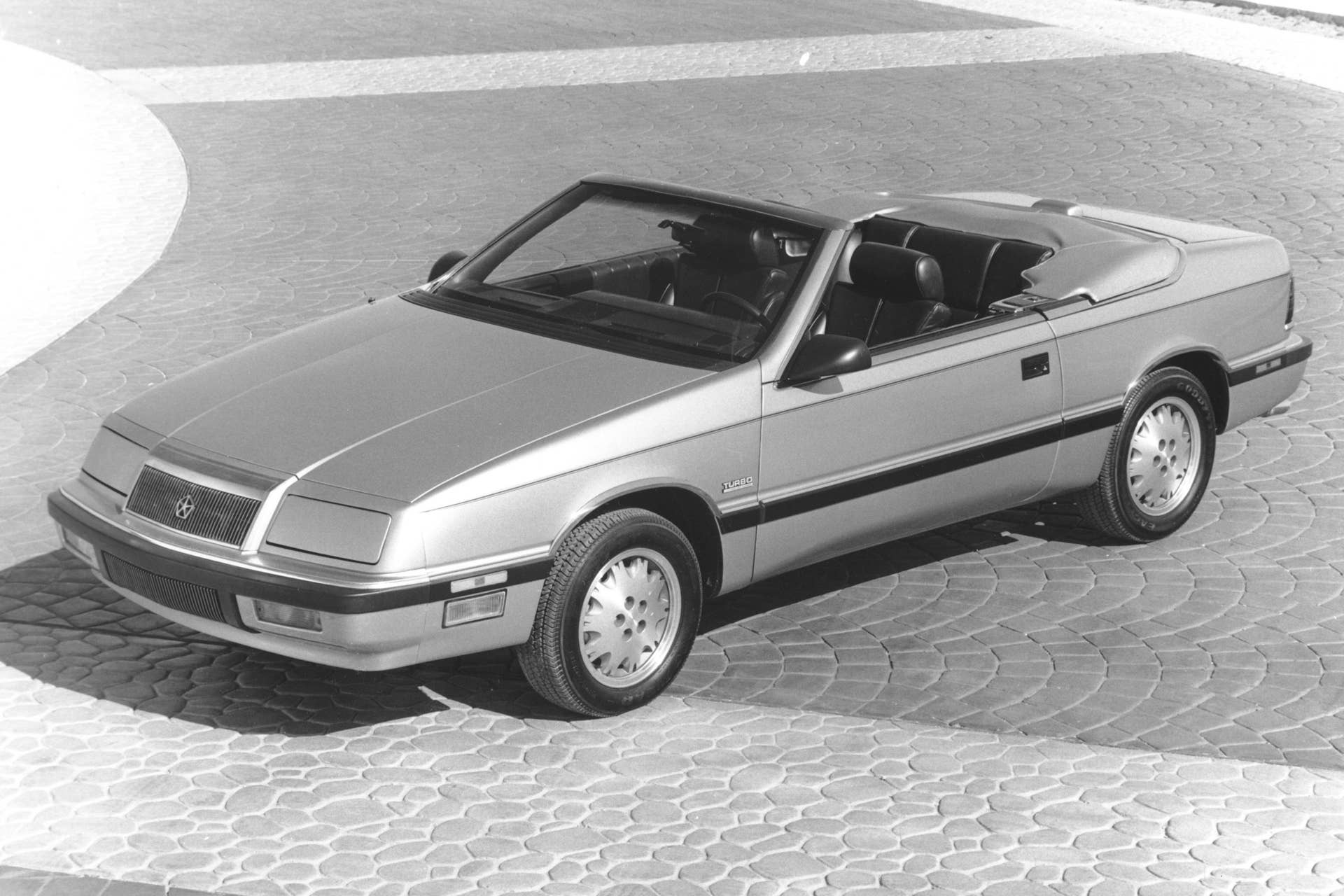
But because of these delays, Chrysler’s handling of both the TC by Maserati and the 1987 LeBaron is a manager’s case of what not to do. While the TC by Maserati was delayed, Chrysler introduced a major update to a popular model in its product line: the 1987 LeBaron convertible, which had a striking resemblance to the TC. The resemblance between the LeBaron and the TC was more than just mere similarities; it was so similar, that buyers questioned whether the Maserati badge was worth the premium price tag.
Chrysler
Although the TC’s body was slightly different, hand built and had a more luxurious interior, most buyers felt the two cars looked too much like each other. To make matters worse, a LeBaron cost around $15,000, while the TC cost $33,000, meaning that for the price of one TC, you could buy two LeBarons. As an upshot, in a 1989 MotorWeek review, host John Davis pointed out that while the TC was the result of hand-made Italian coachwork, it was still a Chrysler with significant panel gaps, while also noting that those “expecting a true Maserati at Chrysler prices” would be disappointed.
In addition, the TC also landed in a hyper-competitive luxury car market. In addition to its spiritual rival; GM’s Pininfarina-built Cadillac Allanté, the 80s was when foreign luxury brands started to make an impact on the American market. Brands like BMW and newcomers like Acura and Lexus captured swaths of buyers in a way that rivals couldn’t have imagined. Over its three-year production run from 1989 to 1991, fewer than 7,300 TCs were sold; just enough for Maserati and Chrysler to reach their mutually-agreed contractual agreement.
Brian Brainerd/The Denver Post via Getty Images
A Cautionary Tale
In the end, the Chrysler TC by Maserati is one of those rare cars that manages to be both a fascinating artifact and a cautionary tale. In a July 2019 column for Road & Track, Bob Lutz, the auto exec that held significant leadership roles at all three Detroit automakers, named Alejandro De Tomaso as one of the “shadiest” people he ever worked with, adding that the “misadventure” of the TC by Maserati cost Chrysler “close to $600 million” by the project’s end.
Ironically, the TC wouldn’t be the last time that Chrysler would be linked in some way to Maserati. In 2021, Chrysler and Maserati would emerge as brands under the then-newly-formed Stellantis brand, which was created though the merger of the PSA Group and Fiat Chrysler Automobiles (FCA), which in itself was created by the gradual merger of Fiat and Chrysler from 2009 to 2014.
While it seems that expensive luxury cars come and go, it is important to know that these kinds of cars are more than just fancy leather and a foreign nameplate. Brands like Mercedes-Benz, BMW and even Cadillac are built on decades, or even a whole century of heritage, consistency, desire and exclusivity. Reputation as an elite luxury brand is not something that you can just buy, it is something that’s built over a long period of time.
About the author

James Ochoa
Senior Editor, Autoblog