

Chris Bangle. The designer served as BMW’s chief of design starting in 1992, and the man’s influence on the Bavarian brand’s output for an overwhelming majority of my life simply can’t be overstated. Moreover, the controversy some of these designs resulted in can’t, either. “Bangle Butt,” possibly coined by Jeremy Clarkson or an equally pithy (though substantially less wealthy) member of the motoring press, lingers even 20 years later.
There is, of course, a lot more to the story. From Bangle’s early influences to the designs that led BMW to overtake Mercedes-Benz in sales, Bangle’s career is full of controversy, beauty, and more than a few cars you didn’t know he penned.
Chris Bangle before BMW
Bangle was born on October 14, 1956. Born in Ravenna, Ohio, he was raised in Wausau, Wisconsin. Early in life, Bangle had another career path in mind: that of a minister. Bangle initially considered becoming a Methodist minister. However, Bangle chose instead to head off to Pasadena, California. There, he was enrolled in the famed Art Center College of Design, where he earned a Bachelor of Science degree.
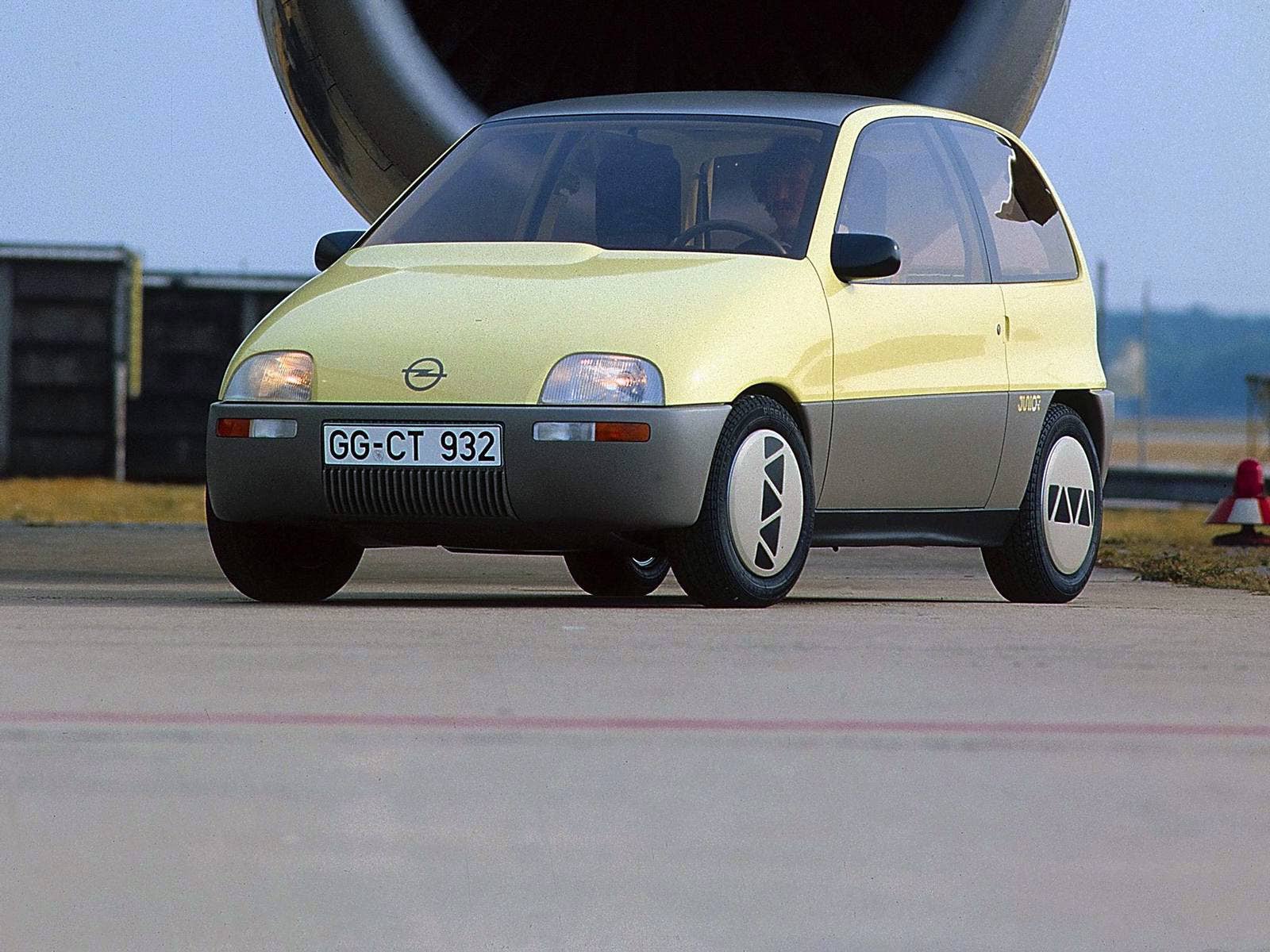
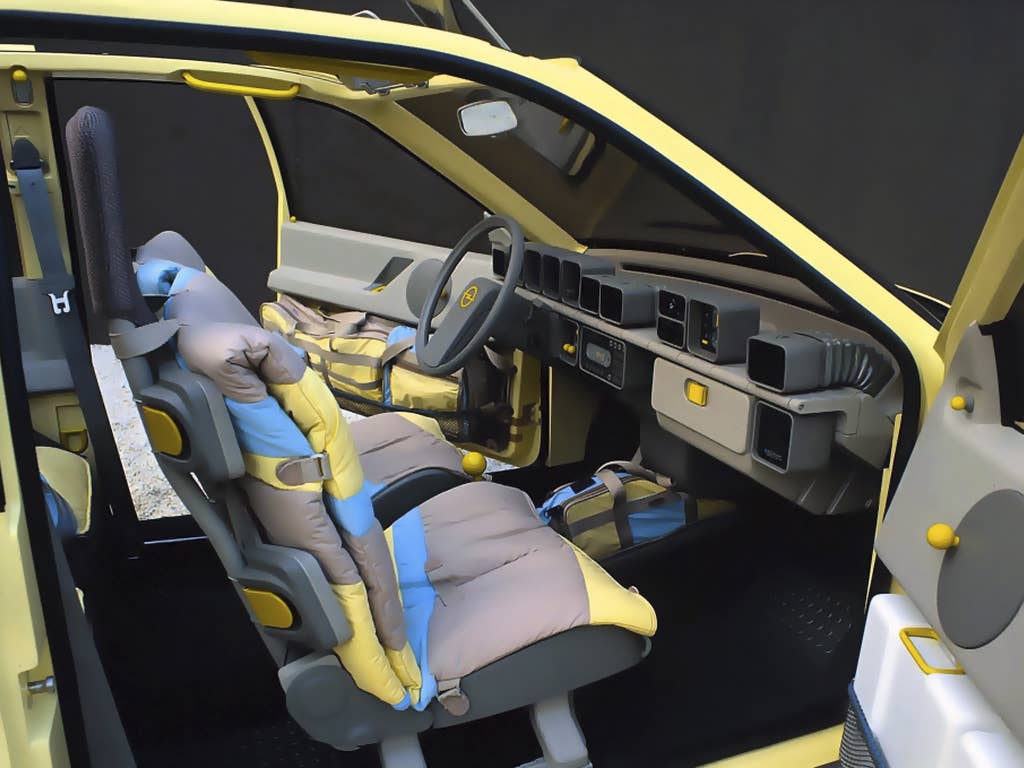
From there, Bangle made another big transition, packing his bags for Germany. Though this time, Bangle wouldn’t be headed to Munich to work for BMW. Instead, the designer worked for Opel. Here, he designed his first concept, the Open Junior. Bangle didn’t oversee the design of the exterior, pictured above, but rather took responsibility for the interior of the car. It featured this interesting block layout, and something a little ahead of its time: a radio that could be detached and used as a speaker, and elements of the dash could be physically removed and rearranged.
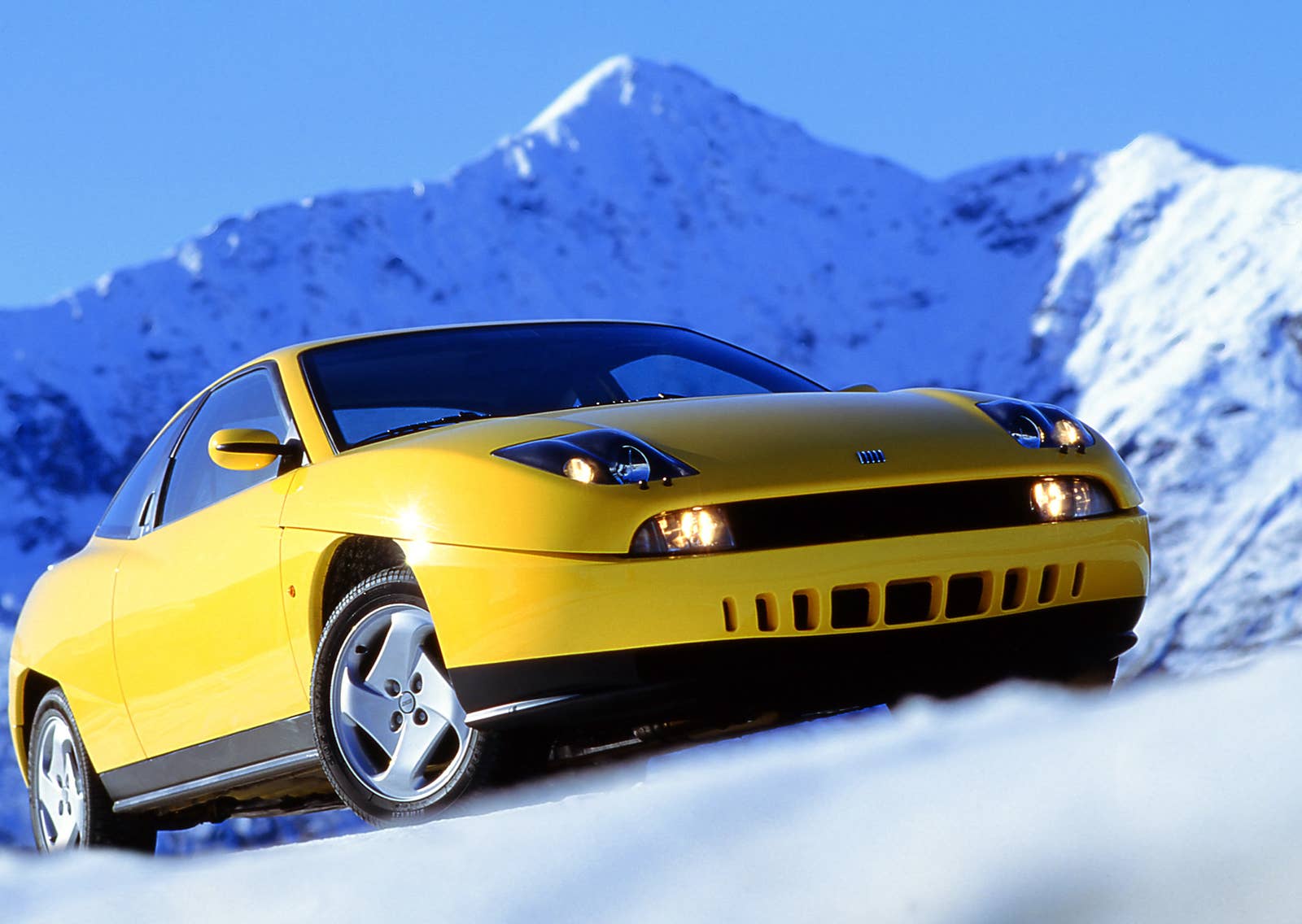
From Opel, Bangle moved over to Fiat in 1985. Here, he worked on the second-generation Panda, as well as the Fiat Coupe, where he was chief designer, and the Alfa Romeo 145.
Bangle’s BMW years
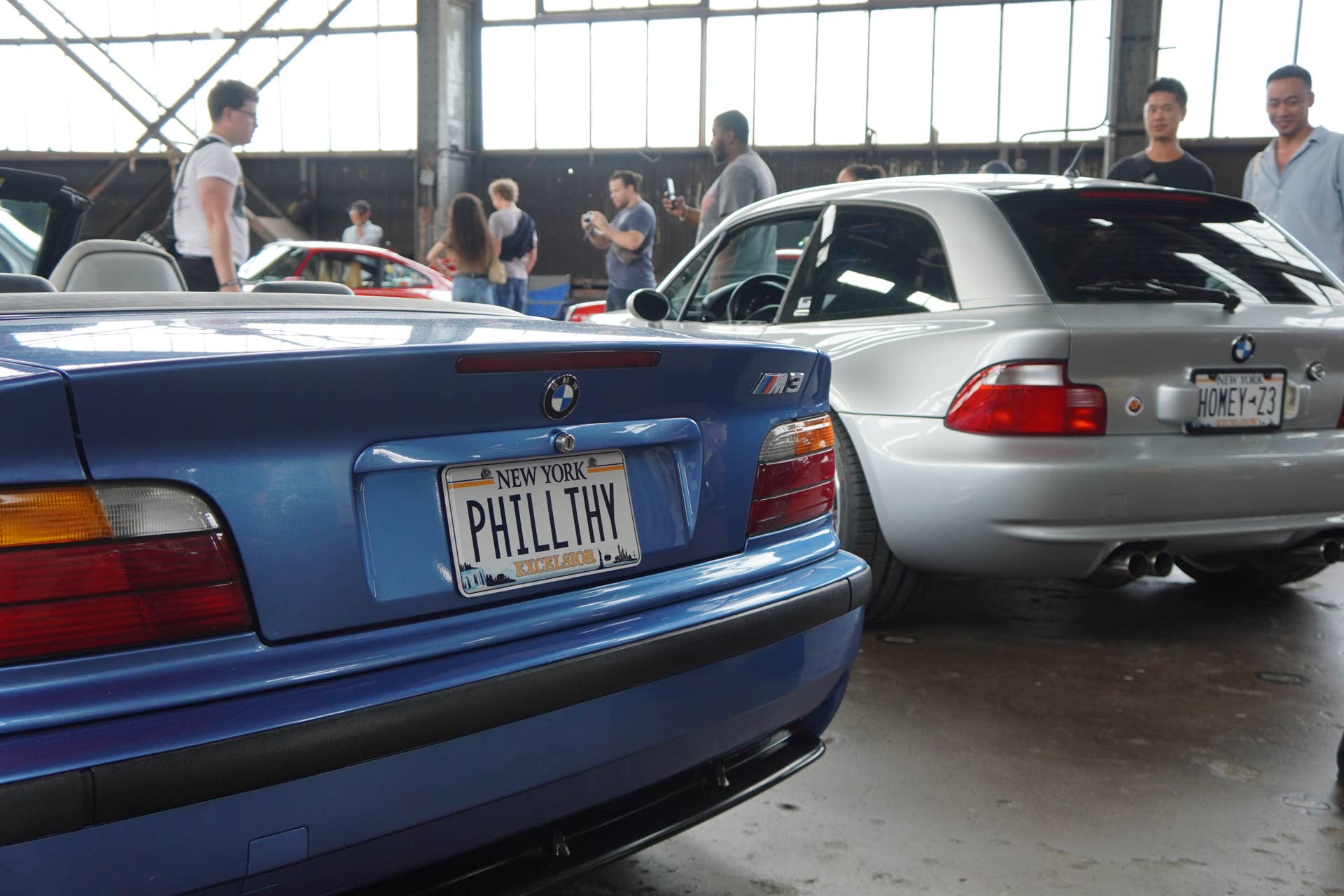
Bangle joined BMW at an interesting time. The brand was moving away from designs like the E36, towards more rounded shapes, like the E46 that succeeded it. The Z3 (pictured above next to the E36) is a perfect example, and one of the cars Bangle first helped with. Though it was penned originally by Joji Nagashima, Bangle oversaw work on the car. His first clean-sheet design was the Z9 Gran Turismo concept, and already, you could see Bangles inflences in the car. They’re even more evident in the later GINA concept. Both are massive departures from BMW’s previous influences, and intentionally so. Bangle said designs need to follow a cycle of a revolutionary generation followed by an evolutionary generation, with the cycle again repeating. Once you see this in his work, it’s impossible to miss.
Bangle’s time at BMW touched nearly every aspect of the brand’s designs, including Mini’s. Bangle was behind the “new” mini in 2000, lest we forget. Again, it was a revolution of the previous model’s design. Other notable cars penned by Bangle at BMW include the M3 and M5, the 1, 3, 5, 6, and 7 Series, the X3, X5, and X6, the GINA, and so many more.
The design philosophies that led to Bangle’s BMWs
To truly understand what shaped these things, we have to dig into why Bangle made many of the design decisions he did. He famously described his work as “flame surfacing,” but its influences in deconstructivism are clear. The postmodern architectural movement spawned designs that lacked an obvious harmony, continuity, or any real symmetry. Bangle’s designs usually buck the latter, as cars are broadly inherently similar for reasons both aesthetic and mechanical. For a good example of some deconstructivist design, look to the Walt Disney Concert Hall by Frank Gehry.
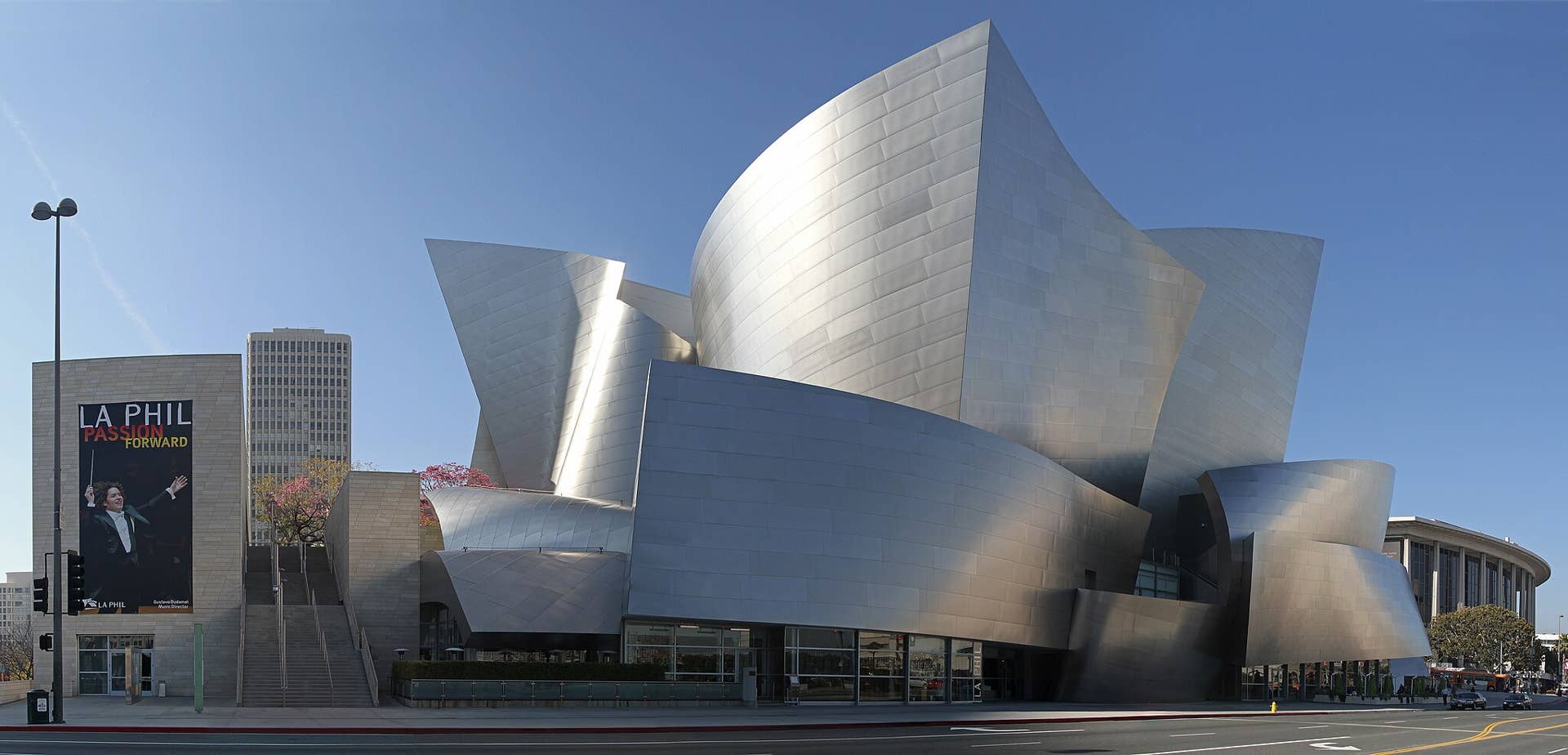
At the time, BMW had a new technology, which also shaped some of Bangle’s choices. A new 3D panel pressing technique allows for a single pressing of a piece of sheet metal with numerous compound curves in it. Bangle was able to leverage this to create unique shapes, which also led to a bit of the criticism surrounding the designer. Marc Newson, an industrial designer, described Bangle’s BMW Z4 as having been designed with a “machete.”
Despite these criticisms, Bangle’s designs shaped the brand’s look during one of its more populist eras. BMW’s from this era are still everywhere, and more than that, many of the brand’s models sold strongly despite criticism. The 7 Series, held to be a particularly horrific design of Bangle’s, became the best-selling 7 Series of all time when it concluded its Bangle-designed run.
Years later, enthusiasts have also come around on many of Bangle’s designs. For any evidence, simply take a look at second-hand values for cars like the BMW M3, M3, and Z4 M from this era. Not only were these cars powered by BMW’s best-ever naturally-aspirated engines, but their design is also now being more broadly appreciated for the muscular stance and fluid look the designer’s techniques lent them. If anything, Bangle’s designs are proof that all that anything needs to overcome a little controversy is time. We’re quick to forget and even faster to gaze back at something in nostalgia.
About the author

Chase Bierenkoven
Senior Editor, Autoblog