
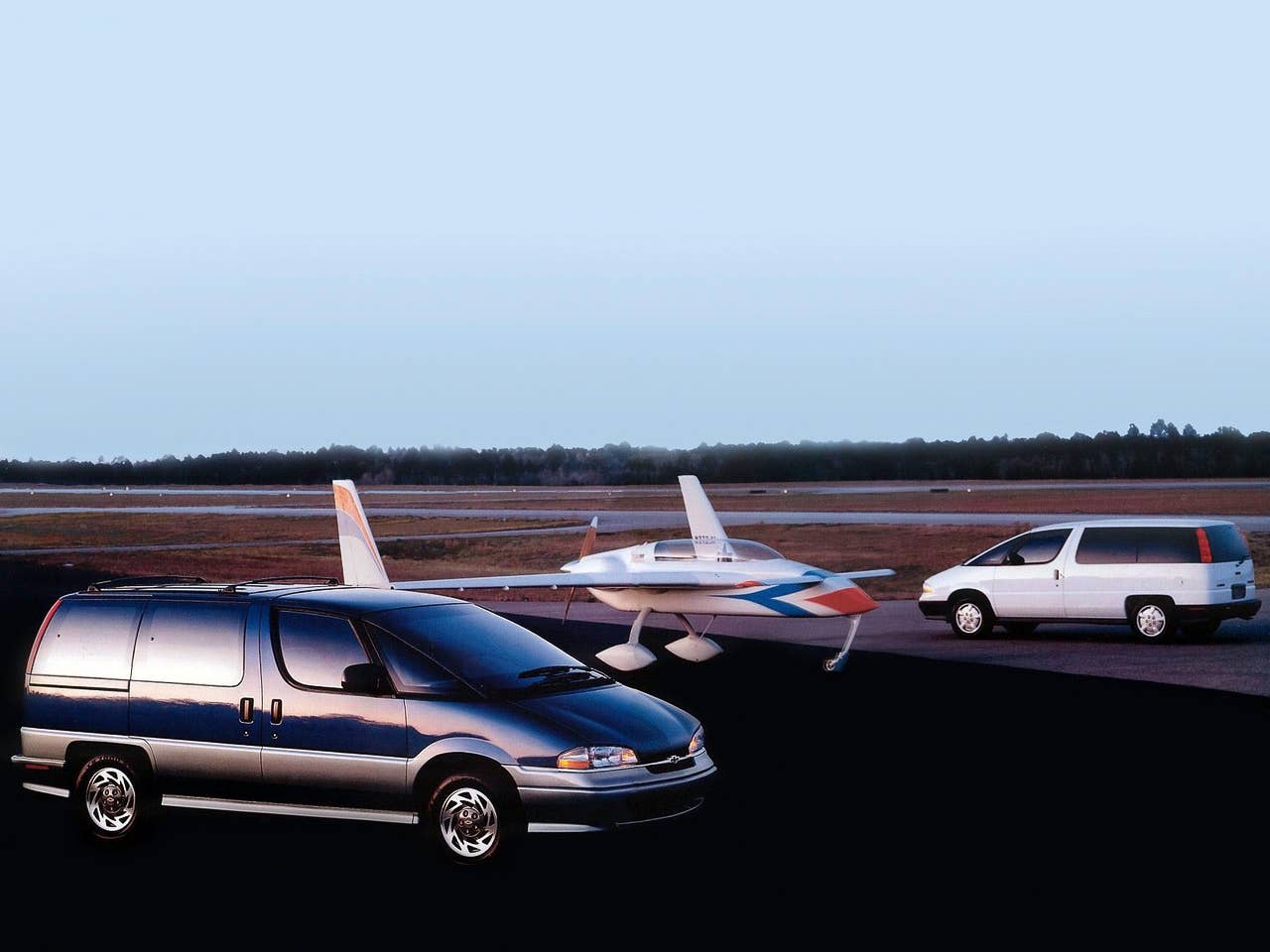
Remember the Lumina APV? GM’s weird, ahead-of-its-time van?
Endearingly nicknamed the “Dustbuster” for its quirky yet charming body lines, the Chevrolet Lumina APV (alongside the Oldsmobile Silhouette and the Pontiac Trans Sport) served as General Motors’ signature minivan offering throughout the 1990s. Despite its bold design, the Lumina APV struggled to hold its own in a segment littered with far more conventionally styled rivals from a vast array of automakers, most notably the Dodge Caravan and the Ford Aerostar. Nowadays, though, it’s become a certified cult classic, revered by fans for its ahead-of-its-time design, its strong durability, and its undervalued versatility. Now that the car-buying world has finally come around to favoring bold, statement-driven designs over sedate conservatism, something as quirky and innovative as the Lumina APV could shine brightly as vans begin to regain their desirability in the marketplace.
Although it seemed for a while as if minivans were a dying breed, some manufacturers seem to have cracked the code for what buyers want from their versatile MPVs in the modern era. As the market shifts towards adventure-ready vehicles that support the lifestyles of the digitally nomadic, vans that offer long-distance durability and palatial cabins that can fit everything from windsurf boards to a family of seven are becoming increasingly desirable and remarkably valuable. It seems that Chevrolet has taken note, and a new minivan destined for America is allegedly on its way from the bowtie brand.
Hyundai
Why a rebadged Staria makes sense for Chevrolet right now
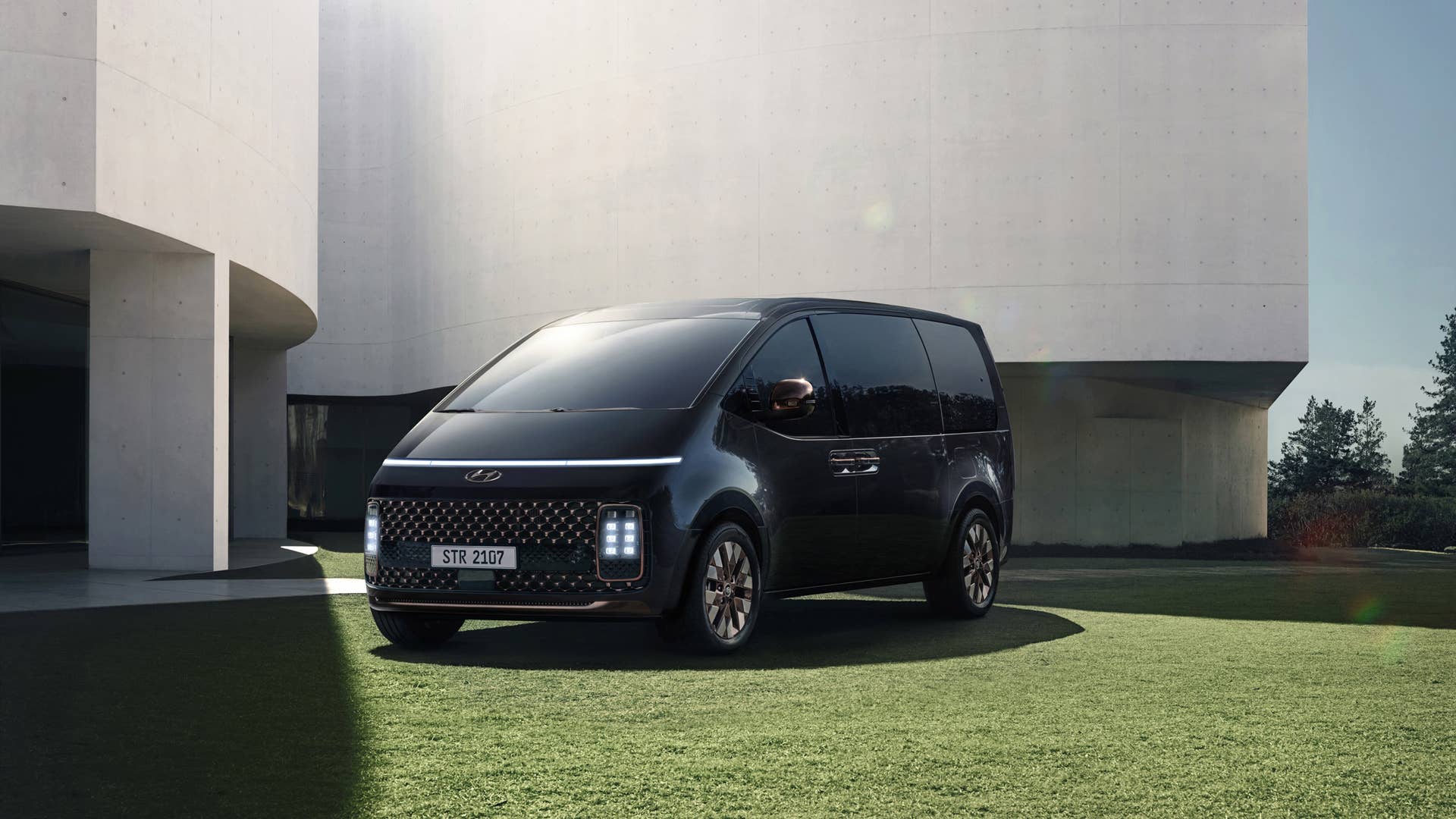
According to our very own Max Taylor, Chevrolet’s next minivan could be a rebadged Hyundai Staria. “The move comes as GM deepens its product-sharing alliance with Hyundai, with five co-developed vehicles planned by 2028,” says Taylor, referring to Hyundai’s Staria minivan, which is currently being sold in Asia and Europe. It’s unclear exactly how Chevrolet plans to market the van. While a commercially-focused angle seems inevitable, as the Staria already serves as a trusty work van across the globe, and Chevrolet desperately needs a replacement for its aging Express van and the discontinued City Express, I can’t help but believe that Chevrolet would be missing out on a significant opportunity if the automaker neglected to offer civilian-focused variants of the well-loved minivan.
Cole Attisha Using Gemini 3 Pro, Midjourney 7.0, and Adobe Photoshop
What a modern Lumina APV could look like
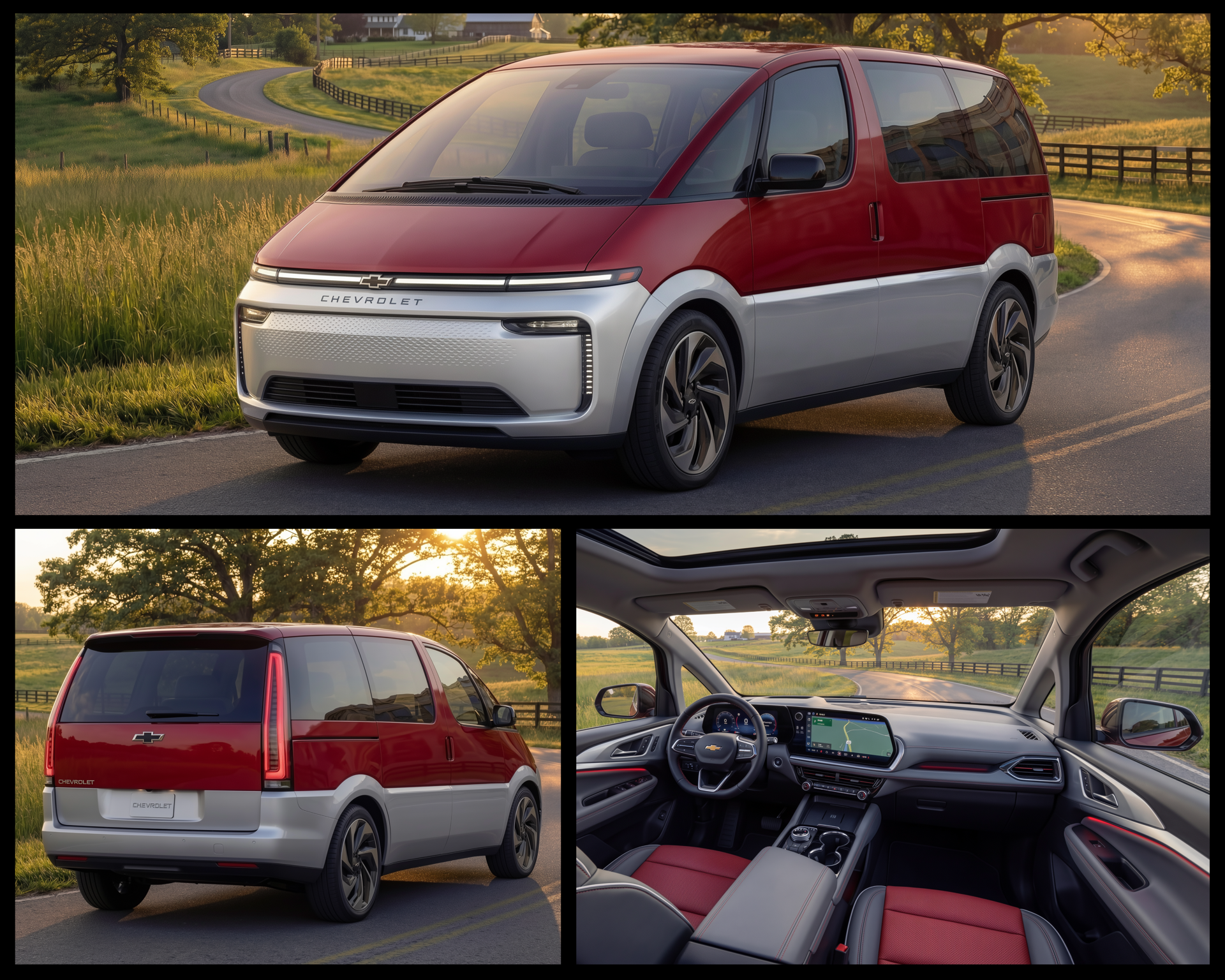
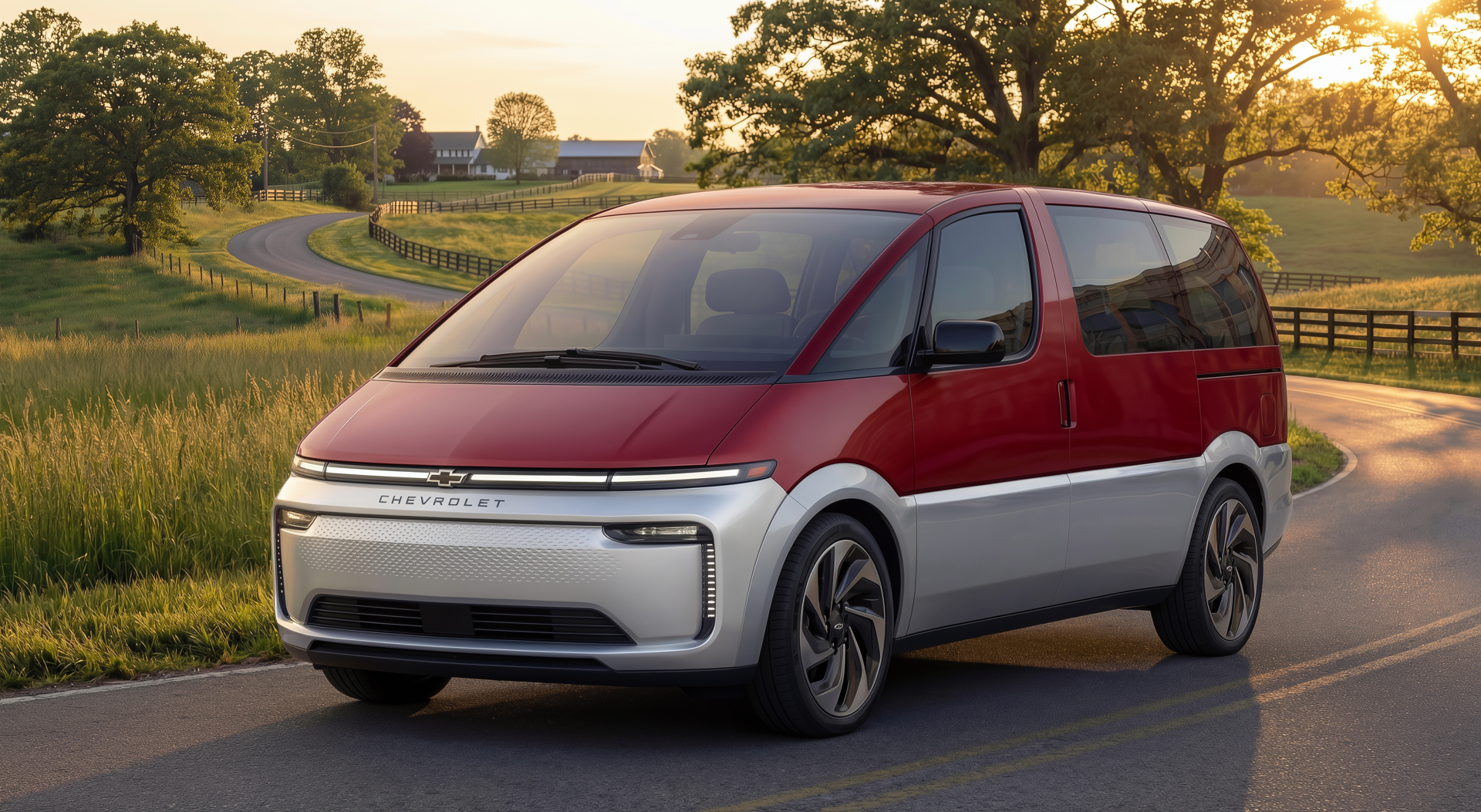
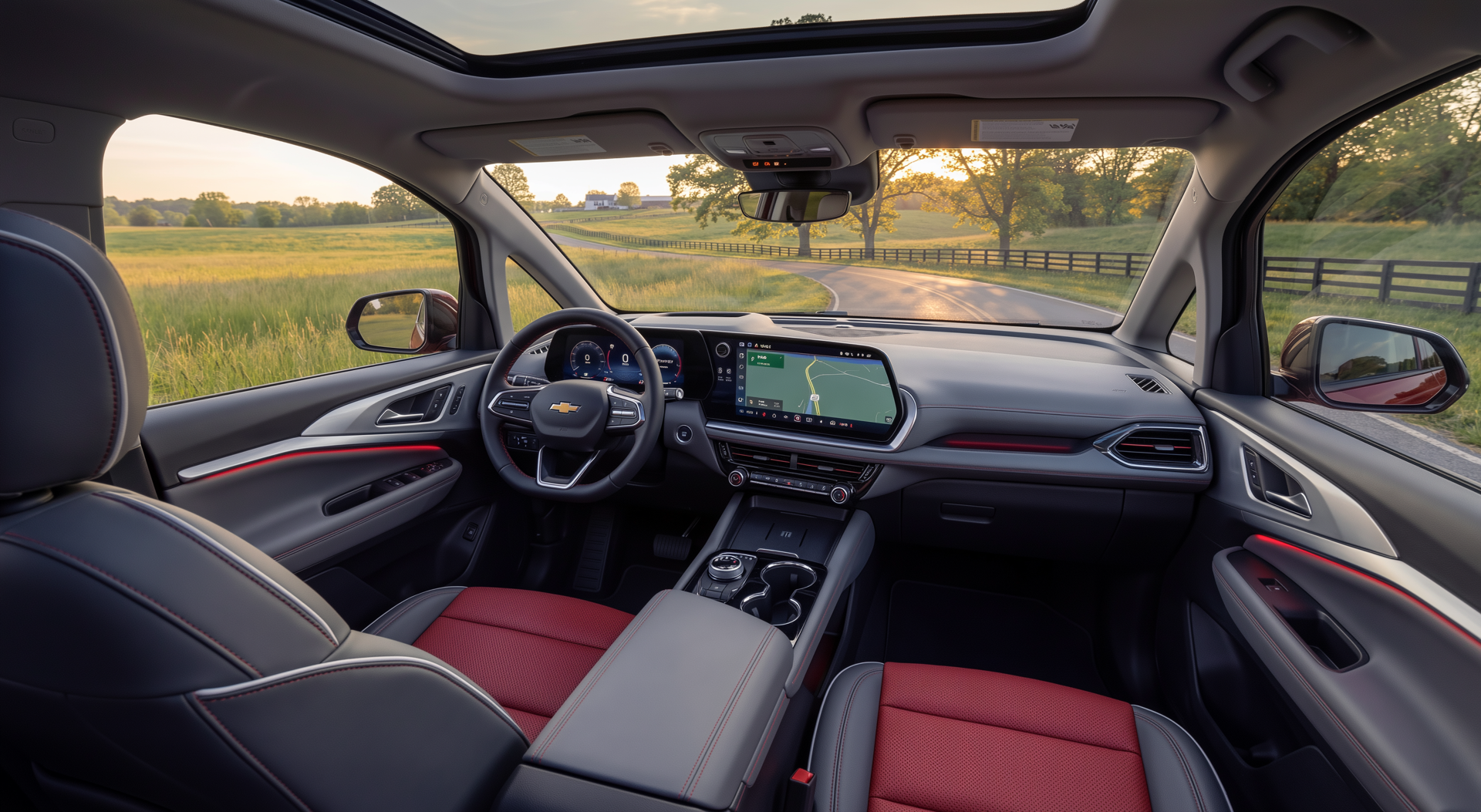
First of all, the Hyundai Staria looks incredible when reworked as a Chevrolet Lumina APV, especially with its signature window lines, as seen in these renders I’ve developed with the help of Gemini 3 Pro, Midjourney 7.0, and Adobe Photoshop. Capitalizing on the recent cult-classic following of “Dustbuster” MPVs amid a resurgence in van culture could be a smart bet for Chevrolet. Its quirky window lines, charming two-tone paint schemes, and unique body shape could make a revived Lumina APV an eye-catching offering that could hold its own against the likes of the Chrysler Pacifica, Toyota Sienna, and Honda Odyssey.

Cole Attisha Using Gemini 3 Pro, Midjourney 7.0, and Adobe Photoshop
Powertrains, pricing, and practicality: What it would need
Although the Hyundai Staria is available overseas with the buyer’s choice of either a 3.5-liter V6 or a 2.2-liter turbodiesel four-cylinder, Motor Trend’s Billy Rehbock claims that the turbocharged 1.6-liter hybrid powertrain from the Tucson Hybrid is a more likely candidate for American-bound Staria-based vans. Alternatively, an all-electric variant of the allegedly upcoming minivan could offer buyers a petrol-free ownership experience. According to The Korean Car Blog, a fully electric Hyundai Staria is reportedly on its way, and it could pack a 99 kWh battery. Potentially offering a naturally aspirated V6, a turbocharged hybrid four-cylinder, and all-electric power could diversify the Lumina APV’s market appeal, giving buyers a powertrain choice tailored to their preferences.
Cole Attisha Using Gemini 3 Pro, Midjourney 7.0, and Adobe Photoshop
Final thoughts: Would American buyers accept it?
Whereas the Hyundai Staria is weird, futuristic, and designed for overseas markets, the Chevrolet Lumina APV evokes nostalgia, transforming its quirkiness from off-putting to endearing. If Chevrolet does decide to offer a civilian-focused version of the rebranded Hyundai Staria it’s reportedly working on, marketing it as a revived Lumina APV could be the perfect way to get buyers excited about an otherwise relatively mundane and utility-focused product.
Do you think Chevrolet should revive the now-beloved Lumina APV as a rebranded Hyundai Staria? Do you believe Chevrolet should keep producing the now three-decade-old Express van instead? Perhaps you feel Chevrolet should give up on building vans altogether? Feel free to share your thoughts in the comments!
About the author

Cole Attisha
Staff Writer, Autoblog