
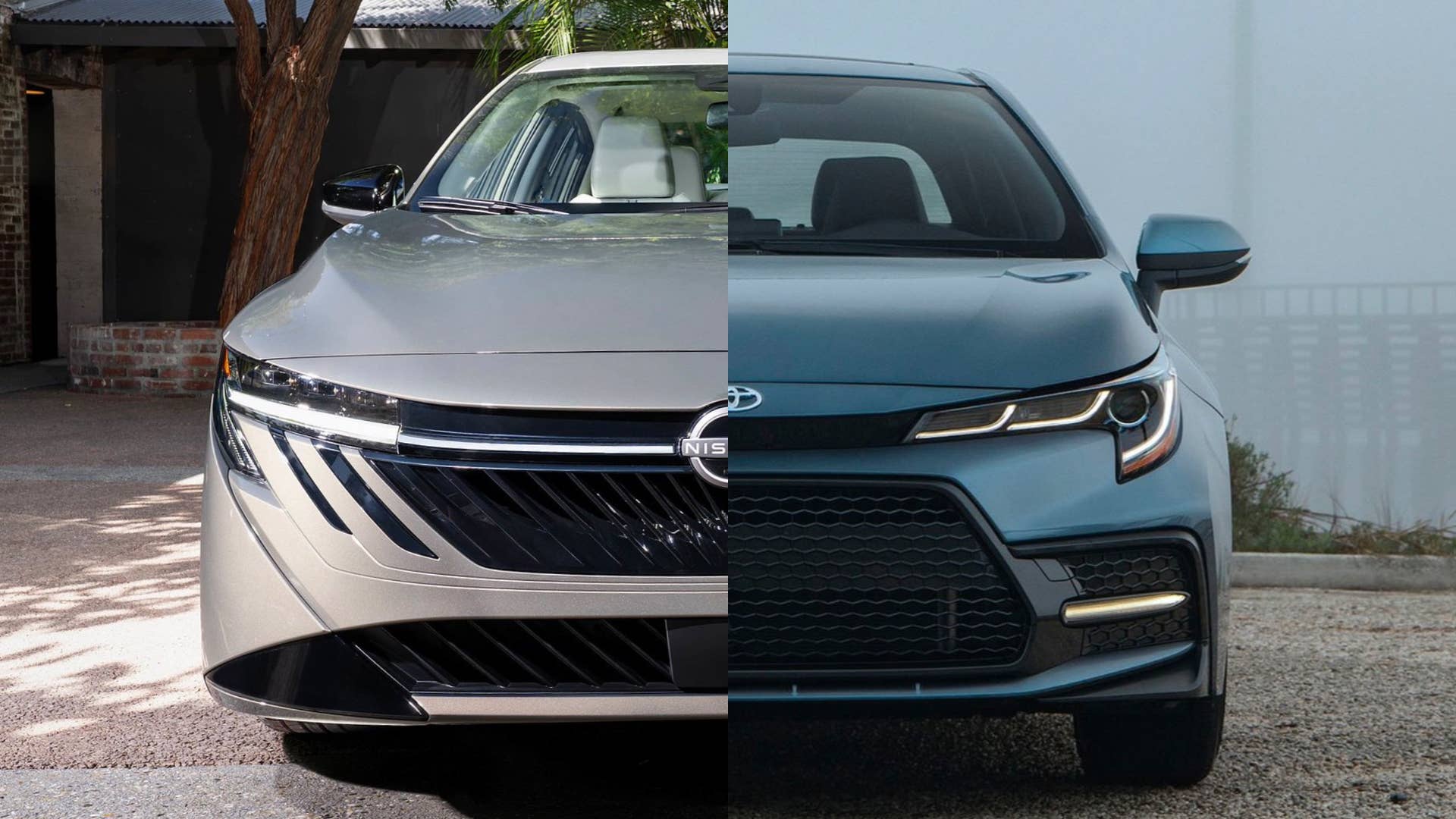
No fluff, just data: Which Japanese budget sedan comes out on top?
Buying a new car is very often an emotionally charged experience and your decision can easily be decided by brand cachet, design, or even nostalgia if a certain model has been in the family for years. However, in the budget segment, a more rational approach is often preferred. Customers looking to maximize a limited budget are more likely to put aside their dream car for something that best gets the job done. With that in mind, can the cheapest Nissan in America outclass the cheapest Toyota on paper? This comparison between the most affordable Sentra and Corolla will help us answer that.
Cheapest Nissan Vs. Cheapest Toyota: How Much Are They?
Nissan
Nissan
Toyota
Toyota
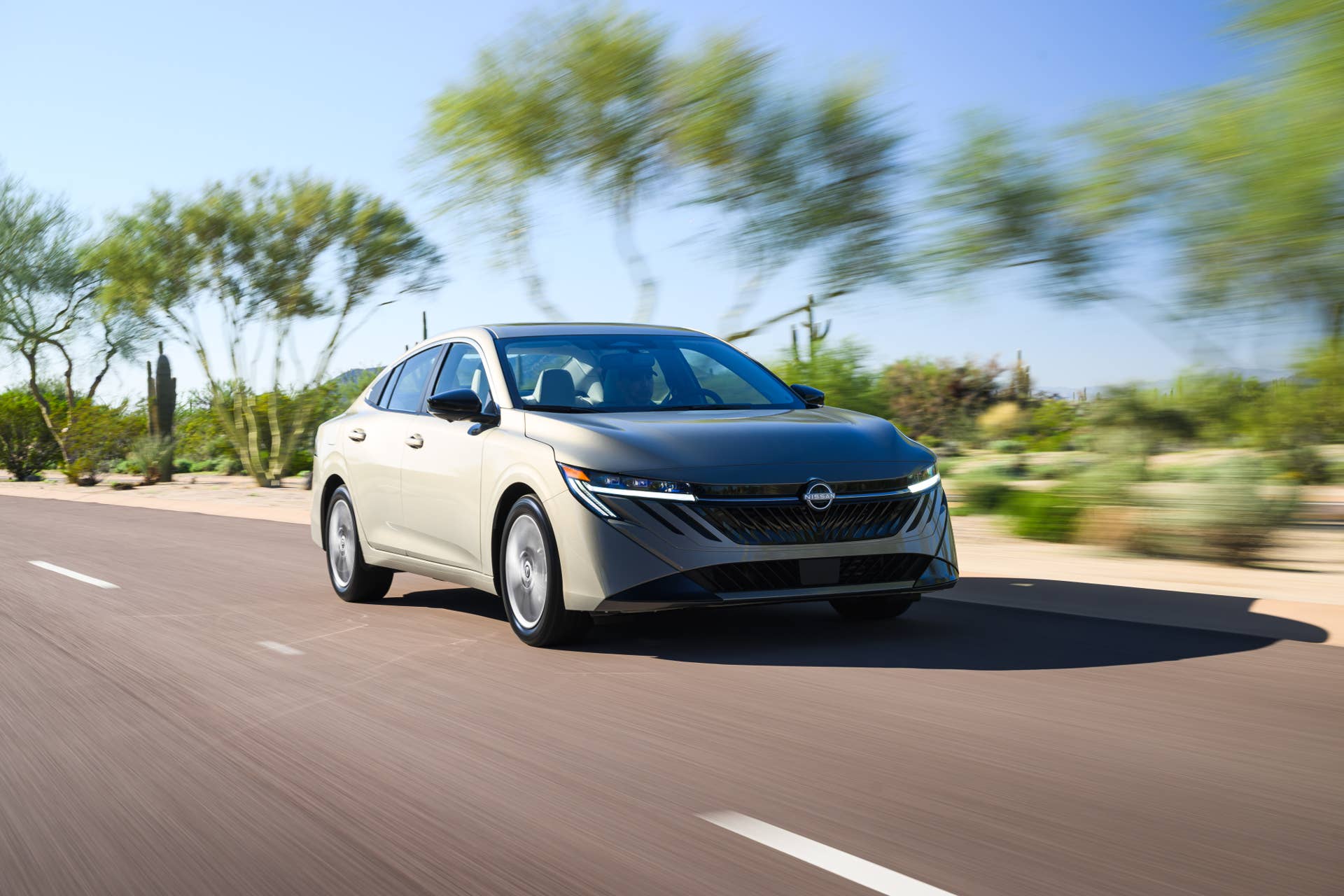
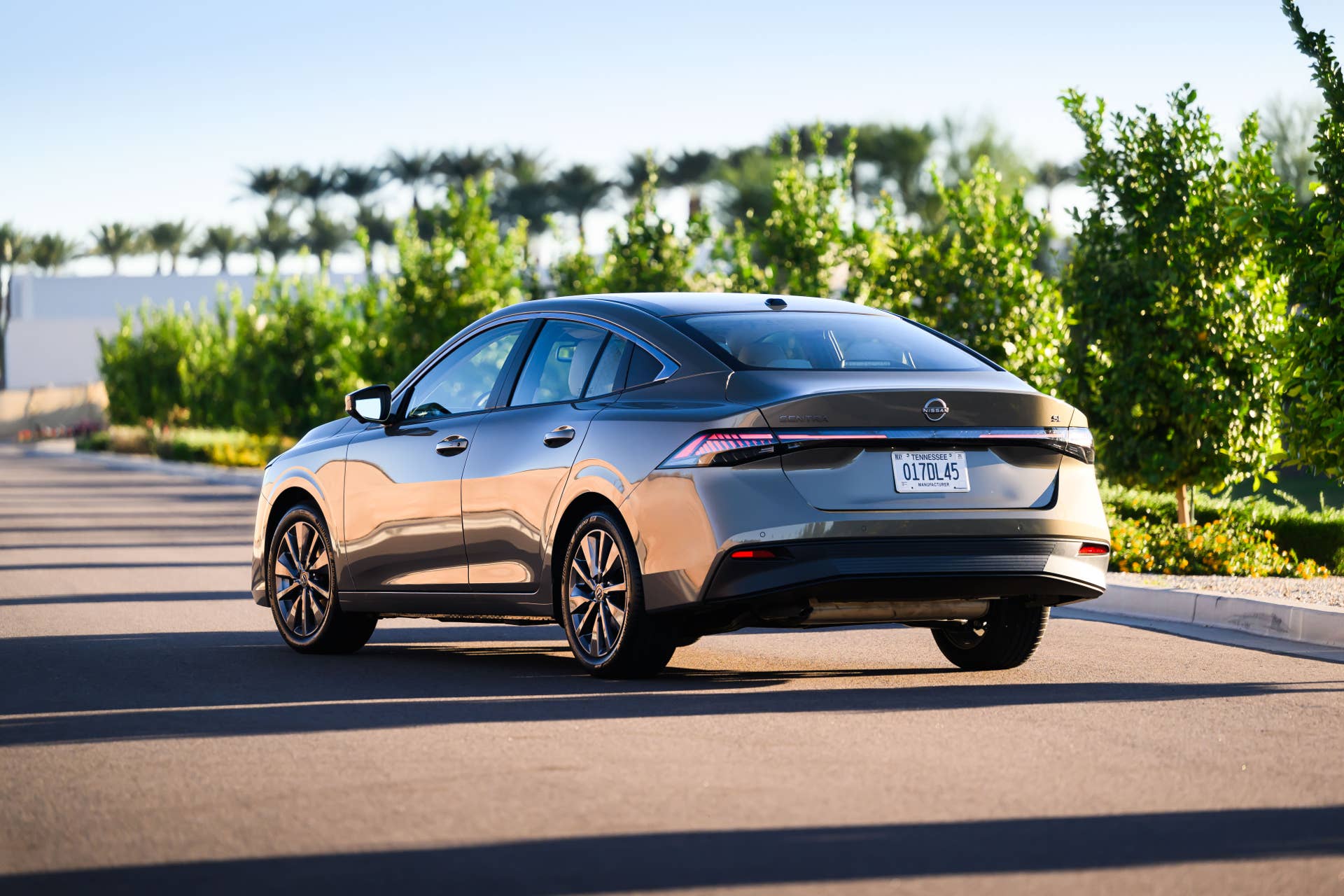
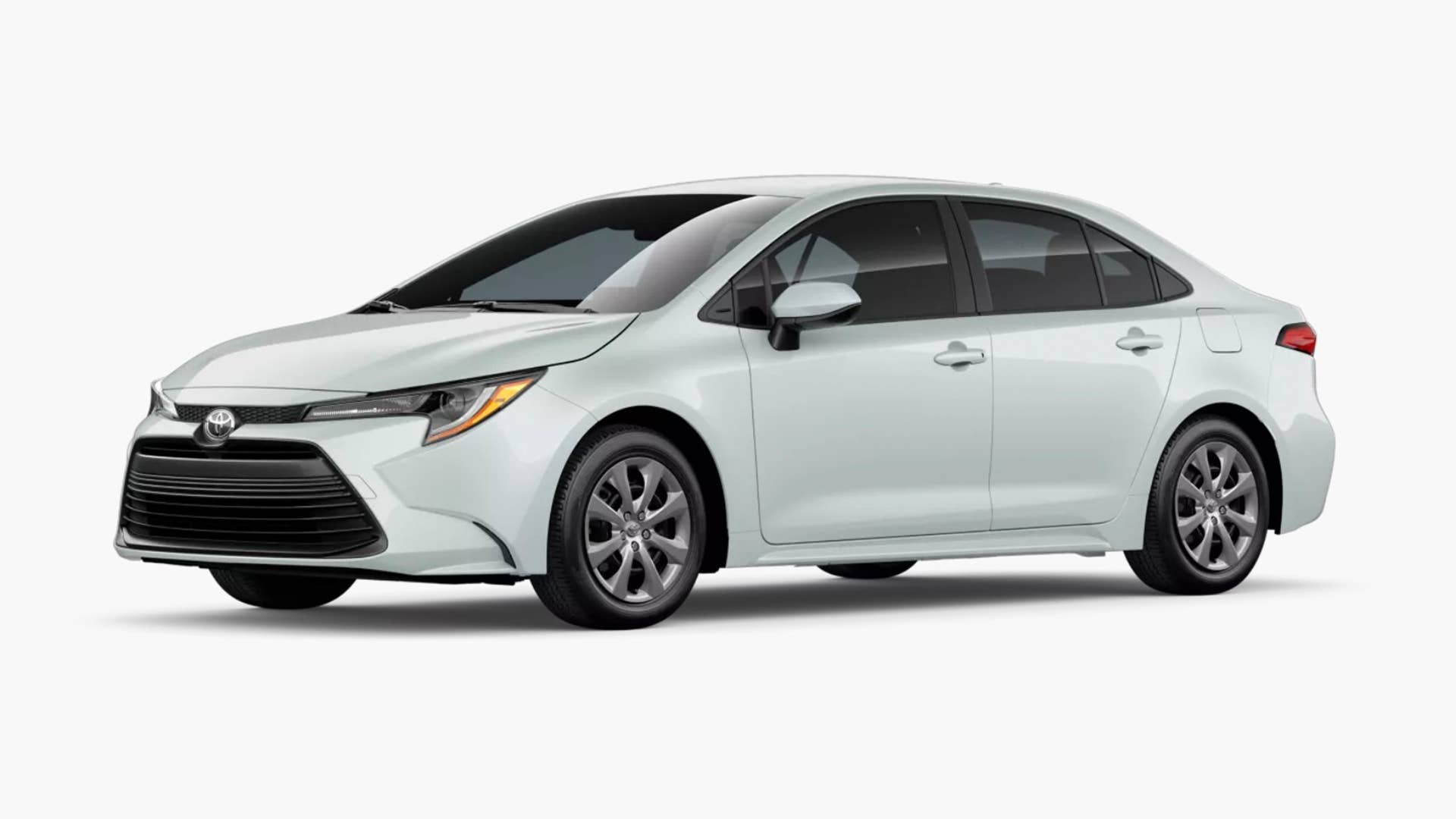
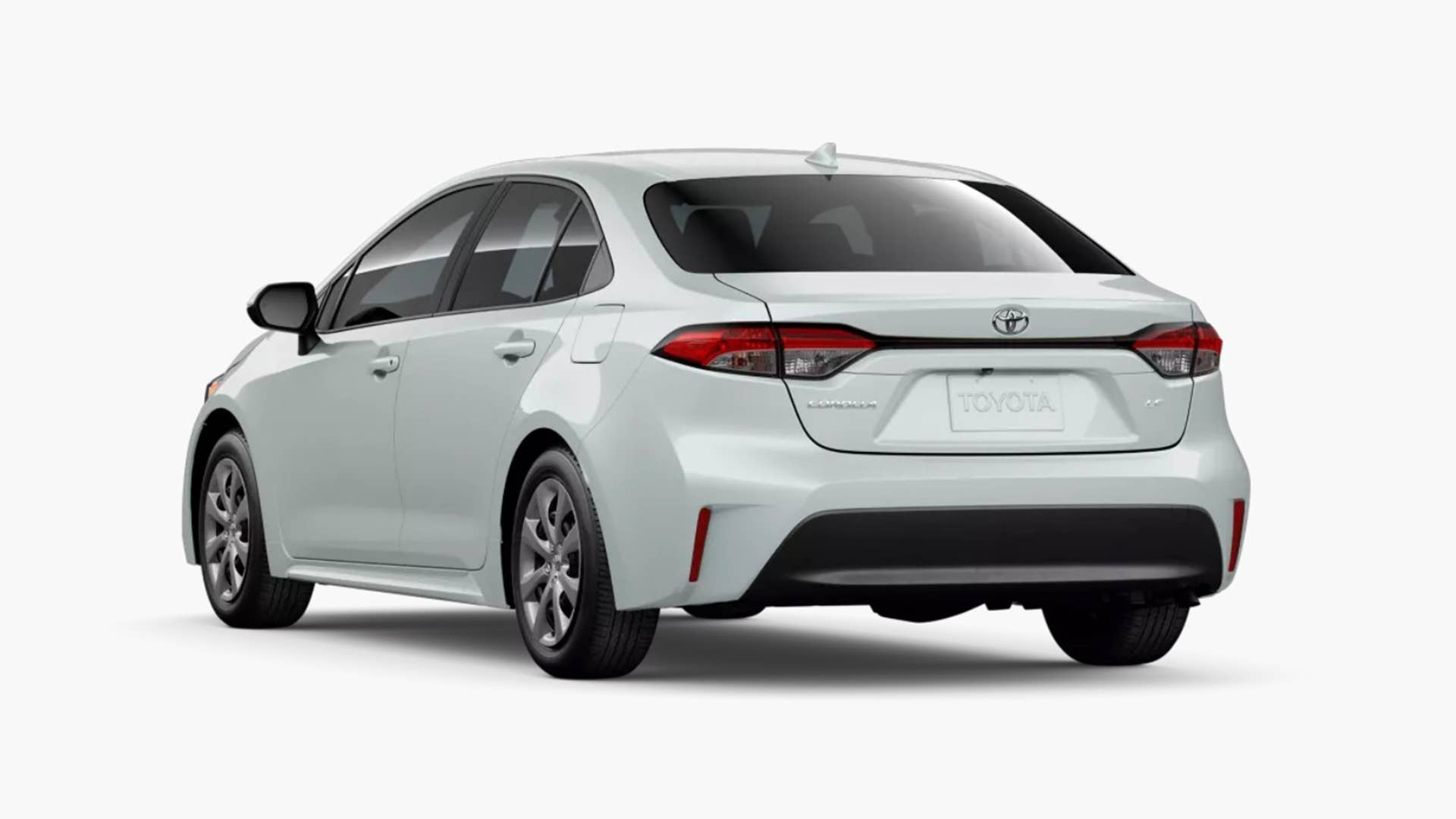
We’ll start with pricing as this sets the tone for everything else that’s to come. Following the demise of the Versa, the Sentra—which entered a new generation for the 2026 model year—became Nissan’s cheapest car. For Toyota, its cheapest new car has been the Corolla for some time.
| Nissan Sentra S | Toyota Corolla LE | |
| Base price | $22,600 | $23,125 |
| Destination charge | $1,245 | $1,295 |
| Total | $23,845 | $24,420 |
Including the destination charges, the Toyota is pricier by $575. That’s not a huge difference, but it’s notable since the Sentra is a much newer design. The latest Nissan Sentra was introduced in 2025, whereas the current Toyota Corolla has been in production since 2019.
Performance and Efficiency
Nissan
Toyota
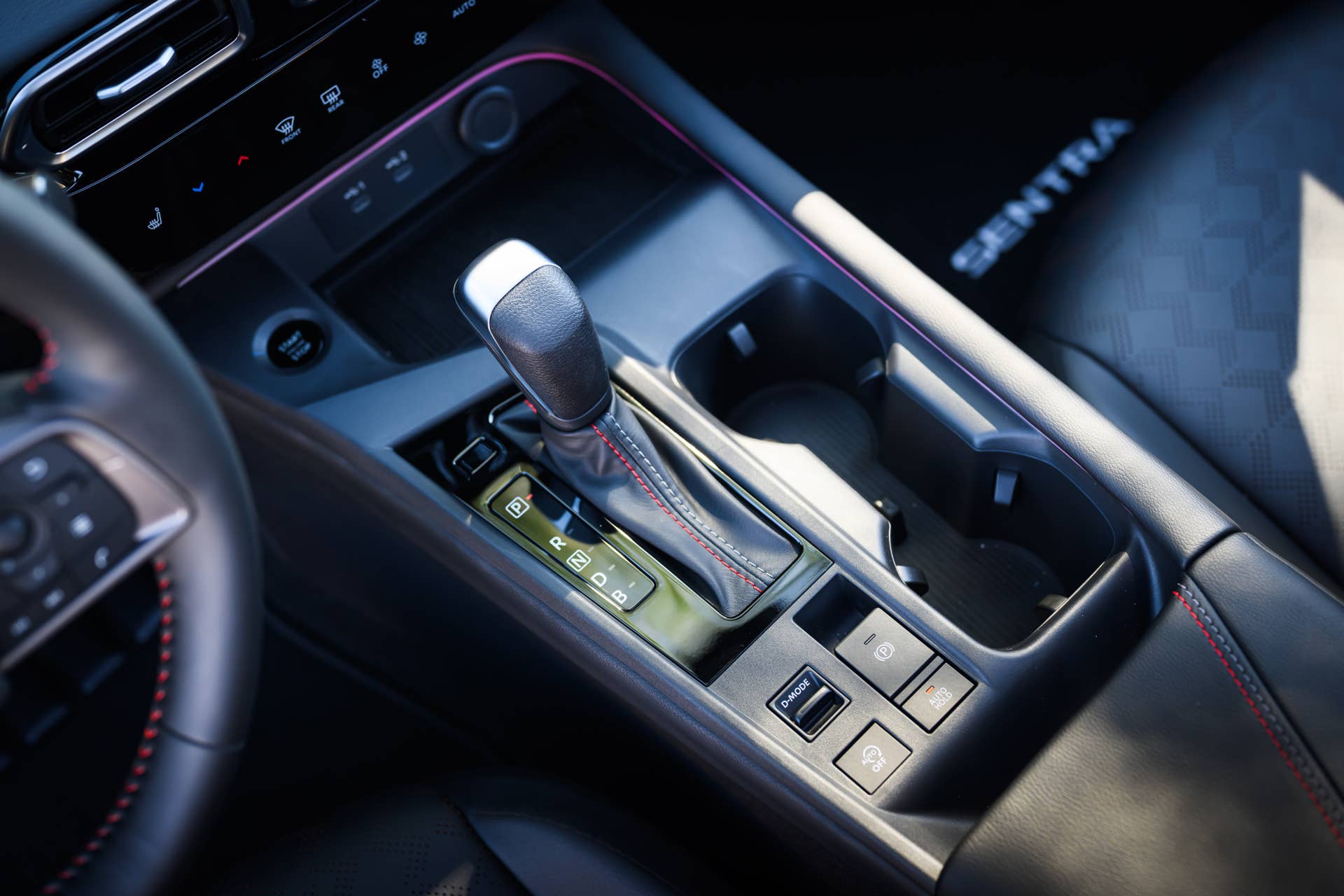
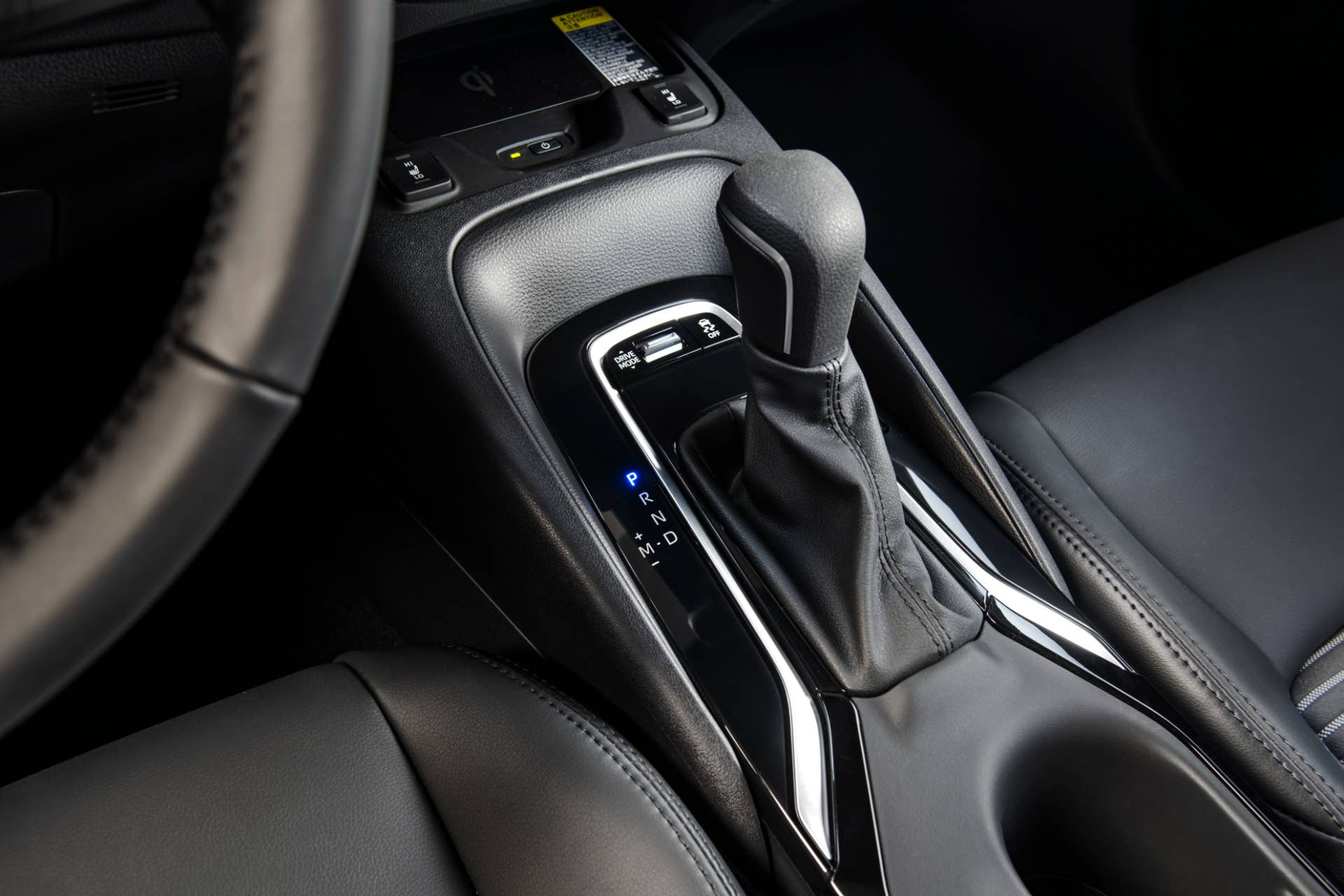
Both cars emphasize durability and efficiency over outright performance. They each have naturally aspirated four-cylinder engines with CVTs and limited performance, although one is quicker than the other.
| Nissan Sentra S | Toyota Corolla LE | |
| Engine | 2.0L I4 | 2.0L I4 |
| Horsepower | 149 hp | 169 hp |
| Torque | 146 lb-ft | 151 lb-ft |
| Drivetrain | FWD | FWD |
| Transmission | CVT | CVT |
| 0-60 mph | 8.3-9.1 seconds | 8 seconds |
| EPA rating (city/highway/combined) | 30/38/33 mpg | 32/41/35 mpg |
Neither car is quick, but the Corolla came out on top in Car and Driver testing. The 0-60 mph times need some explanation, though. The Corolla’s eight-second run was completed in an XSE variant, not the base LE, although both have the same powertrain. The Nissan Sentra S wasn’t tested specifically, while SL and SR models returned different times of 8.3 and 9.1 seconds, respectively. These Sentra models all have the same powertrain so the different 0-60 times are difficult to explain. That said, the Corolla’s extra power generally delivers quicker acceleration.
The Corolla is also more economical, netting an extra 2 mpg on the combined cycle. In terms of performance and efficiency, the Toyota edges the cheapest Nissan model.
Standard and Optional Features
Nissan
Toyota
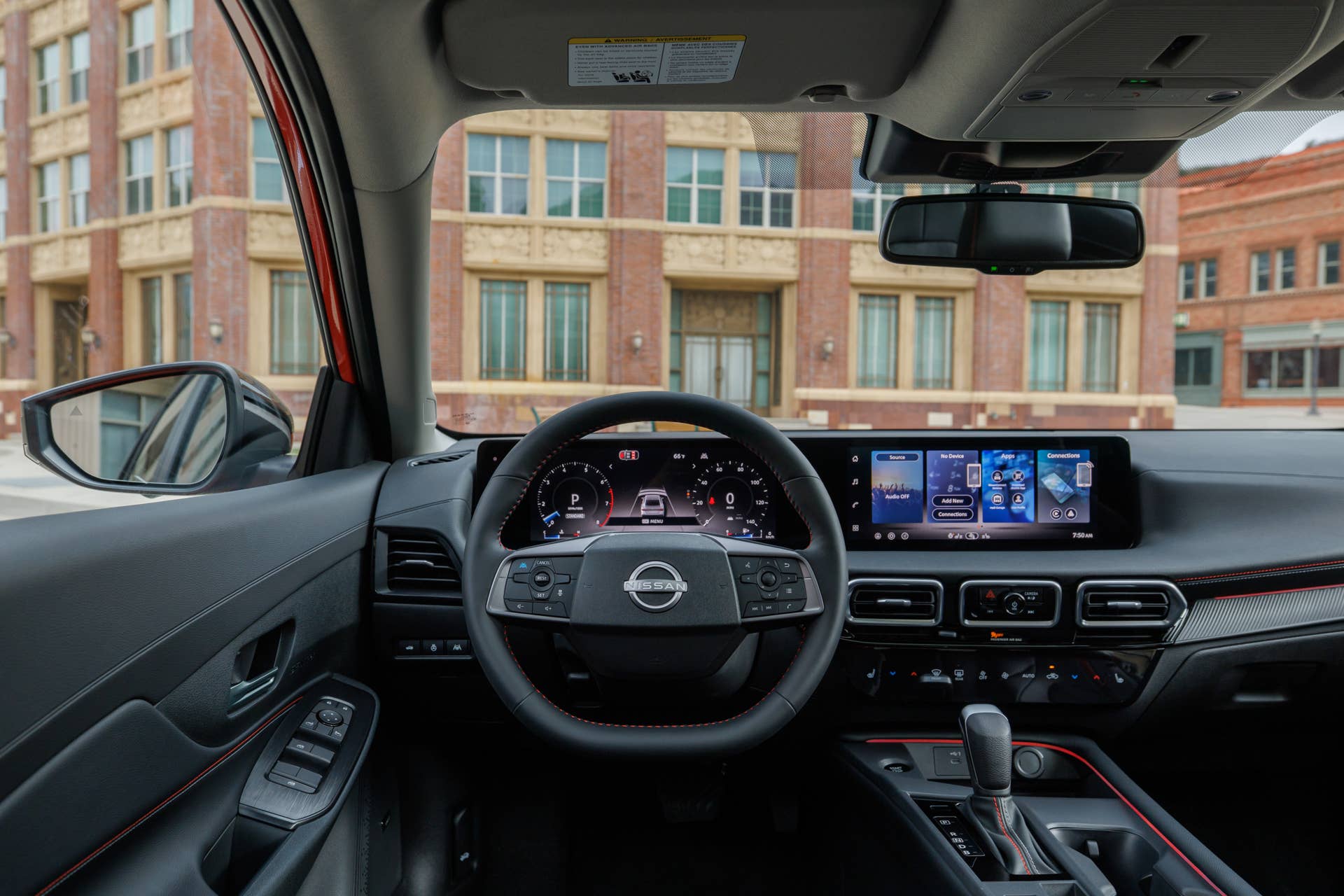
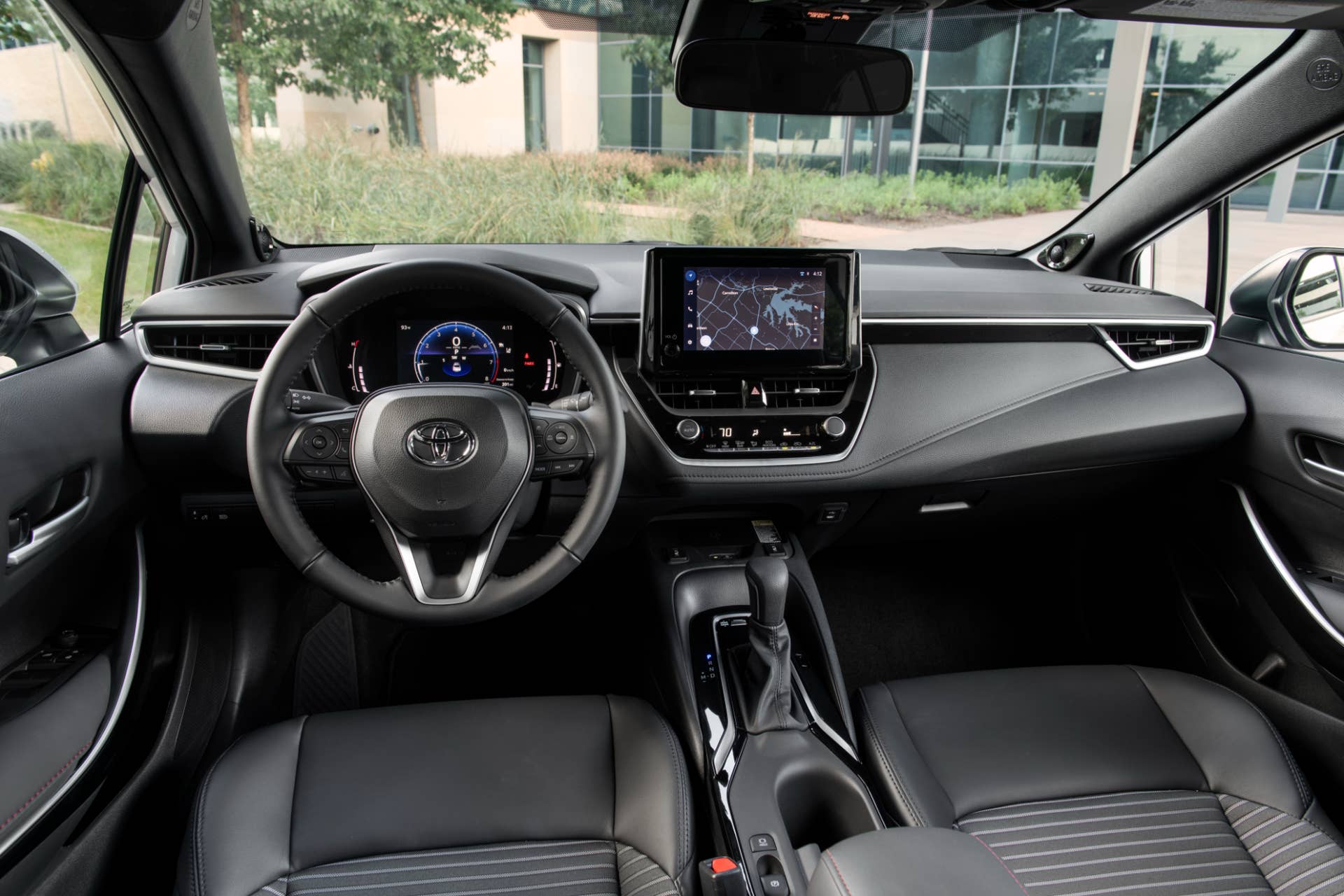
Being the base trims, it’s understandable that the Sentra S and Corolla LE (note that these specific trims are not pictured here) miss out on some of the most desirable amenities. Here’s an overview of their standard and optional features.
| Nissan Sentra S | Toyota Corolla LE | |
| Wheels | 16-inch steel with covers | 16-inch steel with covers |
| LED headlights and taillights | S | S |
| Automatic climate control | N/A (Manual air conditioning only) | S |
| Cloth upholstery | S | S |
| Heated front seats | O | N/A |
| Speakers | 4 | 6 |
| Touchscreen | 12.3 inches | 8 inches |
| Wireless Apple CarPlay/Android Auto | S | S |
| USB ports | 3 | 4 |
| Wireless device charging | N/A | O |
| Adaptive cruise control | S | S |
| Blind-spot warning | S | S |
| Lane departure warning | S | S |
| Airbags | 10 | 10 |
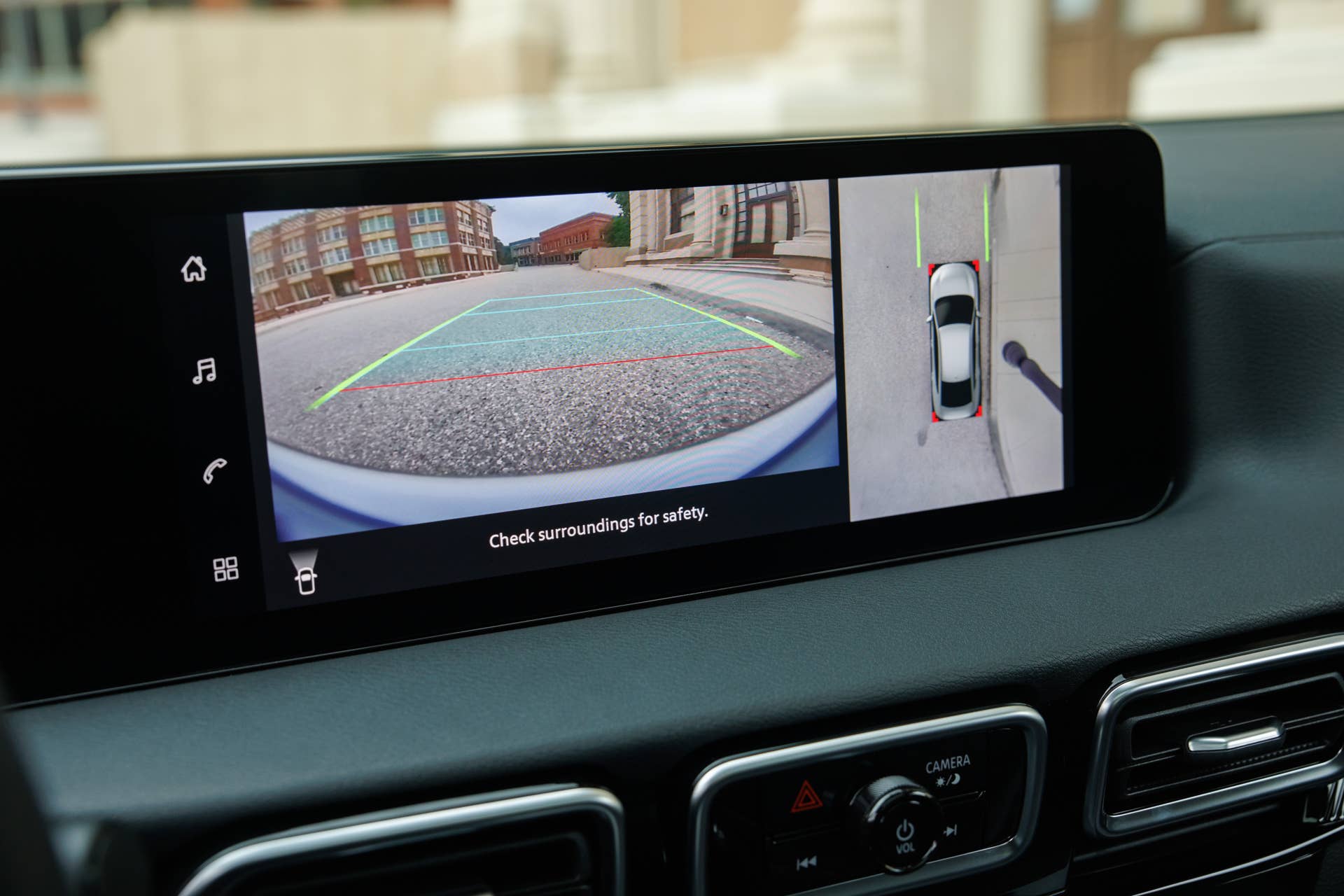
There’s not much in it between these two. Materials are solid but basic and safety specifications are comparable. The Toyota gets automatic climate control, while the cheapest new Nissan has bigger touchscreen and digital instrument displays, making its interior feel more modern.
Nissan
These are entry-level vehicles so neither one offers a mass of options. Besides, that defeats the purpose of paying as little as possible. The Sentra S is available with a Cold Weather Package which adds heated front seats and heated mirrors for $500—if you tick this box, the Nissan is still cheaper than the Toyota.
The Corolla is a bit more customizable. It’s offered with the more comprehensive LE Premium Package for $1,135, adding items like alloy wheels, wireless charging, and a Smart Key System.
This category is close enough to be a tie.
Passenger and Cargo Space
Nissan
Toyota
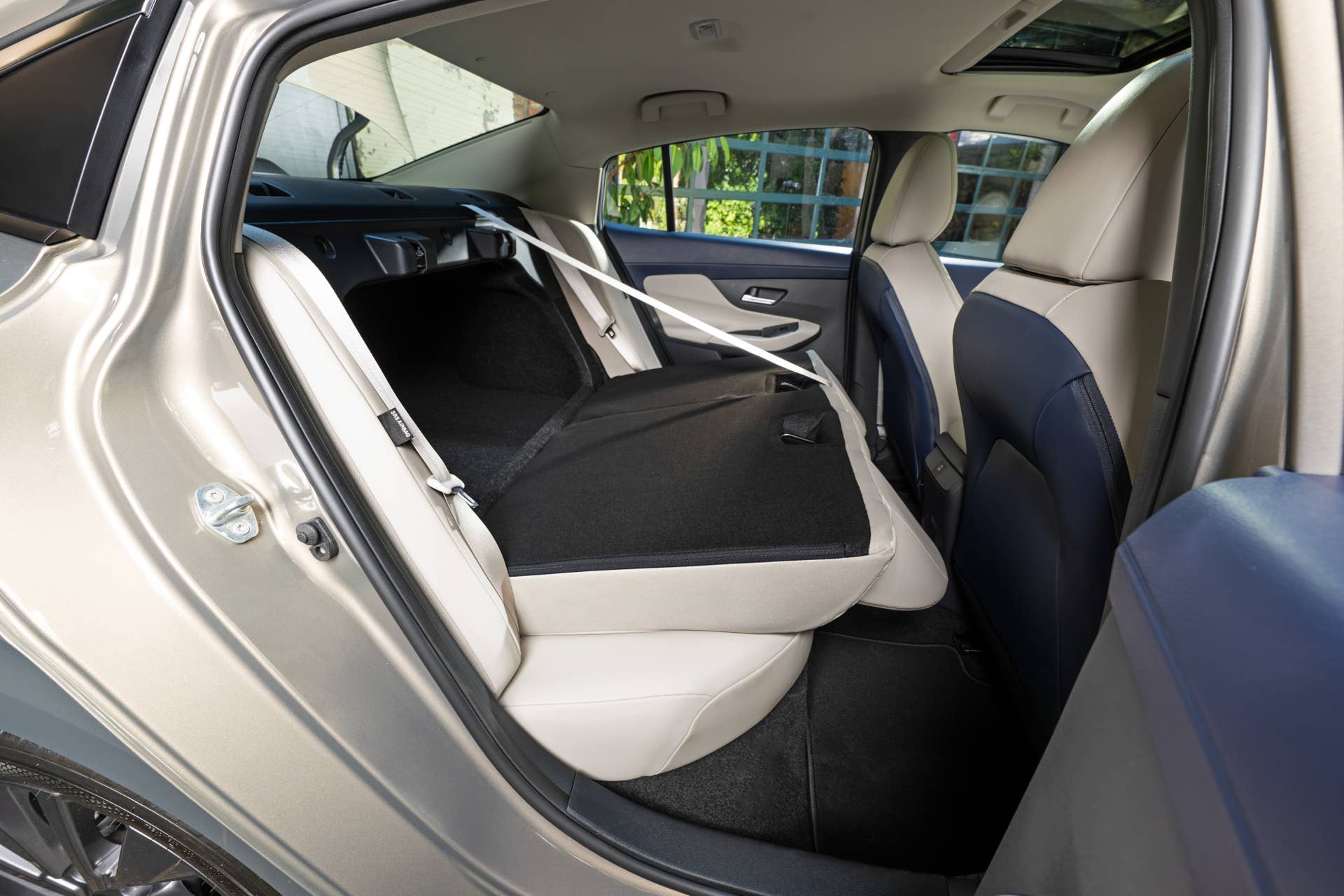
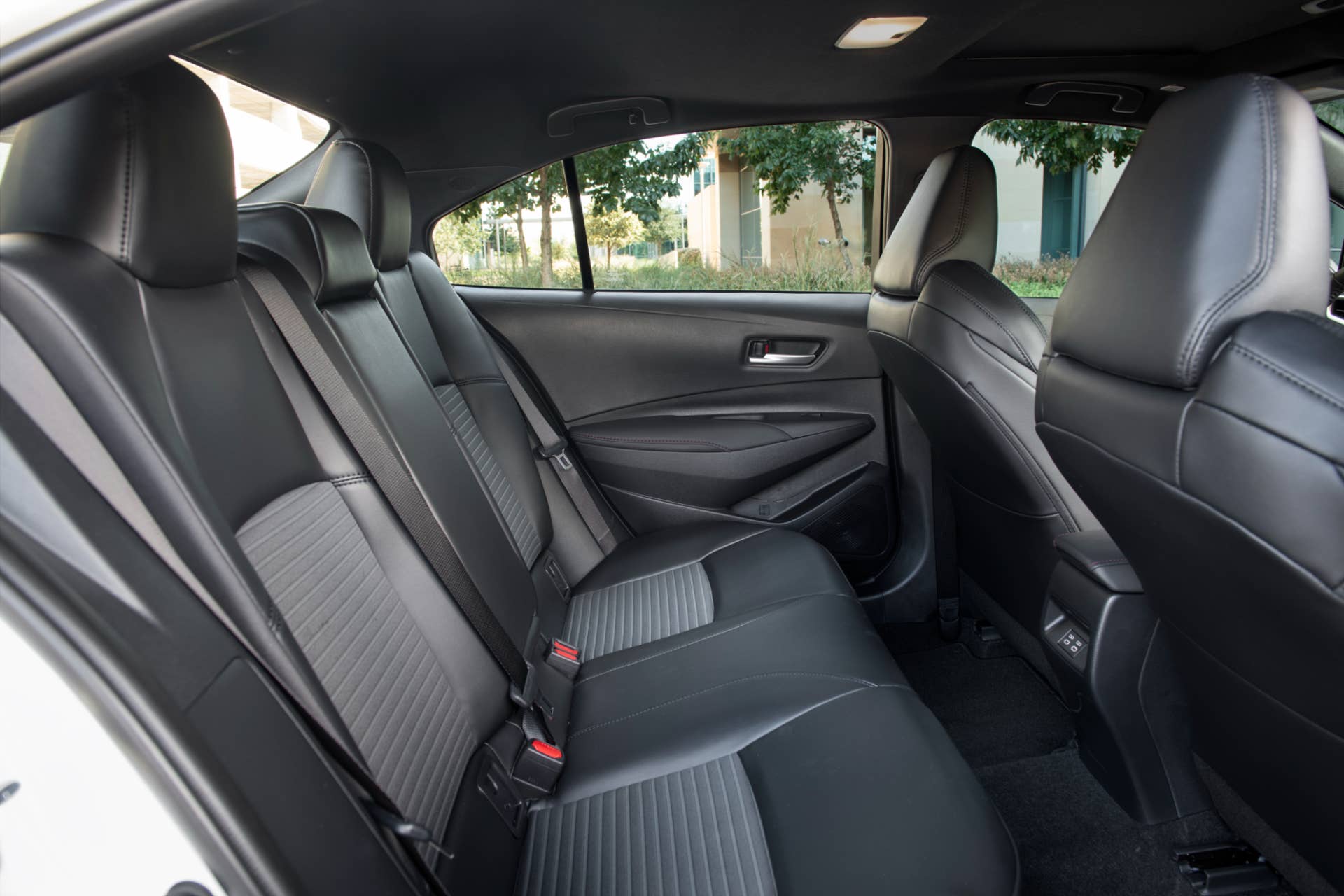
The Sentra is marginally longer, taller, and wider than the Corolla, which should contribute to better interior space. That’s indeed the case, as the Nissan has an interior volume of 96.1 cubic feet, easily beating the Toyota’s 88.6 cubic feet.
Passenger space is similar, although the Nissan has more front legroom and headroom. Rear legroom is identical at 34.8 inches, but the Corolla has slightly more rear headroom. Three passengers should be happier in the back of the Sentra, though, as its wider body allows for significantly more shoulder room.
Cargo space works out to 14.3 cubic feet in the least expensive Nissan Sentra, trouncing the Corolla’s 13.1 cubic feet; this difference allows the Nissan to accommodate an extra carry-on suitcase in its trunk. Both have a 60/40 split-folding back seat. Overall, the Nissan is the slightly more practical vehicle.
IIHS Safety Ratings
Since the Nissan is much newer, it should have the edge in the latest safety ratings from the Insurance Institute for Highway Safety. According to 2026 ratings, the Nissan lives up to expectations with a Top Safety Pick+ award, the agency’s top award for overall safety. The Sentra has near-perfect crash-safety scores and acceptable scores for crash prevention.
The Corolla did not qualify for a safety award due to a Marginal rating in the moderate front overlap test, but it was the only blemish on the Toyota’s score card.
Final Verdict: Nissan Just About Gets The Win
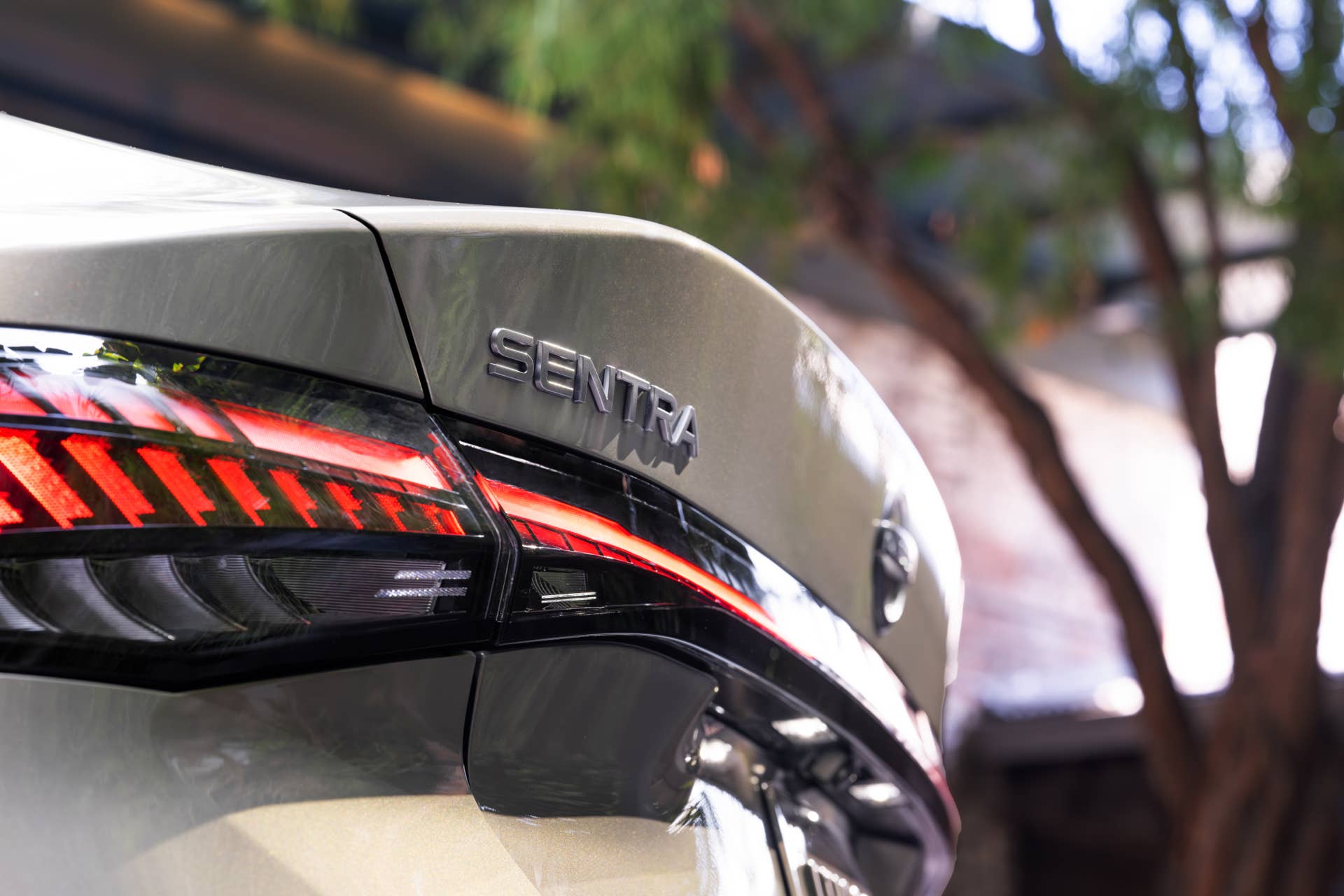
Nissan
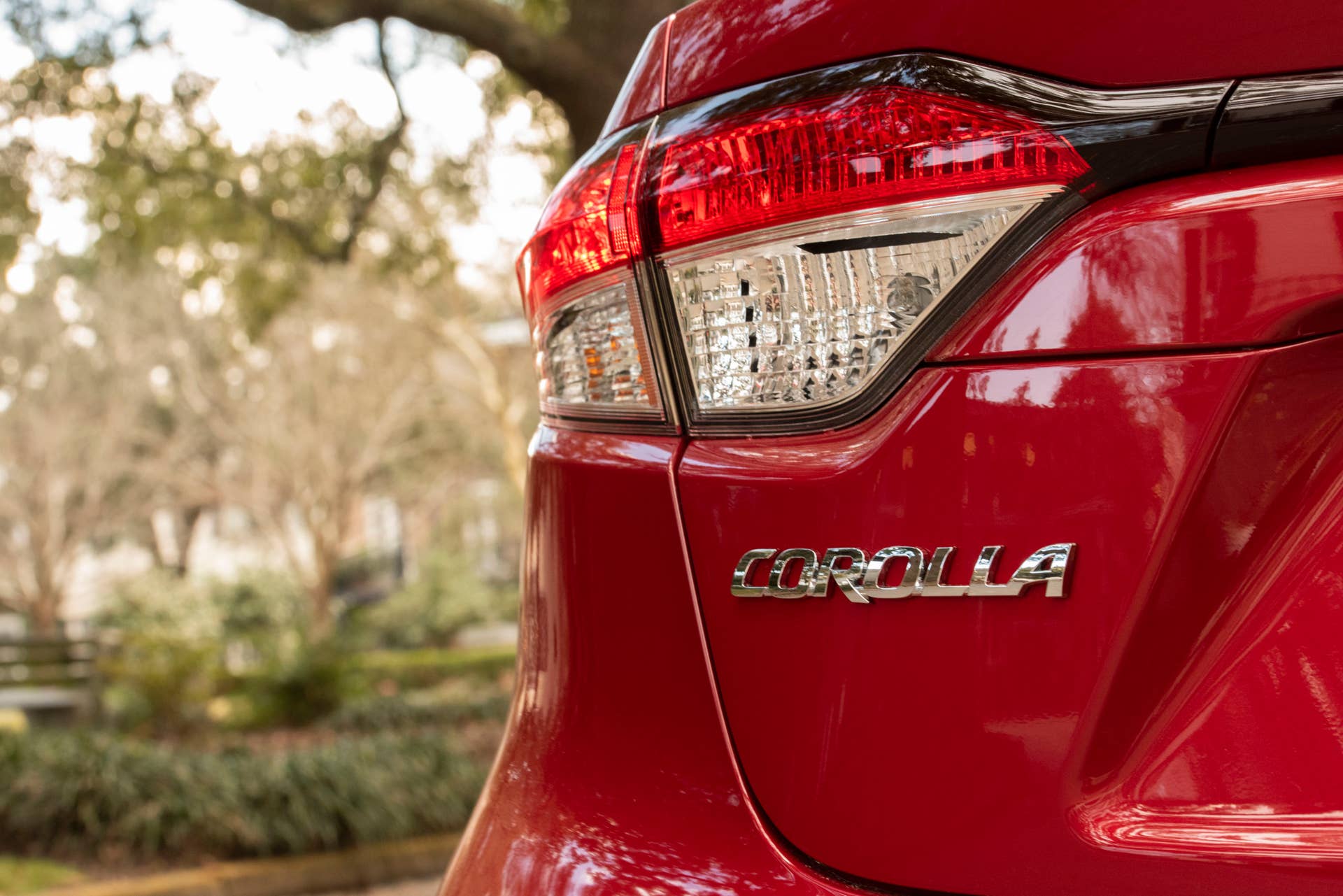
Toyota
Despite the Corolla’s age, the Toyota is far from embarrassed by its flashier Japanese rival. The Toyota even has better performance and economy. That, together with Toyota’s massive dealer network and reputation, should keep sales steady.
But the Nissan gets a slim victory here. It’s cheaper to buy, nearly as economical, more spacious, boasts a more modern infotainment system, and enjoys better safety ratings. Raw data aside, the Nissan also looks and feels like the more modern sedan that it is. In the end, the Nissan emerges as the preferred purchase—whether you’re making the decision with your head or your heart.
About the author

Karl Furlong
Senior Editor, Autoblog