
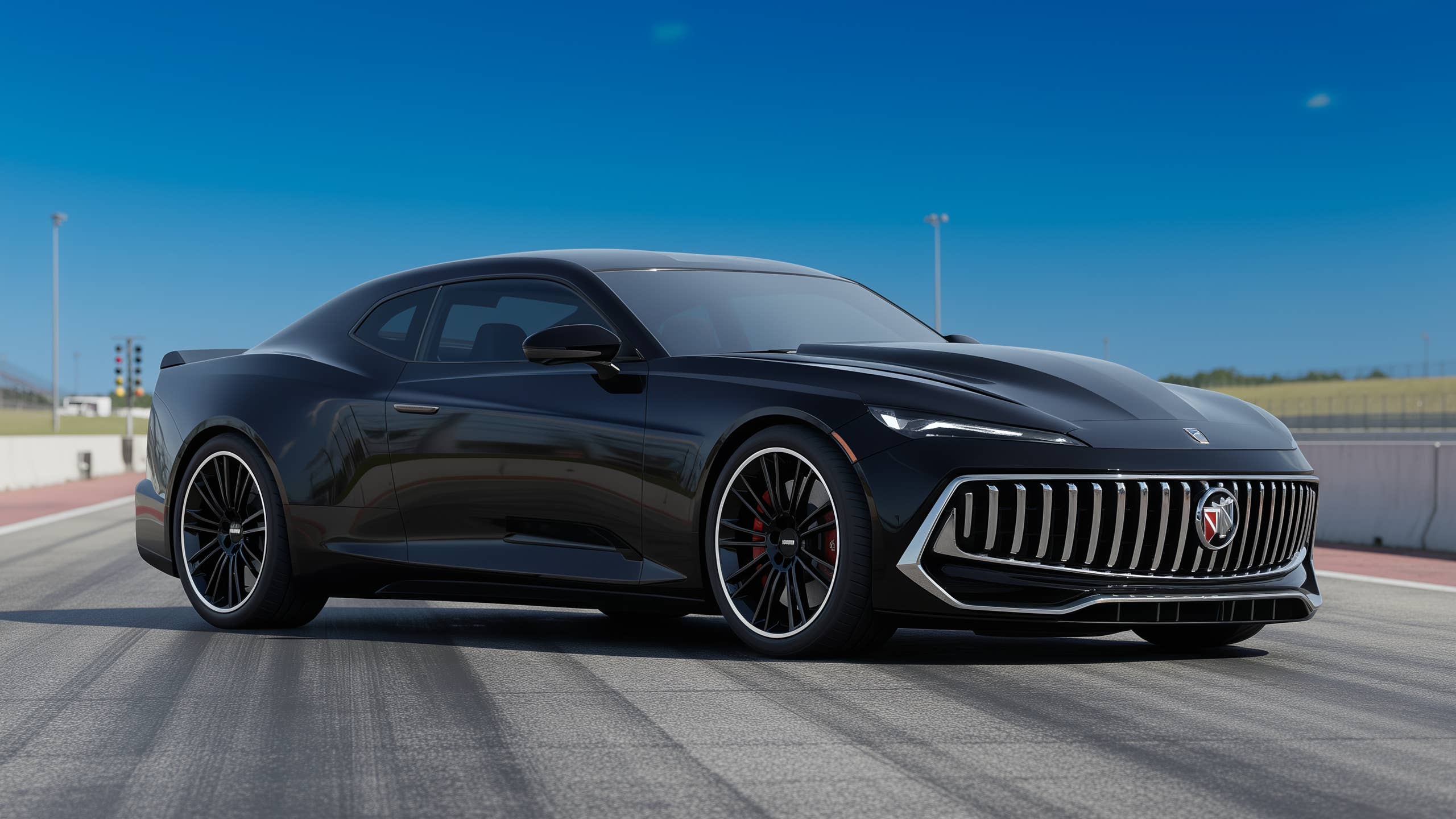
The Buick Grand National Legacy: A True Performance Icon
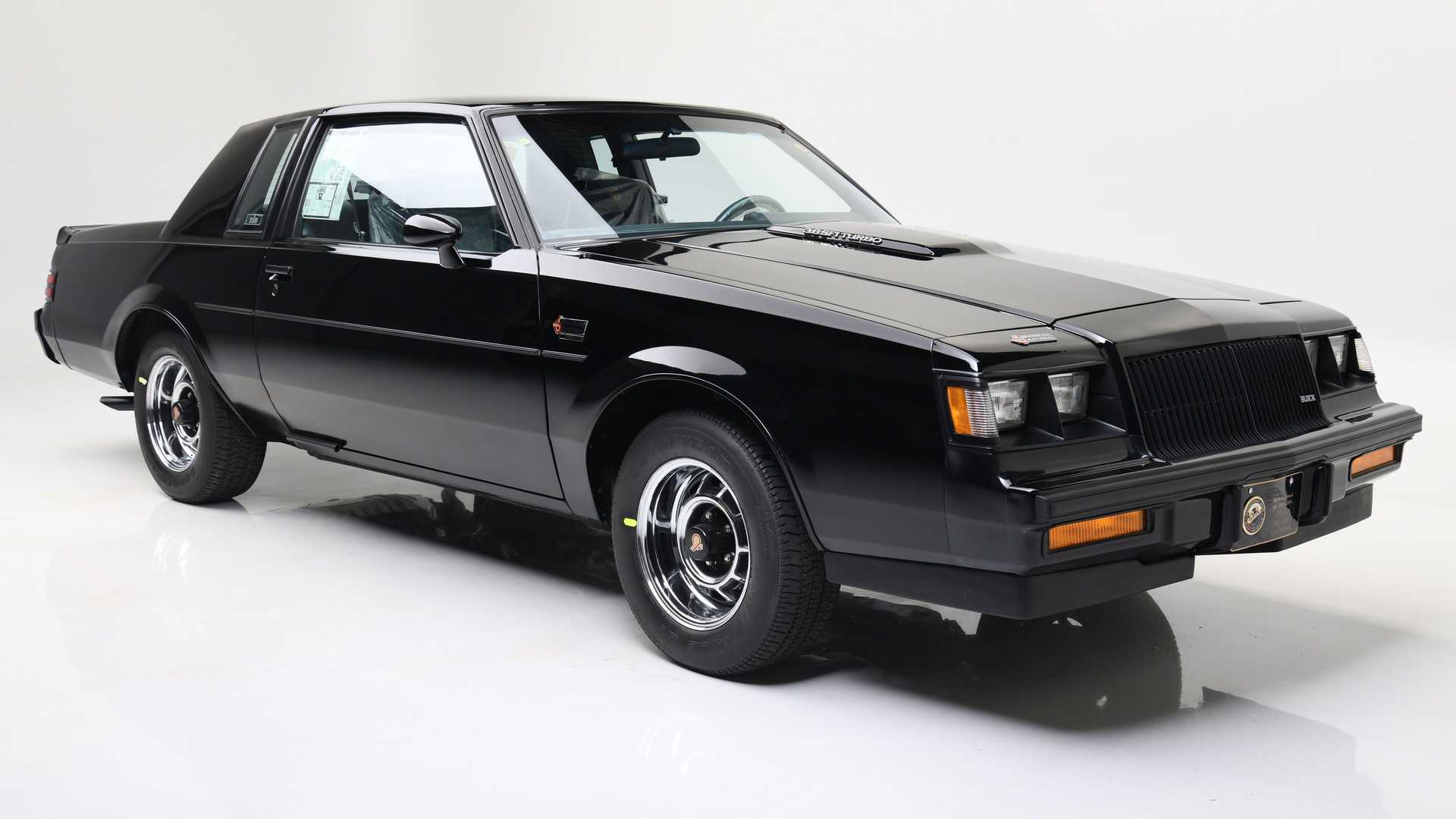
Named after the Winston Cup Grand National NASCAR Series, the high-performance version of the second-generation Buick Regal—the Grand National—was designed with one thing in mind: driving real, real fast. And, fast it was… but not in the traditional sense of an all-American muscle car. Unlike most high-powered performance cars out of America that came before it, Buick didn’t just slap a big ol’ V8 engine under the hood. No, instead, Buick turned to turbocharging…
Autoblog
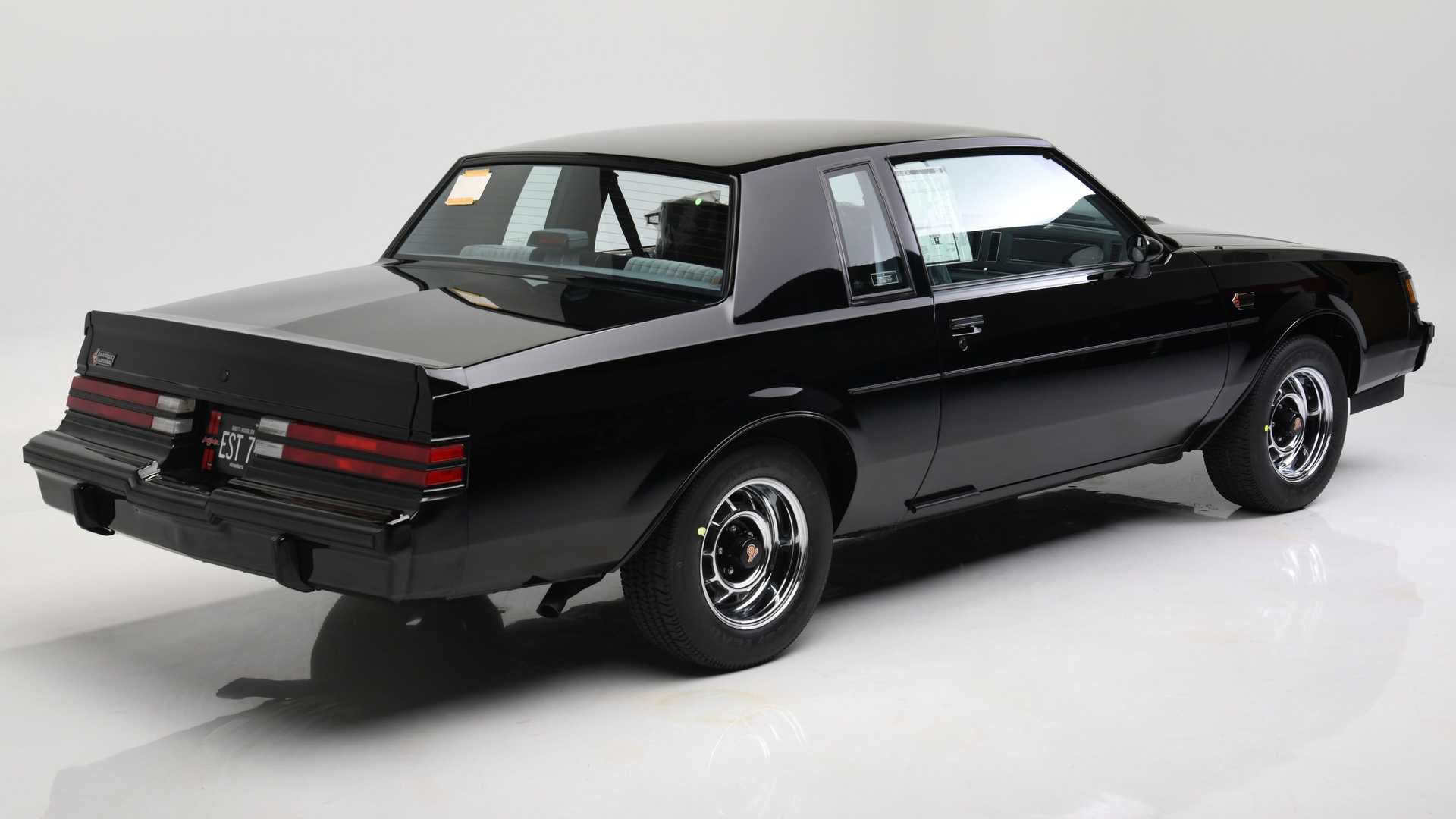
For reference, the first-ever turbocharged production car debuted only a single decade before the introduction of the Grand National—the 1962 Oldsmobile F-85 Jetfire—and even then, it still had a V8 engine. With the Grand National, however, Buick decided to slap a turbo onto a 3.8-liter V6; an extremely unorthodox choice for an American muscle car, even by today’s standards. In its most potent form, the 1987 “GNX” (Grand National Experimental) offered around 300 horsepower and over 400 lb-ft of torque. For reference, that’s more torque than the 4.9-liter flat-twelve-powered 1987 Ferrari Testarossa, and more power than the 5.7-liter V8-powered 1987 Chevrolet Corvette.
Autoblog
Surely enough, the Grand National was an absolute rocket, and it earned Buick—and General Motors—a reputation for genuine innovation and world-beating performance. Since it stole the show way back in the ’80s, the boxy black Buick has gained a devoted cult following. Known for being one of the all-time great “sleeper” cars, the Grand National, and its ultimate “GNX” variant, have been included in countless racing video games, including the Forza Horizon series, Gran Turismo, Need for Speed, and the dearly missed Midnight Club franchise.
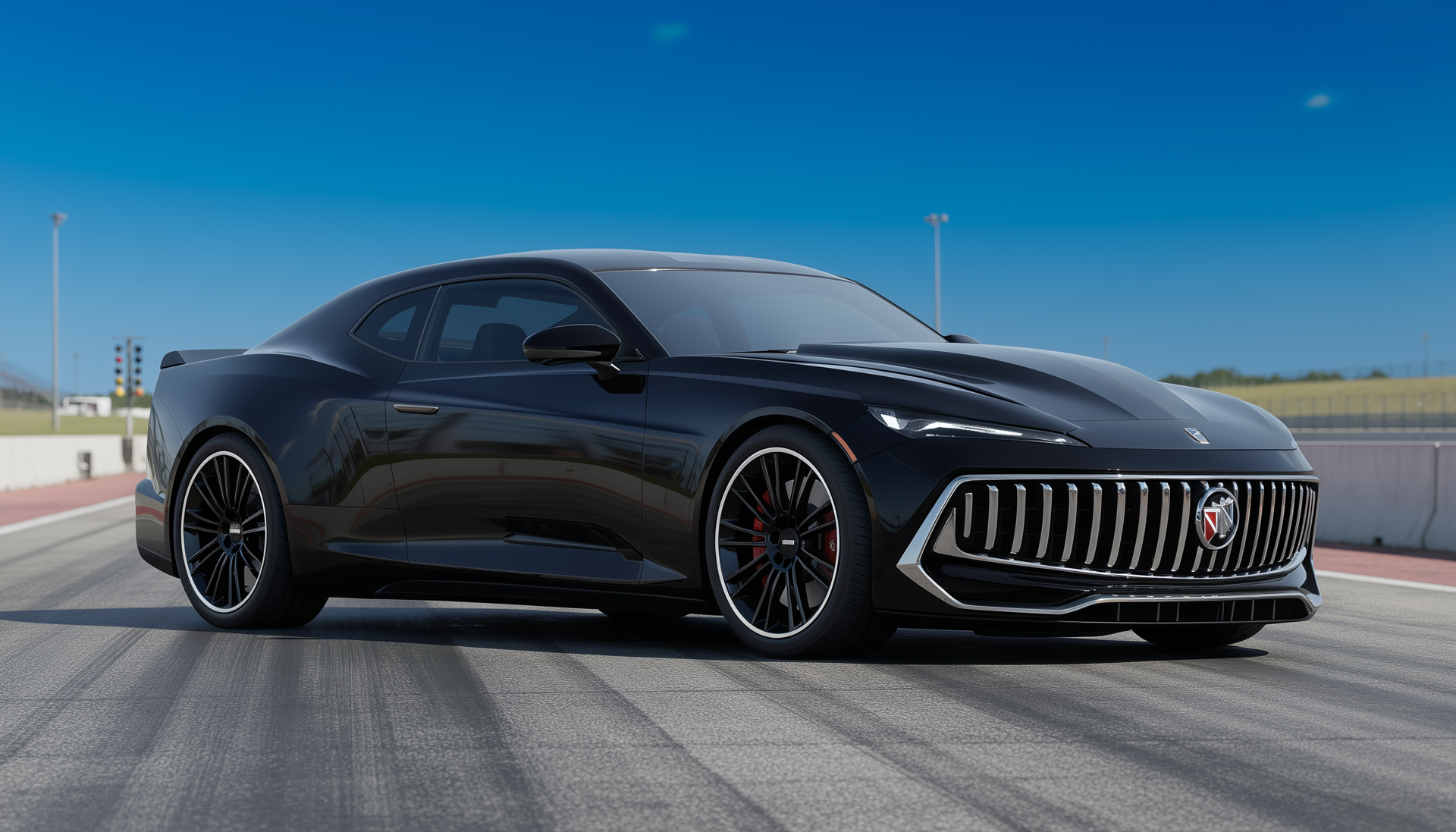
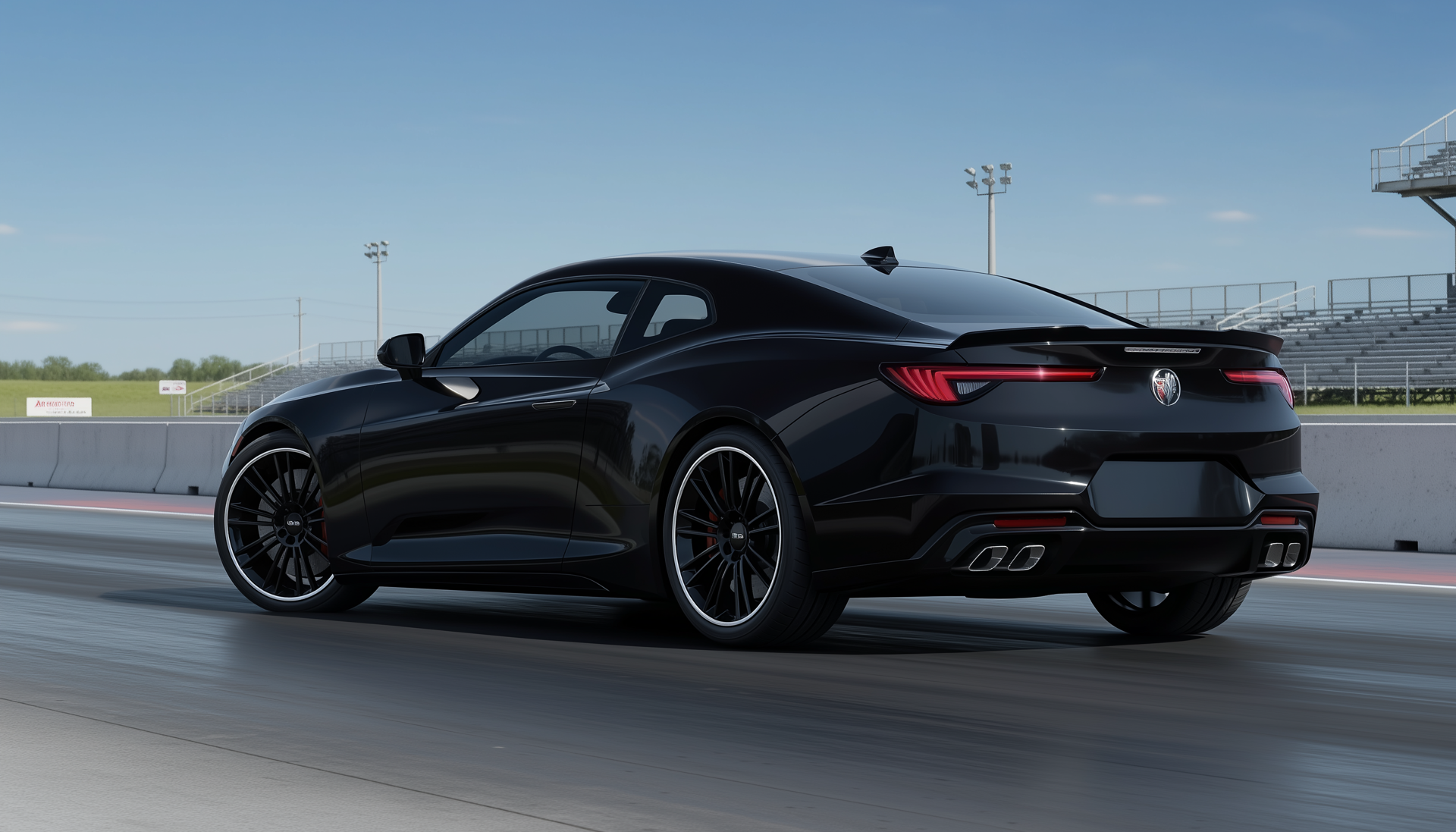
Recently, Kendrick Lamar named an entire album after his very own Buick, entitled “GNX,” and even parked one front and center on the halftime show stage at this year’s Super Bowl. Nowadays, the Buick GNX is seriously relevant—more so even than the recently deceased Chevy Camaro—so, could it be the right nameplate for the Camaro to pass its torch onto? Using Midjourney 7.0 and Gemini 2.5 Flash Image, I take an imagined look at what a revived Buick Grand National could look like, and how it could modernize the Camaro’s dated recipe while staying true to the model’s heritage. These images are purely fictional and do not depict any actual Buick or General Motors products.
Cole Attisha Using Midjourney 7.0 & Gemini 2.5 Flash Image
Why the Camaro’s Exit Opens the Door for a GNX Comeback
In the past decade, the Chevrolet Camaro couldn’t keep up with the Ford Mustang or the Dodge Challenger—its most direct rivals—no matter how hard it tried. Despite its powerful pushrod V8 engines, genuinely agile handling, and aggressive looks, pony car buyers were far too smitten with the Mustang’s Coyote V8 or the Challenger’s retro-inspired styling for the Camaro to steal them away successfully. Still, I believe there’s an opportunity for the Camaro to succeed moving forward—well, its platform, at least—though it’ll need a new name.
Cole Attisha Using Midjourney 7.0 & Gemini 2.5 Flash Image
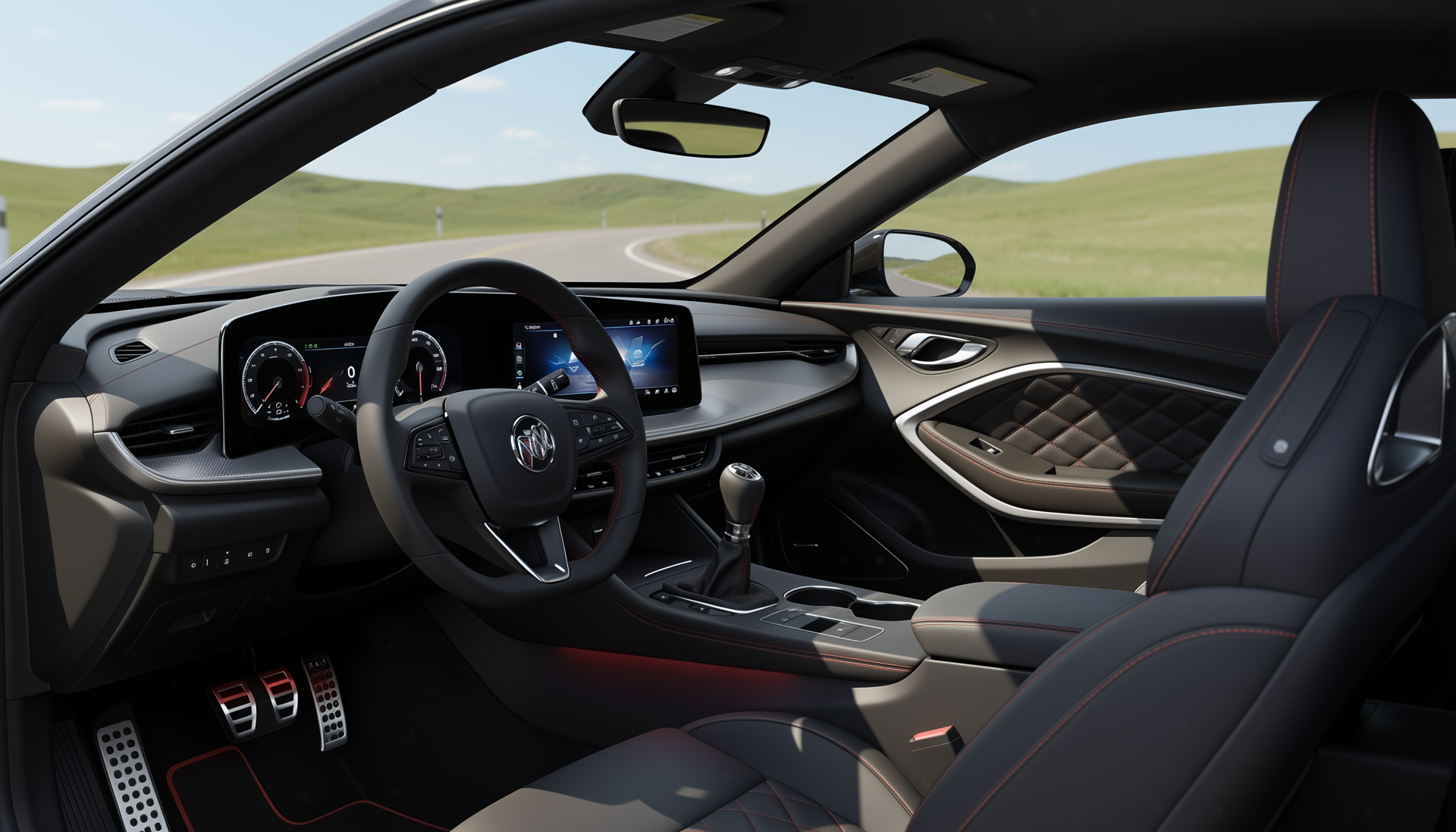
The GM Alpha Platform, which underpinned the most recent Camaro, is also used by Cadillac for its smallest sedan: the CT4. In high-performance guise, the Cadillac CT4-V Blackwing packs a punchy, turbocharged 3.6-liter V6—an intriguingly similar powertrain to what the classic Buick Grand National once touted—which produces up to 472 horsepower and 445 lb-ft of torque. It’s even available with a six-speed manual transmission, or, if three pedals are too many for you, an optional ten-speed automatic gearbox offers rapid shifting. The only reason this powertrain wasn’t offered in the Camaro? It would have outperformed the SS model’s 6.2-liter LS V8—the Camaro’s lifeblood.
Branded as a Buick, and reviving the iconic Grand National or GNX nameplate, a twin-turbocharged, V6-powered, rear-wheel drive muscle car could aptly modernize GM’s performance appeal in the segment. GM wouldn’t be the first to do it, either… Dodge recently debuted their Charger Sixpack, which equips a turbocharged straight-six to make 550 horsepower. With some dedicated time spent in the gym, I’m sure the CT4-V Blackwing’s V6 powertrain could gain the necessary muscle to take on the all-new Charger and leave the antiquated Mustang in the dust.
Cole Attisha Using Midjourney 7.0 & Gemini 2.5 Flash Image
Final Thoughts: Would Enthusiasts Embrace a Reborn Buick Performance Car?
It’s certainly a long shot, and admittedly, the front end of the rendered GNX revival is… polarizing, to say the least. Still, there’s no denying that General Motors’ existence in the American pony/muscle car segment is sorely missed, and a boosted V6-powered sports coupe with a Buick badge might just be what GM needs to take on the latest offerings from Ford and Dodge. That said, it’ll take a warm embrace from enthusiasts and critics alike for such a bold move to pan out. Would you like to see a CT4-V-Blackwing-powered Buick coupe make its way into your local GM showroom, or do you believe that the past should stay in the past? Share your thoughts in the comments!
About the author

Cole Attisha
Staff Writer, Autoblog