
Which BMW SUV is right for you?
BMW currently has eight SUVs on sale in the United States, not accounting for the many different trims and high-performance M models. At the lower end of the price range, the X1 and X3 are two of the automaker’s more attainable SUVs. They have the brand cachet and luxury expected of the brand, but without the high prices and massive power of an X6 or X7. In its latest generation, the X1 comes across as a far more appealing product than earlier iterations of the baby BMW crossover, which can make it harder to choose between it and the X3. Here are five differences between the BMW SUV siblings that may make the decision easier.
1. Size: The Main Difference Between BMW’s X1 and X3
BMW
BMW
BMW
BMW
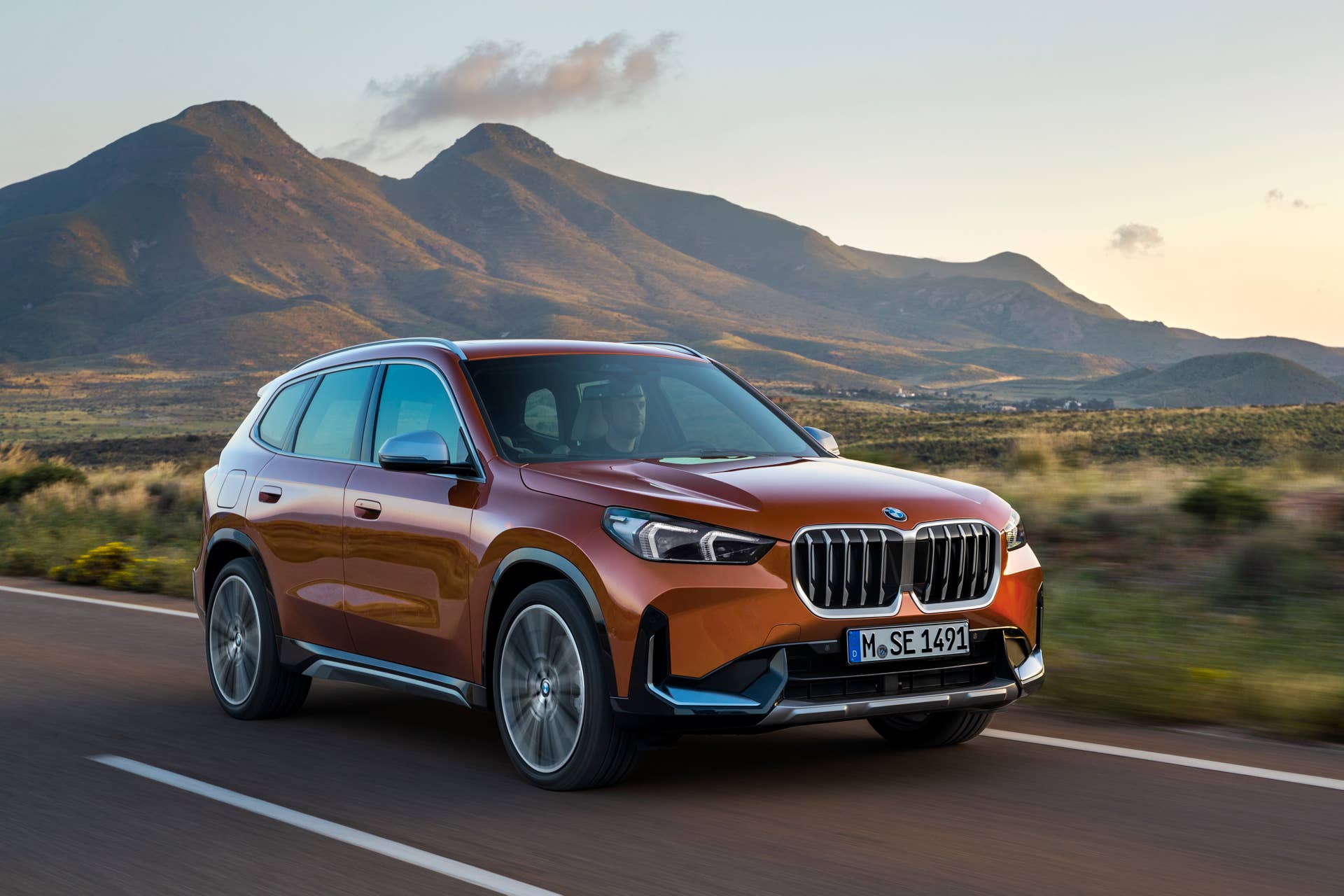
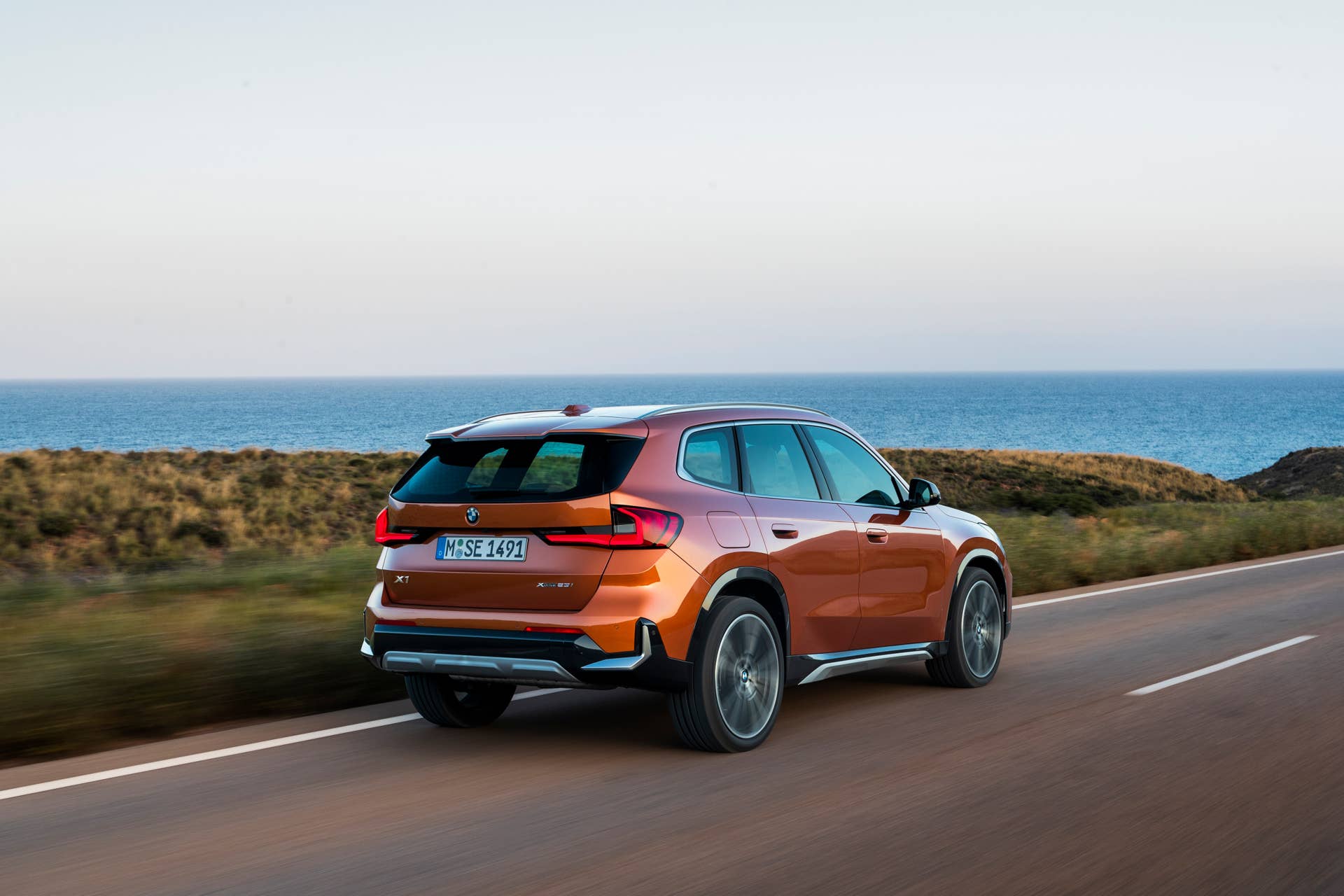
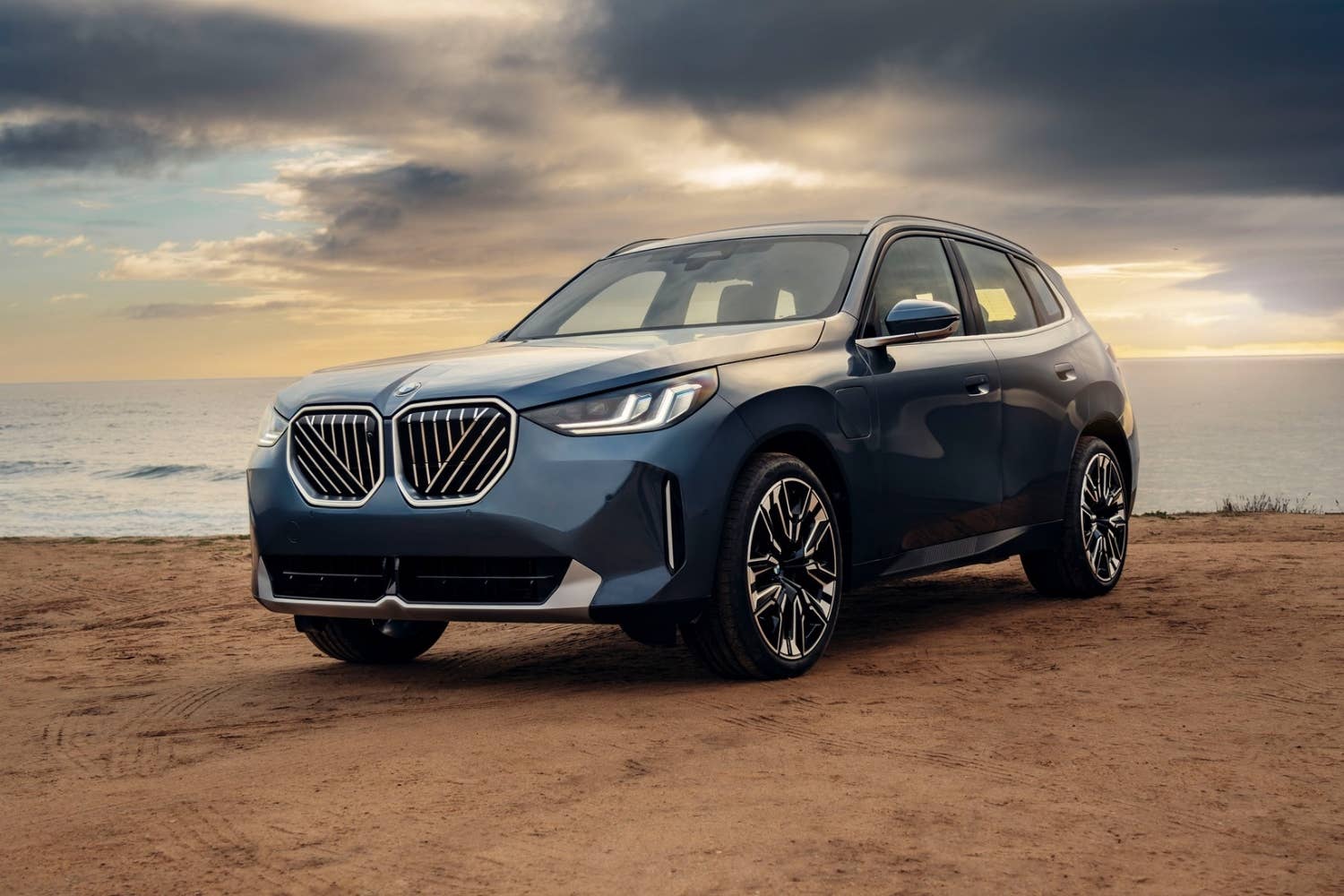
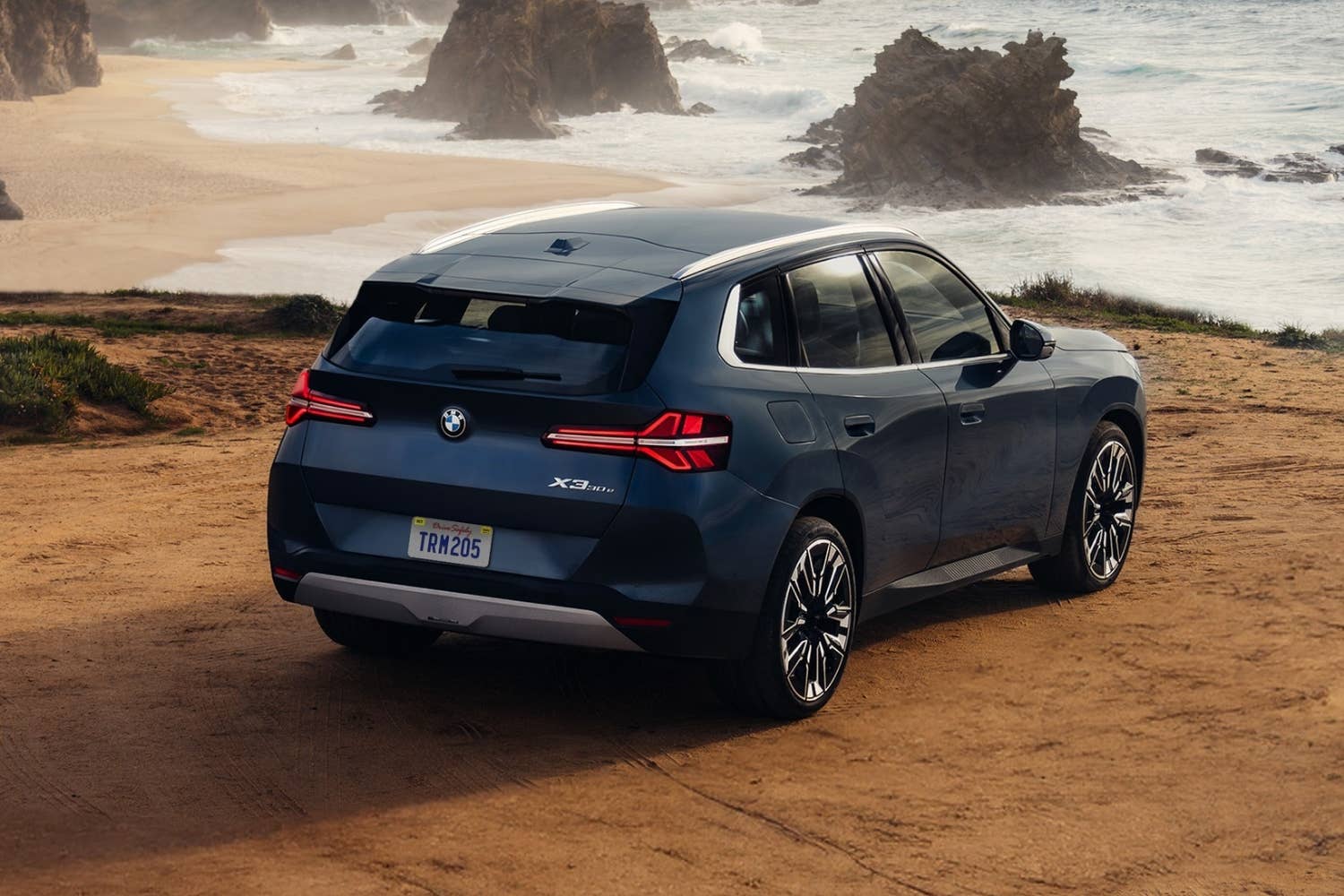
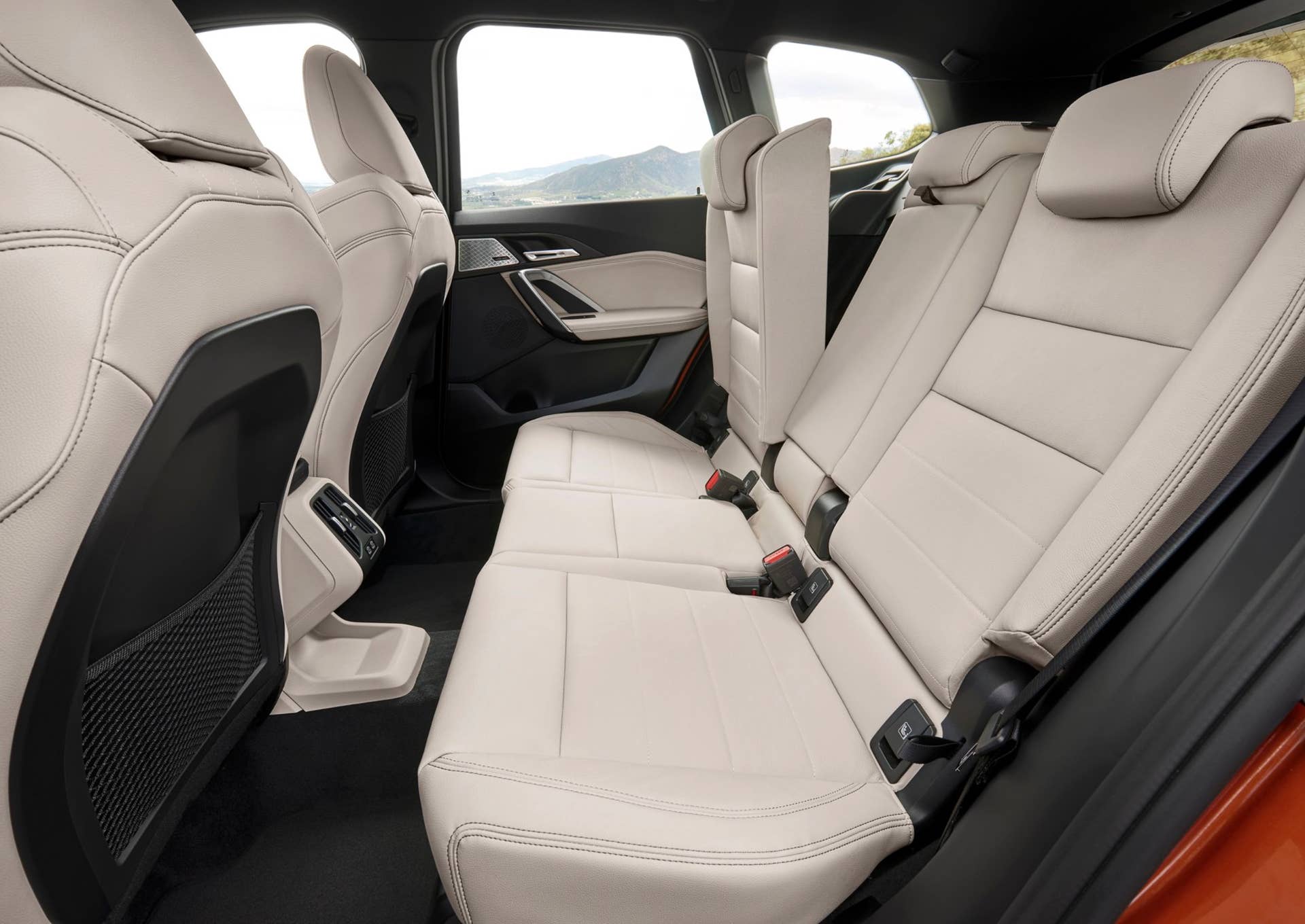
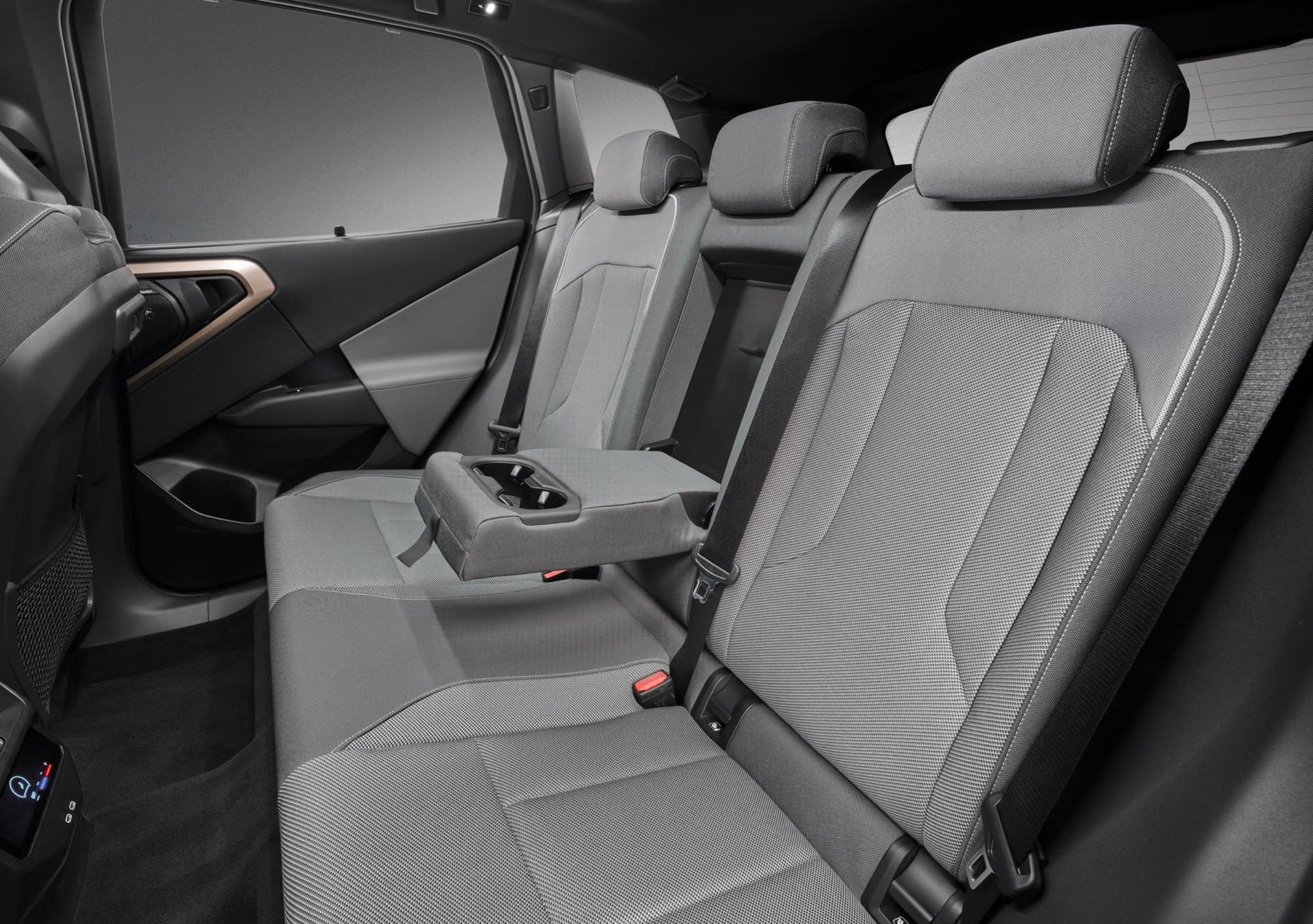
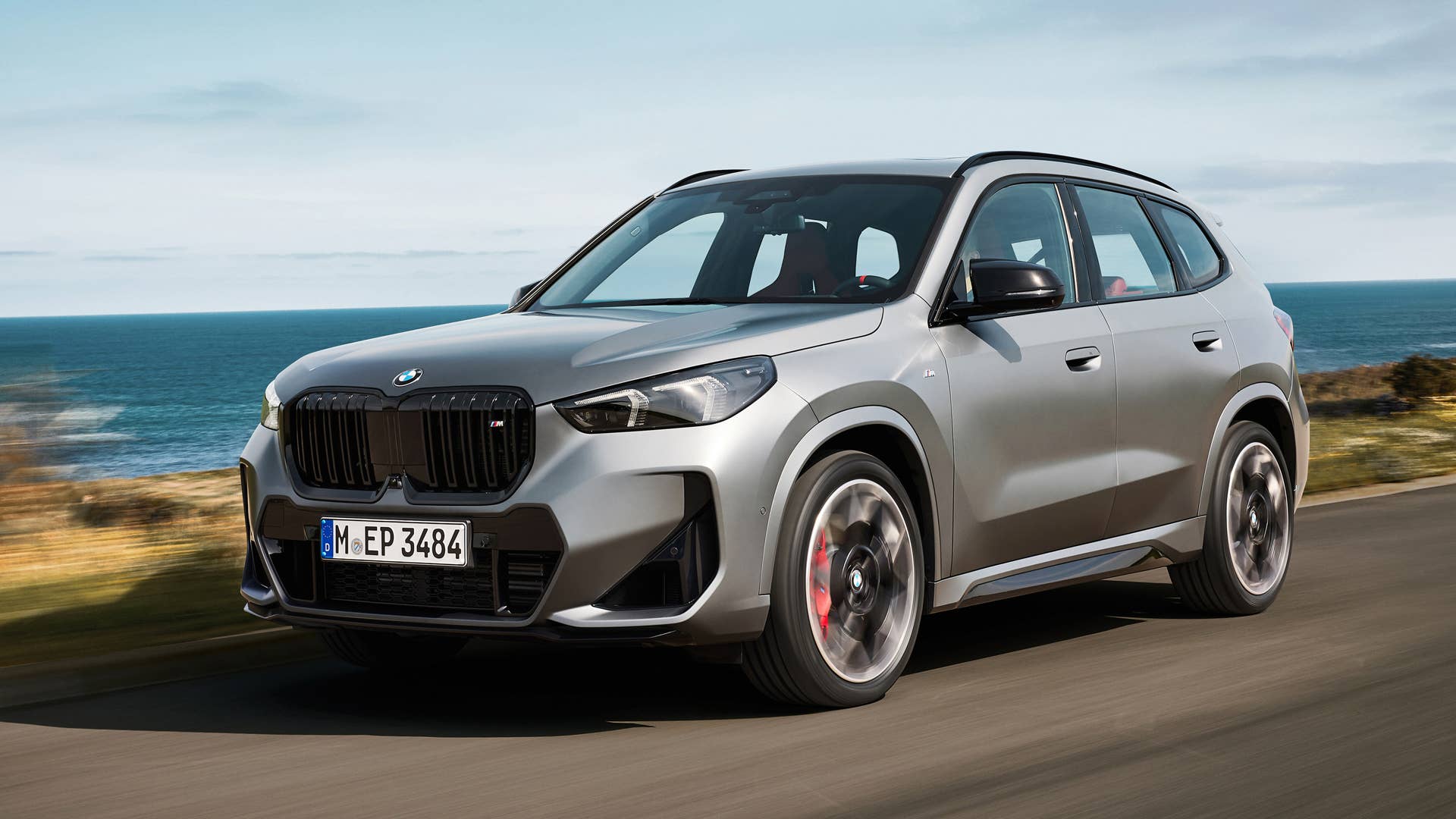
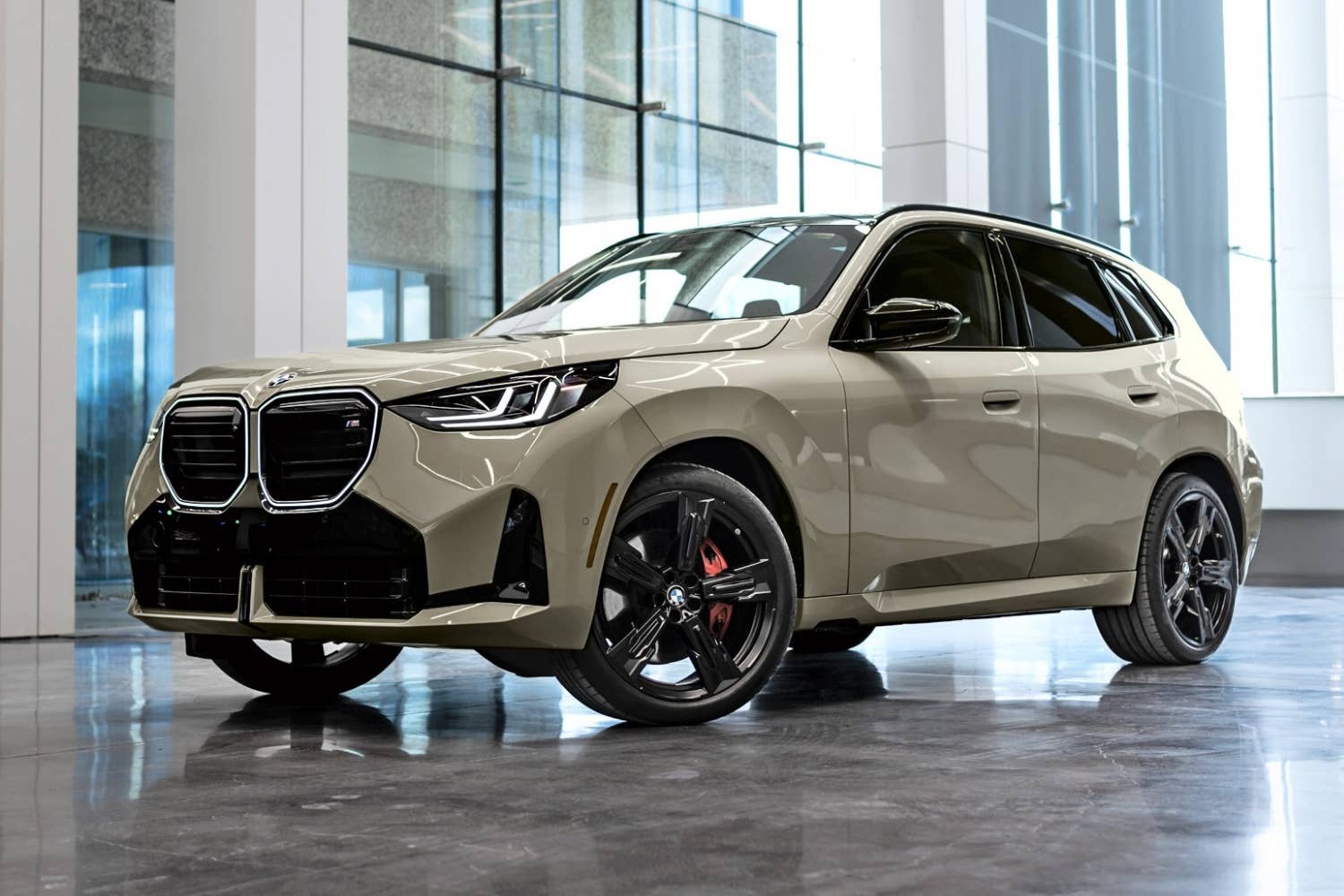
The X1 is a subcompact crossover while the X3 is a larger compact model. Both have grown over the years, though, so neither is uncomfortable for a family of four. And, while the X3 is physically larger, the X1 actually has more interior space in some directions. Here’s a look at how they compare.
| BMW X1 Vs. X3 Dimensions: Exterior and Interior | ||
| BMW X1 | BMW X3 | |
| Height | 64.6 inches | 65.4 inches |
| Width | 72.6 inches | 75.6 inches |
| Length | 177.2 inches | 187.2 inches |
| Wheelbase | 106 inches | 112.8 inches |
| Front/Rear Headroom | 42.1/39.3 inches | 40.5/38.2 inches |
| Front/Rear Legroom | 40.4/37 inches | 40.2/36.3 inches |
| Front/Rear Shoulder Room | 56.1/55.1 inches | 57.9/55.7 inches |
| Cargo Space Behind 2nd Row | 25.7 cubic feet | 31.5 cubic feet |
The X3 is larger in all directions, although it doesn’t translate into significantly more interior space. The main differences are in cargo space and shoulder room, where you can really notice the X3’s extra space. With four adults, both crossovers feel spacious enough.
BMW
BMW
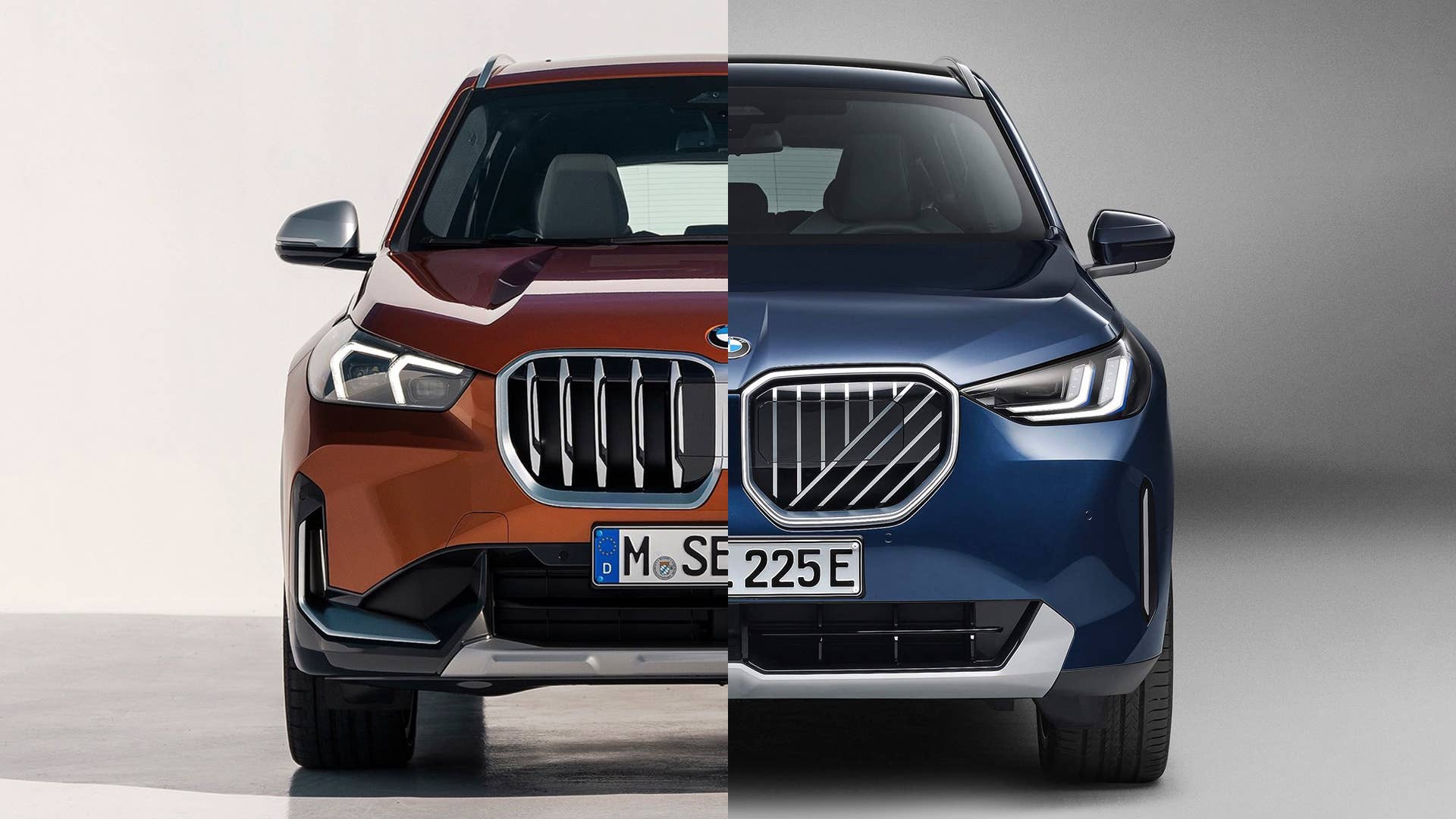
Park the BMW X1 vs the X3 side by side, and the latter stands out with its larger grille and more elaborate lighting. The X1 is less controversial, though, so may be preferred for those in search of classic BMW style.
2. They Have Different Platforms

BMW
BMW
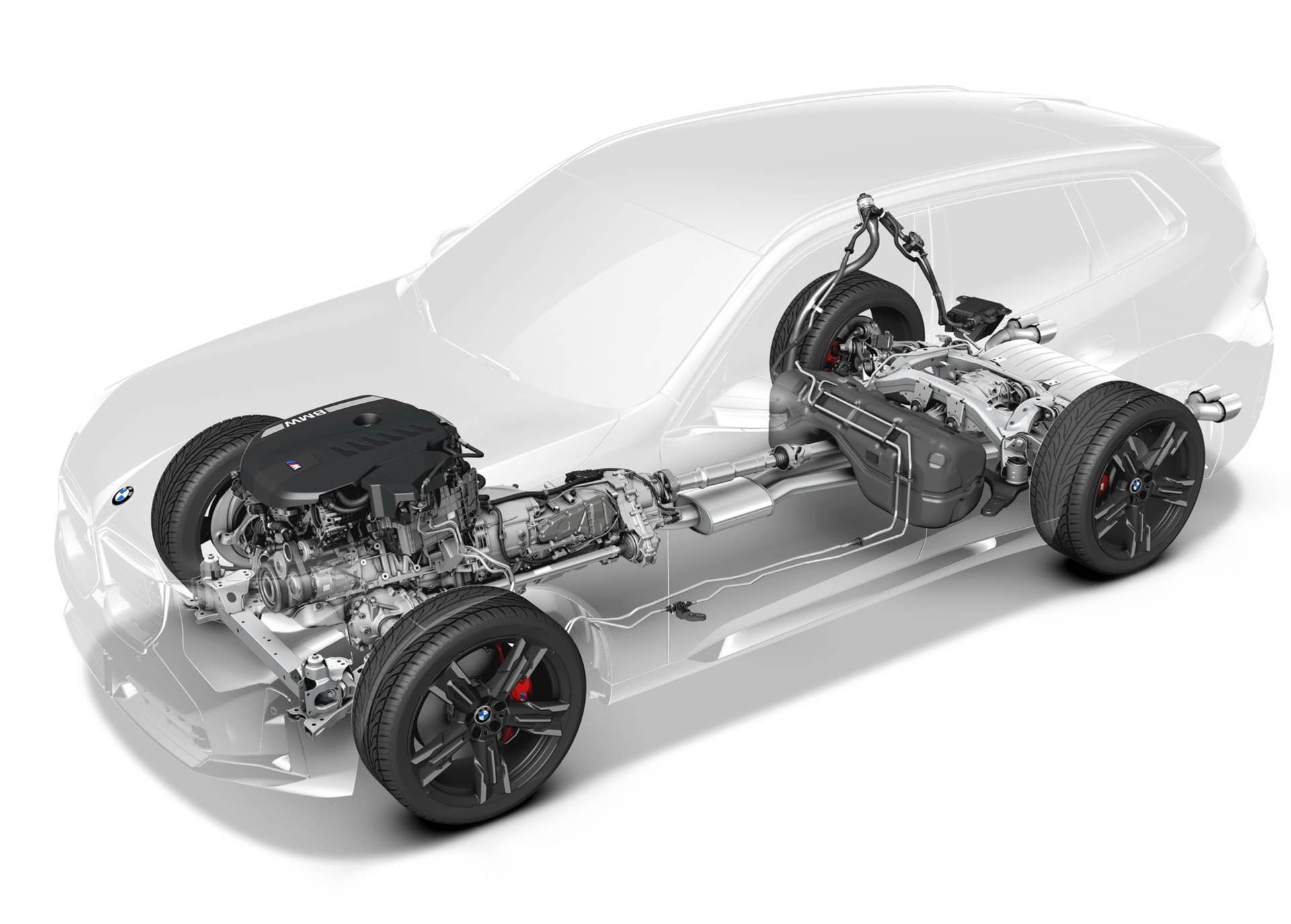
The BMW X3 vs. X1 comparison exposes a fundamental difference under the skin, too: The two crossovers ride on entirely unique platforms. In the case of the U11 BMW X1, that’s the UKL platform for smaller front- or all-wheel-drive vehicles; it’s a platform shared with certain Mini models. The G45 X3, meanwhile, rides on the larger CLAR platform for larger rear- or all-wheel-drive models, shared with luxurious vehicles like the 7 Series.
Although both vehicles now have standard AWD systems, these platforms have different priorities. The X1 operates as a front-wheel-drive SUV most of the time, except when traction is required at the back. Its engine also has a space-saving transverse layout, which helps explain why interior space matches the larger X3.
The CLAR platform features a rear-biased setup with a longitudinally-mounted engine, which improves weight distribution and is better-suited to more powerful models. In day-to-day driving, the differences may not be evident, but a keen driver will pick up on the X3’s higher limits.
3. Only The X3 Gets 6-Cylinder Power
BMW
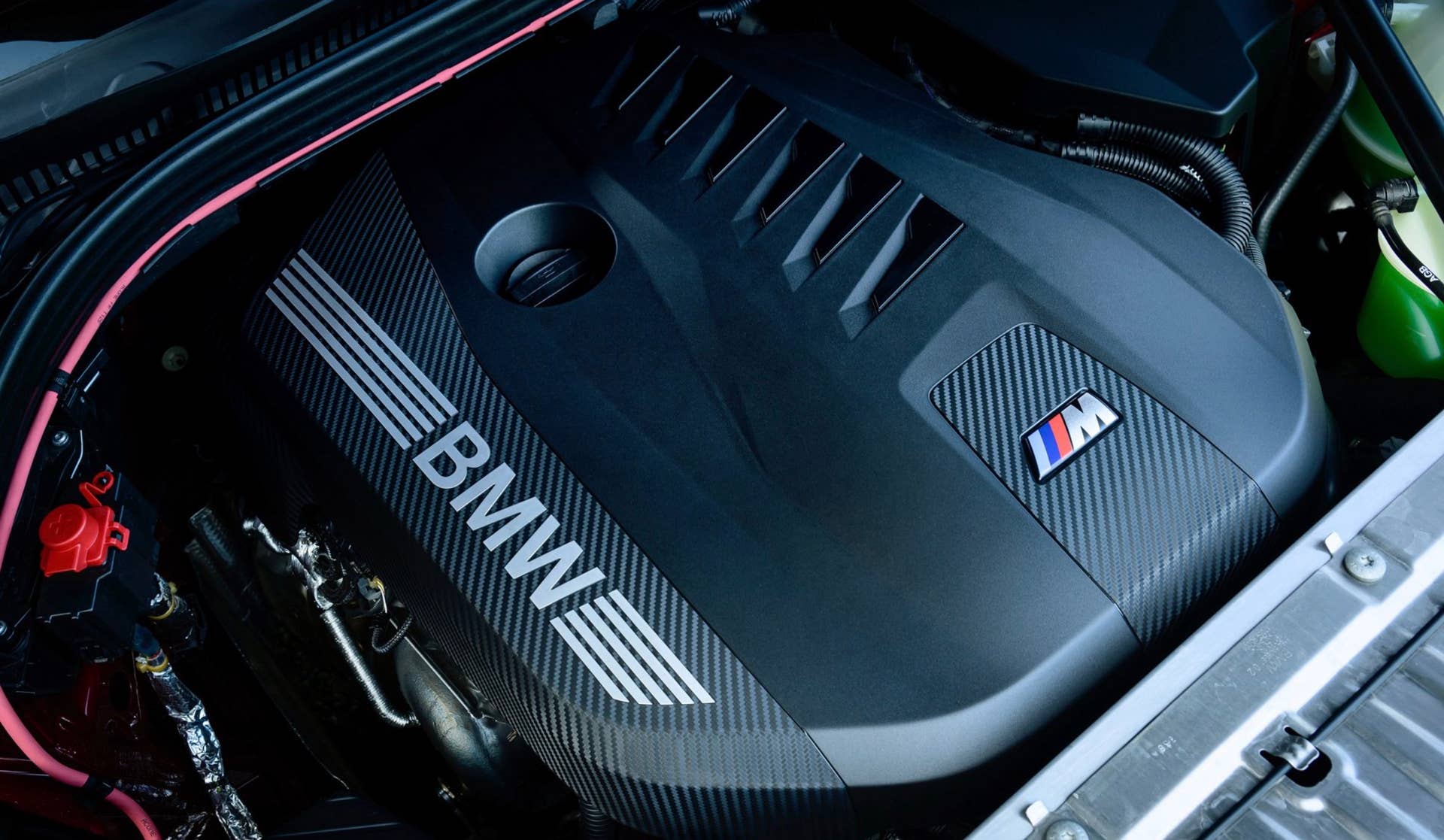
The BMW X1 has not had the option of six-cylinder power since the first-generation model. It’s currently available with two 2.0-liter four-cylinder turbocharged engines, the first producing 241 horsepower and 295 lb-ft in the xDrive28i. The high-performance M35i makes 312 hp and 295 lb-ft and is considerably quicker.
The base X3 is similar to the base X1, with a little more power (255 hp) and the same torque. If it’s true muscle you’re after, no X1 can match the X3 M50. This model has a 3.0-liter turbocharged six-cylinder that makes 393 hp and 428 lb-ft.
| BMW X1 Vs. BMW X3 Performance Specs | ||||
| X1 xDrive28 | X1 35i xDrive | X3 30 xDrive | X3 M50 xDrive | |
| Horsepower | 241 hp | 312 hp | 255 hp | 393 hp |
| Torque | 295 lb-ft | 295 lb-ft | 295 lb-ft | 428 lb-ft |
| 0-60 mph | 6.2 seconds | 5.2 seconds | 6 seconds | 4.4 seconds |
Both SUVs have smooth-shifting automatic transmissions, but the X1 has a seven-speed dual-clutch in place of the X3’s conventional eight-speed auto.
4. X1 Relies More on Touchscreen-Based Controls
BMW
BMW
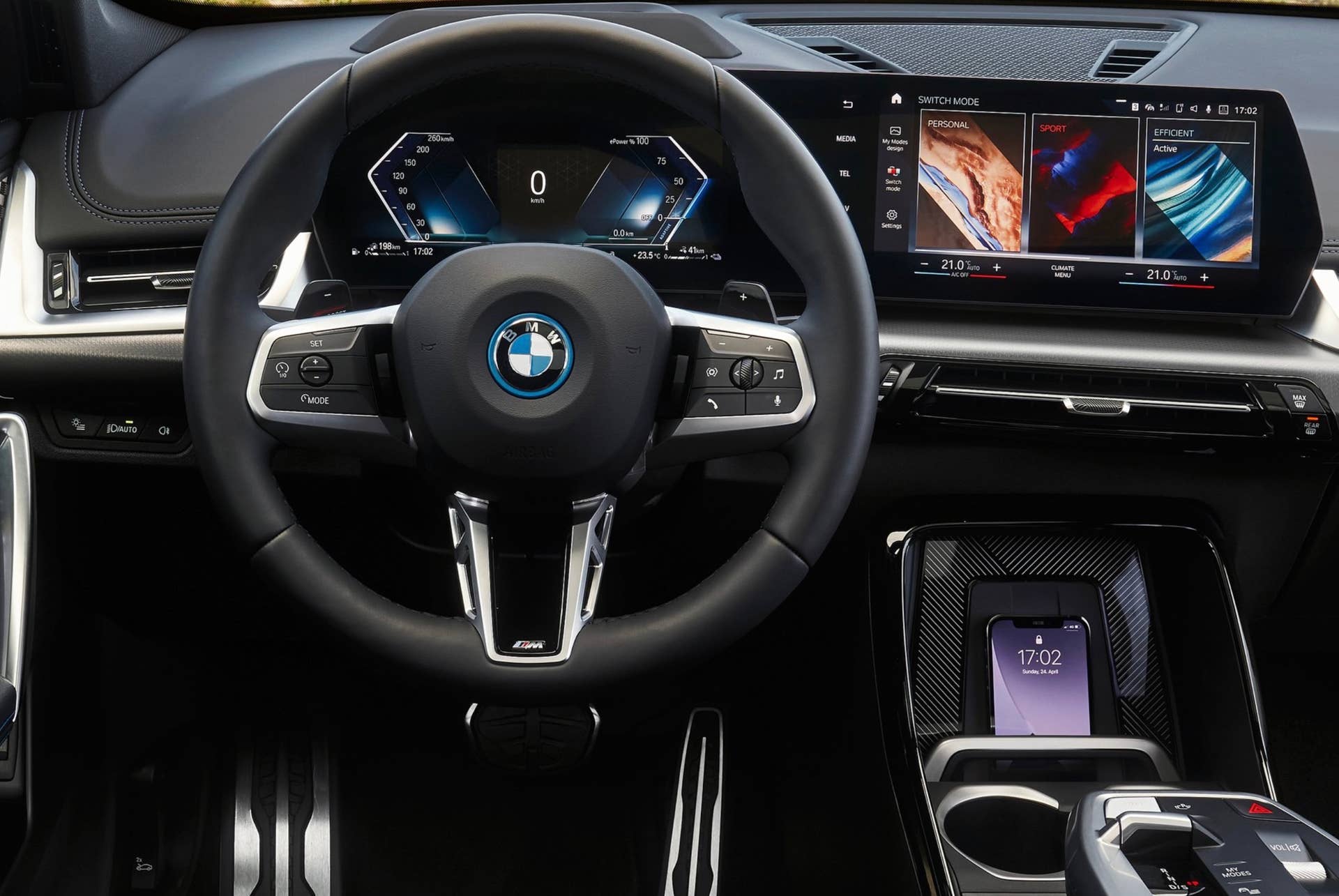
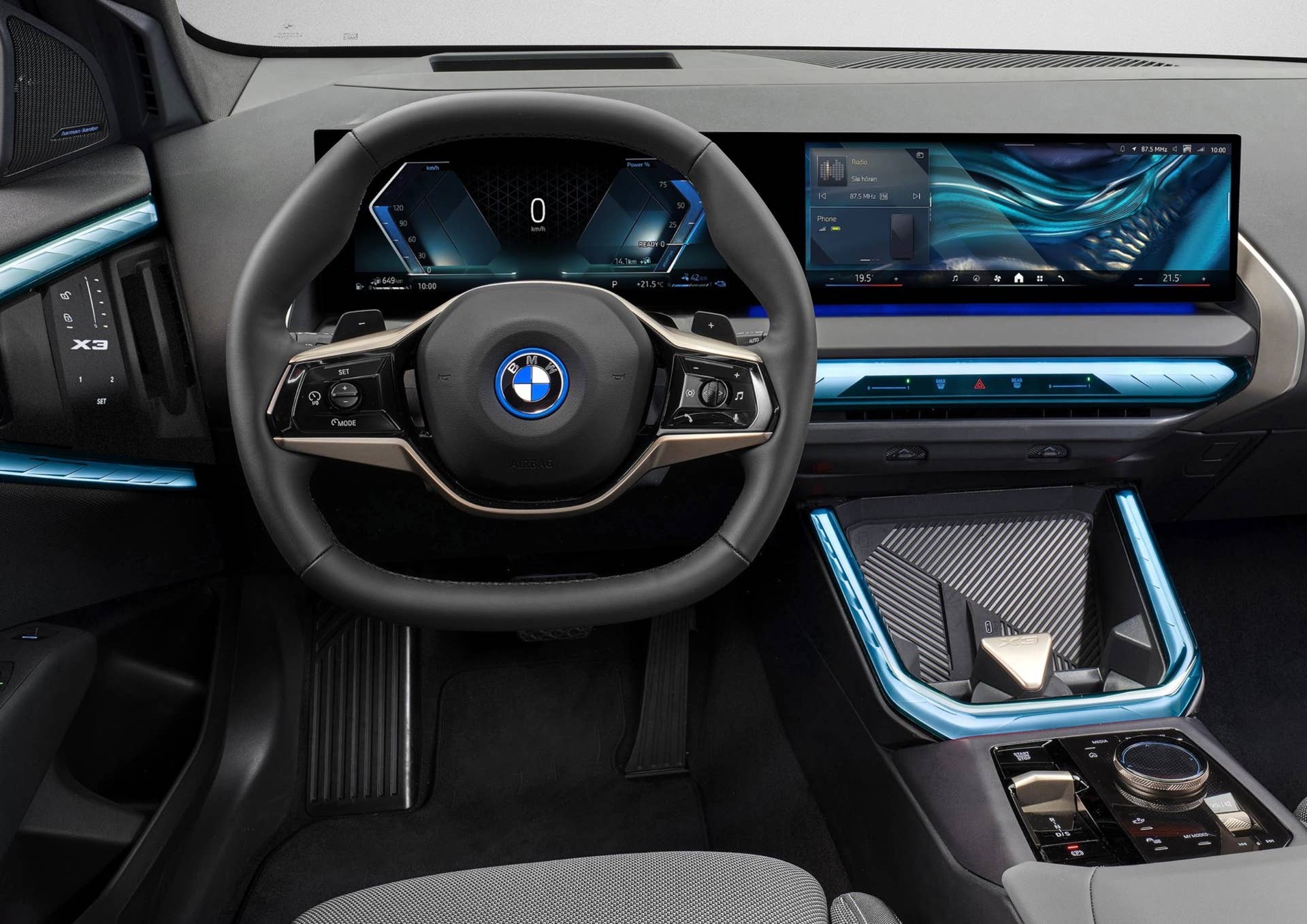
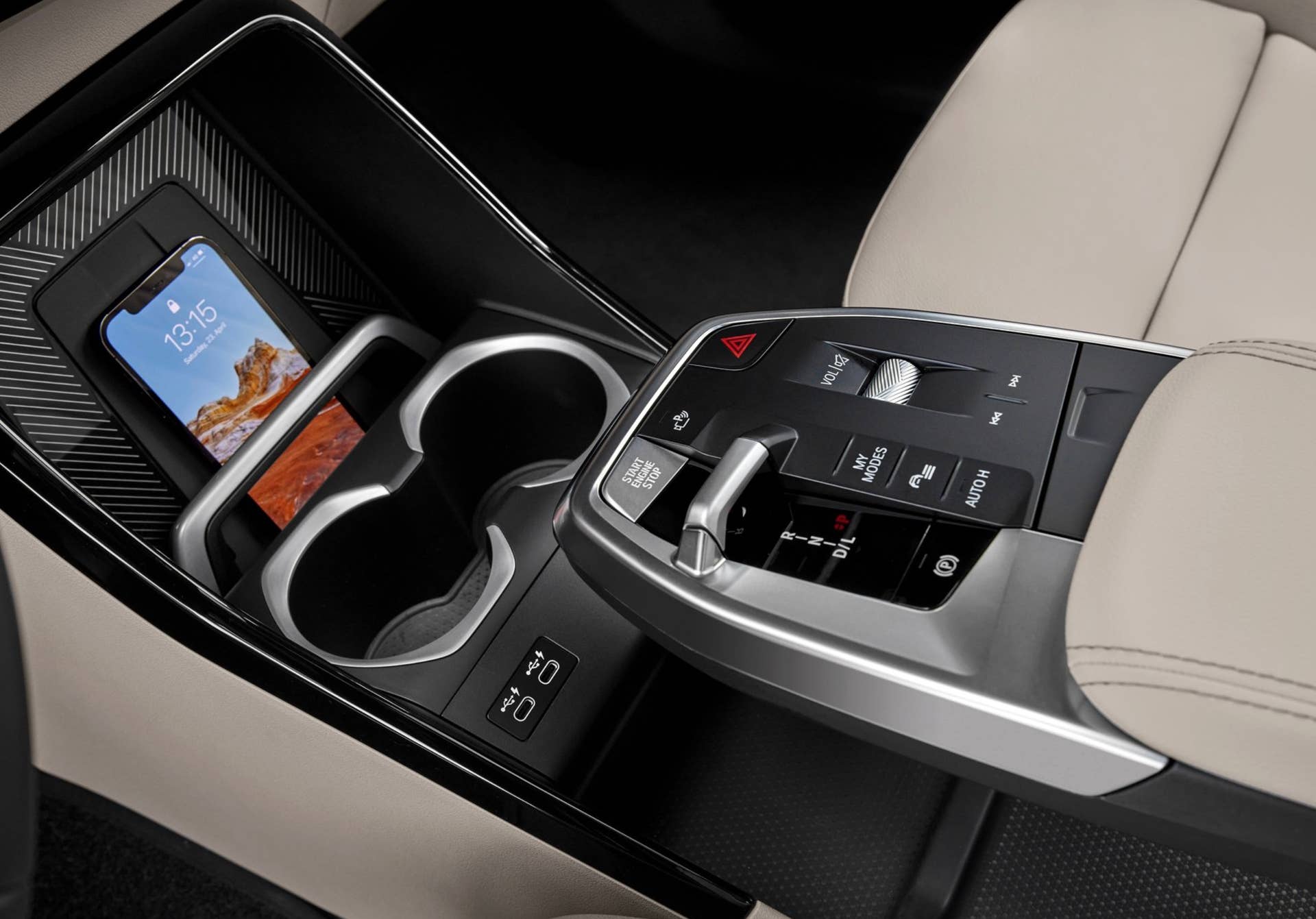
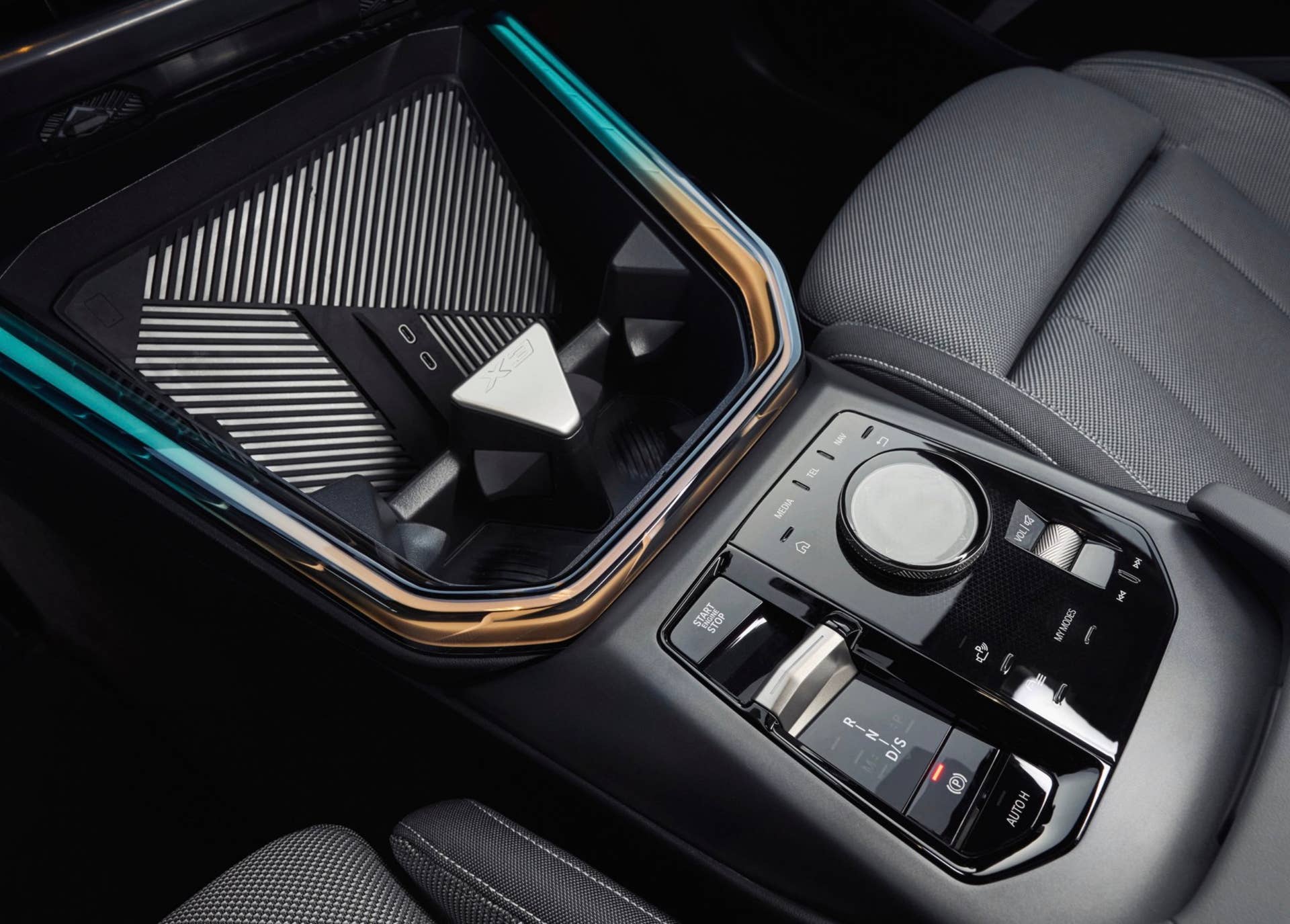
Both SUVs have transitioned to BMW’s Curved Display interface, with dual screens integrated into a single panel. By doing so, they’ve dispensed with many of the buttons in previous generations, which makes the new systems a little fussier to use. This is especially evident in the X1, which has done away with the physical rotary controller; curiously, BMW has retained this dial for larger models like the X3, so reliance on the touchscreen is lower.
BMW
BMW
The X3 also has larger standard displays, with a 12.3-inch digital gauge cluster and a 14.9-inch touchscreen. In the X1, you get a 10.25-inch digital gauge cluster and a 10.7-inch touchscreen. Other than that, the X3’s standard spec is very similar to the X1’s, and there isn’t as big of a difference in interior quality as you may expect.
5. X3 Outsells Cheaper X1 in The U.S.
BMW
BMW
Last year, BMW sold 76,546 X3s in the United States, 11.3% up on the previous year. Sales for the X1 remained stable, with 27,386 units, far behind the X3.
The gulf in sales between the two is a reflection of American preferences for larger, more powerful vehicles, despite the fact that the X3 costs more. The base X3 is now $51,300, while the cheapest X1 is $43,200. You can add many desirable extras to the X1 without exceeding $50k, and its straight-line performance is almost indistinguishable from the base X3’s.
Final Thoughts
The X1 and X3 are two of the most popular luxury crossovers in the country, and it’s not hard to see why. Both are spacious, well-equipped, quick across all trim levels, and refined, making the BMW X1 versus X3 comparison closer than expected.
If you’re comparing base models with the standard turbo engines, the X1 is well worth a look. It’s only under duress that the X3’s more sophisticated chassis tuning will really be noticed, and if you ask us, the X1 is now a prettier SUV. But, if you want more power and a more typical BMW feel, the X3 M50 is in a class above the X1. You’ll just need to be prepared to pay over $65k for one.
About the author

Karl Furlong
Senior Editor, Autoblog