

Two newcomers and a sales monster top our list of 2027’s best EVs
Demand for new electric vehicles may have waned in the United States, but many manufacturers remain committed to investing in EVs. These silent, powerful, and efficient vehicles aren’t going anywhere—it’s just a matter of when we’ll see a larger shift away from gas and hybrid cars. For anyone looking to make the switch now, there are a number of exciting and capable EV options on the market. Our choices excel when it comes to range, charging ease, and value. But a good EV needs more than a long range, so we’ve also considered comfort, performance, and practicality. Here are our selections for the best electric vehicles you can buy for 2027.
Winner: Tesla Model 3

Tesla
It’s not as popular as the Model Y crossover, but the Tesla Model 3 is the better EV. It’s cheaper to buy, yet more efficient and quicker. It also benefits from everything that makes Tesla ownership so alluring, from access to the vast Supercharger network to the availability of the Full Self-Driving (Supervised) system, which makes commuting a lot less fatiguing.
The Model 3’s most recent facelift introduced a sleeker design, reduced cabin noise, and classier materials; it’s a much better car than it was when originally launched. For the price, its range and performance specifications are exceptional, too. For just under $37,000, the base Model 3 has a range of 321 miles and springs from zero to 60 mph in 5.8 seconds. The Model 3 Performance delivers supercar-like acceleration (0-60 in 2.9 seconds) for $54,990, yet still covers over 300 miles on a full charge.
Charging speeds max out at 250 kW, making it possible to add 185 miles of range in 15 minutes.
Tesla
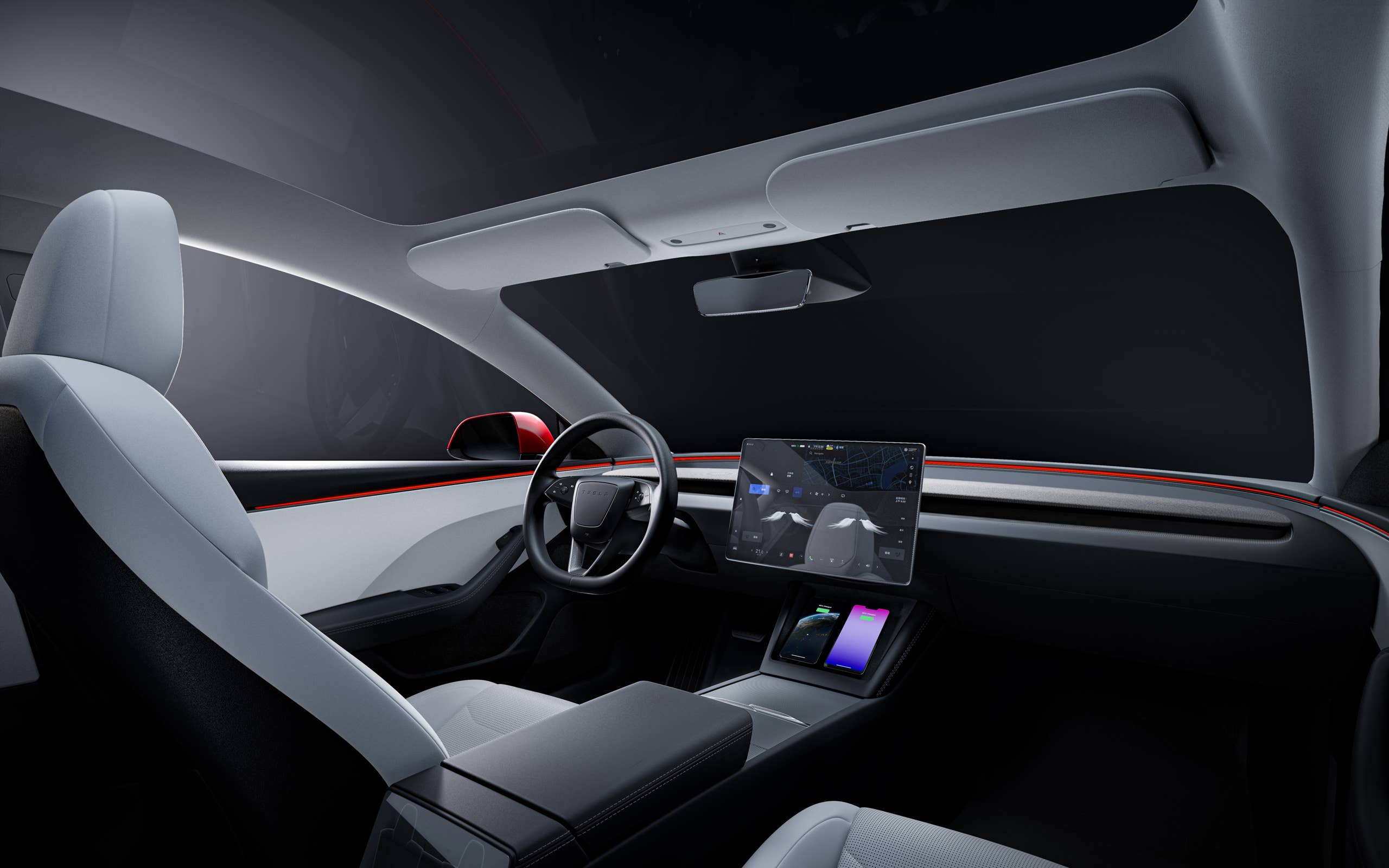
Like other Teslas, the extremely minimalist interior is polarizing. It feels futuristic and the touchscreen works brilliantly, but the absence of any physical controls or a traditional driver’s display can be frustrating. There’s a well-sized trunk and a useful frunk, but the back seat isn’t as spacious as the Model Y’s.
Overall, the Model 3 is a product that clearly comes from a company with more EV experience than practically anyone else.
Model 3 Pros
- Sleekly styled
- Excellent range
- Performance ranges from quick to brutal
- Novelty of FSD system
- More fun to drive than Model Y
Model 3 Cons
- Heavy reliance on touchscreen
- No Apple CarPlay or Android Auto
- Back seat can be cramped for taller adults
Model 3 Ratings
- Range: 5/5
- Charging Ease: 5/5
- Value: 4/5
Who’s It For?
With its attractive starting price, expansive charging network, and competitive range, the Tesla Model 3 is a great first-time EV for singles, couples, or young families. Tech-obsessed drivers will love the control setup and frequent over-the-air updates that add new features. It’s also a top choice for drivers seeking potent performance from their EV.
Recommended Trim
There’s a strong case to be made for all three Model 3 trims; the base model is by far the cheapest and the Performance a perfect tool for terrorizing BMW M3s. Our choice is the mid-range Model 3 Premium, though. It starts at $42,490, has a 363-mile range, and hits 60 in under five seconds.
Runner-up 1: BMW iX3

BMW
Although we haven’t driven it yet, the BMW iX3—which arrives in the U.S. later in 2026—is too impressive on paper to ignore. It’s a pivotal model for the brand, being the first of the Neue Klasse models. From its design language to the user interface and the battery technology, it represents a quantum leap over any previous BMW EV.
The first 2027 BMW iX3 variant, the 50 xDrive, starts at $61,500. That makes it around $20,000 less than the Porsche Macan EV and less expensive than the similarly quick X3 M50 six-cylinder model. The iX3 has a class-leading range of between 383 and 434 miles, figures that compete with much more expensive full-size electric SUVs. There isn’t a Tesla SUV that can match the BMW’s range.
BMW
Charging is also ahead of the pack, thanks to the iX3’s new 800-volt architecture, which enables charging speeds of up to 400 kW. At a compatible DC fast charger, the battery can be replenished from 10% to 80% in just 21 minutes.
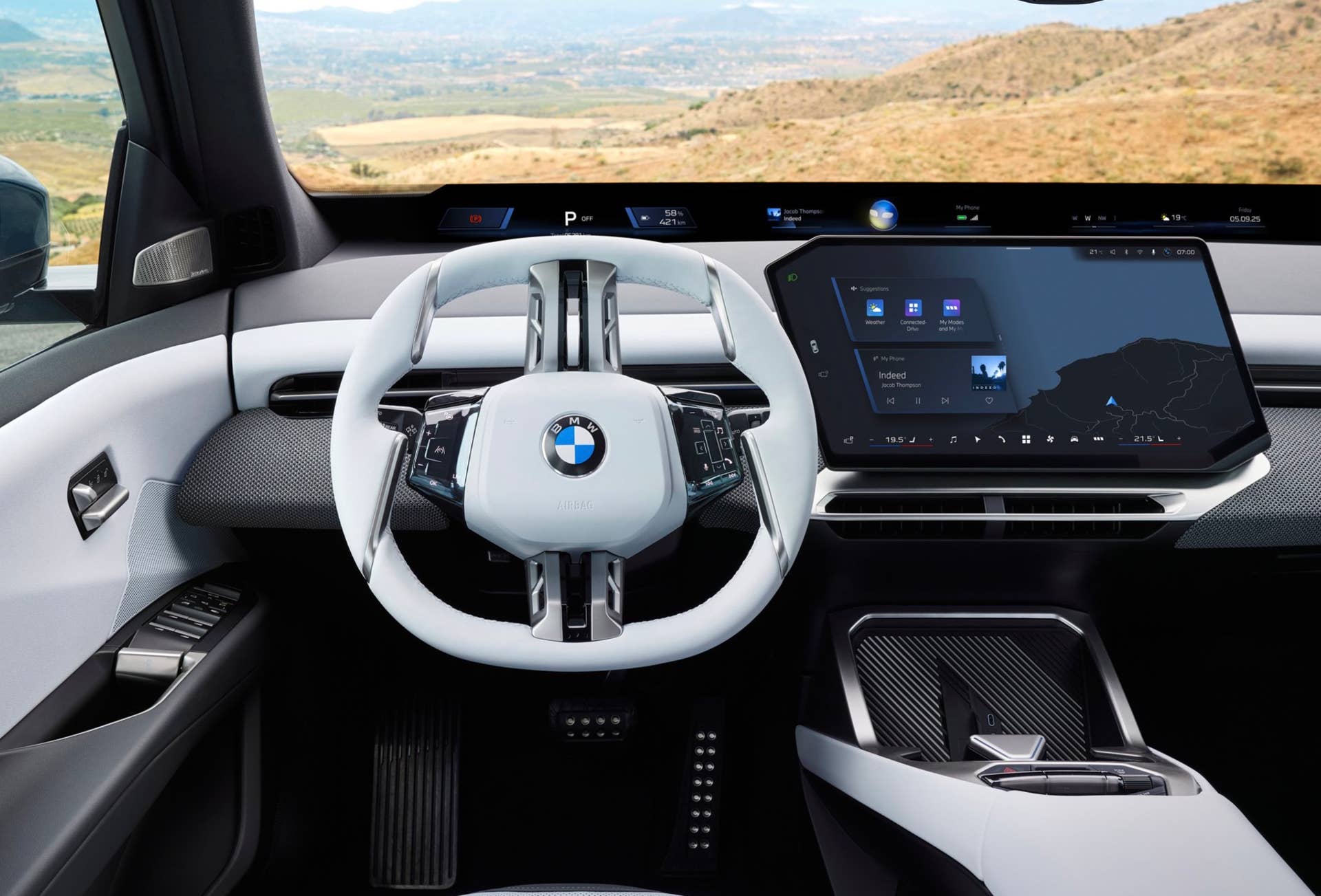
European reviews suggest the iX3 handles sharply and has taken a step up in quality relative to the gas-powered X3. Performance isn’t lacking, with a 4.7-second 0-60 time for the first model to arrive in America. It also has a dramatic new interior with the Panoramic iDrive, including a new touchscreen and a full-width display below the windshield. We found the latter display to be crystal clear when we sat inside the iX3.
Early iX3 sales have been strong in other markets, and we expect it to be just as popular in North America. If our driving impressions match the rest of the package, this will be one of the electric SUVs to beat.
iX3 Pros
- Class-leading charging
- Maximum range outclasses key rivals
- Reasonable starting price
- Ample performance
- Fresh new look for BMW
iX3 Cons
- We haven’t driven it yet
- Options drive up the price quickly
- Initially offered only in one trim
iX3 Ratings
- Range: 5/5
- Charging Ease: 4.5/5
- Value: 4/5
Who’s It For?
EV fans looking for more space than a sedan provides and all the luxury trimmings will appreciate the new iX3. It’s also a great option for any EV buyer worried about range anxiety, thanks to the BMW’s combination of long range and fast charging.
Recommended Trim
Initially, only the dual-motor, all-wheel-drive iX3 50 xDrive will be available. We expect a cheaper model and a high-performance version to arrive sometime in 2027.
Runner-up 2: Chevrolet Bolt
Cole Attisha
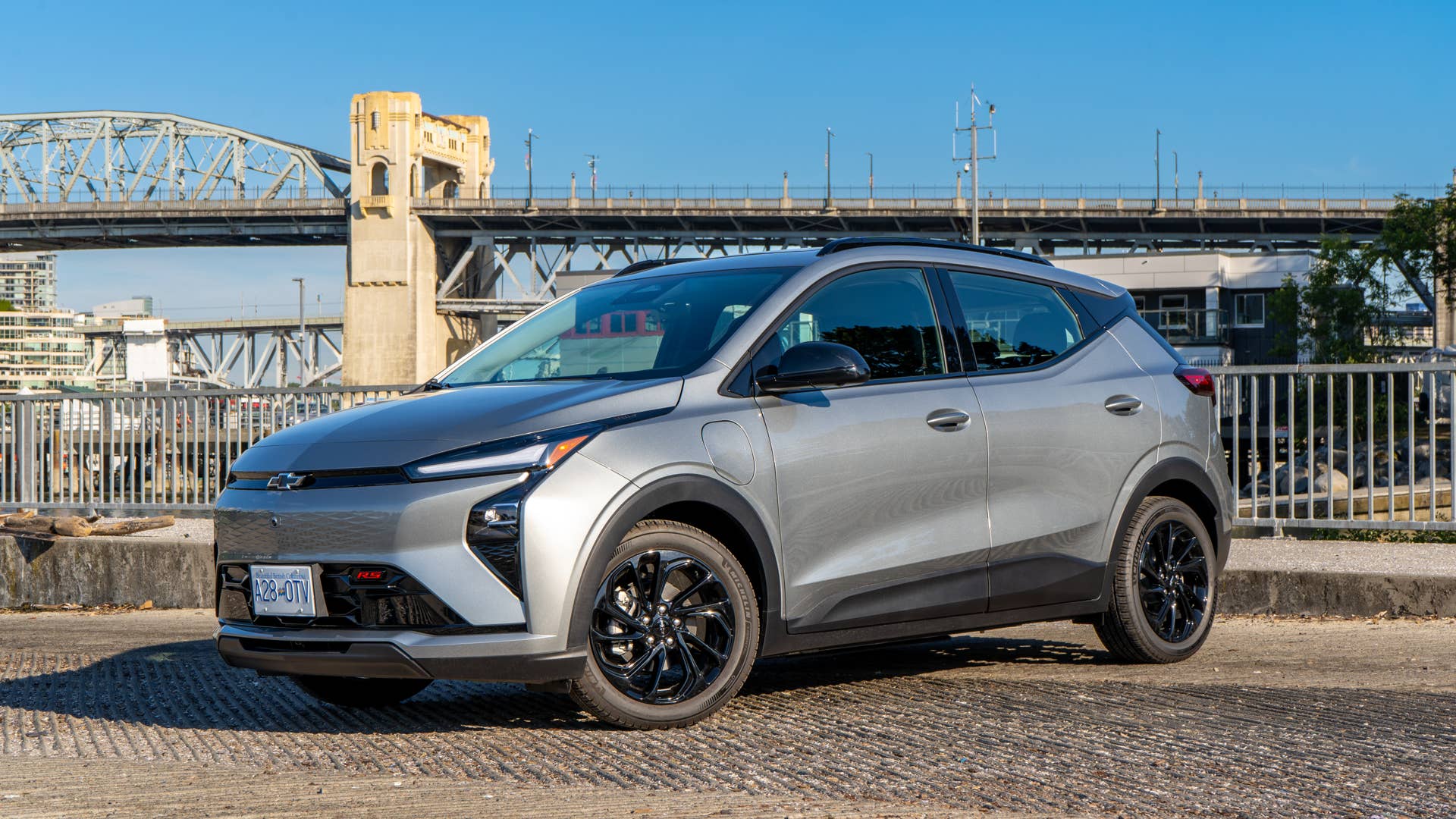
Not every EV needs to drive itself or blow you away when you open the door. The return of the Chevrolet Bolt was a big deal, as the U.S. market has a dearth of truly affordable electric cars. This one starts at just $27,600 for 2027, which gets you a 210-hp single motor and 262-mile range. It can charge at up to 150 kW, but the battery isn’t huge, so you can replenish it from 10% to 80% in a reasonable 25 minutes. That’s far better than the old Bolt.
Even though it doesn’t have outrageous outputs, we still found the new Bolt to be pleasingly responsive for everyday driving. The light steering and more comfort-oriented suspension tuning are appropriate for a vehicle of this kind, but it’s not an engaging car to drive.

Cole Attisha
In the cabin, you can tell it’s a budget EV by the choice of materials, but there are refreshingly few gimmicks. Passenger space is good and there are sensibly-sized buttons to complement the touchscreen. Speaking of screens, the dual displays give the interior a noticeable lift, but we missed the availability of Apple CarPlay and Android Auto.
The Bolt isn’t the best EV on sale by any means, but when viewed through the lens of that ultra-low price, it becomes very easy to recommend.
Bolt Pros
- One of the cheapest new EVs on sale
- Quick enough for the daily commute
- Much-improved charging performance
- User-friendly and spacious interior
Bolt Cons
- Not particularly fun to drive or look at
- Range might be too short for some
Bolt Ratings
- Range: 3.5/5
- Charging Ease: 4/5
- Value: 5/5
Who’s It For?
Students or first-time EV converts on a budget should find the Bolt easy to acclimatize to. It could also work well as a second household car for small families who want to save on quick trips around town.
Recommended Trim
The Bolt makes the most sense at its base price, so we’d recommend the LT trim. This model is available with some welcome extras, such as the $995 Comfort Package with a power driver’s seat and heated front seats. Adding that will still keep the total cost below the crucial $30,000 mark.
Honorable Mentions
Tesla Model Y

Tesla
The Model Y has been the best-selling electric vehicle in the U.S. for years now. It adds to the Model 3’s strengths with a much more spacious passenger compartment and trunk. Pricing still starts at just below $40,000, and you can get the Performance model if you want to blast your way to 60 in 3.3 seconds. Quality has improved in recent years and it has up to 357 miles of range. There’s also a new Model Y L, which offers a longer body and more comfortable seating for six.
Lucid Air
Kristen Brown
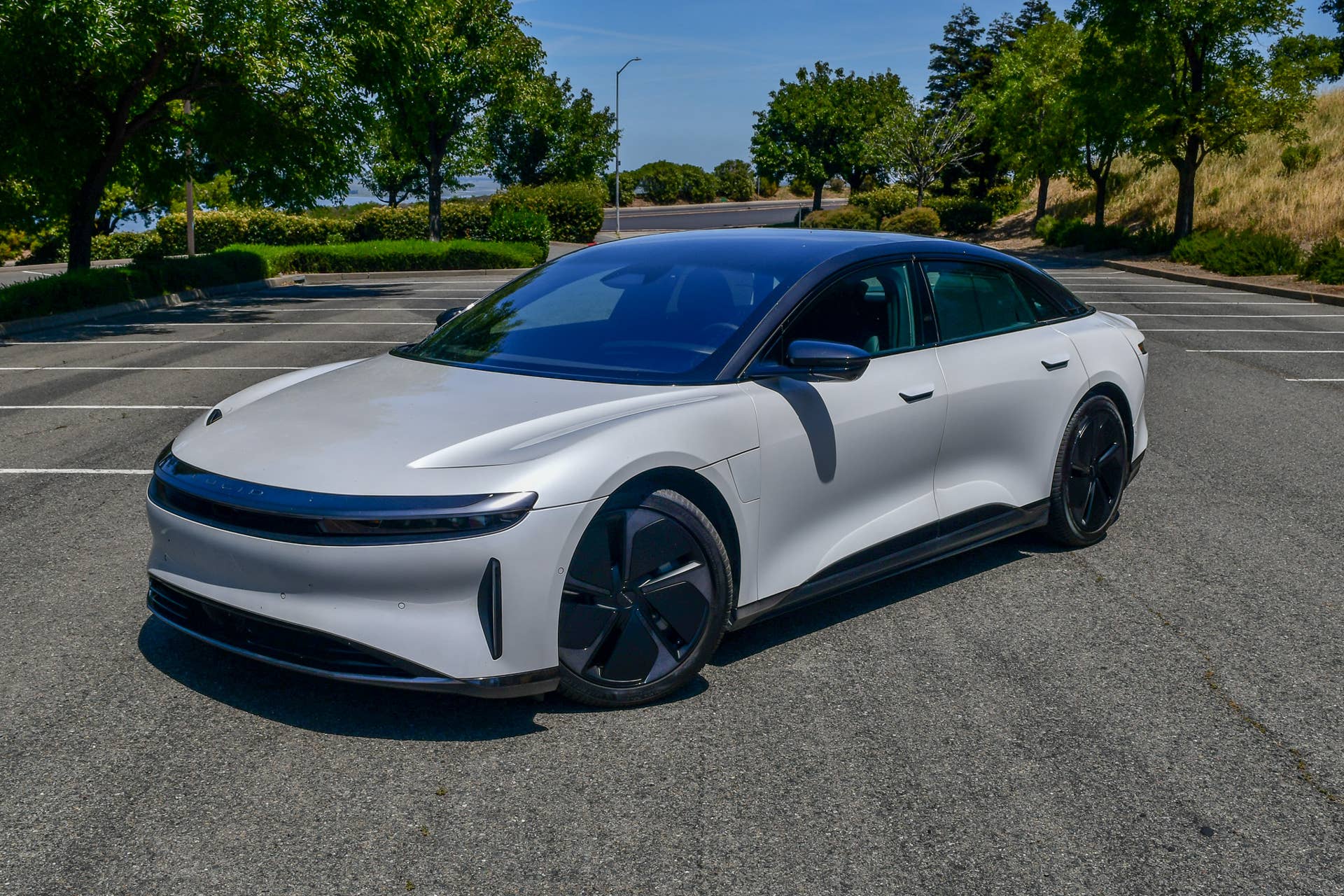
It’s not cheap, but the Lucid Air is a brilliant electric sedan. It starts at $70,900 for the Air Pure, which has 430 hp and a 420-mile range. The ballistic Air Sapphire has 1,234 hp and is one of the quickest cars in the world, with a 0-60 time of 1.89 seconds. Regardless of the model you choose, all Airs have a long driving range, rapid acceleration, and a classy design. We called the Air Touring the “most accomplished electric sedan” in its price range, and that says it all. If you can afford it, it’s an accomplished EV that can also be used for longer trips.
Nissan Leaf
Cole Attisha
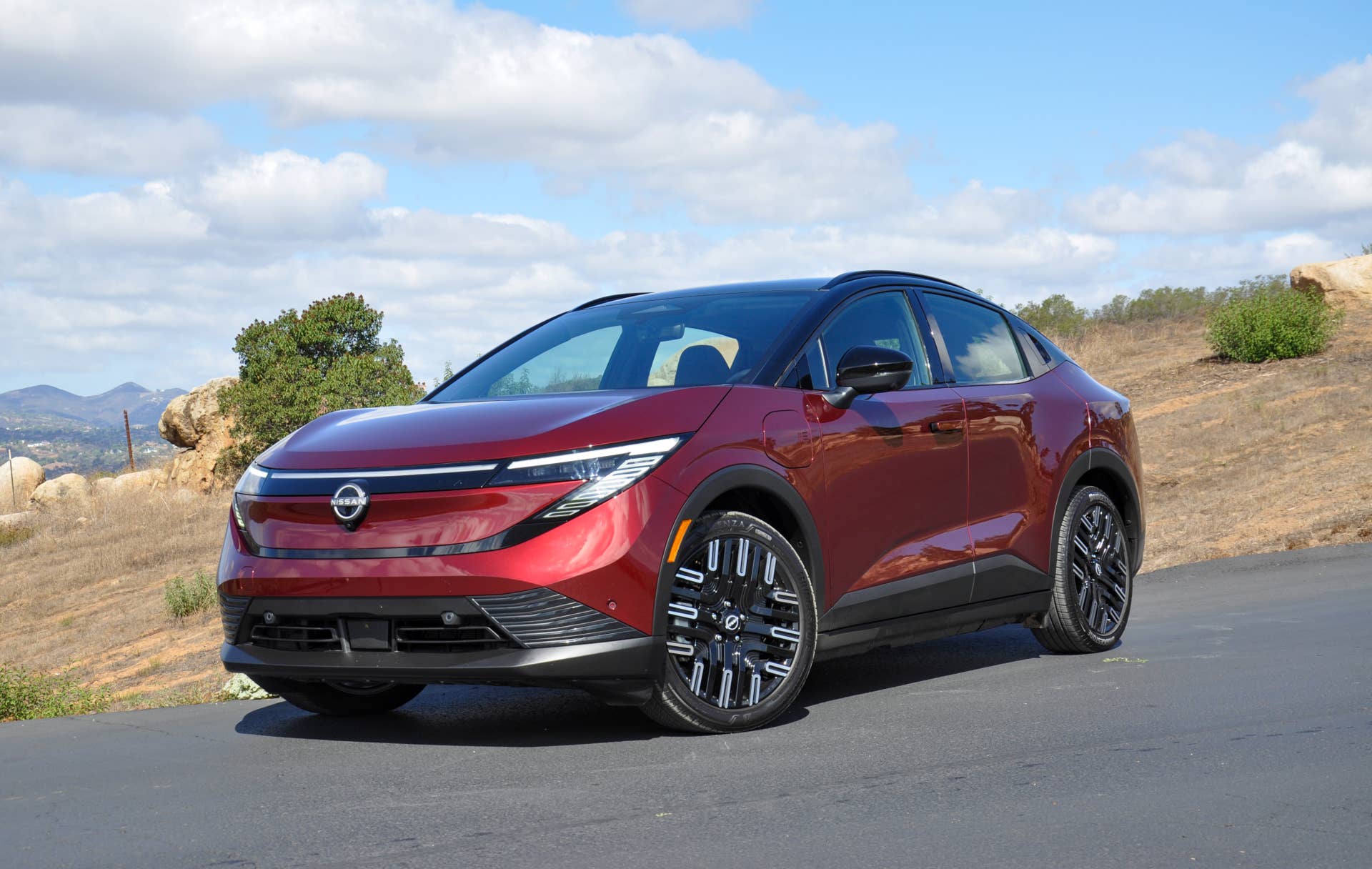
Like the Chevrolet Bolt, the Nissan Leaf answers the need for more attainable EVs. It starts at just under $30,000 for 2026, so is a bit pricier than the Bolt. But some may prefer the Nissan’s more expressive design. The range varies between 259 and 303 miles, and all models have a single electric motor with 214 hp. Nissan planned to introduce a cheaper variant, but that model has since been canceled. This is a cheerful starter EV with up-to-date tech.
Toyota C-HR
Cole Attisha
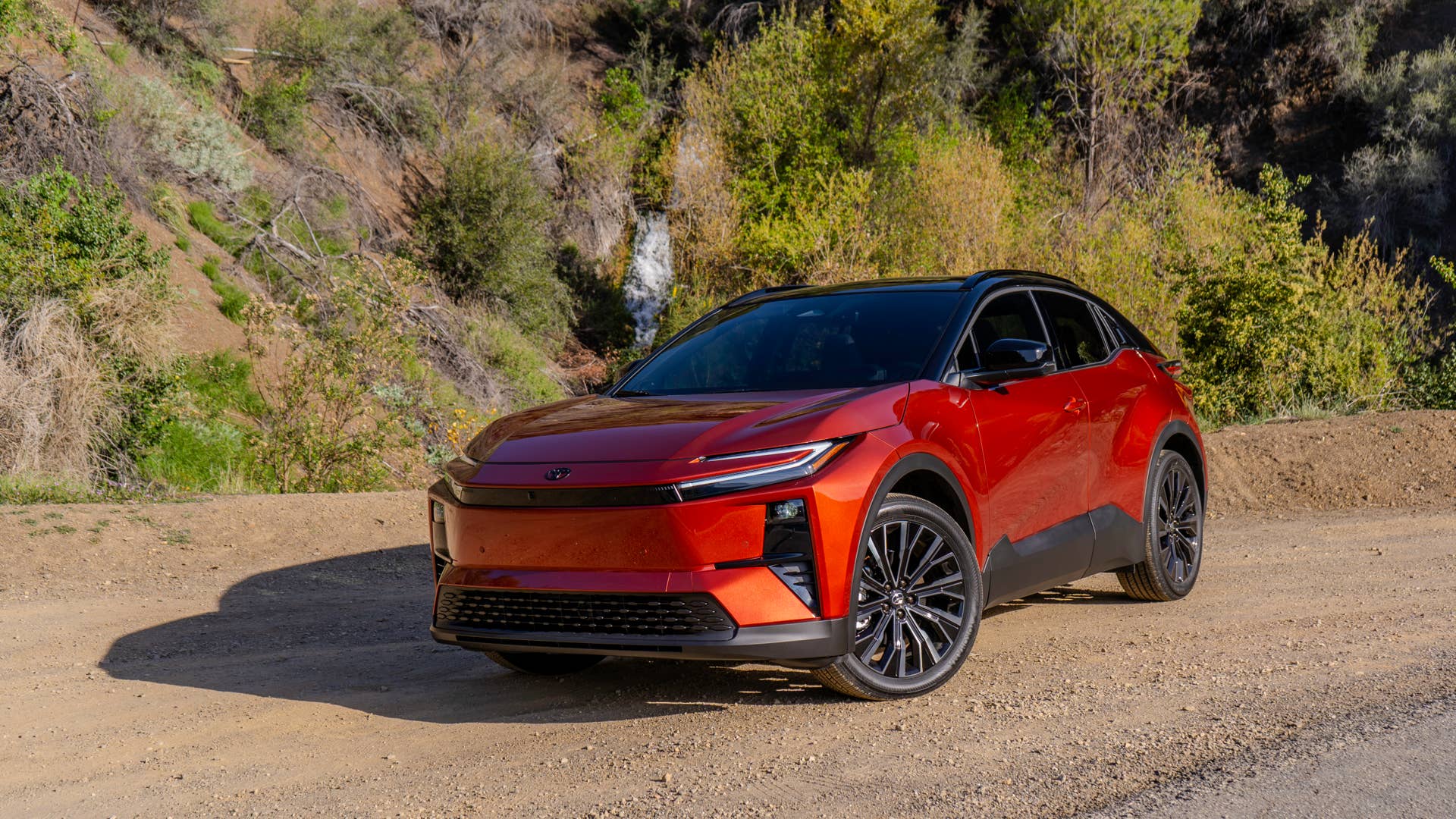
At precisely the time that many automakers have pulled back on their EV plans, Toyota’s lineup of electric models has flourished. The smallest EV it currently sells is the C-HR, which boasts sportier looks and performance than one might expect from a tiny Toyota. With dual motors, it produces 338 hp and gets to 60 in under five seconds, which represents Tesla-like pace off the mark. Charging speeds are competitive, although the range misses the magic 300-mile mark, but not by much; it can get 287 miles on 18-inch wheels. It’s more expensive than the larger bZ—the C-HR starts at $37,000 for 2026—but the C-HR also manages to show off Toyota’s often hidden fun side.
Rivian R2

Rivian
The Rivian R2 may move even higher up in the ranks as we spend more time with it. It will also be even more appealing once the Standard variant arrives, which will start at $44,990. The Performance version arrives first and starts at $57,990. This is the one we drove, and it impressed us with rapid acceleration, decent off-roading capabilities, and a rugged yet refined interior with some new—and very welcome—physical controls. This also looks and feels like the adventure SUV so many people can’t get enough of, which could be its main edge over the Model Y.
Conclusion
From under $30,000 to deep into six figures, there’s an EV for almost every budget in the United States. Barriers like charging difficulties, range anxiety, and much higher pricing still exist, but they’re less prominent than before. The EVs on our list should seamlessly complement the lifestyles of many buyers. Despite fresh competition, the Tesla Model 3 and Model Y still outsell everything else, and the Model 3 particularly is hard to beat at under $40,000. It covers all the bases that matter to EV buyers, so is our choice as the best new electric car you can buy for 2027.
About the author

Karl Furlong
Senior Editor, Autoblog