

MSRP: $29,990 – $38,990
Use the table of contents to jump to a section
Overview
The redesigned 2026 Nissan Leaf has undergone a complete transformation from a somewhat frumpy compact hatchback into a stylish subcompact electric crossover, entering its third generation with enhanced capabilities and box-fresh styling. The Leaf now has dual charging ports (including Tesla NACS compatibility), a range of up to 303 miles, and a significantly higher power output of up to 214 hp.
With its pricing starting below $30,000, the brand-new 2026 Leaf targets budget-conscious EV shoppers looking for practicality and affordability without sacrificing modern tech; standard features include Nissan’s full Safety Shield 360 suite, dual displays, and wireless smartphone integration. The new Leaf is ideal for eco-conscious families looking for an electric crossover with a decent range and urban commuters.

Nissan
What’s New for 2026
Everything is new because the 2026 Nissan Leaf electric crossover SUV is a complete redesign, moving away from the previous Leaf’s hatchback form factor. This is a dramatic change of mission, and is accompanied by a more commanding driving position and more interior and cargo space, while the interior also benefits from dual digital displays and thoroughly up-to-date new tech features.
The battery packs grow in size, too, with the standard one being 52 kWh and the available one 75 kWh, providing an EPA-estimated range of up to 303 miles. Top trims now produce 214 hp, and the dual charging ports include a traditional CCS port and a Tesla NACS port that allows the Leaf to be charged at more than 25,000 Tesla Supercharger locations.
Exterior
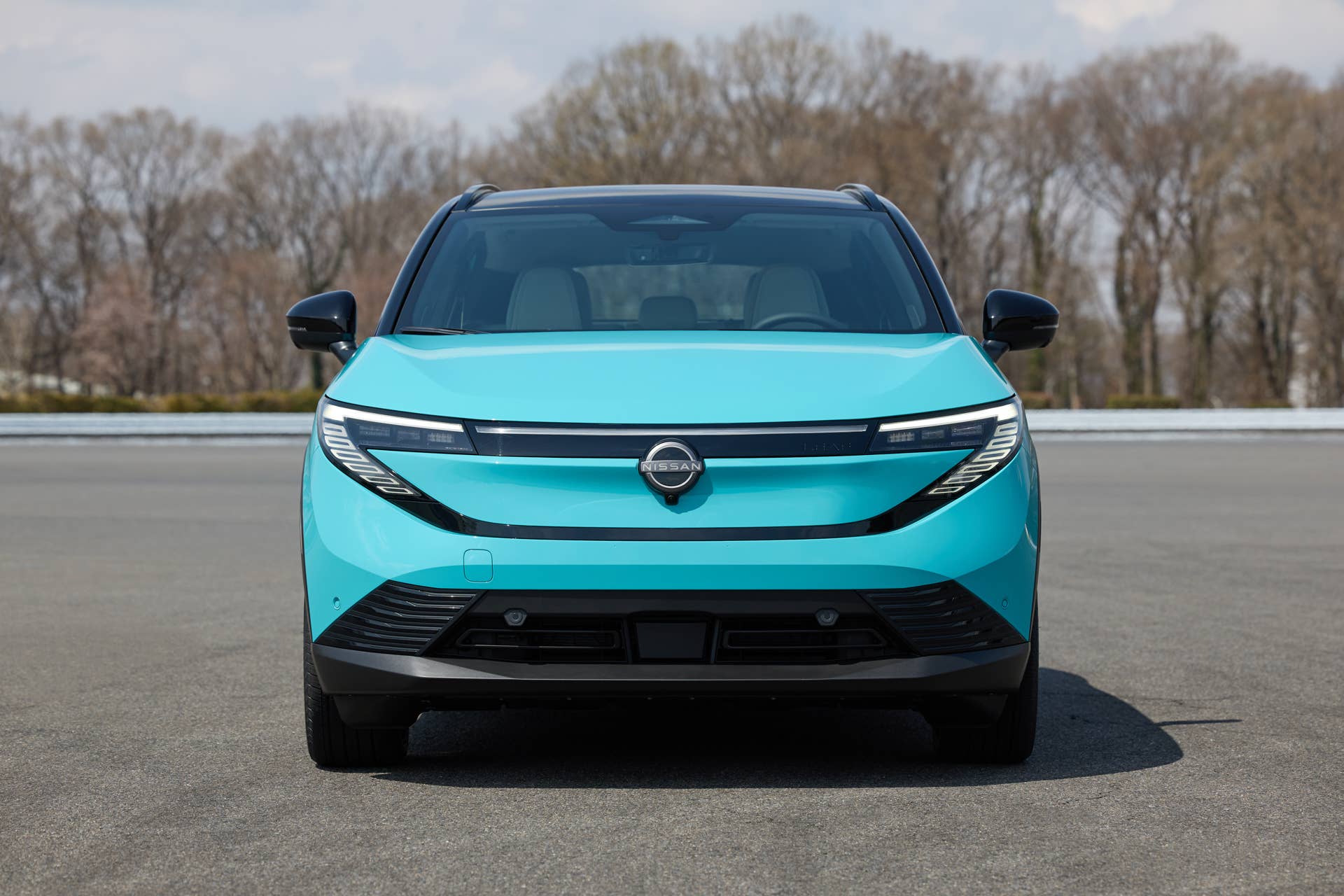
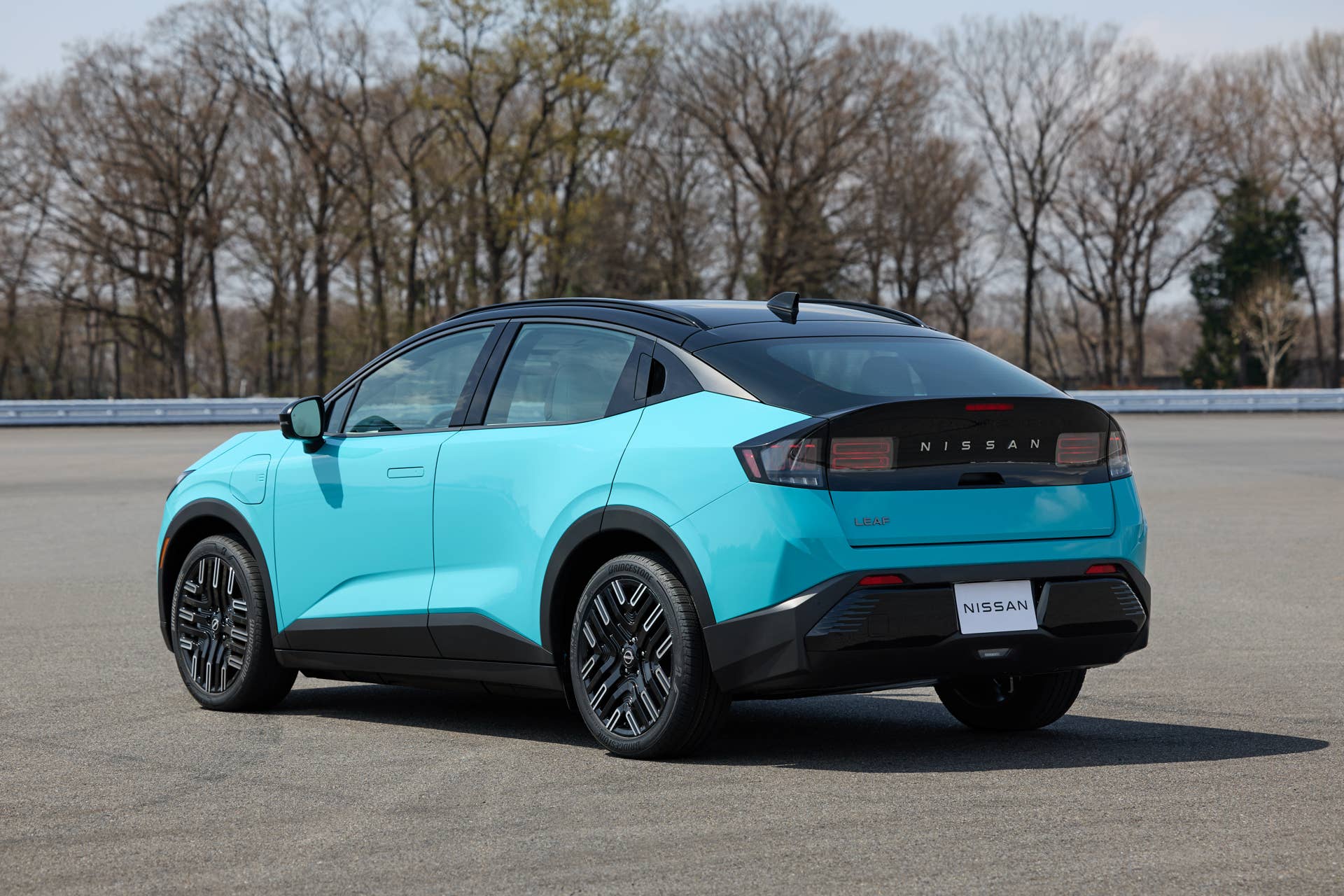
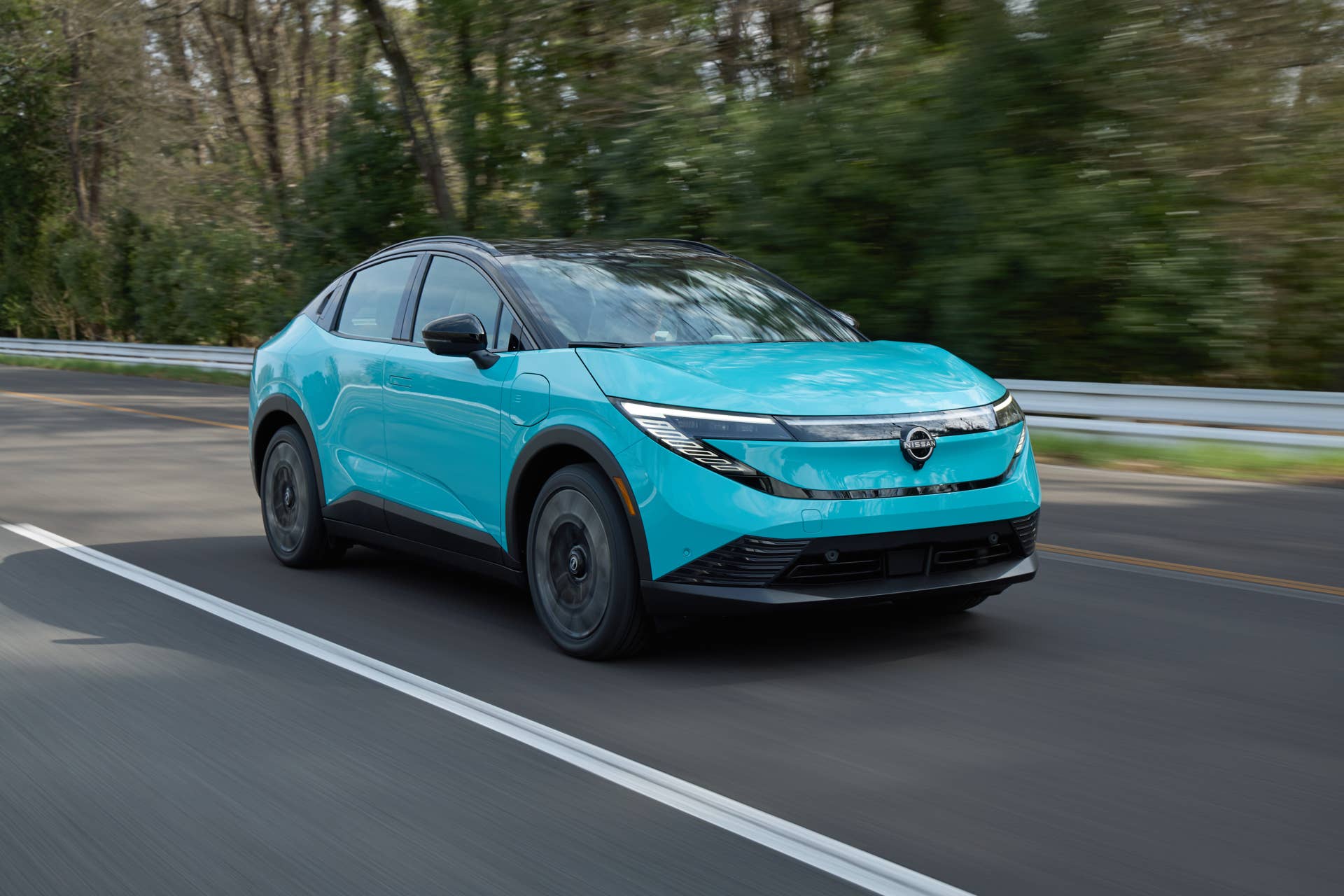
Although the 2026 Leaf turns into a crossover, it adopts a sleek and aerodynamically advanced new shape optimized for efficiency. It maintains a compact footprint for painless urban driving and parking, but you sit higher up now, with better visibility. The bold grille design underscores the Leaf’s electric nature, and the fascia features distinctive LED lighting elements. Smart new two-tone paint jobs are available, and wheels ranging in size from 18 to 19 inches enhance the Leaf’s sporty appearance. The sloping roofline evokes coupe vibes and contributes to low drag, as do flush door handles, but the tapering tail does eat into cargo space a bit.
Nissan
Nissan
Nissan
Interior
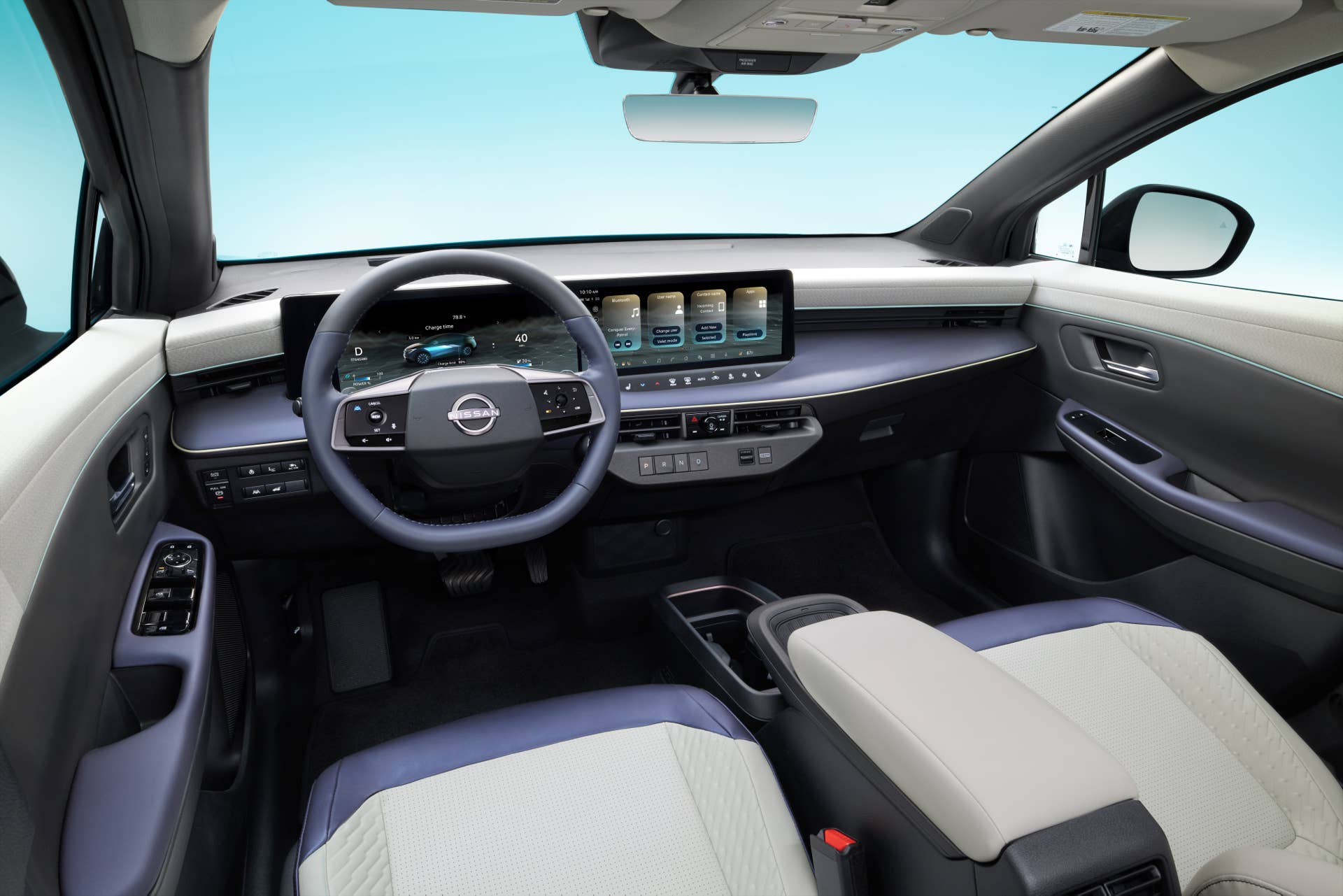
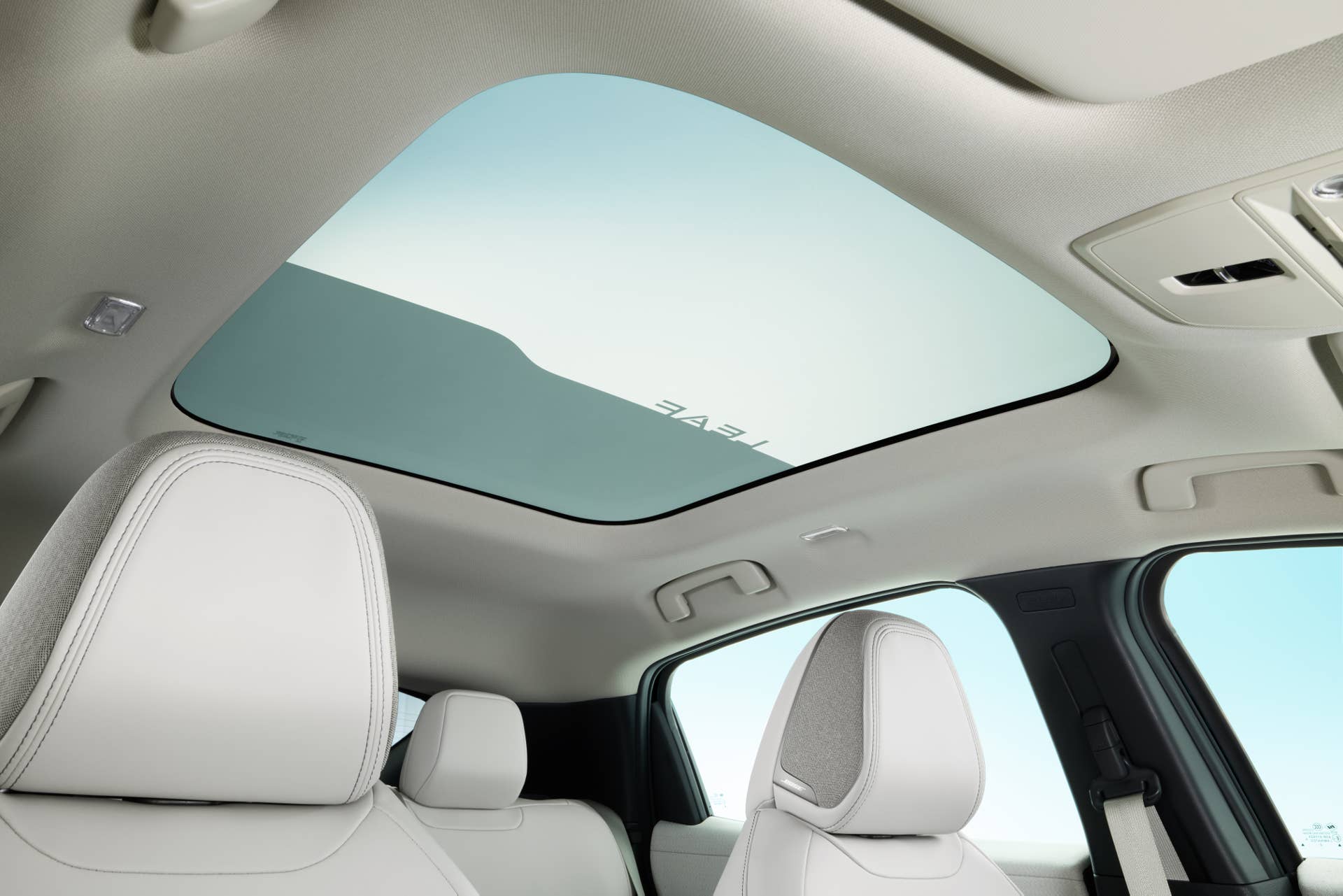
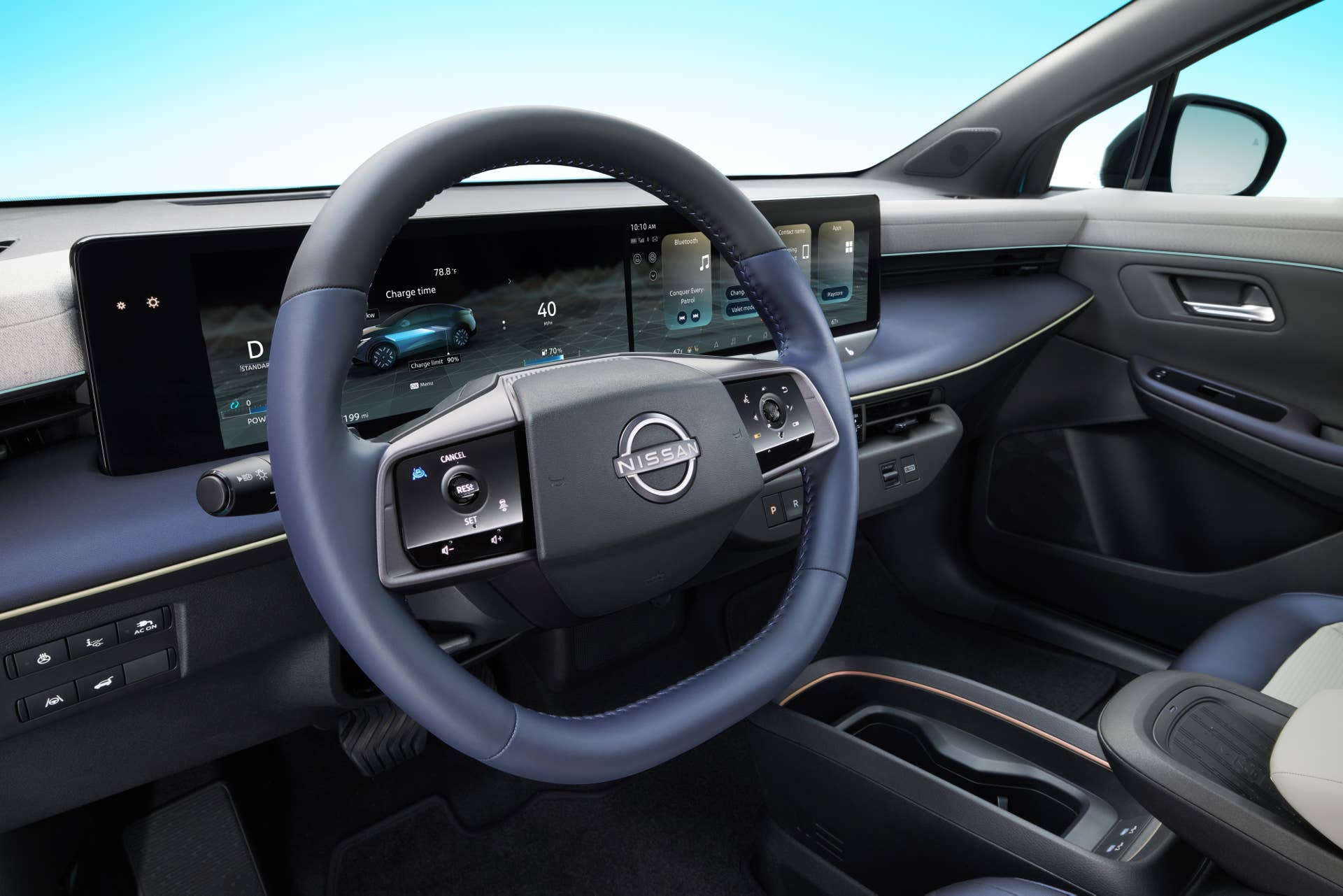
Inside the Leaf, the horizontal styling theme of the dashboard creates a sense of space, and the cabin’s minimalist design looks modern with its dual 12.3-inch digital displays – which increase in size to 14.5 inches on upper trims. Carpet-type dashboard finishes and other premium materials elevate the sense of well-being, though there are some brittle plastics lower down. The Zero Gravity front seats are very supportive and are heated on the top two trims.
Thanks to the crossover profile, there’s decent headroom for all passengers – even those under the sloping rear roof – but rear legroom is no more than adequate for adults. Oddments stowage is plentiful, with cupholders and more central console space than would otherwise be possible, thanks to the adoption of shifter buttons instead of a bulky gear lever. The top two trims get a wireless device charger, and the Platinum+ benefits from a premium Bose audio system.
Nissan
Nissan
Nissan
Price Range and Best Value Trim
| Category | Trim | Price |
| Base trim | S+ | $29,990 |
| Top trim | Platinum+ | $38,990 |
| Best value trim | SV+ | $34,230 |
The 2026 Nissan Leaf S’s price starts at only $25,360 MSPR, but the SV+ trim makes the most sense and offers the best value in the range, squeaking in below the $35k barrier, yet coming with the more powerful 214-hp powertrain and larger 75-kWh battery, as well as a power driver’s seat, heated front seats, leatherette upholstery, and rear ventilation vents.
2026 Nissan Leaf Specs Overview
This section provides the 2026 Leaf’s specifications and technical details regarding its performance metrics, driving range, battery capacity, electric powertrain, and charging capabilities. We look at the three trims’ charging times at various power levels, the EPA-estimated ranges, and the available motor outputs. This can help you pick the right Leaf for you and put it into perspective it its market segment.
Powertrain and Battery Options
| Powertrain type | Motor output (hp) | System horsepower | Battery capacity (kWh) | Drivetrain |
| Electric (S trim) | 174 | 174 | 52 | Front-wheel drive |
| Electric (S+/SV+/Platinum+) | 214 | 214 | 75 | Front-wheel drive |
Range and Efficiency
52-kWh battery pack and low-output motor. At the time of writing, the EPA has not yet assessed it. As for the other trims with the more powerful motor and 75-kWh battery, the S+ is the most efficient with EPA estimates of 131 MPGe city and 111 MPGe highway – good for a 303-mile range, though Edmunds achieved an even better 310 miles in their real-world range test. On the SV+, this drops to 122/114 MPGe and 288 miles, while the Platinum+ on its 19-inch wheels gets 110/103 MPGe and 259 miles.
Charging
For maximum flexibility, the Leaf has a J1772 charging port for Level 2 AC charging on the driver’s side and a NACS port for DC fast charging on the passenger side, with Tesla Supercharger access included. You can replenish the 75-kWh battery from 10-80% in about 35 minutes at the maximum DC fast-charging peak of 150 kW. Charging at home on a 240V AC charger will fully charge an empty battery in six and a half hours. Charging times for the smaller battery are not available yet. The mobile charge cord included with the car works on both 120V and 240V outlets.
Performance and 0-60 MPH
The electric motor in the base S trim produces 174 hp and 254 lb-ft of torque, which should be good for a 0-60 mph sprint of about 8 seconds, which isn’t quick nowadays. All the other trims get a more powerful 214-hp/261-lb-ft electric motor that cuts the sprint time down to around 6.8-7.2 seconds, so it’s a lot slower than, say, a Tesla Model Y, but perfectly adequate for daily driving and merging or overtaking on the highway.

Nissan
Dimensions
The new Nissan Leaf is 173.4 inches long, so it’s a subcompact in the same league as the upcoming 2027 Chevy Bolt (169.6 inches), making it ideal for urban environments, while still making the best use of its tall body style to provide crossover-like cabin space.
| Dimension | Measurement |
| Length | 173.4 in |
| Width | 71.3 in |
| Height | 61.3 in |
| Wheelbase | 105.9 in |
Interior Space (Front and Rear)
| Space | Measurement |
| Front headroom | 39.9 inches |
| Front legroom | 42.4 inches |
| Rear headroom | 36.6-37.2 inches |
| Rear legroom | 31.8 inches |
| Passenger volume | 92 cu.ft. (55 cu.ft. front / 37 cu.ft. rear) |
Cargo Space
Behind the rear seats, the Leaf has 20 cu-ft of cargo space, which isn’t bad, but the physically smaller but boxier Volvo EX30 has nearly 32 cu-ft, so that’s the price the Nissan pays for that severely sloping tail. Space expands to 55.5 cu-ft with the seats folded.
Ground Clearance
The Leaf might look like a crossover, but its ground clearance is a mere 5.3 inches – less than many passenger cars – so it’s meant for normal paved roads or the occasional well-maintained gravel road, and nothing more.
Warranty
| Warranty Type | Coverage |
| Basic warranty | 3 years / 36,000 miles |
| Powertrain warranty | 5 years / 60,000 miles |
| EV battery warranty | 8 years / 100,000 miles |
| Corrosion warranty | 5 years / unlimited miles |
| Roadside assistance | 3 years / 36,000 miles |
| Complimentary maintenance | 36,000 miles |
Pros and Cons
Pros:
- Very affordable pricing starting at just over $25,000
- An impressive 303-mile maximum range
- Dual charging ports, including access to the Tesla Supercharger network
- Many standard safety features
Cons:
- Firm, occasionally bouncy ride quality
- Fairly high wind noise on the highway
- No AWD option
- 150-kW fast-charging capability does not lead the class
Verdict
The 2026 Nissan Leaf has transformed into the popular crossover body style, addressing the shortcomings of the old model, while still offering excellent value from just over $25k. With trendy SUV styling, a much longer driving range, decent cabin space, and modern technology, it’s a great new option for budget-conscious EV shoppers.
It doesn’t charge as quickly as some rivals, but the dual charging ports and Supercharger access are boons. The ride quality and body control could be better, but we can’t really complain too much at this low price point. The SV+ trim stands out as the sweet spot in the lineup, and combines the uprated powertrain and larger battery to offer a decent range and lively performance.

Nissan
About the author

Cobus F. Potgieter
Reviews and Features Editor