
The greatest modern-era BMWs
Going into the 21st century, BMW was riding a tidal wave of success. The core 3, 5, and 7 Series sedans were at the peak of their powers, the original X5 redefined how well an SUV could drive, and BMW’s M division was building automotive hall-of-famers like the E39 M5. Things have been more complicated since then, as the brand drifted somewhat from its sporty roots in the pursuit of luxury and sophistication. The cars became heavier and design choices were made that continue to divide fans to this day.
But, despite how experimental the 21st century has been for BMW, it has still cranked out some magnificent cars. I’ve selected what I believe are seven of the best, with all hitting one or more of the brand’s iconic hallmarks: driving pleasure, technical innovation, precision engineering, and sporty yet elegant design. And, while it would be easy to fill this list with red-hot M cars, core BMWs have not been neglected, either.
7. 2020 BMW M2 CS (F87)

BMW
The first-generation BMW M2 is a brilliant driver’s car in any form, but the M2 CS is the ultimate iteration. The 3.0-liter twin-turbocharged six-cylinder engine is derived from the one in the M4 Competition, making 444 horsepower and 406 lb-ft of torque. Powering the rear wheels through either a six-speed manual or seven-speed dual-clutch automatic, the M2 CS has the agility, feel, and rawness of an E46 M3—only with more grunt and even tauter responses.
This car is pure joy on four wheels and was a reminder that BMW’s comfort zone lies in smaller, focused compacts, not 5,000-pound SUVs. It doesn’t hurt that BMW probably hasn’t made a nicer-looking coupe since this one.
6. 2006 BMW M5 (E60)
BMW
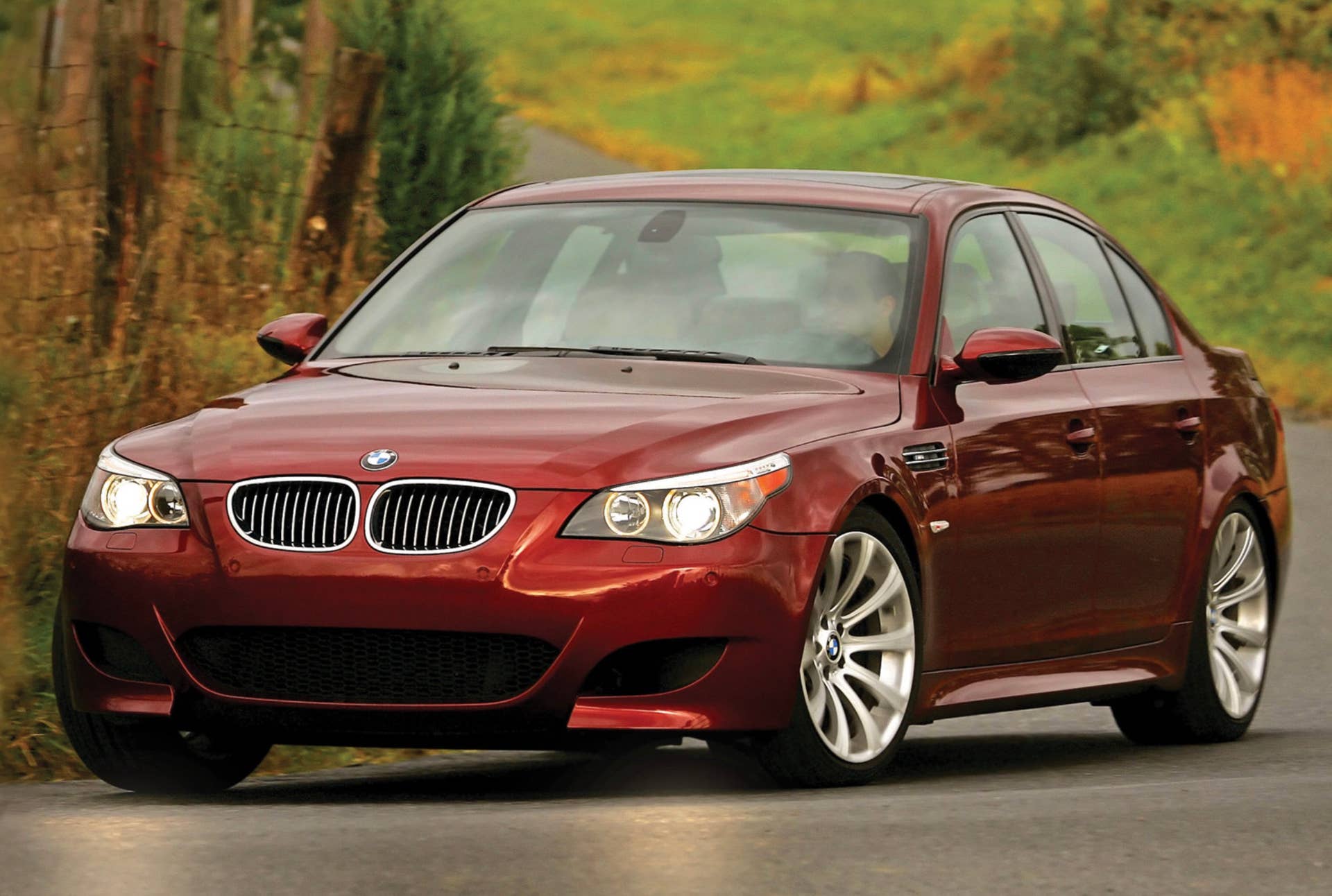
There are a few reasons the E60 M5 shouldn’t be on this list. Many found it unappealing to look at, the technology was overly complicated, the single-clutch automated manual transmission was jerky in normal use, and it was—and still is—atrociously unreliable. But the driving experience dominates this M5 to the extent that you want to forgive it for all its flaws.
The real star of the show is the 5.0-liter naturally aspirated V10 engine, the first and last time BMW was nuts enough to equip one of its cars with a V10. It only makes its peak 500 hp at 7,750 rpm, and the red line is at a screaming 8,250 rpm. It sounds glorious and animalistic in a way today’s plug-in hybrid M5 never could. The E60 handles with precision and it still has hydraulic steering, so is wonderfully communicative. The SMG also comes alive on the track, when its aggressive, quick shifts work harmoniously with the high-revving V10.
We may never see another four-door sedan like this one, surely one of the top BMW models—but be prepared for exorbitant maintenance costs.
5. 2013 BMW 6 Series Gran Coupe (F06)
BMW
BMW
BMW
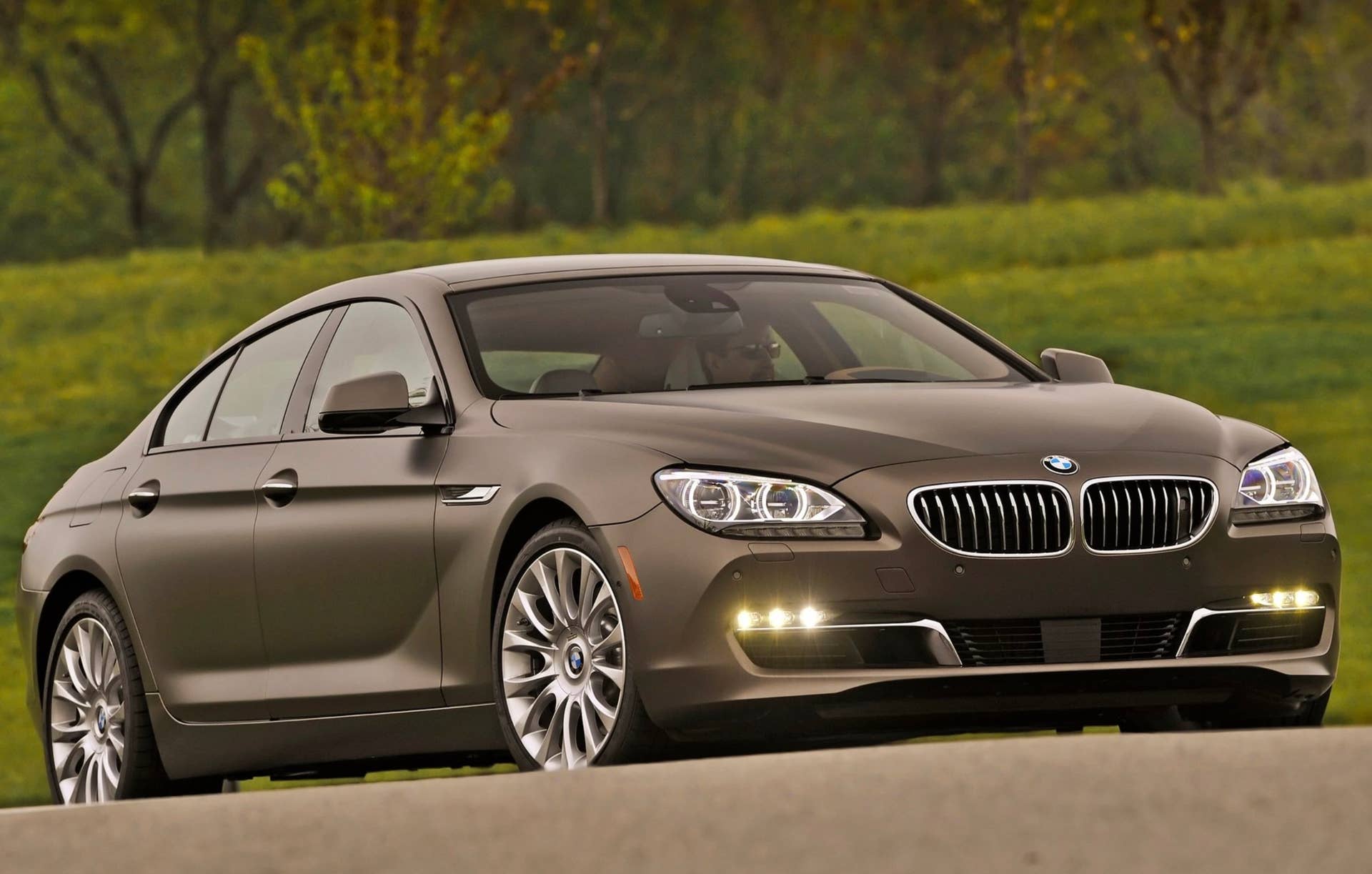
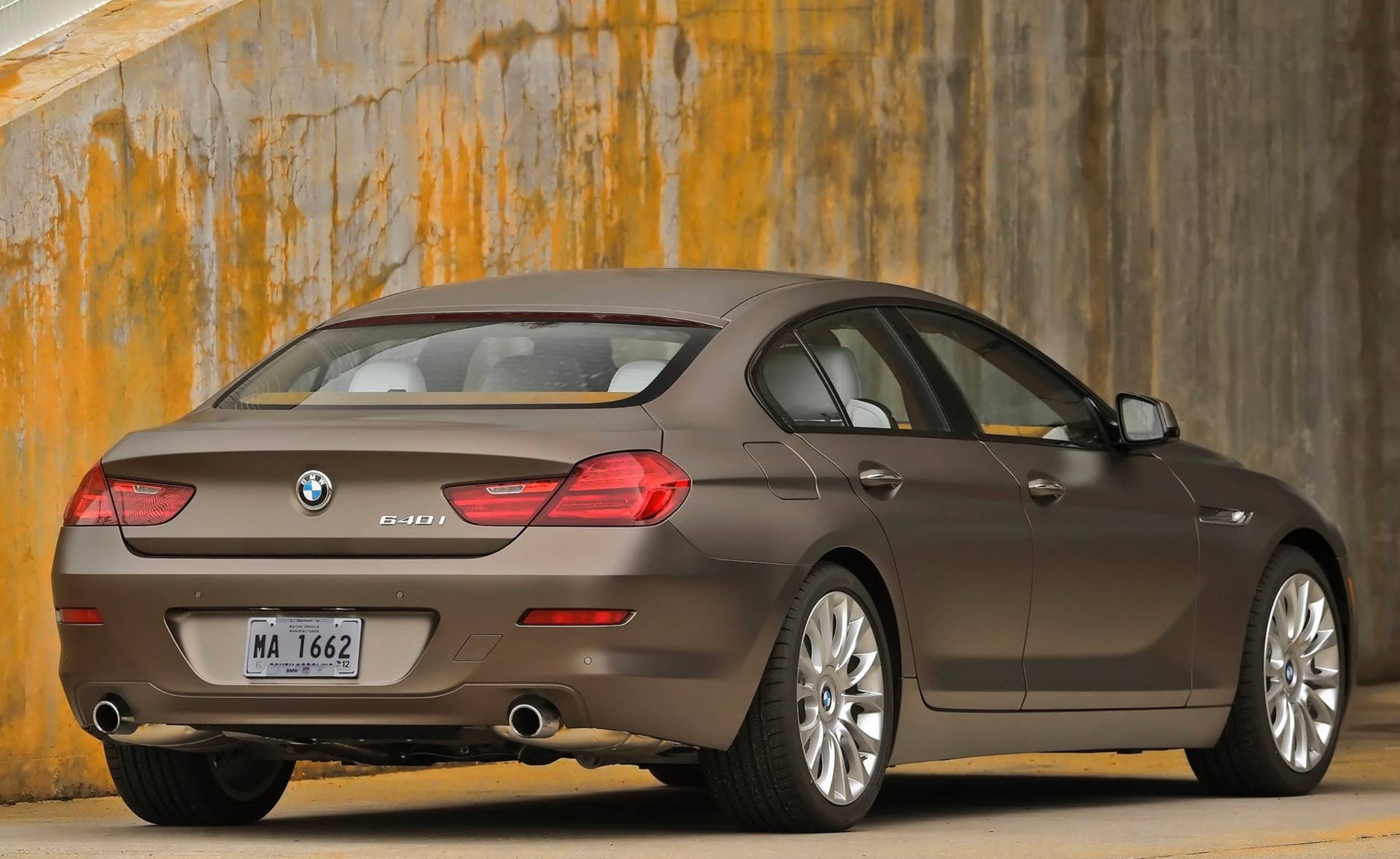
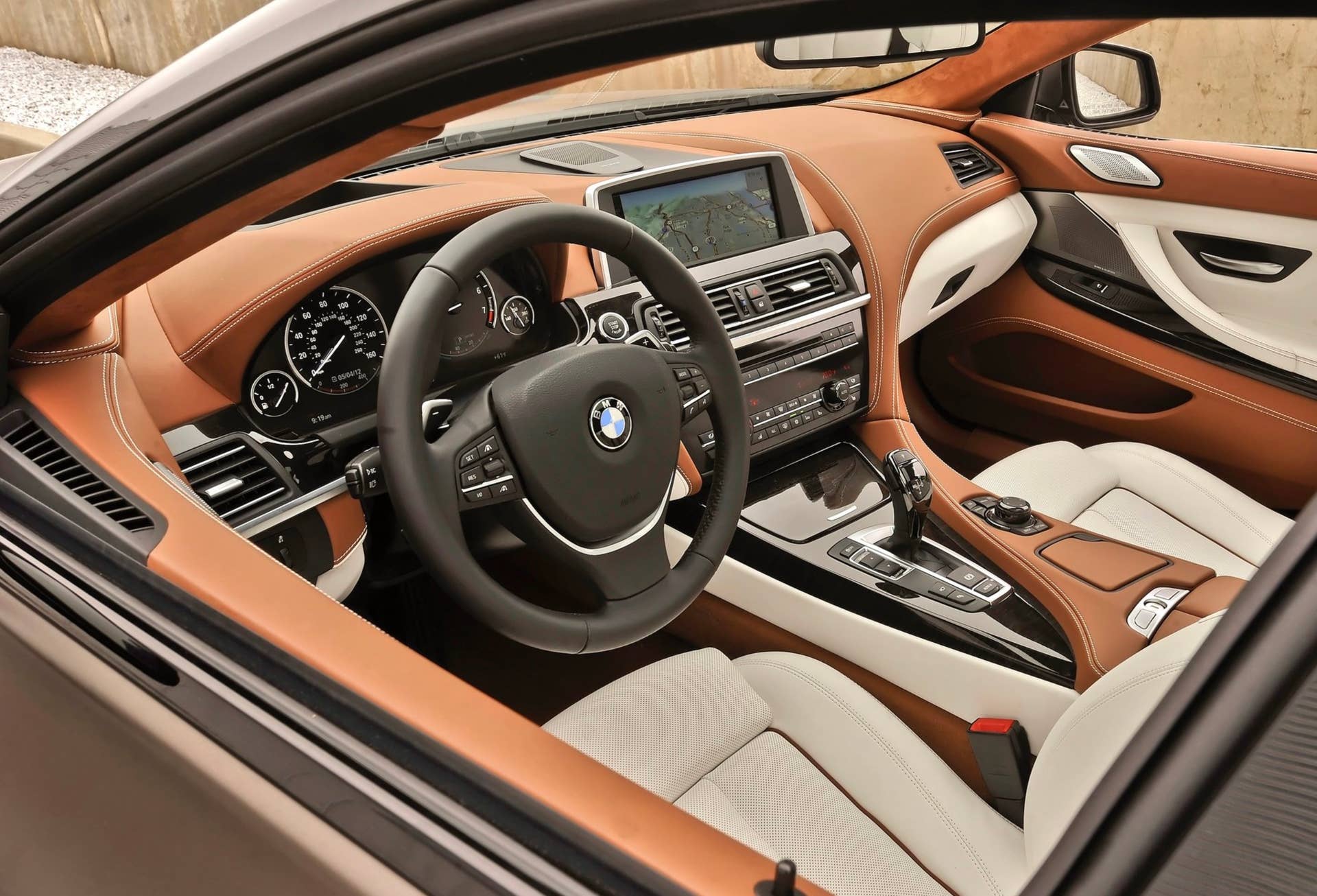
BMW has made many impactful cars in the 21st century, but very few of them strike me as genuinely beautiful. The BMW 6 Series Gran Coupe is an exception—it’s got to be one of the prettiest four-door BMWs of all time. Often forgotten when the best BMWs are discussed, the 6 Series GC came after the controversial Bangle era and reminded us all that the brand could still make desirable, poster-worthy cars.
The 6 Series GC isn’t all looks and no substance, though. It has a stunning interior that wraps around the four lucky occupants, making it one of the nicest BMW models here to be driven in. Materials are of the highest order, and it could be optioned to near 7 Series levels. Six- and eight-cylinder engines are refined and punchy, so it’s great to drive, too.
Like the original 6 Series launched in the 1970s, the modern 6 Series GC turned up the glamor in a big way. It’s an aspirational vehicle for anyone driving an everyday 3 Series.
4. 2002 BMW 3 Series (E46)
Cars & Bids
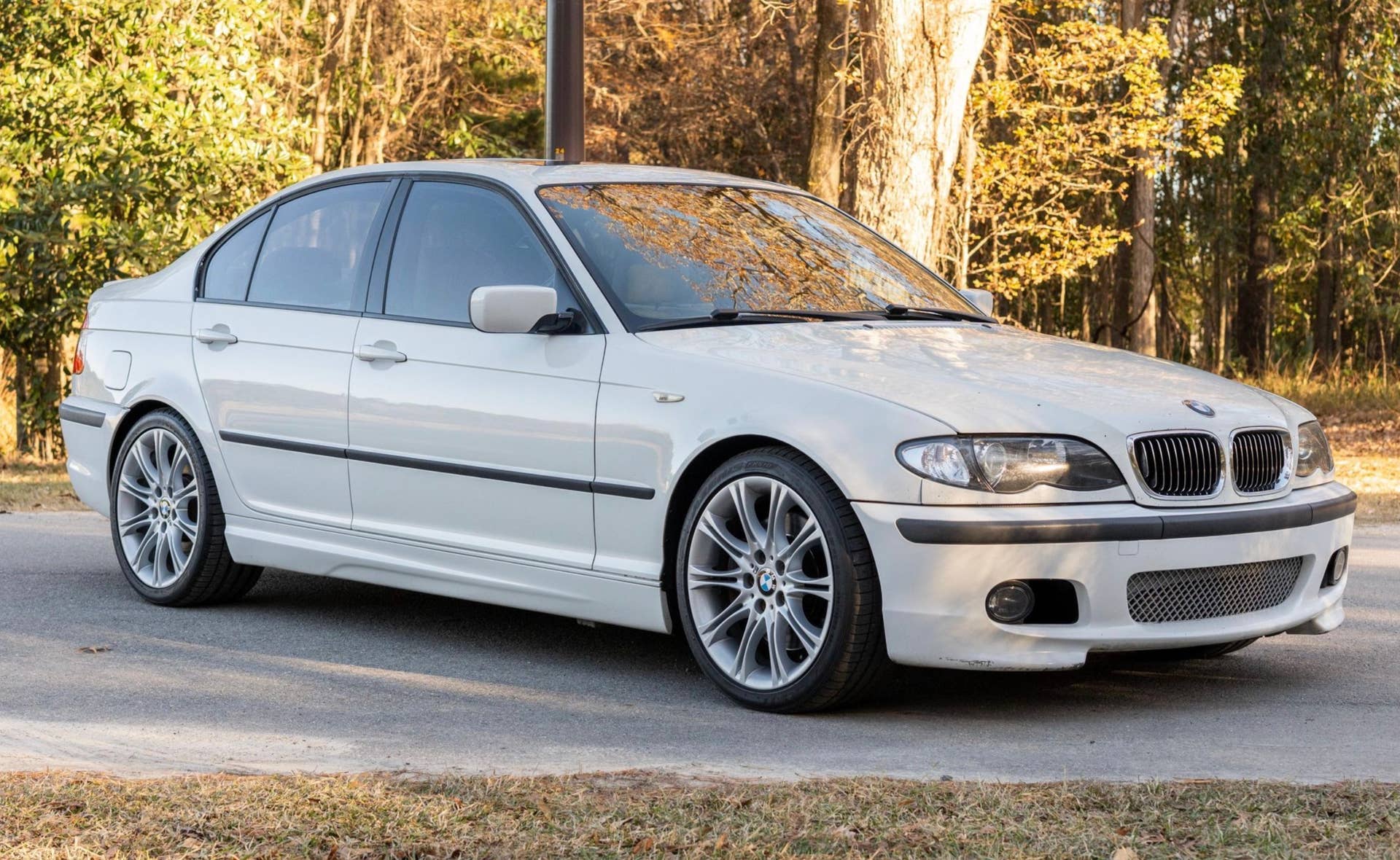
Launched in the 1990s but perfected early in the 21st century, the E46 3 Series remains one of the most quintessential BMWs ever produced. It’s also one of BMW’s most popular models ever, being the first 3 Series to sell over 100,000 units annually in the USA.
It looks surprisingly small alongside the modern G20, but the smaller footprint is exactly what contributed to it being so good to drive. It was luxurious yet responsive, and the numerous six-cylinder engines were much more reliable than the turbocharged mills that came in later generations. Its 50/50 weight distribution, available manual gearboxes, and rear-wheel-drive layout make it a joy to drive, even today.
The 2002 3 Series was the facelifted model introduced in the U.S., which introduced cleaner styling and more powerful engines. It set a standard that few rivals—and even BMW itself—struggled to match up to. If you’re a fan of the brand but don’t have the budget for a new one, this is one of the best BMWs to buy used.
3. 2011 BMW 1 Series M Coupe
BMW
BMW
BMW
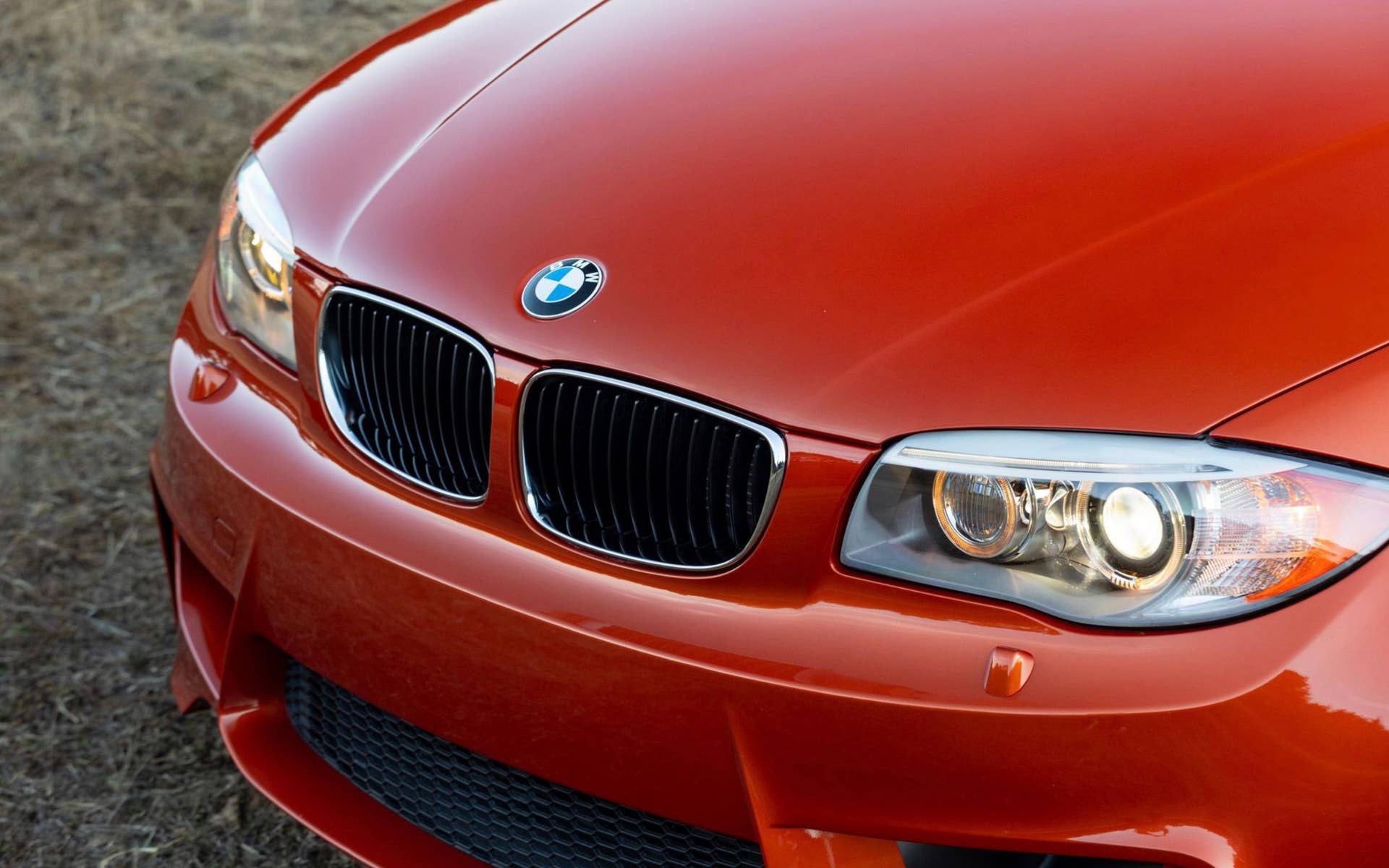
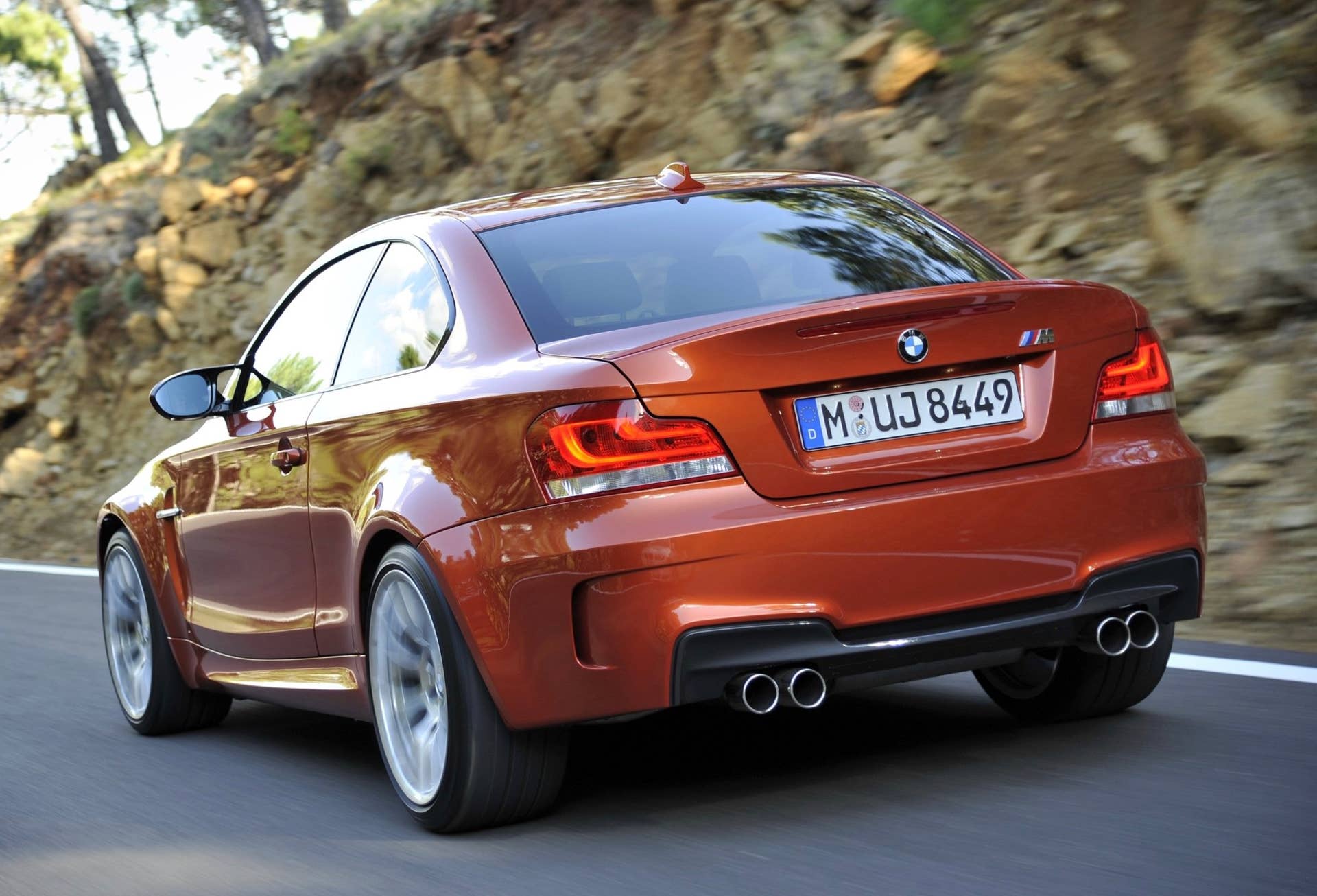
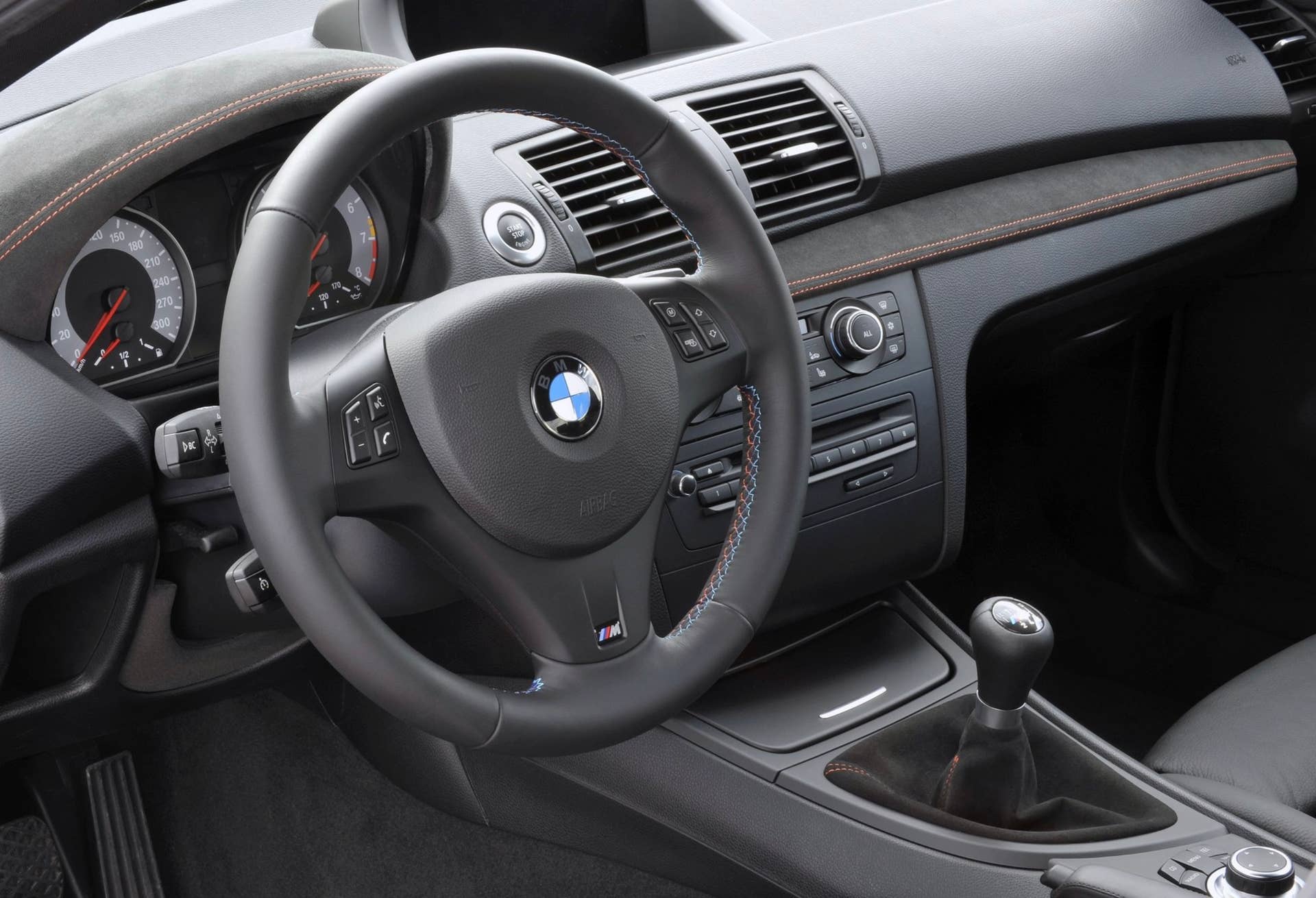
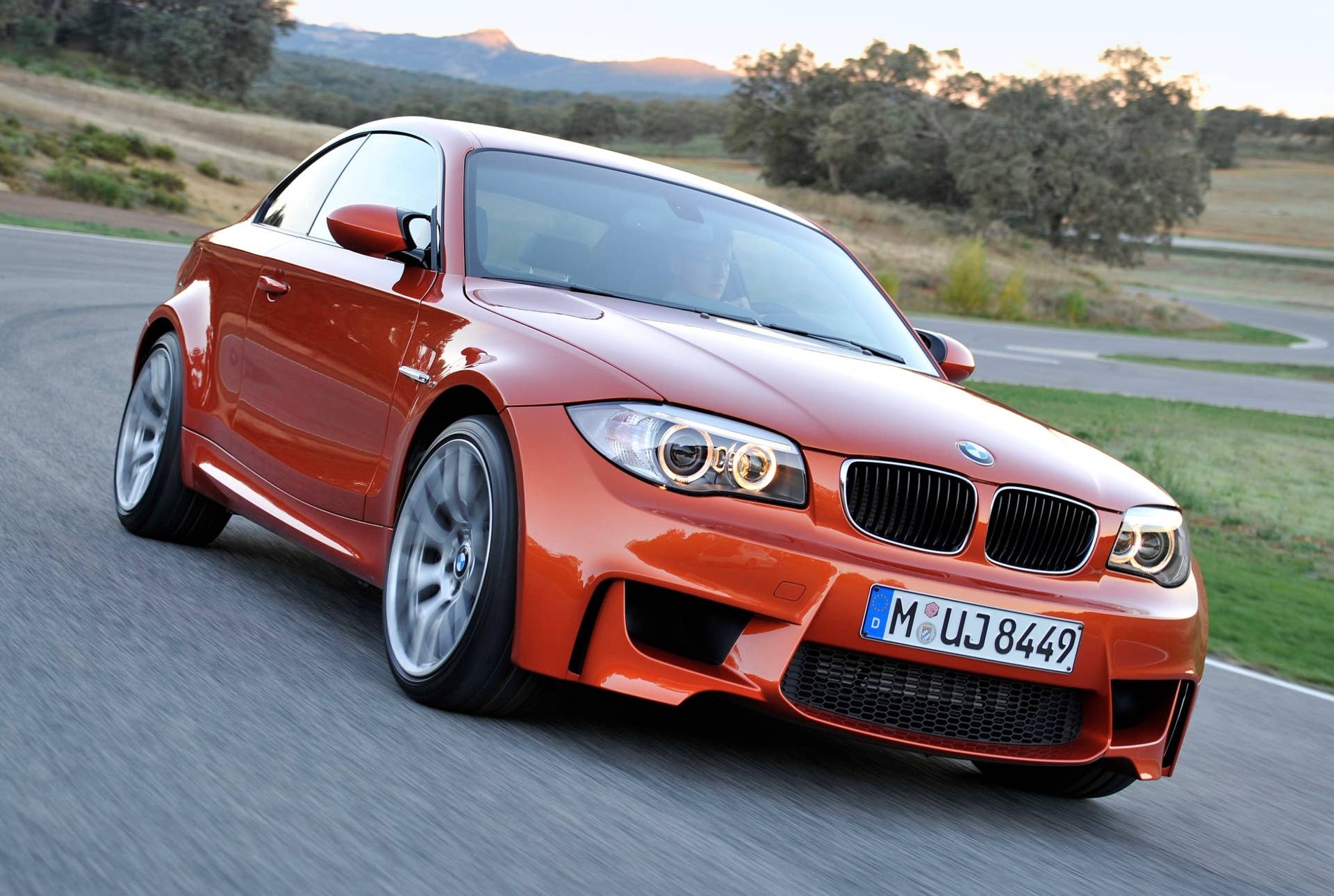
Sold only for the 2011 model year, the 1 Series M Coupe was only the second turbocharged car from the M division. This tiny pocket rocket was put on an extreme high-protein diet; from its bulging arches to the classic quad tailpipes at the back, it immediately made its presence known. The N54 3.0-liter six-cylinder engine makes 335 hp and 332 lb-ft, which is plenty for a car that weighs under 3,300 lbs.
The driver-focused package included RWD, a widened track, a six-speed manual, and extensive weight-saving measures. The result was an immensely enjoyable track toy and a true purist’s weapon. Several recent examples have sold for over $70,000 in the U.S., a measure of the car’s growing appreciation as it ages. It’s one of the best-ever BMW models for the keen driver, and makes most modern Bimmers appear bloated.
2. 2001 BMW 5 Series (E39)

Cars & Bids
Like the E46, the E39 was introduced in the 1990s, but it was still on sale for a few years in the 21st century. The 2001 model introduced a facelift for the E39, with its distinctive “angel eye” headlights and new engines.
A benchmark for comfort, driving dynamics, build quality, and refinement throughout its magnificent run, the E39 was often referred to as the best car in the world. It had no glaring weaknesses and was the perfect intersection between old-school luxury and modern amenities.
From the smooth 528i to the bellowing 540i and iconic M5, the E39’s six- and eight-cylinder engines were refined and remarkably well-matched to the polished chassis. The 2001 5 Series received the highest-ever rating for an individual model from Consumer Reports at the time, just one of many accolades bestowed upon possibly the best BMW sedan ever built.
1. 2003 BMW M3 CSL
BMW

BMW
BMW
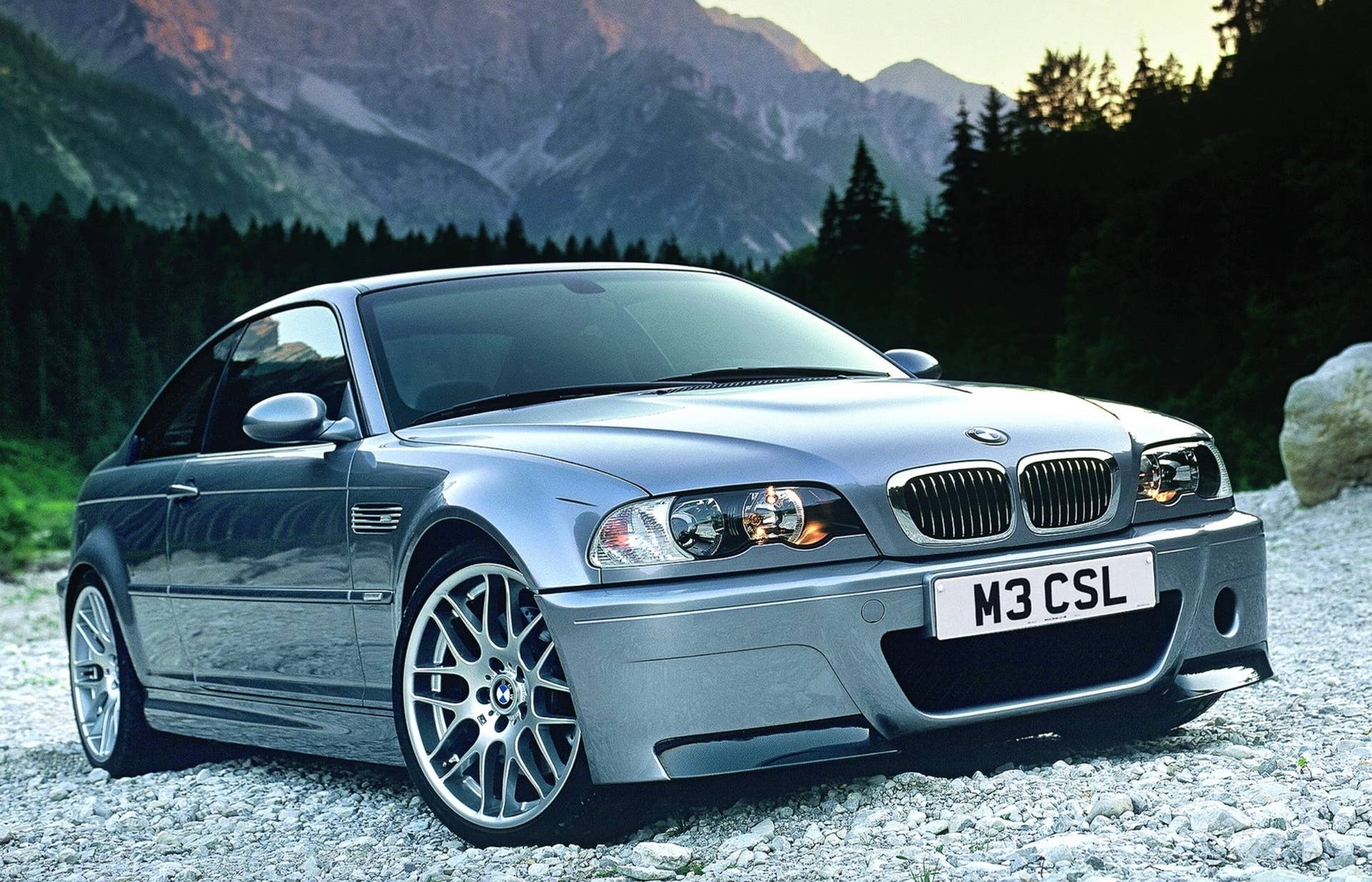
This is my pick for the best BMW car of the 21st century. The M3 CSL epitomizes the Sheer Driving Pleasure and The Ultimate Driving Machine taglines more than any other BMW model produced over the last 25 years.
In fairness, any iteration of the E46 M3 could have made this list; it’s one of the best BMW coupe models of all time. In standard form, it already ascended to iconic status with its high-revving S54 straight-six engine, perfect RWD balance, and spot-on proportions. The CSL dialed up the excitement dramatically, though.
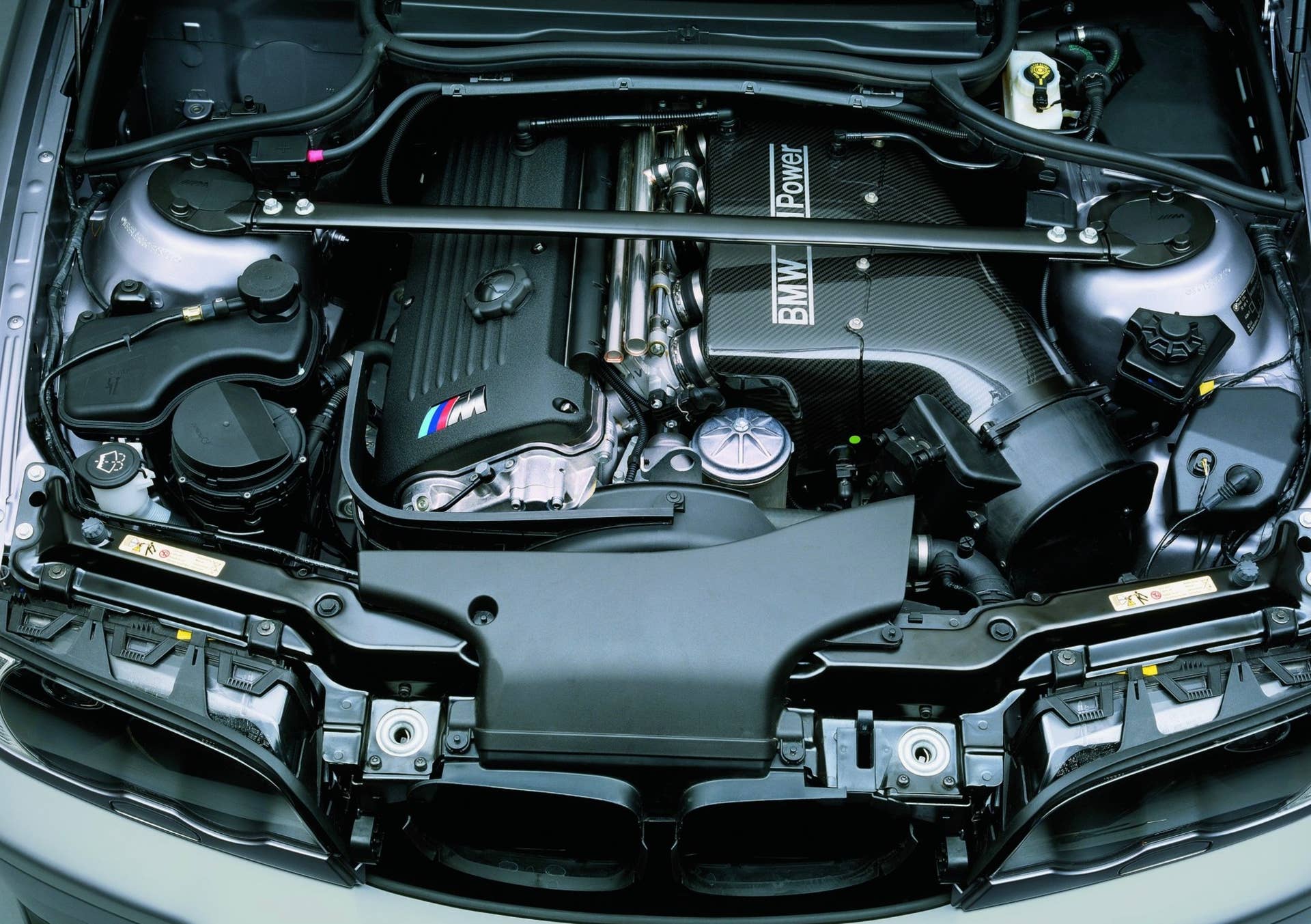
Lighter by approximately 243 lbs, BMW managed to squeeze 360 hp out of the S54. What really transformed the engine’s character was the carbon airbox, which gave the mill a spine-tingling soundtrack that was utterly raw and thrilling. Its handling poise drew comparisons with true exotics like the 911 of the period, cars not previously mentioned in the same breath as an M3.
BMW
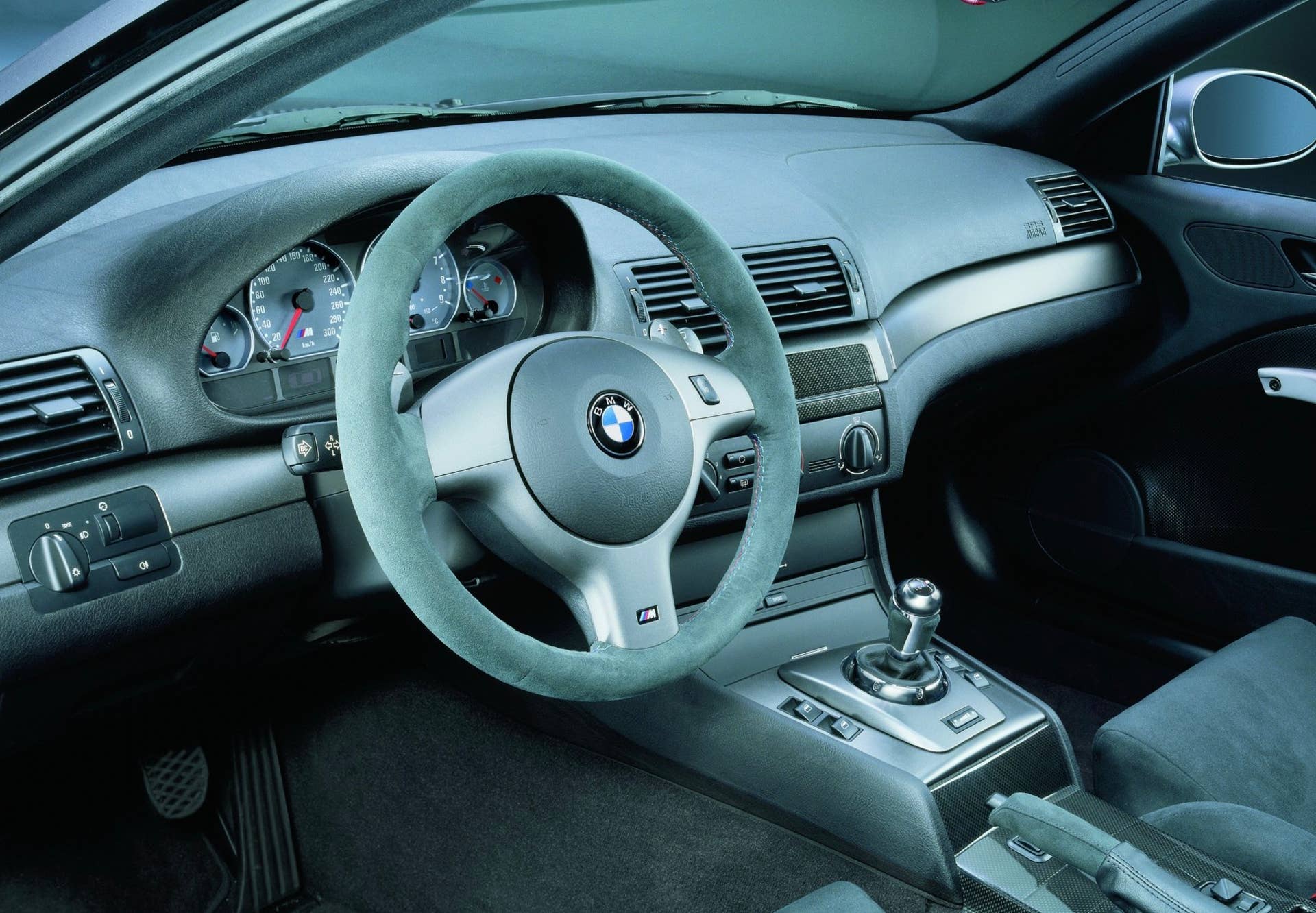
Increased camber, shorter springs on the front axle, and semi-slick tires made for sensational balance and speed through corners—as long as it was dry—and the steering fizzed with feedback. Like the E60 M5, it used an SMG gearbox that was a joy on track but less decisive at normal speeds, not that this was a car designed for normal speeds. The stripped-down interior had carbon fiber everywhere and reduced sound-deadening materials; the radio wasn’t even standard.
Overall, it’s not only the best BMW model of the 21st century, but a strong candidate for the greatest model ever to come out of Munich.
Honorable Mentions
The models below were all in with a shout but just missed a spot on this list.
BMW
BMW
BMW
BMW

BMW
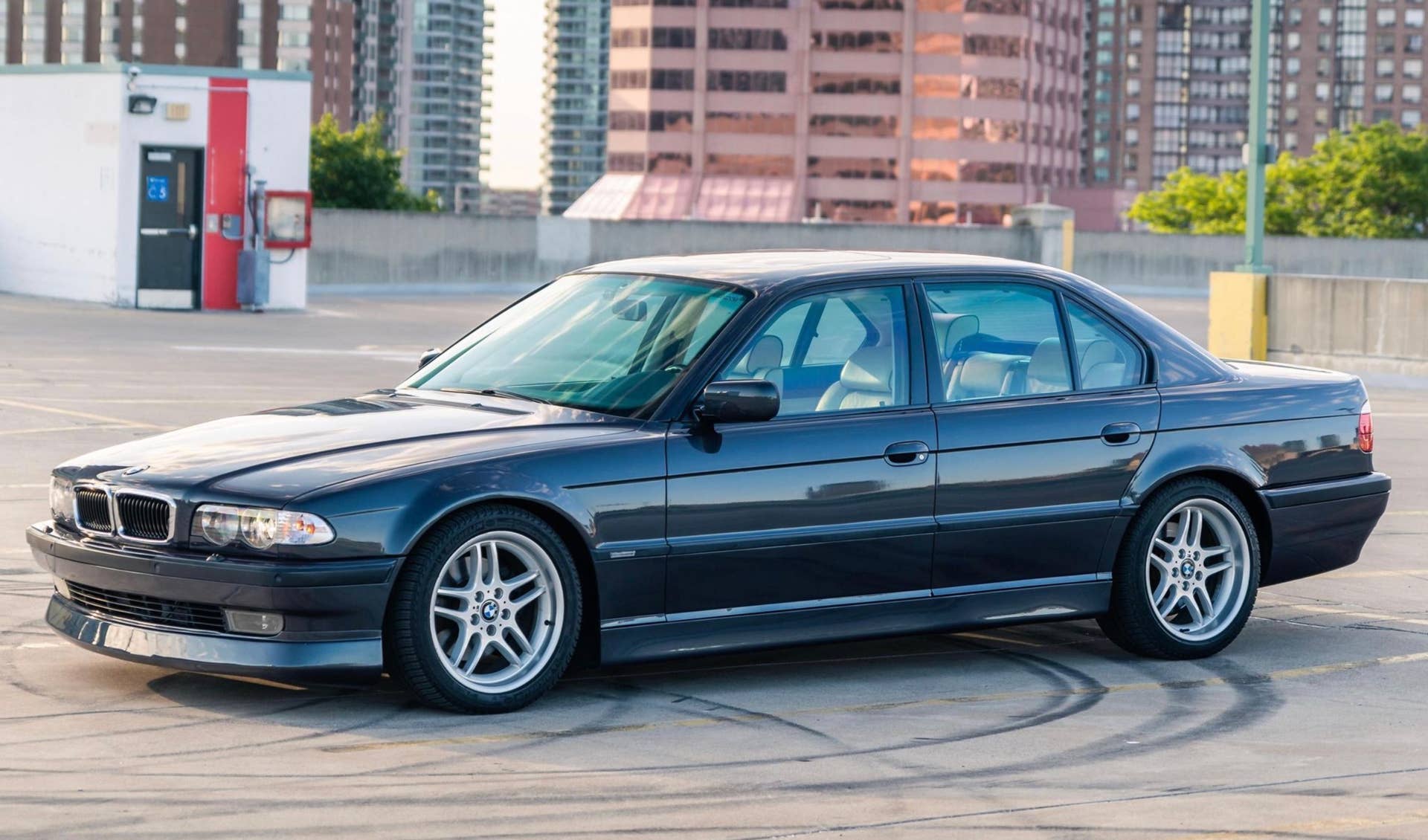
BMW 7 Series (E38)
The E38 7 Series mainly missed out on a spot due to its age. First produced in 1994, its production run was mostly over by the time the 21st century rolled around, but it was a supremely elegant and advanced sedan for its time.
BMW 3 Series (G20)
The current G20 is regarded as a return to form for the 3 Series after the competent but unremarkable F30. Better to drive than its predecessor, the G20 has aged like fine wine and remains the class benchmark.
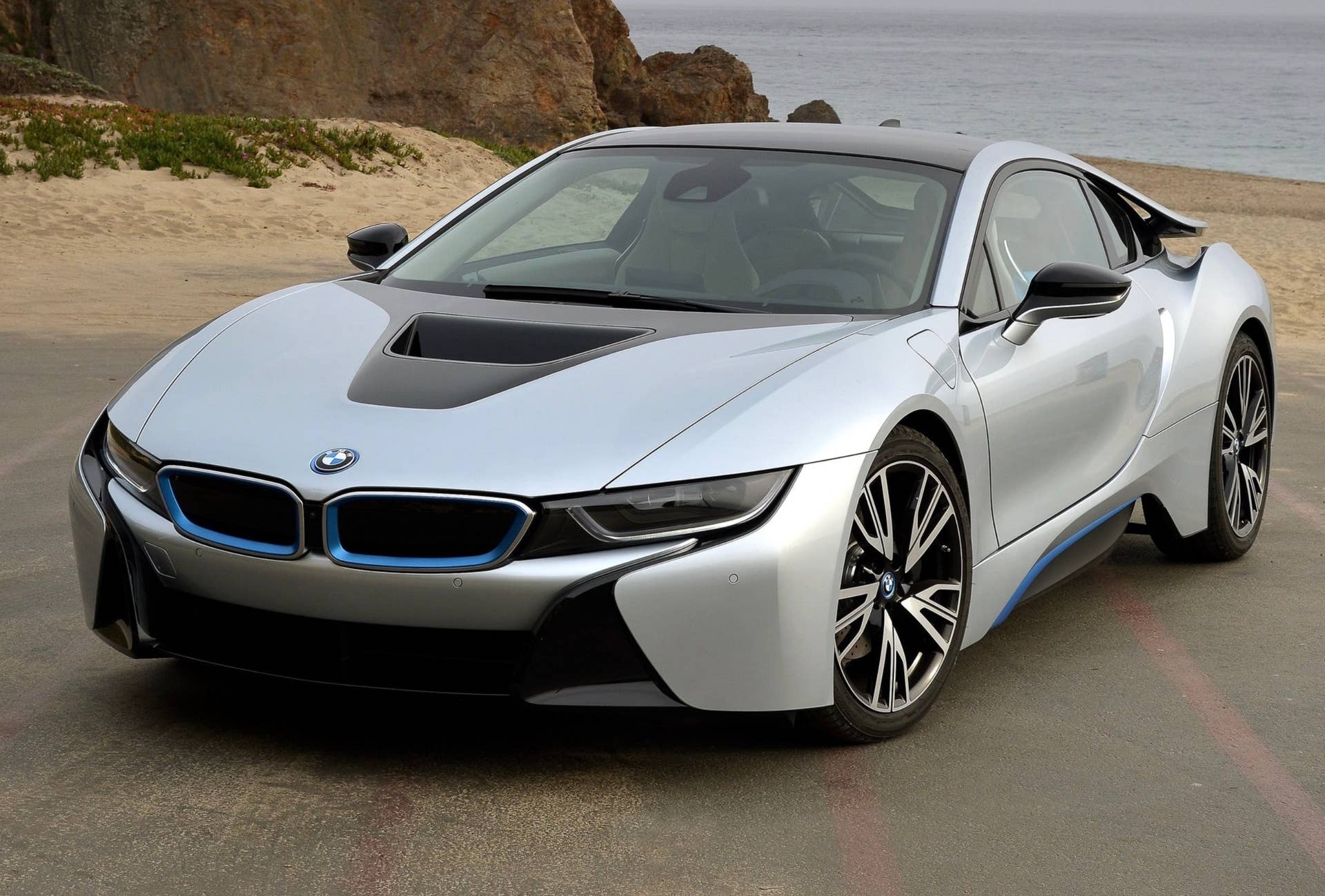
BMW i8
It looks like it’s powered by the E60 M5’s V10, but the i8 was a much more docile plug-in hybrid sports car. The spaceship styling was a revelation, as was BMW’s sheer moxie to build a flagship sports car with a 1.5L three-cylinder engine. But, as long as it was around, it showed that hybrids could be cool, too.
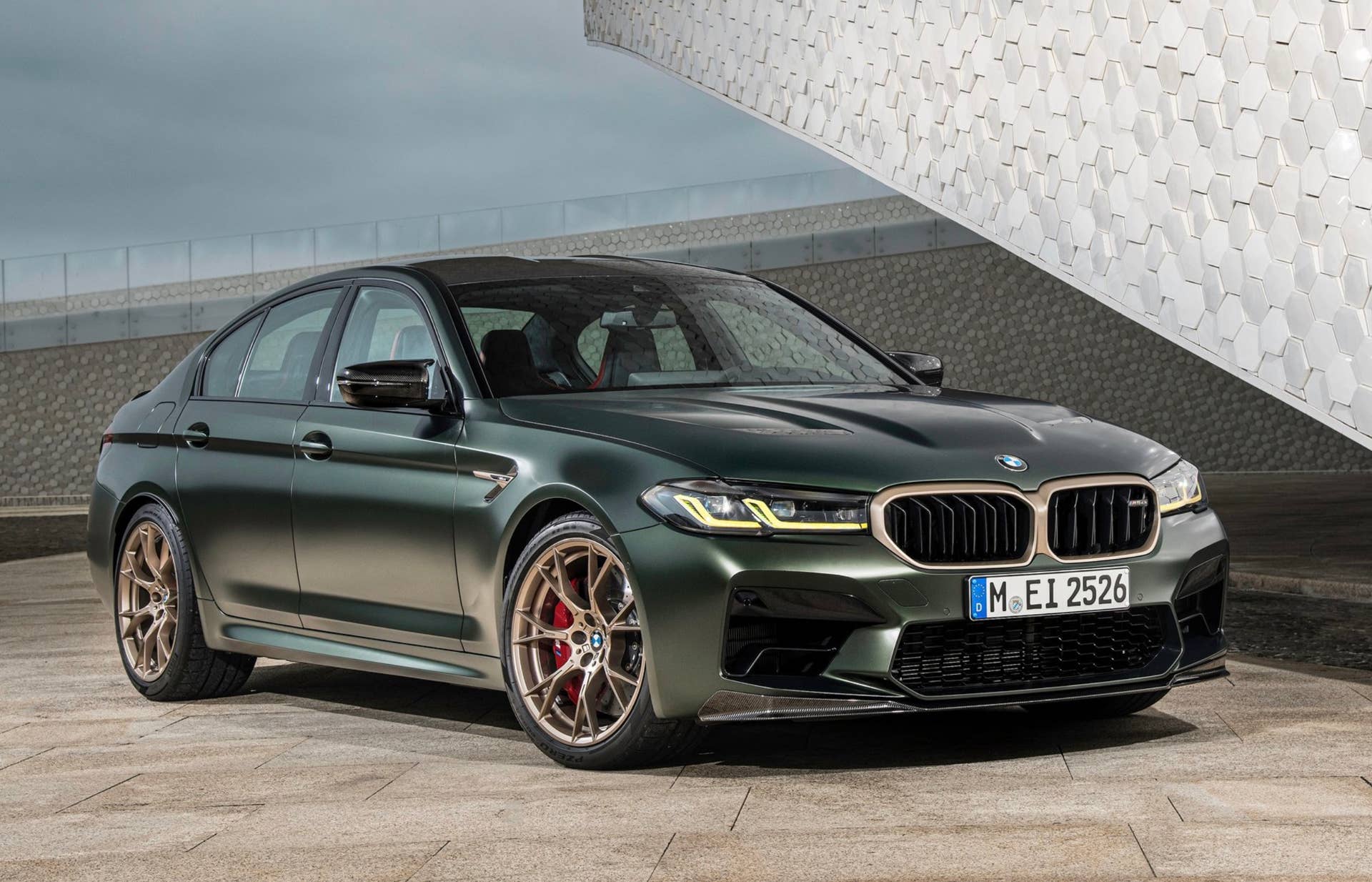
BMW M5 CS (F90)
One of the most extreme M5s ever, the F90-based M5 CS made more power (626 hp) and weighed 256 lbs less than the normal M5. Four bucket seats, razor-sharp steering, and scorching acceleration make it the greatest M5 since the E60.
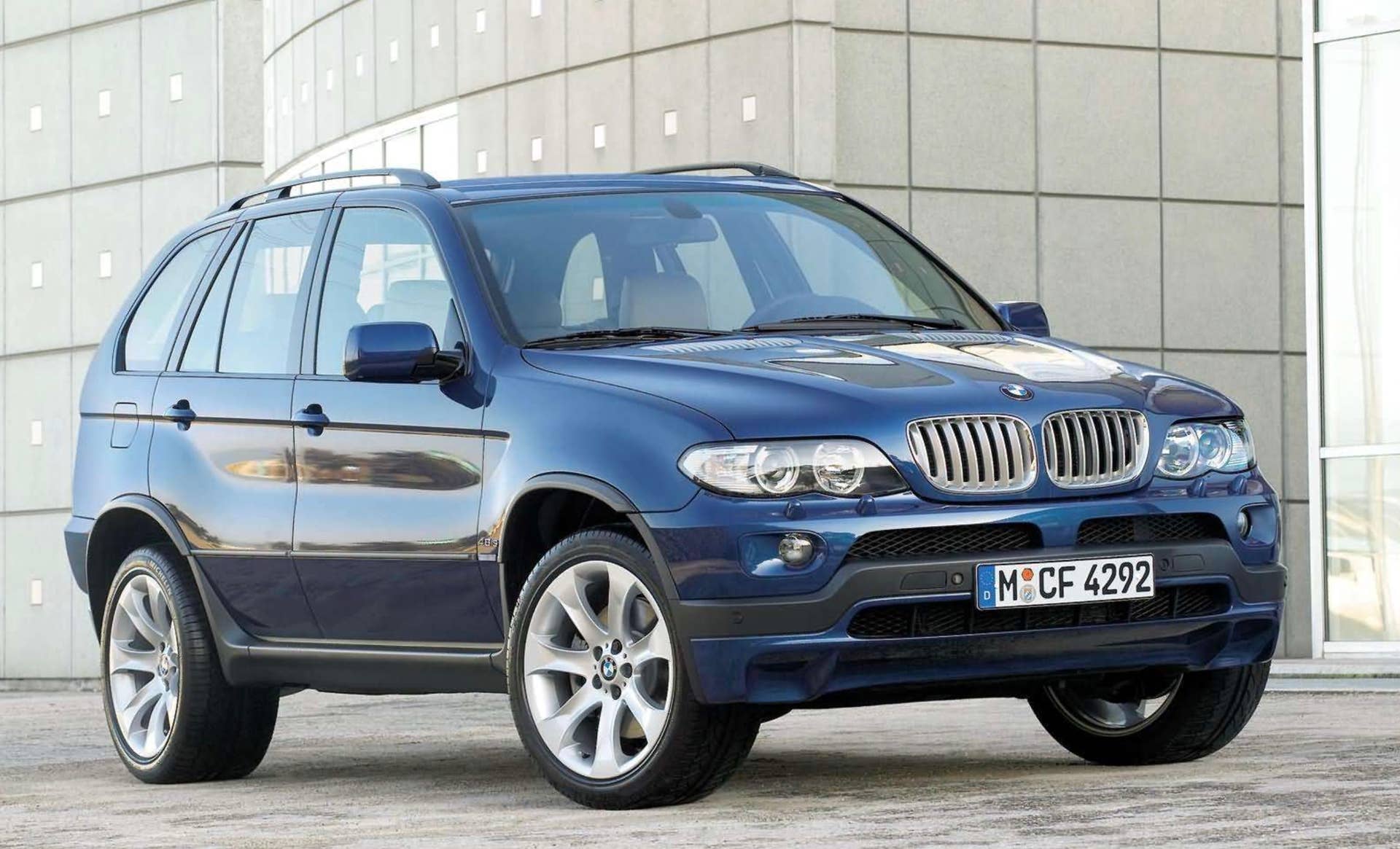
BMW X5 (E53)
BMW SUVs don’t often get a mention in lists of the brand’s best-ever cars, but the original X5’s significance shouldn’t be underestimated. It showed that SUVs could be enjoyable to drive and forced more rugged, less refined rivals to up their game.
About the author

Karl Furlong
Senior Editor, Autoblog